











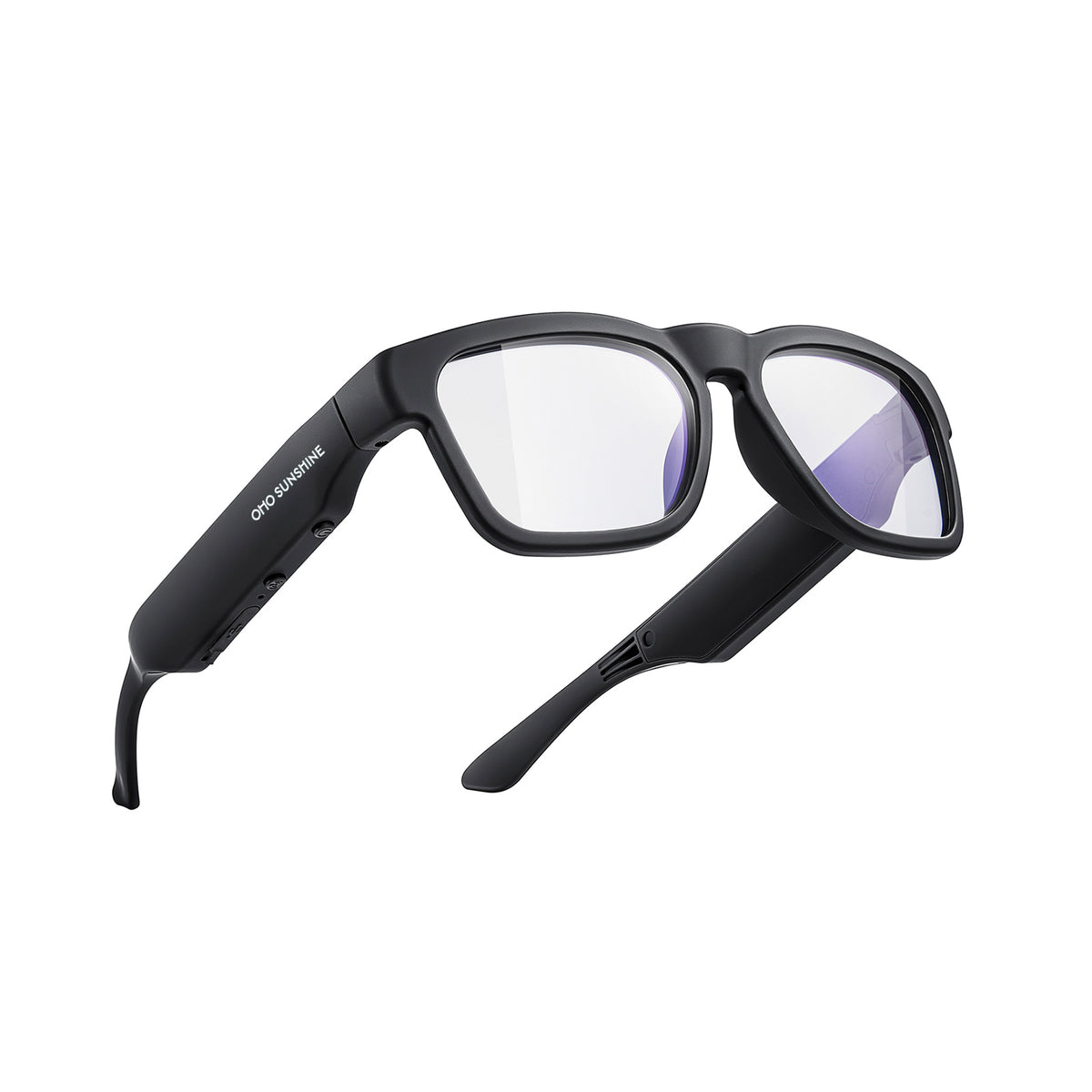





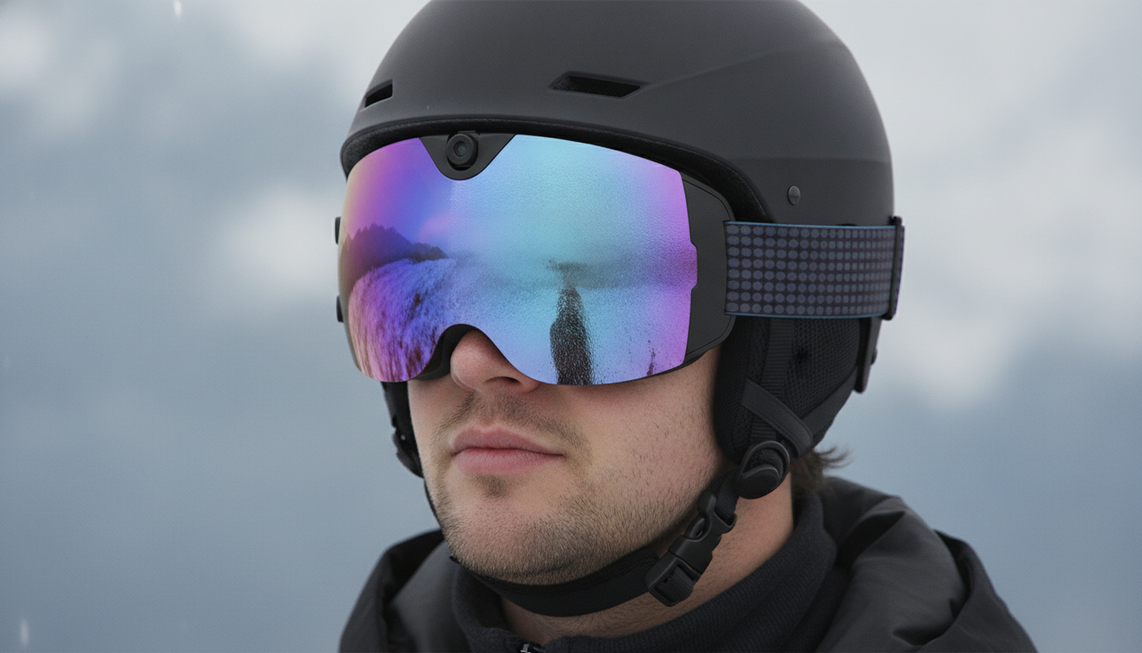
Houd bij een skibril voor heren met een breder gezicht een paar alleen als het je wangen en slapen bedekt, de neusbrug vrijlaat, gelijkmatig afsluit en stabiel blijft met de helm die je zult dragen. Als de skibril knelt, een opvallende opening laat, onder de helm verschuift of het camerabeeld blokkeert, wijs de combinatie dan af. Een maatlabel voor heren is een nuttig uitgangspunt, geen maatstaf.
Kies een skibril voor heren aan de hand van vier pasvormcontroles
Gebruik deze controle in vier delen voordat je lensfuncties of cameraspecificaties vergelijkt. Een paar blijft alleen kandidaat als elke relevante controle slaagt met hetzelfde gezicht, dezelfde helm en dezelfde cameraset-up.
- Bedekking en ruimte bij de neusbrug: Houd het frame als het de zone rond de ogen over de wangen en slapen bedekt zonder scherp tegen de neusbrug te drukken. Wijs het af als de neusbrug knelt, het frame niet gecentreerd zit of er een zichtbare opening overblijft op de plek waar de neus en het frame op elkaar moeten aansluiten.
- Schuimafdichting en druk: Houd de combinatie als het schuim rondom je gezicht continu en comfortabel contact maakt. Wijs de combinatie af als de druk zich concentreert op de neus, het voorhoofd of de ooghoeken, of als het frame verschuift wanneer je je gezicht beweegt.
- Helmrand en band: Houd de combinatie als de rand en band op hun plaats blijven met de daadwerkelijke helm op. Wijs de combinatie af als de helm de skibril omlaag duwt, de band omhoogkomt of verschuift, er een opvallende opening bij het voorhoofd overblijft of een van beide items niet op de juiste positie moet worden gedragen. Onafhankelijke richtlijnen voor de pasvorm van skibrillen adviseren eveneens om een skibril met de helm te passen en het contact met het gezicht, openingen en comfort te controleren.
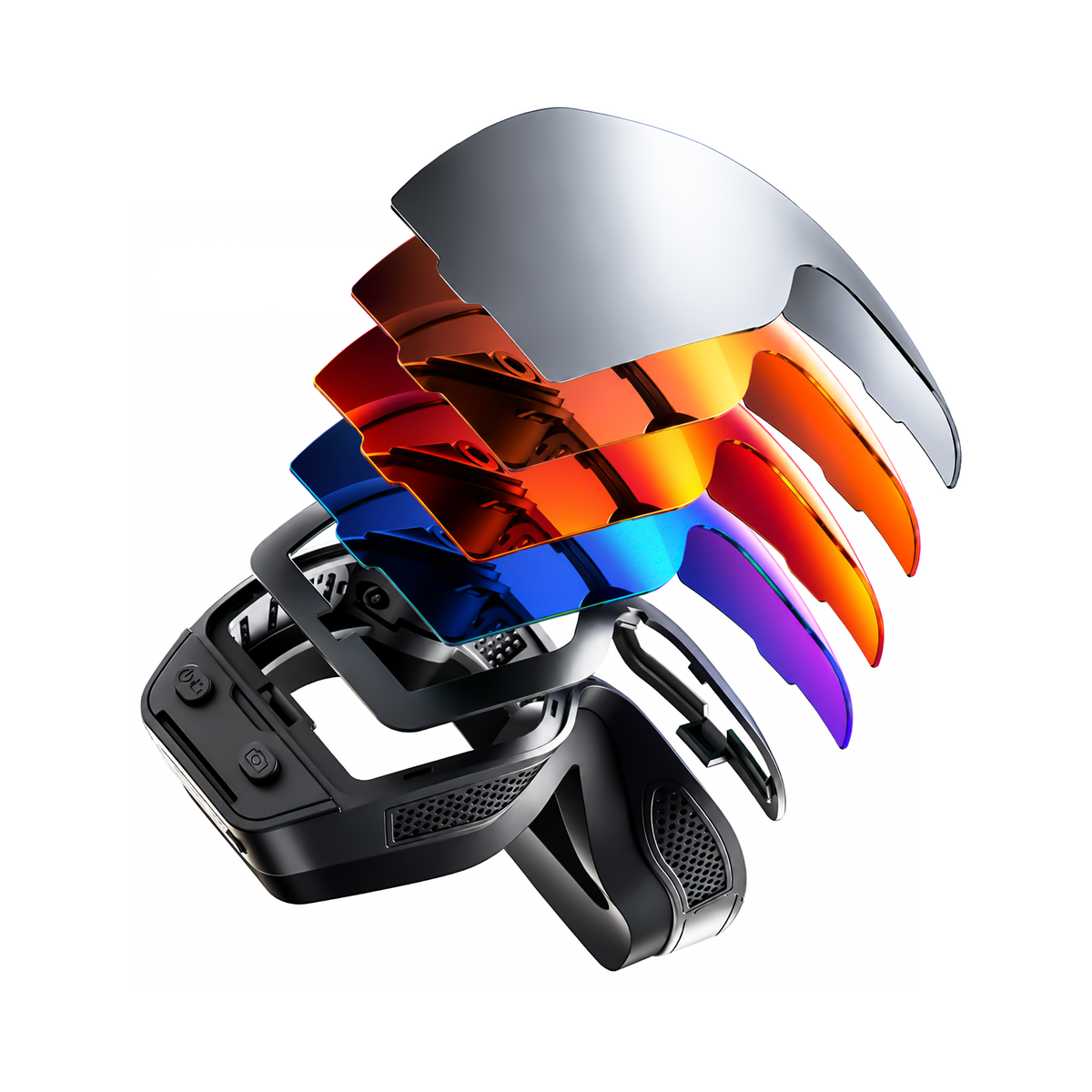
- Behuizing en beeld van de camera: Houd de set alleen als de behuizing vrij blijft van de helm, de bediening bruikbaar blijft, de afdichting en het comfort intact blijven en het opgenomen beeld vanuit de positie met opgezette helm onbelemmerd is. Wijs de set af als de camera de pasvorm verandert of het beeld blokkeert.
Deze controles zijn nuttiger dan “heren”, “dames”, “wide” of “large” als gestandaardiseerde afmetingen te beschouwen. Die labels kunnen je helpen een eerste groep frames te vinden, maar je gezichtsvorm en helm bepalen het resultaat.

Controleer de bedekking, ruimte bij de neus en de schuimafdichting
Een breder gezicht heeft meer nodig dan alleen een breder frame. Houd de skibril alleen als het frame je wangen en slapen bedekt, de neusbrug vrijlaat, de druk comfortabel verdeelt en tijdens een echte pasbeurt rondom de volledige schuimrand contact houdt.
Stem het frame af op de vorm van je gezicht
Begin met drie zichtbare controles:
- Dekking: Het montuur moet het gebied rond de ogen bij de wangen en slapen bedekken zonder uitgerekt te voelen of geforceerd op zijn plaats te worden gedrukt.
- Ruimte bij de neusbrug: Je neus mag geen scherp drukpunt raken en het montuur mag niet zonder ondersteuning boven de neusbrug hangen. Een breed gezicht kan nog steeds een lagere of anders gevormde neusbrug hebben, dus de totale breedte kan de keuze niet op zichzelf bepalen.
- Drukverdeling: De skibril moet gecentreerd blijven zonder geconcentreerde druk op de neus, het voorhoofd of de ooghoeken. Draag de bril enkele minuten en beweeg je gezicht normaal voordat je beslist dat de aanvankelijke pasvorm comfortabel is.
Een groter montuur kan voor sommige bredere gezichten de bedekking verbeteren, maar het kan ook te ver van het gezicht af staan of op de verkeerde plaatsen druk veroorzaken. Daarom is de beste skibril voor een breed gezicht en een helm degene die bij je contouren past, niet simpelweg het model met de grootste aanduiding. Gebruik de categorie voor heren of dames om je eerste zoekopdracht te verfijnen en kies vervolgens het montuur met een betere bedekking en meer ruimte.

Controleer of de afsluiting gelijkmatig is
Kijk rond de neus en wangen of het schuim overal aansluit. Een zichtbare opening, verschuivende rand of gevoel van luchtstroom betekent dat het montuur nader moet worden beoordeeld, niet dat de band strakker moet worden gezet. Door de band strakker te zetten kan een slechte vorm tegen je gezicht worden gehouden, maar een niet-passende neusbrug of ongelijkmatige aansluiting wordt er niet door gecorrigeerd.
Herhaal het passen na enkele minuten en met normale gezichtsbewegingen. Druk op de neus, ongemak bij het ademen of zorgen over beslaan zijn goede redenen om de pasvorm opnieuw te beoordelen, hoewel beslaan ook afhankelijk kan zijn van de omstandigheden en het onderhoud van de lens. Discussies in de community kunnen deze vragen aan het licht brengen, maar zijn anekdotisch en geen bewijs voor de prestaties van een bepaald montuur.
Combineer de skibril met de helm die je gaat dragen
Test de skibril en helm als één systeem. Zet de daadwerkelijke helm op, plaats de skibril normaal, stel de band af en beweeg je hoofd en ogen zoals je dat op de berg zou doen. Er bestaat geen universele maat voor de opening tussen helm en skibril waarmee elke combinatie geschikt is, dus het fysieke resultaat bepaalt de beslissing.
| Controle | Acceptabele waarneming | Uitsluitsignaal |
|---|---|---|
| Aansluiting tussen rand en voorhoofd | De rand sluit stevig aan op het helmgebied zonder een van beide onderdelen uit positie te dwingen. | Er blijft een duidelijke opening bij het voorhoofd, of de helm duwt de skibril van het gezicht af. |
| Verloop en spanning van de band | De band blijft gecentreerd en houdt de skibril op zijn plaats zonder overmatige spanning. | De band kruipt omhoog, glijdt weg, draait of trekt het montuur uit het midden. |
| Druk van de helm | De helm veroorzaakt geen nieuw drukpunt wanneer de skibril goed zit. | De helm drukt het frame tegen de neus, het voorhoofd of de ooghoeken. |
| Stabiliteit tijdens beweging | Rondkijken en natuurlijk bewegen laat het frame gecentreerd en goed afgesloten. | De skibril verschuift of komt omhoog, of verliest contact wanneer je beweegt. |
Deze helm-op-test is belangrijk voor zowel standaard skibrillen als cameramodellen. Een paar dat zonder hoofddeksel goed aanvoelt, kan anders zitten zodra de helm de hoek van de band verandert of tegen de rand drukt. Als je de helm hoger moet forceren, de skibril lager moet trekken of instabiele beweging moet accepteren, probeer dan een andere combinatie van frame en helm.
Controleer de ruimte voor de camera zonder pasvorm of zicht op te offeren
Overweeg camerafuncties pas nadat de onderliggende pasvorm voor gezicht en helm goed is. De plaatsing van de camera kan de positie van het frame, de druk, de afdichting, de toegang tot de bediening en het opgenomen beeld veranderen. Compatibiliteit tussen sneeuwbrillen met camera en een helm is daarom een fysieke kwestie, geen label.
Test de behuizing en bediening met de helm
Controleer het volgende drie keer terwijl je de daadwerkelijke helm draagt:
- Ruimte voor de helm: Het cameragedeelte moet vrij blijven van de helmr#### zonder de skibril van je gezicht weg te duwen.
- Toegang tot de bediening: Je moet de bediening kunnen gebruiken zonder het frame te verschuiven of de comfortabele positie ervan te verstoren.
- Afdichting en drukbehoud: Opladen of toegang tot de voeding mag geen nieuw drukpunt veroorzaken, de rand optillen of een opening rond de neus of wangen creëren.
Als een van deze controles mislukt, compenseert de camerafunctie het pasvormprobleem niet. Houd de opstelling voorwaardelijk totdat de behuizing, helm en bediening goed samenwerken in de positie die je daadwerkelijk gebruikt.
Controleer het opgenomen beeld vanuit de zittende positie
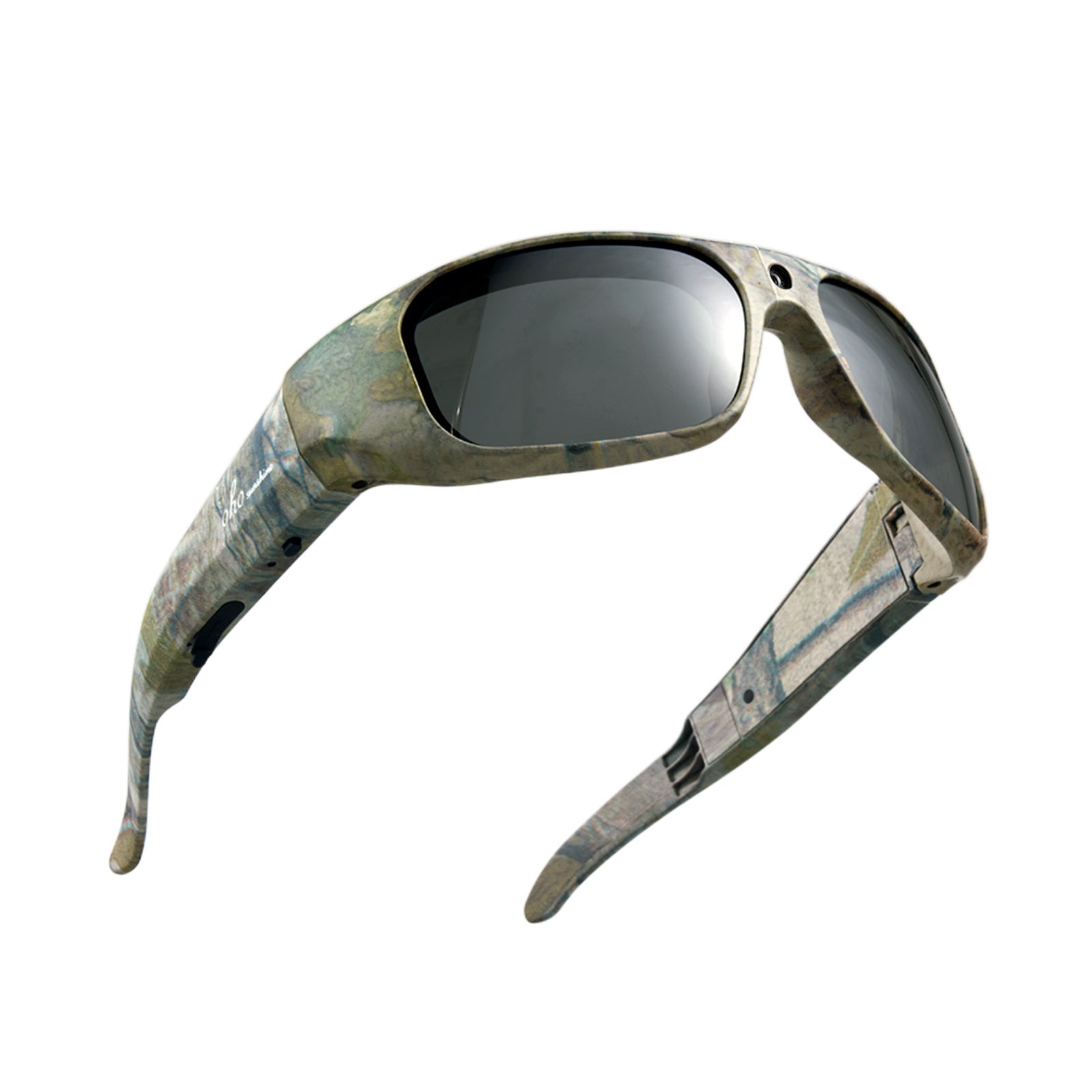
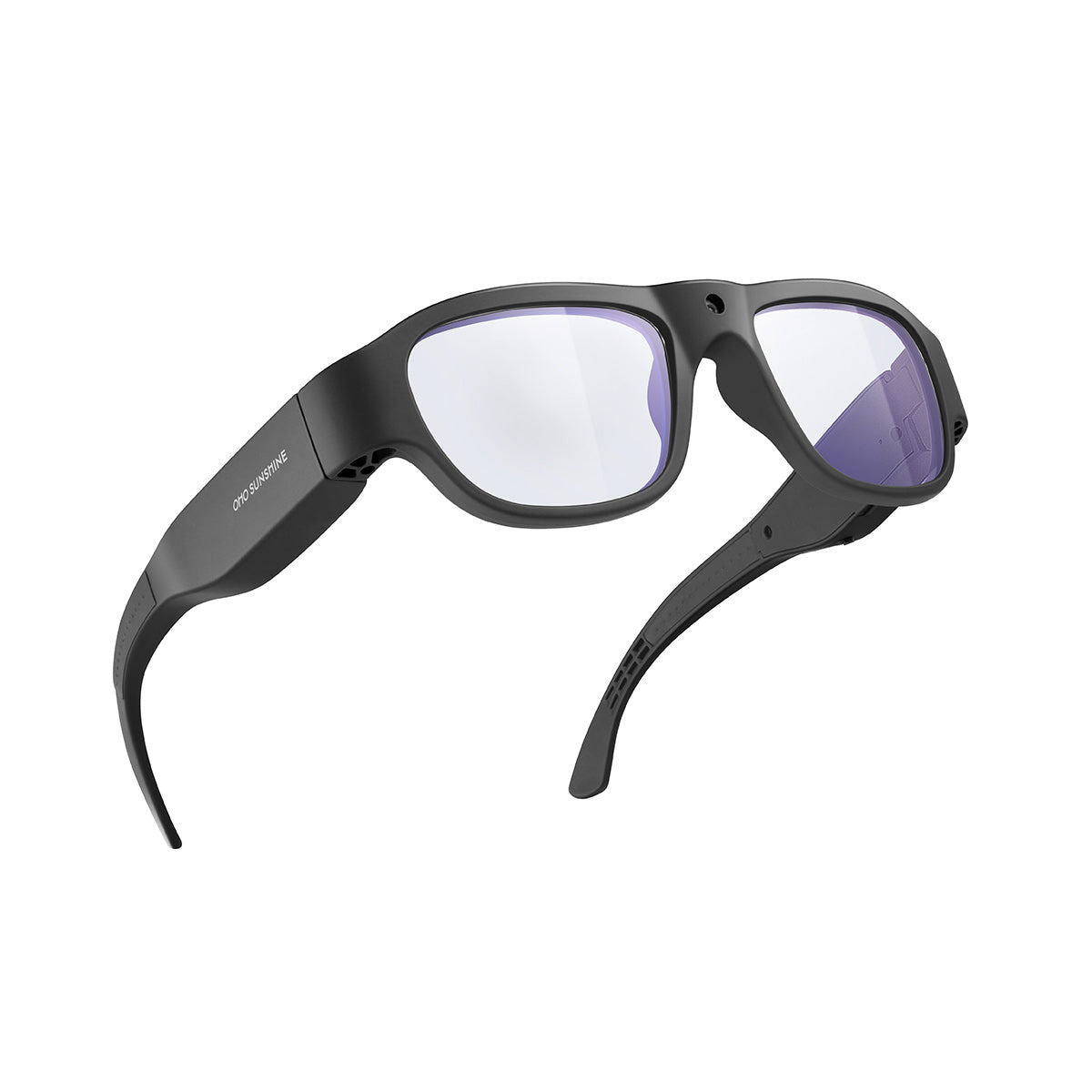
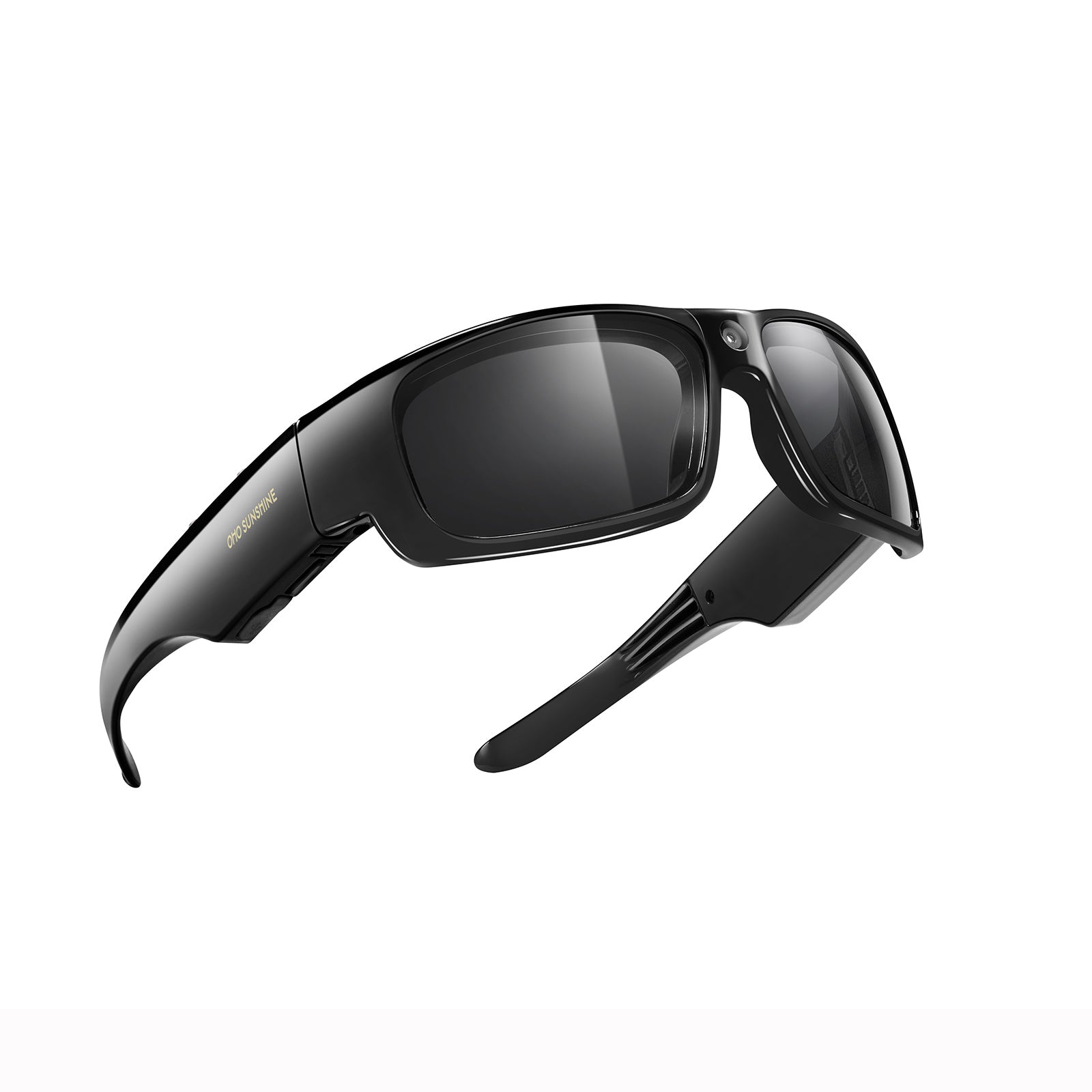
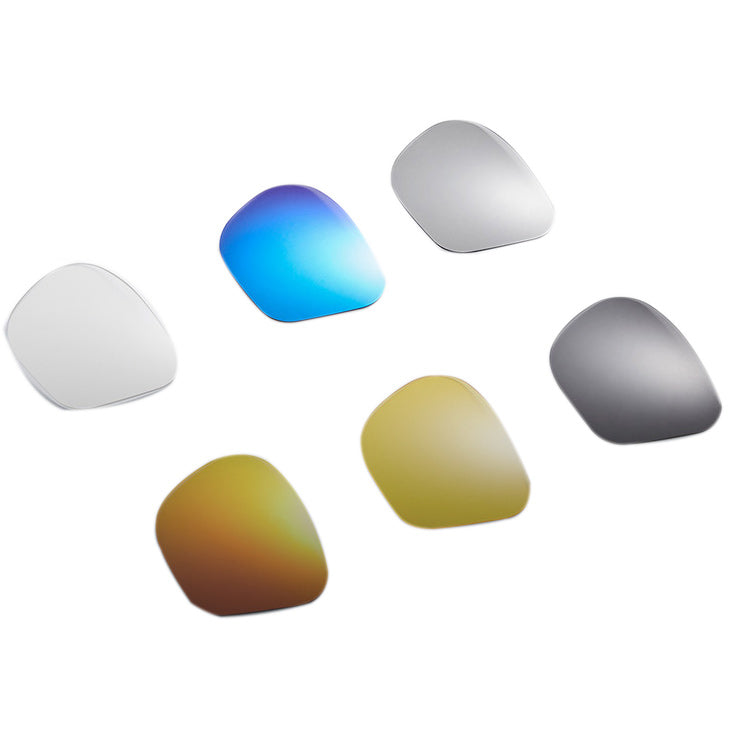
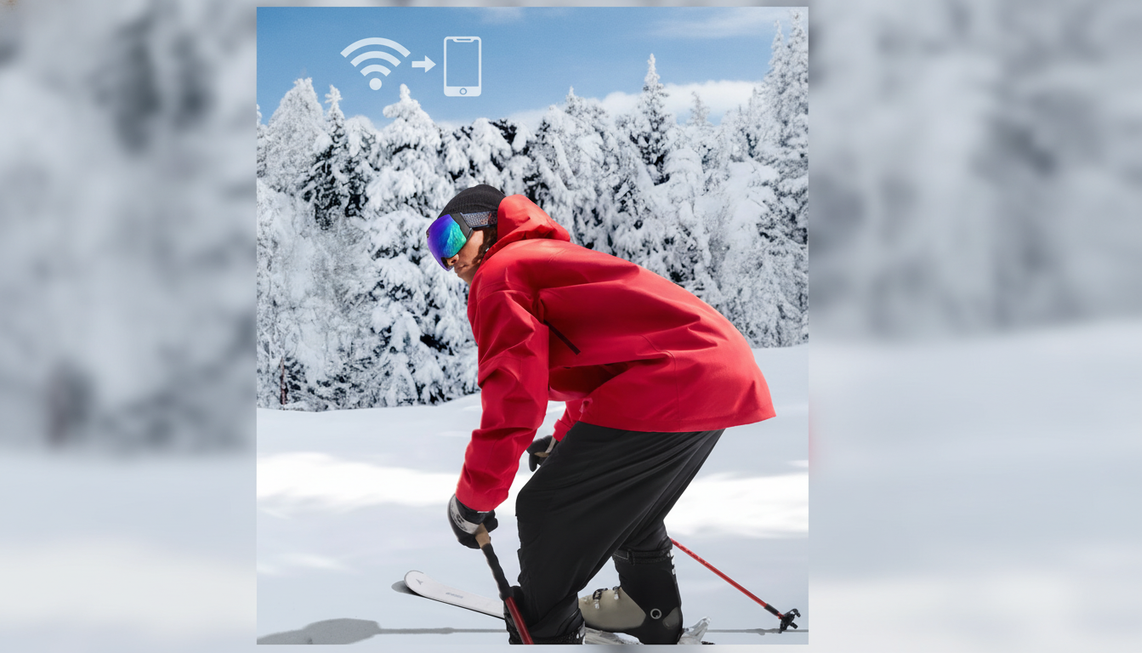
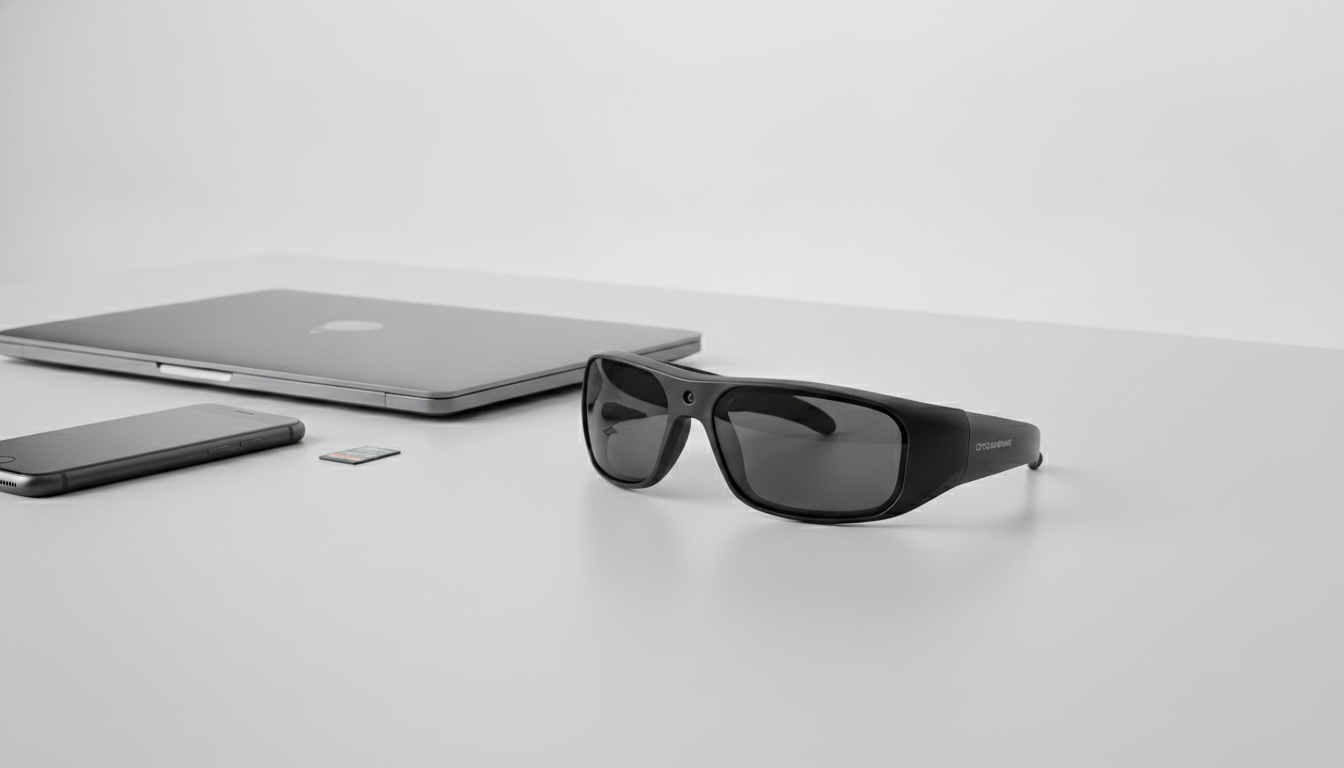
Test de preview of opname pas nadat de skibril en helm correct zijn geplaatst. De Skyshot-cameraskibril vermeldt 4K-video met 30 fps, foto's van 24 MP, een beeldhoek van 140°, een anticondenslens, wifi, opladen via USB-C en gepolariseerde glazen. Dat zijn productfuncties, geen garantie dat de camera vrij blijft van je helm of de gewenste beeldkadrering oplevert.
Gebruik een opname terwijl je de helm draagt om te zien wat de camera daadwerkelijk vastlegt vanuit je normale hoofdpositie. Als je cameramodellen vergelijkt, kunnen de specificaties van slimme skibrillen helpen om vragen over functies te structureren, maar een vergelijking van specificaties kan de fysieke vrije ruimte en de test van het zicht niet vervangen.
Neem de definitieve beslissing: kopen of afwijzen
Koop de bril wanneer de beoogde combinatie van gezicht, helm en camera comfortabel, goed afgedicht, stabiel en onbelemmerd blijft. Als één belangrijke voorwaarde nog steeds niet wordt vervuld, stel de aankoop dan uit, ruil de bril om of vergelijk verder in plaats van de pasvorm te forceren. Herhaal de test vóór een reis met de helm die je daadwerkelijk zult dragen en behoud de retourmogelijkheid van de retailer totdat de gecombineerde set is bevestigd.
Voor shoppers die zoeken naar sneeuwbrillen voor mannen is het praktische antwoord eenvoudig: kies de bril die de volledige gezichts- en helmtest doorstaat, ongeacht het genderlabel. Voeg bij cameramodellen de test van de behuizing en het opgenomen beeld toe voordat je het product als passend beschouwt. Zo kun je een onderbouwde aankoopbeslissing nemen zonder te vertrouwen op een ongedefinieerde maat voor een “breed” gezicht.
Veelgestelde vragen
Gebruik de onderstaande vragen om vóór aankoop de bedekking van je gezicht, het comfort bij de neusbrug, het contact met het schuim, de stabiliteit met de helm en de ruimte voor de camera te controleren.
Welke sneeuwbril past bij een breed gezicht?
Een bril past bij een breed gezicht als hij de wangen en slapen bedekt, ruimte laat bij de neusbrug en gelijkmatig contact met het schuim behoudt, zonder opening of scherpe drukplek. Probeer hem met de beoogde helm, want een montuur dat op zichzelf goed voelt, kan verschuiven wanneer de helm wordt toegevoegd.
Hoe moet een sneeuwbril voor mannen passen?
De bril moet tijdens normale bewegingen gecentreerd en comfortabel blijven zitten, zonder scherpe druk bij de neusbrug, wangen, het voorhoofd of de ooghoeken. Gebruik herenmaat als uitgangspunt en kies vervolgens het montuur dat je gezicht betere bedekking, ruimte en stabiliteit met de helm biedt.
Moet een skibril je helm raken?
De helm en de rand van de skibril moeten stevig op elkaar aansluiten zonder dat een van beide uit positie wordt geduwd. Als het bandje omhoogkomt, de rand verschuift of er een duidelijke opening bij het voorhoofd blijft, probeer dan een andere combinatie met dezelfde helm in plaats van het probleem alleen op te lossen door het bandje strakker te trekken.
Past een cameraskibril onder een helm?
Ze kunnen samen passen als de camerabehuizing en bediening de helm niet raken en de skibril goed blijft afdichten, comfortabel blijft zitten en een onbelemmerd zicht biedt. Test de daadwerkelijke camerabril met de daadwerkelijke helm en controleer vervolgens de opgenomen beeldkadrering vanuit zittende positie voordat je koopt.
Kunnen mannen een skibril voor vrouwen dragen?
Ja. Een heren- of dameslabel bepaalt de pasvorm niet. Kies het montuur dat de drager betere bedekking, ruimte bij de neusbrug, gelijkmatig contact met het schuim, comfort en stabiliteit met de helm biedt.


Laat een reactie achter
Deze site wordt beschermd door hCaptcha en het privacybeleid en de servicevoorwaarden van hCaptcha zijn van toepassing.