





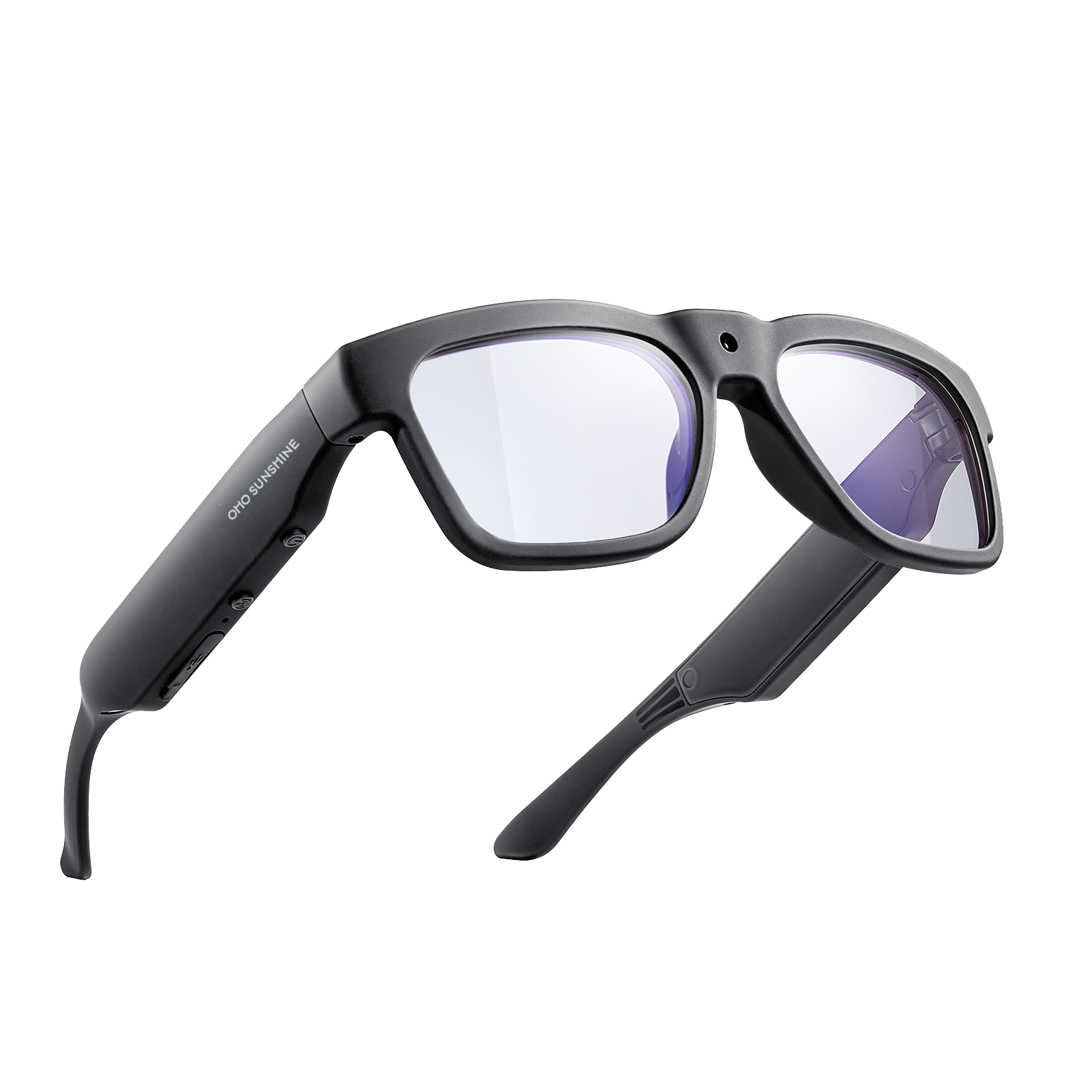


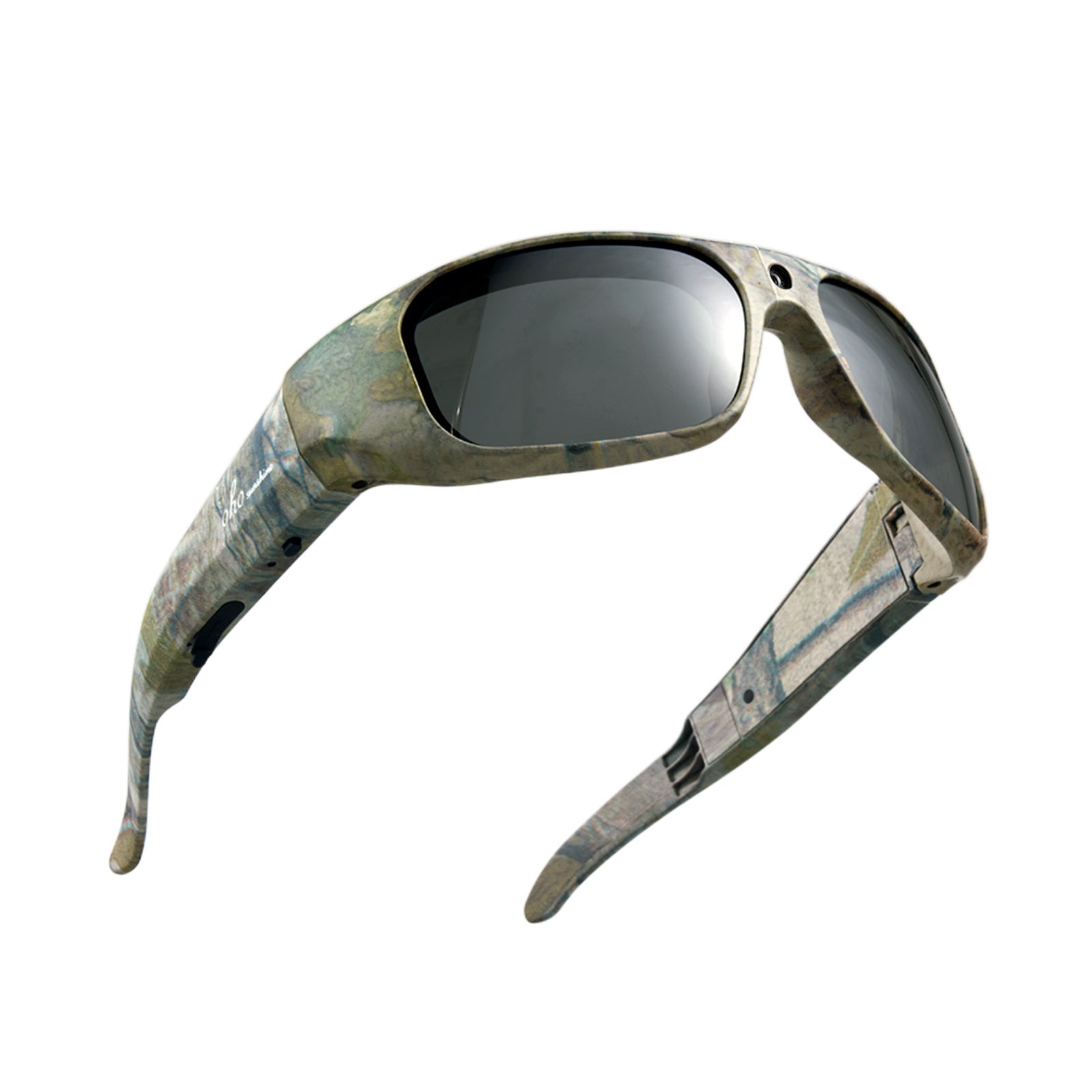


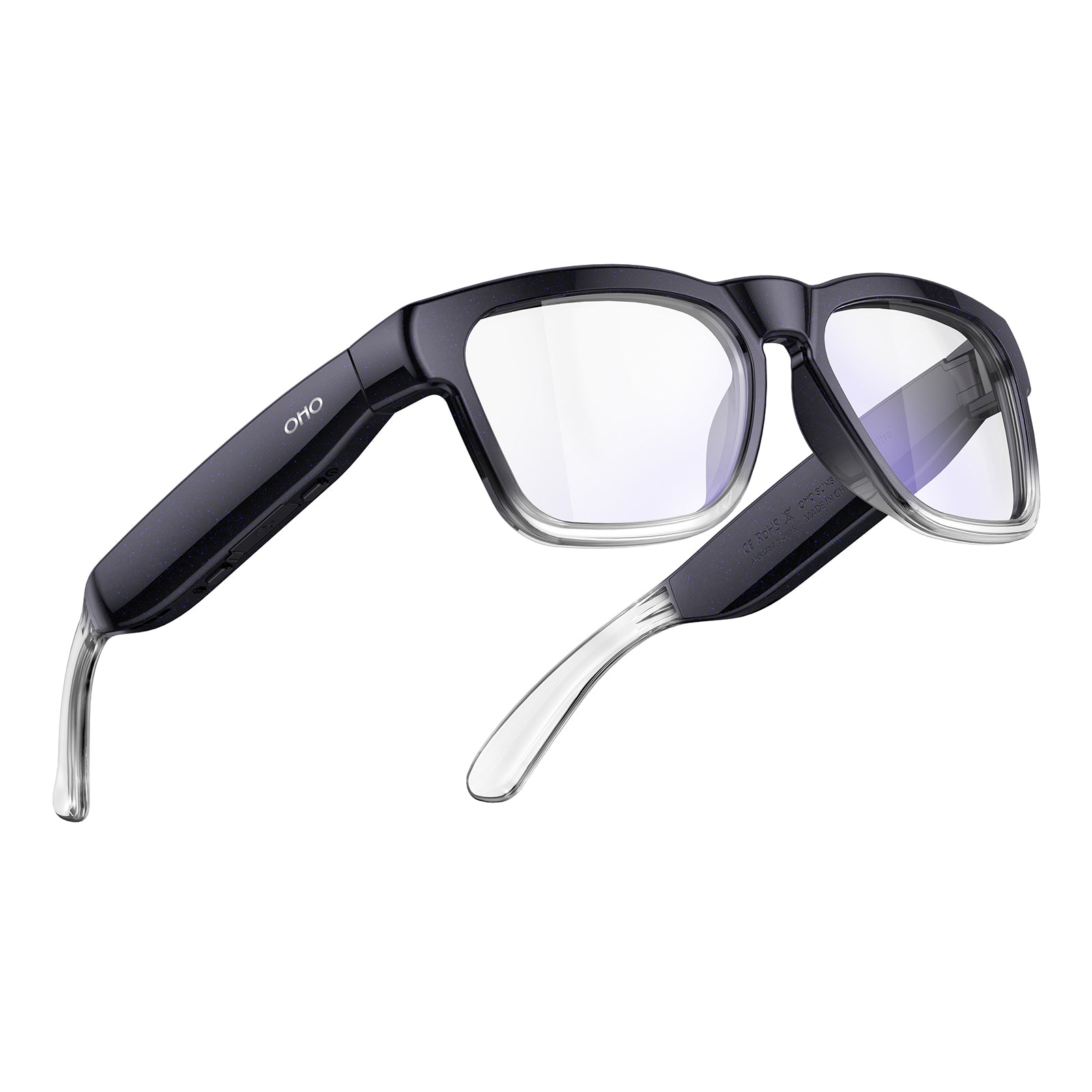
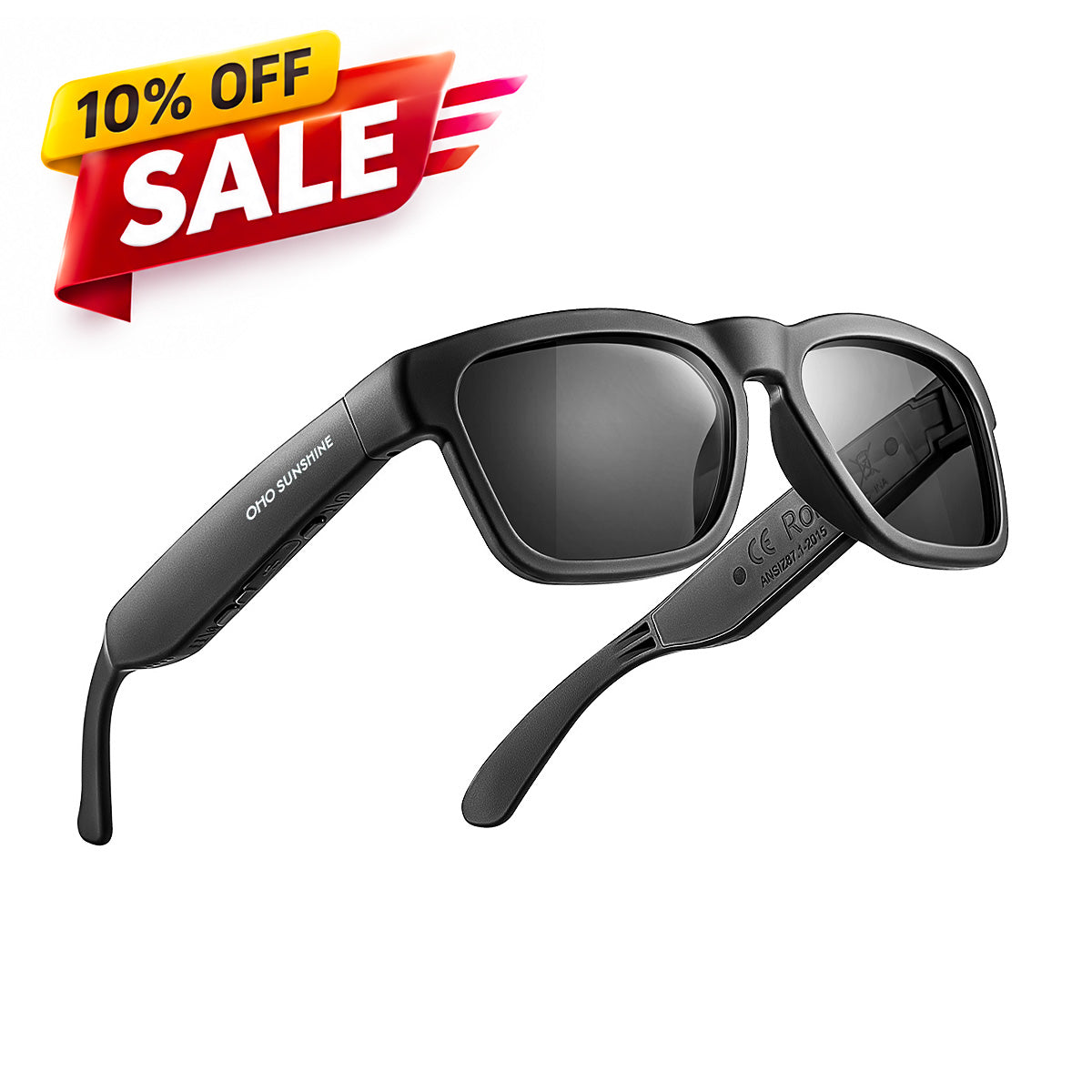




When recording first-person video in motion, image stability can directly affect how easy the footage is to watch. The camera moves with the wearer’s body and head, so changes in the road, head turns, and walking rhythm can all create visible shake.
EIS camera glasses use Electronic Image Stabilization to help reduce noticeable shake during motion recording. They are suited to users who want to capture routes, actions, surroundings, and real-time activity from a first-person view, making POV footage smoother and easier to review or share.
Make Moving POV Footage Easier to Rewatch
The value of first-person recording is that the footage stays close to what the wearer is actually seeing. Whether moving along a route or focusing on a hands-on action, the image naturally follows the wearer’s line of sight.
This recording style is also more affected by body movement. Head turns, pace changes, footsteps, and direction shifts can all make video appear shaky. EIS helps reduce some of this motion-related shake during recording, so active clips can look smoother and easier to watch. EIS reduces motion-related shake during recording, helping active clips look smoother, more stable, and easier to watch.
EIS cannot make video completely shake-free, and it does not replace gimbal stabilization. It is better suited to everyday movement, outdoor activity, and hands-free recording than to promising perfect stability in every intense or high-impact situation.
Record Activities That Need Both Hands
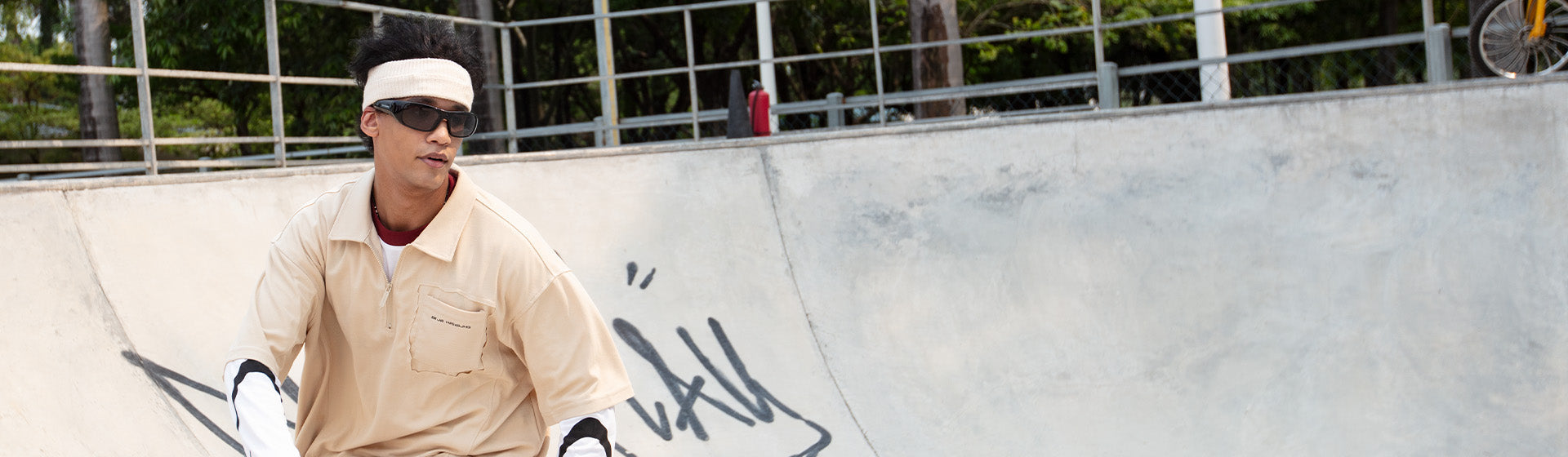
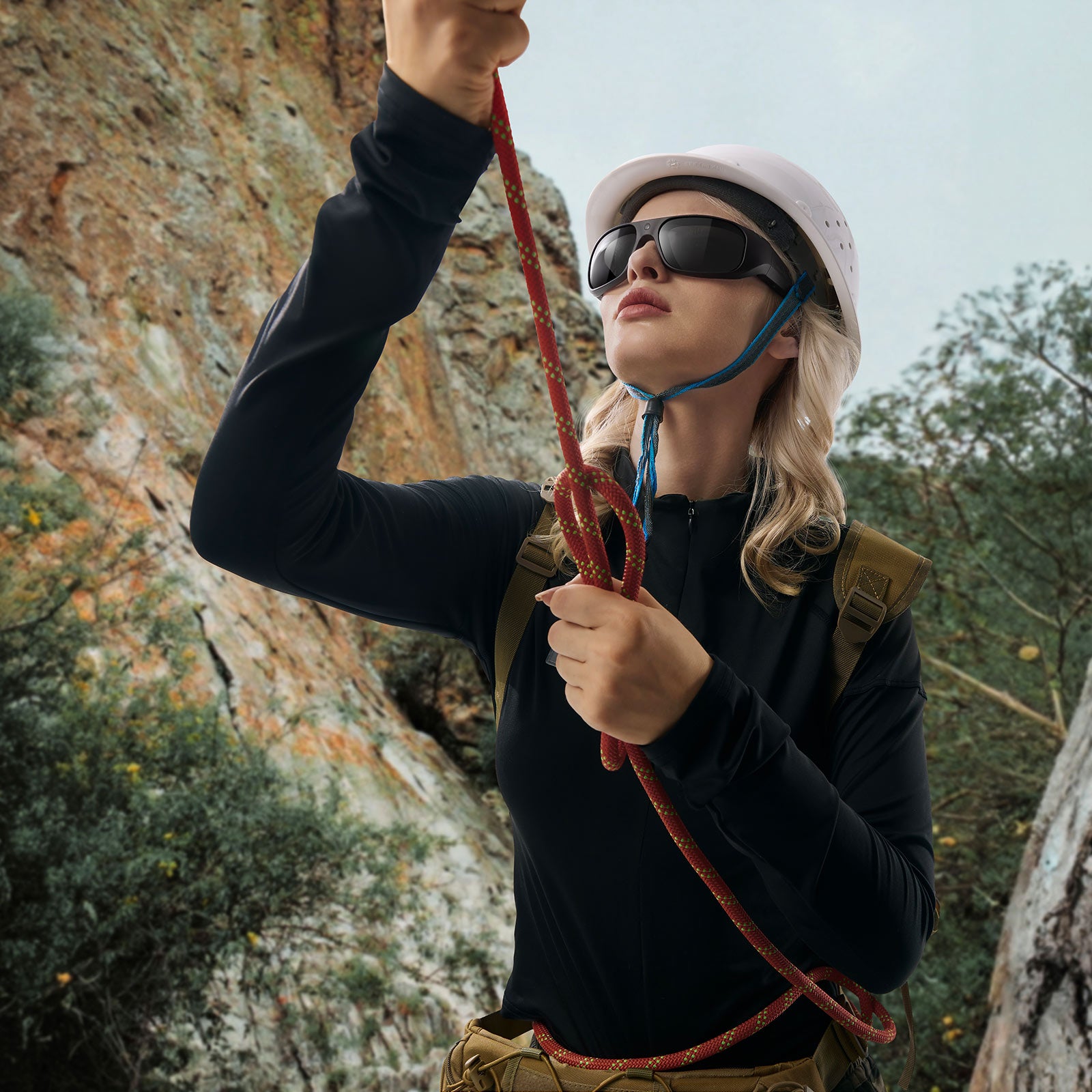
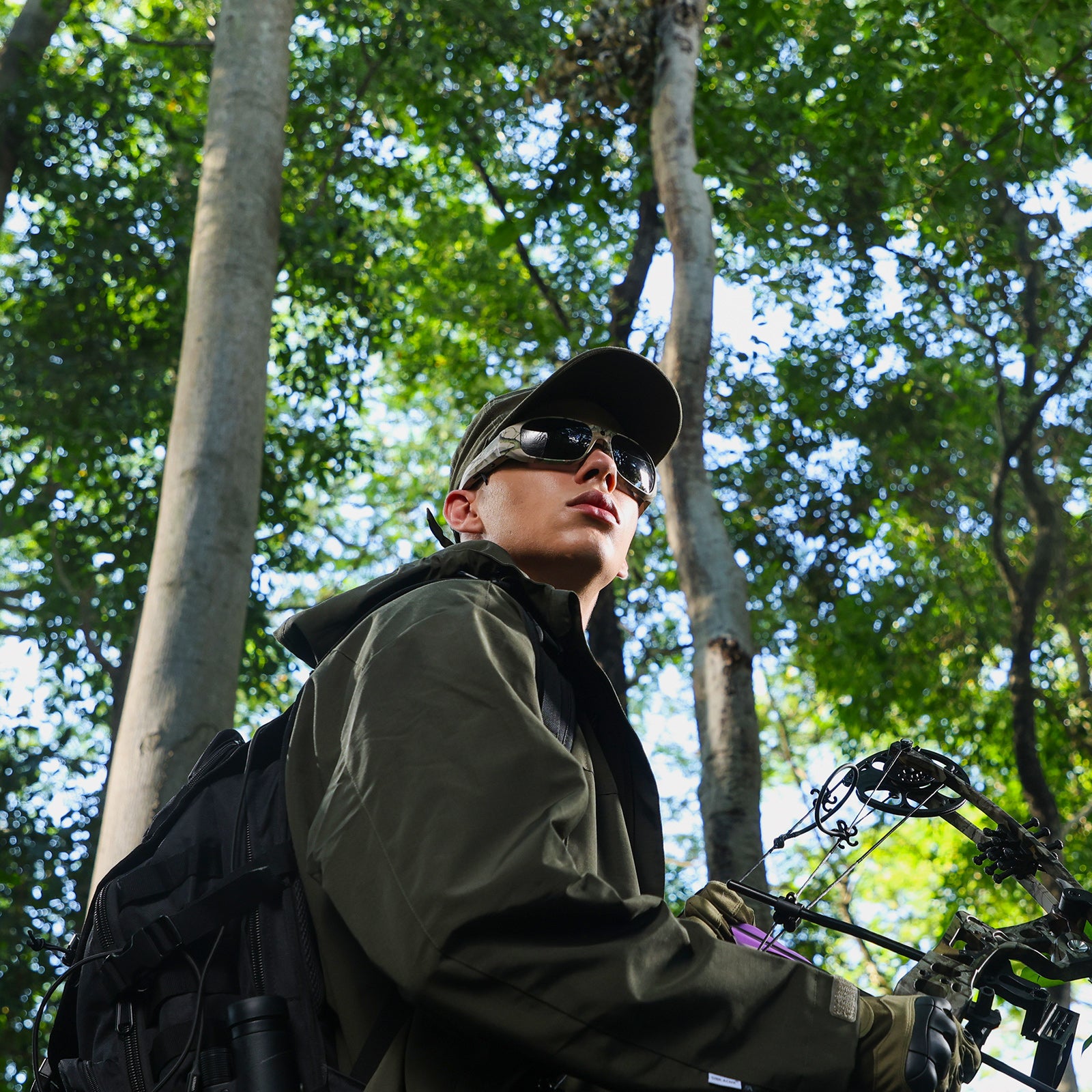
When attention needs to stay on the route, the action, or the surroundings, holding a phone can interrupt the activity itself. Running, cycling, fishing, hiking, or practical tasks often require more freedom for both hands and line of sight.
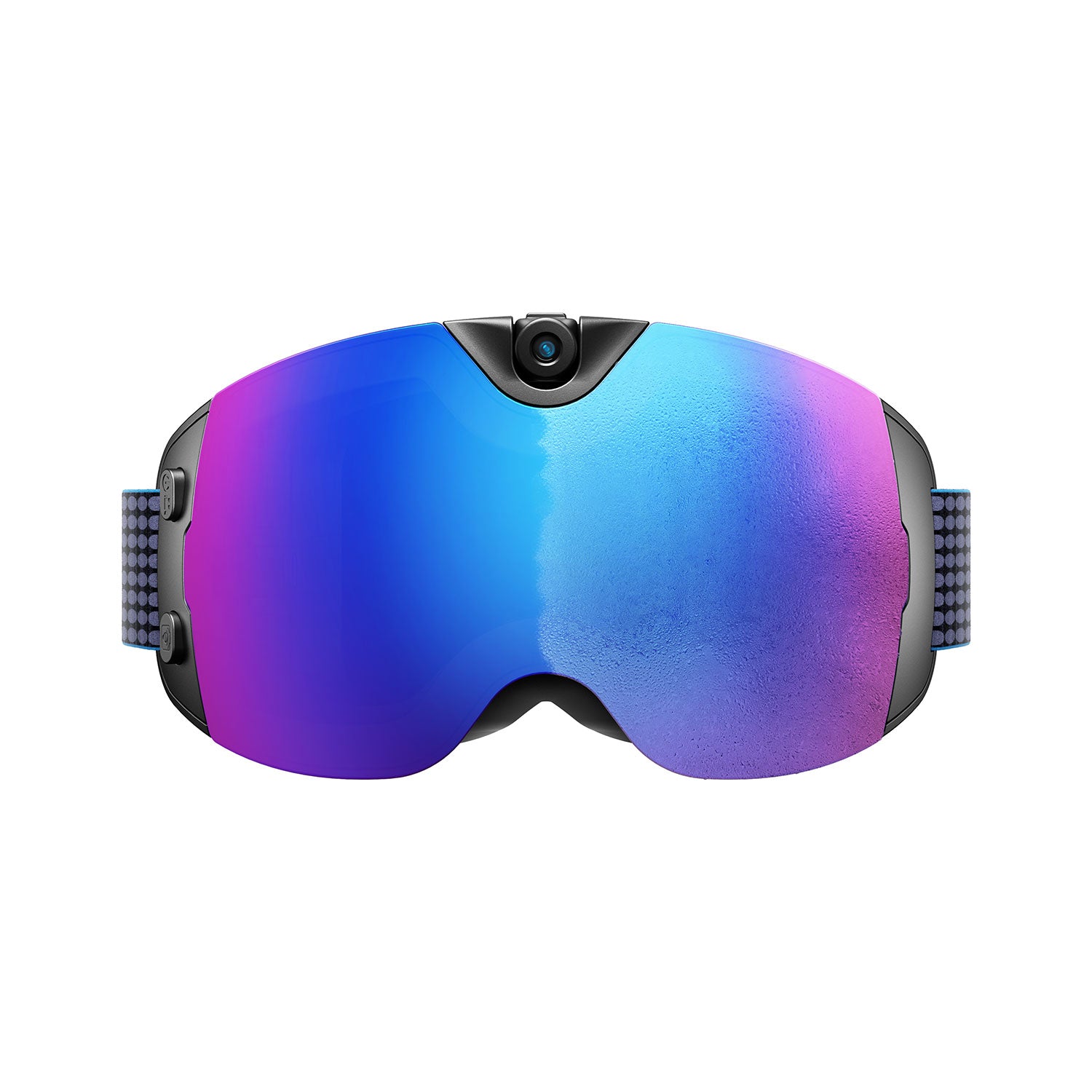
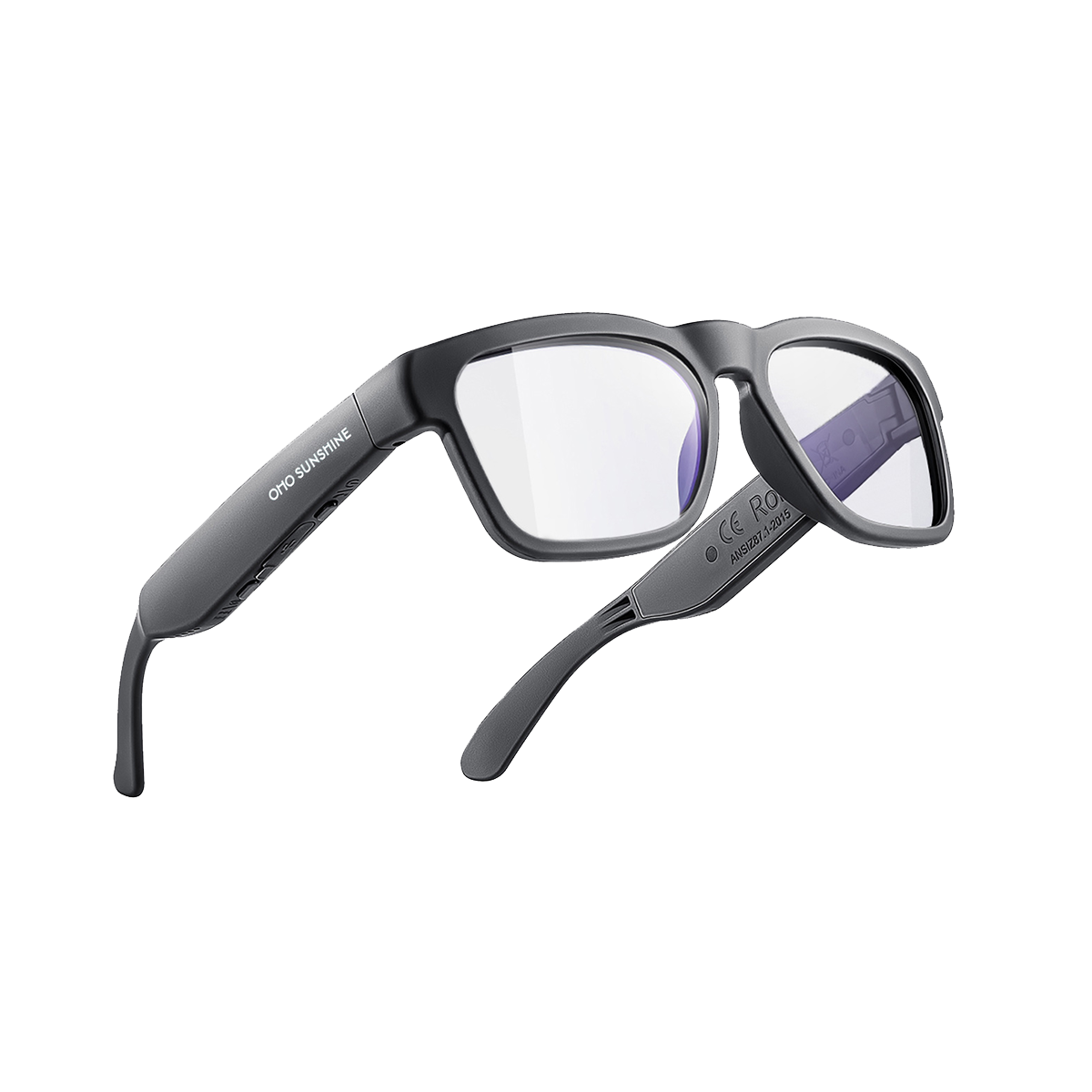
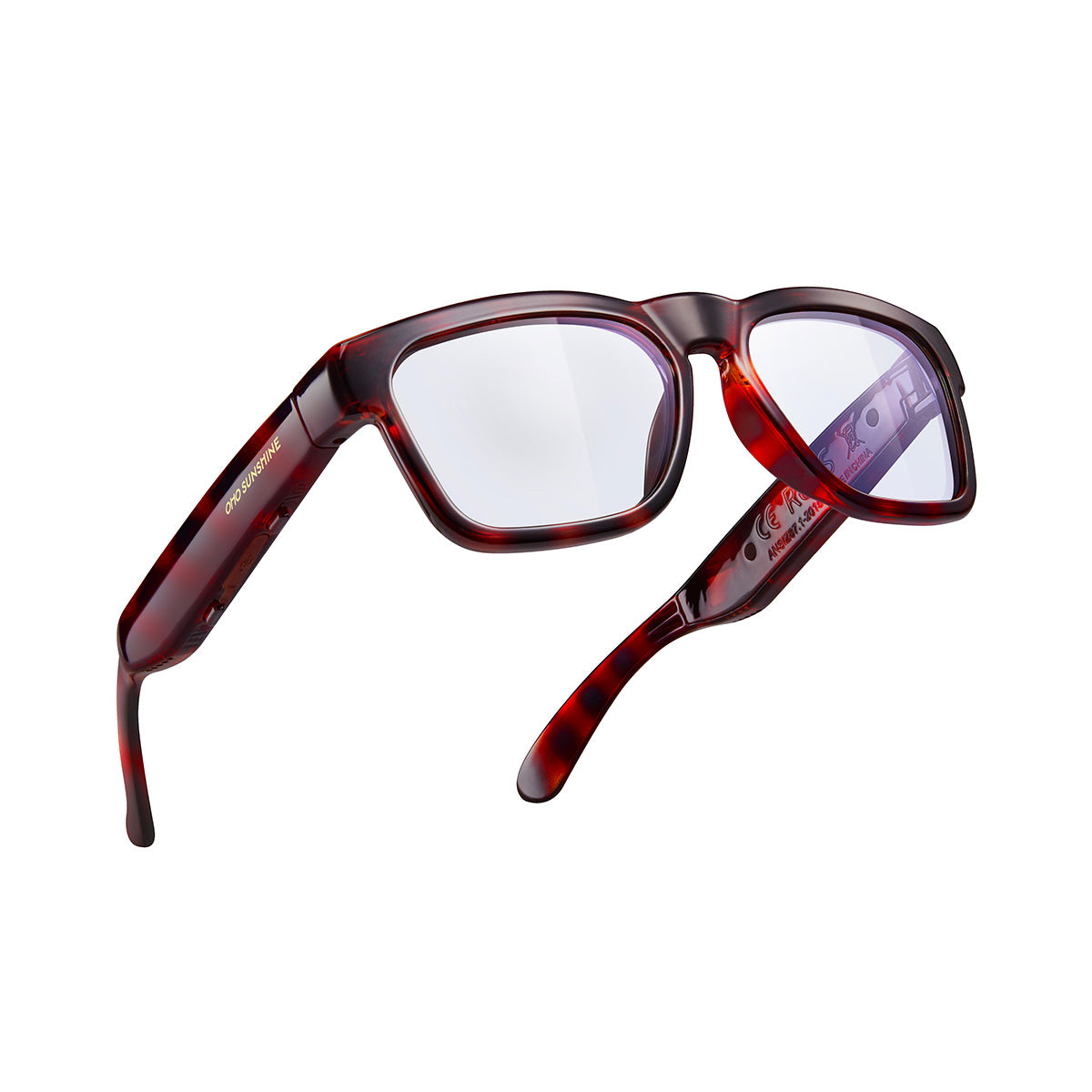
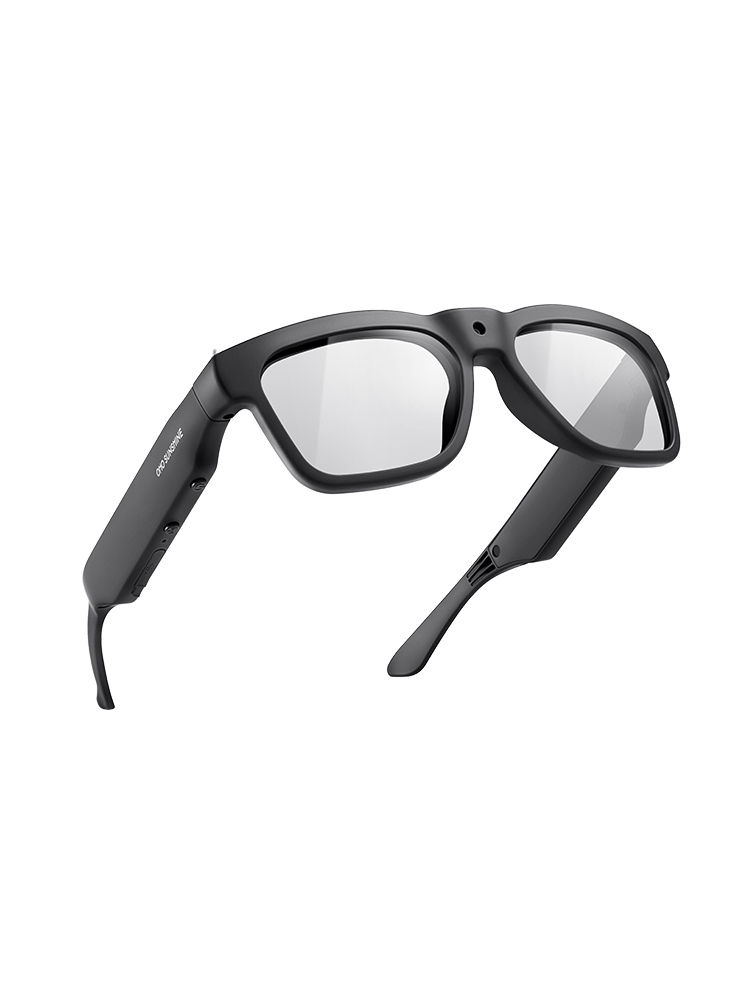
Camera glasses place the camera in the frame, allowing recording to follow the wearer’s perspective. Primex EIS positions the camera between the eyes for a viewpoint closer to natural sight; it supports 2K video recording, photo capture, and built-in microphone audio for first-person footage with visual and ambient context.
When the focus is on routes, actions, and real-time moments, this type of EIS camera glasses helps capture what is happening more steadily from the wearer’s point of view.
Wearing Comfort Affects Natural Recording
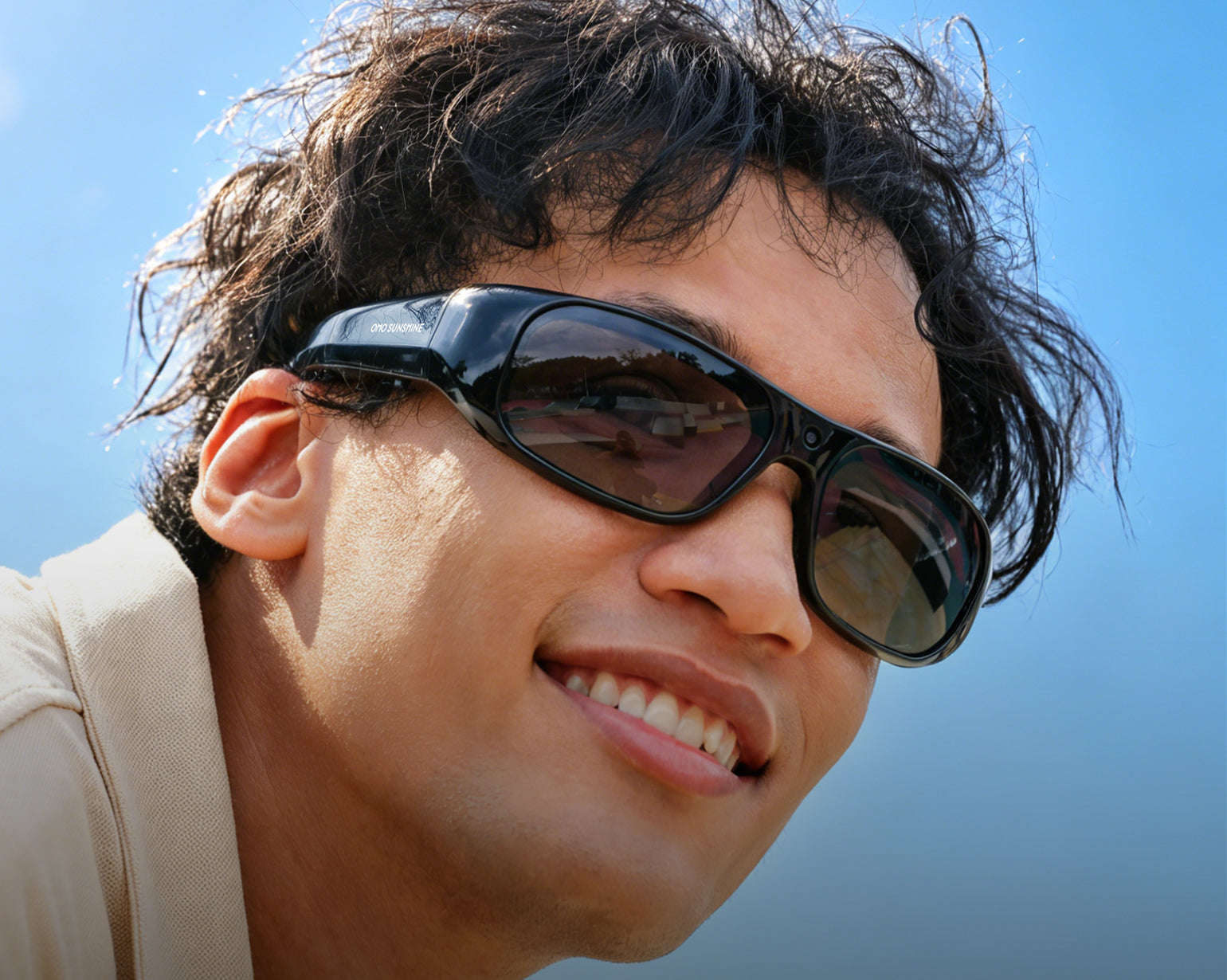
Camera glasses are not only recording devices; they are also eyewear worn on the face. Frame fit, lens response, and weight can affect whether the glasses feel comfortable enough for outdoor or longer recording sessions.
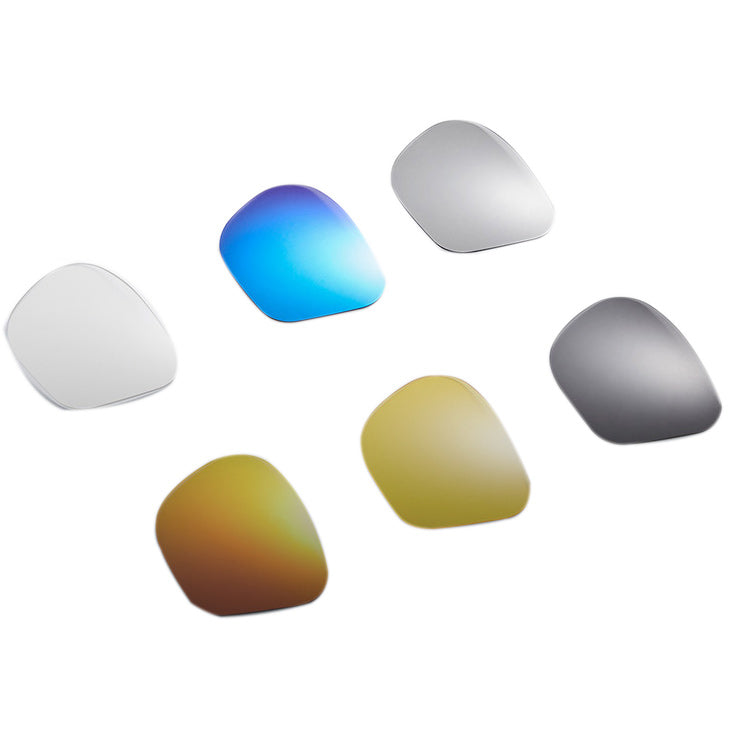
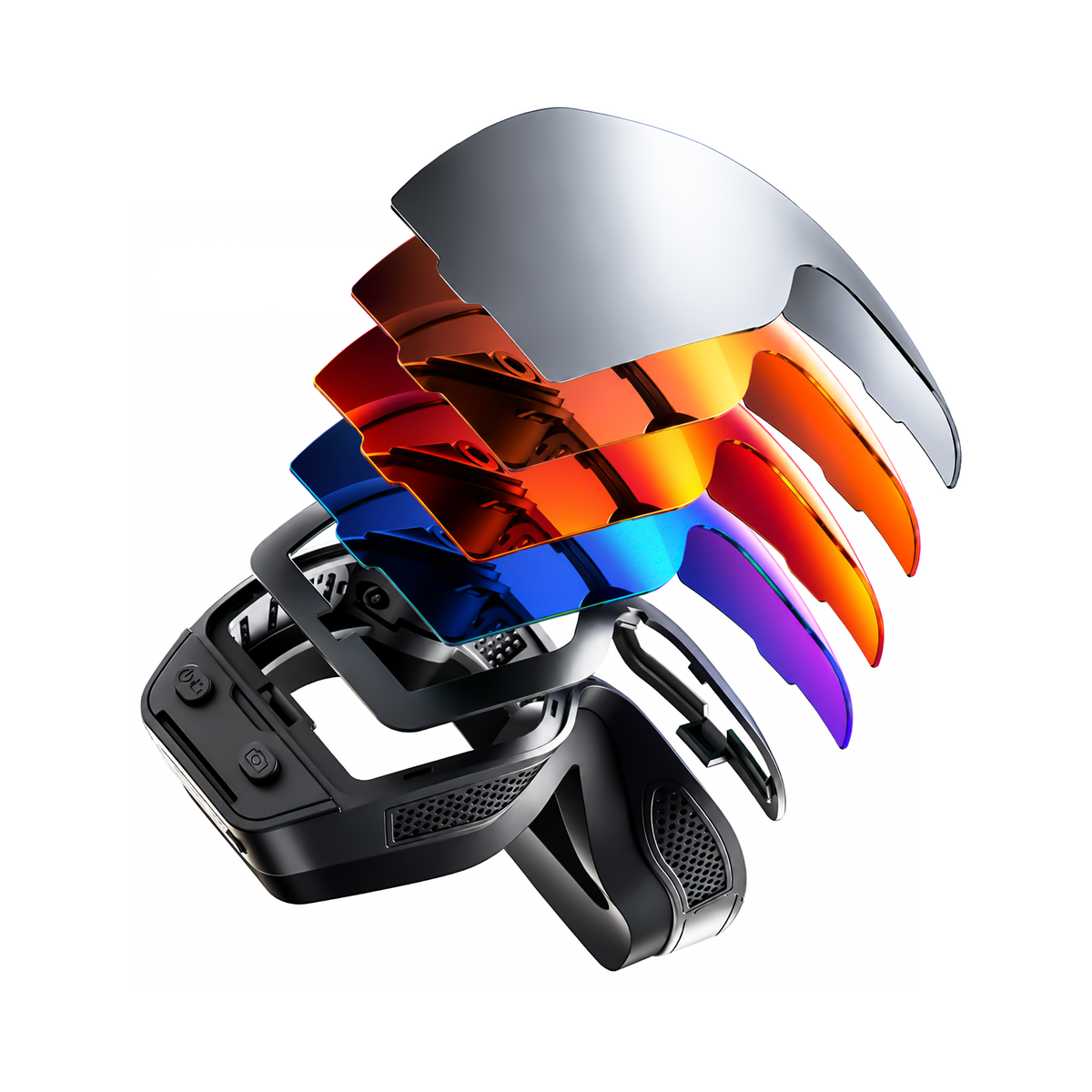
Primex EIS uses photochromic lenses and a lightweight frame design. For outdoor movement or longer first-person recording, lens adaptability and wearing comfort can influence how natural the recording experience feels.
Primex EIS also has IPX4 water resistance for sweat, rain, and splashes, but it is not suitable for swimming or submersion.
A Smooth Recording Also Depends on Preparation
Beyond stabilization, a smooth recording session also depends on battery level, storage space, wearing position, and file transfer. Checking these details before starting an activity can reduce the need to adjust the device while moving.
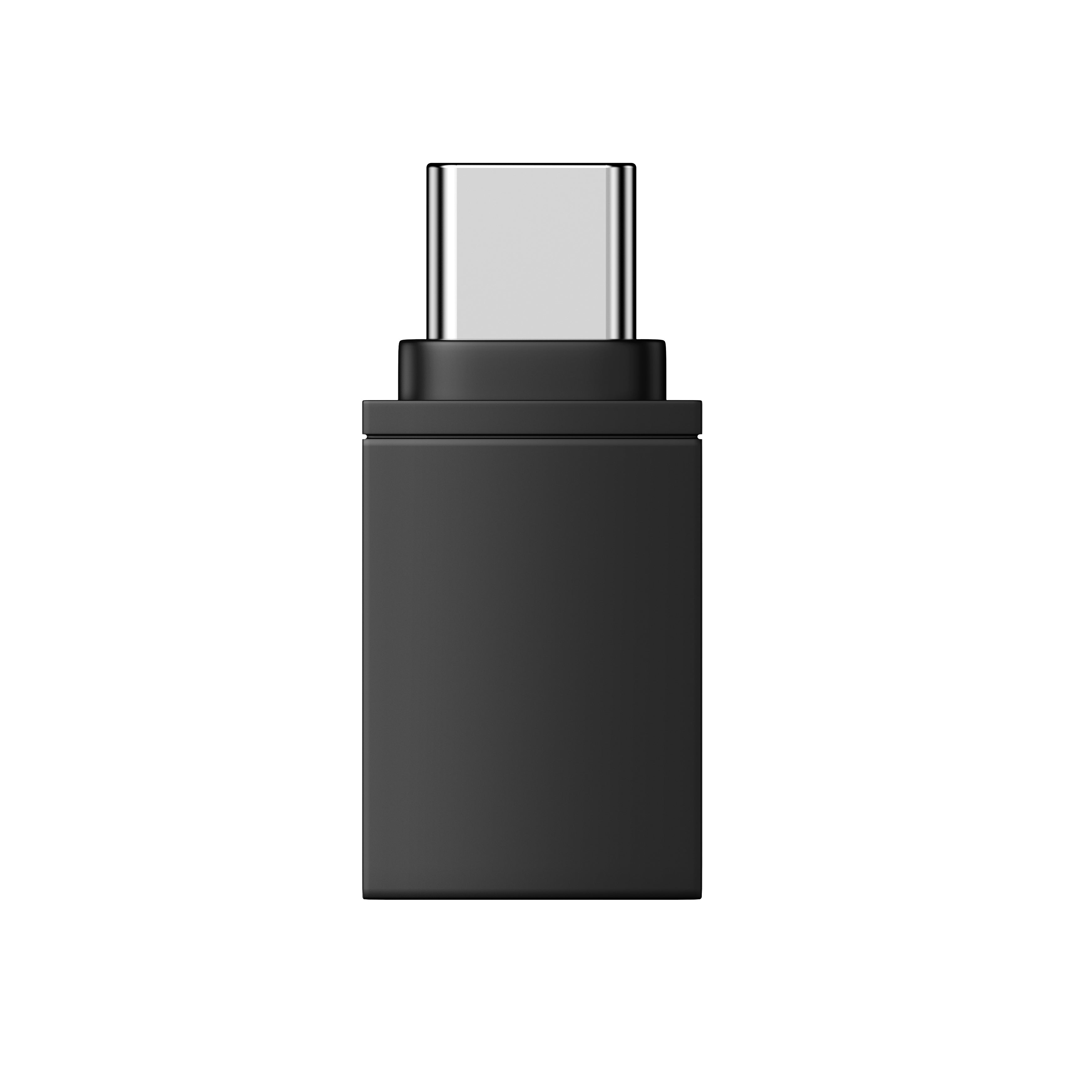
Primex EIS lists a battery life of about 60 minutes, supports USB Type-C charging, and can record while charging. For longer sessions, planning the battery, storage space, and cable position in advance can help avoid interruptions during activities that require attention.
Larger storage capacity can save more video, but it does not extend battery life. Before using the glasses for travel, outdoor activity, or an important recording, it helps to test a short clip and file transfer once to make sure footage can be saved, viewed, and exported smoothly.
Record Responsibly in the Right Setting
The convenience of camera glasses comes from keeping the lens close to the wearer’s line of sight, making the recording process feel more natural. That also makes it important to confirm whether the setting is appropriate before recording.
In public spaces, workplaces, or situations where other people may appear in the footage, follow local rules on video, audio, and consent. When cycling, driving, or doing anything that requires attention, complete setup first and avoid adjusting the device, cables, or files while moving.
Confirming the setting and consent before recording makes first-person capture more comfortable, responsible, and suitable for long-term use.
EIS Camera Glasses FAQ
What are EIS camera glasses suitable for?
EIS camera glasses are suitable for first-person recording during movement, outdoor activity, and hands-on tasks. They are useful when users want to capture routes, actions, surroundings, or real-time activity without holding a phone or camera.
Can EIS make footage completely shake-free?
No. EIS can help reduce some motion-related shake during recording, but it cannot remove all vibration or replace gimbal stabilization. Lighting, fit, head movement, and movement style can still affect the final footage.
How long can Primex EIS record on one charge?
Primex EIS lists a battery life of about 60 minutes. Actual recording time can vary depending on settings, environment, battery condition, and recording behavior. For longer sessions, start with a full charge and confirm available storage space and file transfer needs.
Are EIS camera glasses waterproof?
Primex EIS has IPX4 water resistance for sweat, rain, and splashes, but it is not suitable for swimming or submersion. After use in damp conditions, handle the electronic eyewear according to the product instructions.


