





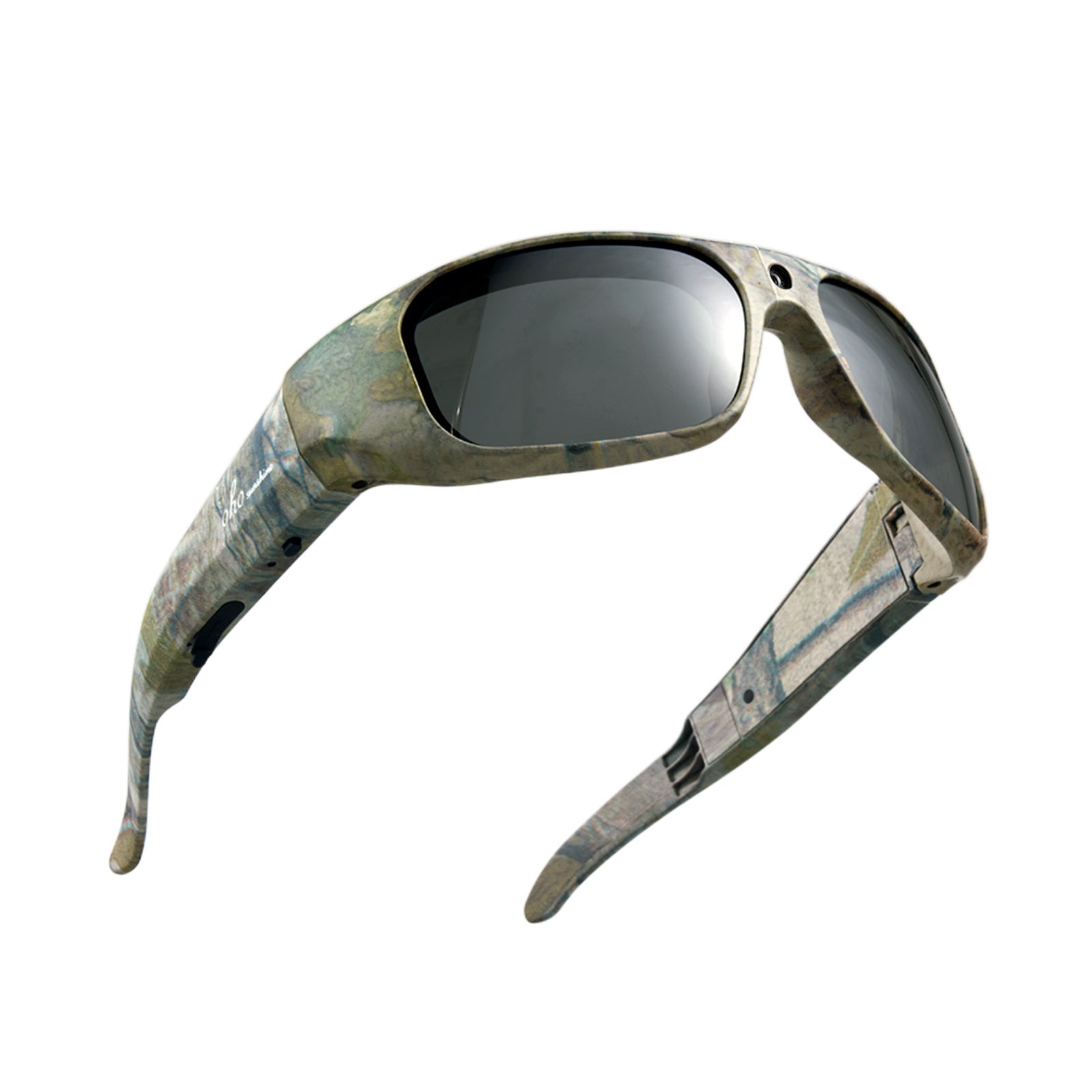


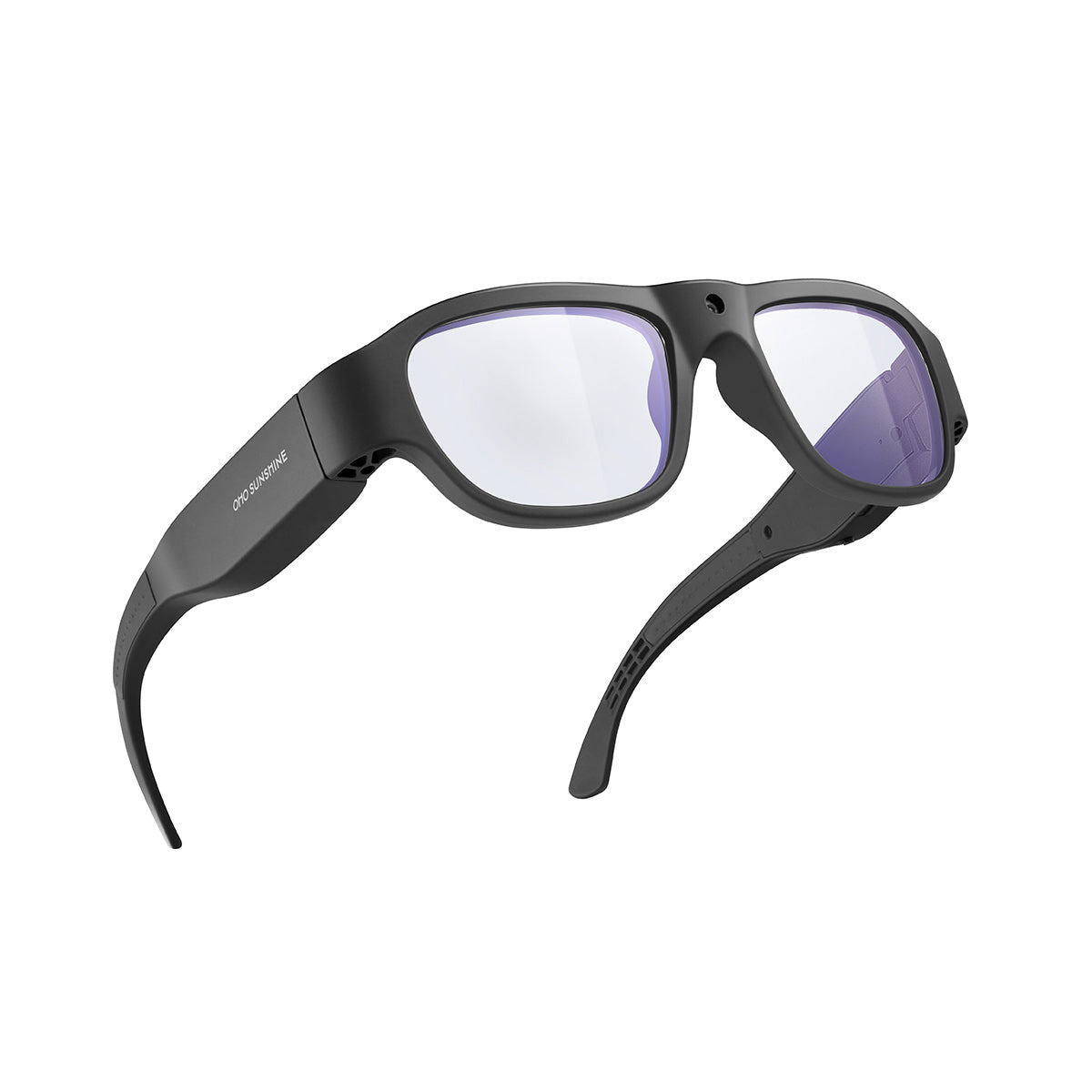
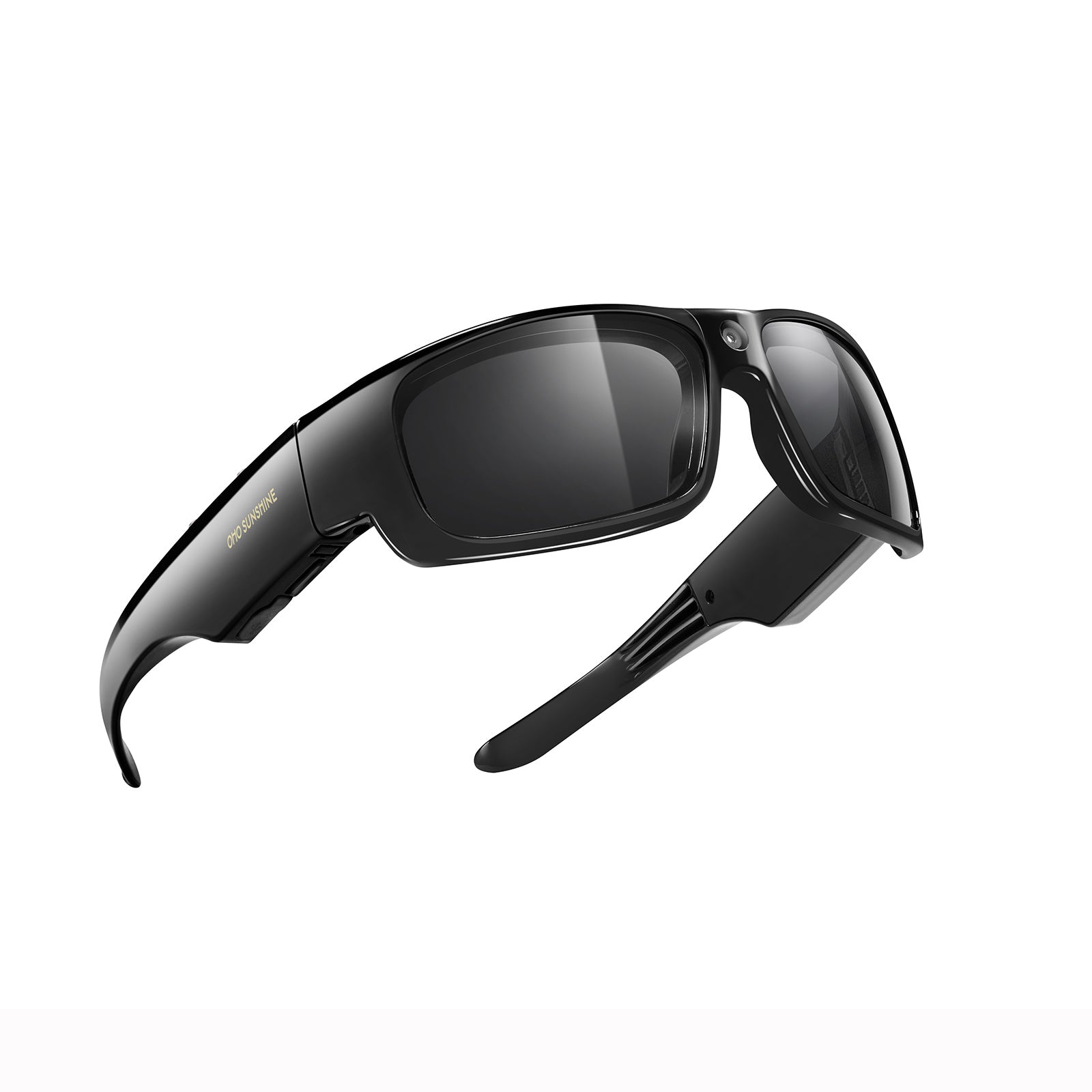


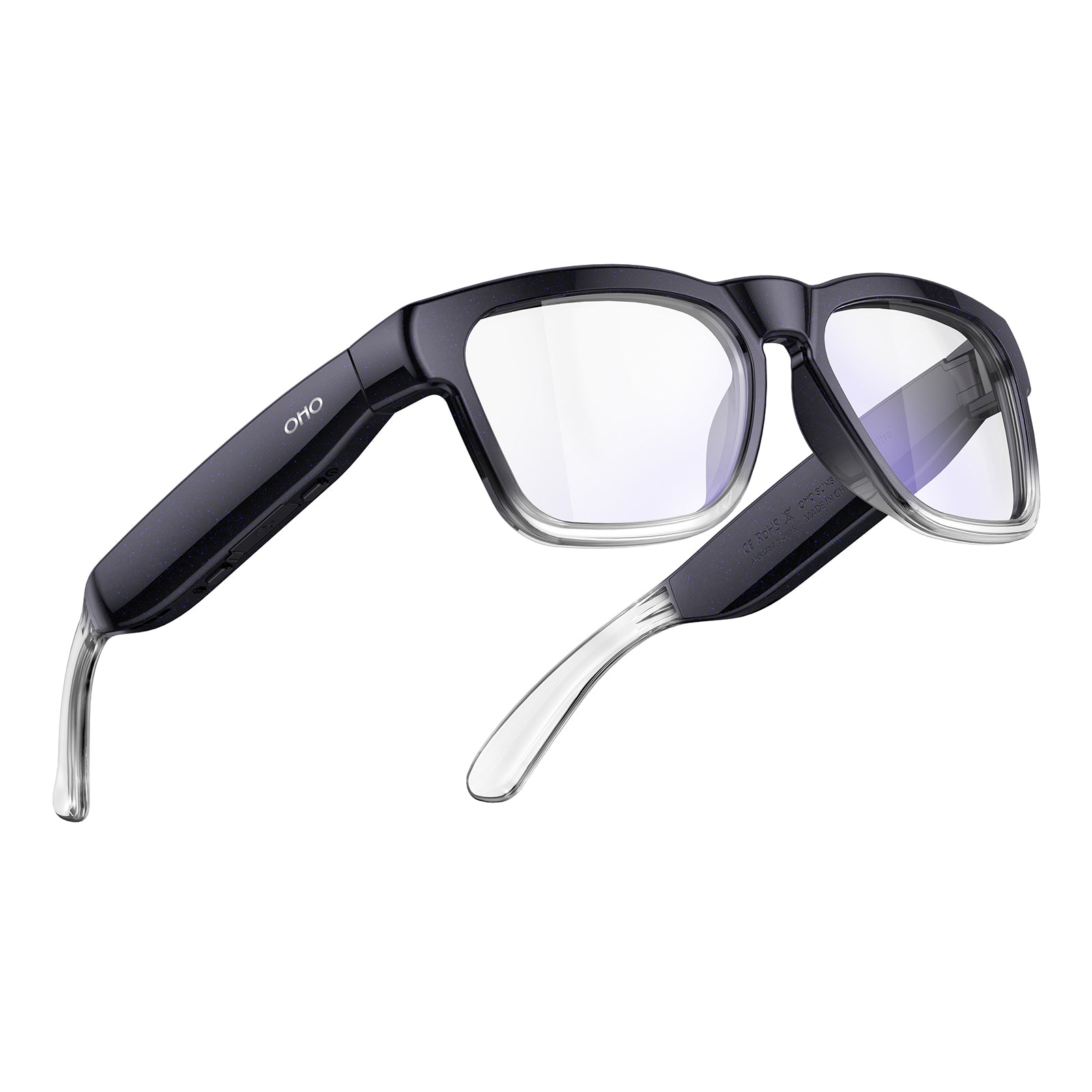







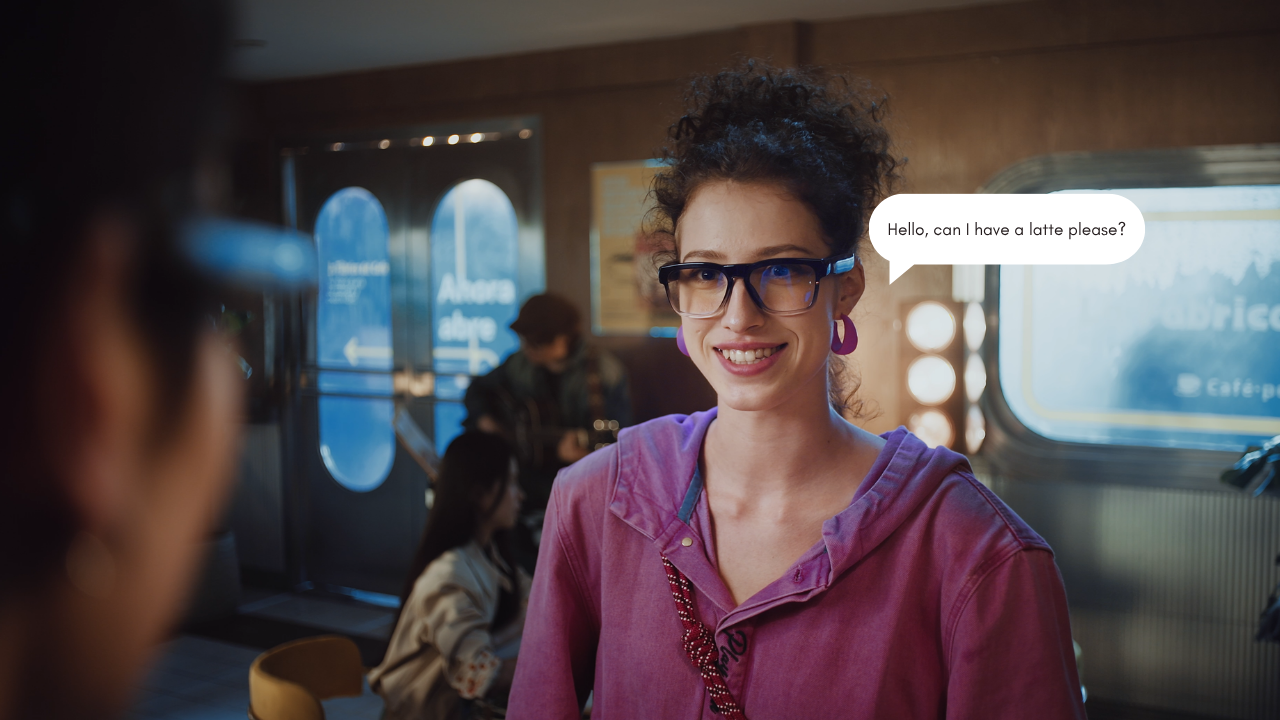
Un mot manqué à l’aéroport peut retarder une correspondance. Une phrase confuse à la réception d’un hôtel peut rendre l’enregistrement plus difficile qu’il ne devrait l’être. Les lunettes de traduction rapprochent le support linguistique du moment présent, aidant les voyageurs à parler, écouter et répondre avec moins de manipulations du téléphone. Les lunettes IA premium offrent une expérience connectée plus complète, mais le meilleur choix dépend de la place qu’occupent les conversations réelles dans votre voyage.

Pourquoi la communication en voyage nécessite plus qu’un traducteur sur téléphone
Les traducteurs sur téléphone sont utiles, mais les voyages ne se déroulent pas toujours à une table calme. Les voyageurs doivent souvent poser des questions en portant des sacs, en traversant des gares, en consultant des panneaux ou en parlant avec le personnel dans un lieu animé.
Les lunettes de traduction peuvent rendre ces moments plus naturels, car l’outil est déjà porté. L’utilisateur n’a pas besoin de déverrouiller son téléphone, d’ouvrir une application, de tenir l’écran devant quelqu’un ni de s’arrêter de bouger chaque fois qu’une question se présente.
Lors des voyages internationaux, la barrière de la langue se manifeste souvent dans des situations modestes, mais importantes :
- Demander des informations sur la porte d’embarquement ou le quai à l’aéroport
- Confirmer les détails de l’enregistrement à l’hôtel
- Commander à manger ou demander quels sont les ingrédients
- Expliquer une destination à un chauffeur
- Faire des achats, retourner des articles ou demander des prix
- Gérer des conversations professionnelles simples en voyage
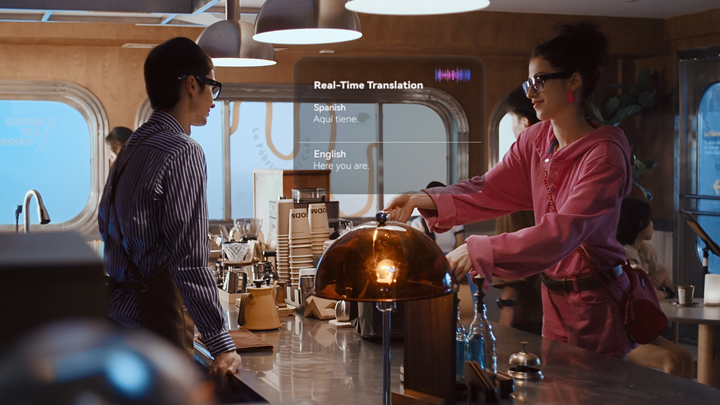
La valeur des lunettes connectées avec traduction ne réside pas uniquement dans la traduction elle-même. Elle tient à la possibilité de conserver une conversation plus proche de la vie réelle. Le voyageur peut écouter, parler et rester attentif à son environnement en même temps.
Les lunettes traductrices sont particulièrement utiles lorsque la communication se répète tout au long de la journée. Une courte phrase peut être facile à traduire sur un téléphone. Une journée entière à demander son chemin, poser des questions sur les services, gérer des rendez-vous et avoir des conversations informelles peut rendre la traduction mains libres plus utile.
Ce que les lunettes IA premium ajoutent à un voyage
Les lunettes IA premium sont conçues pour bien plus que la traduction. L’intelligence artificielle, ou IA, désigne des logiciels capables de traiter des informations et de répondre à des demandes vocales ou formulées via une application. Dans le domaine des lunettes de voyage, l’IA peut prendre en charge les questions, l’assistance visuelle, les commandes vocales, la traduction en direct, l’audio, les photos, les vidéos et les applications connectées. Les lunettes Ray-Ban Meta sont un exemple bien connu de cette tendance des lunettes IA premium, avec la traduction en direct, l’audio à oreilles libres, la capture d’images et les fonctionnalités d’assistant IA intégrées à une expérience plus large de voyage et de vie quotidienne.
Cela rend les lunettes connectées premium dotées d’IA attrayantes pour les voyageurs qui souhaitent utiliser un seul appareil pour plusieurs tâches durant leur voyage. Ils peuvent vouloir enregistrer de courtes vidéos, écouter des indications, poser des questions rapides, passer des appels et utiliser la traduction dans le cadre d’une expérience connectée plus complète.
L’audio à oreilles libres est également courant sur les accessoires connectés. Cela signifie que les haut-parleurs sont placés près des oreilles sans obstruer le conduit auditif. Le porteur peut ainsi écouter de la musique, des appels, des indications de navigation ou des paroles traduites tout en continuant d’entendre la circulation, les annonces et les personnes à proximité.
Les lunettes connectées premium dotées d’IA peuvent convenir aux voyageurs qui accordent de l’importance aux éléments suivants :
- Design de la marque et styles de montures familiers
- Fonctionnalités d’IA allant au-delà de la traduction
- Photos ou courtes vidéos mains libres
- Musique et appels à oreilles libres
- Partage sur les réseaux sociaux et applications connectées
- Un écosystème d’accessoires connectés bien conçu
Ce type de produit peut être plus adapté lorsque la traduction est utile, sans constituer l’objectif principal. Un voyageur qui accorde de l’importance à la capture de contenu, à l’assistance de l’IA et aux fonctionnalités liées au style de vie peut préférer des lunettes connectées premium dotées d’IA pour profiter pleinement de son voyage.
Quand les lunettes connectées axées sur la traduction conviennent mieux aux voyageurs
Les lunettes connectées axées sur la traduction sont plus pertinentes lorsque la communication entre personnes parlant différentes langues est la principale raison de l’achat. Ces utilisateurs ne recherchent pas seulement un accessoire connecté à porter. Ils veulent réduire les barrières linguistiques lors de véritables conversations en voyage.
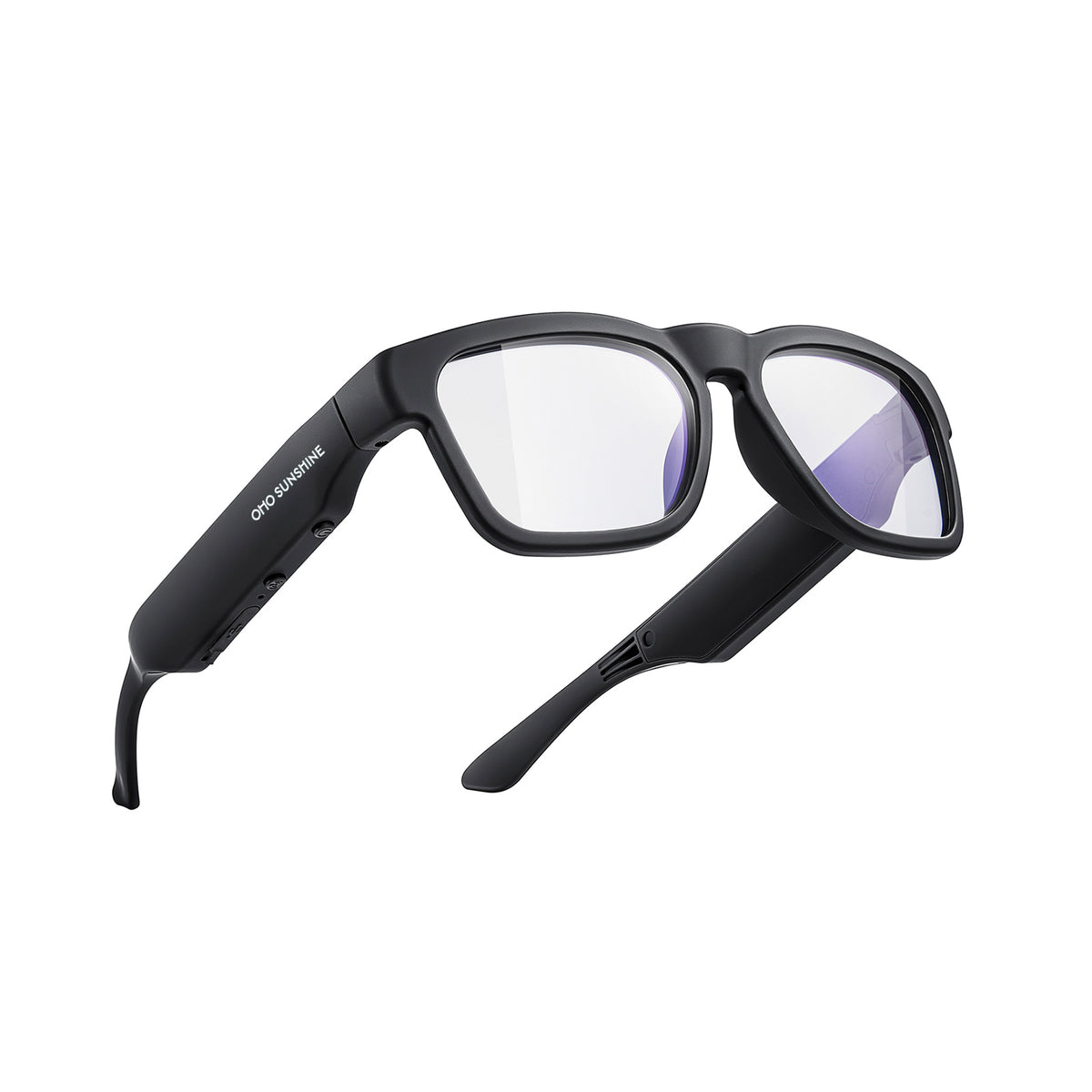
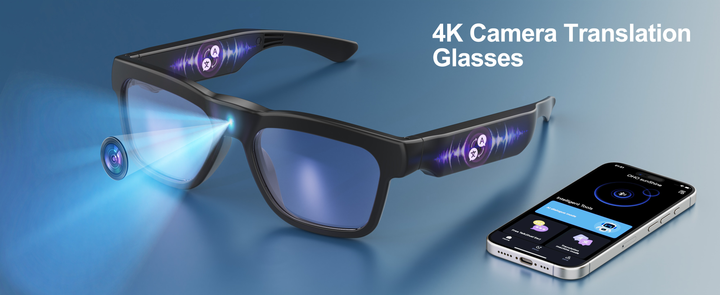
Par exemple, certaines lunettes connectées OHO Sunshine combinent la traduction en temps réel avec l’audio Bluetooth, les appels mains libres, l’accès à l’assistant vocal, l’IA conversationnelle et une longue autonomie. Elles sont donc utiles lors des conversations en voyage, mais aussi après le voyage pour écouter au quotidien, passer des appels et bénéficier d’une assistance vocale.
L’IA conversationnelle désigne une fonctionnalité qui peut répondre aux questions des utilisateurs. L’accès à l’assistant vocal signifie que les lunettes peuvent aider à connecter les utilisateurs à l’assistant intégré du téléphone pour les commandes compatibles. Le Bluetooth est une technologie sans fil à courte portée qui connecte les lunettes à un téléphone ou à un autre appareil compatible.
Les lunettes connectées axées sur la traduction peuvent mieux convenir aux personnes suivantes :
- Voyageurs internationaux fréquents
- Voyageurs d’affaires qui rencontrent des personnes parlant différentes langues
- Étudiants ou travailleurs dans des environnements multilingues
- Les voyageurs qui préfèrent une aide orale à la traduction sur écran
- Les utilisateurs qui veulent la traduction ainsi que l’audio et les appels au quotidien
Le principal avantage est la concentration. Un appareil IA haut de gamme peut offrir de nombreuses fonctions intelligentes, tandis que les lunettes intelligentes axées sur la traduction placent la communication en voyage au cœur de l’expérience produit.
Cette priorité peut être importante pendant les voyages chargés. Lorsque la tâche la plus importante est de comprendre et d’être compris, la couverture linguistique, la clarté audio, les performances du microphone, l’autonomie de la batterie et l’accès rapide peuvent compter davantage que les fonctions de caméra ou les fonctionnalités sociales.

Fonctionnalités à comparer avant d’acheter des lunettes de traduction pour voyager
Les voyages mettent les lunettes intelligentes à l’épreuve. Les lunettes peuvent être utilisées dans les aéroports, les taxis, les hôtels, les restaurants, les marchés en plein air et les espaces professionnels. Avant de choisir des lunettes de traduction, les acheteurs doivent comparer les fonctionnalités qui influencent la communication réelle pendant un voyage.
Couverture linguistique et prise en charge des conversations
La couverture linguistique est le premier élément à vérifier. Les acheteurs doivent confirmer que les lunettes prennent en charge les langues qu’ils prévoient d’utiliser, notamment la langue du voyageur et la langue locale.
Lunettes de traduction IA peuvent prendre en charge différentes formes de conversation. Certaines se concentrent sur la traduction orale bidirectionnelle. D’autres peuvent afficher du texte sur un écran. D’autres encore peuvent utiliser un téléphone connecté pour afficher le texte traduit, tandis que les lunettes gèrent l’audio.
Pour les voyages, la prise en charge des conversations bidirectionnelles peut être particulièrement utile. Elle permet aux deux interlocuteurs de parler dans leur propre langue, tandis que le système aide à combler le fossé. Certaines lunettes de traduction OHO Sunshine prennent en charge la traduction en temps réel dans 165 langues, ce qui peut être précieux pour les voyageurs qui se déplacent d’une région à l’autre ou parlent avec des personnes d’origines différentes.
Le nombre de langues prises en charge est important, mais l’expérience l’est tout autant. Une bonne solution de traduction pour les voyages doit être facile à démarrer, simple à contrôler et pratique dans les lieux publics.
Clarté audio dans les aéroports, les hôtels et les restaurants
Les espaces de voyage sont rarement silencieux. Les aéroports diffusent des annonces. Les restaurants ont de la musique et du bruit de fond. Les halls d’hôtel peuvent être bondés. La clarté audio influence directement l’utilité ressentie des lunettes intelligentes avec traduction dans ces environnements.
Les acheteurs doivent comparer le volume du haut-parleur, l’emplacement du microphone, la qualité des appels et la clarté avec laquelle les voix sont captées pendant la conversation. L’audio à oreilles libres peut être pratique, car il permet au voyageur d’entendre la parole traduite tout en restant conscient de son environnement.
Les appels mains libres constituent une autre fonctionnalité utile en voyage. Une paire de lunettes audio Bluetooth capable de gérer les appels, la traduction et les indications vocales peut rester utile même lorsqu’aucune traduction n’est nécessaire.
C’est là que l’approche axée sur la communication d’OHO Sunshine s’intègre naturellement : l’audio Bluetooth, la traduction en temps réel, les appels mains libres et les fonctions d’IA peuvent aider lors des questions à l’aéroport, des appels professionnels, de l’enregistrement à l’hôtel et de l’écoute au quotidien.
Autonomie, confort et port toute la journée
Les journées de voyage peuvent être longues. Les lunettes peuvent être portées pendant les vols, les transferts, les visites à pied, les réunions et les sorties du soir. L’autonomie et le confort peuvent déterminer si les lunettes restent utiles du matin au soir.
L’autonomie doit être comparée selon le cas d’utilisation. La traduction, les appels, la musique et les fonctions d’IA peuvent consommer l’énergie différemment. Les acheteurs doivent examiner le profil d’utilisation prévu plutôt que de se baser uniquement sur le nombre maximal indiqué sur une page produit.
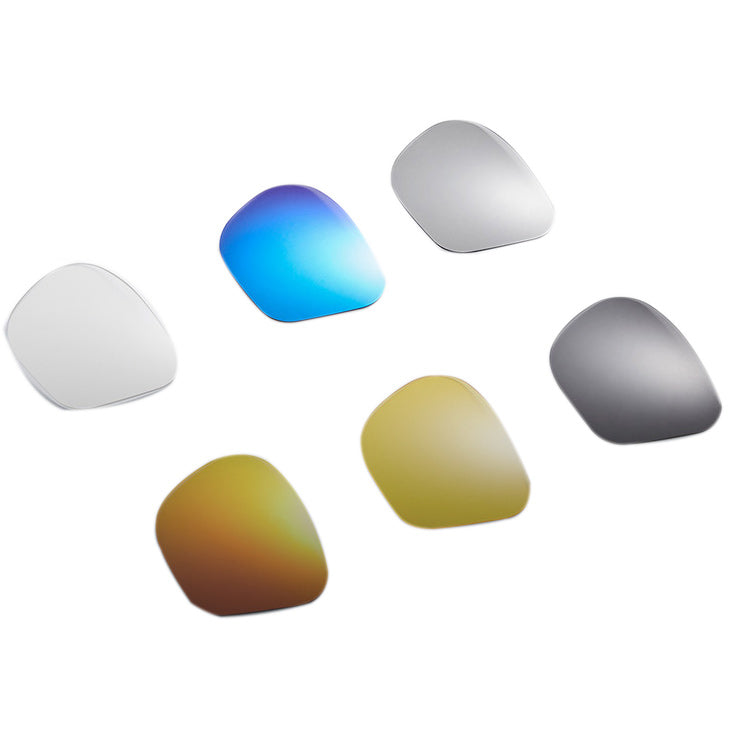
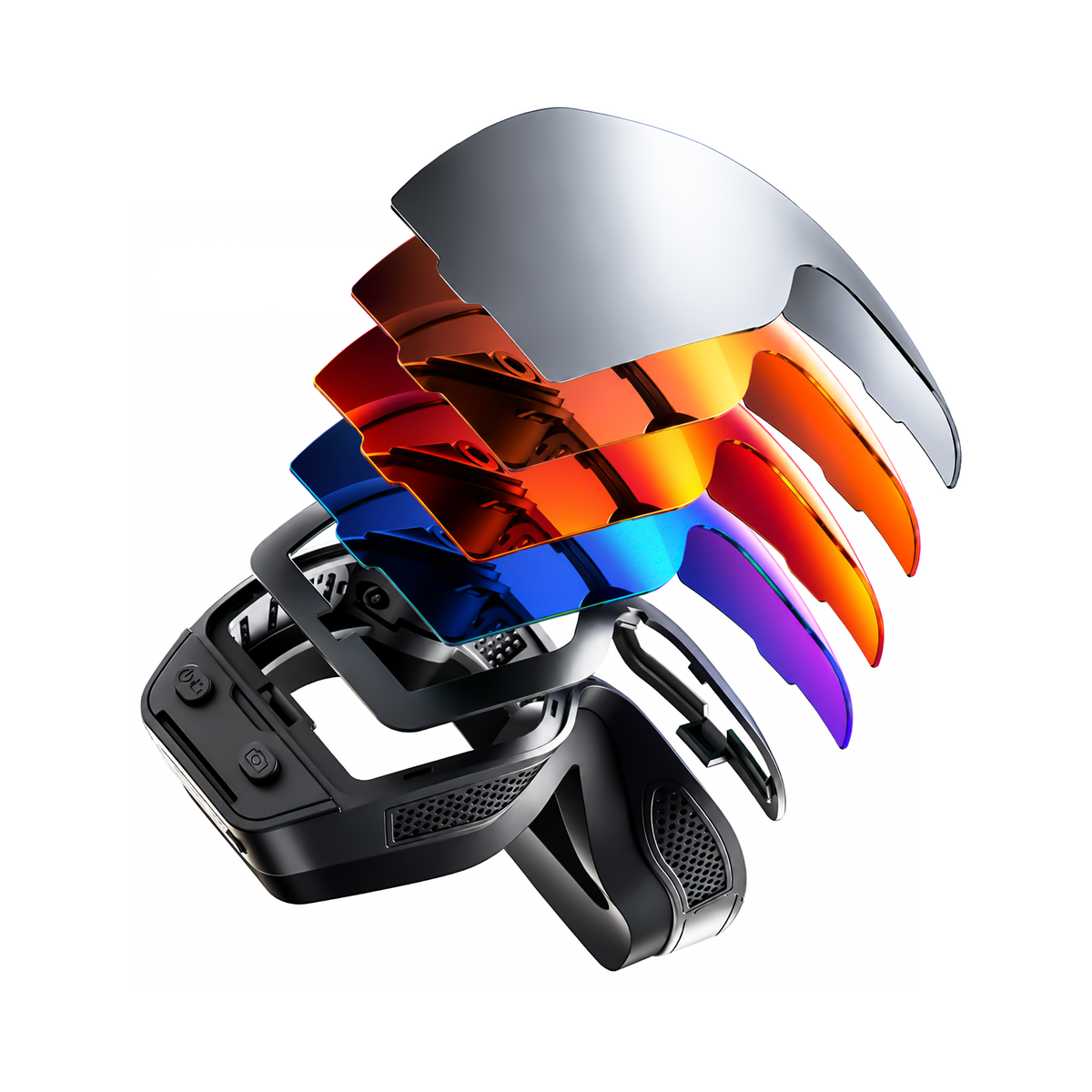
Le confort est tout aussi important. Le poids, la forme de la monture, la pression exercée sur les branches, le type de verres et le matériau influencent tous le confort à long terme. Les verres photochromiques, qui s’assombrissent au soleil et s’éclaircissent à l’intérieur, peuvent permettre à une seule paire de s’adapter aux environnements changeants des voyages. Les verres filtrant la lumière bleue bloquent une partie de la lumière bleue qui atteint les yeux depuis les écrans et d’autres sources.
Pour les voyageurs, les meilleures lunettes intelligentes sont celles qui restent suffisamment confortables pour être portées en continu. Une fonction puissante est moins utile si les lunettes sont retirées au bout d’une heure.
Connectivité, utilisation de l’application et commandes vocales
De nombreuses fonctions de traduction et d’IA dépendent d’un téléphone connecté, d’une application ou d’un accès à Internet. Les acheteurs doivent vérifier ces détails avant de voyager, car l’itinérance, la faiblesse du signal et les paramètres de l’application peuvent affecter l’expérience.
Les questions clés comprennent :
- La traduction nécessite-t-elle un accès à Internet ?
- Quels systèmes téléphoniques sont pris en charge ?
- Une application compagnon est-elle nécessaire ?
- Est-il facile de changer de langue ?
- Les commandes vocales sont-elles disponibles ?
- Comment les mises à jour logicielles sont-elles gérées ?
Les commandes vocales peuvent réduire les frictions pendant les voyages. Elles permettent de lancer une fonction, de répondre à un appel ou d’accéder à de l’aide en appuyant moins souvent. Toutefois, les commandes doivent rester simples et réalistes dans les environnements bondés.
Une connexion fluide peut donner aux lunettes de traduction un fonctionnement naturel. Une configuration faible ou déroutante peut interrompre l’aide précisément au moment où elle est le plus nécessaire.
Quelles lunettes intelligentes conviennent aux différents scénarios de voyage
Les différentes situations de voyage font ressortir des priorités différentes. Le tableau ci-dessous aide à faire correspondre le type de produit aux besoins du voyage.
|
Scénario de voyage |
Meilleure adéquation |
Pourquoi c’est important |
|
Questions à l’aéroport et aide au transport |
Lunettes de traduction |
Une assistance linguistique rapide peut réduire la confusion |
|
Enregistrement à l’hôtel et commande au restaurant |
Lunettes intelligentes axées sur la traduction |
La conversation est la tâche principale |
|
Visites touristiques et partage de contenu |
Lunettes IA haut de gamme |
Les fonctions liées à la caméra, à l’IA et aux réseaux sociaux peuvent être plus importantes |
|
Conversations lors de voyages d’affaires |
Lunettes de traduction par IA |
La traduction, l’audio et les appels fonctionnent ensemble |
|
Longues journées de voyage |
Lunettes audio Bluetooth confortables |
L’audio, les appels et le confort restent utiles |
|
Voyages dans plusieurs pays |
Lunettes intelligentes avec traduction |
Une couverture linguistique plus étendue s’adapte aux régions visitées |
Cette comparaison ne cherche pas à déterminer quelle catégorie est la meilleure dans toutes les situations. Un voyageur qui souhaite surtout créer du contenu, utiliser des outils d’IA et soigner son style peut préférer des lunettes IA haut de gamme. Un voyageur qui prévoit des conversations répétées dans différentes langues peut trouver les lunettes de traduction plus pratiques.
La manière la plus sûre de faire son choix consiste à commencer par le problème de voyage le plus fréquent. Si le problème concerne la communication, la traduction doit être prioritaire. S’il s’agit de conserver et de partager l’ensemble du voyage, des fonctionnalités d’IA plus étendues peuvent être privilégiées.
Facilitez vos communications en voyage
Les conversations en voyage vont vite, et les bonnes lunettes doivent aider sans ajouter d’étapes supplémentaires. Les lunettes de traduction conviennent aux voyageurs qui ont avant tout besoin d’une aide linguistique, tandis que les lunettes IA haut de gamme s’adressent aux utilisateurs qui souhaitent des fonctionnalités intelligentes plus étendues. Comparez la couverture linguistique, la clarté audio, l’autonomie, le confort et la facilité d’utilisation au quotidien avant de choisir la paire adaptée à votre prochain voyage.
FAQ
Q1. Les lunettes de traduction sont-elles adaptées aux voyages internationaux ?
Oui, les lunettes de traduction peuvent être utiles pour les voyages internationaux, car elles facilitent la communication sans nécessiter de manipuler constamment son téléphone. Elles sont particulièrement utiles pour demander son chemin, les services hôteliers, les transports, les repas, les achats et les conversations simples. Les voyageurs doivent néanmoins vérifier la compatibilité linguistique et les exigences de connexion avant le départ.
Q2. Les lunettes IA haut de gamme sont-elles meilleures que les lunettes de traduction pour voyager ?
Les lunettes IA haut de gamme peuvent mieux convenir aux voyageurs qui souhaitent des caméras, des outils d’IA, un son ouvert et des fonctionnalités connectées dans une seule paire. Les lunettes de traduction peuvent être préférables lorsque les conversations multilingues constituent le besoin principal. La meilleure option dépend de la nécessité d’un soutien accru à la communication ou de fonctionnalités intelligentes plus polyvalentes pendant le voyage.
Q3. Les lunettes de traduction par IA ont-elles besoin d’une connexion Internet pendant les voyages ?
De nombreuses lunettes de traduction par IA utilisent un traitement en ligne pour la traduction en temps réel, ce qui nécessite souvent une connexion Internet. Certaines fonctions peuvent tout de même fonctionner via Bluetooth ou une connexion au téléphone, selon le modèle. Avant de voyager, vérifiez les exigences de l’application, la disponibilité des données mobiles, les forfaits d’itinérance et les régions prises en charge.
Q4. Quelles caractéristiques comptent le plus pour des lunettes de traduction en voyage ?
Les caractéristiques les plus importantes sont la couverture linguistique, la clarté audio, la qualité du microphone, le confort, l’autonomie de la batterie et la simplicité des commandes. Pour les voyageurs fréquents, l’audio Bluetooth, les appels mains libres et l’assistance par IA peuvent également être utiles au quotidien. La meilleure paire doit faciliter la communication sans compliquer davantage les habitudes de voyage.




Laisser un commentaire
Tous les commentaires sont modérés avant leur publication.
Ce site est protégé par hCaptcha, et la Politique de confidentialité et les Conditions de service de hCaptcha s’appliquent.