
















You're halfway through your morning run when a cyclist zips past inches away—you never heard them coming. Or maybe you've missed your stop because noise-canceling headphones turned your commute into a sensory blackout. We've all faced this trade-off: great audio means tuning out the world. Bluetooth glasses solve a different problem entirely. No earbuds jamming into your canals, no bulky headbands, and no dangerous audio blind spots. Just sound that keeps you connected to everything happening around you. Let's break down which device actually matches how you live.

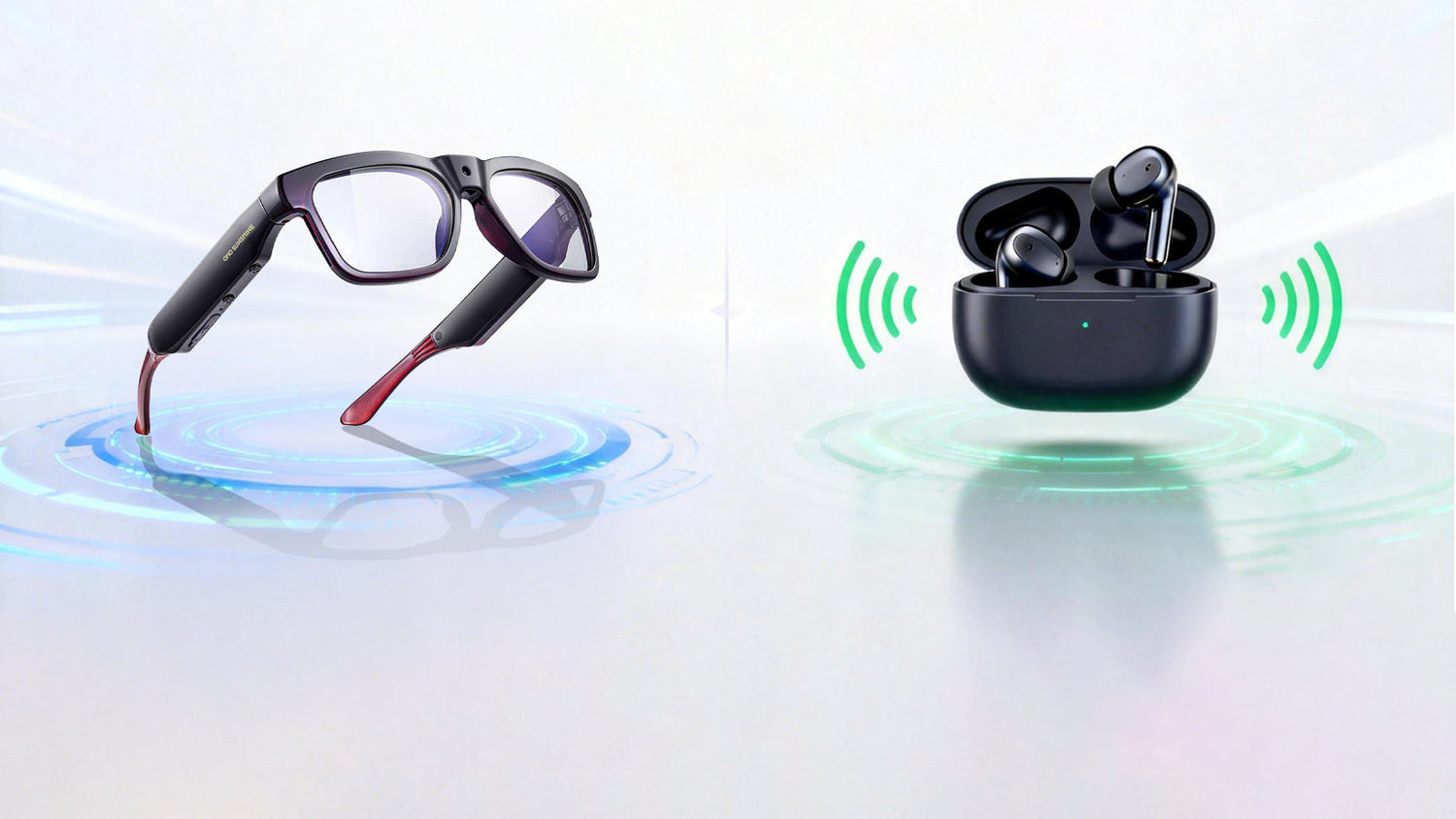
How Bluetooth Glasses Compare to Traditional Headphones?
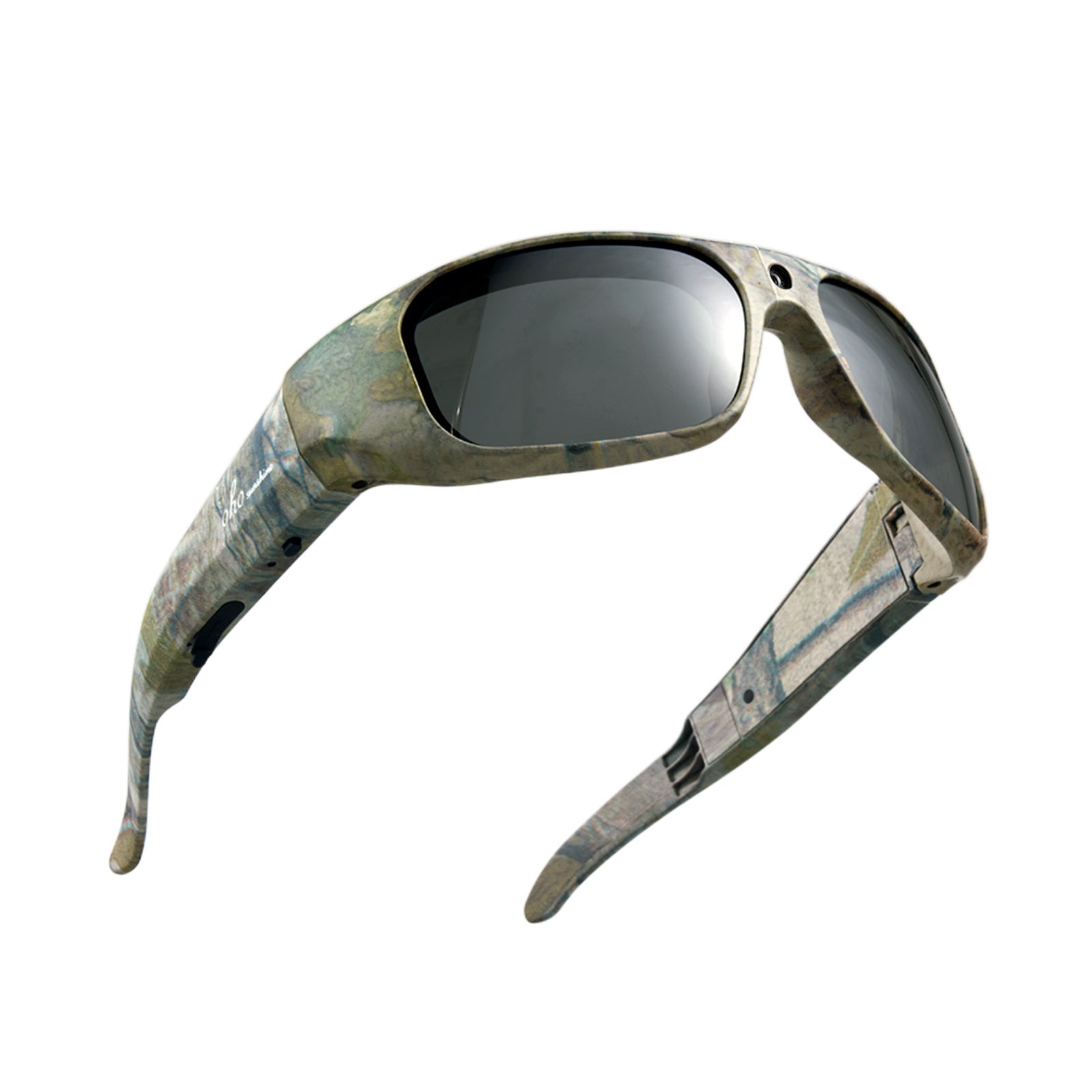
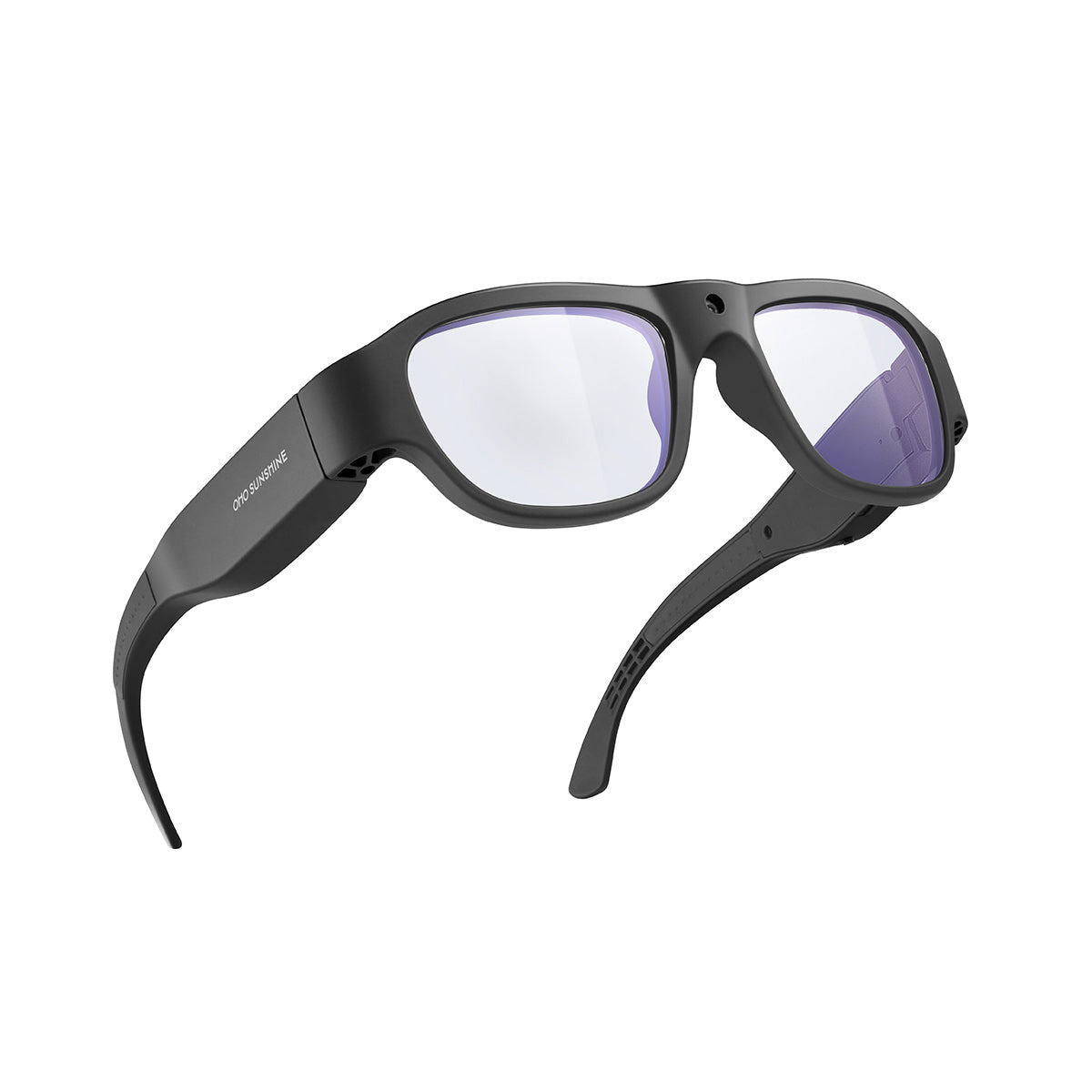
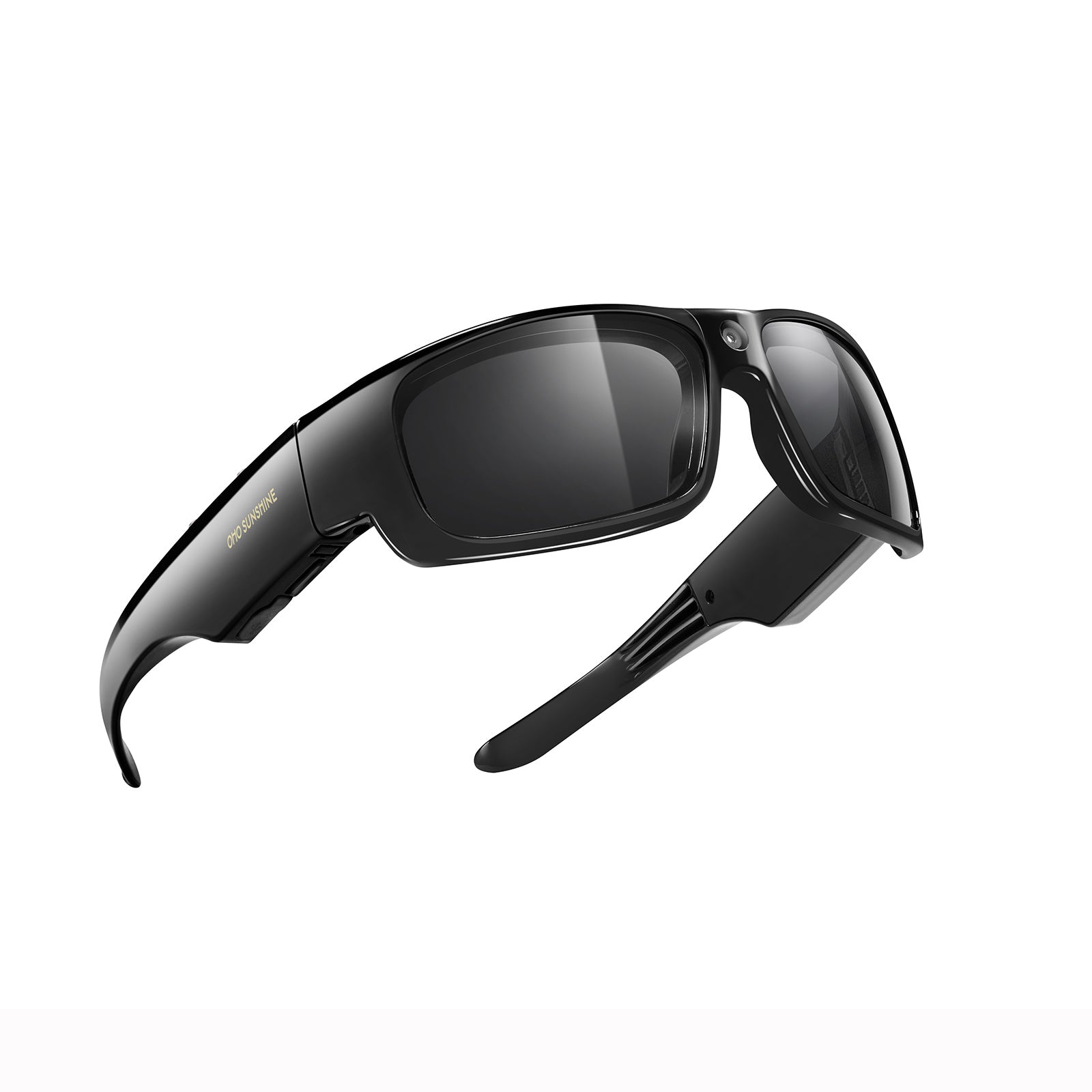
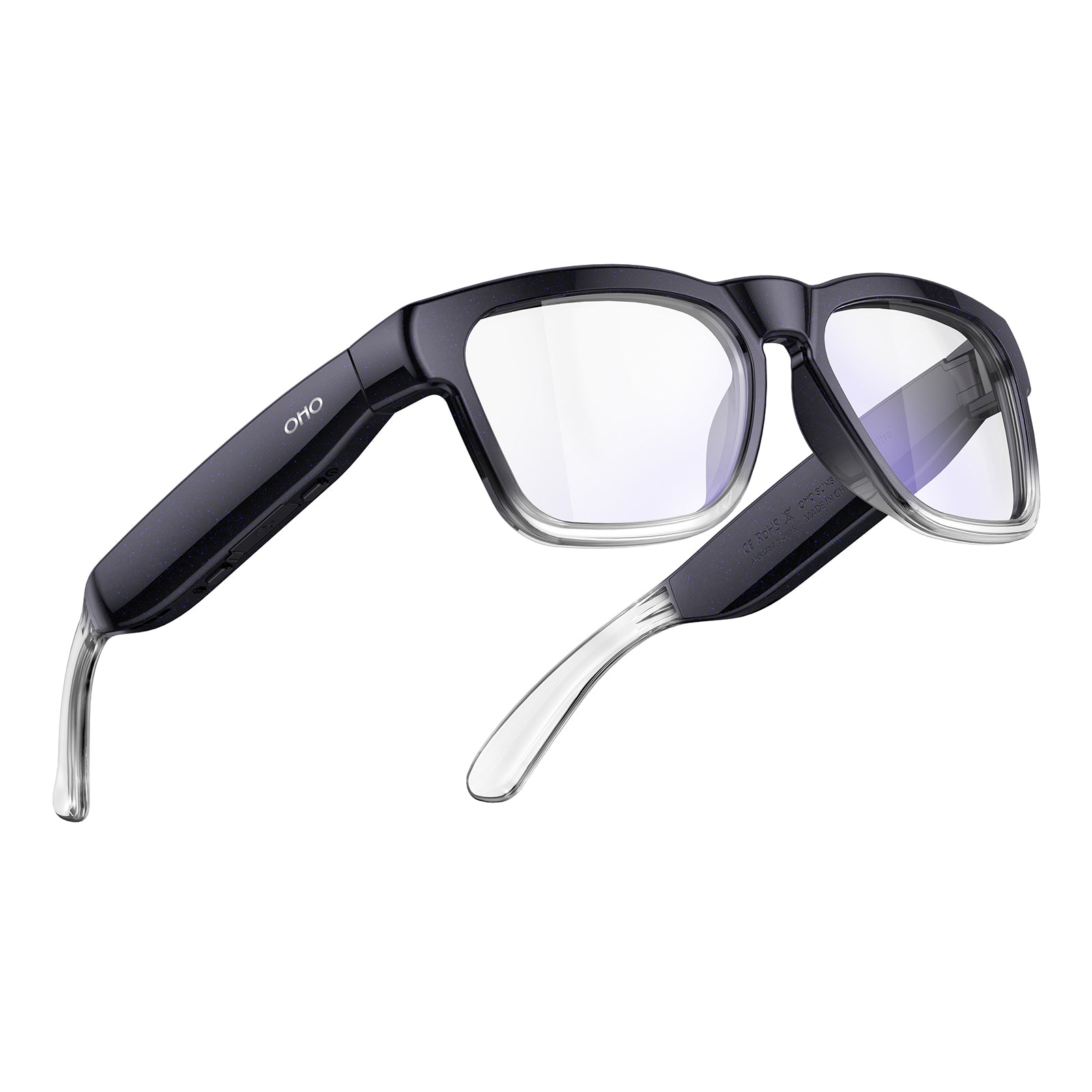
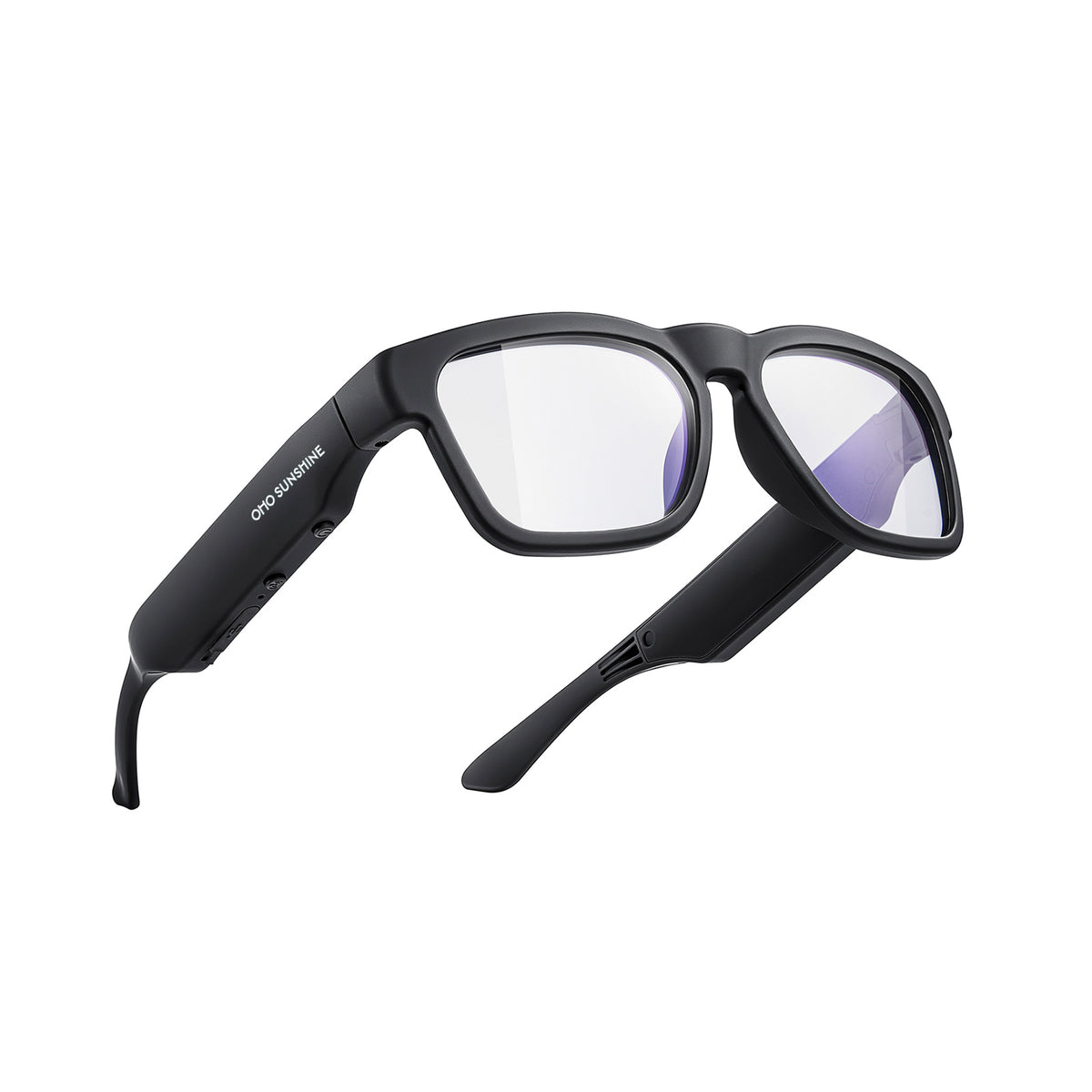
Bluetooth glasses, also called audio glasses or smart glasses with Bluetooth, combine eyewear with built-in speakers. Instead of plugging something into your ears, tiny speakers sit near your temples and direct sound toward your ear canals. This is called open-ear audio, a technology that delivers sound without blocking or entering your ear canal. Audio glasses use directional speakers positioned in the frames' temples, and sound travels directly into your ear canal without physical contact. Some models use bone conduction, which sends vibrations through your cheekbones to your inner ear, but most modern Bluetooth sunglasses rely on air conduction with focused audio beams.
Traditional headphones work differently. They use in-ear drivers (the small speakers inside earbuds) or over-ear cups that create a seal around your ears. This seal blocks outside noise, giving you that immersive, bass-heavy sound. But it also cuts you off from your environment.
Why Bluetooth Sunglasses Are Safer for Outdoor Activities
Safety might not be the first thing you think about when choosing audio gear, but it should be. Traditional headphones create a dangerous isolation bubble. In-ear earbuds seal off your ear canals completely, while over-ear headphones muffle everything around you with thick padding and active noise cancellation. You're essentially wearing blinders for your ears, which is terrible for staying aware of your surroundings.
Bluetooth sunglasses give you something traditional headphones can't: situational awareness. That means staying alert to what's happening around you while enjoying your audio. When you're cycling, running, or hiking, you need to hear approaching cars, cyclists yelling "on your left," or trail hazards. Audio glasses let ambient noise in naturally, so you're never caught off guard.
Stay Alert While Cycling, Running, or Hiking
Picture yourself on a morning bike ride. With earbuds, you're locked in your audio bubble, unaware of the car coming up behind you. With Bluetooth sunglasses, you hear the engine, the honk, and can react instantly. Whether it's dodging pedestrians on shared paths or hearing someone approach from behind, runners face similar risks
Hikers benefit too. Nature sounds matter. Hearing rustling leaves, approaching wildlife, or other hikers on the trail keeps you safe and more connected to the outdoors. You don't miss your music or podcast; you just don't sacrifice awareness for it.
Ideal for Commuters and Outdoor Enthusiasts
City commuters deal with constant sensory input, such as crosswalks, honking taxis, subway announcements. Bluetooth glasses let you take calls or listen to music without missing important audio cues that keep you safe in busy environments.
For outdoor enthusiasts, the safety factor is non-negotiable. Whether you're trail running, mountain biking, or just walking your dog in a busy park, open-ear audio keeps you engaged with your surroundings while still enjoying your content.
How Smart Glasses with Bluetooth Win for Comfort and Convenience
Comfort matters when you're wearing something for hours. Traditional earbuds create constant pressure inside your ear canal, and after a couple of hours, your ears get sore, sweaty, or irritated. Over-ear headphones are bulky and press against your head, often causing headaches or making your ears uncomfortably hot. Both options force you to choose between audio and comfort.
Smart glasses with Bluetooth avoid all of that. Since nothing goes in or covers your ears, there's zero ear fatigue. You can wear them from your morning commute through your workday and into your evening workout without discomfort.

No Ear Fatigue for Extended Use
Your ear canals aren't designed for constant pressure. Earbuds trap heat and moisture, which can lead to ear infections with prolonged use. Bluetooth glasses sit on your face like regular eyewear, which makes them perfect for long work sessions, especially if you're on back-to-back video calls or listening to music while working.
Multifunctional Design for Work and Play
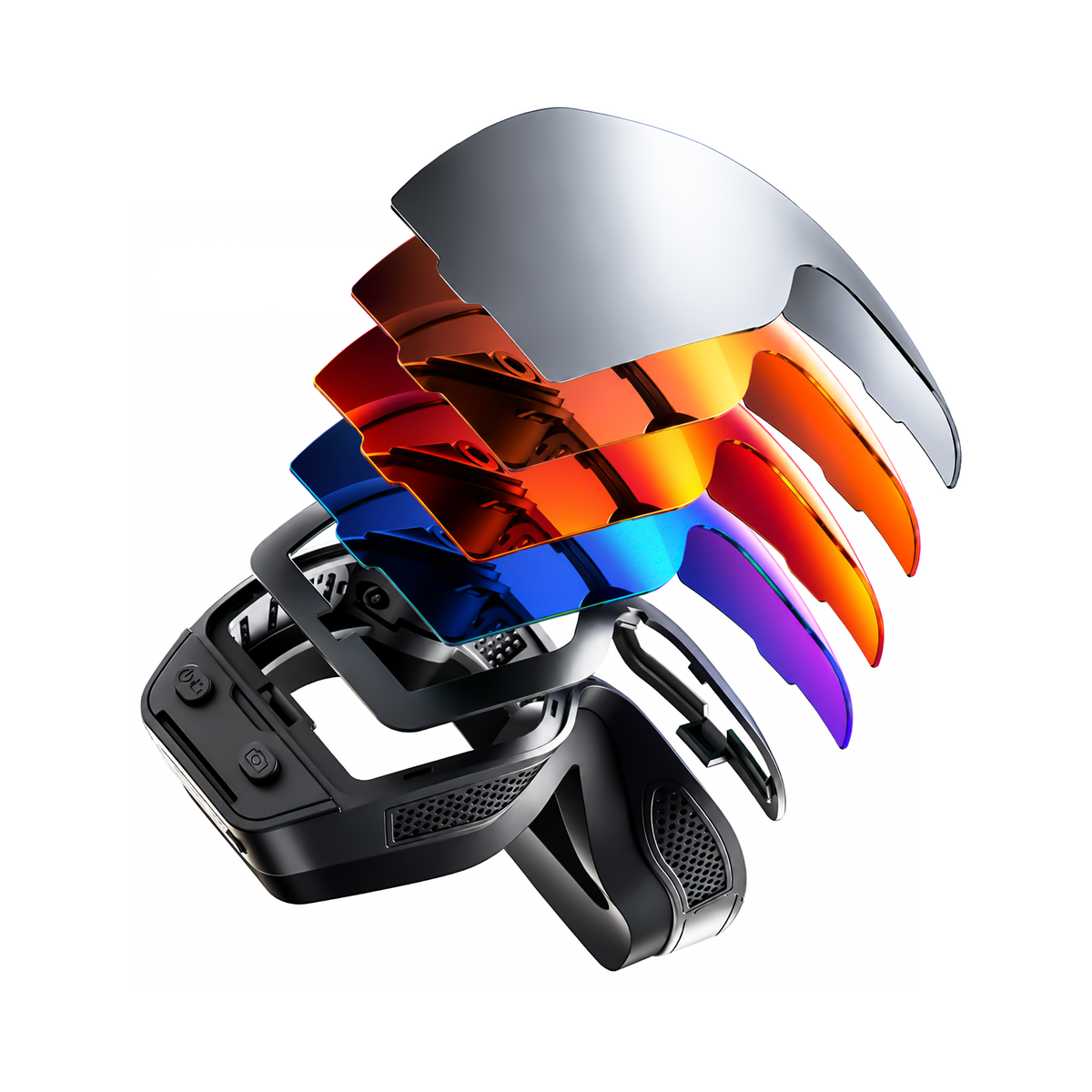
Here's where Bluetooth sunglasses really shine: they do more than play audio. Need sun protection? The polarized lenses have you covered. Working under harsh indoor lighting? Blue light blocking lenses reduce eye strain. For workouts, audio glasses don't fall out when you're running or doing burpees, and they're sweat-resistant for intense sessions. You're getting eyewear, audio, and eye protection in one compact device, meaning less to carry, less to charge, less clutter.
Discreet Design Keeps Your Audio Private
Unlike bulky headphones or obvious earbuds, Bluetooth glasses look like regular eyewear. No one knows you're listening to music, on a call, or catching up on podcasts. This discretion is valuable in professional settings—you can take calls during your commute or listen to content while walking through the office without drawing attention. The inconspicuous design lets you stay connected without broadcasting that you're wearing audio devices.
When to Choose Audio Glasses vs Headphones
Let's be honest: sound quality and privacy are where you need to make trade-offs. Bluetooth glasses deliver solid audio for most everyday activities, but they can't match high-end headphones in every situation.
Audio glasses work best for podcasts, audiobooks, phone calls, and casual music listening. The sound is clear and balanced, but you won't get the deep bass or immersive soundstage that over-ear headphones provide. If you're a music purist or audio engineer, traditional headphones will serve you better.
Privacy is another consideration. Since Bluetooth sunglasses use open-ear speakers, there's some sound leakage: people very close to you might hear faint audio at higher volumes. It's not loud enough to disturb a coffee shop, but it's noticeable in quiet spaces like libraries or tight office cubicles.
Traditional headphones seal around or in your ears, keeping your audio private. If discretion matters or you work in shared spaces, in-ear or over-ear options give you better sound containment.
What Bluetooth Glasses Do Best
Use audio glasses when you need convenience, safety, and comfort over peak audio fidelity. They're perfect for:
- Outdoor workouts (running, cycling, hiking)
- Commuting in busy environments
- Taking phone calls while multitasking
- Listening to podcasts or audiobooks on the go
- All-day wear without ear discomfort
They balance decent sound quality with practical benefits like sun protection and situational awareness.
When Traditional Headphones Are the Better Choice
Choose headphones when audio quality, noise isolation, or privacy are priorities:
- Noisy environments like airplanes or busy offices
- Focus work requiring noise cancellation
- Situations where sound leakage could bother others
- Gaming or watching movies at home
Headphones deliver superior sound performance in controlled environments where you don't need to stay aware of your surroundings.
Choose the Right Audio Device for Your Lifestyle
The winner depends on how you live. Bluetooth glasses would be best for those with an active lifestyle who value safety and comfort above everything else. Regular headphones will be your best companion whenever sound quality is your priority over everything else in your surroundings. When you are always on the go, doing many tasks simultaneously, and staying outside, audio glasses will liberate you without having you sacrifice a thing. Ready to experience open-ear freedom? Explore Bluetooth glasses designed for your active lifestyle and see how they fit into your daily routine.

3 FAQs about Bluetooth Glasses Usage and Safety
Q1. Do Bluetooth Glasses Damage Your Hearing Like Earbuds Can?
Bluetooth glasses would actually pose much less harm to your hearing because they rest outside your ear canal. That's a problem with earbuds because they transmit sound directly into your ear, doing so up close, and this may pose a threat of hearing loss due to exposure to a lot of volume. But sound travels from a distance with audio glasses, so be sure you listen to audio devices within moderate sound levels because it would be a problem broadcasting them too loudly.
Q2. Can You Use Audio Glasses While Wearing Prescription Glasses?
Most people can’t use both simultaneously, although many Bluetooth glasses come with prescription lens support. It is possible for you to have your prescription fitted into the frames of the smart glasses so that you can hear and see clearly. Others come with a clip-on design for use with regular glasses, although this is a rarer occurrence among the products.
Q3. Are Bluetooth Glasses TSA-Approved for Air Travel?
Yes, you can take your Bluetooth glasses with you on a plane because they can go past TSA security scans without an issue because, just like other types of glasses, they don’t have any removable lithium ion batteries among other restricted materials within them.


Leave a comment
All comments are moderated before being published.
This site is protected by hCaptcha and the hCaptcha Privacy Policy and Terms of Service apply.