













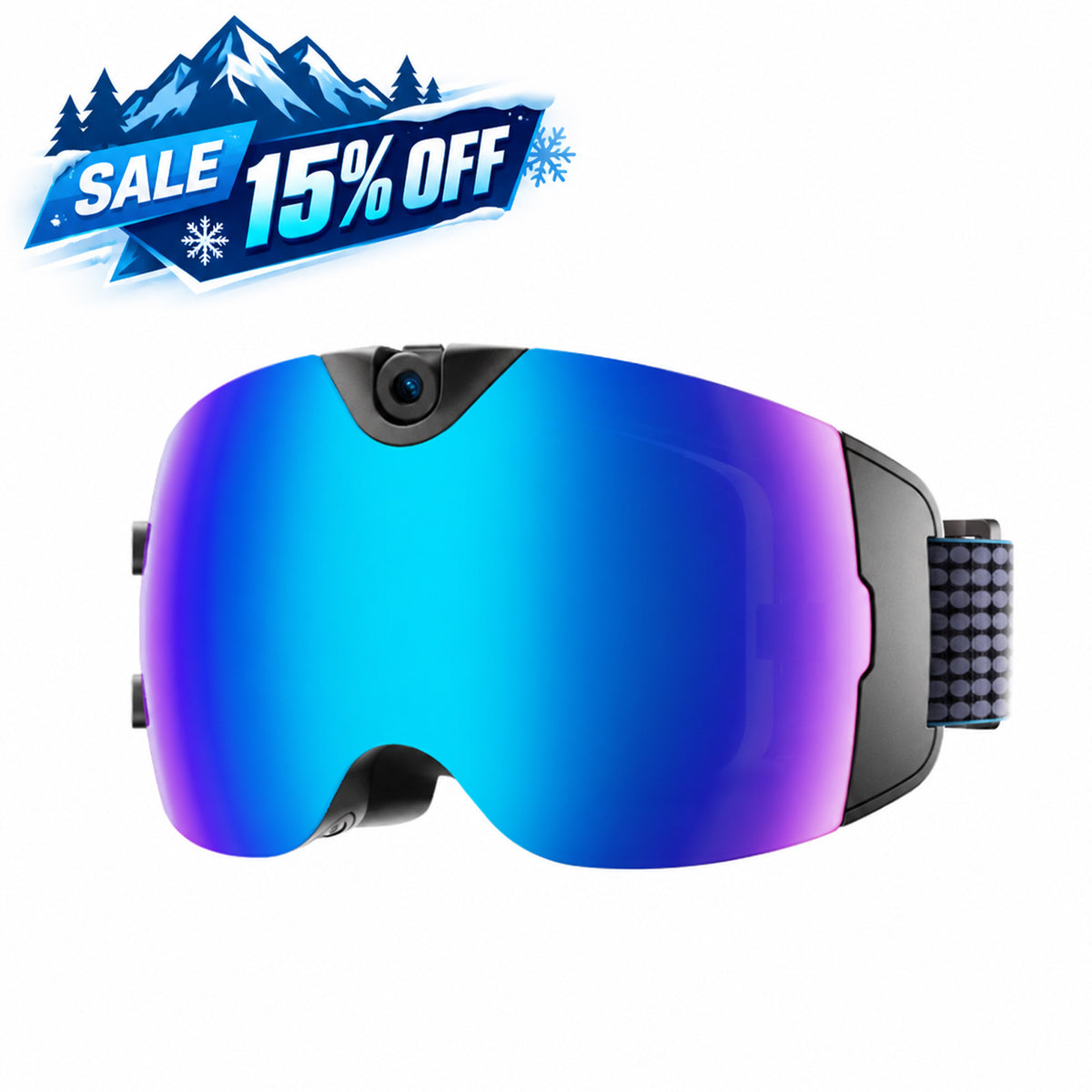



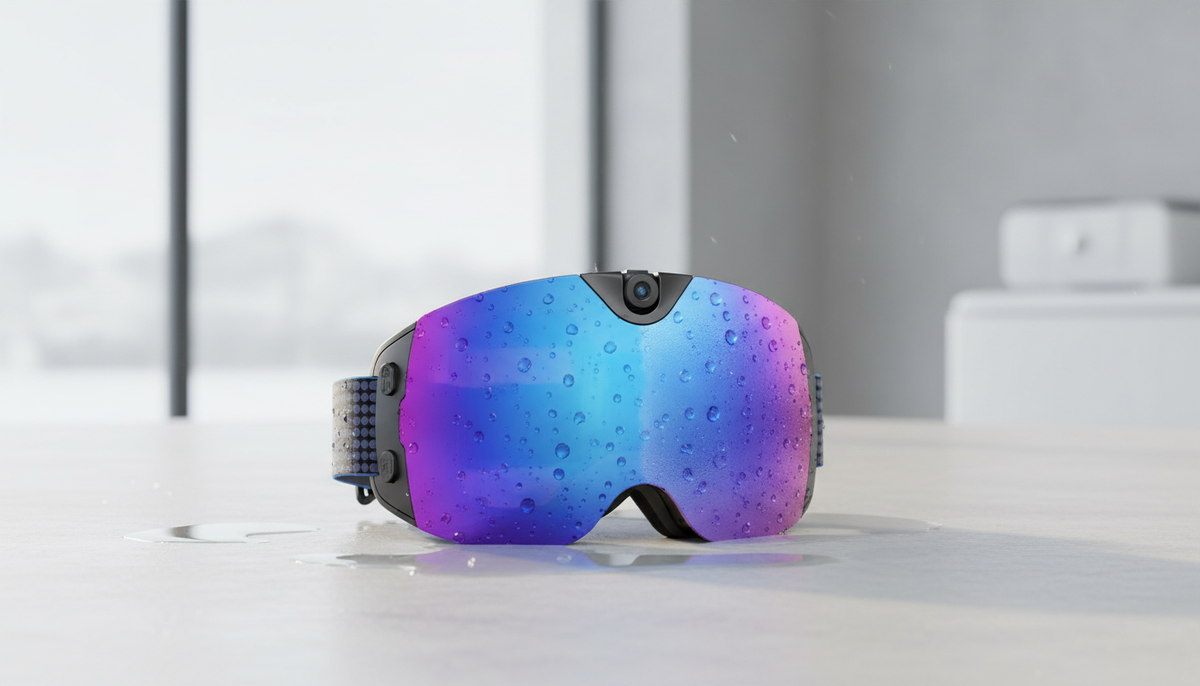
Remove loose snow, salt, and grit before touching either lens, then treat the outer and inner surfaces differently. For a reliable after-ride routine, clean the outside only as the current lens instructions allow, let a wet inner lens air-dry, ventilate the frame and soft parts, and store the goggles only when the relevant areas are dry. These steps help care for snow goggles after a wet day without assuming every lens treatment or model follows the same rules.
How to Clean Snow Goggles After a Wet Day
The safest first step after skiing or snowboarding is to remove loose residue before any cloth touches the lens. That reduces the chance of dragging grit or salt across a wet surface.
- Remove loose moisture and particles. Shake or gently tap away loose snow, then remove visible grit, salt, and other residue without pressing it into either lens. Set aside a clean, dry lens cloth and the current care instructions for your model before proceeding.
- Treat the two lenses differently. The outer lens may have an approved cleaning method, while a wet inner lens should generally be left to air-dry. Do not apply the outside-lens wiping routine to the inside.
- Clean the outer lens according to the approved instructions. Once loose particles are gone, use only the method specified for that lens and model. If the instructions do not identify a safe contact method, pause instead of using household glass cleaner or another treatment.
- Protect the inner lens and damp components. Let the inner lens air-dry. Lightly dab accessible moisture only if the current model instructions expressly allow it. Keep the frame, vents, strap, and foam ventilated as they dry.
- Store the goggles only after they are dry. Do not put damp goggles in a closed case or bag. If moisture, persistent fogging, scratches, or coating damage remains, move to the decision section below instead of repeatedly wiping the lens.
This sequence works for wet snow, sweat, and road salt, but the model’s current care instructions take priority whenever they set a more specific boundary.

How to Clean the Outer Lens After Wet Snow or Salt
Clean the outer lens only after removing loose snow, grit, and salt, and follow the current lens or manufacturer instructions for the approved method. No universal cleaner or water-contact method is safe to assume for every pair.
If residue remains, use the model-approved approach rather than household glass cleaner, an unapproved anti-fog treatment, or a guessed combination of water and heat. Check the current model manual when the lens material or treatment is unclear. The linked page is a navigation path, not proof that a particular cleaning method is safe for every model.

Cleaning is appropriate for removable exterior residue. It cannot restore a scratched lens, peeling surface, or apparent coating wear. If a mark remains after the approved cleaning method, stop treating it as ordinary dirt and use the condition-to-action table later in this guide.
Can You Wipe the Inside of Snow Goggles?
As a conservative rule, do not wipe a wet inner lens. Let it air-dry, since wiping the wet interior may smear or damage a delicate anti-fog treatment. Limited dabbing is an exception only when the current model instructions expressly allow it.
Cleaning the inside is not the same as cleaning the outside. Do not scrape, polish, or apply household glass cleaner to the inner surface. If fogging or a mark remains after the lens has fully dried, repeated wiping will not fix it. Treat the condition as an inspection question instead.
Anti-fog coating care is model-specific. If the instructions restrict contact with the inner lens, follow that boundary even when moisture or fog is still visible. Leave the surface undisturbed, provide ventilation, and reassess it only after drying.
How to Dry and Store Snow Goggles Overnight
There is no universal number of hours that makes ski goggles ready for overnight storage. Use dryness as the gate: the lenses, lens edges, frame, vents, strap, foam, and other moisture-holding areas should be dry before the goggles go into approved protective storage.
Position the goggles in a ventilated place where air can reach retained moisture. Air-drying should handle the lenses and other damp areas. You may gently blot accessible exterior moisture only when the material and current care instructions allow it. Do not use an invented heat setting, forced-air method, or fixed overnight timer as a substitute for checking the goggles.
Before storing wet ski goggles, look and feel for dampness around the lens edges, frame channels, vents, strap, and foam. If any relevant area still appears or feels damp, continue ventilated drying. Once the goggles are dry, use the protective storage setup approved for that model instead of sealing moisture inside a case or bag.
How to Store Camera Snow Goggles Around Ports and Electronics
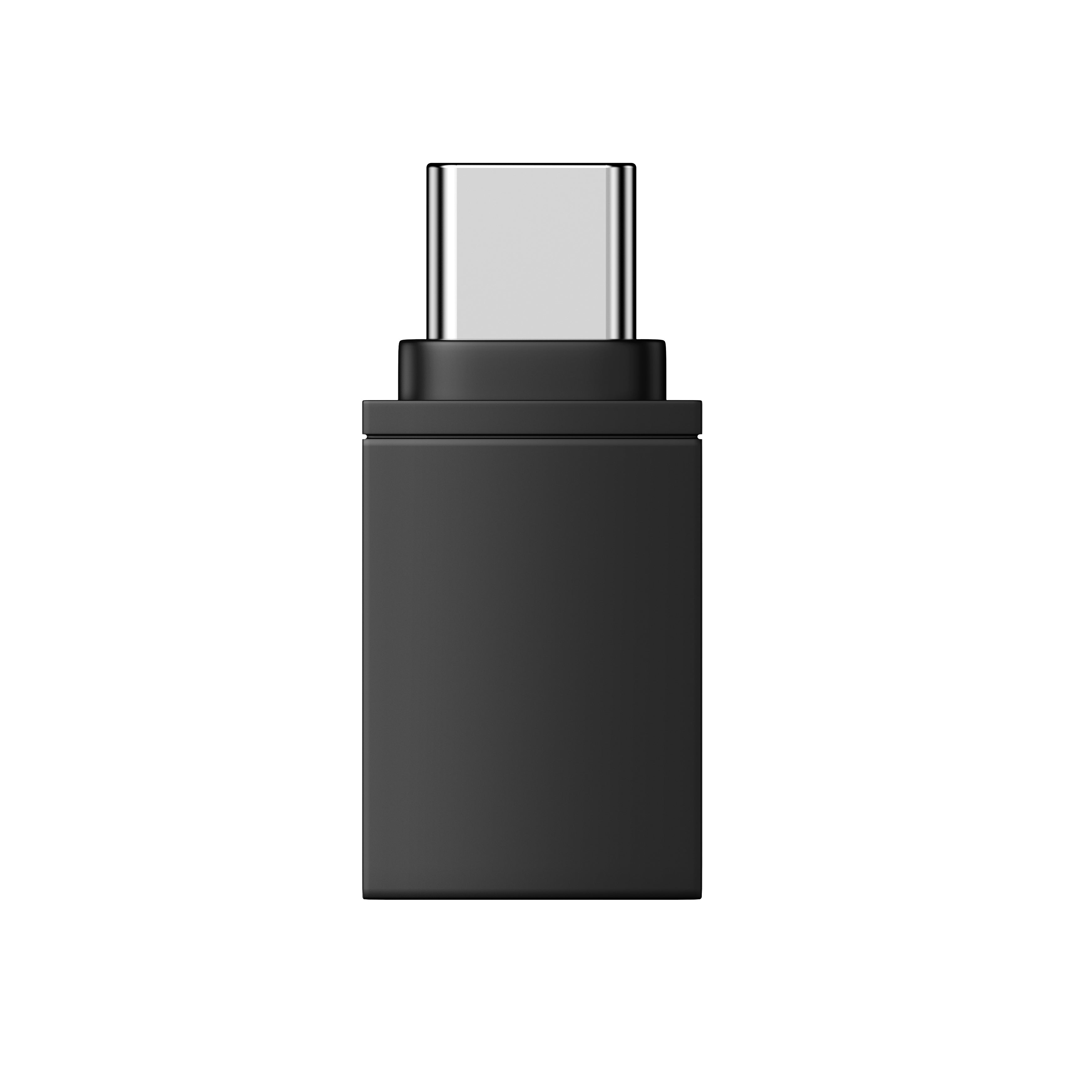
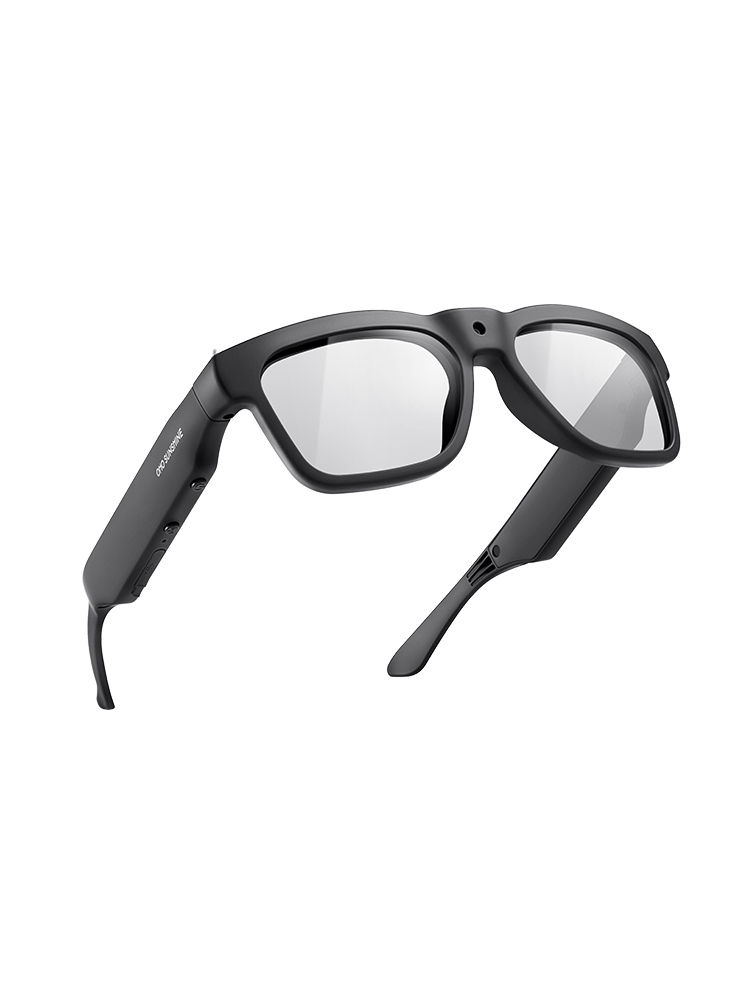
Camera-equipped goggles need a separate moisture check around ports, controls, seams, openings, and nearby electronic areas. If moisture may remain there, stop before charging, connecting a cable, operating the device, or sealing it away, and follow the exact model instructions.
General camera-care guidance supports keeping a port dry before charging or connecting a cable, but it does not establish waterproofing or port construction for every camera-equipped pair. For example, official Axon care guidance says a USB port should be dry before connection, while Insta360’s model guidance shows why covers and moisture limits vary by device. This is general electronics care, not Skyshot-specific proof.
Dry visible exterior moisture only with a model-approved approach. Do not infer that a camera makes the goggles waterproof, and do not assume they are safe to charge while damp. Before opening a cover or connecting an accessory, use the exact model’s instructions. If the answer is unclear, use model-specific support rather than guessing at a port-drying or charging procedure.
When Cleaning Is Enough—and When to Inspect or Replace a Lens
Use approved cleaning for removable residue, but switch to drying, inspection, or model-specific support when the condition is no longer ordinary dirt. Consider a replacement lens only after confirming the exact model and determining that lens damage—not moisture or unresolved care—is the problem.
| Condition | Next action | Decision reason |
|---|---|---|
| Removable snow, salt, or other exterior residue | Use the approved outer-lens method | The problem is surface residue, not confirmed lens damage. |
| Moisture remains on a lens, edge, frame, vent, strap, or foam | Continue ventilated drying | Storage readiness depends on the relevant areas being dry. |
| A scratch or blemish affects your field of vision | Inspect the lens and consider replacement | A vision-affecting mark is no longer an ordinary cleaning problem; do not polish it away. |
| Peeling, apparent coating damage, or treatment wear | Stop repeated cleaning and arrange an inspection | Cleaning cannot repair damaged lens surfaces. |
| Fogging remains after proper drying | Inspect the goggles and follow model-specific care guidance | Persistent fogging needs assessment rather than more wet-lens wiping. |
| Moisture may have reached a port or electronic area | Do not charge, connect, or seal; follow the exact model manual or support path | General camera guidance cannot establish the correct procedure for your model. |
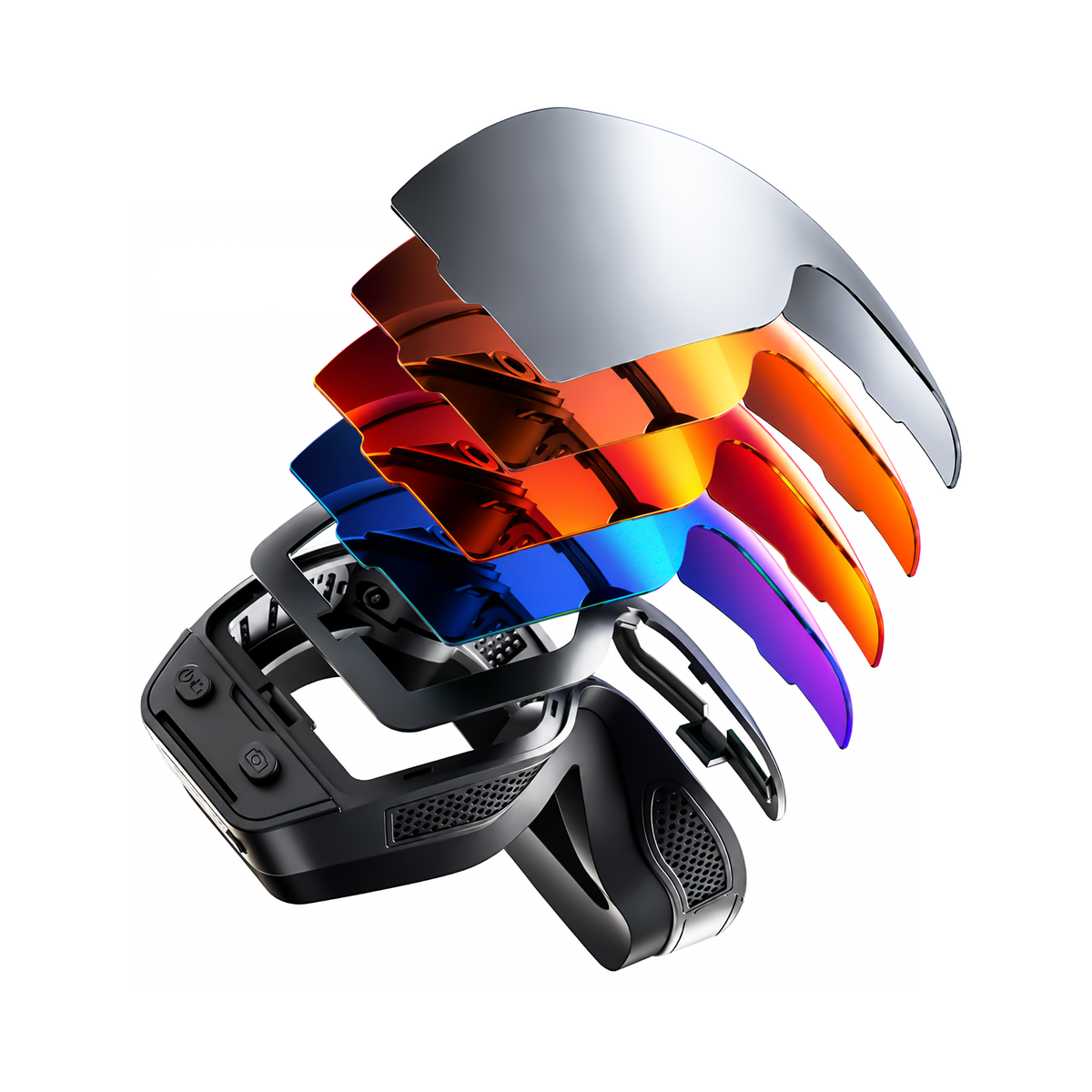
For the Skyshot camera ski goggle, the Skyshot replacement-lens listing is an option to check after confirming the exact model. The listing names Red Mirror, Blue Mirror, Silver Mirror, and Orange Transparent lens types, but it does not establish universal compatibility, installation instructions, or a fixed replacement threshold. Confirm the model and the cause of the problem before ordering.
The practical endpoint is simple: use approved cleaning for removable residue, continue drying while moisture remains, inspect unresolved lens damage or fogging, and use model-specific support for suspected electronics moisture.
FAQs
How Do You Clean Snow Goggles After Skiing?
Remove loose snow, grit, and salt first. Then use the approved outer-lens method, avoid rubbing a wet inner lens, ventilate the goggles, and store them only after the relevant areas are dry.
Can You Wipe the Inside of Snow Goggles?
Not as a general rule when the inside is wet. Air-dry the inner lens and use limited contact only if the current model instructions expressly allow it. Do not scrape or use household glass cleaner.
How Long Should Ski Goggles Dry Overnight?
Do not rely on a universal overnight number. Check the lenses, edges, frame, strap, vents, foam, and camera-related areas, and keep drying until those relevant areas are dry.
How Do You Store Wet Goggles?
Do not seal damp goggles in a case or bag. Keep them ventilated until dry, then use approved protective storage. For camera goggles, apply the same dryness check around ports and electronics before charging, connecting, or sealing them away.


Deixe um comentário
Este site está protegido pela Política de privacidade da hCaptcha e da hCaptcha e aplicam-se os Termos de serviço das mesmas.