
















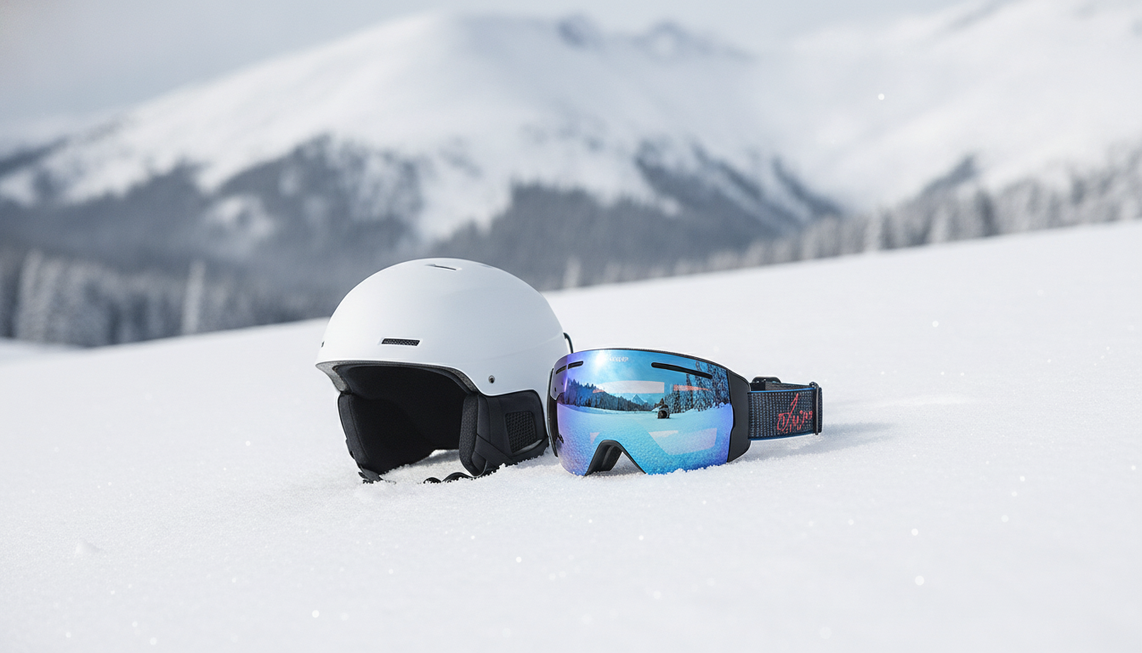
Nee. Ga er niet van uit dat een cameraskibril op elke ski- of snowboardhelm past. De \compatibiliteit van cameraskibril en helm\ hangt af van de exacte combinatie van skibril en helm, niet van de skibril of helm afzonderlijk. Test de daadwerkelijke combinatie en classificeer die als \doorgaan\, \aanpassen en opnieuw testen\ of \stoppen en controleren\ voordat je ze koopt of ermee gaat rijden.
Een pasvorm in stilstand is slechts het beginpunt. De band, het frame, de bovenrand, de camerabehuizing, de ventilatieopeningen, de ruimte tussen bril en helm en de stabiliteit tijdens beweging moeten allemaal goed samenwerken.
Past een cameraskibril op elke helm? Controleer de compatibiliteit van de cameraskibril met de helm aan de hand van de exacte combinatie
Nee. Gebruik precies de helm die je van plan bent te dragen met precies de cameraskibril die je overweegt, en test ze samen voordat je ze koopt of ermee gaat rijden. Onafhankelijke tests van skibrillen raden aan de bril met de helm te passen, omdat een aanzienlijke opening of slechte aansluiting verborgen kan blijven wanneer je ze afzonderlijk test; je kunt \precies de skibril met precies de helm testen voordat je definitief voor deze combinatie kiest.
Een vervangende helm is geen betrouwbare vervanging. De ene helm kan anders combineren met de skibril dan de andere, zoals een beoordeling van een skibril illustreert met \een helm die anders combineert dan een andere. Voer deze controle in zeven stappen in deze volgorde uit:
- \Gebruik precies de helm en skibril die je gaat dragen.\ Zet de helm op die je daadwerkelijk zult dragen en plaats vervolgens de cameraskibril op je ogen in de normale positie. Centreer het frame in plaats van de pasvorm vanuit één hoek te beoordelen. Als de beoogde helm niet beschikbaar is, beschouw het resultaat dan als onbevestigd en niet als geslaagd.

- \Breng de band normaal aan.\ Plaats de band rond de helm zonder hem te verdraaien of strakker aan te trekken dan nodig is om de skibril op zijn plaats te houden. De constructie moet stabiel blijven zonder overmatige druk. Als de band alleen werkt wanneer je hem door een ongebruikelijke route leidt, pas hem dan één keer aan en test opnieuw; aanhoudende belemmering betekent dat je moet stoppen en de combinatie moet controleren.
- Controleer de aansluiting van het frame en de bovenrand. Let op gelijkmatig contact tussen het bovenste frame en het helmgedeelte eromheen. De skibril moet gecentreerd blijven en mag niet door de helm omlaag worden gedrukt, schuin komen te zitten of omhoog worden geduwd. Als de bovenrand op één punt contact maakt en daardoor de positie van het frame verandert, zet de skibril dan één keer opnieuw op. Als het contact blijft bestaan, classificeer de combinatie dan als stoppen en controleren.
- Controleer de camerabehuizing afzonderlijk. Camera-skibrillen moeten eerst de normale controle van skibril en helm doorstaan voordat je de camerabehuizing accepteert. Controleer de behuizing en bedieningselementen ten opzichte van de helmrand boven de ogen, de oogopening, het verloop van het bandje en het frame. De voorzichtige voorwaarde voor een geslaagde test is dat er geen contact is waardoor de skibril verschuift of extra spanning op het bandje ontstaat. Er is geen universele maat voor de vrije ruimte rond de behuizing beschikbaar, dus forceer de onderdelen niet tegen elkaar als de pasvorm onzeker is.
- Controleer ventilatieopeningen en luchtstromen. Controleer of de helm de ventilatieopeningen van de skibril bedekt, ertegen drukt of er op een andere manier mee interfereert. Bij een goede aansluiting blijven het frame en de ventilatieopeningen op hun bedoelde plaats. Als de ventilatieopeningen geblokkeerd lijken, zet de skibril dan opnieuw op en test opnieuw. Aanhoudende interferentie is een reden om de productspecifieke pasvorm te controleren of een andere combinatie te kiezen - niet om het probleem simpelweg op te lossen door het bandje strakker aan te trekken.
- Controleer de kier en drukpunten tussen skibril en helm. Let op een ongelijke of aanzienlijke kier en controleer vervolgens op druk bij de wenkbrauwen, neus, zijkanten en contactpunten van het bandje. Er is geen universele numerieke grenswaarde voor een geslaagde kier. Een positioneringsprobleem kan na één keer zorgvuldig opnieuw opzetten verbeteren, maar bij een aanhoudende kier of terugkerend drukpunt moet je stoppen en dit controleren.
- Simuleer normale bewegingen. Draai je hoofd, kijk omhoog en omlaag, leun voorover zoals tijdens een afdaling en houd de combinatie lang genoeg op om druk of verschuiving op te merken. De test is geslaagd als de skibril gecentreerd en stabiel blijft zitten en redelijk comfortabel aanvoelt, zonder onopgelost probleem met ventilatieopeningen of behuizing. Als een klein positioneringsprobleem verbetert, stel de skibril dan af en test opnieuw. Als de skibril verschuift, de druk terugkeert of de hardware geforceerd moet worden, stop dan en controleer dit voordat je gaat rijden of tot aankoop overgaat.
Deze methode beantwoordt de praktische vraag achter compatibiliteit van camera-skibrillen en helmen: het resultaat geldt voor het exacte paar. Trek niet op basis van één geslaagde test conclusies voor elke helm.
Wat vertelt een kier of drukpunt je over de pasvorm?
Een kier of drukpunt is niet automatisch een reden om ervan af te zien, maar is ook niet per se te verhelpen. Zet de skibril één keer opnieuw op met normale spanning van het bandje. Als het probleem tijdens beweging aanhoudt, beschouw het dan als een onopgelost aansluitingsprobleem.
Ook de integratie van de ventilatieopeningen en het frame met de helm hoort bij deze beslissing. Bij onafhankelijke tests worden de plaatsing van de ventilatieopeningen en de integratie van het frame met de helm meegenomen bij het beoordelen van de prestaties van een skibril. Controleer daarom beide in plaats van alleen op comfort te letten. Deze controle bewijst niet dat een bepaalde camerabehuizing beslaan of incompatibiliteit zal veroorzaken; ze brengt een fysiek probleem aan het licht dat nader moet worden gecontroleerd.
Gebruik het onderstaande symptoom en de volgende actie in plaats van een verzonnen maat voor de opening:
| Waarneming | Eerste reactie | Grens waarbij je moet stoppen en controleren |
|---|---|---|
| Skibril staat niet gecentreerd of de band zit ongelijk | Plaats het frame opnieuw en voer de band normaal langs de helm | Stop als de positie niet behouden blijft zonder ongebruikelijke spanning |
| Aanhoudende opening tussen helm en skibril | Controleer de plaatsing nog één keer | Stop als de opening aanzienlijk blijft of de combinatie verschuift |
| Druk op wenkbrauw, neus of band | Verminder de overmatige spanning en plaats de skibril opnieuw | Stop als de druk tijdens het bewegen terugkomt of erger wordt |
| Interferentie met ventilatieopening of frame | Plaats de skibril opnieuw en controleer de luchtstroom | Stop als de ventilatieopeningen geblokkeerd blijven of het frame vervormd blijft zitten |
| De camerabehuizing raakt de helm of verandert de plaatsing | Controleer de behuizing, bedieningselementen en het verloop van de band | Stop en controleer de productspecifieke details in plaats van de pasvorm te forceren |

Trek de band niet strakker aan om een opening te sluiten als dat druk veroorzaakt of de positie van het frame verandert. Een comfortabele pasvorm terwijl je stilstaat bewijst niet dat de combinatie tijdens het bewegen stabiel blijft. Als het probleem niet met een normale positionering kan worden verholpen, stop dan en controleer de combinatie, of kies een andere combinatie van helm en skibril.
Wat moet je vóór aankoop controleren voor de compatibiliteit van cameraskibrillen met een skihelm?
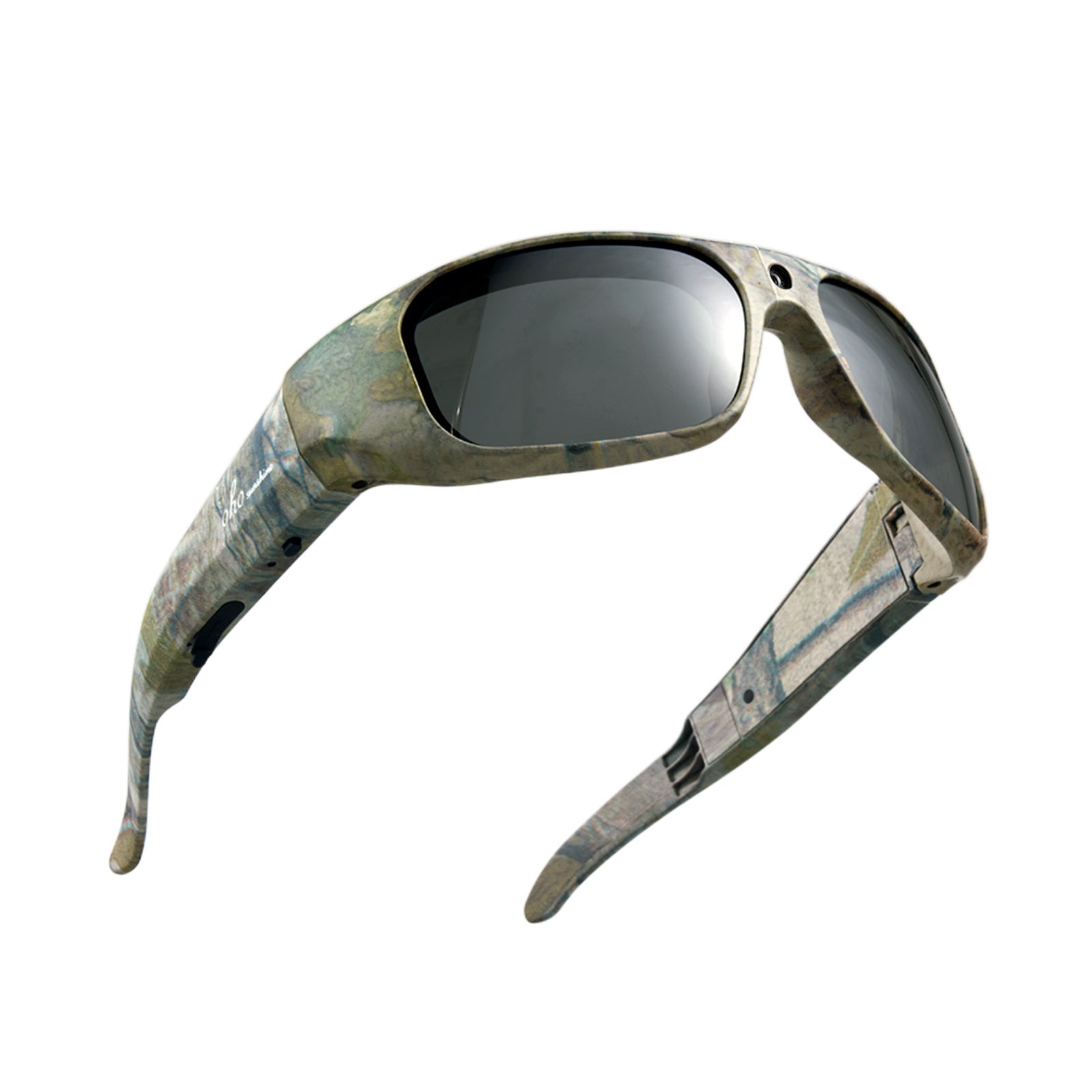
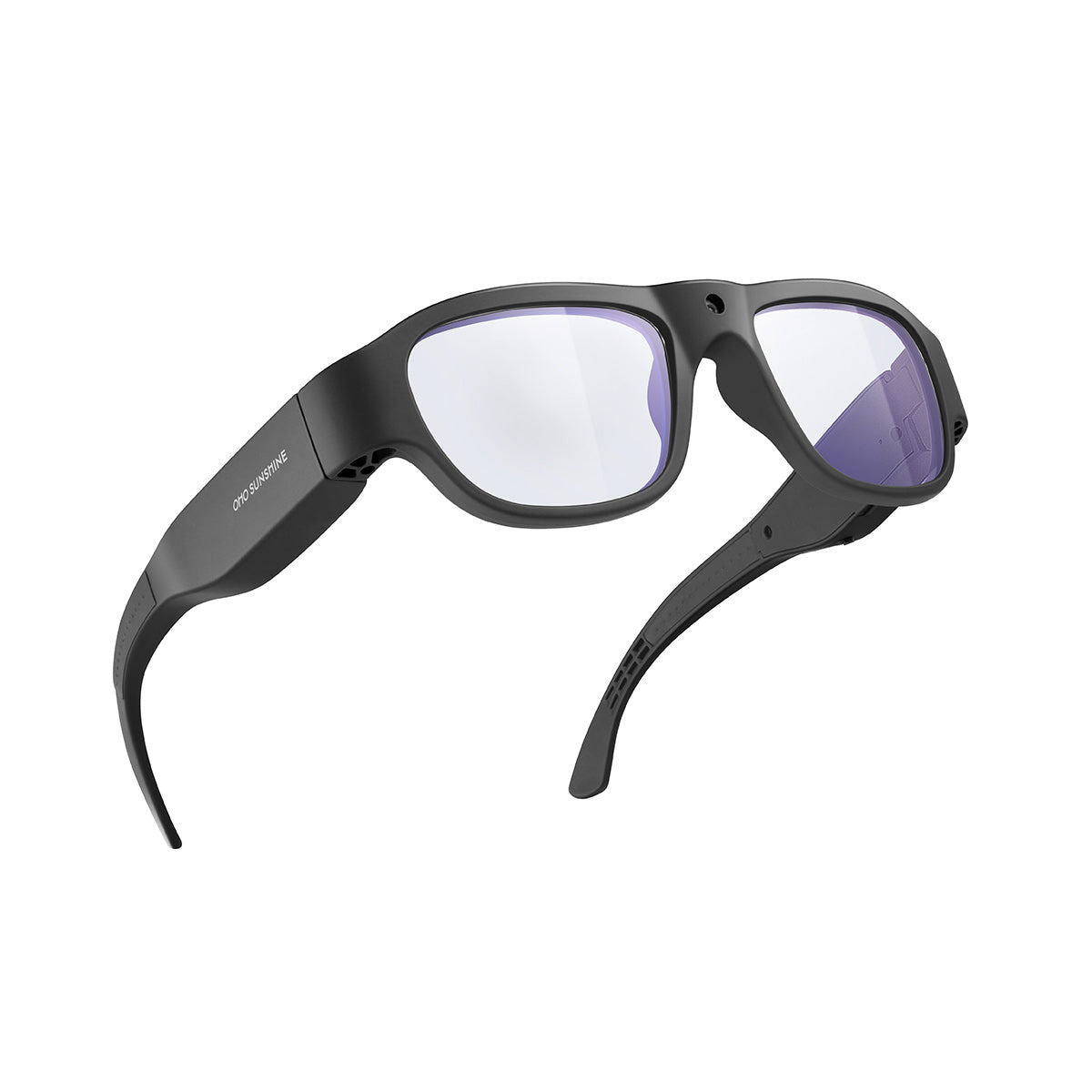
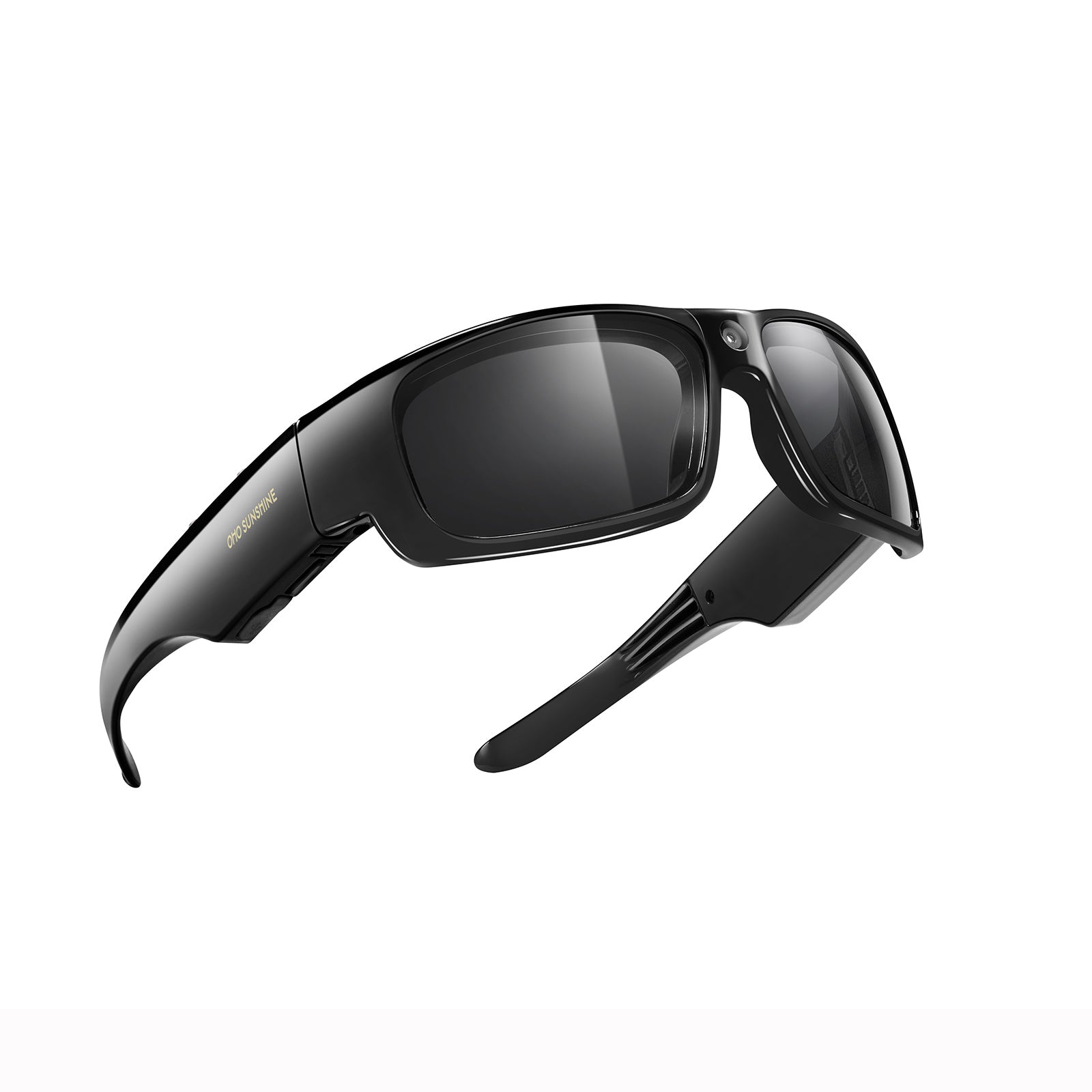
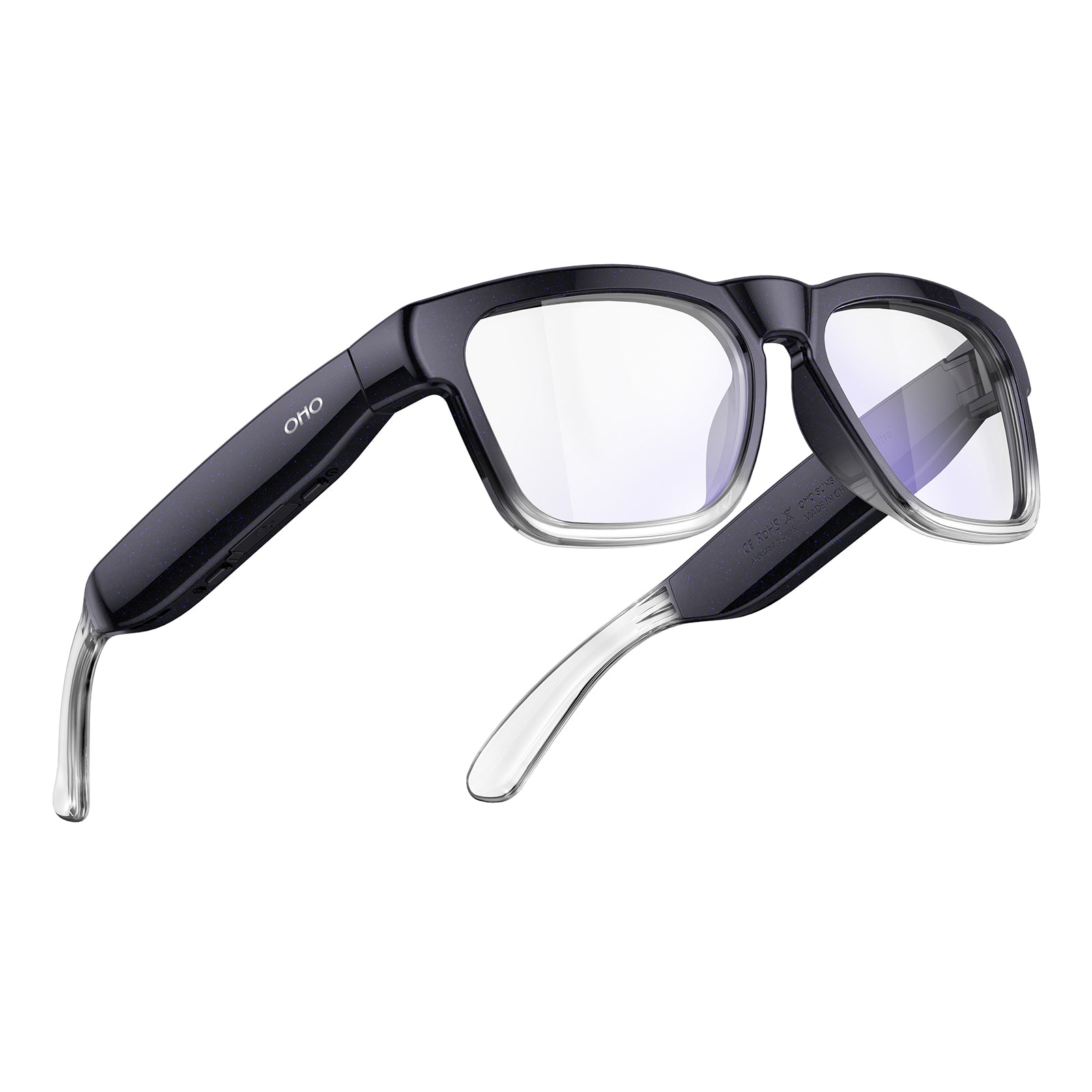
Cameraskibrillen zijn vooral geschikt voor kopers die specifiek handsfree opnemen, geïntegreerd in hun skibril, willen. Het nadeel is een extra hardware-interface: een normale pasvorm van de skibril bewijst niet dat de camerabehuizing, bedieningselementen, het verloop van de band en de ventilatieopeningen goed met de helm samenwerken. Controleer, nadat de neutrale pasvorm van helm en skibril goed is, de cameraspecifieke details voordat je tot aankoop overgaat.
Controleer eerst of de behuizing en bedieningselementen geen contact maken met de helmrand, de oogopening belemmeren, de gecentreerde plaatsing veranderen of overmatige bandspanning vereisen. Controleer vervolgens het verloop van de band en de vrije ruimte bij de ventilatieopeningen met de exacte helm. Bekijk tot slot de actuele productdetails voor het model dat je wilt kopen. De meegeleverde Skyshot-productinformatie bevat geen afmetingen van de behuizing of een pasvormtabel per model en kan daarom niet bevestigen dat dat model goed op jouw helm past.
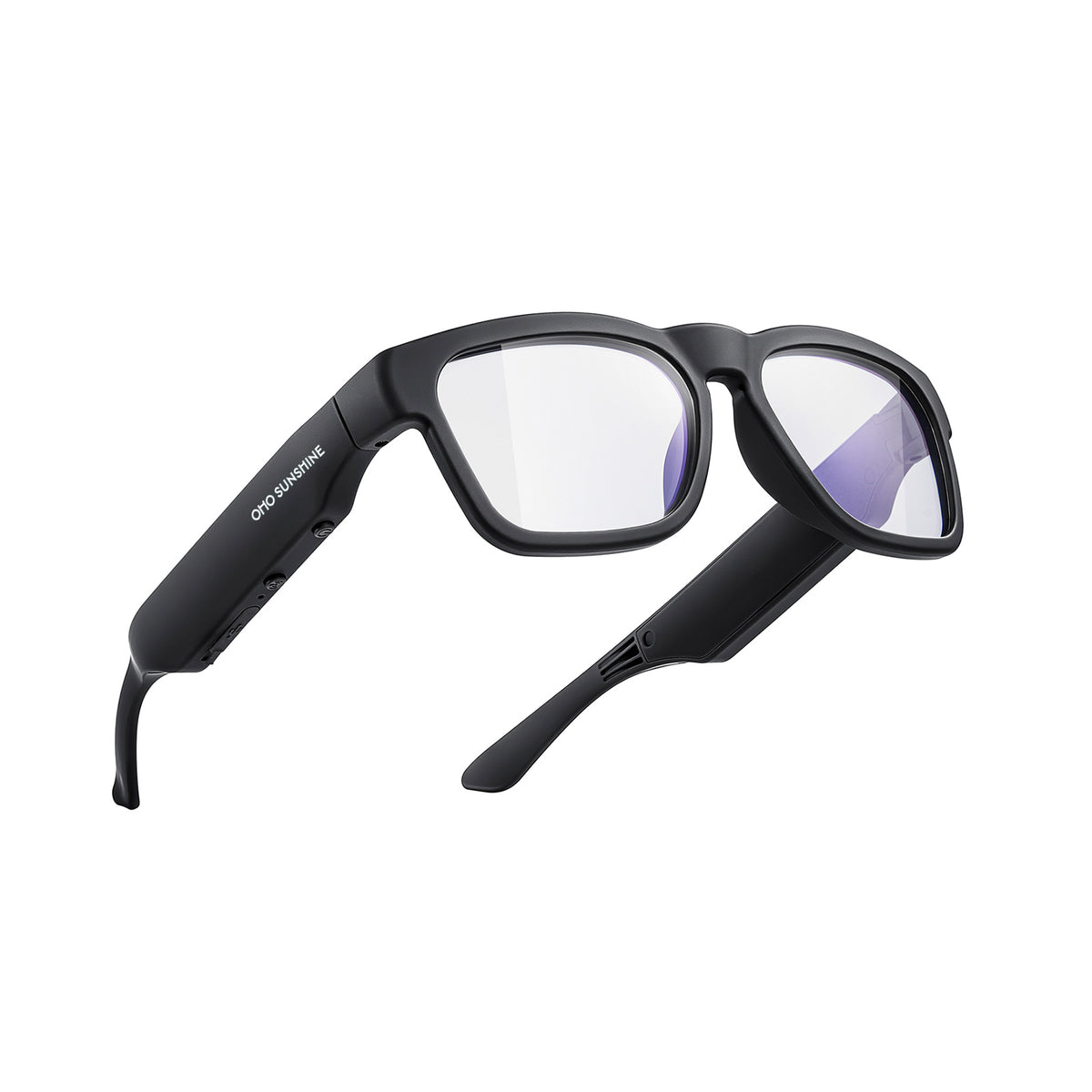
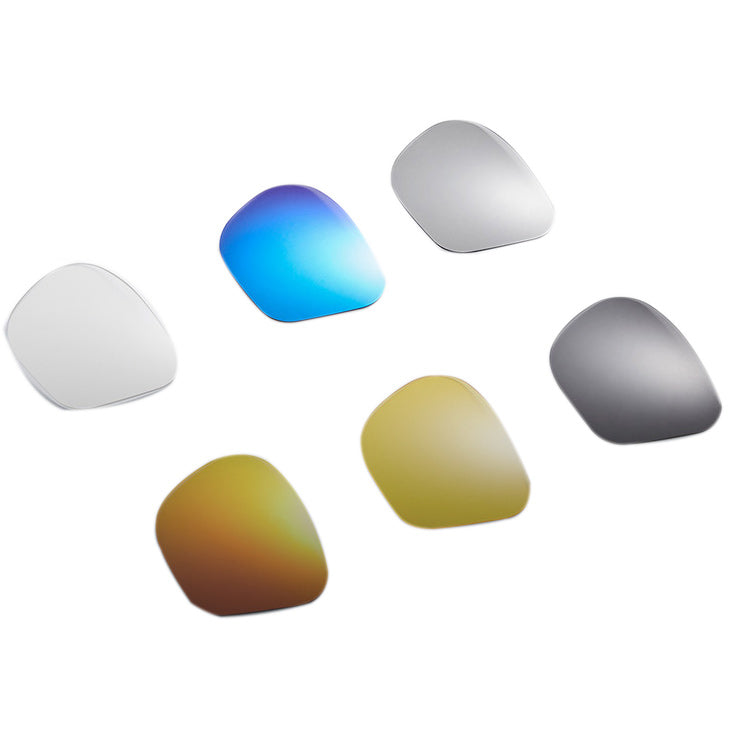
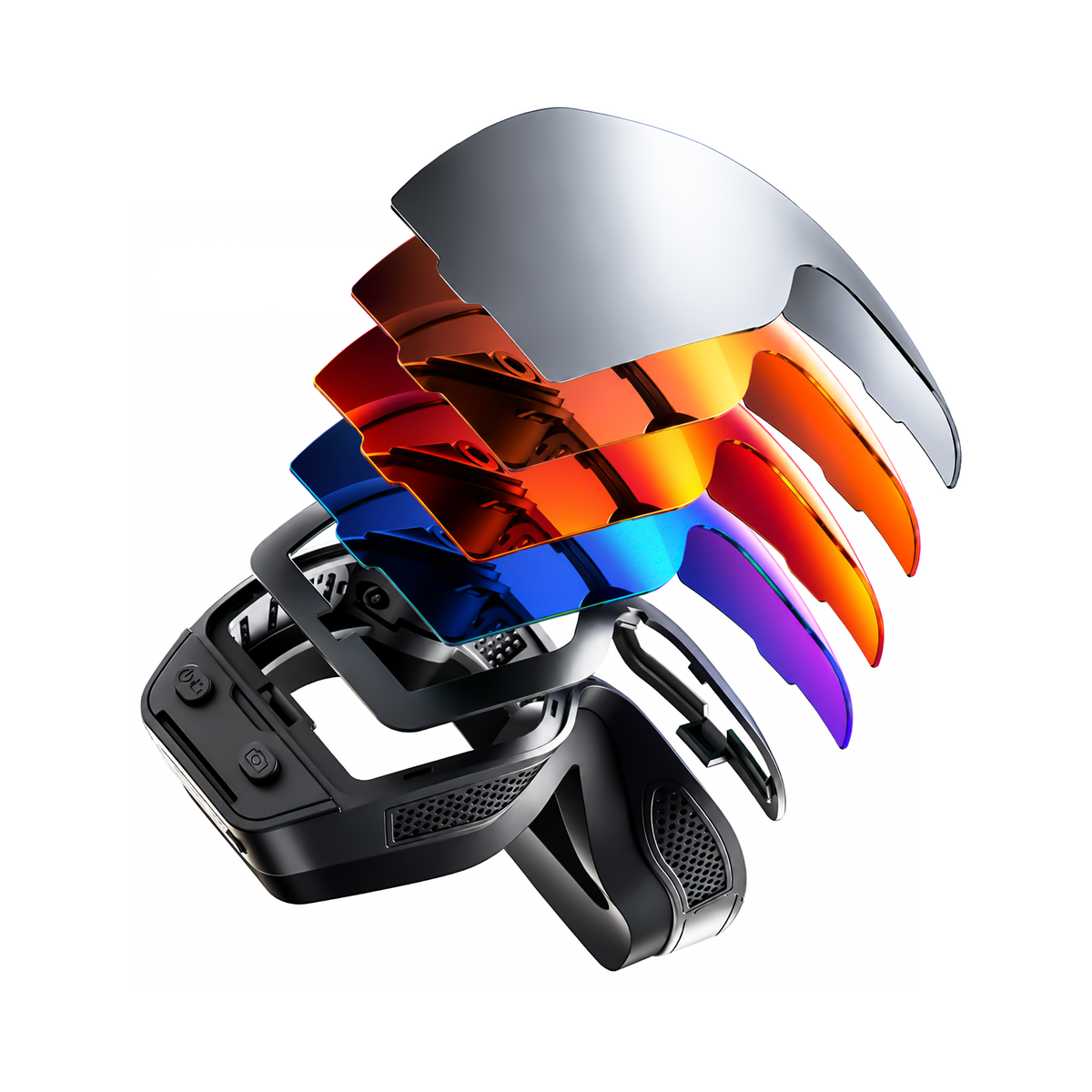
Als handsfree-opnamen de doorslaggevende functie zijn, zijn de Skyshot 4K-skibrillen met camera een productvoorbeeld om te vergelijken nadat die neutrale pasvormtest is uitgevoerd. De verstrekte productdetails vermelden 4K-video met 30 frames per seconde, een groothoekcamera van 140 graden, foto's van 24 MP, een anticondenslens, wifi-connectiviteit, USB-C-opladen, een gepolariseerde lens en UV400-bescherming. Dat zijn productfuncties en geen bewijs dat Skyshot op jouw specifieke helm past.
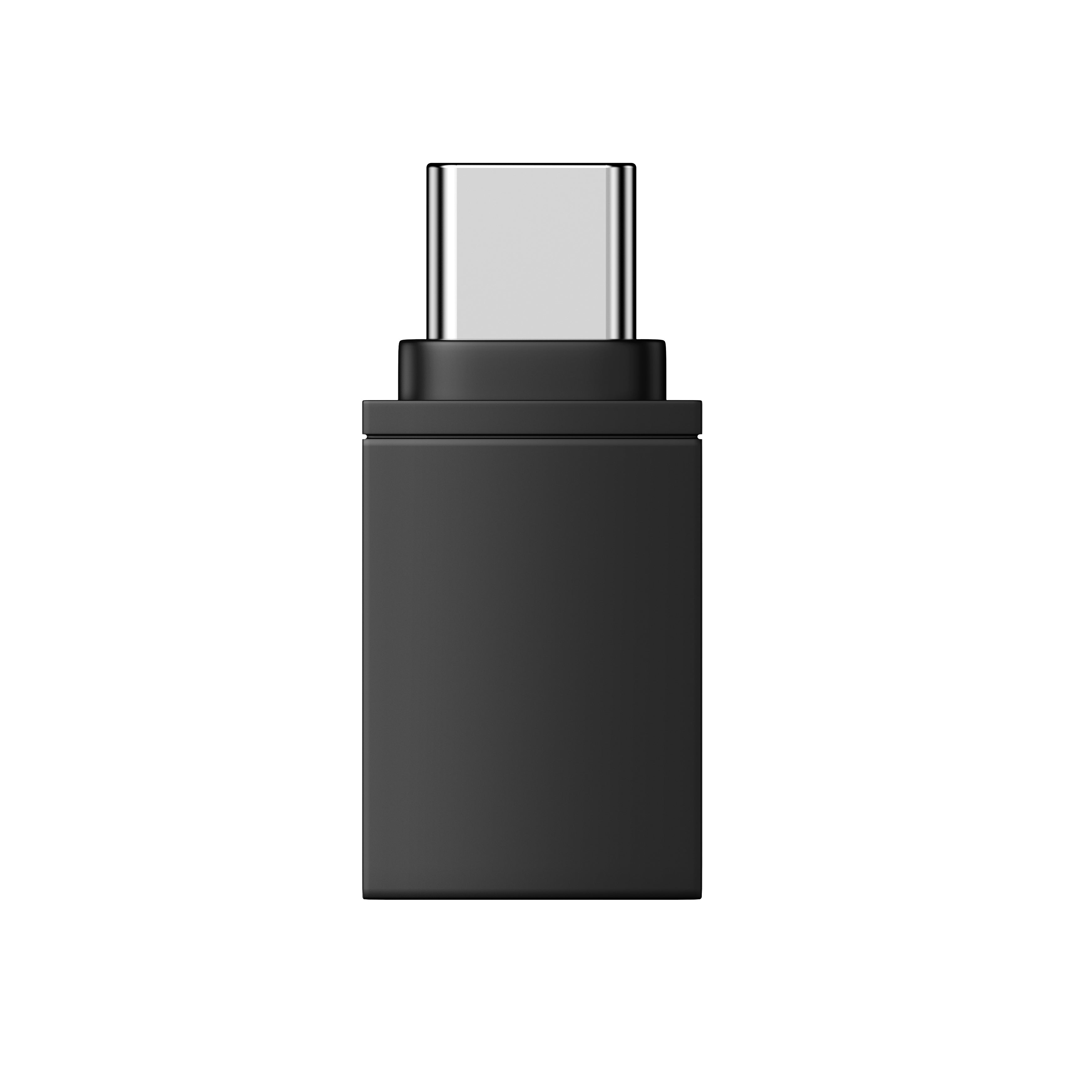
Skyshot kan geschikt zijn voor een volwassen skiër of snowboarder die opnamen in de skibril ingebouwd wil hebben in plaats van een aparte camera-opstelling mee te nemen. De vermelde batterijduur van 90 minuten, het productgewicht van 213 gram en de meegeleverde case, kabel, handleiding, reinigingsdoek en OTG-connector bieden nuttige aankoopdetails ter vergelijking. Ze beantwoorden niet de vraag naar de fysieke pasvorm. Het belangrijkste verschil met een standaard skibril is de cameraset, waardoor de hierboven beschreven extra controle van de ruimte rond de behuizing nodig is.
Controleer voordat je een bestelling plaatst of de huidige productinformatie de details beantwoordt die voor jouw uitrusting van belang zijn: waar de behuizing en bediening zich bevinden, hoe de band rond je helm loopt, of de ventilatieopeningen vrij blijven en of je de exacte combinatie kunt passen of retourneren als deze niet werkt. Als de productspecifieke details onduidelijk blijven, test dan de daadwerkelijke helm en skibril samen voordat je de aankoop doet. Ga alleen verder wanneer de aansluiting gecentreerd en stabiel blijft zonder geforceerde spanning; pas anders de uitrusting aan en test opnieuw, of stop en controleer de pasvorm.
Veelgestelde vragen
Kan ik skibrillen met camera testen met een andere helm?
Niet voor een definitieve controle. Een andere helm kan de algemene positionering laten zien, maar kan de pasvorm van de beoogde combinatie niet vaststellen. Gebruik de daadwerkelijke helm voordat je koopt of gaat rijden.
Kan ik een opening tussen helm en skibril sluiten door de band strakker te zetten?
Nee. Gebruik normale bandspanning en plaats de skibril één keer opnieuw. Als aanspannen druk veroorzaakt, de positie van het frame verandert of de uitrusting nog steeds verschuift, stop dan en controleer de pasvorm in plaats van de onderdelen samen te forceren.
Voor wie zijn skibrillen met camera geschikt?
Ze zijn geschikt voor kopers die specifiek handsfree-opnamen in het eyewear willen. Kies deze categorie pas nadat de neutrale pasvorm van helm en skibril is gecontroleerd en de behuizing, bediening, bandloop en ventilatieopeningen werkbaar blijven.


Laat een reactie achter
Deze site wordt beschermd door hCaptcha en het privacybeleid en de servicevoorwaarden van hCaptcha zijn van toepassing.