














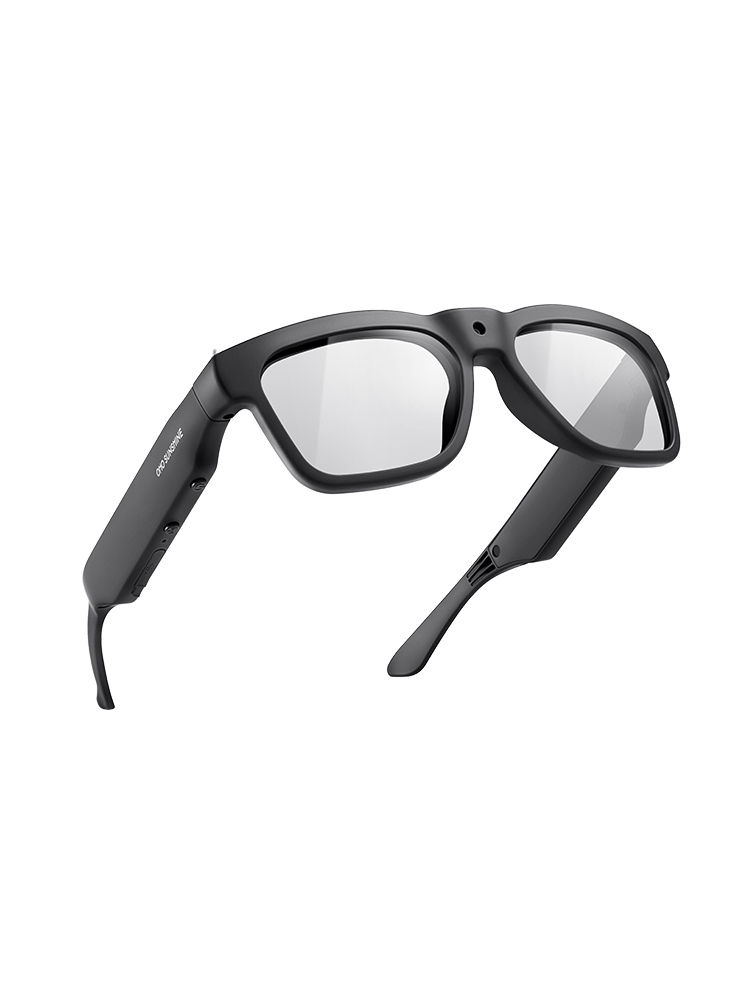

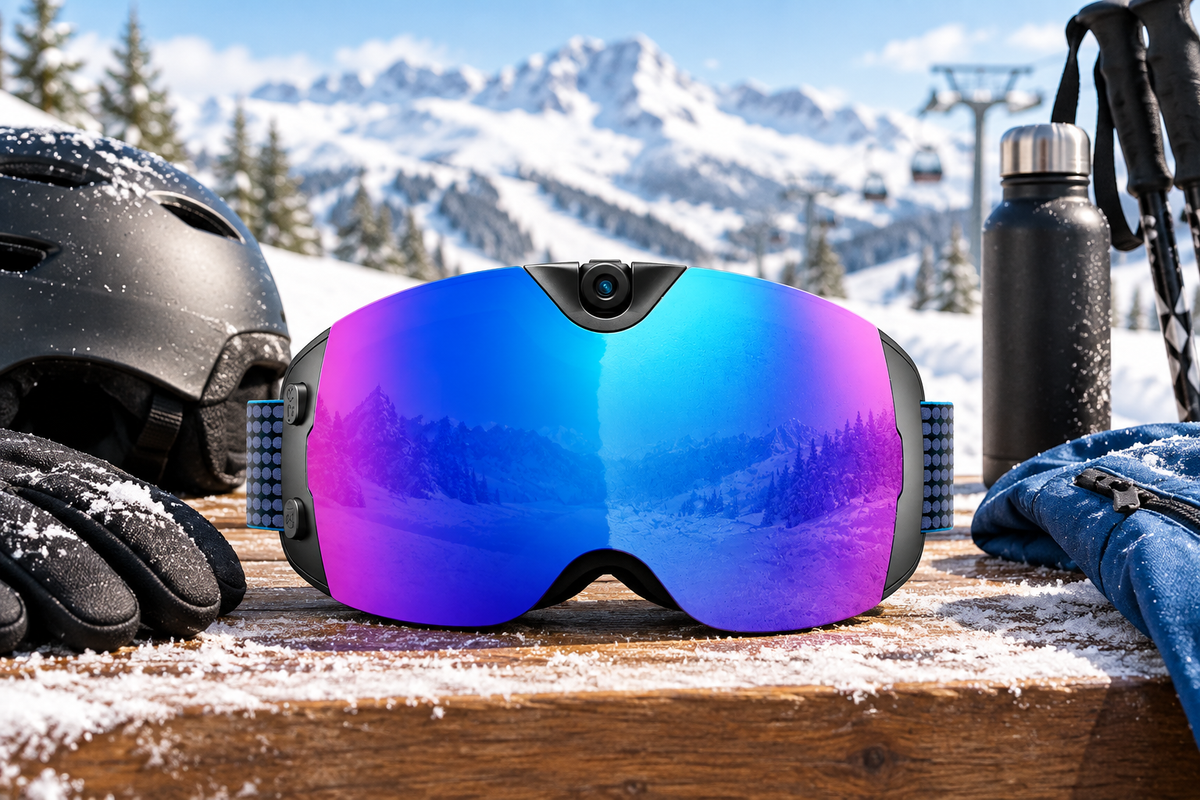
A listing that says "anti-scratch" or "hard-coated" on 4K snow goggles with a camera does not prove the outer lens was actually tested. Before you buy online, check three things: whether the coating claim names the lens and a test or rating, whether a protective case is explicitly listed in the package contents, and whether the camera's line of sight is described separately from its resolution specs.
When any of these is missing, treat it as a reason to ask the seller before checkout, not as an automatic reason to walk away.
Key Takeaways
- Vague "scratch-resistant" or "hard-coated" wording is unverified until the listing names the outer lens and gives a test method, rating, or result.
- A protective case only counts as included when package contents explicitly list one; a carry bag, cleaning cloth, or box photo is not the same thing.
- 4K resolution and a wide field of view describe what the camera captures, not whether the camera window lines up with your natural line of sight.
- Gear-bag transport calls for confirmed case contents first; snowy or gritty use calls for lens and camera-path documentation first.
- A product page can document camera and lens features clearly while still leaving the coating, case, and line-of-sight questions open for you to confirm.
What Evidence Should the Outer Lens Coating Listing Show?
A coating claim clears the first evidence gate only when the listing names the outer lens or coating and gives enough test or rating detail to interpret it. Anything vaguer is unverified, not necessarily false.
Separate Marketing Wording From Coating Evidence
"Scratch-resistant," "anti-scratch," and "hard-coated" describe an intended benefit, not a documented result, unless the listing tells you which surface was treated. Many camera-equipped goggles have more than one optical surface: the main lens, an inner lens, and the camera window. If the listing does not say which one carries the coating, you cannot assume it covers the outer lens you will actually scratch against a zipper or a rock. When the wording stays generic, the practical verdict is to clarify before you buy, not to accept the phrase at face value.
Check the Test Method, Result, and Model Scope
A useful claim names a test method, the material tested, a result, and the conditions needed to compare it with another product. ASTM D7027 describes controlled scratch testing that can rank how polymer coatings and plastics resist scratching, but the method only produces comparable results when the material, surface texture, conditioning, and test environment match. A listing that just says "tested to ASTM standards" without naming the outer lens or matching conditions has not shown you a usable rating. If a seller cites ASTM F659, treat that as a standards-check prompt rather than a current scratch-coating grade: ASTM lists that ski-and-snowboard-goggle specification as withdrawn, and its scope covered broad material, optical, and retention requirements rather than a consumer hard-coat rating. Under FTC guidance on advertising substantiation, an objective durability claim should have a reasonable basis before it's published, so it is fair to ask the seller for the missing lens name, method, and result rather than assume the claim is deceptive.
How Can You Verify the Protective Case Before Checkout?
A case counts as included only when the current listing explicitly names one for that model. A photo showing a case, a soft carry bag, or a mention of a "packaging box" is not the same evidence, since those items protect differently and some do not protect the lens at all during transport.

Check the package-contents section, the included-accessories list, and the checkout summary for the exact accessory name before you rely on it. If you pack goggles in a gear bag or leave them in a vehicle between resort days, the outer lens can rub against other equipment, so a confirmed hard case matters more than a soft pouch. Keep this check separate from the coating question above: a case protects the lens from contact during handling, but it says nothing about how scratch-resistant the lens material or coating actually is. If the listing is silent or ambiguous, ask the seller to confirm the exact case included with that specific model before you complete the order.
How Do You Check the Camera's Line of Sight?
The listing gives you a usable answer here only when it documents both what your eyes see through the lens and what the camera window actually captures. Resolution and field-of-view numbers alone don't confirm that the camera has a clear, unobstructed path.
Separate Optical Visibility From Camera Output
A lens description tells you about your own view: tint, polarization, anti-fog coating, and UV protection all affect what you see on the slope. Camera specifications like 4K resolution or a wide field of view describe a different thing: what gets recorded through a separate window built into or beside the lens. A listing can document strong capture specs while saying nothing about whether that window sits cleanly in your sightline or whether the frame, strap, or hood can block it. Treat a missing statement about camera-window placement as a gap to fill in, not as evidence that the placement is fine.
Ask for the Missing Camera-Path Detail
The most useful single request is a product diagram, manual page, or seller confirmation showing where the camera window sits relative to the lens and the wearer's line of sight, and whether anything can obstruct it. Keep this request separate from the coating and case questions, since a manufacturer can document a coating and a case clearly while still leaving the camera-path question open. Verifying ordinary vision and camera footage as two separate conditions avoids assuming that a good spec sheet for one also proves the other.
Which Checks Matter for Transport, Handling, and Snowy Conditions?
The check that matters most changes with how and where you use the goggles, so match your priority to your own routine instead of running through every item equally. Three situations come up often enough to plan around.
If you pack goggles in a gear bag or leave them in a vehicle between runs, prioritize confirmed case contents and any storage guidance before worrying about the coating rating, since contact with other gear during transport is the more immediate risk. If you handle the goggles repeatedly across a resort season, prioritize clear outer-lens scope and any stated care limitations, and follow our routine for cleaning and drying snow goggles so grit doesn't sit on the lens between uses. If you're skiing in wind-driven snow or gritty conditions, prioritize both outer-lens evidence and camera-path documentation together, since particles can affect your view and the camera's footage at the same time. For a broader look at how these specs interact with fit, controls, and battery life, our smart ski goggle specs guide covers that context without replacing the coating or case check above. In each scenario, if the seller cannot document the priority item that matters to you, move from buy to clarify rather than guessing.
When Is the Listing Evidence Strong Enough to Buy?
Buy when the outer-lens evidence, explicit case contents, and camera-path detail are all documented for your specific model; clarify with the seller when one or more of those points is missing; and keep comparing if a seller cannot answer a condition that matters to your use.
| Outcome | Evidence condition | Next action |
|---|---|---|
| Buy | Outer lens named with test/rating, case explicitly listed, camera-path documented | Proceed to checkout |
| Clarify | One or two of the three core points missing or vague | Message the seller for the specific missing detail |
| Keep comparing | Seller cannot document a point that matters to your use | Check another listing before ordering |
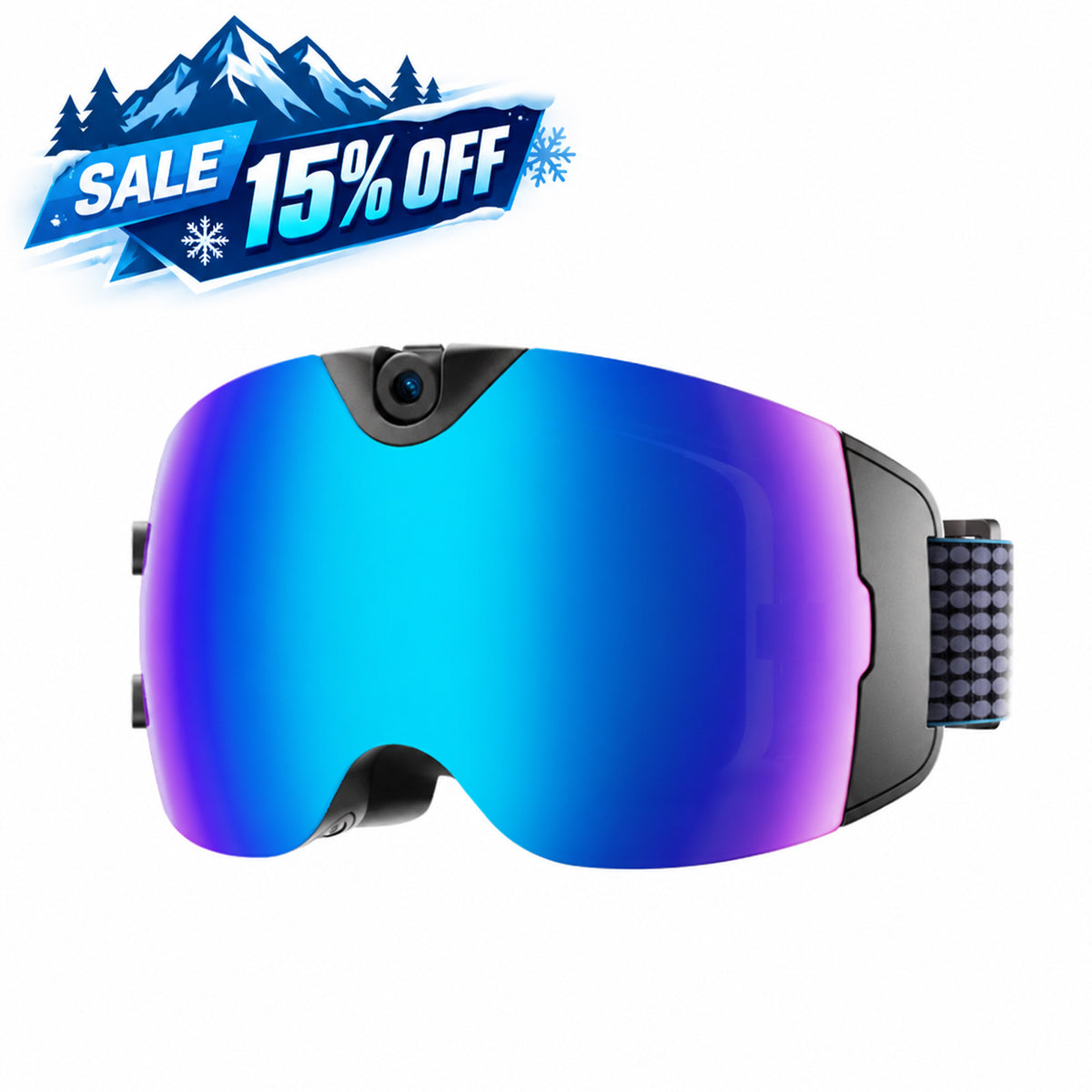
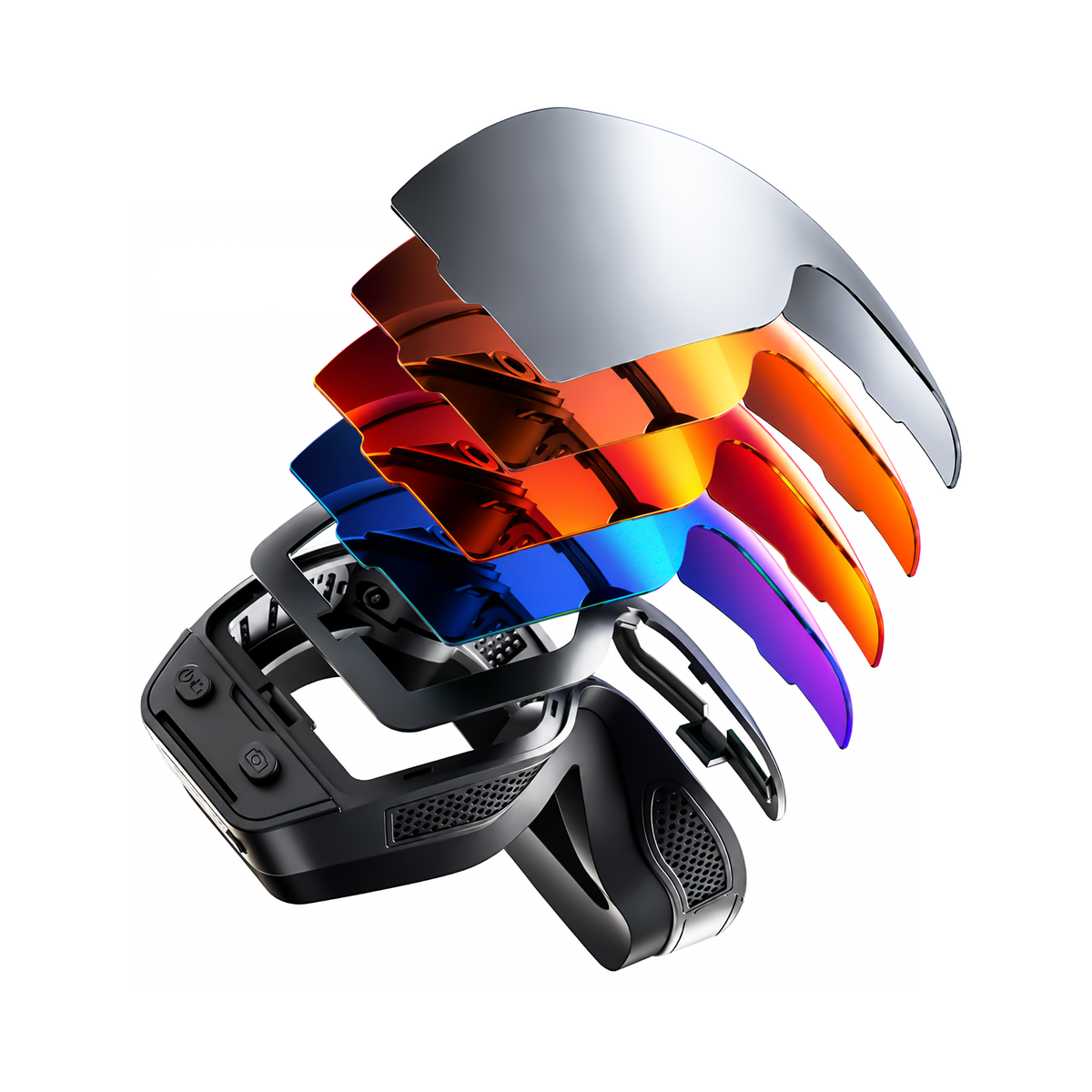
Our Skyshot 4K camera ski goggles page documents 4K/30 fps video, a 140-degree wide-angle camera, a polarized and anti-fog lens, UV400 protection, and impact resistance, which fits skiers and snowboarders who want a straightforward record of their runs. That documented record does not by itself confirm the outer-lens coating rating, explicit case inclusion, or camera-window line-of-sight detail this article covers, so we'd point you to those four checks or our support team before you rely on it for that specific requirement. If you're comparing options with similar camera and lens features, our smart snow goggles collection is a reasonable place to check listings side by side, though browsing it doesn't substitute for confirming the coating and case details on whichever model you choose.

Run through the three checks in the order they affect your purchase: outer-lens evidence, explicit case contents, and camera-path documentation. A listing that answers all three with specific, model-matched detail is ready to buy from; one that leaves any of them vague is worth a quick message to the seller before checkout. Matching the check to your own transport, handling, or snow conditions keeps the decision practical instead of turning it into a longer research project.
FAQs
Is "hard-coated" enough to compare two snow goggles with cameras?
Not on its own. "Hard-coated" or "scratch-resistant" only becomes comparable once each listing names the outer lens and gives a test method, rating, or result for it. Ask both sellers for that detail before treating either phrase as a real product difference.
Does a protective case replace scratch-resistant lens evidence?
No. A case reduces contact during transport and storage, but it doesn't tell you anything about how the lens material or coating resists scratching on its own. Check the two items separately, and confirm the exact case named in current package contents rather than assuming one from a photo.
Can 4K or a wide field of view prove a clear camera line of sight?
No. Those numbers describe what the camera can capture, not whether the camera window is aligned with your line of sight or free from obstruction. Ask for a diagram, manual statement, or seller confirmation of camera-window placement before assuming the footage will be unobstructed.



Laisser un commentaire
Ce site est protégé par hCaptcha, et la Politique de confidentialité et les Conditions de service de hCaptcha s’appliquent.