





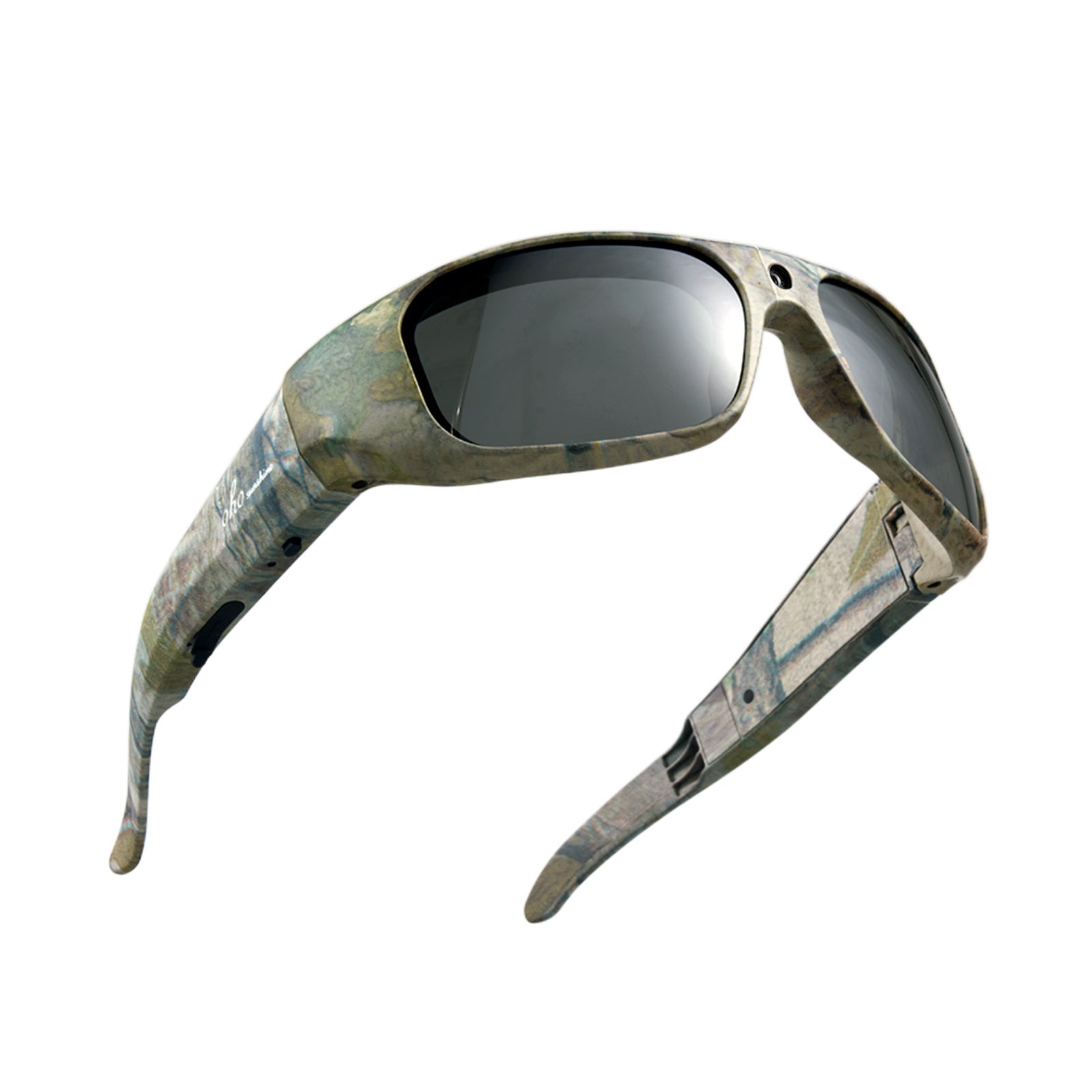


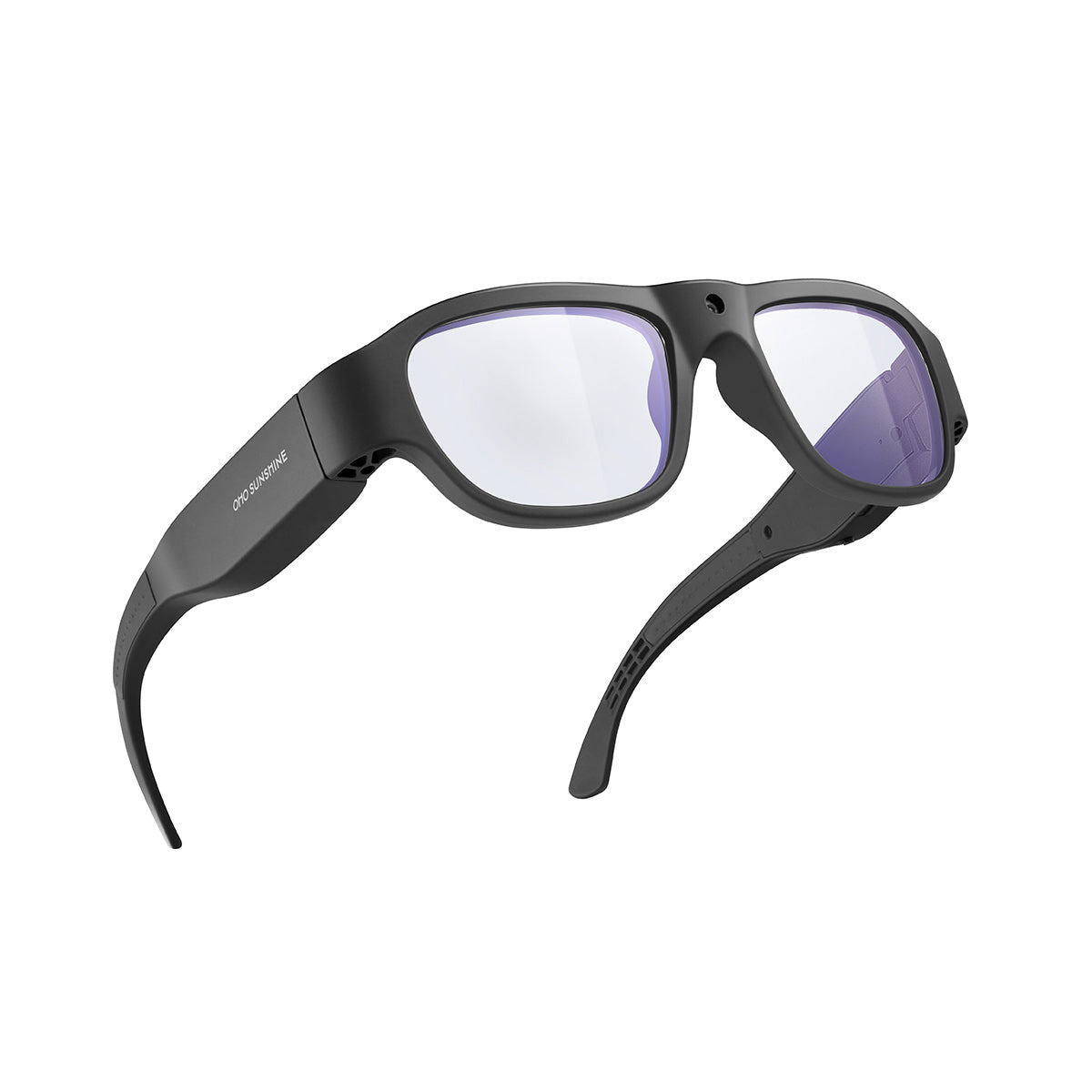
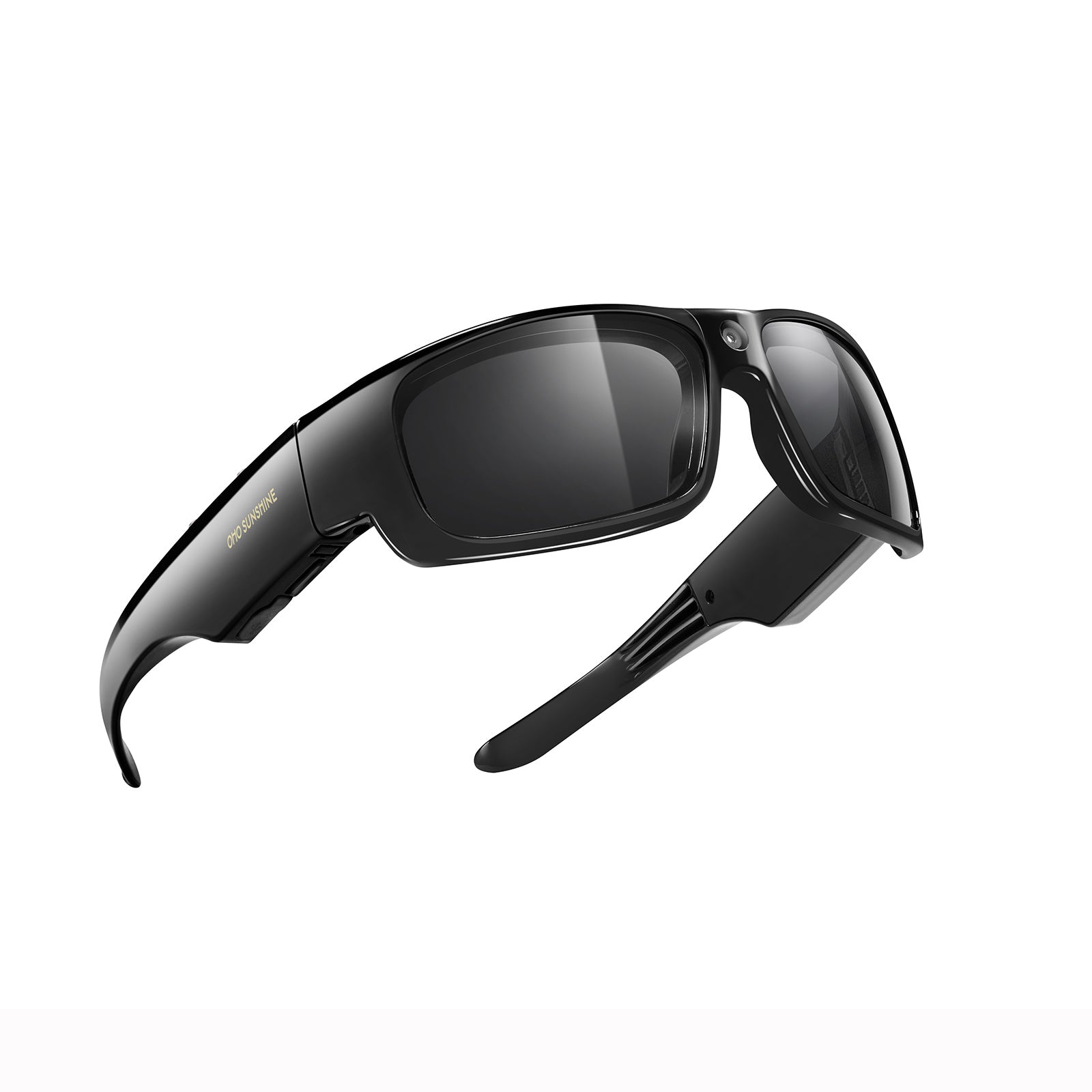


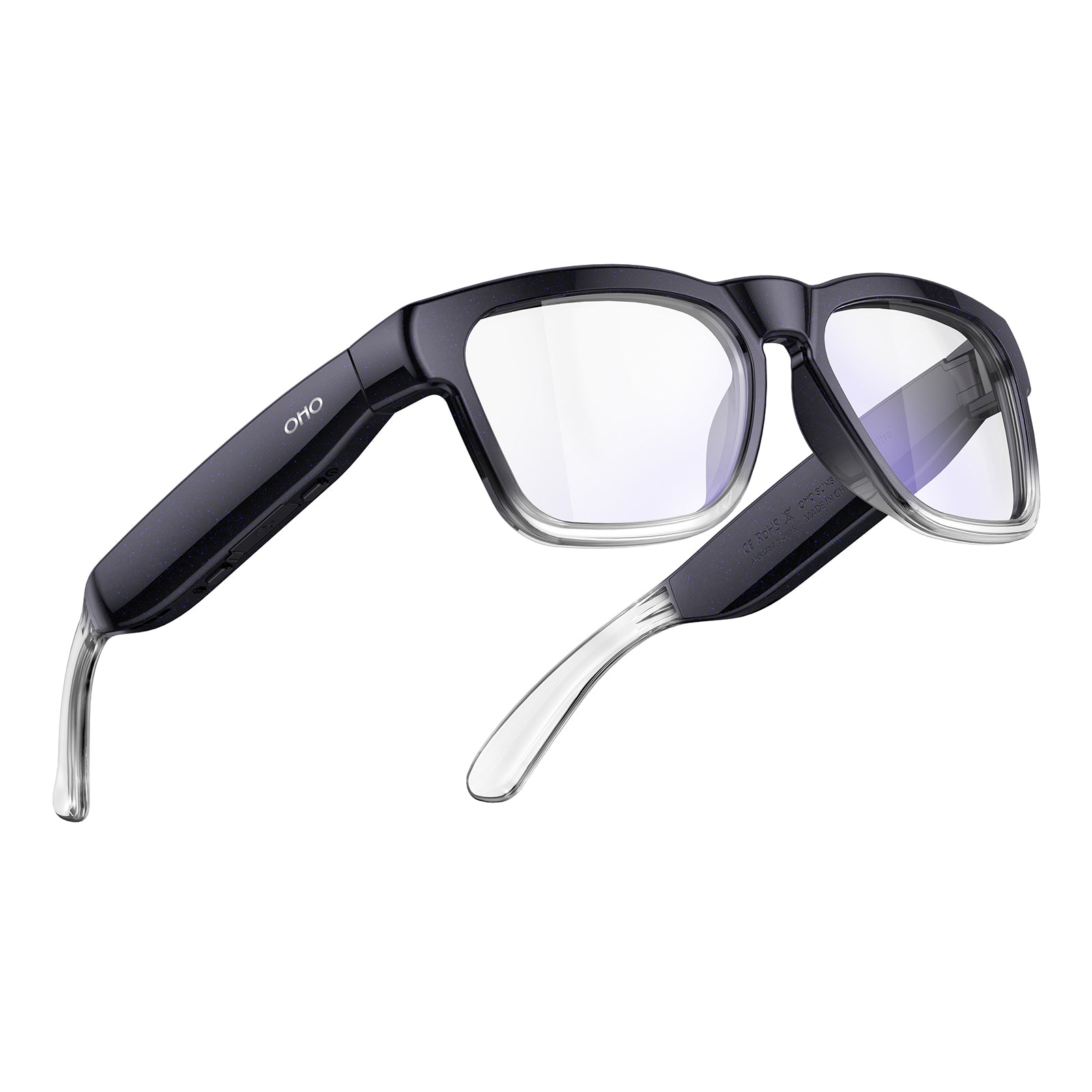









Les lunettes connectées avec appareil photo et audio conviennent particulièrement lorsque votre priorité est d’éviter de changer d’appareil pendant de courts enregistrements, des appels rapides, une écoute occasionnelle, vos trajets quotidiens ou vos voyages. Elles ne remplacent pas universellement un appareil photo et des écouteurs dédiés. Choisissez des appareils séparés lorsque les longues sessions, le contrôle précis de la capture, un son immersif, la séparation liée à la confidentialité, le confort ou l’indépendance vis-à-vis du téléphone comptent davantage que le fait de porter moins d’appareils.
Quand les lunettes connectées avec appareil photo et audio sont préférables aux appareils séparés
Choisissez le format combiné lorsque la commodité est le critère le plus difficile à sacrifier : vous voulez capturer rapidement des images en mains libres, passer des appels ou écouter du contenu de manière occasionnelle, et vous transportez déjà un téléphone. Choisissez des lunettes avec appareil photo uniquement lorsque l’enregistrement est la fonction principale, des lunettes audio uniquement lorsque l’écoute et les appels sont prioritaires, ou des appareils séparés lorsque les performances prolongées et le contrôle indépendant comptent davantage. Les lunettes actuelles avec appareil photo et audio doivent être considérées comme des outils pratiques plutôt que comme des remplaçantes automatiques d’un équipement dédié, une distinction reflétée dans les comparatifs actuels de lunettes connectées.
| Usage quotidien | Meilleur choix de départ | Pourquoi |
|---|---|---|
| Trajets quotidiens | Lunettes combinées ou lunettes audio uniquement | Un nombre réduit d’appareils portés peut simplifier les appels courts et l’écoute occasionnelle. Restez attentif à la circulation et à ce qui vous entoure, et respectez les règles du lieu. |
| Visites touristiques ou voyages | Lunettes combinées | La capture, les appels et l’écoute en mains libres peuvent limiter les changements d’appareil lorsque vous vous déplacez d’un endroit à l’autre. Pour en savoir plus sur ce mode d’utilisation, consultez l’utilisation en voyage en mains libres. |
| Appels courts en mains libres | Lunettes combinées ou lunettes audio uniquement | L’audio à oreilles libres peut être utile lorsque vous devez entendre ce qui vous entoure, à condition que le microphone, les commandes et la connexion au téléphone du modèle conviennent à l’appel. |
| Activités en plein air | Lunettes axées sur l’appareil photo ou lunettes combinées | Les modèles axés sur l’appareil photo privilégient la capture. Une monture combinée réduit le nombre d’appareils lorsque l’écoute est également utile. L’ajustement, les limites liées aux conditions météorologiques et les exigences en matière d’attention restent toutefois importants. |
| Utilisation au bureau ou à la maison | Lunettes audio uniquement ou écouteurs séparés | Si l’enregistrement est occasionnel, le matériel photo peut apporter peu de valeur. Les écouteurs restent le meilleur choix pour une écoute plus longue et plus immersive. |
| Sessions d’enregistrement ou d’écoute plus longues | Appareil photo et écouteurs séparés | Un équipement dédié offre généralement une meilleure maîtrise de la capture sur la durée, un plus grand confort d’écoute, une meilleure isolation et une recharge indépendante. |
Le raccourci pratique est simple : si passer d'un appareil à l'autre est votre principale frustration quotidienne, commencez par une monture combinée. Si une seule tâche vous ferait regretter un compromis, gardez l'appareil photo et le casque séparés.

Ce qu'une monture combinée peut réellement faire
Une seule monture peut prendre en charge la capture, l'écoute et les appels, mais ces fonctions peuvent avoir des commandes, des chemins de stockage, des exigences de connexion et des limites de session différents. Considérez une monture combinée comme un ensemble de capacités liées, et non comme la preuve que toutes les fonctions peuvent fonctionner simultanément.
Capture mains libres
Les lunettes avec appareil photo conviennent aux photos ou vidéos rapides en vue subjective lorsque garder les mains libres compte davantage que la souplesse du cadrage ou le contrôle prolongé. Avant d'acheter, comparez la résolution indiquée, la stabilisation, le stockage, la méthode de transfert, les commandes d'enregistrement et les limites de session avec les résultats attendus d'un appareil photo dédié. Le guide général des fonctionnalités des lunettes intelligentes peut aider à structurer ces questions, mais la page du produit reste la source de référence pour le comportement propre à chaque modèle.
Écoute et appels
Les lunettes Bluetooth intelligentes dotées de haut-parleurs à écoute ouverte peuvent convenir aux appels courts, aux podcasts et à l'écoute occasionnelle, tout en vous aidant à rester conscient des sons environnants. Cette conception n'offre pas automatiquement l'isolation ni l'expérience d'écoute immersive d'un casque. Les tests de l'audio à écoute ouverte décrivent ce format comme un compromis privilégiant la perception de l'environnement par rapport à l'immersion d'un casque. Comparez donc le rendu des haut-parleurs, le comportement du microphone, les commandes et la durée d'écoute prévue avant de laisser votre casque de côté.
Le téléphone fait généralement toujours partie du processus
Une monture combinée peut réduire le nombre d'appareils portables sans pour autant créer une configuration sans téléphone. Le Bluetooth, l'application compagnon, l'accès à Internet, un système d'exploitation donné, les appels, les commandes, le stockage et le transfert de fichiers peuvent chacun avoir des exigences différentes. Les besoins liés au téléphone et à la plateforme varient selon le modèle et la fonction : consultez donc la documentation du produit pour déterminer quelles tâches fonctionnent de manière autonome et lesquelles ne le peuvent pas. Les comparatifs actuels de lunettes intelligentes considèrent également l'intégration au smartphone comme un critère d'achat, et non comme une constante propre à toute la catégorie.
La capacité la plus importante qui reste à clarifier est le fonctionnement simultané. Ne supposez pas que l’enregistrement vidéo pendant la lecture audio ou la prise d’un appel fonctionne simplement parce que ces deux fonctions figurent dans la description du produit. Recherchez une documentation explicite couvrant les fonctions simultanées, les commandes, le comportement de la batterie, le stockage et les exigences de l’application.

Quels compromis peuvent faire échouer le choix d’une monture unique ?
Abandonnez l’option à monture unique si sa batterie, sa confidentialité, son confort, ses commandes ou ses exigences vis-à-vis du téléphone entraînent plus d’interruptions que le transport de deux appareils. Ce sont les points de friction les plus susceptibles de modifier votre décision d’achat une fois que la liste des fonctionnalités vous a séduit.
Planification de la batterie et des sessions
Faites correspondre l’autonomie et la méthode de recharge documentées pour le modèle à votre utilisation réelle. Quelques courtes sessions de capture ou d’appel imposent des exigences différentes d’une longue session d’enregistrement ou d’écoute, et une valeur annoncée ne doit pas être appliquée de la même façon à la caméra, à l’audio, aux appels ou à une utilisation simultanée.
- Session prévue : Déterminez si vous avez besoin de tâches intermittentes ou d’une session continue.
- Fonctions actives : Faites correspondre l’estimation aux fonctions que vous prévoyez d’utiliser, plutôt que de considérer l’autonomie annoncée pour toute une catégorie comme une garantie.
- Méthode de recharge : Assurez-vous que la recharge s’intègre à vos trajets domicile-travail, à vos journées de voyage ou à vos activités en plein air.
- Conditions documentées : Utilisez l’autonomie et les conditions indiquées pour le modèle exact lorsque vous comparez les produits.
Limites en matière de vie privée et d’enregistrement
Avant d’enregistrer en présence d’autres personnes, consultez les indications d’enregistrement et les sons de capture documentés pour le modèle, puis tenez compte de la politique du lieu et des attentes en matière de consentement selon la situation. Dans les lieux de travail, événements et contextes sociaux où la vie privée est sensible, une monture équipée d’une caméra peut être mal adaptée, même si ses caractéristiques techniques correspondent à votre usage. Il ne faut pas supposer qu’un type d’indicateur ou qu’une règle générale suffira dans tous les contextes.
- Fonctionnement du produit : Identifiez la façon dont l’enregistrement est signalé et le rôle de l’application compagnon ou des commandes.
- Lieu : Tenez compte des restrictions liées au lieu de travail, à l’établissement, à l’école, aux transports ou à l’événement.
- Personnes à proximité : Obtenez leur consentement lorsque la situation l’exige, en particulier pour les conversations ou les espaces sensibles.
Confort, commandes et dépendance au téléphone
La durée de port compte davantage que le seul poids de la monture. Comparez le confort, la configuration des verres, les commandes et la compatibilité avec des lunettes correctrices ou de protection à la plus longue période pendant laquelle vous prévoyez de porter les lunettes. Si des commandes peu pratiques, des interruptions du téléphone ou un manque de confort vous incitent à reprendre votre équipement séparé, l’avantage de la centralisation a disparu.
Quel parcours produit correspond à votre priorité ?
Après avoir choisi l’exigence la plus importante, comparez d’abord le parcours produit qui y répond. Les exemples ci-dessous ne constituent pas un classement universel. Ils relient les caractéristiques produit documentées à un profil d’acheteur, tout en laissant la vérification du fonctionnement simultané propre au modèle, de la compatibilité et du respect de la vie privée parmi les contrôles à effectuer avant l’achat.
| Fonction principale | Parcours fourni à consulter | Points à vérifier |
|---|---|---|
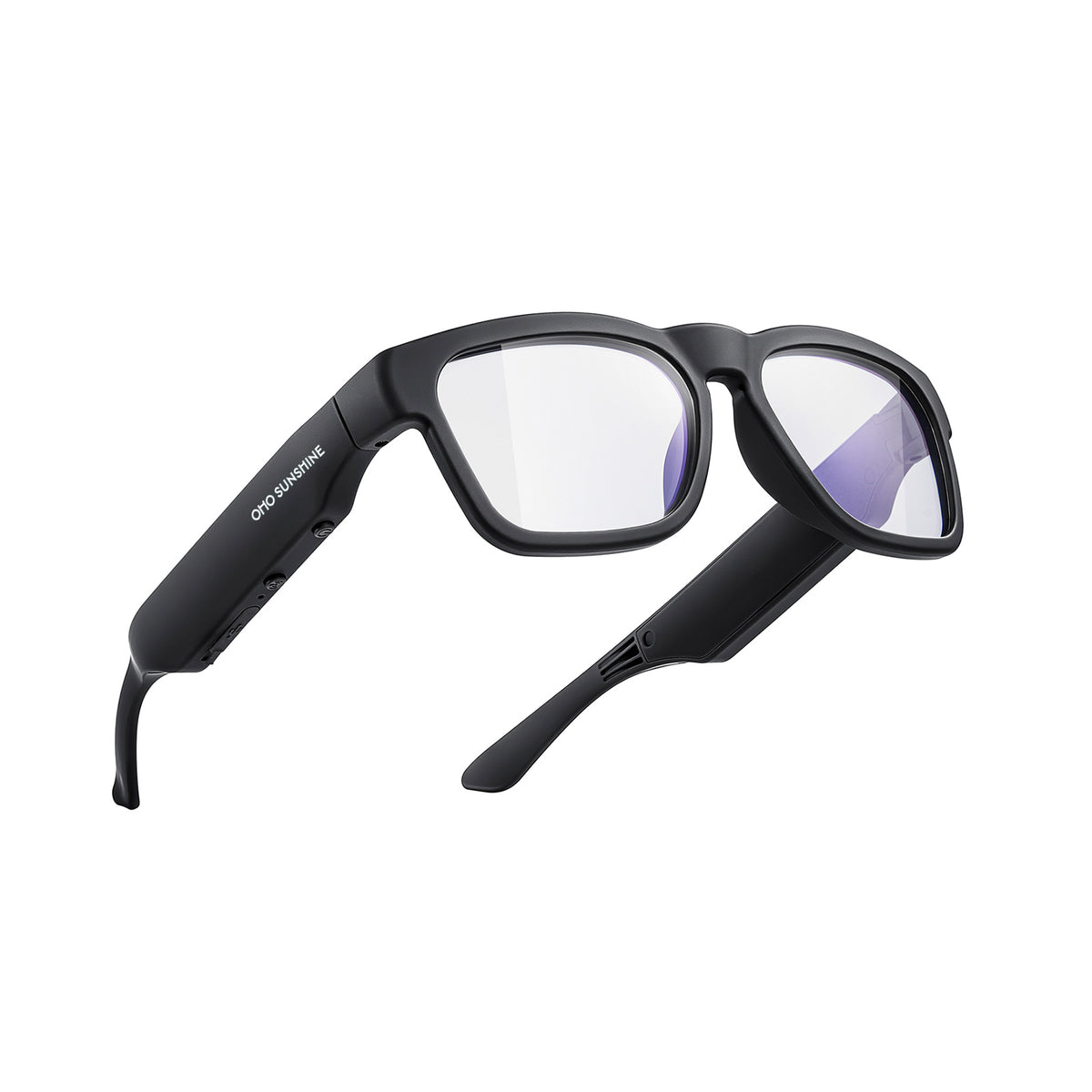
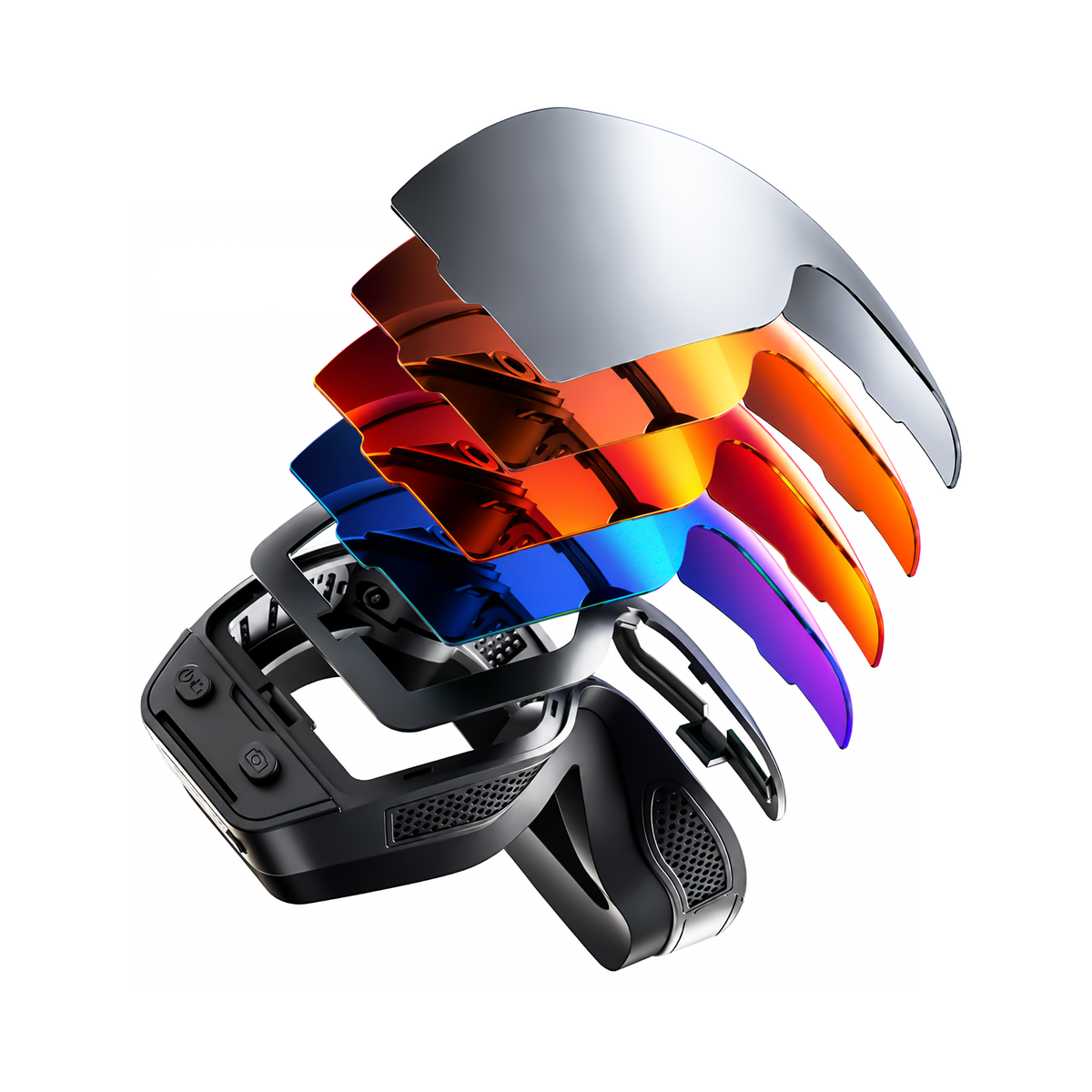
| Capture d’images axée sur la caméra | Les lunettes Primex axées sur la caméra, OHO SUNSHINE Primex EIS Camera Glasses-Ultra HD with Image Stabilizer & Photochromic Lenses, conviennent aux acheteurs qui privilégient la capture d’images à l’audio intégré. Les caractéristiques annoncées comprennent une vidéo 2K Ultra HD, la capture de photos, la stabilisation électronique de l’image (EIS), un microphone intégré, des verres photochromiques, une résistance à l’eau IPX4 et une autonomie annoncée de 60 minutes. | Comparez la durée de 60 minutes à votre rythme d’utilisation, puis vérifiez le stockage, le transfert, les commandes d’enregistrement, les exigences relatives au téléphone et la nécessité réelle de l’audio. |
| Écoute et appels axés sur l’audio | Les acheteurs privilégiant l’audio peuvent consulter les lunettes GlobeEar axées sur l’audio sur leur page produit, mais les informations disponibles ne permettent pas de vérifier suffisamment de faits pour formuler une recommandation approfondie. Cette option n’a de sens que si la caméra n’est pas la raison de votre achat et si la page répond à vos véritables questions sur l’écoute et les appels. | Avant l’achat, vérifiez les haut-parleurs, le microphone, les commandes, les exigences relatives au téléphone et à l’application, l’autonomie, le confort, le comportement de l’enregistrement et les conditions de retour dans les informations produit à jour. |
| Praticité de la caméra et de l’audio | Les lunettes Edge combinées, OHO SUNSHINE Edge Smart Glasses with Camera & Bluetooth - HD 1080P Blue Light Blocking, constituent l’exemple combiné fourni. Les caractéristiques annoncées comprennent une vidéo 1080P à 30 images par seconde, des photos de 24 Mpx, le Bluetooth 5.3 et des haut-parleurs à écoute ouverte pour les appels et la musique. | Considérez l’autonomie comme propre à chaque modèle, et non comme une durée identique pour toutes les fonctions. Vérifiez l’enregistrement simultané et le comportement audio, le stockage, les commandes, la compatibilité avec le téléphone, la recharge, le confort, les indicateurs d’enregistrement et les conditions associées à la durée annoncée. |
Pour un acheteur privilégiant la caméra, Primex offre une orientation plus claire axée sur la capture, car les informations indiquées mentionnent la stabilisation électronique de l'image (EIS), la vidéo en 2K et une autonomie de 60 minutes. Pour un acheteur qui souhaite une seule monture réunissant caméra et écoute Bluetooth, Edge est l'option la plus directement pertinente, car les informations indiquées mentionnent les deux fonctions et des haut-parleurs à écoute ouverte. Pour un acheteur privilégiant l'audio, n'examinez GlobeEar qu'après avoir vérifié que sa page actuelle répond aux questions restantes sur les fonctionnalités. Si vous comparez des lunettes intelligentes avec caméra et audio, comparez la page du produit concerné à l'unique exigence sur laquelle vous ne pouvez pas transiger avant d'ajouter quoi que ce soit à votre panier.
FAQ
Que sont les lunettes intelligentes avec caméra et audio ?
Ce sont des lunettes qui combinent une caméra intégrée et des fonctions audio, comme des haut-parleurs connectés en Bluetooth ou un autre système d'écoute et d'appel propre au modèle. L'enregistrement, les appels, les commandes, le stockage, les transferts, les exigences liées au téléphone et l'utilisation simultanée varient selon le modèle ; le nom de cette catégorie décrit donc une combinaison de fonctions plutôt qu'un ensemble de fonctionnalités standard.
Les lunettes intelligentes peuvent-elles enregistrer des vidéos tout en diffusant de l'audio ?
Parfois, un produit peut prendre en charge les deux fonctions, mais cette combinaison doit être documentée pour le modèle concerné. Recherchez des informations explicites sur l'enregistrement et la lecture simultanés, le fonctionnement des appels, les commandes, le stockage, les exigences de l'application et l'impact sur la batterie. La présence d'une fiche consacrée à la caméra et d'une autre consacrée à l'audio ne suffit pas à prouver que les deux fonctionnent ensemble.
Les lunettes intelligentes avec caméra ont-elles besoin du Bluetooth ?
Le Bluetooth peut gérer l'audio, les appels, les commandes de l'application ou les transferts, tandis que le fonctionnement de la caméra peut suivre un autre mode de connexion. Les exigences dépendent du modèle et de la tâche ; vérifiez donc quelles fonctions nécessitent le Bluetooth, une application compagnon, un accès à Internet ou un système d'exploitation mobile particulier avant d'acheter. Ne supposez pas que le Bluetooth est nécessaire pour chaque fonction de la caméra.
Les lunettes avec caméra et audio sont-elles adaptées aux trajets quotidiens ?
Elles peuvent convenir aux appels courts en mains libres, à une écoute occasionnelle ou à une capture rapide lorsque le fait d'avoir moins d'appareils est important et que vous pouvez rester attentif à votre environnement. Elles conviennent moins lorsque l'interaction avec le téléphone, l'enregistrement en présence d'autres personnes, les distractions audio ou les restrictions du lieu risquent de perturber vos déplacements. La conduite et les autres situations exigeant une attention soutenue nécessitent une vigilance particulière concernant les règles locales, la conscience de la situation et les commandes de l'appareil.
Dois-je acheter des lunettes combinées ou une caméra et des écouteurs séparés ?
Choisissez des lunettes combinées lorsque le principal problème est de devoir changer d'appareil pendant de courtes tâches mobiles. Choisissez du matériel séparé lorsque les longues sessions d'enregistrement ou d'écoute, le contrôle de la capture, l'isolation audio, la séparation de la vie privée, le confort ou la possibilité de mises à niveau indépendantes constituent l'exigence sur laquelle vous ne pouvez pas transiger. Cette exigence la plus difficile à satisfaire est le moyen le plus rapide d'affiner votre achat.



Laisser un commentaire
Ce site est protégé par hCaptcha, et la Politique de confidentialité et les Conditions de service de hCaptcha s’appliquent.