
















Have you ever wanted to record a moment without needing to grab for your phone, or listen to music while being cognizant of what's going on in your environment? Smart glasses make these desires a reality for you. These are no longer something out of Star Trek, yet they are no longer just for the tech-savvy, solving real problems for real, everyday people like you.
What Are Smart Glasses
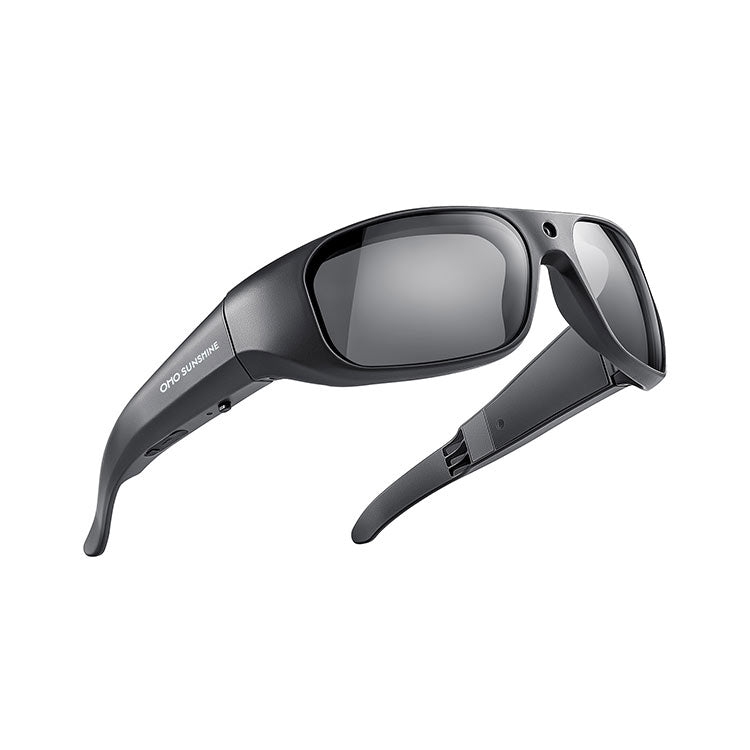
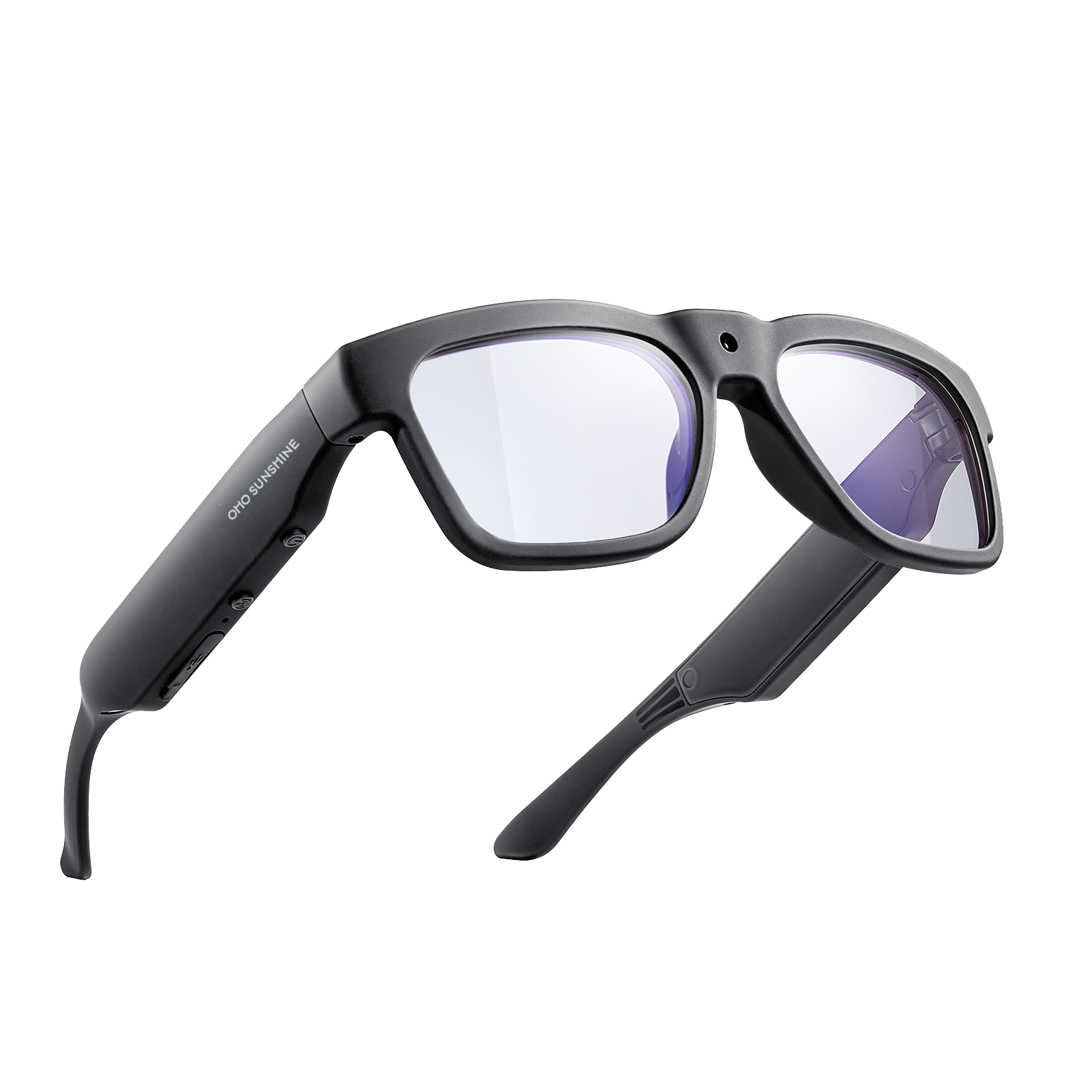
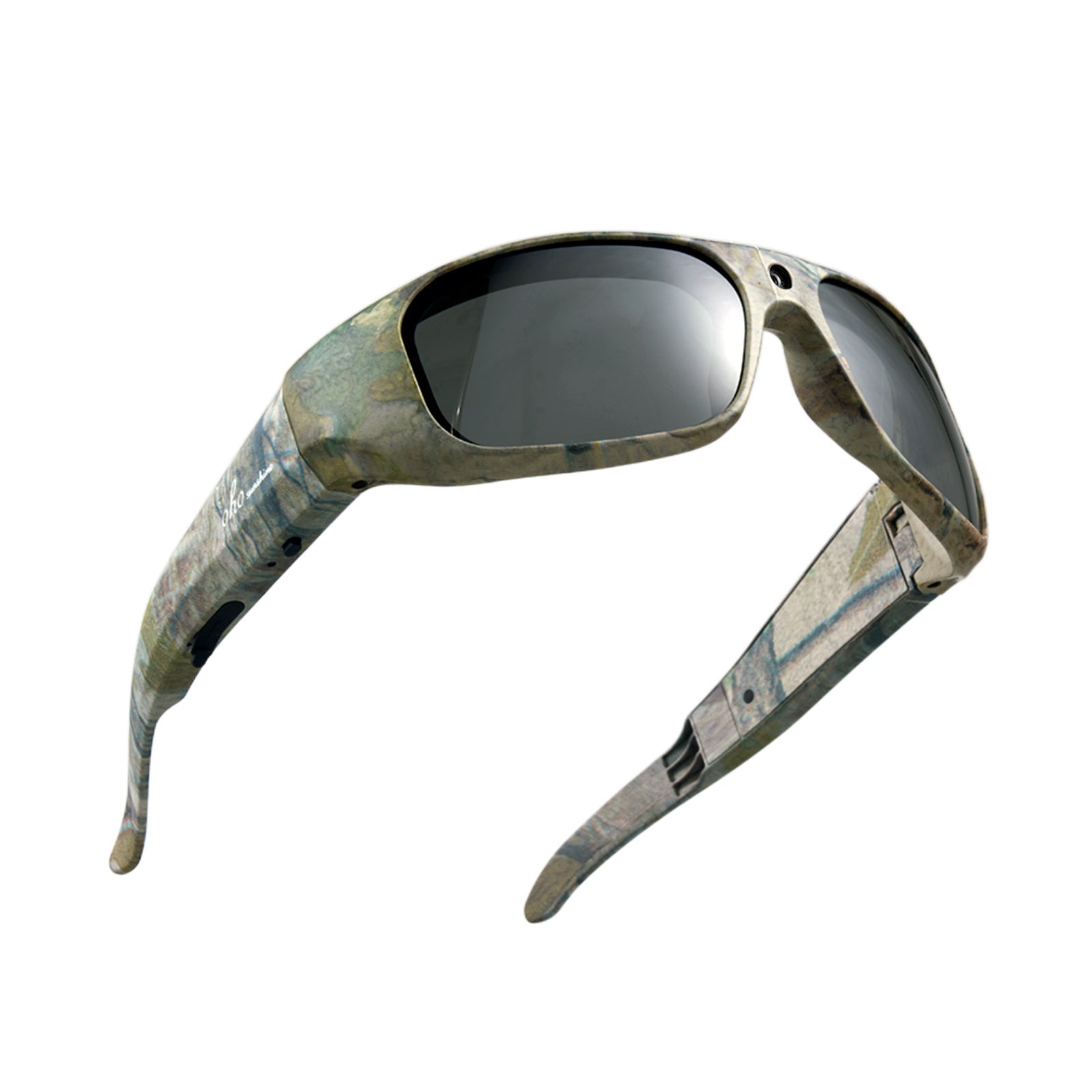
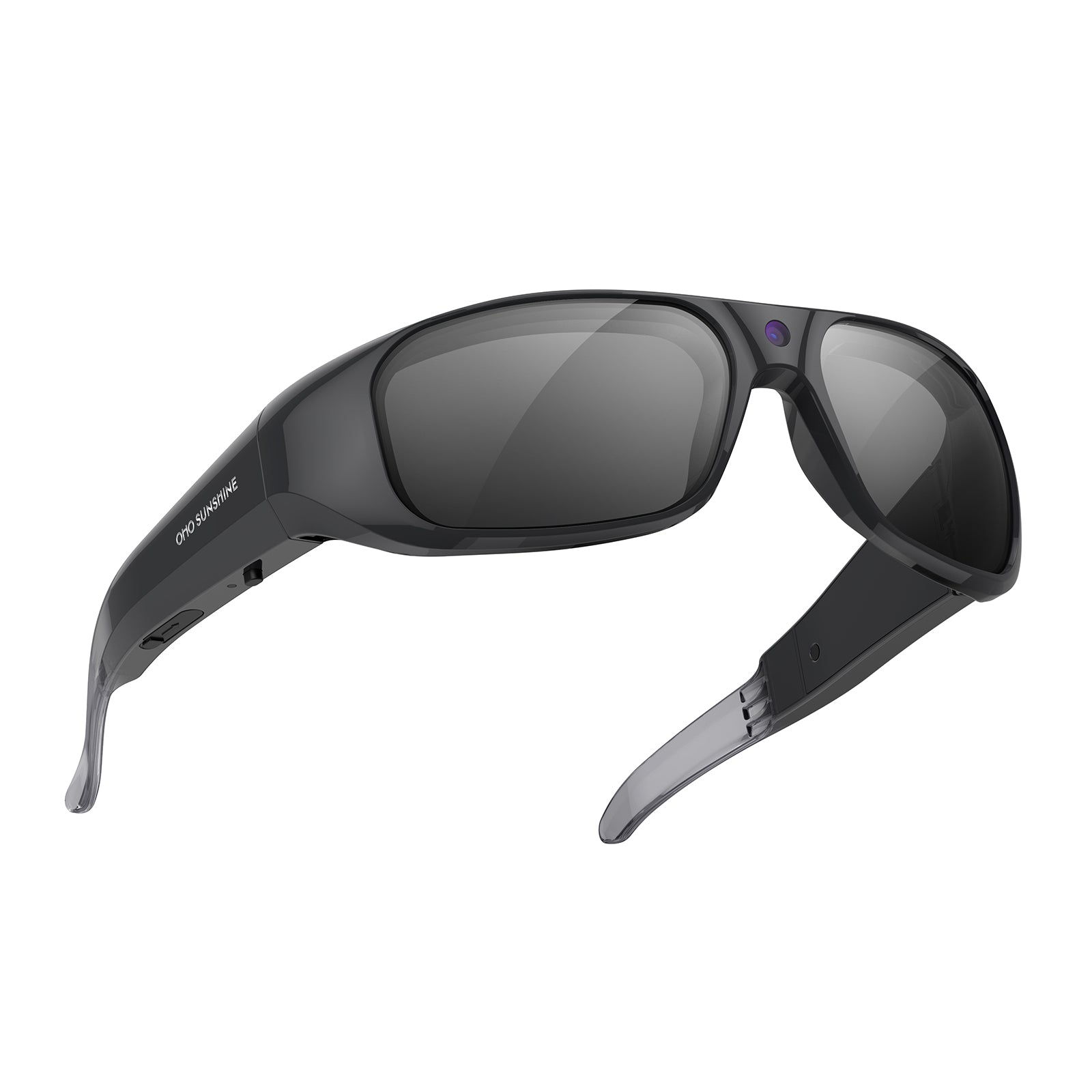
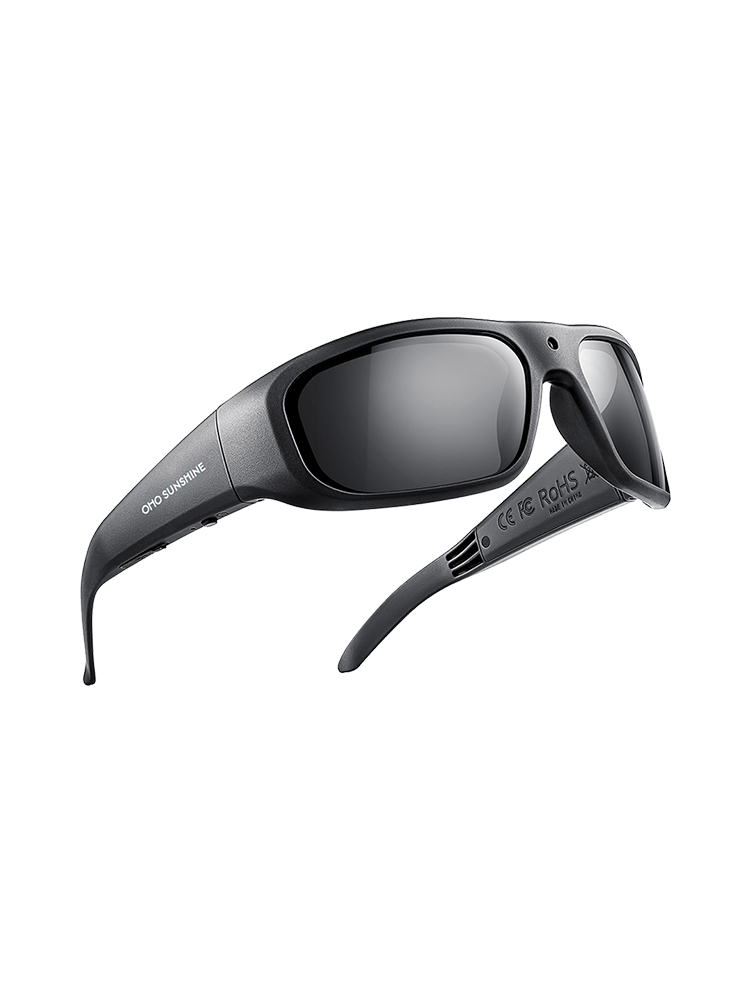
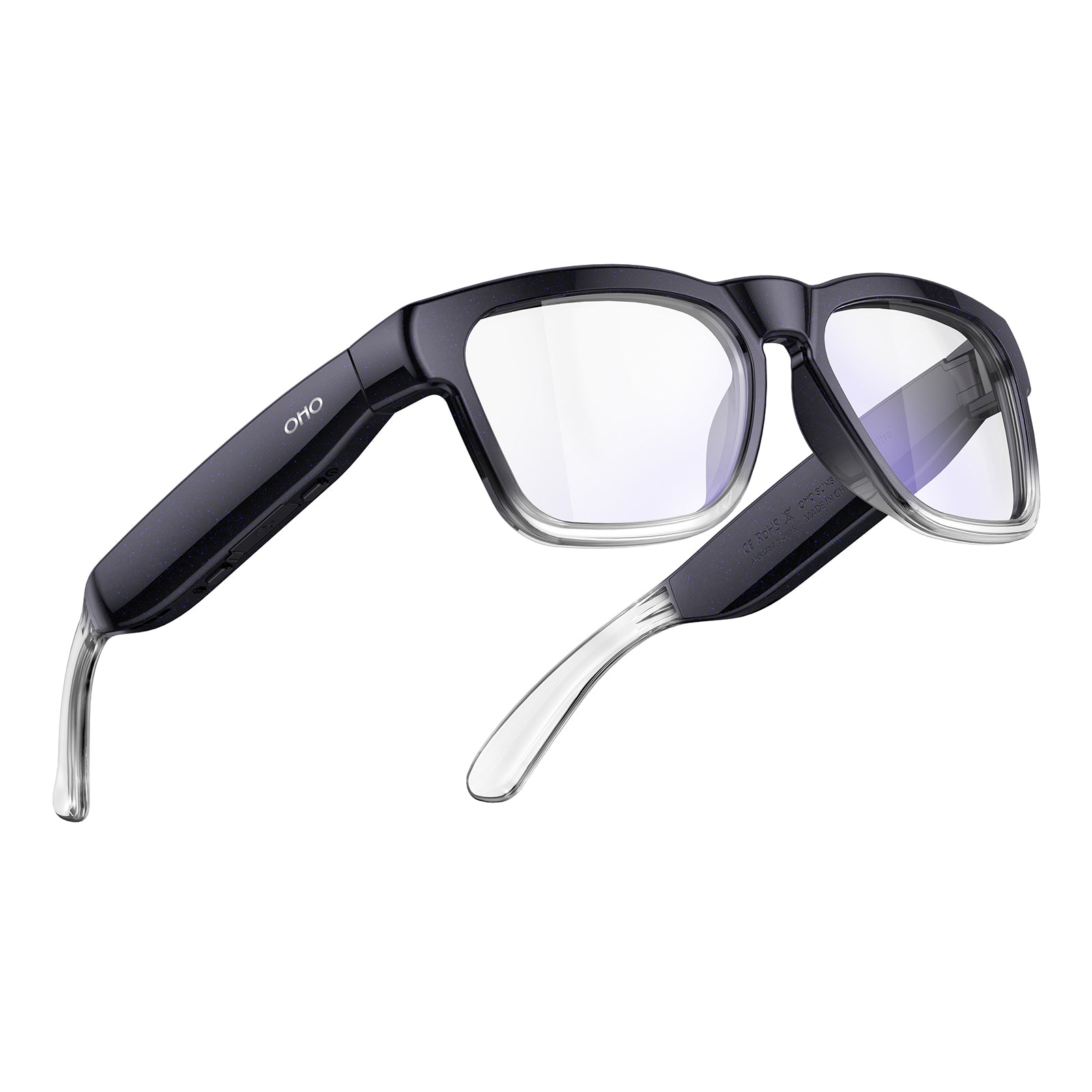
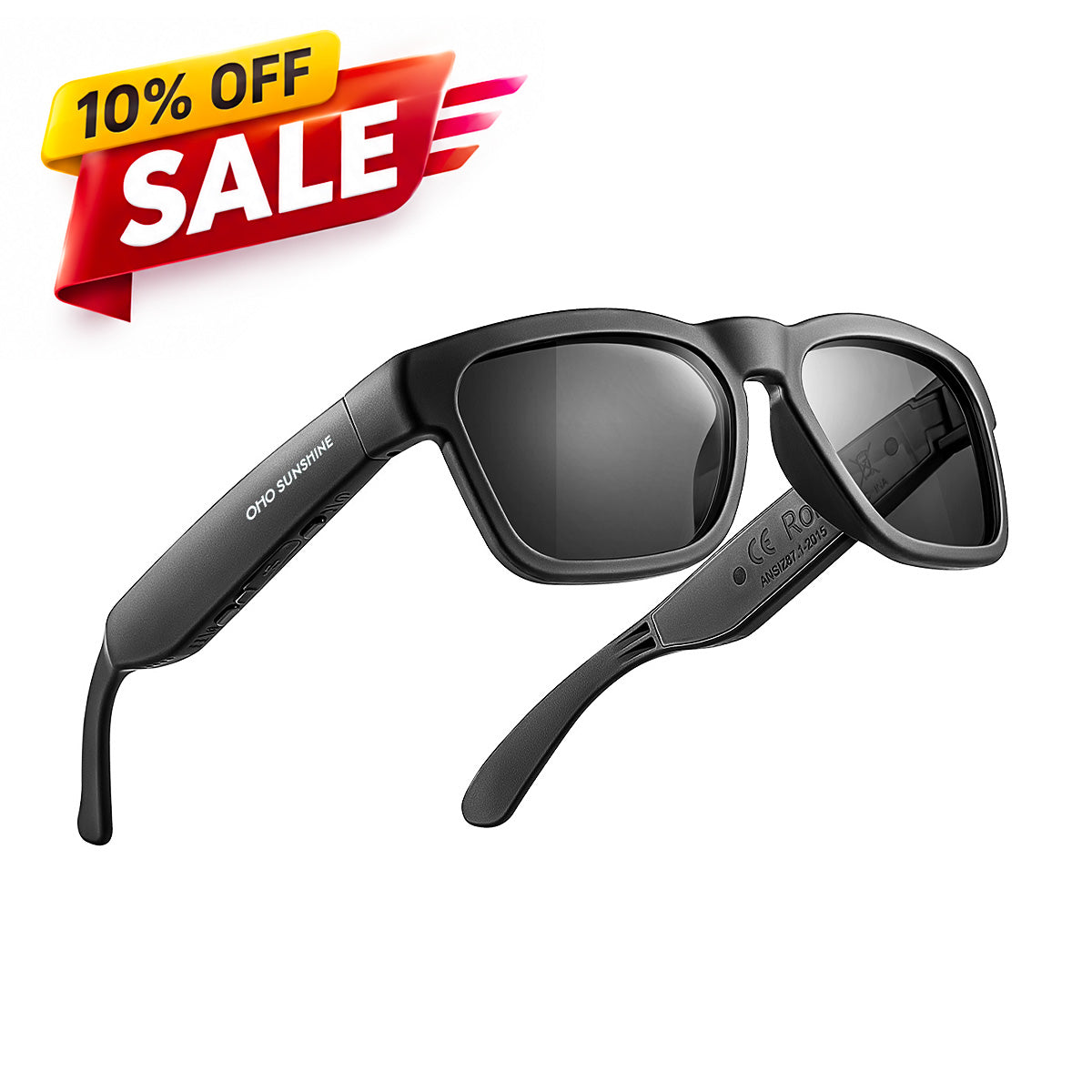
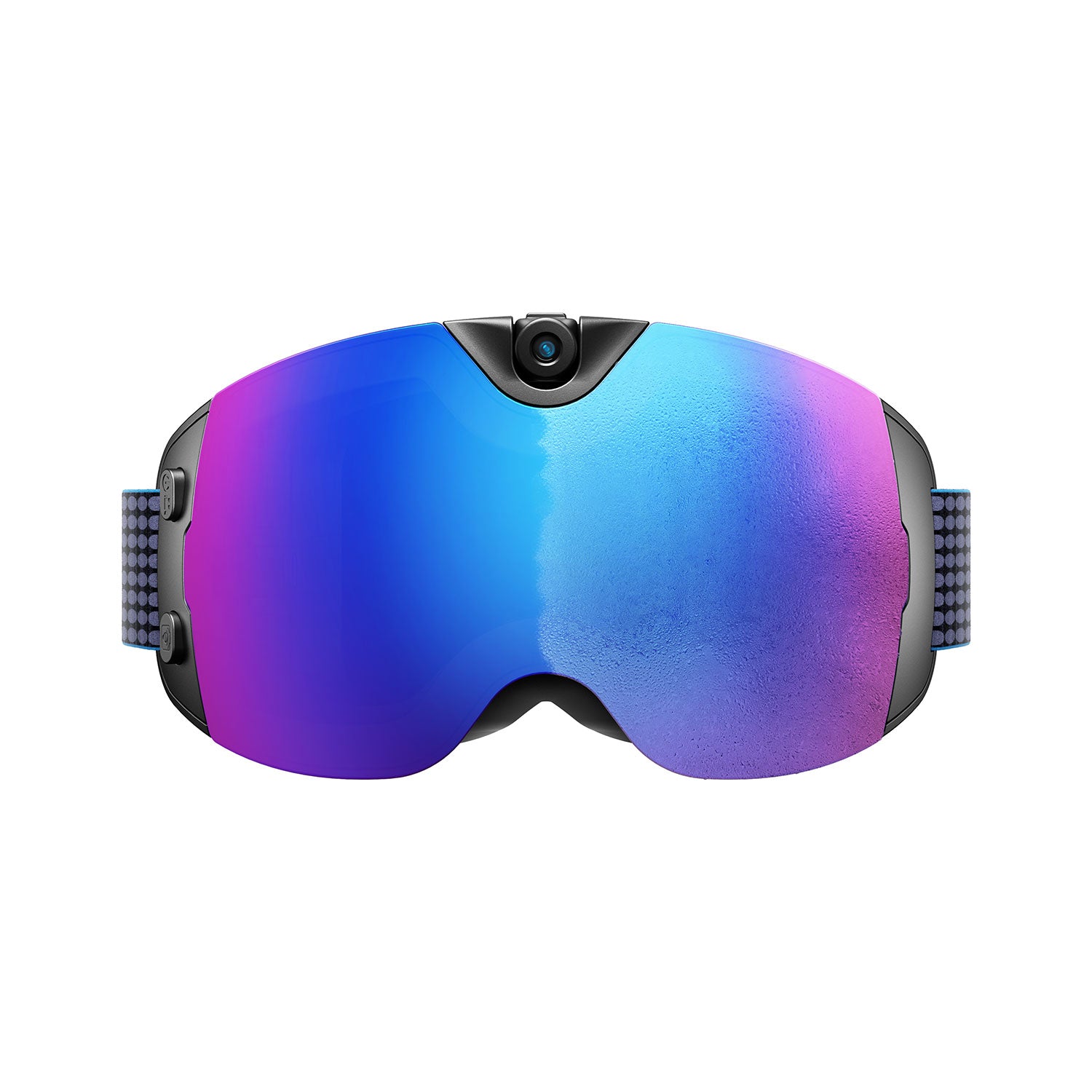
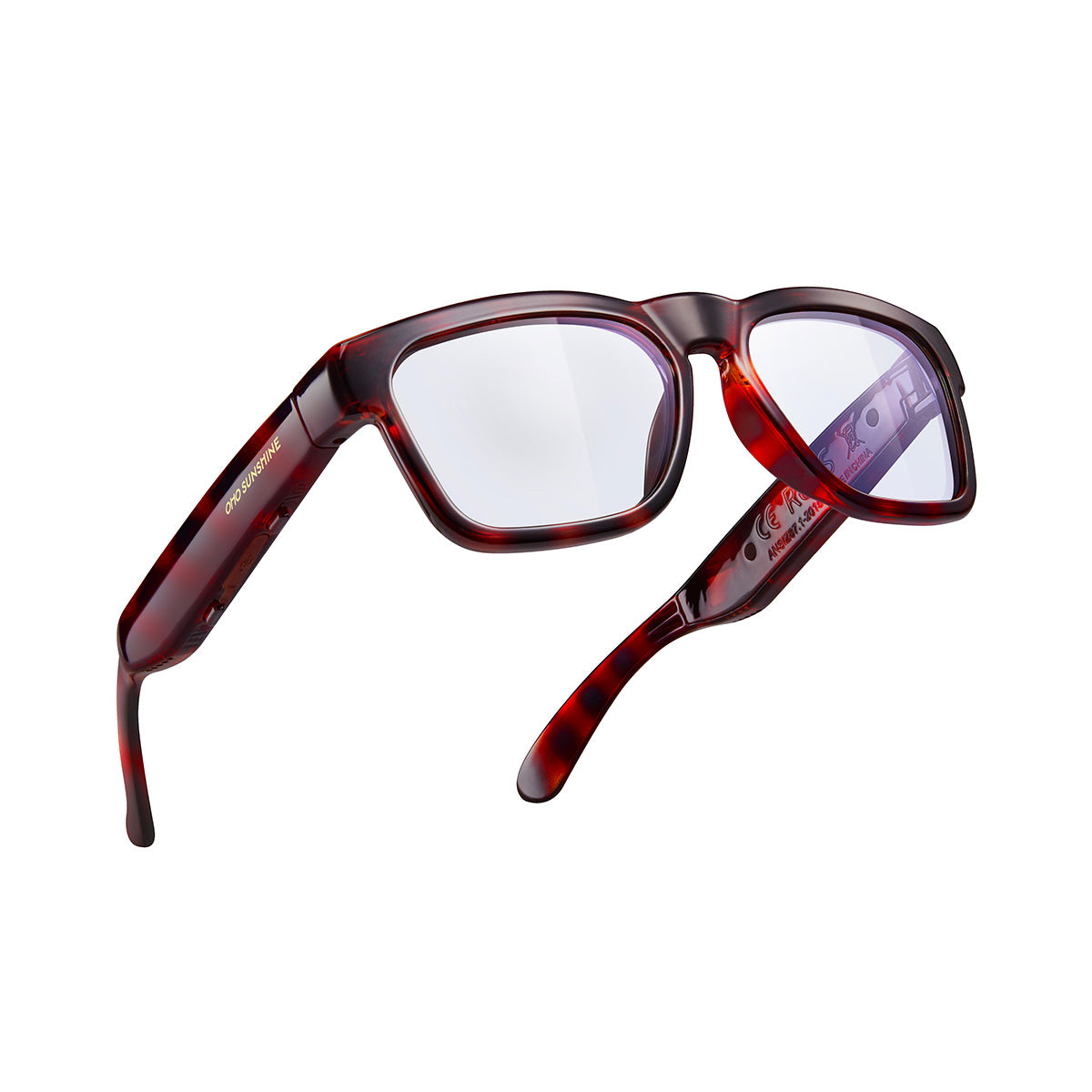
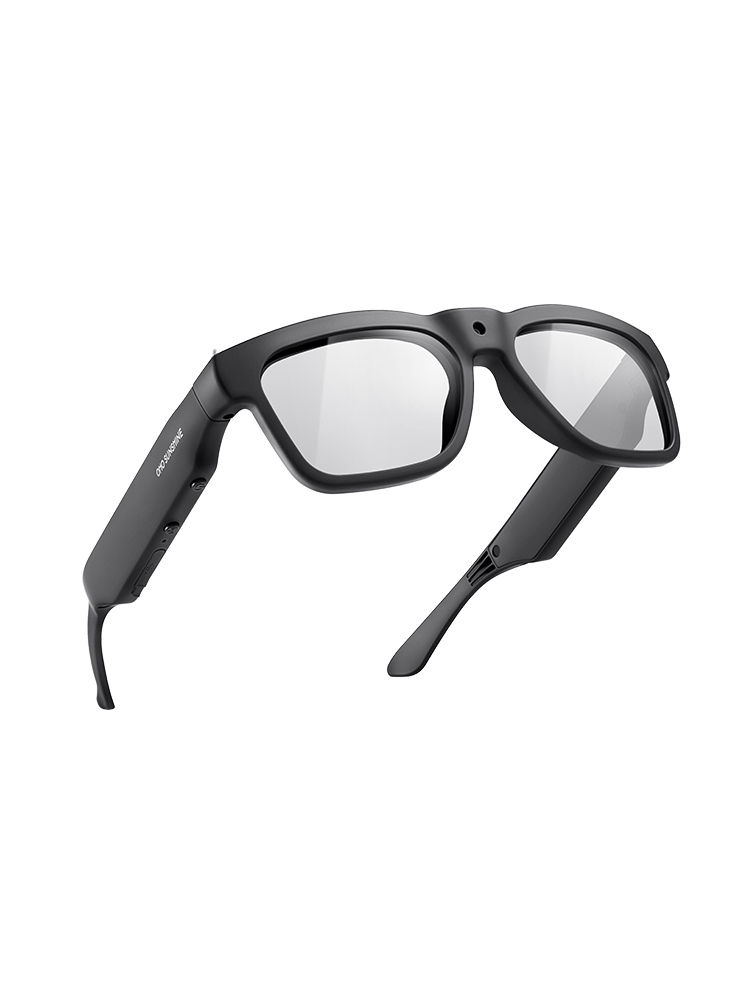
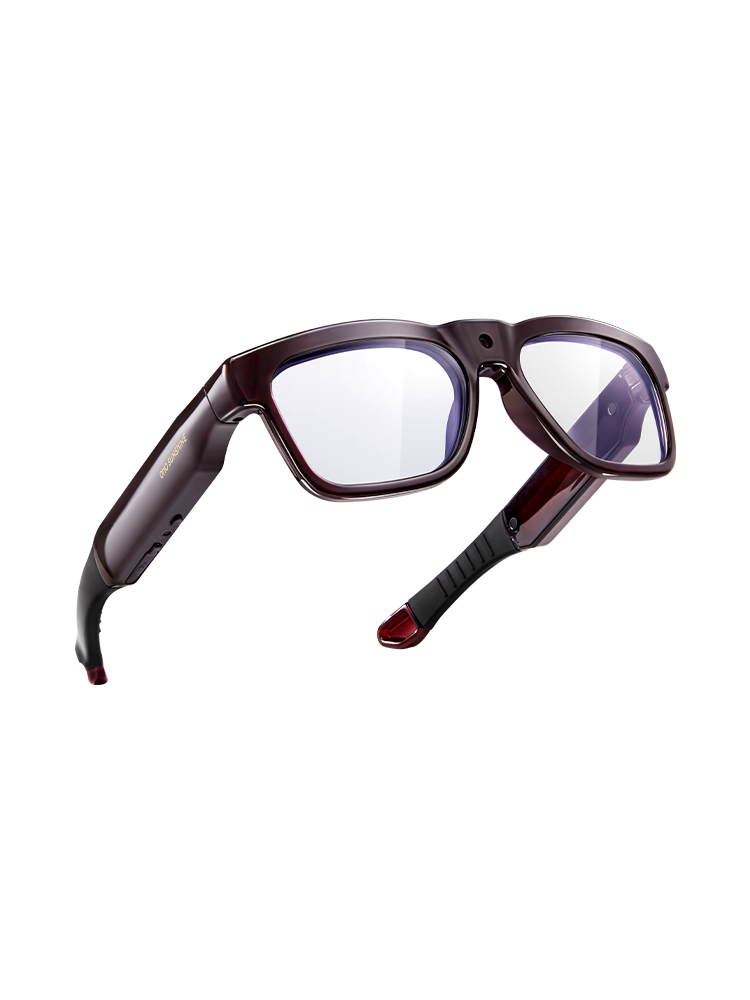
Smart glasses are eyewear with built-in technology. They look like regular sunglasses but include cameras, speakers, or AI processors in the frames.
Three main types exist:
- Camera glasses: Record hands-free video
- Bluetooth sunglasses: Play audio through built-in speakers
- AI glasses: Translate languages and display information
Unlike VR headsets that cover your face, smart glasses function as normal eyewear when not activated.
Smart Glasses With Camera: Record Life Hands-Free
Smart glasses with cameras record the action from your point of view, with no need to carry any device yourself. Simply press the frame’s button and enjoy your moment.
Why Camera Glasses Beat Traditional Recording
While cyclists, cooks, or parent-and-child play sessions have stalled because you need to stop to get out your phone, these problems are alleviated in three ways by smart glasses with cameras:
Hands-Free Operation: Your hands stay free for gripping handlebars, whisking eggs, or catching your toddler. One button press starts recording—no framing required.
Discreet Recording: Unlike holding up a phone that announces "I'm filming," camera glasses are subtle. The lens blends into the frame, letting you capture genuine moments.
First-Person Perspective: The camera records exactly what you're seeing, creating immersive footage that feels natural.
Here's how camera glasses compare to traditional options:
| Feature | Camera Glasses | Smartphone Camera |
| Hands required | None | Both hands |
| Viewing angle | Your natural view | Whatever you can frame |
| Discreteness | Subtle | Obvious |
| Multitasking | Yes | No |
| Risk of dropping | Zero | High during action |
The key difference is freedom—participate fully while documenting it.
Best Uses for Camera Glasses
Outdoor adventures: Hikers, cyclists, and water sports enthusiasts document trips without waterproofing separate devices.
Family moments: Record naturally while staying present
Content creation: Vloggers get smooth first-person footage. Field workers document repairs hands-free.

Ready to capture your adventures hands-free? Explore our curated selection of the best camera glasses for cycling, vlogging, and family life.
Bluetooth Sunglasses: Listen Without Blocking Your Ears
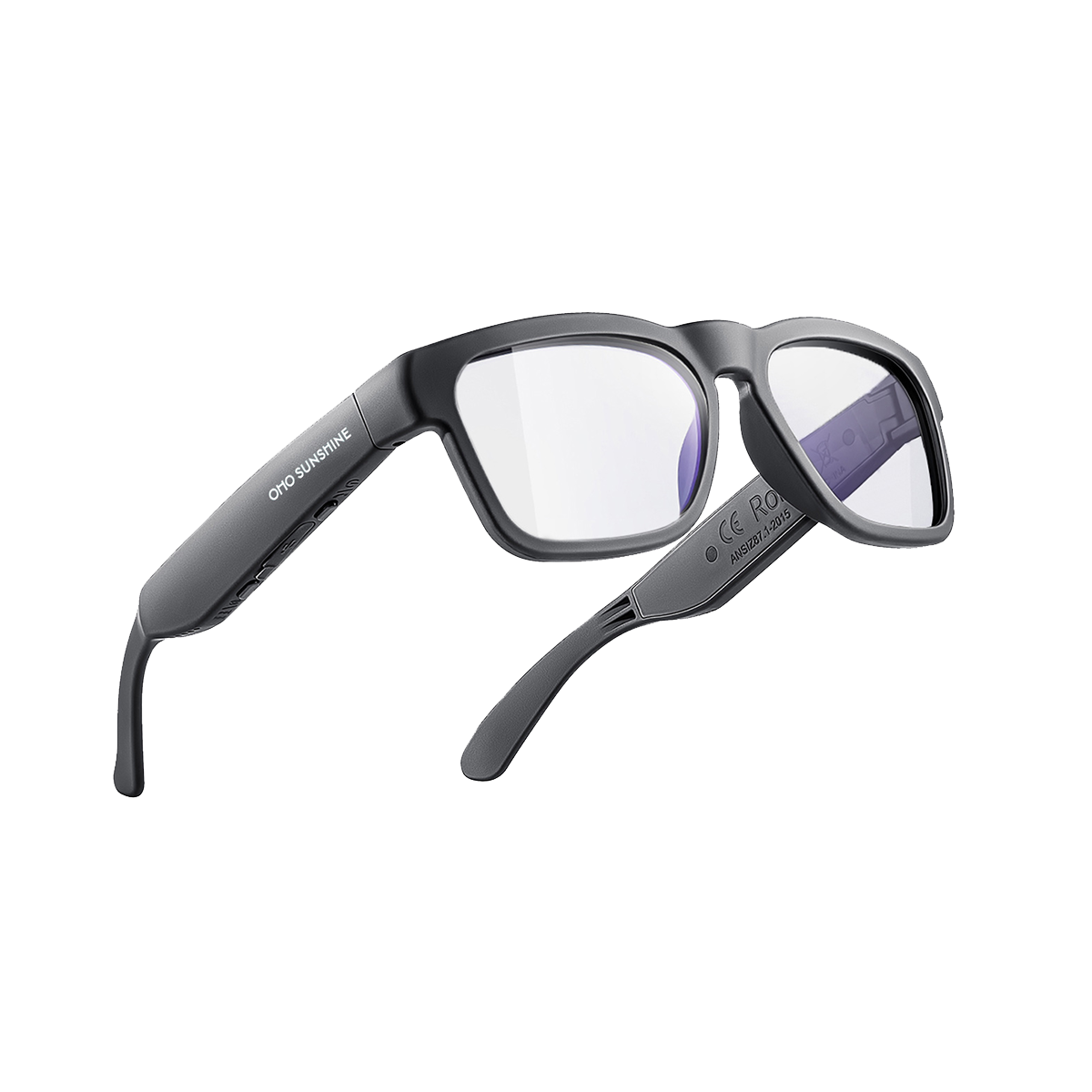
Bluetooth sunglasses integrate UV protection and audio speakers. Unlike earbuds, which need to be inserted into your ear canal and block your ear canal openings, speakers are located near your ears to give you sound while ensuring you are mindful of your surroundings because your ears remain unblocked.
Why Open-Ear Audio Matters
Traditional earbuds seal your ear canal, creating safety risks and discomfort. Open-ear technology (audio delivery that doesn't block ear canals) solves these problems.
Standard earbuds cause these issues:
- Safety hazards: Can't hear cars, cyclists, or warnings
- Discomfort: Ear pressure and fatigue
- Social awkwardness: People tap your shoulder to get attention
- Easy to lose: One wrong move and they're gone
Bluetooth sunglasses eliminate all of these. Your ears stay open, you remain alert, and the audio device is attached to your face. Let's compare the two options:
| Feature | Bluetooth Sunglasses | Traditional Earbuds |
| Ear canal blocked | No - fully open | Yes - sealed |
| Environmental awareness | Complete | Zero |
| Comfort (3+ hours) | No pressure | Ear fatigue |
| Risk of loss | Attached to face | High |
| Devices needed | One (glasses + audio) | Two (glasses + earbuds) |
| UV eye protection | Yes | No |
The biggest advantage is safety—enjoy audio without disconnecting from your environment.
When Bluetooth Sunglasses Shine
Outdoor exercise: Hear approaching traffic while staying motivated with music.
Everyday multitasking: Walking, yard work, or beach relaxing when you want entertainment without isolation.
Hands-free calls: Built-in microphones turn sunglasses into a headset for calls while driving or shopping.
All-day wear: Lightweight frames don't cause pressure headaches. Battery life of 8+ hours means no midday recharging.
Tired of earbuds falling out or blocking ambient sound? Find your perfect fit with our top-rated Bluetooth sunglasses for running and everyday wear.
AI Glasses: Break Language Barriers Instantly
AI glasses use artificial intelligence to translate languages, recognize objects, and provide real-time information. This technology is still evolving but offers genuinely useful features for travelers and multilingual environments.
Real-Time Translation Features
Walk through Tokyo and read street signs in English. Attend Paris business meetings with live captions. AI glasses use Computer Vision (technology interpreting visual information) and Natural Language Processing (AI understanding human speech) to translate text, transcribe conversations, and provide contextual information.
Beyond translation, AI glasses assist with visual search, object recognition, and smart navigation with real-world overlays.
Traveling or working globally? Click here to discover how AI translation glasses can break down language barriers for you.

Who Benefits Most
International travelers navigate foreign countries confidently.
Business professionals attend international conferences without interpretation delays.
Language learners immerse themselves while getting instant help.
How to Choose The Best Smart Glasses for Your Lifestyle
Finding the best smart glasses starts with matching features to your actual needs. A runner needs different features than a content creator or international traveler.
Match Features to Your Primary Use
Ask yourself: "What problem am I solving?"
- Missing photo opportunities → Camera glasses
- Earbuds falling out or blocking sound → Bluetooth sunglasses
- Language barriers while traveling → AI glasses
- Multiple needs → Hybrid models with camera + bluetooth
Key Specifications to Compare
Here's what matters when comparing smart glasses models:
Camera Glasses Specifications
| Specification | What to Look For |
| Video resolution | 1080p HD minimum, 4K for professional quality |
| Storage capacity | 32GB for casual use, 128GB+ for serious recording |
| Battery life | 2+ hours recording time |
| Lens options | UV400 protection, polarized for glare reduction |
These tables help you quickly assess whether a model meets your needs based on your primary activity.
Bluetooth Sunglasses Specifications
| Specification | What to Look For |
| Battery life | 6+ hours for all-day use |
| Audio quality | Clear sound without distortion at high volume |
| Water resistance | IPX4 rating minimum (handles sweat and rain) |
| Weight | Under 50 grams for comfort |
Higher-end models offer better audio quality and longer battery life, but mid-range options often provide excellent performance for everyday use. Consider how often you'll use each feature before deciding.
Essential Features Beyond Technology
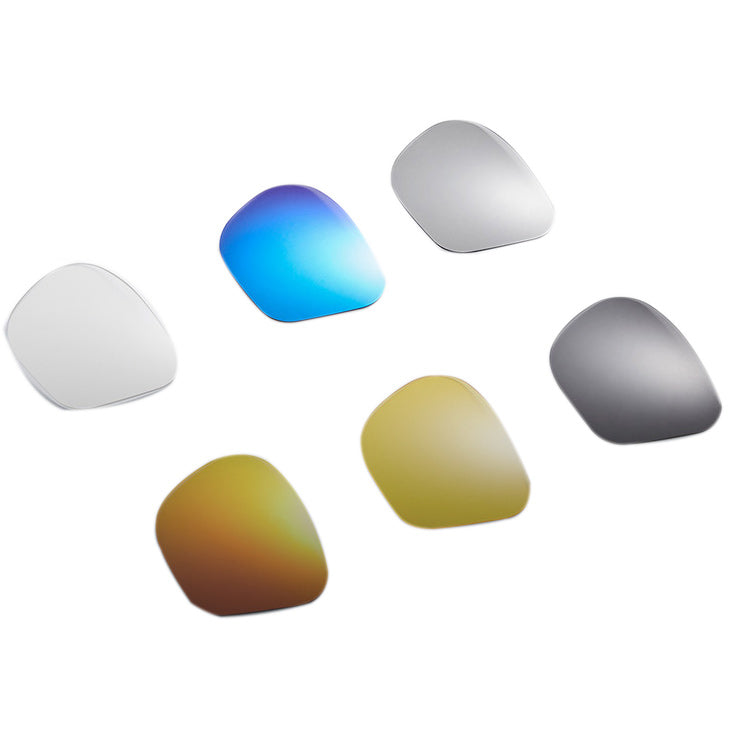
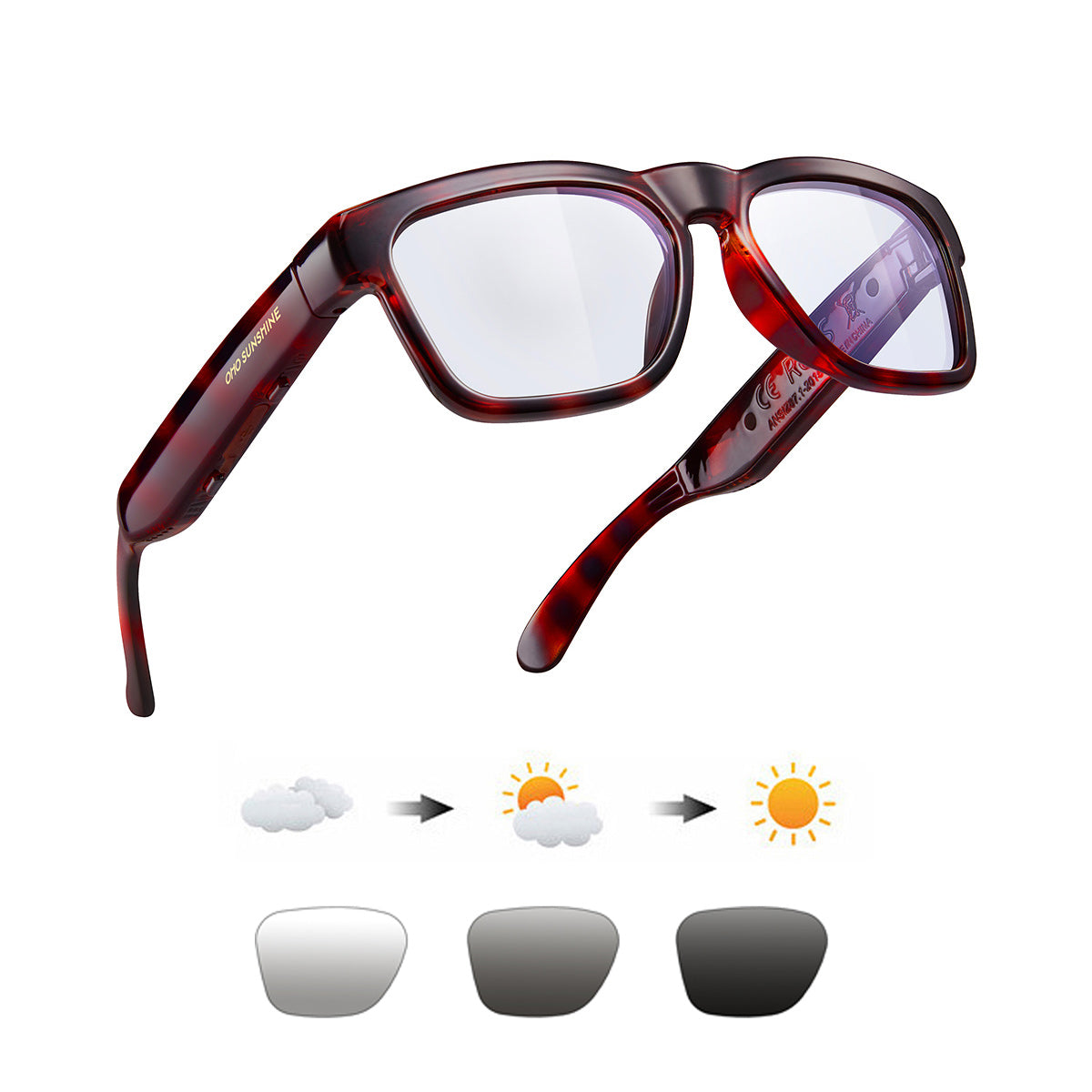
Even advanced smart glasses must excel at being glasses. UV400 blocks 99-100% of harmful UV rays. Polarized lenses reduce glare. Photochromic lenses (automatically darkening lenses) adapt to changing conditions.
The best smart glasses are ones you'll actually wear. Start with your biggest frustration, then choose the category that solves it.
4 FAQs about Smart Glass Performance and Use
Q1. Do Smart Glasses Overheat During Extended Use?
Quality smart glasses manage heat effectively during normal use. If there is some warmth in the temples during charging cycles or extreme functions such as 4K video recording, there's nothing to be worried about. But if your smart glasses heat up while listening to Bluetooth audio or during short recordings, it's time to return to the vendor.
Q2. Can Other People Hear My Audio From Bluetooth Sunglasses?
High-quality Bluetooth sunglasses have directional speakers, which are designed tokeep sound from leaking out. At levels people listen to, no one more than 3 feet away will be able to hear what you are listening to. If you are in a library, those nearest to you might hear what is playing, though in noisier outdoors areas, sounds are private.
Q3. Will Smart Glasses Work With Both iPhone and Android?
Most bluetooth sunglasses and camera glasses work with both iOS and Android through standard Bluetooth 5.0+ connectivity. However, some advanced features like AI assistants may be platform-specific. Always verify compatibility with your phone's operating system before purchasing, especially for AI-powered models.
Q4. What Happens If Smart Glasses Get Wet or Sweaty?
Most smart glasses have IP4 or higher water-resistance levels, meaning they'll survive sweat, rain, or water splashes. They are NOT for swimming or taking showers! If exposed to physically demanding exercise or rain, simply wipe them clean with a soft cloth after drying. If you plan water-related activity, they must have IP7 or higher water-resistance levels.
Ready to Upgrade Your Eyewear?
Smart glasses have evolved from being devices to becoming something truly useful in everyday life. Whether taking pictures, staying in touch with loved ones while avoiding loneliness, or overcoming language differences, there is something for you in which you live your life. It works, it’s affordable, and its benefits are tangible. No more missing out or having to choose between tunes or security. Check out smart glasses now to simplify your life.


Leave a comment
All comments are moderated before being published.
This site is protected by hCaptcha and the hCaptcha Privacy Policy and Terms of Service apply.