















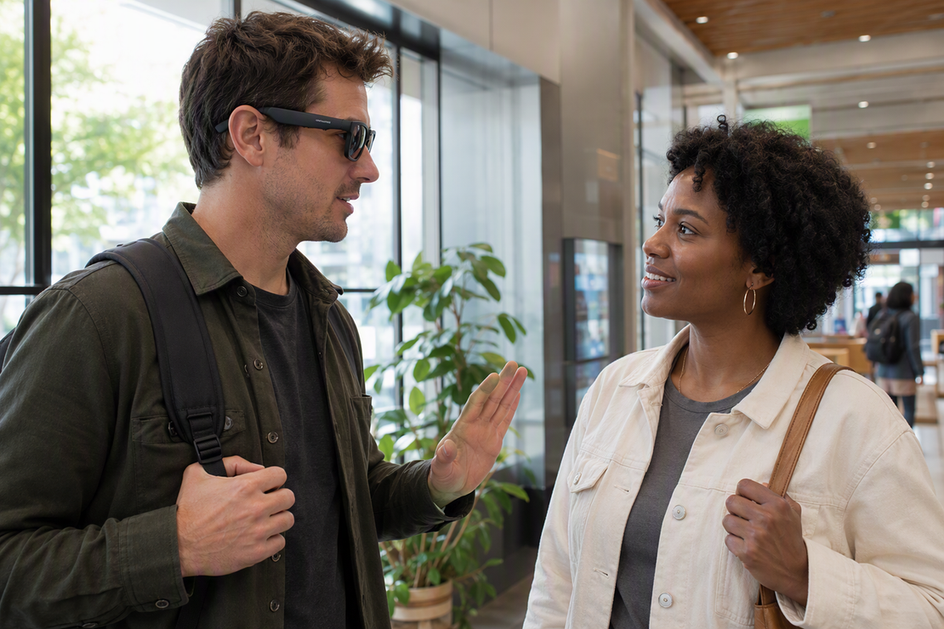
Camera glasses do not make recording automatically legal or acceptable. Before and during recording, follow the step or sequence that fits: disclose, ask permission, record only when appropriate, stop, or do not share footage afterward. The right sequence depends on the setting, the people involved, and any rule that applies there. A blinking light or visible camera is not proof that someone agreed to be recorded. This checklist walks through consent, privacy expectations, workplace and venue rules, and what to do with footage once you stop recording.
Understanding Consent and Privacy Laws
A device alone cannot tell you whether recording is lawful or respectful. You still need to check who is nearby, what you might capture, and which rule applies before you choose the appropriate steps.
Use a Five-Way Decision Rule Before Recording
First check the setting, the people affected, what the glasses may capture, and any applicable rule. Then follow the sequence that fits: record, disclose, seek permission, stop, or do not share.
- Record only after you have checked the setting, the people affected, whether you are capturing audio, video, or both, and any rule that applies there.
- Disclose clearly what you are recording when a conversation, a stronger privacy expectation, or a posted rule calls for it.
- Seek permission before recording a private conversation or an identifiable person in a setting where consent is expected.
- Stop recording when someone withholds consent, a policy prohibits capture, or you cannot confirm a safe basis to continue.
- Do not share footage that should not be kept or distributed, even if you already recorded it.
Separate Public Access From Privacy Expectations
Being allowed into a public street, park, or transit stop is not the same as having permission to record every person or conversation there. According to the Reporters Committee for Freedom of the Press, US recording rules vary by state and by the type of conversation involved, while hidden-camera restrictions in private places may apply separately. If the rule is unclear, do not record until you verify the current law for your situation or obtain qualified legal advice. A private home, a quiet conversation between friends, or a moment someone clearly expects to be unobserved carries a stronger privacy expectation than a crowded sidewalk. Audio recording has its own separate consent rules that this checklist does not cover in depth; our audio consent guidance walks through that boundary in more detail.
Treat Indicators as Notice, Not Consent
A camera left in plain view can sometimes count as notice, and continuing a conversation after a clear warning is treated as implied consent in some situations. Even so, the safer practice is to say out loud what you are recording and get a verbal yes, since a visible device or an indicator light is not a universal consent pass on its own. Recording someone's stated agreement is a recognized best practice worth following whenever the setting allows it.
Checklist for Responsible Recording
The right move changes with the setting, so use this table to match the scene in front of you with the actions that fit. Controlled environments can add rules that go beyond general public-recording expectations.

| Setting or scene | What changes the decision | Reader action | If unclear |
|---|---|---|---|
| Public streets, parks, transit, open areas | Whether you are capturing a private conversation, a minor, or someone in a vulnerable moment | Record only after checking that the scene is nonprivate, not a close identifiable conversation, and subject to no rule requiring disclosure or permission; disclose or skip close, identifiable shots of a private conversation | Pause and ask before recording a clear one-on-one conversation |
| Private homes and personal conversations | The privacy expectation of the setting and whether the conversation is confidential | Seek permission before recording; stop if it is not given | Do not record; ask the host or the people present first |
| Workplaces, schools, healthcare settings, stores, museums, venues, events | Posted or communicated policy, plus any sensitive-data or confidential-meeting rule | Check the policy or ask an authorized person before recording | Do not record until you confirm the rule with staff or a supervisor |
| Someone asks if your glasses are recording | Their consent, comfort, and any request to stop | Answer directly, say what you are capturing, and stop if asked | Stop recording until the question is resolved |
Workplaces may set recording-free zones and notice or consent requirements, as IAPP's analysis of smart glasses policy gaps explains. In a venue or another controlled setting, check the posted or communicated policy and ask an authorized person when it is unclear. Treat restrooms, changing areas, lactation rooms, clinical spaces, confidential meetings, and any area where sensitive information is displayed or discussed as no-recording zones unless an authorized policy expressly permits it. Before recording in any workplace, school, healthcare facility, store, museum, venue, or event, check the posted or communicated policy or ask an authorized person; being allowed to enter the space does not by itself mean recording is allowed there.
Storage, Sharing, and Deletion
Responsible use does not end when you stop recording. What happens to the footage next matters just as much as the decision to capture it.
Keep Only What Has a Purpose
- Keep footage only when you have a defined personal or organizational reason to hold onto it, not simply because it exists on the device.
- Review whether the clip includes identifiable people, private conversations, or sensitive information before deciding to keep it.
- Do not assume one retention period fits every recording; the right length depends on the purpose and any applicable requirement.
Limit Access and Sharing
- Store copies somewhere reasonably protected and limit access to people who genuinely need it.
- Reduce unnecessary exposure, such as cropping out bystanders, before sharing footage that is genuinely appropriate to share.
- Do not share a clip just because exporting it from the glasses or your phone is easy.
Recording does not end your privacy responsibilities. Keep only the copies you need, limit access to people with a real need, and avoid unnecessary uploads or sharing. Our secure work recording checklist covers this lifecycle in more depth for workplace footage specifically.
Delete Accidental or Unneeded Footage
- Review recent footage regularly and identify clips with no continuing purpose.
- Delete footage you no longer need, and preserve only what a legal or organizational requirement specifically tells you to keep.
- If you accidentally captured confidential workplace, client, patient, or student information, stop recording immediately and follow the responsible organization's incident or privacy process before sharing or deleting anything.
Use data minimization as a general privacy habit: capture only what you need, protect the copies you keep, and dispose of footage securely when its purpose ends. The Federal Trade Commission's privacy and security guidance presents similar practices for businesses, so use it here as a practical principle, not as a personal-footage retention rule. The exact retention period still depends on your purpose and any legal or organizational requirement that applies.
Product Integration
Once you have a clear disclosure and permission habit, a hands-free camera can support specific tasks, such as a consented translation conversation. The camera and microphone are a reason to disclose more clearly, not a substitute for it.
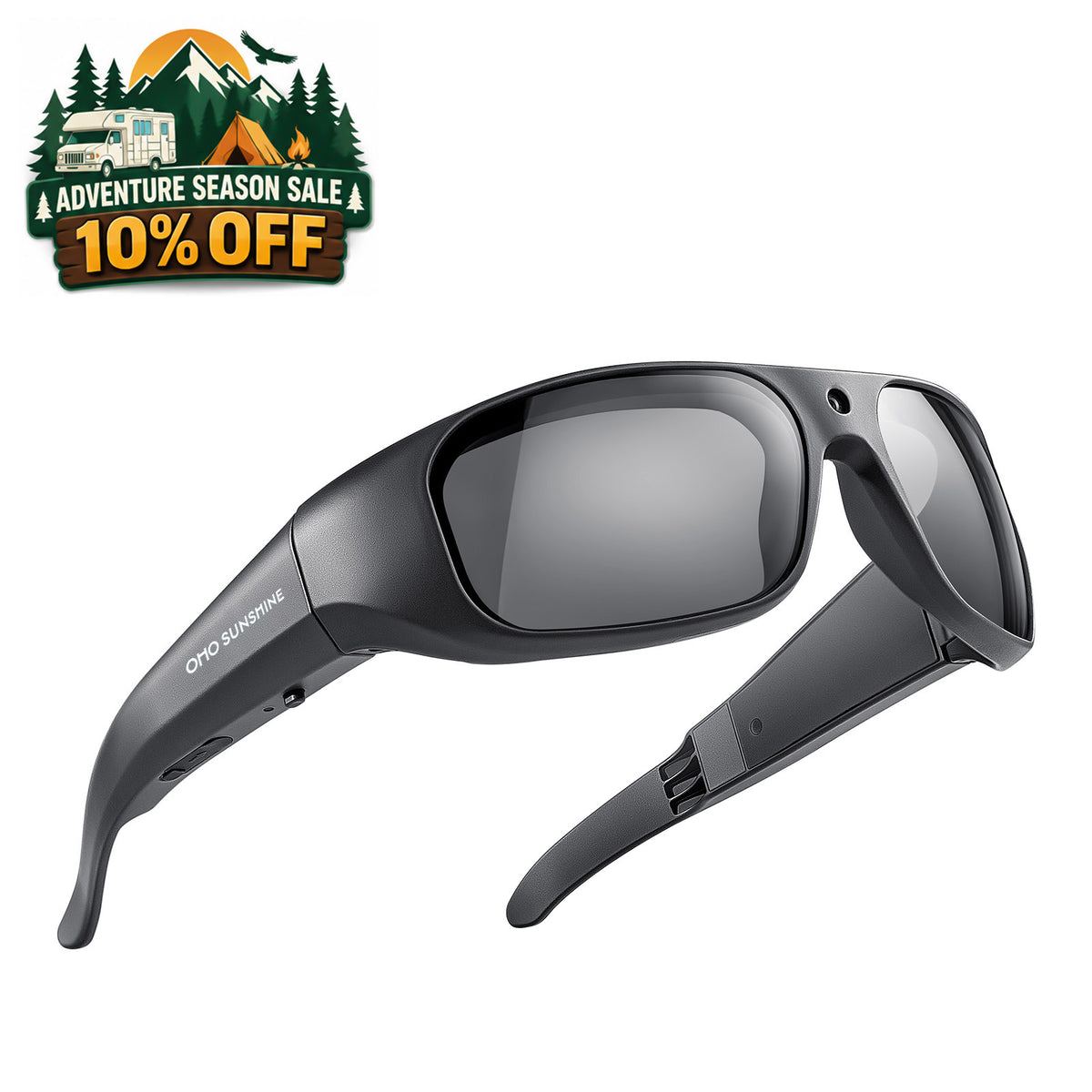
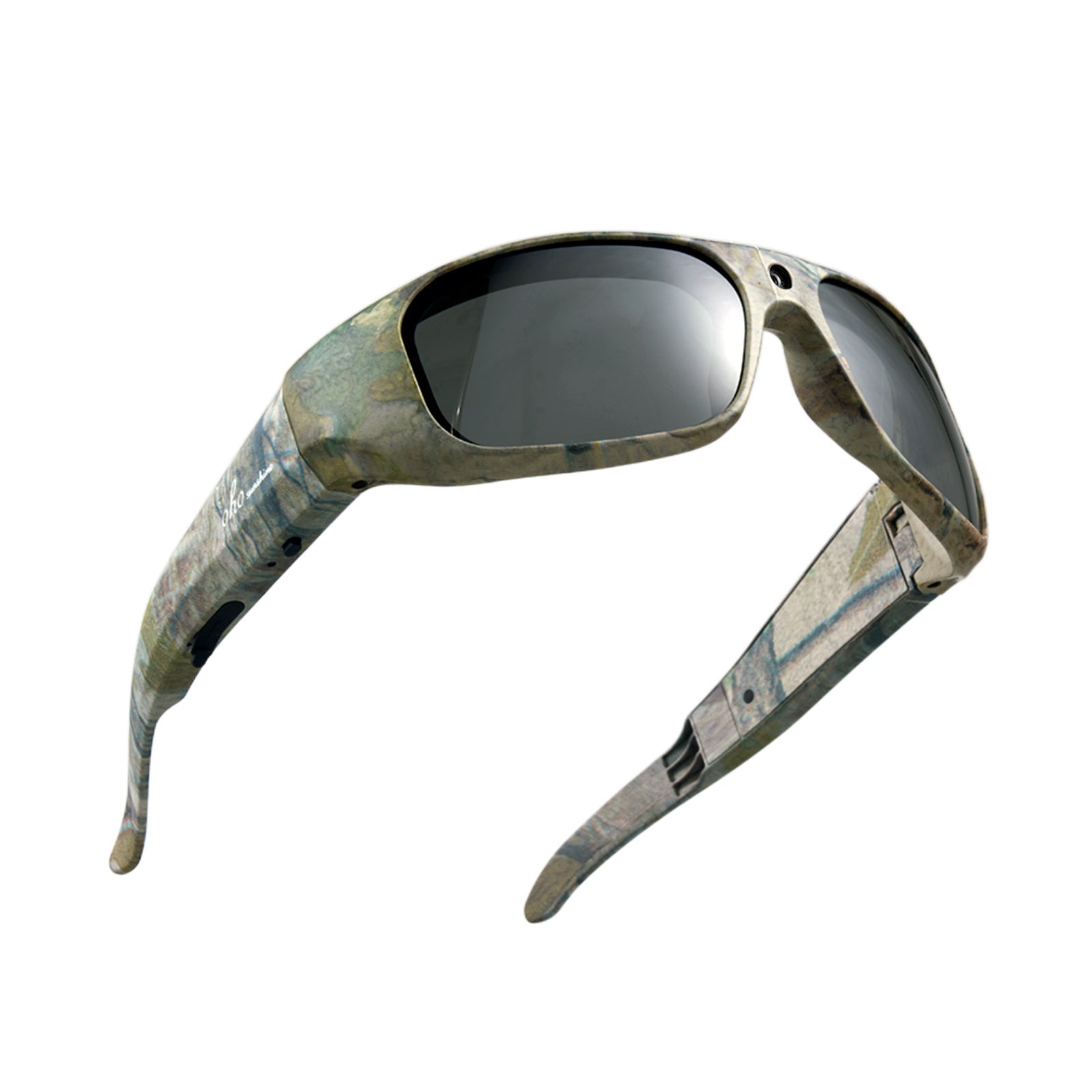
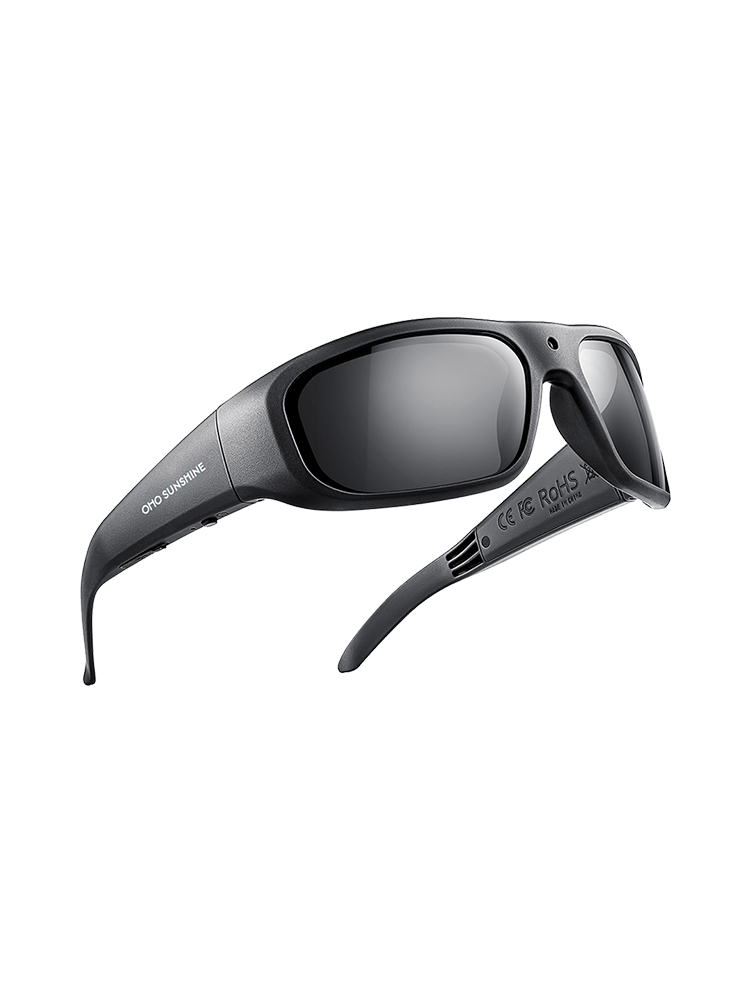
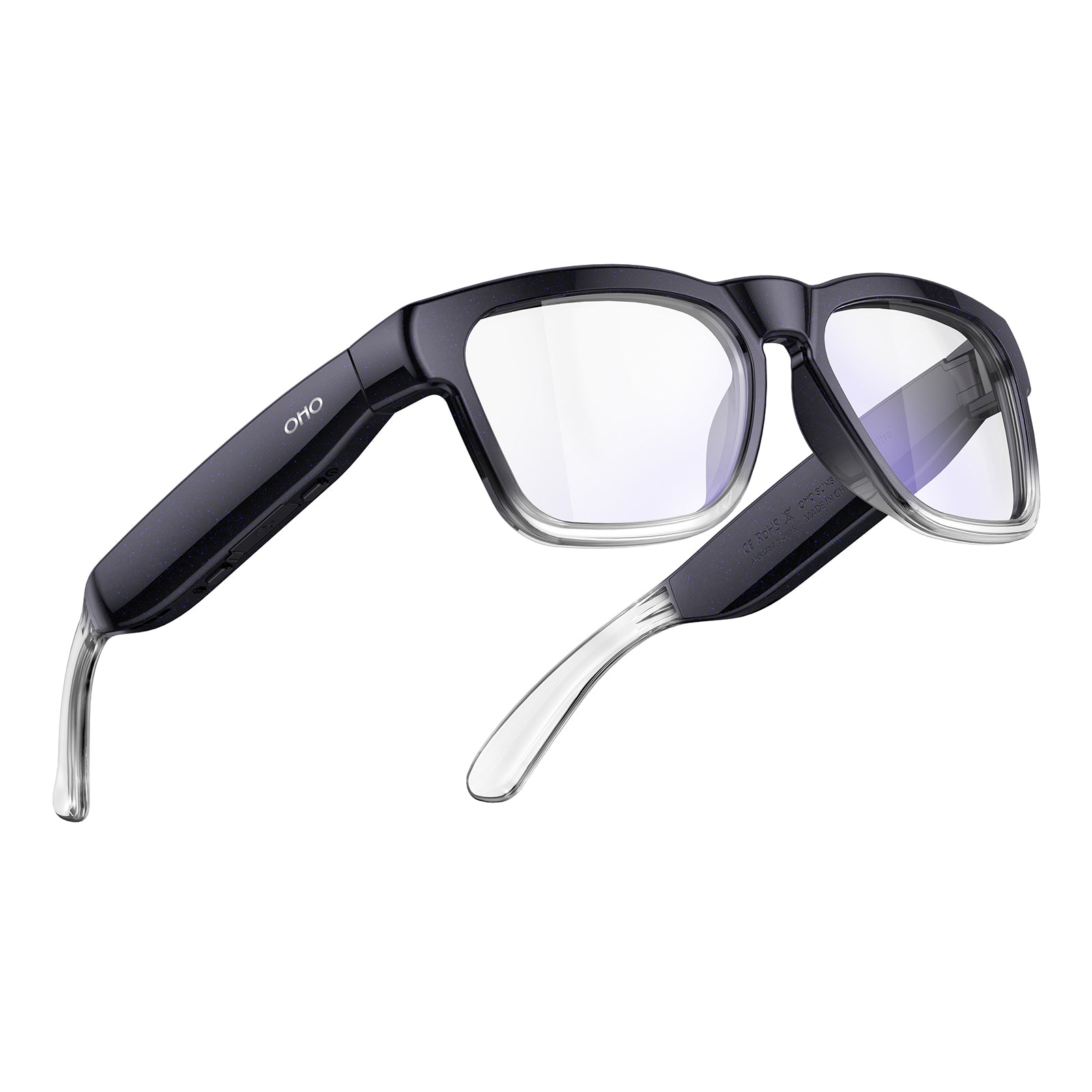
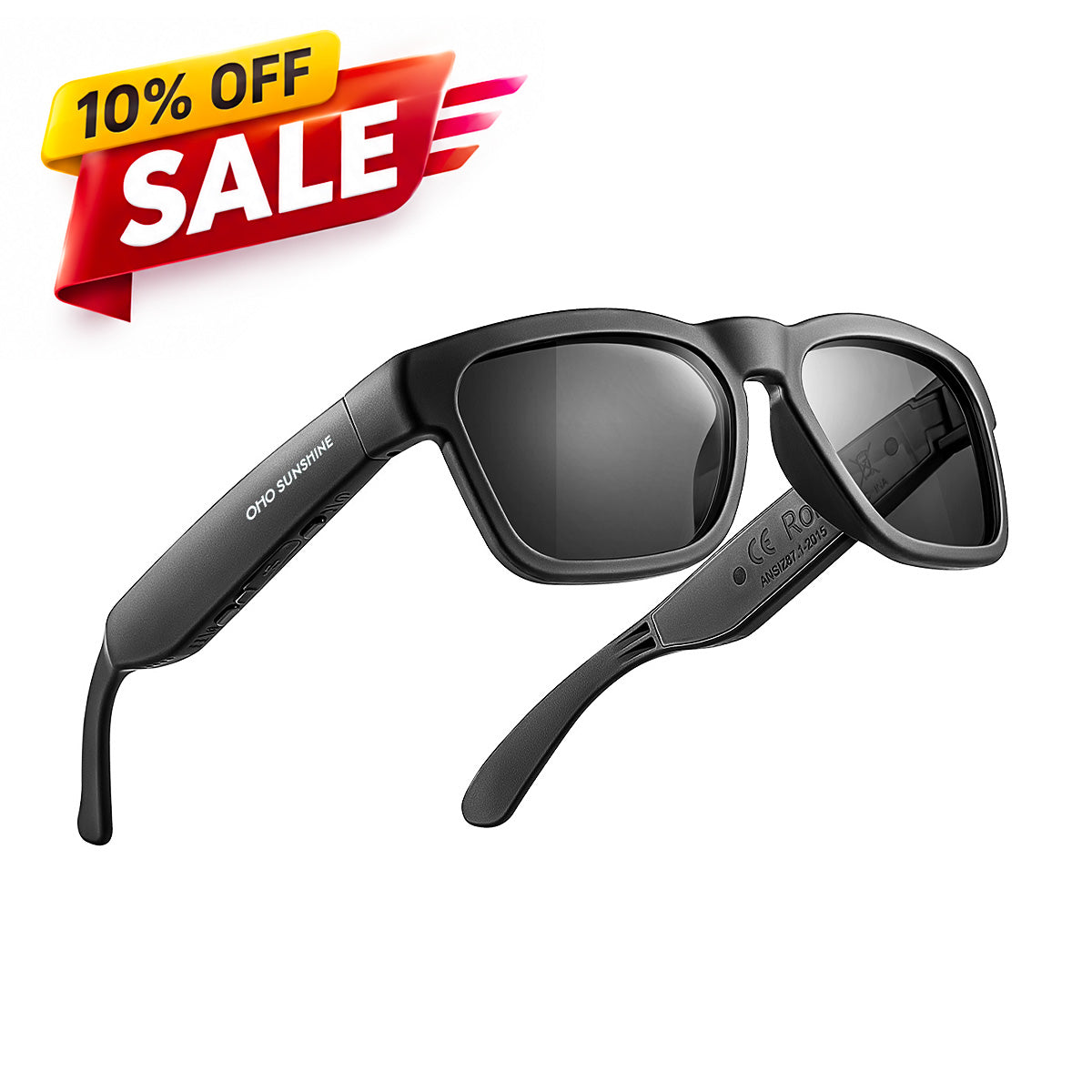
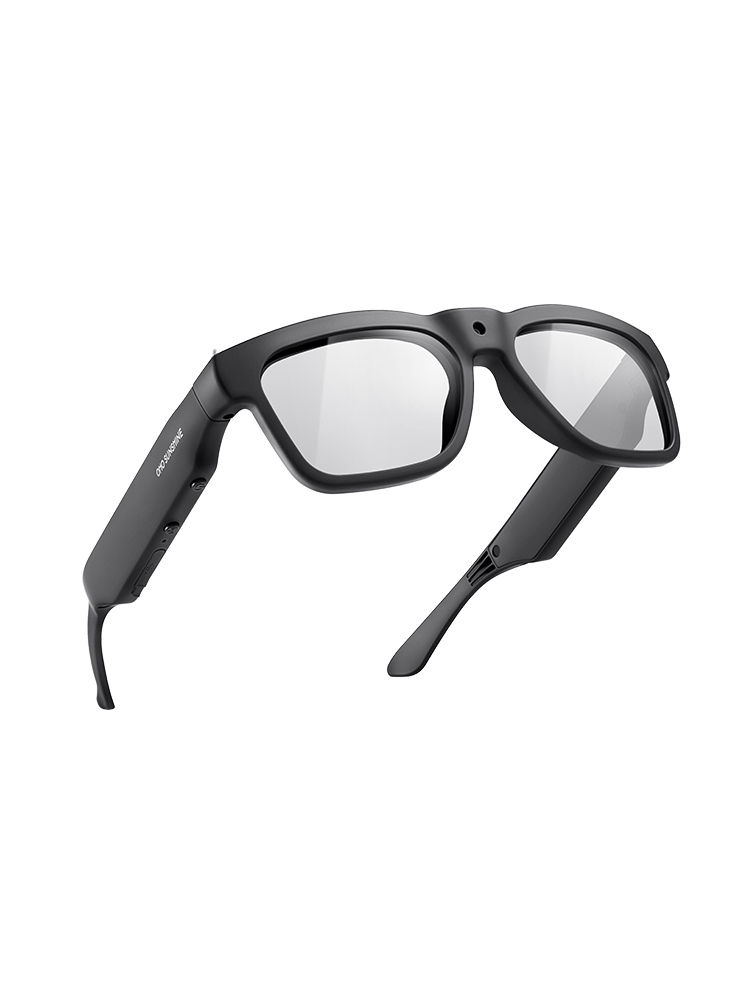
For travelers or professionals who need hands-free real-time translation, our OHO SUNSHINE Edge Pro Smart AI Glasses with Camera - 4K & Real-Time Translation fits a narrow scenario: a conversation where the other person has agreed to recording and the setting permits it. It offers 4K video, 24MP photos, a built-in microphone, Bluetooth 5.3, and real-time translation in 165 languages. Before you start, explain that the glasses can capture video and audio and ask for agreement to record. Choose another path if you cannot disclose what will be captured or confirm the setting's rule. These features do not establish permission, lawful recording, or responsible retention. Make the decision before use: if the rule or agreement is unclear, do not record and ask first.
FAQs
Can you record people with camera glasses in public?
Being in a public place is not a blanket permission to record every person or conversation there. Recording rules vary by state and by the type of conversation, and separate hidden-camera restrictions can apply in private places, according to the Reporters Committee for Freedom of the Press. Casual scenes are generally lower risk than a close, identifiable shot of a private conversation, so treat the latter with more caution and disclose or skip it when in doubt.
How do you know if someone is recording you with smart glasses?
Some devices may show a light, a lens, or another visible cue, but you should not assume you would always notice or that visibility equals consent. If you suspect someone is recording, the respectful step is to ask the wearer directly and expect a straight answer about what is being captured, plus a willingness to stop if you object.
What are the main privacy concerns with smart glasses?
The core concerns are unnoticed audio or video capture, recording in private or sensitive settings, capturing identifiable bystanders who never agreed to it, ignoring workplace or venue policy, and letting footage sit in storage or get shared without a clear purpose. Each concern maps to one part of the checklist above: disclosure, setting awareness, policy checks, and post-recording data care.
What should you do if consent or venue rules are unclear?
Do not record while the answer is unclear. Ask the authorized person or policy owner, disclose to anyone who might be affected, and hold off on sharing any footage you already captured without a clear basis for it. Resolving the uncertainty first is safer than recording and deciding later.


Laisser un commentaire
Ce site est protégé par hCaptcha, et la Politique de confidentialité et les Conditions de service de hCaptcha s’appliquent.