



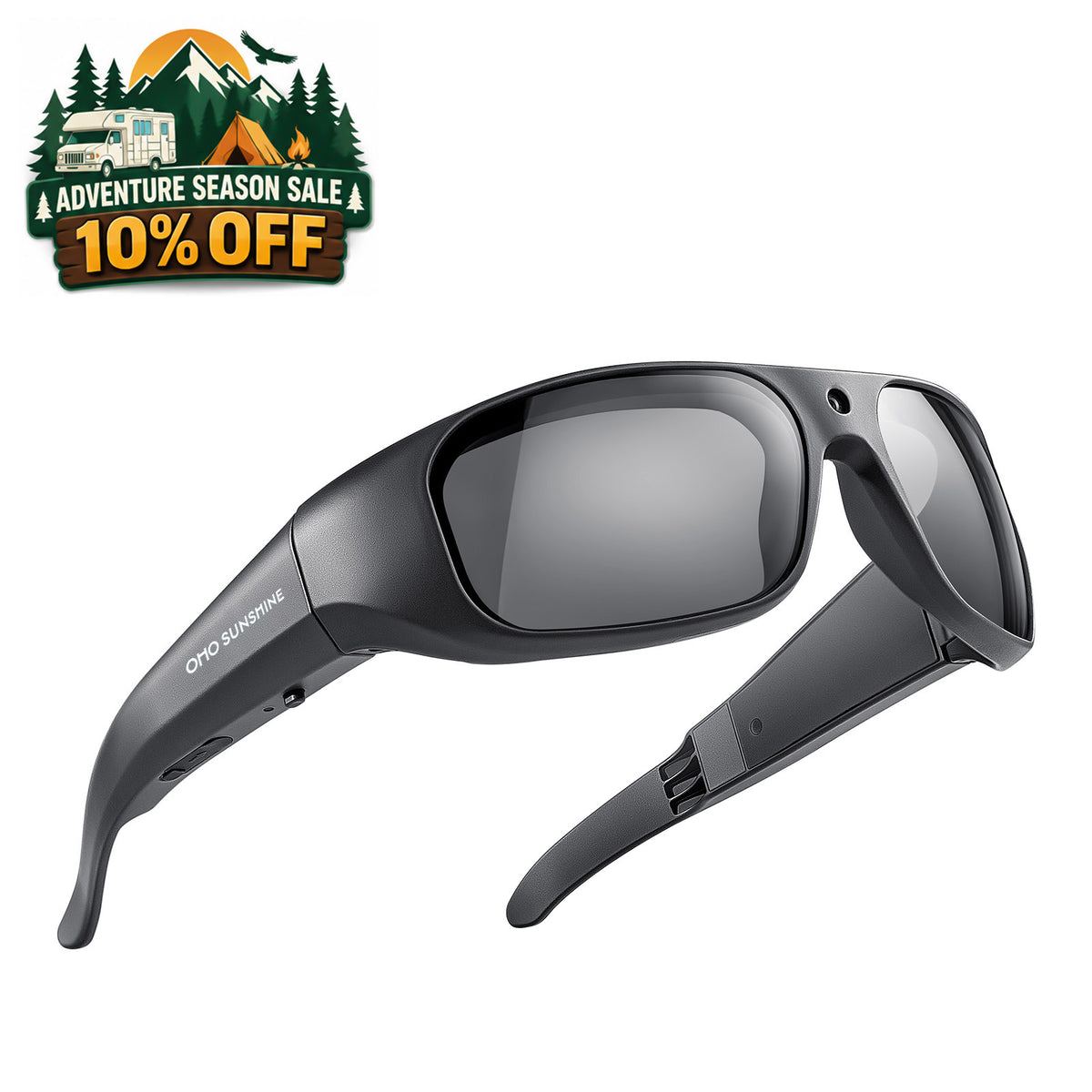


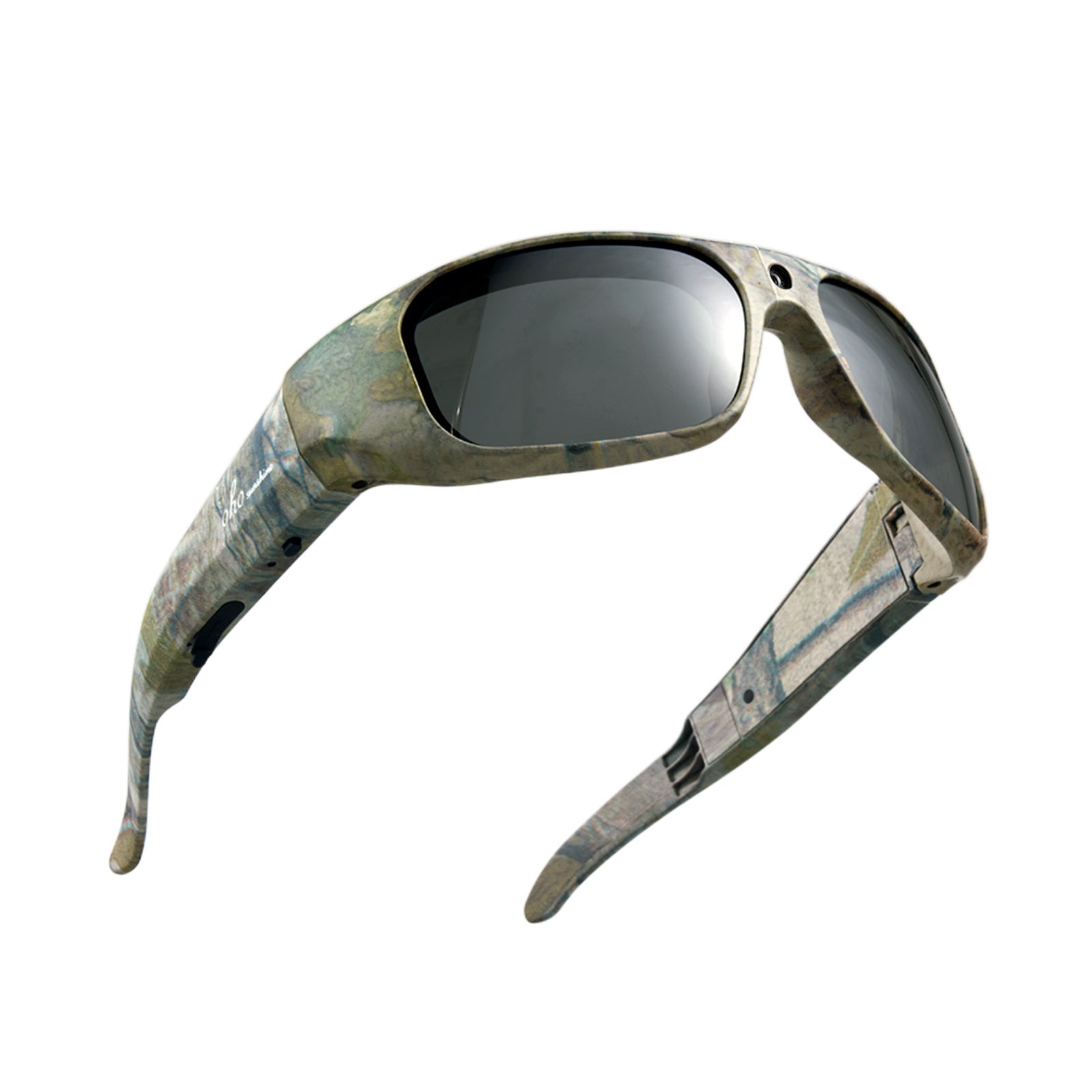


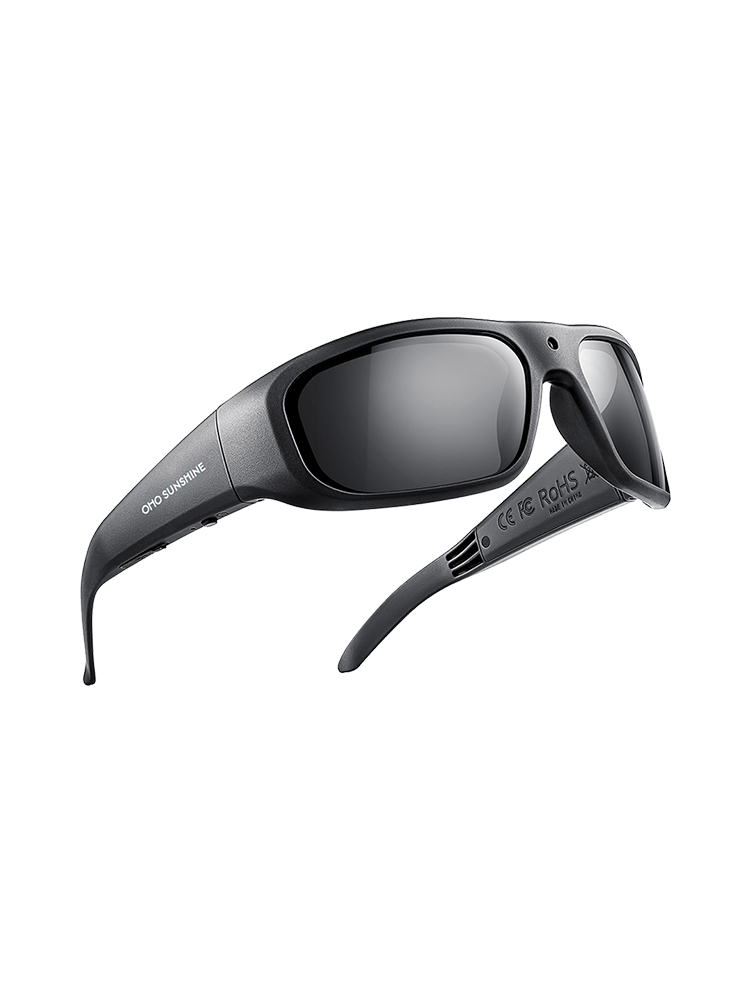



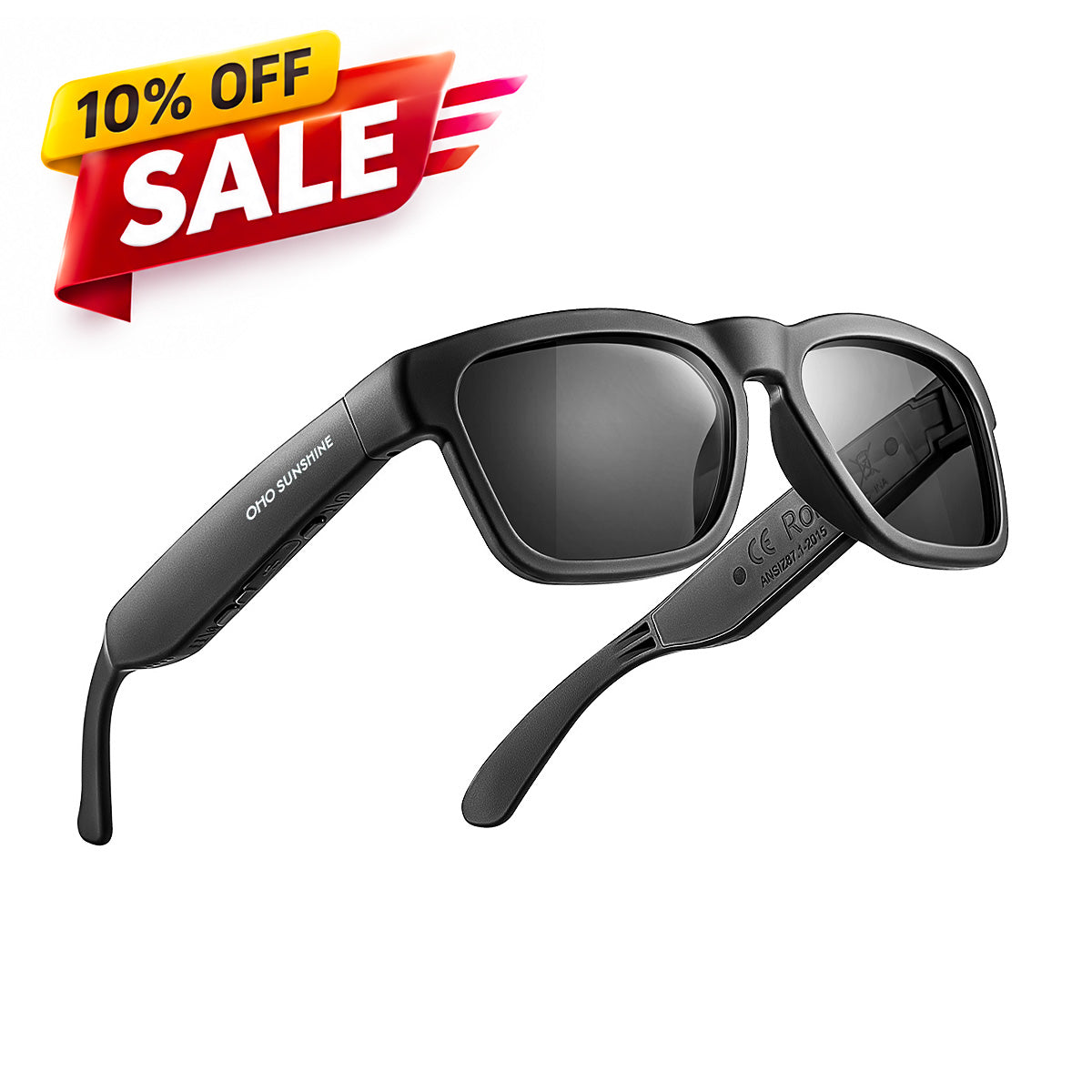


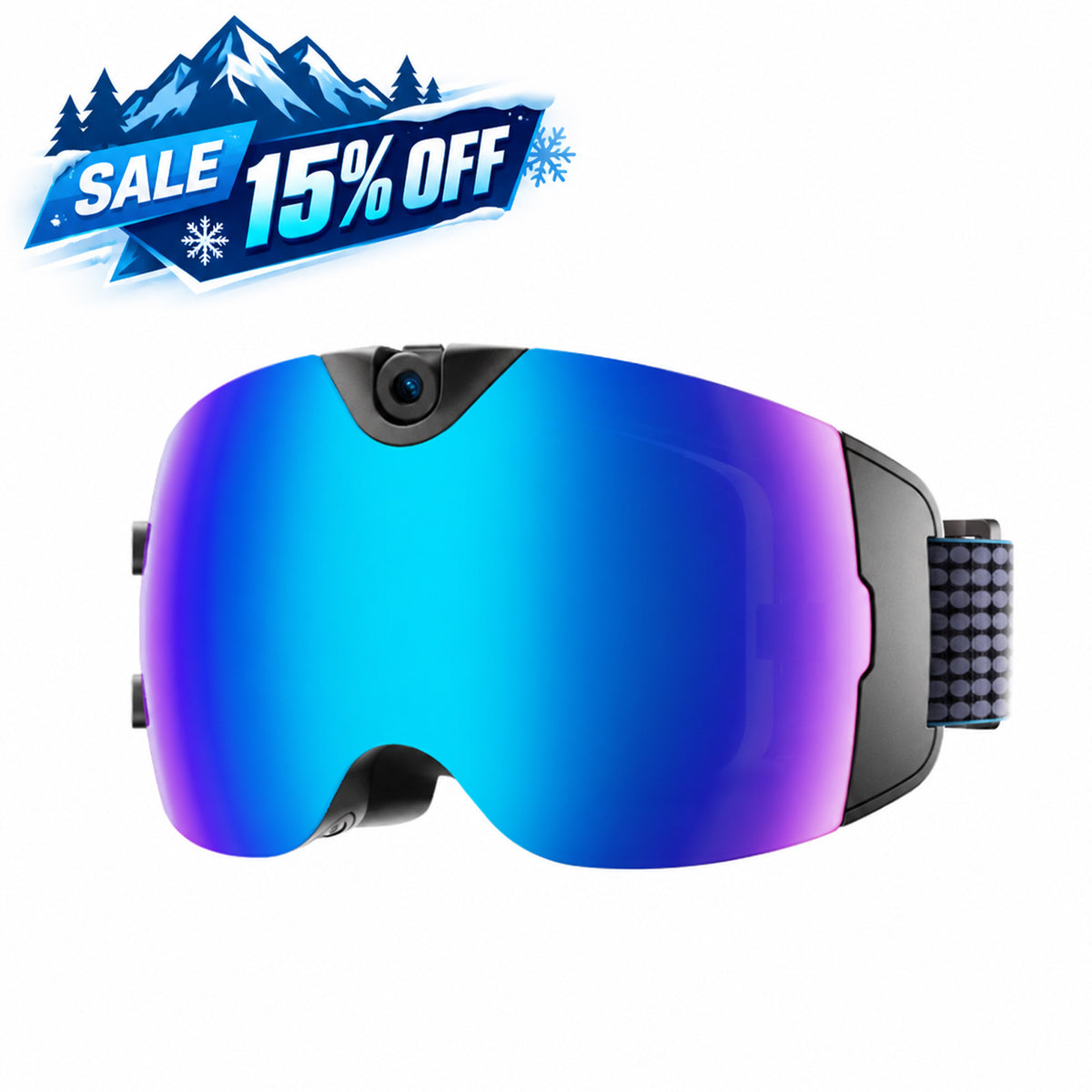

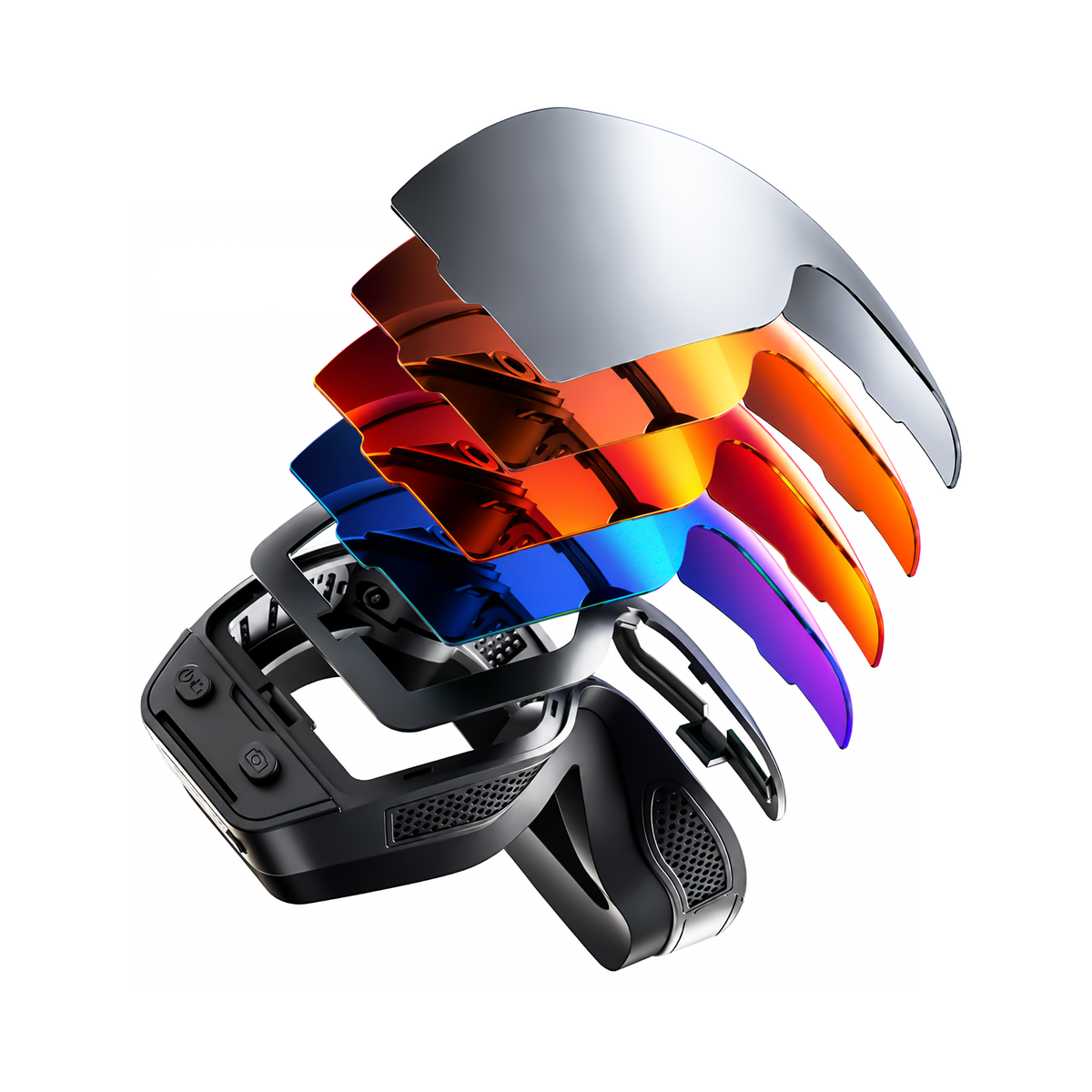


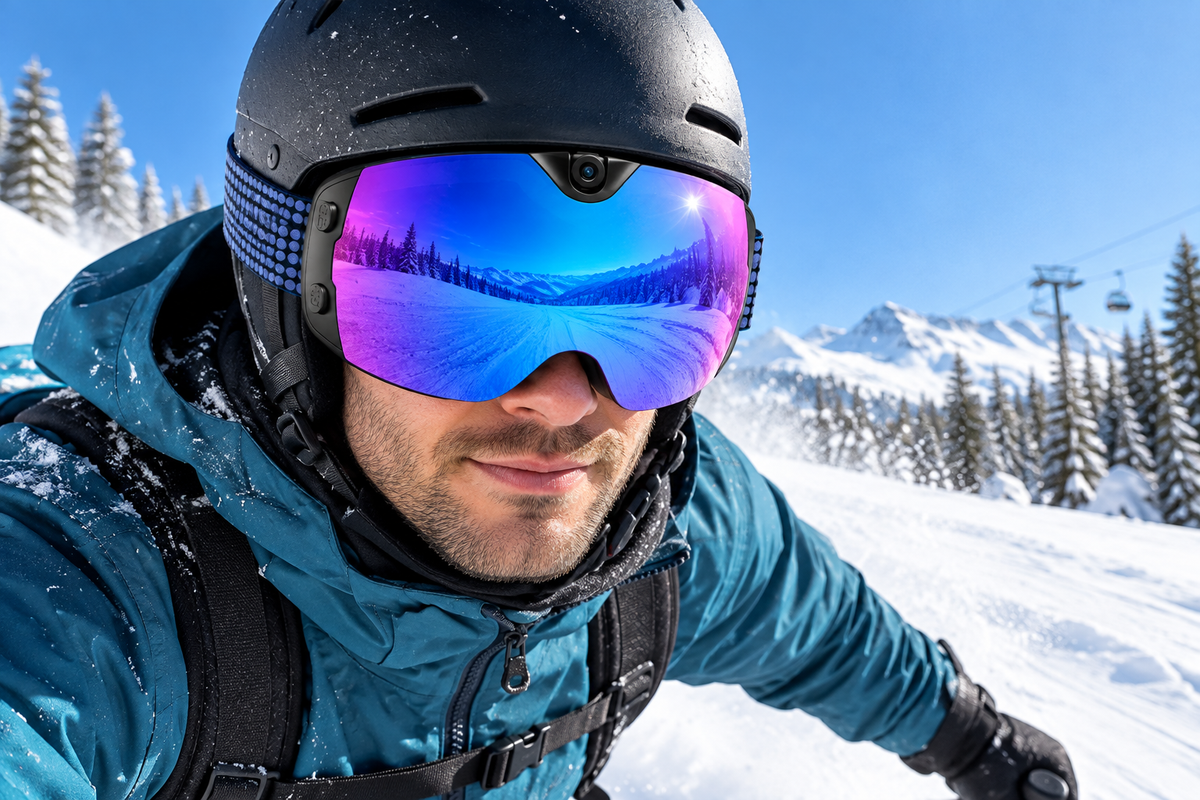
Comparing ski goggles with camera features under $200 comes down to one question: does the listing prove its optical quality, exact recording specs, and battery behavior, and does the current checkout total actually meet your budget? If any of those are missing, pause before you buy. This guide walks through four decision gates: optics and fit, recording details, battery behavior, and current price, before applying them to a real listing, the OHO SUNSHINE Skyshot 4K goggles.
Key Takeaways
- Proceed with a listing only when it documents optical fit, exact recording specs, and battery conditions, and the current checkout total is at or below $200.
- A 4K label alone does not prove clear footage; check resolution, frame rate, file format, storage, and controls together.
- Treat any stated battery figure as a first-party claim, not a verified runtime, especially in cold weather.
- Short recreational sessions and longer resort days have different priorities, so match the checklist to your actual snow-day plans.
- The Skyshot's documented recording features may fit feature-focused buyers, but its current price signal ($329 on the collection page) does not confirm an under-$200 purchase.
Start with the Under-$200 Choice Split
Use one quick test before digging into specs: does the listing document its optics, recording fields, and battery conditions, and is the current total at or below $200? If yes, keep comparing. If evidence is missing or the total is higher, pause or walk away instead of trusting a headline resolution number.
| Listing condition | Reader action | Why it changes the decision |
|---|---|---|
| Documented optics, recording, and battery fields; total at or below $200 | Proceed to a full comparison | The listing gives enough evidence to judge fit for your use |
| Missing or conflicting recording, battery, or fit details | Pause and request documentation | Incomplete specs cannot be compared fairly to another listing |
| Current total above $200, even with strong specs | Reject for this budget | The purchase no longer fits the stated ceiling |
| Camera feature present but no optical or fit evidence | Consider a conventional goggle instead | A camera does not offset missing visibility or fit information |
Price, optics, recording, and battery are separate checks. A listing can pass one and fail another, which indicates you should keep looking rather than assuming the strongest-sounding spec covers the rest.
Compare Optical Quality Before Camera Specs
Optical quality is a separate decision from camera resolution, and it should be settled first. Lens curvature, tinting, fit, and anti-fog care each affect how well you can actually see on the mountain.
Separate Lens Shape, VLT, and Field of View
Lens shape and visible light transmission (VLT) tell you different things. According to lens shape, VLT, and fit guidance from REI, flatter cylindrical lenses can introduce glare and reduce peripheral vision, while spherical lenses sit closer to the eye's natural curve and reduce distortion. VLT describes how much light passes through the lens, which matters for changing conditions. None of this is the same as a camera's field-of-view number, so do not let a wide-angle camera spec stand in for optical clarity.
Check Helmet Fit and Anti-Fog Evidence
Before trusting a listing's visibility claims, confirm these three things with your own helmet and eyes:

- Try the goggles on with the helmet you will actually wear, checking for gaps at the nose, brow, or temples.
- Look for stated ventilation or anti-fog documentation rather than assuming every lens resists fog equally.
- Treat anti-fog coatings as maintenance-sensitive: they wear down over time, and wiping the inside of the lens speeds that up. Our smart ski goggle specs guide walks through these fit and lens checks in more depth if you want a deeper reference before comparing listings.
Test What a 4K Recording Claim Actually Proves
A 4K label by itself tells you almost nothing about how the footage will actually look. It becomes useful only once you can see the full set of recording fields behind it.
Record the Full Video Specification
Before comparing two 4K listings, capture these fields side by side:
- Resolution and frame rate together (for example, 4K at 30 fps, not just 4K)
- Photo mode and megapixel count
- File format and video codec
- Storage type, whether built-in or expandable
- Controls and any documented recording limits
Separate Camera Resolution From Mountain Visibility
A camera's output resolution is not the same as how clearly you will see the run through the lens. Resolution describes the recorded file; it says nothing about stabilization, low-light handling, or how footage looks in flat or bright snow glare. Where available, look for sample footage or independent testing instead of assuming a high number guarantees good results. The OHO SUNSHINE Skyshot's listed video specification, 4K at 30 fps with 24-megapixel JPG photos, MP4 files, and H.265 encoding, is specific enough to compare against other listings on this basis, though it remains a first-party manufacturer specification rather than independently tested footage quality.
Compare Battery Performance by Session Length
Battery performance should be judged against how long you will actually be recording, not by a single headline number. A stated runtime that works for a short session may not cover a full resort day.
- Identify your session length: a few runs and lessons, or a full day on the mountain.
- Record the stated runtime, capacity, charging method, and charging time from the product page.
- Check whether the listing specifies operating conditions, since cold weather typically affects battery output.
- Decide whether the stated figure covers your planned use, or whether you will need a mid-day charge.
The Skyshot's product record lists a 90-minute battery life. That is a stated specification, not a verified continuous runtime, and it does not establish cold-weather performance or how long a charge takes. If you need multiple hours of recording across a full day, plan around charging access rather than assuming the stated figure stretches to cover it.
Verify the Listing, Checkout Total, and Current Specs
Before treating any listing as an under-$200 purchase, check the exact product page and your actual checkout total rather than a search snippet or category price. Specifications and pricing can shift between what a collection page shows and what the individual listing confirms.
- Confirm the current price on the specific product page, not a category or collection listing.
- Add any charges relevant to your budget definition before comparing to $200.
- Match each specification you care about (resolution, frame rate, battery life, lens type) to a stated field, not a general description.
- Note any conflicting numbers, such as differing battery or field-of-view figures across pages, and treat the more conservative figure as the working assumption.
- If fields are missing or conflicting, hold off on the purchase until they are resolved.
Our smart snow goggles collection page is a reasonable starting point for browsing current listings, but it is a navigation tool, not proof of a specific checkout total. Always confirm price and specs on the individual product page before deciding.
Match the Criteria to Your Snow-Day Scenario
Your priorities shift depending on how you actually ski or ride. Use the scenario that matches your plans to decide which checklist item matters most.
| Snow-day scenario | Priority to verify | Decision-changing condition |
|---|---|---|
| Short recreational sessions | Secure fit and enough stated battery for the planned runs | If battery covers your session length, resolution matters less than fit |
| Longer resort days | Charging access and battery conditions, not just the headline runtime | If you cannot recharge mid-day, a short stated runtime is a dealbreaker |
| Changing visibility or low contrast | VLT, anti-fog documentation, and helmet fit | If optical evidence is thin, skip the listing regardless of camera specs |
| Evidence-poor listing | Completeness of specs and price before anything else | Missing fields mean pause, no matter how attractive the resolution sounds |
These four situations cover most buying decisions in this category. If your plans mix scenarios, for example a lesson day followed by a longer weekend trip, apply the stricter of the two relevant priorities rather than averaging them.
Where the Skyshot Fits — and Where It Does Not
The Skyshot 4K camera goggles fit a buyer who wants documented recording features and is comfortable relying on first-party specifications rather than independent testing. They do not currently qualify as a confirmed under-$200 purchase, since the product page price is unverified and the collection listing shows $329.
On the feature side, the listed fields are specific: 4K video at 30 fps, 24-megapixel JPG photos, MP4 files with H.265 encoding, a 140-degree field of view, polarized and anti-fog lenses, USB-C charging, and built-in memory. That level of detail is exactly what the earlier comparison sections ask you to look for, which makes the Skyshot easier to evaluate than a listing with vague marketing language. The stated 90-minute battery life is useful for planning short sessions but should not be read as a guarantee for a full day or cold-weather use.
Before adding it to your cart, check the current product-page price against your $200 ceiling. If the checkout total meets your budget and the documented specs match your session length and visibility needs, the Skyshot is worth a closer look. If the price stays above $200 or you need features it does not confirm, such as independently tested low-light footage, a conventional goggle purchase may be the better route for now.

Complete the Fit and Visibility Check Before Riding
Before you ride, confirm the goggles fit securely with your helmet, preserve clear visibility for the conditions, and come with documented use and care instructions. A camera or 4K label is a recording feature, not evidence of protective suitability.
The NSAA's helmet and responsible-riding guidance frames controlled, responsible skiing and riding as the primary safety consideration, with equipment as a supporting factor rather than a substitute for behavior. Wear your helmet, ride within your ability, and do not let a recording feature change how carefully you approach the slope. If the fit is not secure or the lens fogs or distorts your view, resolve that before your first run, regardless of what the camera specs promise.
Conclusion
The right purchase is the listing that proves its optical quality, exact recording specs, battery conditions, and current price, not simply the one with the biggest resolution number. If a listing's checkout total meets your $200 ceiling and its documented specs match your snow-day plans, it is worth serious consideration. We invite you to check our current Skyshot listing against that same checklist before deciding.
FAQs
What if a listing says 4K but does not state the frame rate or file format?
Treat the recording claim as incomplete rather than assuming it matches a fully documented 4K listing. Look for the product's own specification page or manual before deciding, and leave the listing out of your final comparison if those fields stay unavailable.
How should I handle conflicting battery numbers across product pages?
Use the lower, product-specific stated figure for planning purposes, and treat runtime as unverified until the manufacturer's documentation explains the test conditions. Do not rely on a broader collection-page claim, such as a rounded "up to" figure, to promise full-day recording.
Does a camera or 4K label prove the goggles are suitable for riding?
No. A camera or 4K label describes recording capability, not protective suitability. You still need a secure, helmet-compatible fit, clear visibility for the conditions, and documented use instructions before heading out, regardless of the recording specs.
Can I trust a collection page's price if the product page shows something different?
No, use the individual product page and your actual checkout total as the final word on price. A collection listing can lag behind the current product page, so confirm the exact price and any added charges before comparing it to your budget.
Is a higher resolution number always the better choice under $200?
Not by itself. Resolution is one field among several, including frame rate, lens quality, fit, and battery conditions. A lower-resolution listing with complete, verified specs can be an easier comparison than a higher-resolution one missing key details.


Dejar un comentario
Este sitio está protegido por hCaptcha y se aplican la Política de privacidad de hCaptcha y los Términos del servicio.