













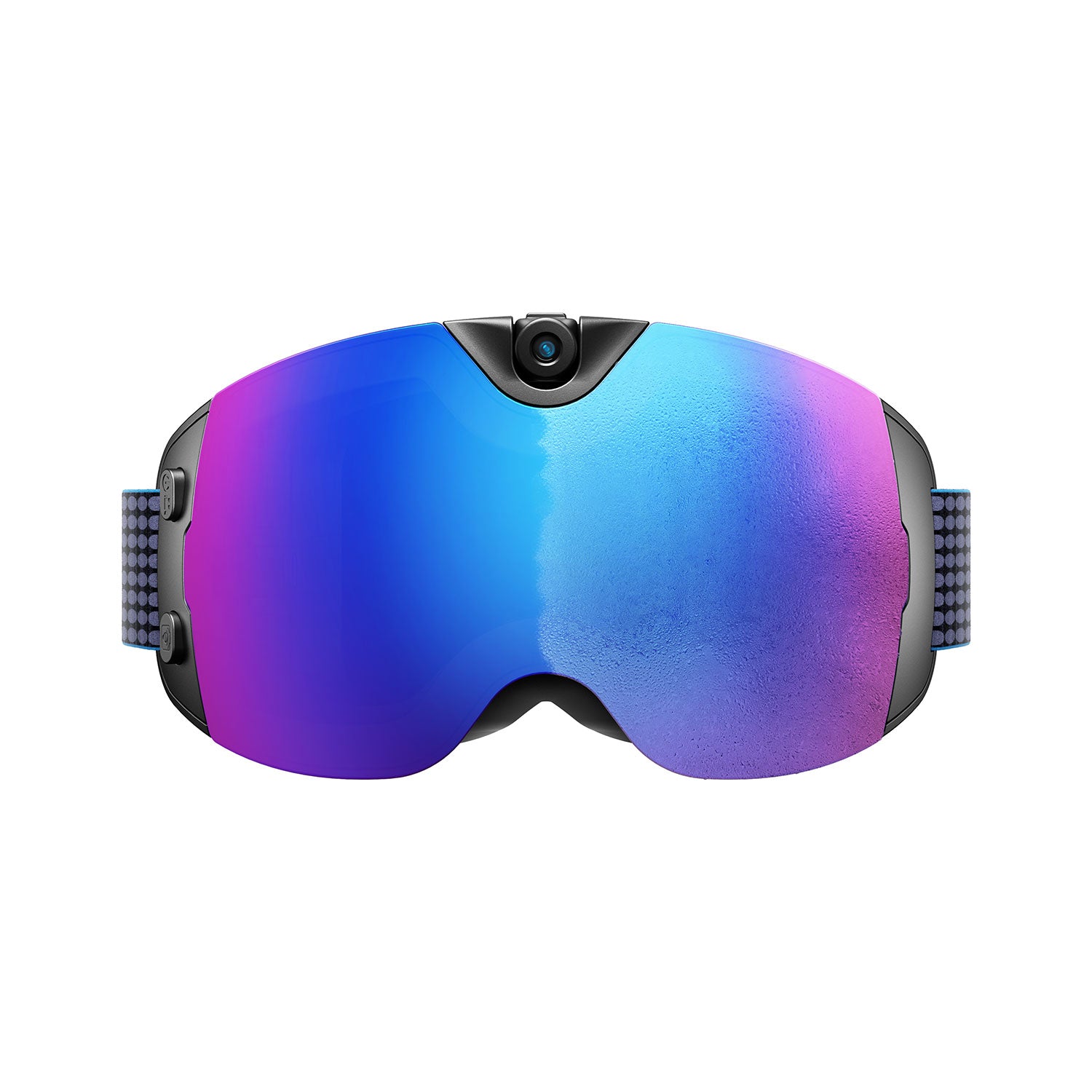
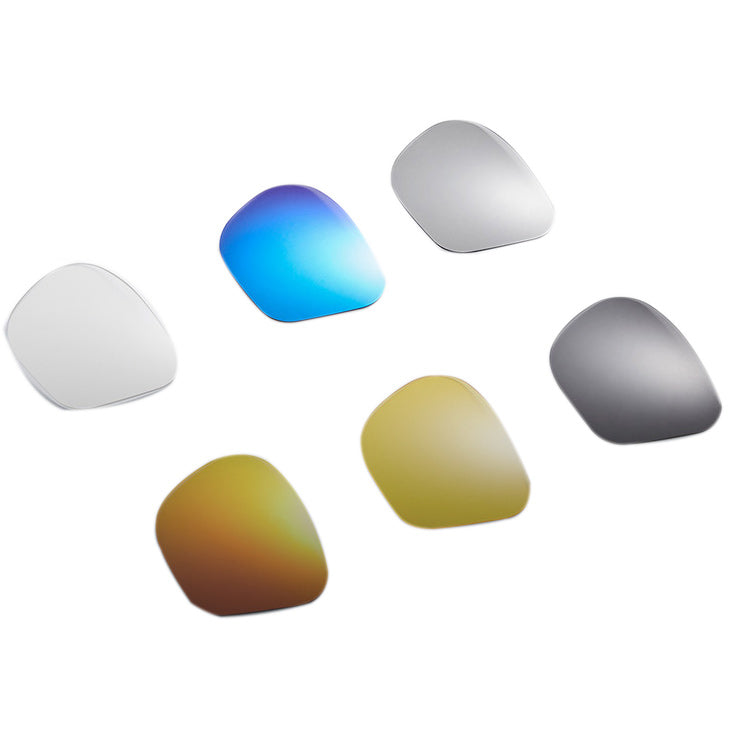


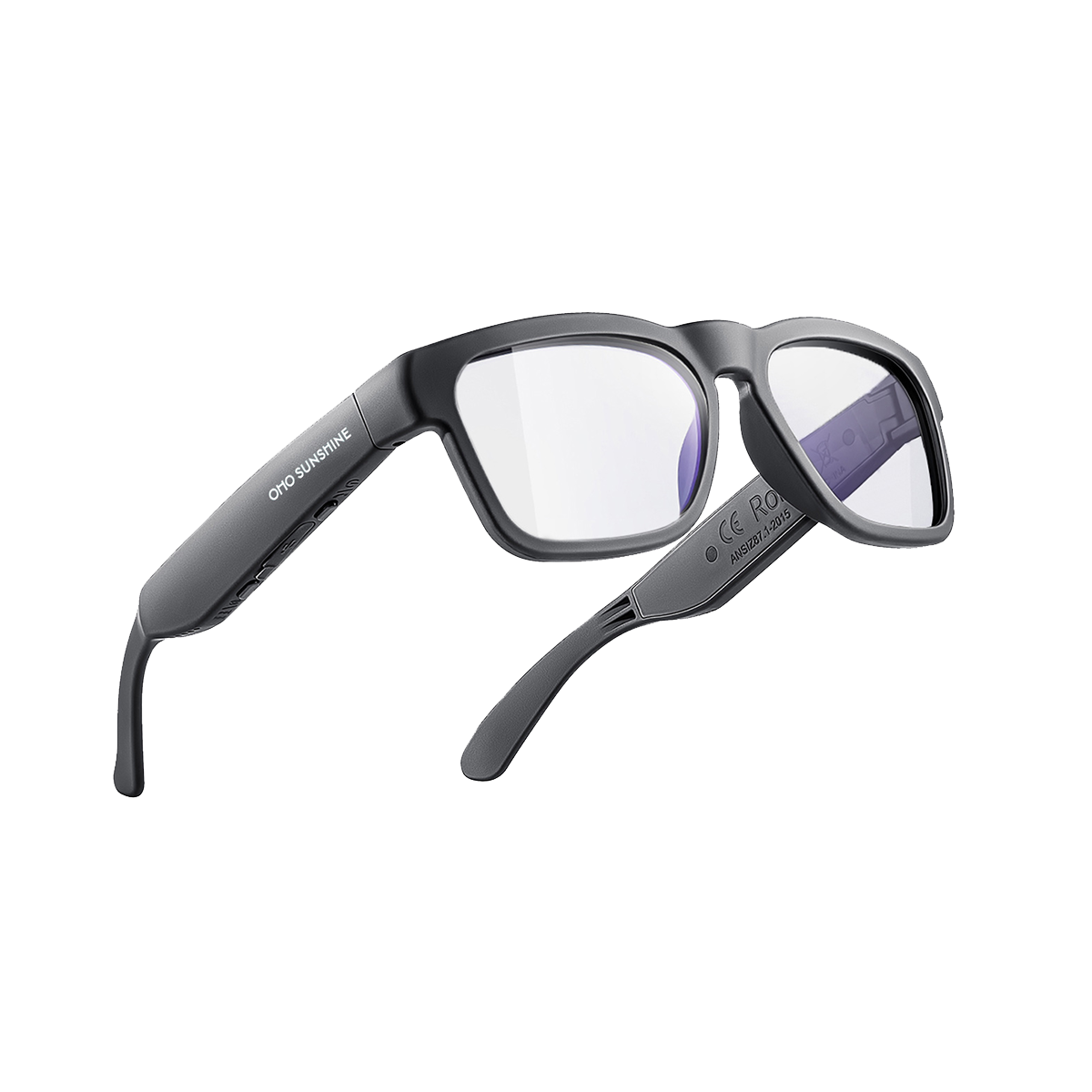
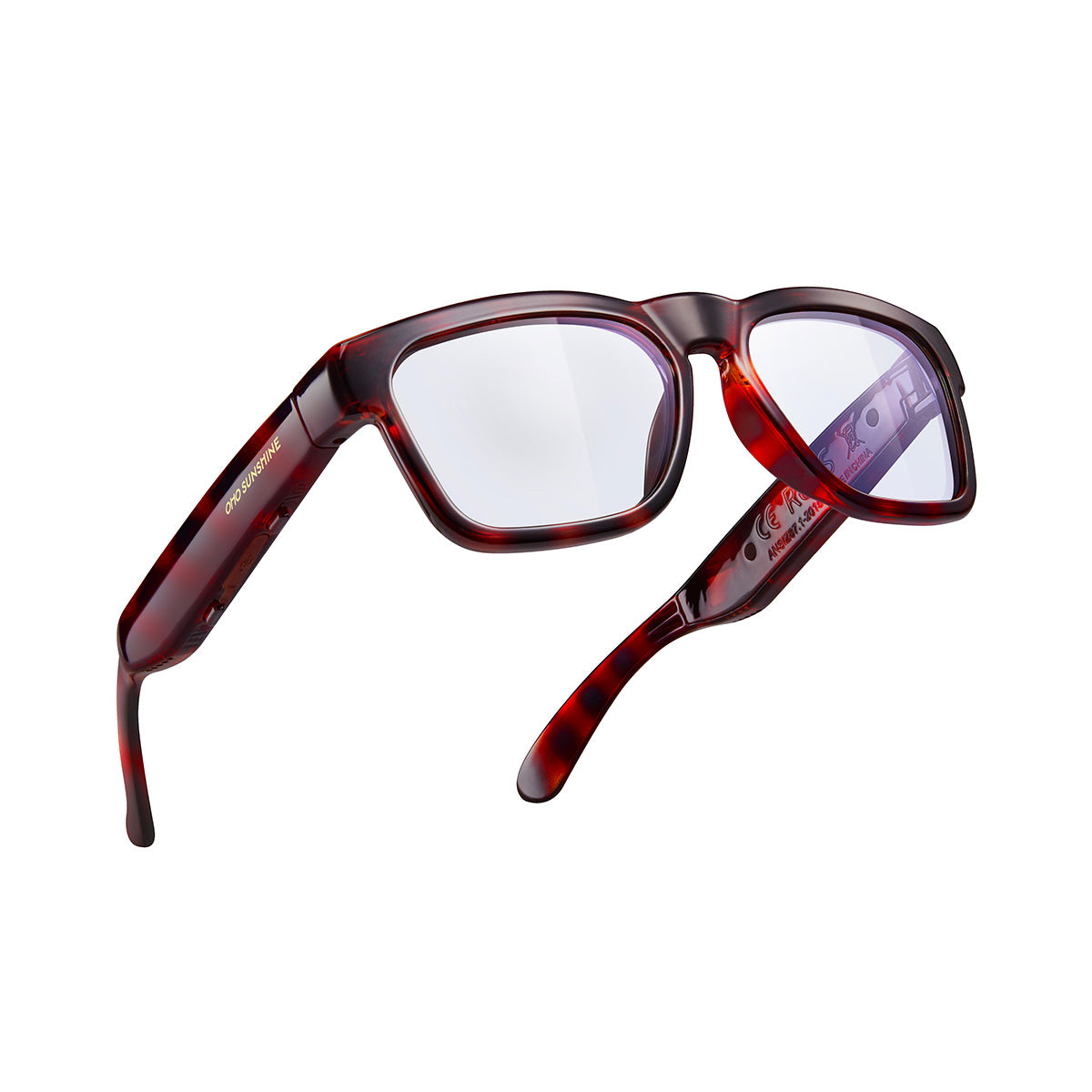
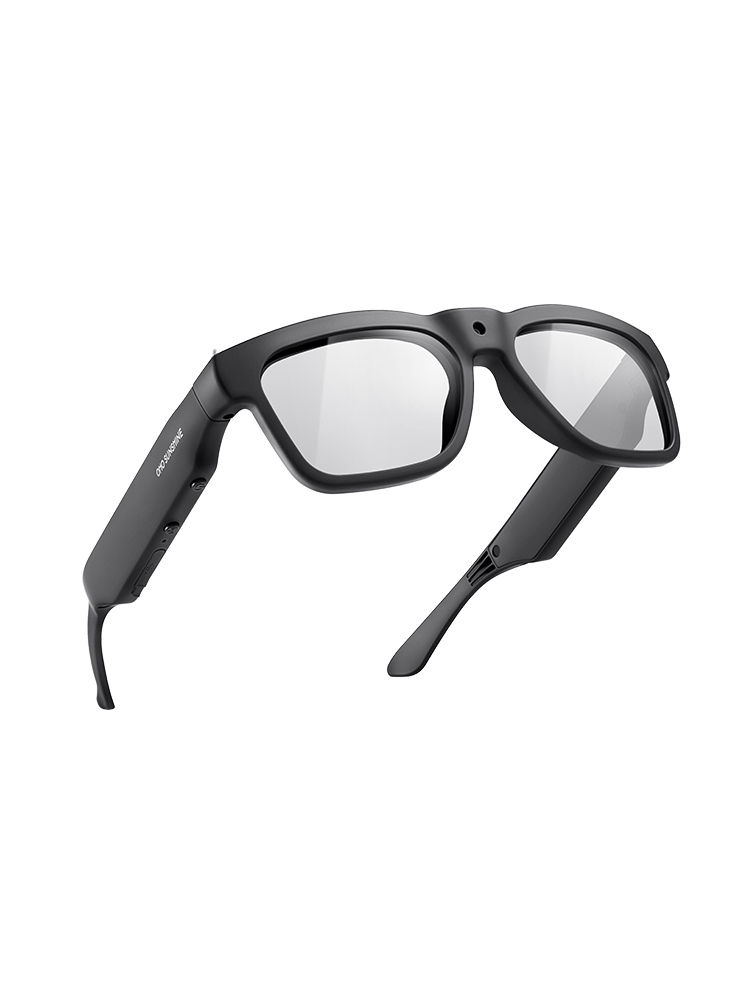


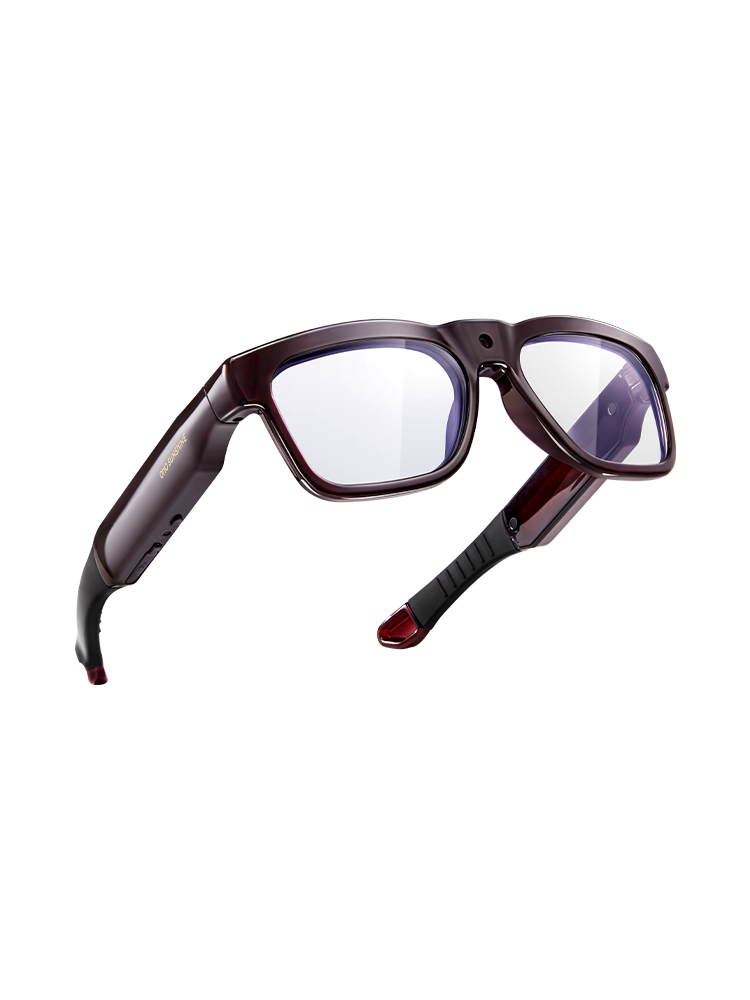


A missed word at the airport can delay a transfer. A confusing phrase at a hotel desk can make check-in harder than it should be. Translation glasses bring language support closer to the moment, helping travelers speak, listen, and respond with less phone juggling. Premium AI glasses offer a broader smart experience, but the better choice depends on how much your trip relies on real conversation.

Why Travel Communication Needs More Than a Phone Translator
Phone translators are useful, but travel does not always happen at a quiet table. Travelers often need to ask questions while carrying bags, walking through stations, checking signs, or speaking with staff in a busy place.
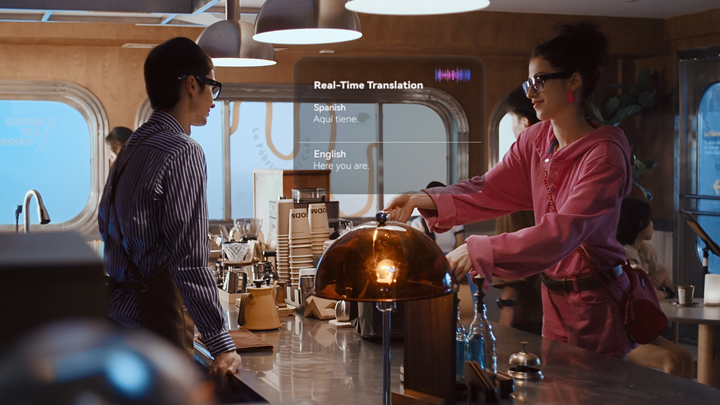
Translation glasses can make these moments feel more natural because the tool is already being worn. The user does not need to unlock a phone, open an app, hold the screen toward another person, or stop moving every time a question comes up.
For international travel, language friction often appears in small but important situations:
- Asking for airport gate or platform information
- Confirming hotel check-in details
- Ordering food or asking about ingredients
- Explaining a destination to a driver
- Shopping, returning items, or asking for prices
- Handling simple business travel conversations
The value of smart glasses with translation is not only the translation itself. It is the ability to keep the conversation closer to real life. The traveler can listen, speak, and stay aware of the surroundings at the same time.
Language translator glasses are especially helpful when communication is repeated throughout the day. One short phrase may be easy to handle on a phone. A full day of directions, service questions, appointments, and casual conversations can make hands-free translation more useful.
What Premium AI Glasses Add to a Trip
Premium AI glasses are designed for more than translation. Artificial intelligence, or AI, refers to software that can process information and respond to voice or app-based requests. In travel eyewear, AI may support questions, visual help, voice commands, live translation, audio, photos, videos, and connected apps. Ray-Ban Meta glasses are one well-known example of this premium AI glasses direction, with live translation, open-ear audio, camera capture, and AI assistant features working as part of a broader travel and lifestyle experience.
That makes premium AI glasses appealing to travelers who want one device for several travel tasks. They may want to capture short videos, listen to directions, ask quick questions, make calls, and use translation as part of a wider smart experience.
Open-ear audio is also common in smart eyewear. It means the speakers sit near the ears without sealing the ear canal. This allows the wearer to hear music, calls, navigation prompts, or translated speech while still hearing nearby traffic, announcements, and people.
Premium AI glasses can fit travelers who care about:
- Brand design and familiar frame styles
- AI features beyond translation
- Hands-free photos or short videos
- Open-ear music and calls
- Social sharing and connected apps
- A polished smart eyewear ecosystem
This type of product may be the better fit when translation is useful, but not the main purpose. A traveler who values content capture, AI assistance, and lifestyle features may prefer premium AI glasses for the whole trip experience.
When Translation-First Smart Glasses Work Better for Travelers
Translation-first smart glasses make more sense when cross-language communication is the main reason for buying. These users do not only want a smart wearable. They want fewer language barriers during real travel conversations.
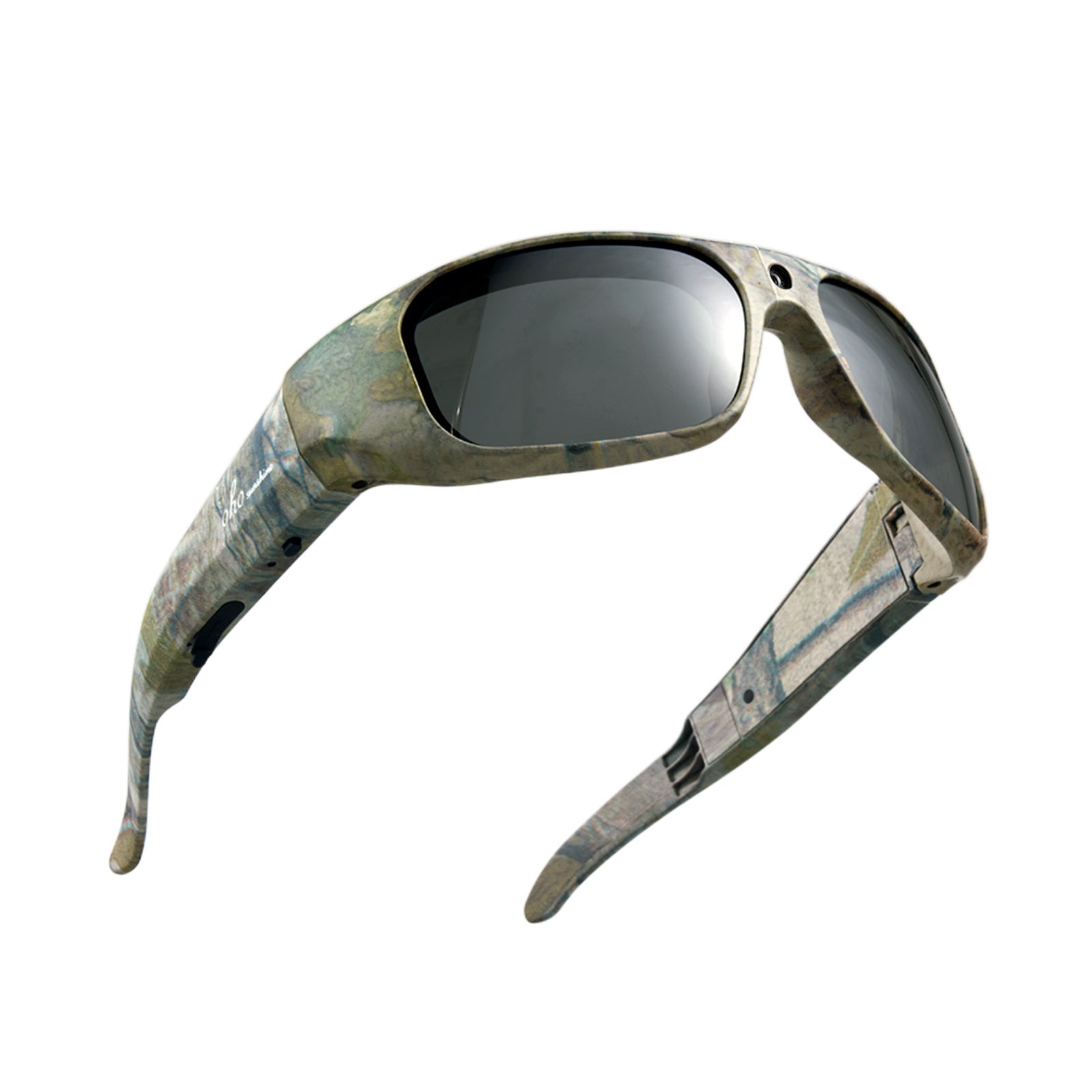
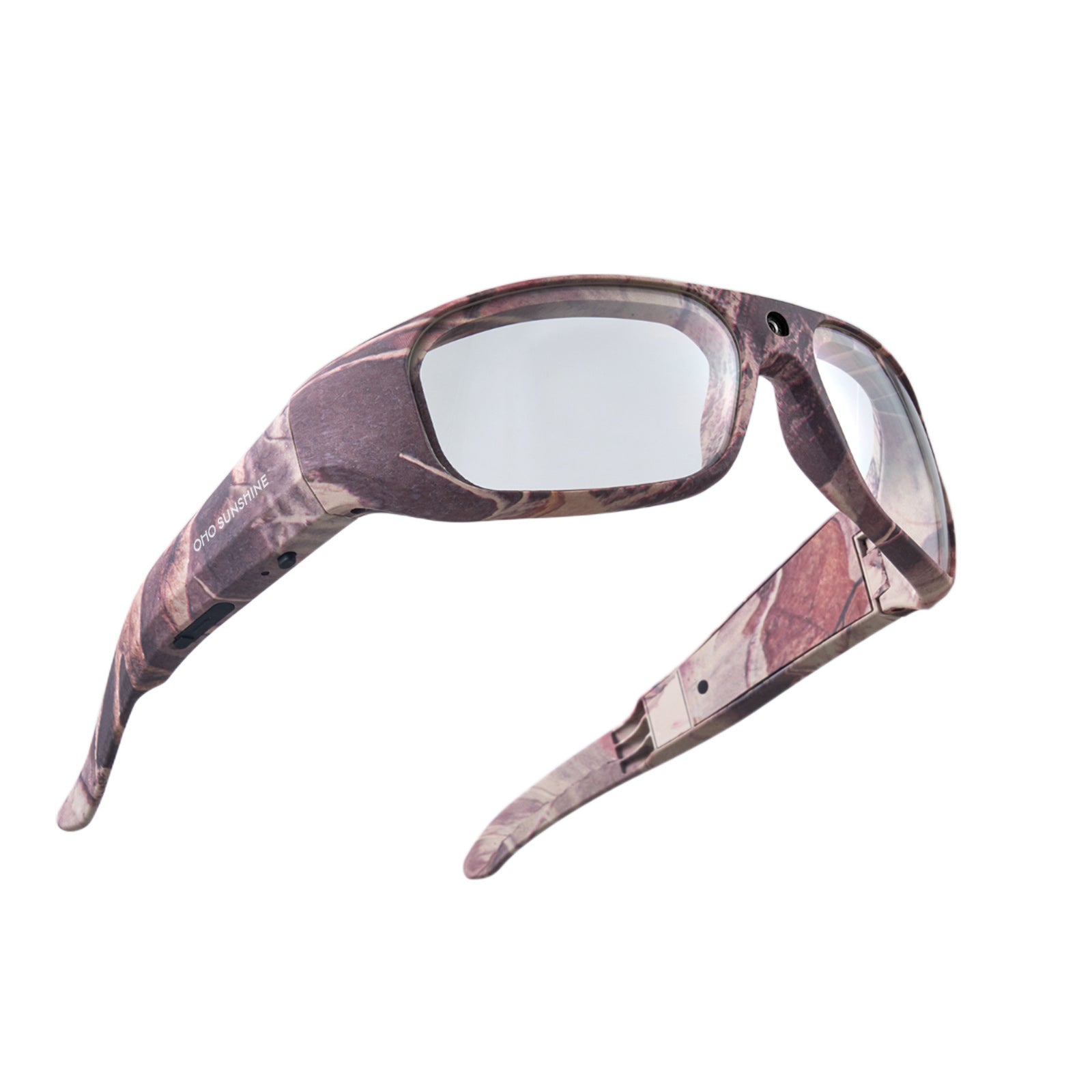
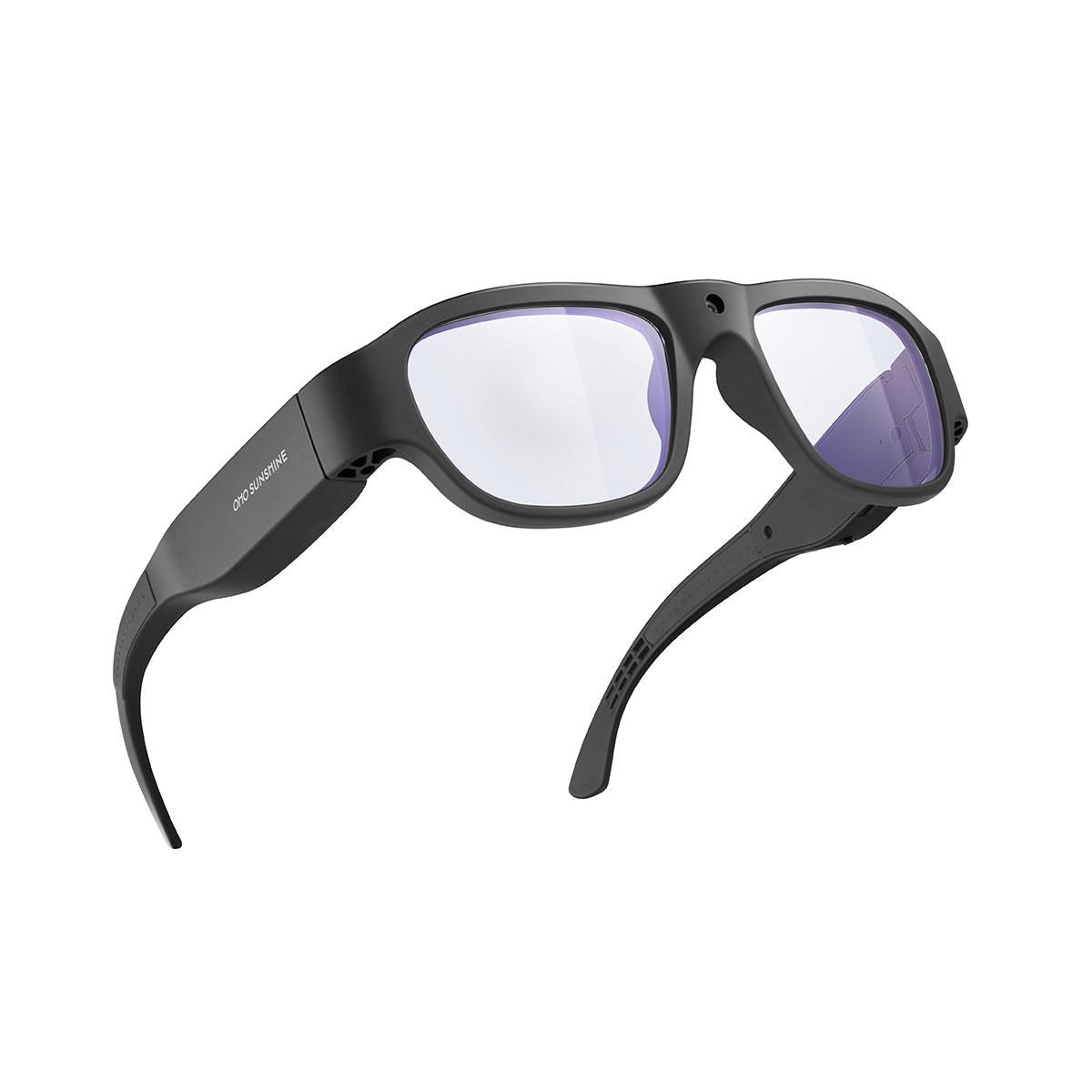
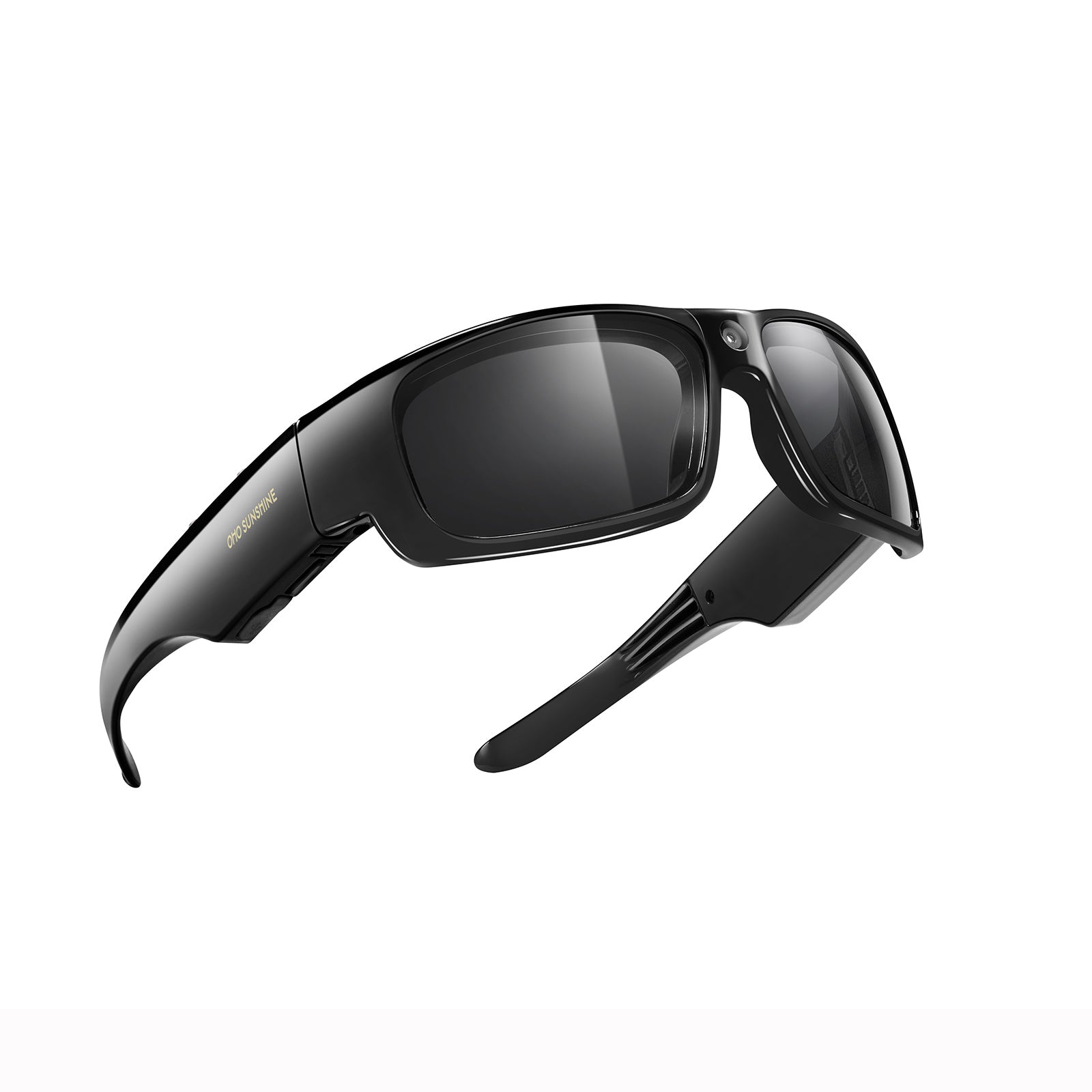
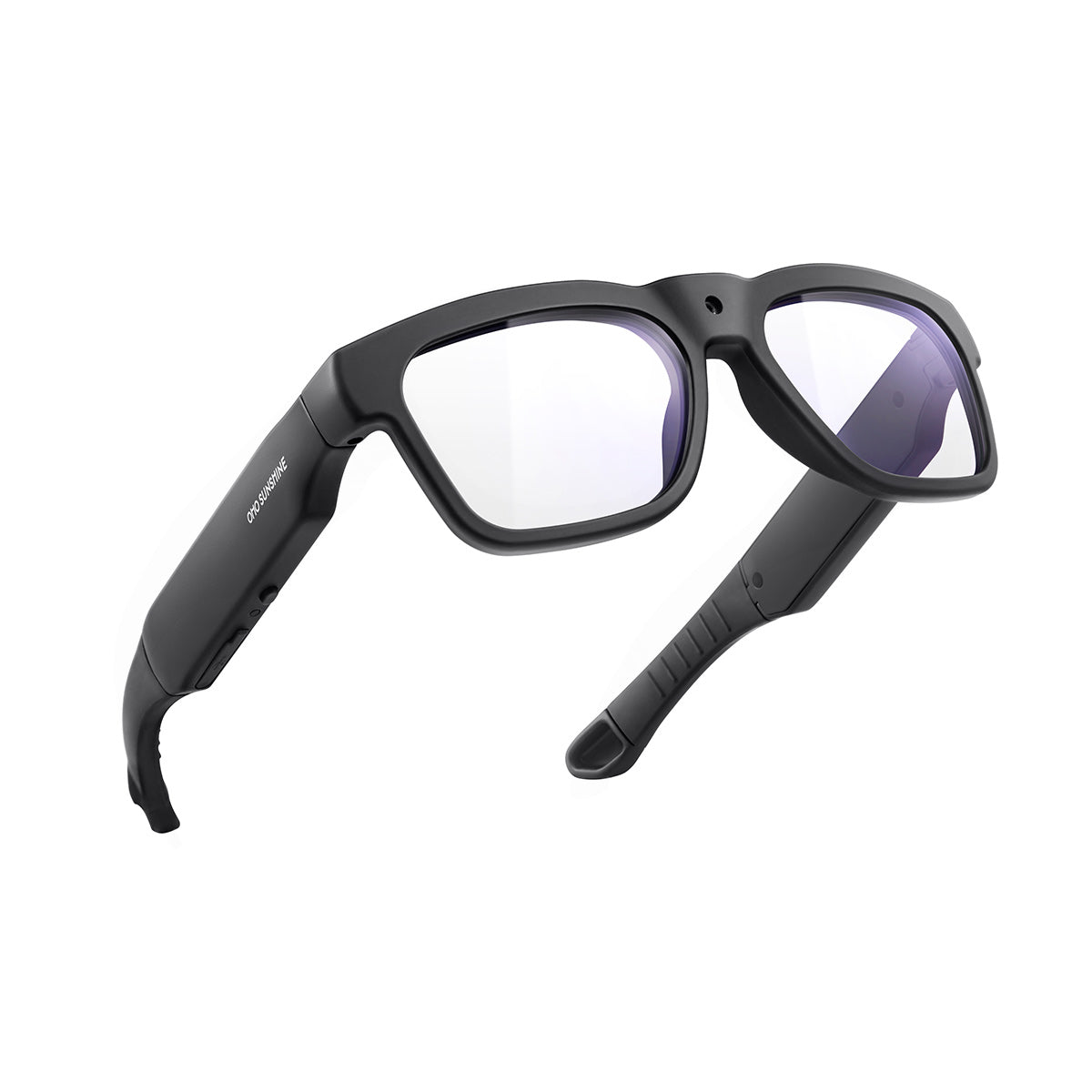
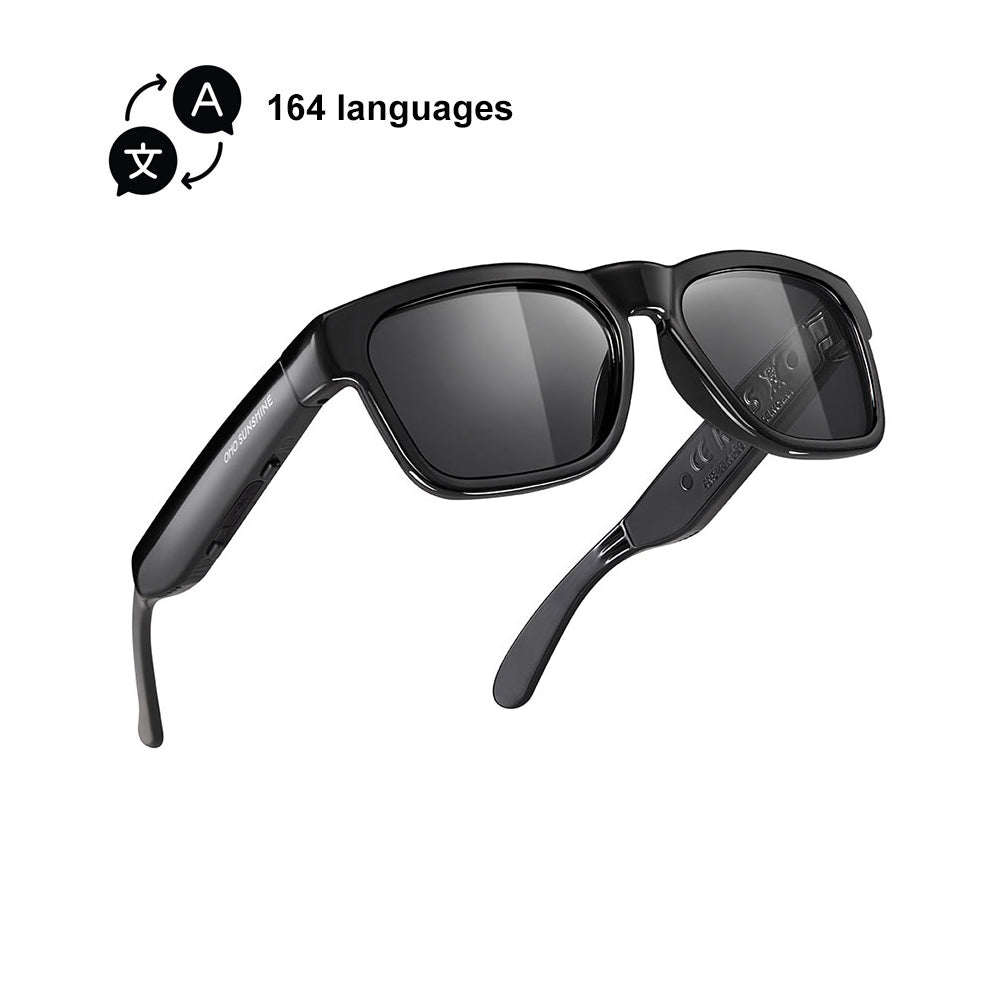
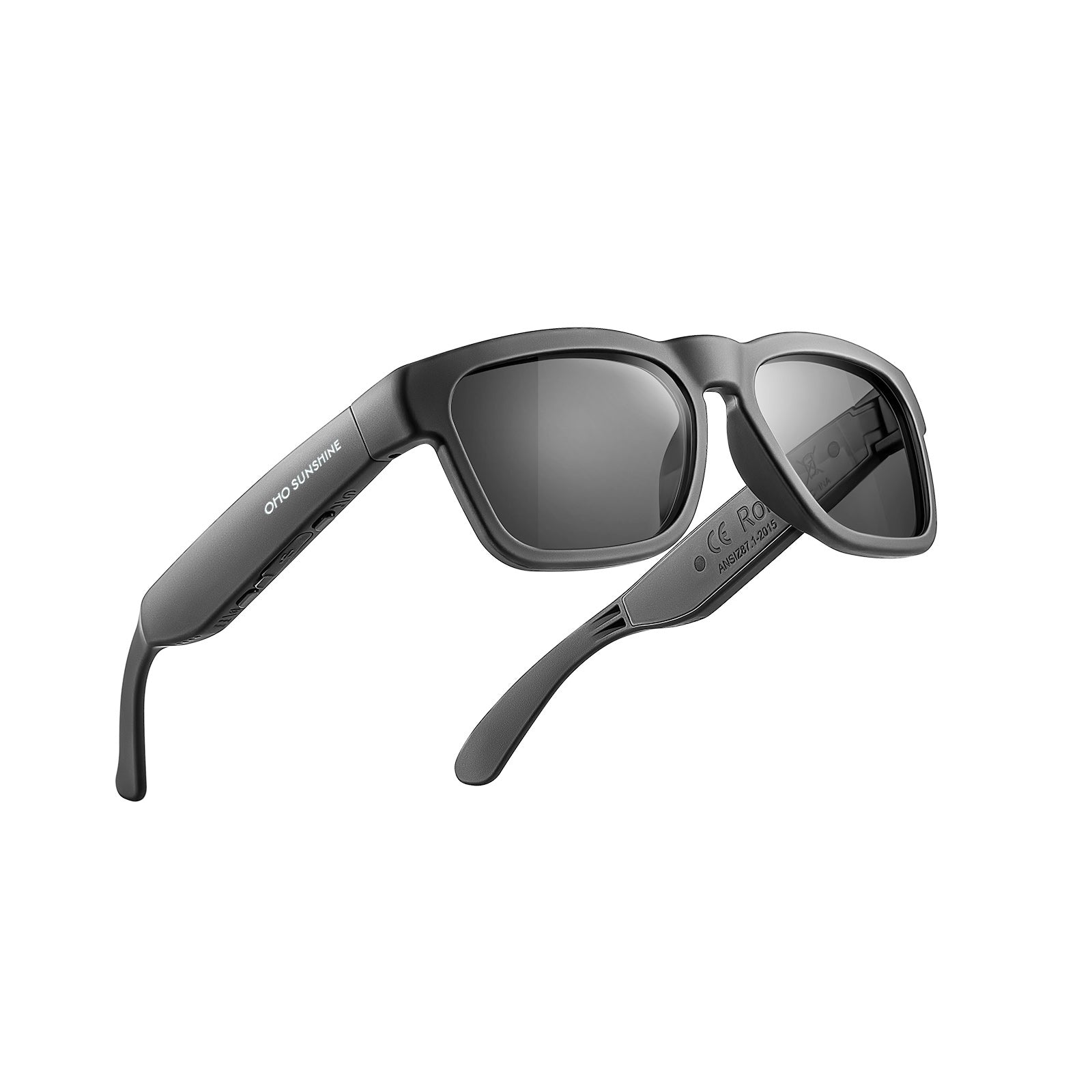
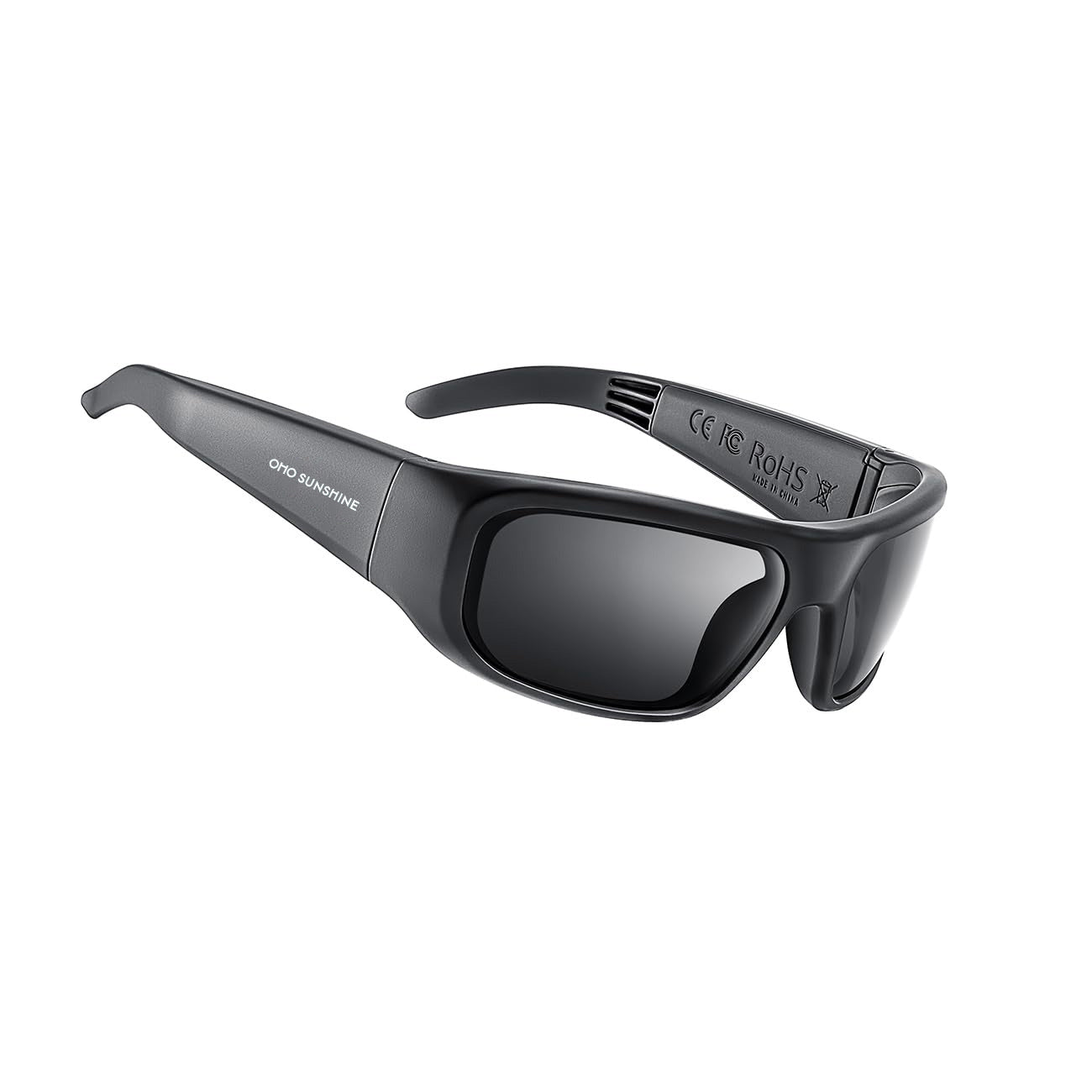
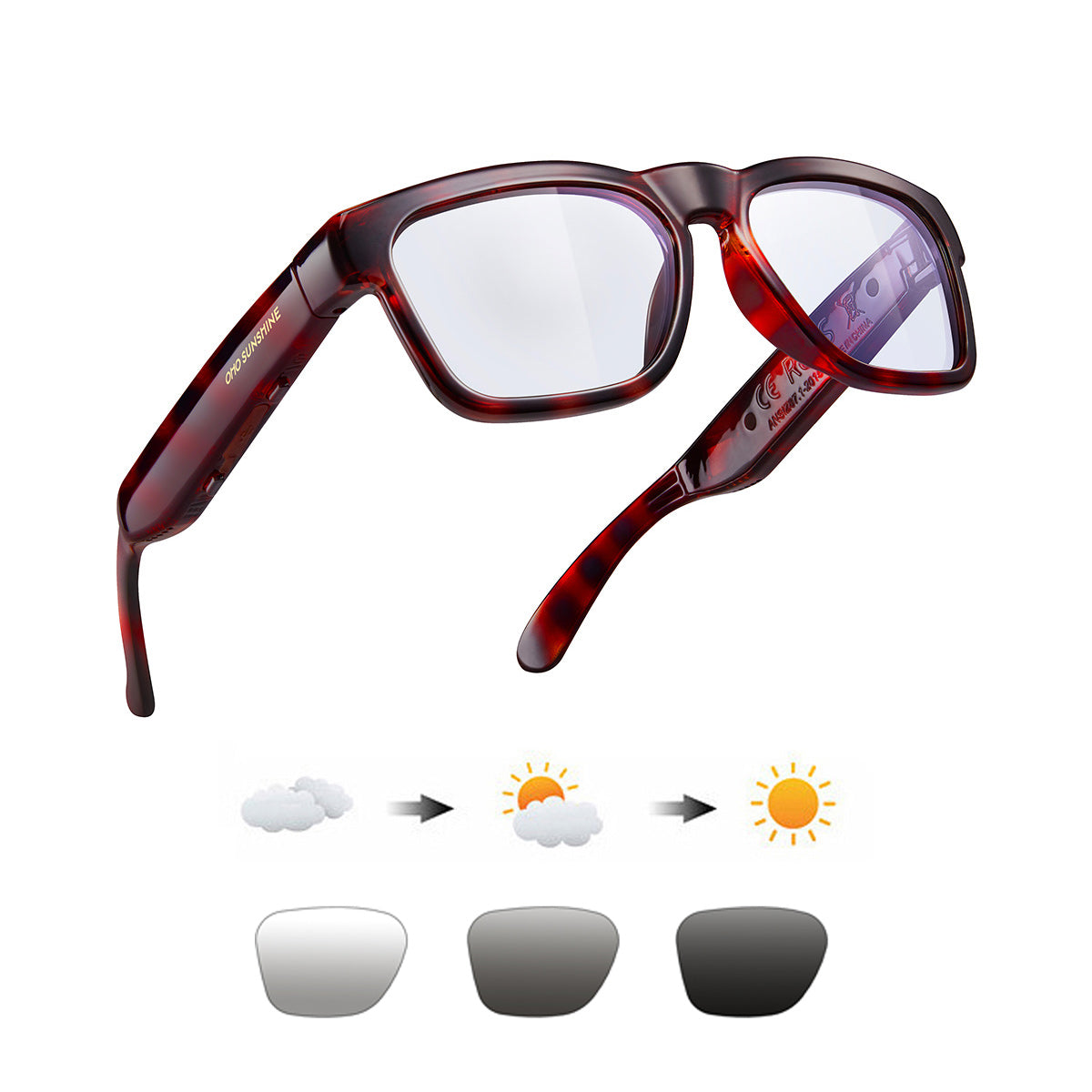
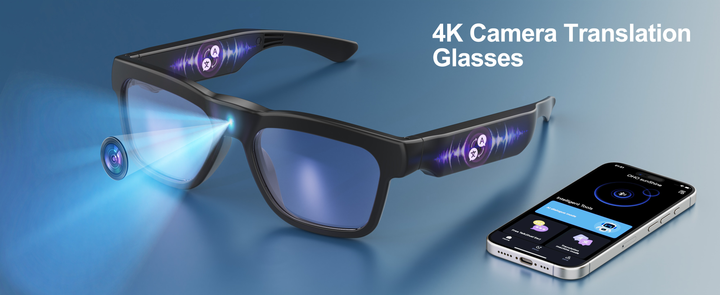
For example, selected OHO Sunshine smart glasses combine real-time translation with Bluetooth audio, hands-free calling, voice assistant access, AI Chat, and long battery life. This makes them useful during travel conversations, but also after the trip for daily listening, calls, and voice-based assistance.
AI Chat means a conversational AI feature that can respond to user questions. Voice assistant access means the glasses can help connect users to the phone’s built-in assistant for compatible commands. Bluetooth is a short-range wireless technology that connects the glasses to a phone or other supported device.
Translation-first smart glasses may fit better for:
- Frequent international travelers
- Business travelers who meet people across languages
- Students or workers in multilingual environments
- Travelers who prefer spoken help over screen-based translation
- Users who want translation plus daily audio and calls
The main benefit is focus. A premium AI device may offer many smart functions, while translation-first smart glasses keep travel communication near the center of the product experience.
That focus can matter during busy trips. When the most important task is understanding and being understood, language coverage, audio clarity, microphone performance, battery life, and quick access may matter more than camera or social features.

Travel Features to Compare Before Buying Translation Glasses
Travel adds pressure to smart eyewear. The glasses may be used in airports, taxis, hotels, restaurants, outdoor markets, and business spaces. Before choosing translation glasses, buyers should compare the features that affect real communication during a trip.
Language Coverage and Conversation Support
Language coverage is the first detail to check. Buyers should confirm whether the glasses support the languages they expect to use, including both the traveler’s language and the local language.
AI translation glasses may support different forms of conversation. Some focus on two-way spoken translation. Some may display text through a screen. Others may use a connected phone to show translated text while the glasses handle audio.
For travel, two-way conversation support can be especially useful. It allows both sides to speak in their own language while the system helps bridge the gap. Selected OHO Sunshine translation glasses support 165-language real-time translation, which can be valuable for travelers moving across regions or speaking with people from different backgrounds.
The number of supported languages is important, but so is the experience. A good travel translation setup should be easy to start, simple to control, and practical in public settings.
Audio Clarity in Airports, Hotels, and Restaurants
Travel spaces are rarely quiet. Airports have announcements. Restaurants have music and table noise. Hotel lobbies can be crowded. Audio clarity directly affects how useful smart glasses with translation feel in these settings.
Buyers should compare speaker volume, microphone placement, call quality, and how clearly voices are picked up during conversation. Open-ear audio can be convenient because it lets the traveler hear translated speech while staying aware of the environment.
Hands-free calling is another useful travel feature. A pair of Bluetooth audio glasses that can handle calls, translation, and spoken directions may remain useful even when no translation is needed.
This is where OHO Sunshine’s communication-focused approach fits naturally: Bluetooth audio, real-time translation, hands-free calling, and AI features can support airport questions, business calls, hotel check-ins, and everyday listening.
Battery Life, Comfort, and All-Day Wear
Travel days can be long. Glasses may be worn through flights, transfers, walking tours, meetings, and evening plans. Battery life and comfort can decide whether the glasses stay useful from morning to night.
Battery life should be compared by use case. Translation, calls, music, and AI functions may use power differently. Buyers should look at the expected use pattern instead of judging only by the maximum number listed on a product page.
Comfort matters just as much. Weight, frame shape, temple pressure, lens type, and material all affect long-term wear. Photochromic lenses, which darken in sunlight and become clearer indoors, can help one pair adapt to changing travel environments. Blue-light-blocking lenses filter part of the blue light reaching the eyes from screens and other sources.
For travelers, the best smart glasses are the ones that remain comfortable enough to keep wearing. A powerful feature is less helpful if the glasses are removed after an hour.
Connectivity, App Use, and Voice Controls
Many translation and AI functions rely on a connected phone, app, or internet access. Buyers should check these details before traveling because roaming, weak signals, and app settings can affect the experience.
Key questions include:
- Does translation require internet access?
- Which phone systems are supported?
- Is a companion app required?
- Can languages be changed easily?
- Are voice controls available?
- How are software updates handled?
Voice controls can reduce friction during travel. They allow users to start a function, answer a call, or access assistance with less tapping. However, commands should be simple and realistic for crowded settings.
A smooth connection can make translation glasses feel natural. A weak or confusing setup can interrupt the exact moment when help is needed most.
Which Smart Glasses Fit Different Travel Scenarios
Different travel situations point to different priorities. The table below helps match the product type to the travel need.
|
Travel Scenario |
Better Fit |
Why It Matters |
|
Airport questions and transportation help |
Translation glasses |
Fast language support can reduce confusion |
|
Hotel check-in and restaurant ordering |
Translation-first smart glasses |
Conversation is the main task |
|
Sightseeing and content sharing |
Premium AI glasses |
Camera, AI, and social features may matter more |
|
Business travel conversations |
AI translation glasses |
Translation, audio, and calling work together |
|
Long travel days |
Comfortable Bluetooth audio glasses |
Audio, calls, and wearability remain useful |
|
Multicountry trips |
Smart glasses with translation |
Wider language coverage supports changing regions |
This comparison is not about one category winning every situation. A traveler who mostly wants content, AI tools, and style may prefer premium AI glasses. A traveler who expects repeated cross-language conversations may find translation glasses more practical.
The safest way to decide is to start with the most common travel problem. If the problem is communication, translation should lead. If the problem is capturing and connecting the whole trip, broader AI features may lead.
Make Travel Communication Easier
Travel conversations move fast, and the right glasses should help without adding extra steps. Translation glasses fit travelers who need language support first, while premium AI glasses suit users who want broader smart features. Compare language coverage, audio clarity, battery life, comfort, and daily usability before deciding which pair fits your next trip.
FAQs
Q1. Are Translation Glasses Good for International Travel?
Yes, translation glasses can be useful for international travel because they support communication without requiring constant phone handling. They are especially helpful for directions, hotel service, transportation, dining, shopping, and simple conversations. Travelers should still confirm language support and connection requirements before departure.
Q2. Are Premium AI Glasses Better Than Translation Glasses for Travel?
Premium AI glasses may be better for travelers who want cameras, AI tools, open-ear audio, and connected lifestyle features in one pair. Translation glasses may be better when cross-language conversation is the main need. The stronger option depends on whether the trip requires more communication support or more all-around smart features.
Q3. Do AI Translation Glasses Need Internet Access While Traveling?
Many AI translation glasses use online processing for real-time translation, so internet access is often needed. Some features may still work through Bluetooth or phone connection, depending on the model. Before traveling, check app requirements, mobile data availability, roaming plans, and supported regions.
Q4. What Features Matter Most in Translation Glasses for Travel?
The most important features are language coverage, audio clarity, microphone quality, comfort, battery life, and easy controls. For frequent travelers, Bluetooth audio, hands-free calling, and AI support can also add daily value. The best pair should help with communication without making the travel routine more complicated.



Leave a comment
All comments are moderated before being published.
This site is protected by hCaptcha and the hCaptcha Privacy Policy and Terms of Service apply.