











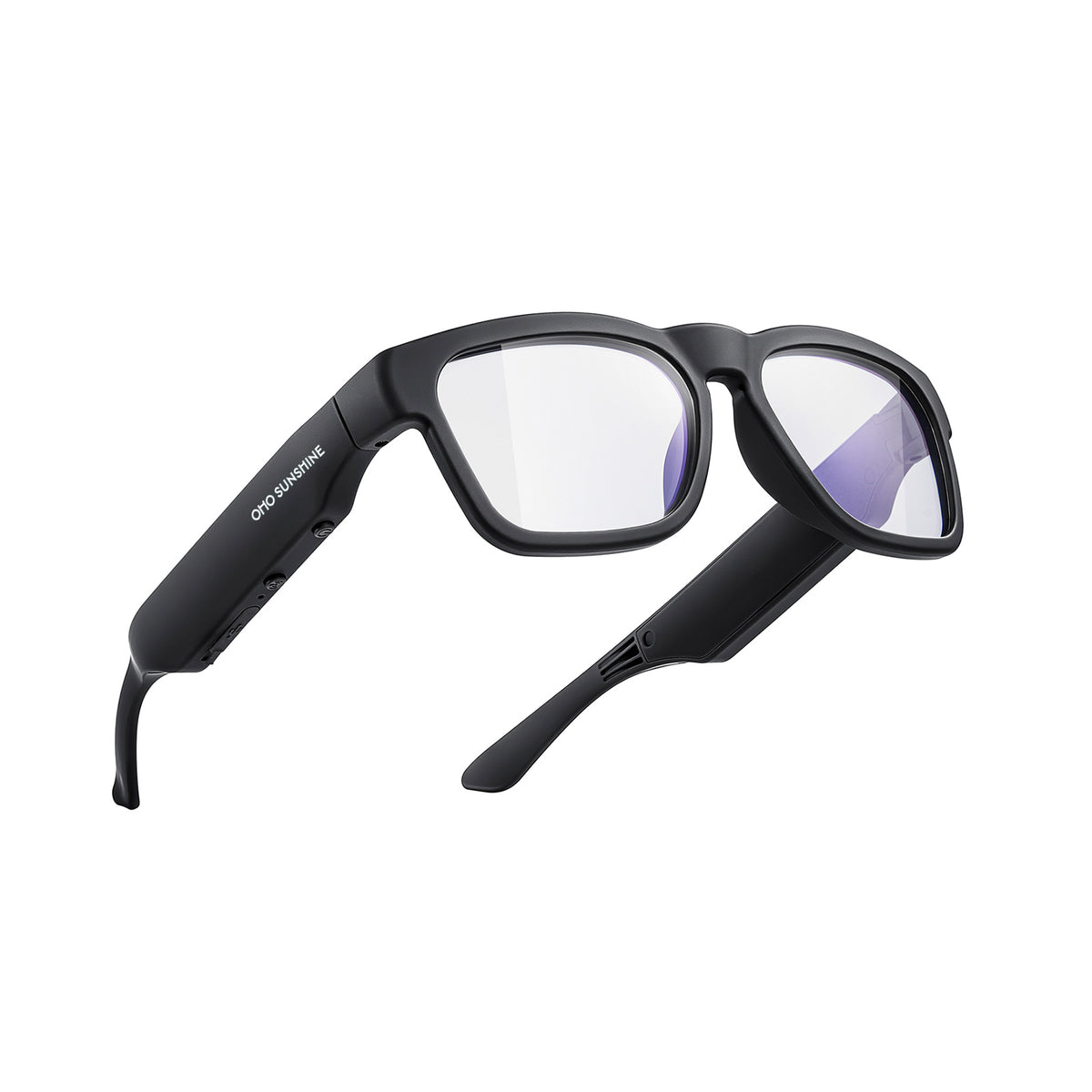




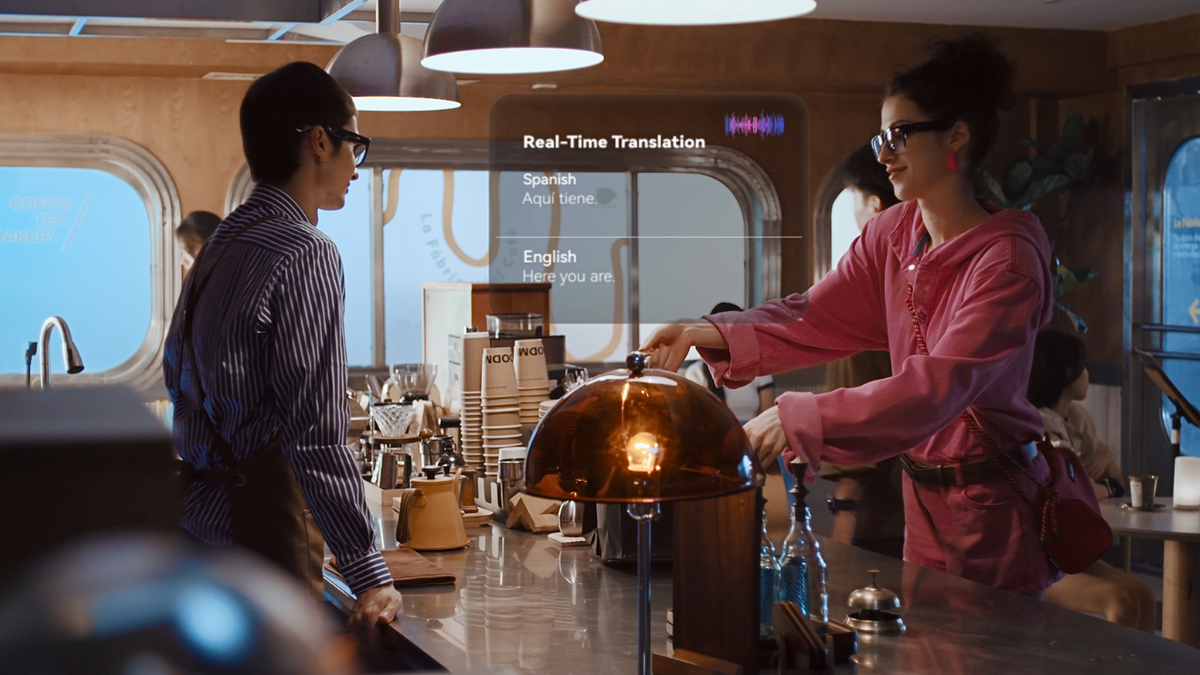
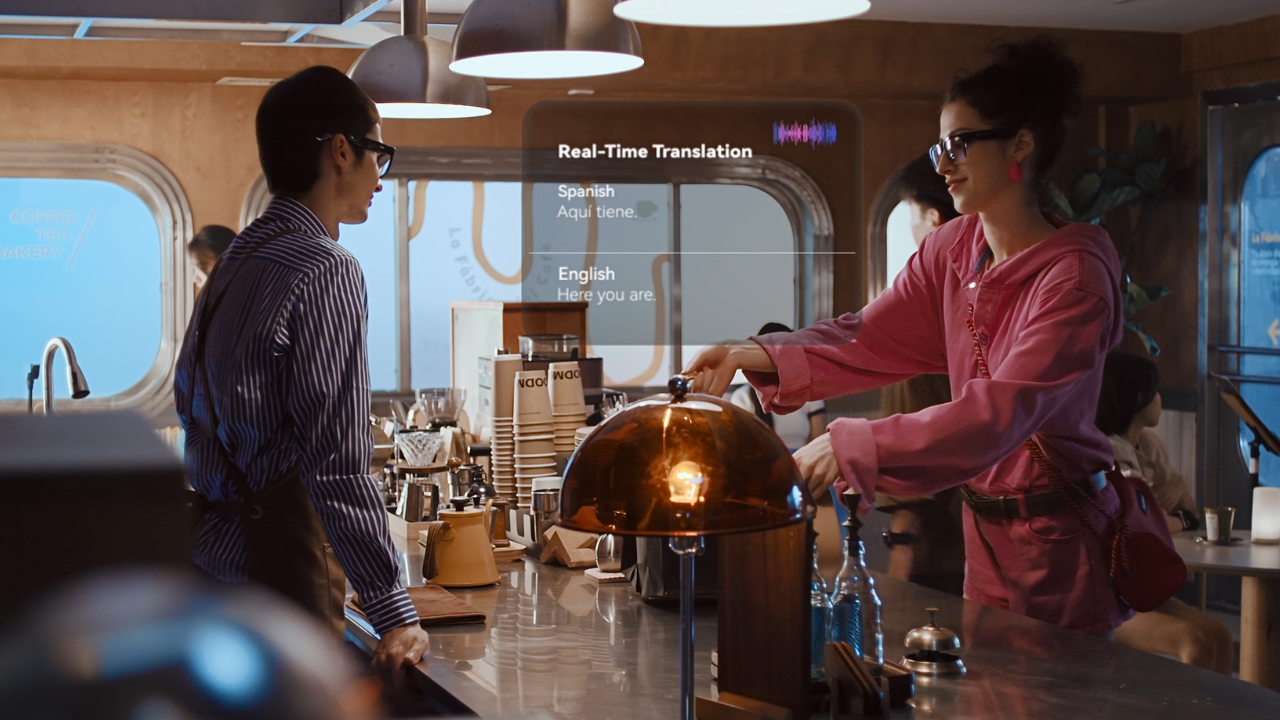
A missed sentence can change a hotel booking, business meeting, or simple conversation. Translation glasses help reduce that friction by bringing spoken language support closer to everyday eyewear. Some models focus mainly on real-time translation, while broader AI smart glasses add audio, calling, cameras, voice controls, and conversational tools. Choosing between them starts with one question: what do you need the glasses to do most often?
Translation Glasses and AI Smart Glasses Serve Different Needs
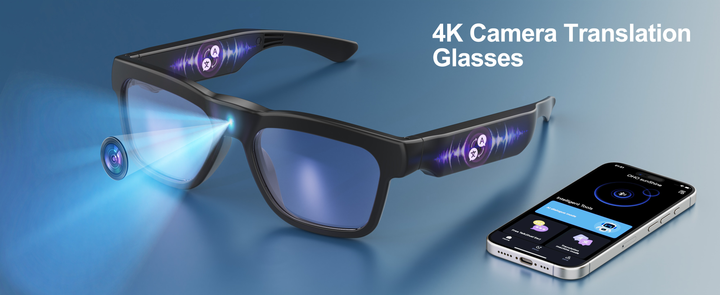
Translation glasses focus mainly on helping people communicate across languages. Depending on the design, they may deliver translated speech through open-ear speakers or display translated text within the wearer’s view.
AI smart glasses cover a broader range of functions. Along with translation, they may support voice assistance, AI Chat, calls, music, navigation, photos, or video recording.
The better choice depends on priority. Frequent travelers and multilingual professionals may place translation first. Buyers who want one wearable for communication, entertainment, and connected tasks may prefer broader AI smart glasses.
When Translation Glasses Are Most Useful
Translation glasses can make communication feel more continuous because users do not need to hold a phone during every conversation. This can be helpful when carrying luggage, checking directions, attending a trade show, or speaking with someone while completing another task.
Travelers may use smart glasses with translation in several situations:
- Asking for directions or transportation details
- Speaking with hotel or restaurant staff
- Following basic conversations during tours
- Communicating at airports and train stations
- Handling simple shopping or service questions
They can also support daily communication outside tourism.
International teams may use translation tools during informal workplace conversations. Sales professionals may find them helpful at exhibitions. Multilingual families can use them during casual conversations, while language learners may use translated audio to compare familiar words with new phrases.
Translation glasses are most useful when communication needs to remain natural and hands-free. They are not limited to major trips. Commuting, customer service, international networking, and community events can all involve language barriers.
The value also depends on how often the feature will be used. Someone who travels once every few years may prefer general AI smart glasses with several functions. A frequent traveler or multilingual professional may place greater value on wider language coverage and faster access to translation.

Features to Compare Before Buying Translation Glasses
Translation quality is important, but it is only one part of the buying decision. The glasses also need to fit comfortably, connect reliably, and work well in the settings where communication happens.
Language Coverage and Translation Method
A larger language list can make AI translation glasses more useful across countries and communities. Buyers should check both the number of supported languages and whether their required language pairs are included.
Translation methods also differ. Some glasses play translated speech through speakers. Others show subtitles on a built-in display. Certain models may use a connected phone to show text while the glasses handle audio.
Consider how you prefer to receive information. Audio can support eye contact and natural movement. Visual subtitles may help in places where spoken translation is difficult to hear.
Internet requirements also matter. Many real-time translation systems use online processing, so performance can depend on network access. Travelers should check mobile data and roaming arrangements before visiting areas with limited connectivity.
Audio and Call Quality
Bluetooth is a short-range wireless technology that connects the glasses to a phone or another compatible device. Bluetooth audio glasses can often play music, provide navigation prompts, handle calls, and deliver translated speech through the same speakers.
Clear sound matters because a translation is less useful when the listener cannot hear it. Compare speaker volume, voice clarity, microphone placement, call performance, and controls.
Microphone performance becomes especially important in:
- Airports and stations
- Busy streets
- Restaurants
- Trade shows
- Outdoor events
A good audio system should also support daily use beyond translation. Glasses that handle calls, music, and spoken directions can remain useful after the trip ends.
AI Features and Voice Controls
Some language translator glasses focus on translating speech. Broader AI smart glasses may also include conversational AI, voice controls, reminders, information searches, and phone assistant access.
AI Chat is a conversational feature that allows users to ask questions and receive generated responses. For travelers, it may help with general questions about schedules, phrases, destinations, or daily planning.
Voice controls can reduce the need to touch the frame or phone. However, buyers should check what each command can actually do. Translation, AI Chat, phone voice assistance, and basic playback controls may operate as separate functions.
More AI functions do not always make a product more suitable. A buyer who mainly needs translation and calls may value simple controls more than a long feature list.
Comfort, Battery Life, and Connectivity
Smart glasses need to remain comfortable through flights, meetings, walking tours, and commutes. Weight, temple pressure, frame flexibility, lens type, and overall balance all affect long-term wear.
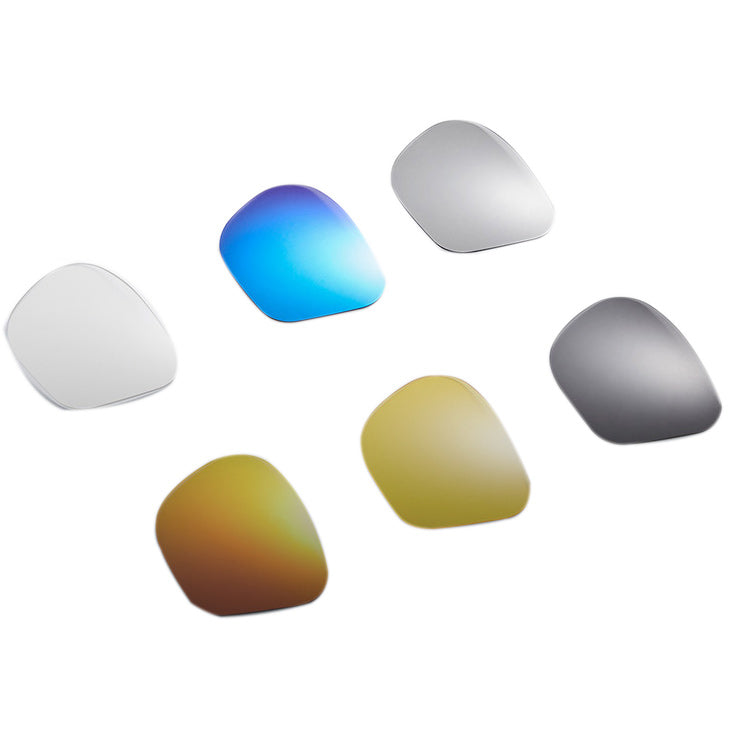
Photochromic lenses darken in response to ultraviolet light and become clearer indoors. They can help one pair adapt to changing indoor and outdoor conditions. Blue-light-blocking lenses are designed to filter part of the blue light reaching the eyes from screens and other sources.
Battery life should be evaluated according to expected use. Translation, calls, music, and AI tools may consume power at different rates. Buyers should also check the charging port, charging time, phone compatibility, and required operating system.
A reliable connection is just as important as battery capacity. Translation glasses that frequently lose their phone connection can interrupt conversations at the wrong moment.

Which Type Fits Your Travel and Communication Needs
The right category becomes clearer when each product type is matched with a main use case. The table below provides a simple comparison.
|
Main Priority |
Product Type to Consider |
Main Benefit |
|
Spoken translation during travel |
Audio translation glasses |
Translated speech can be heard without holding a phone |
|
Translated text in the field of view |
Display-based translation glasses |
Users can read subtitles while looking ahead |
|
Calls, music, and occasional translation |
Bluetooth audio glasses with translation |
One pair covers several daily audio needs |
|
AI questions and connected features |
Broader AI smart glasses |
Translation works alongside other AI tools |
|
Hands-free photos and short videos |
Camera-equipped AI glasses |
Users can record without holding another device |
|
Frequent multilingual communication |
Translation-focused smart glasses |
Language coverage remains a central product function |
This comparison is not a ranking. A display-based model may be useful for visual readers, while audio translation glasses may provide a lighter and more familiar everyday experience. The best fit comes from matching the main feature to the situations that occur most often.
How OHO Sunshine Supports Translation and Daily Communication
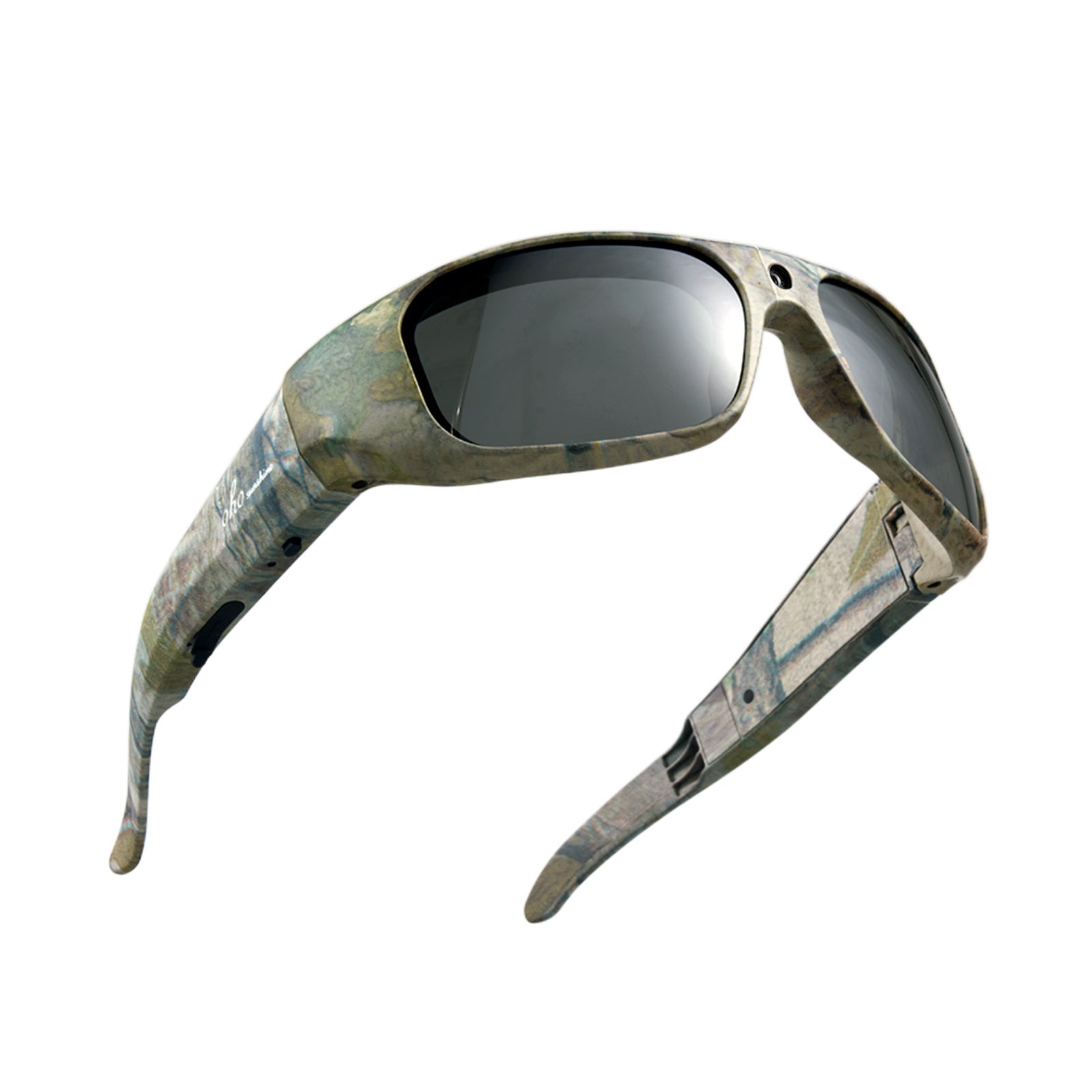
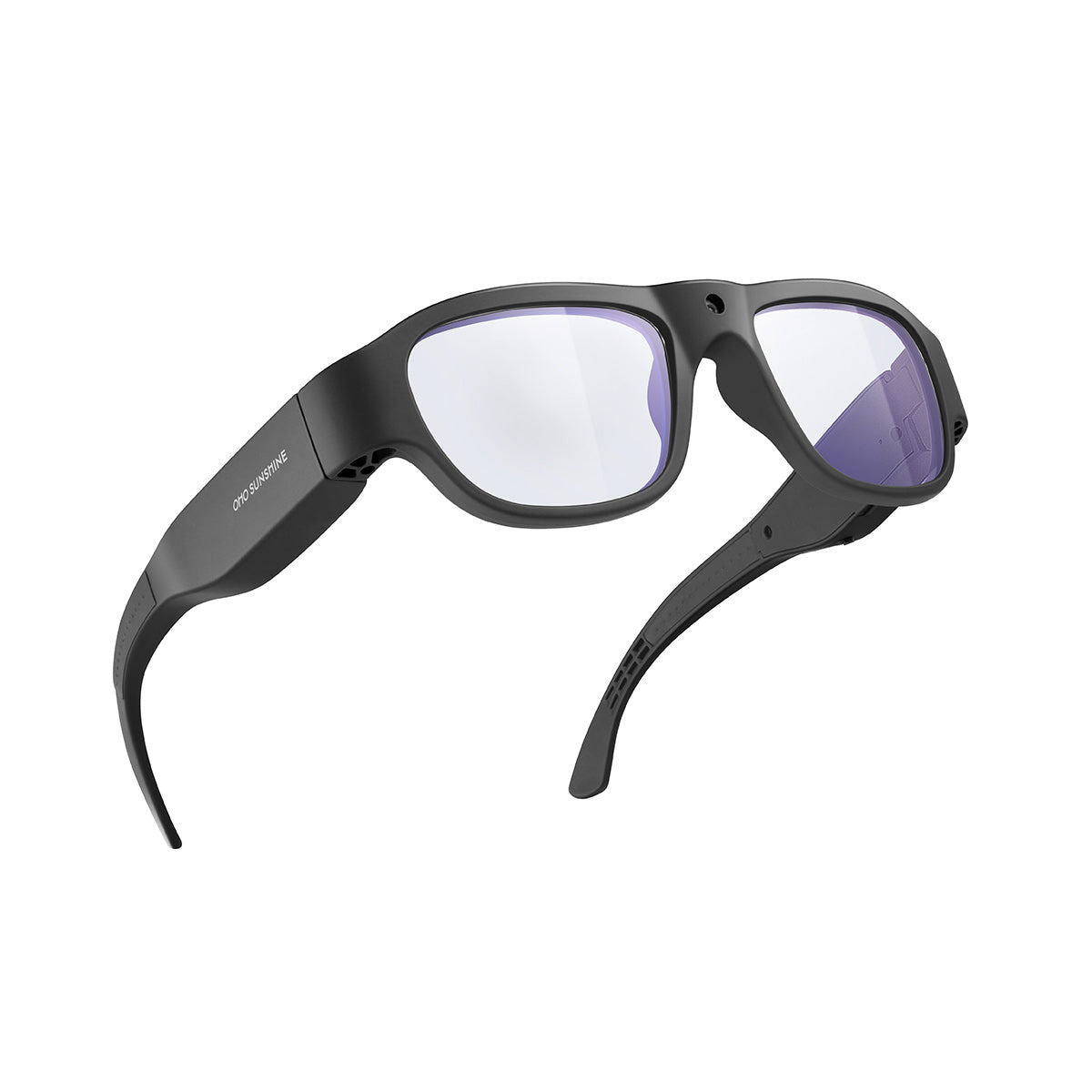
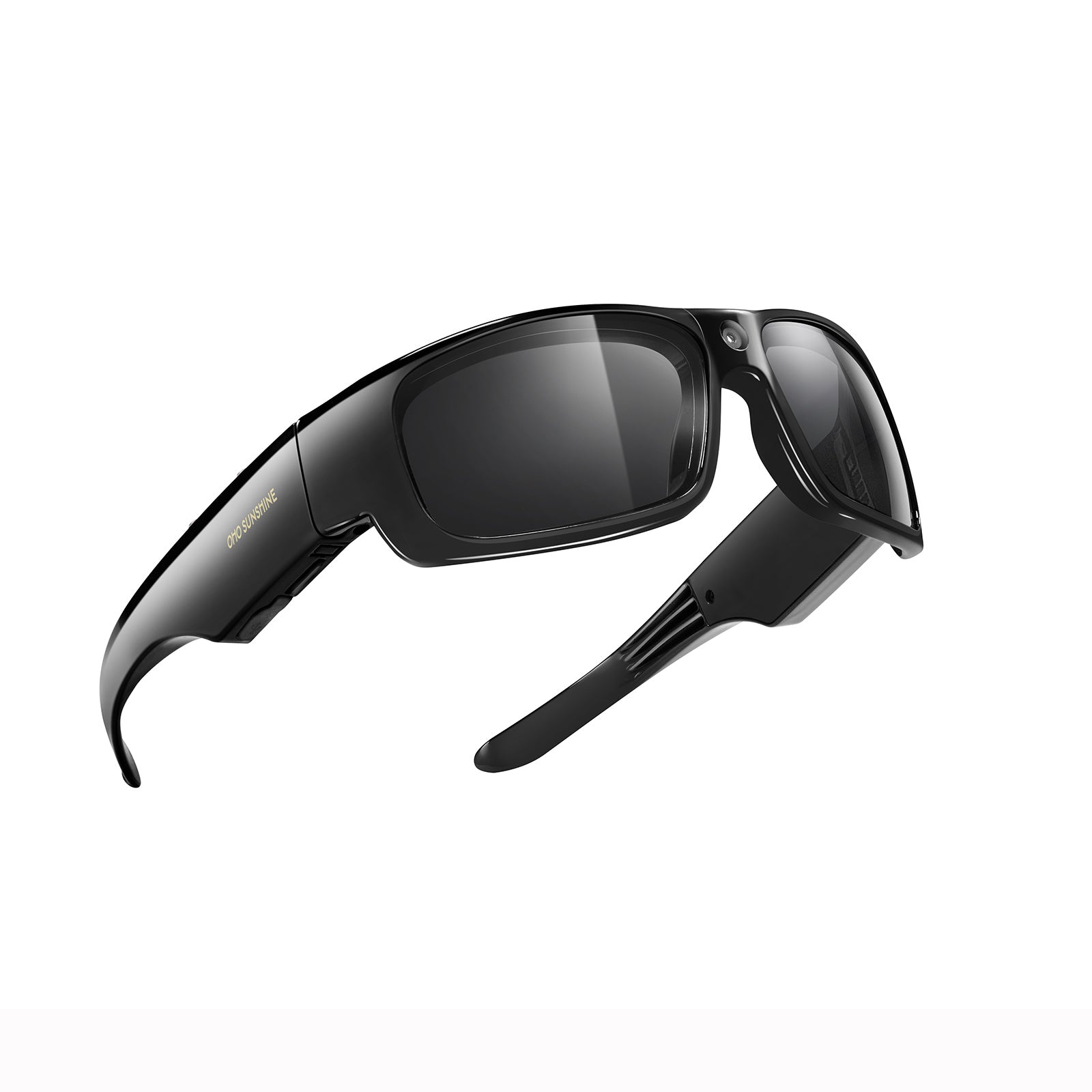
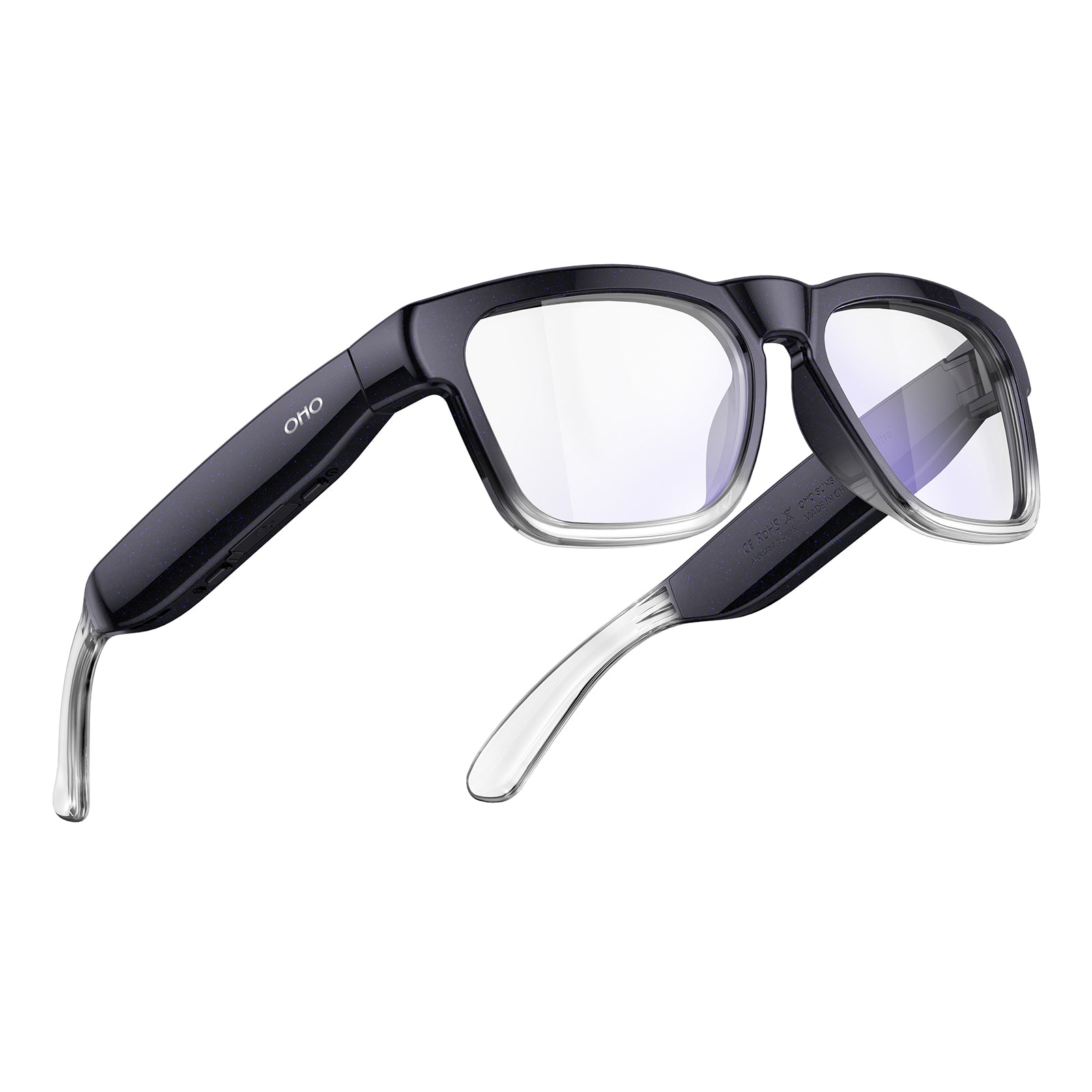
OHO Sunshine approaches smart eyewear as part of everyday communication rather than limiting it to a single travel function. Its lineup includes smart glasses that bring together real-time translation, AI Chat, Bluetooth audio, hands-free calls, and voice assistant access.
This wider combination can be useful before, during, and after a trip. Users can listen to directions while walking, answer calls during a commute, access translation during multilingual conversations, or play audio without changing devices.
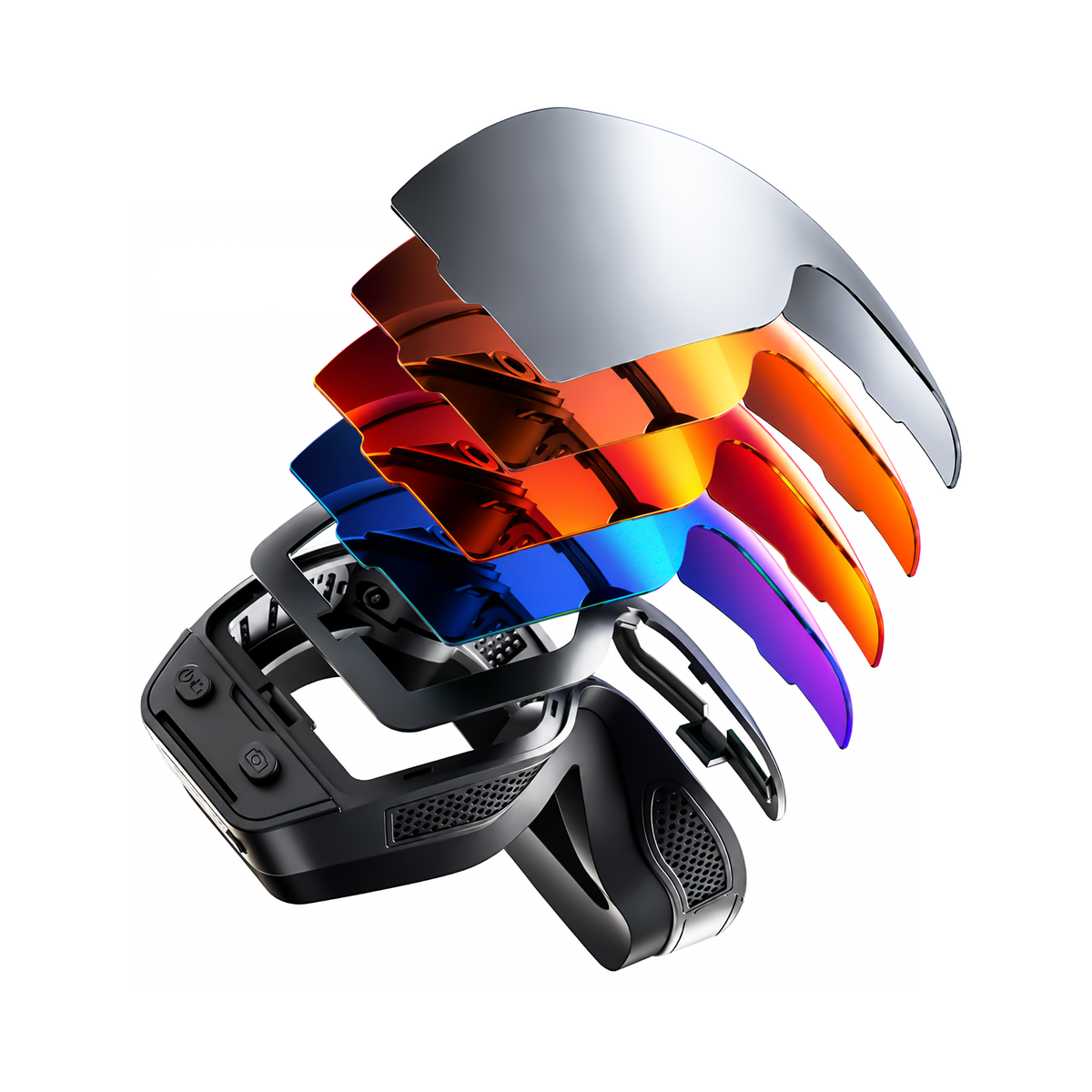
OHO Sunshine also offers different frame and lens options for daily, business, travel, and outdoor settings. Selected models include photochromic lenses, blue-light-blocking features, flexible frames, and extended playback time. Buyers can therefore compare products based on communication needs, wearing environment, style, and budget instead of choosing translation as an isolated feature.
For example, GlobeEar combines translation and AI functions with open-ear audio and daily eyewear features. It represents one option within the wider OHO Sunshine range rather than the only product suitable for multilingual communication.
Explore Smart Glasses for Everyday Communication
Translation glasses can reduce language barriers, while broader AI smart glasses add audio, calls, voice tools, and other connected functions. The right choice depends on how often you travel and which features remain useful in daily life. Explore OHO Sunshine smart glasses to compare translation, audio, AI, lens, and frame options for different communication needs.
FAQs
Q1. How Should I Test Translation Glasses Before a Trip?
Test the glasses with the exact language pair you plan to use. Try them indoors, outdoors, and near background noise, then confirm the phone connection and charging routine before departure.
Q2. Can Translation Glasses Handle Regional Accents?
Performance can vary with pronunciation, speaking speed, background noise, and the language system used. Speaking clearly and taking turns can help language translator glasses process a conversation more accurately.
Q3. Can Two People Share One Pair of Translation Glasses?
One pair is generally designed for the wearer, especially when translated audio plays through open-ear speakers. The other person may still speak naturally, but both participants should know how the translation process works before starting a longer conversation.
Q4. Can Translation Glasses Replace a Professional Interpreter?
They can support travel, casual conversations, and routine communication. Legal, medical, financial, and other high-stakes discussions may still require a qualified human interpreter because precision and context are critical.





Leave a comment
All comments are moderated before being published.
This site is protected by hCaptcha and the hCaptcha Privacy Policy and Terms of Service apply.