





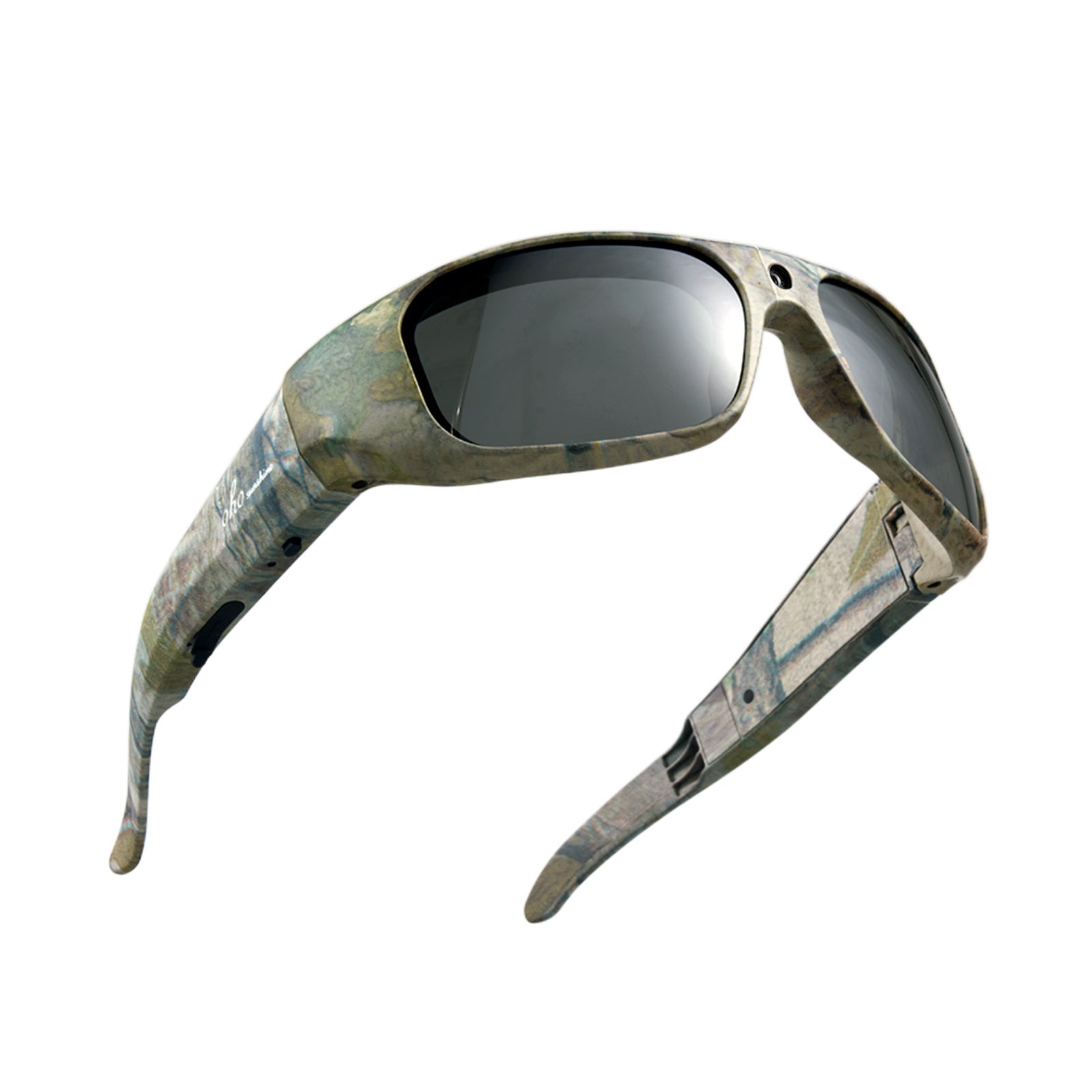


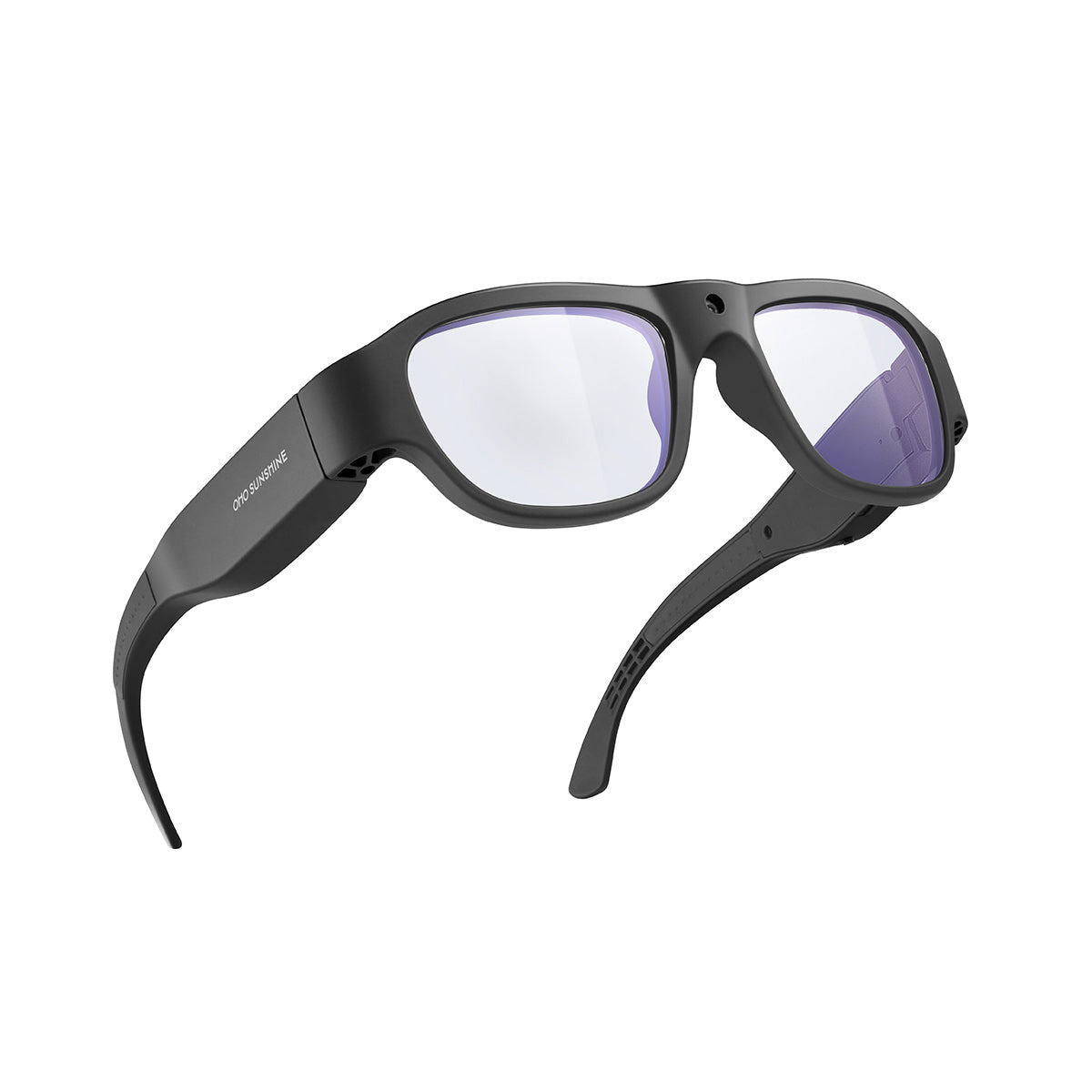

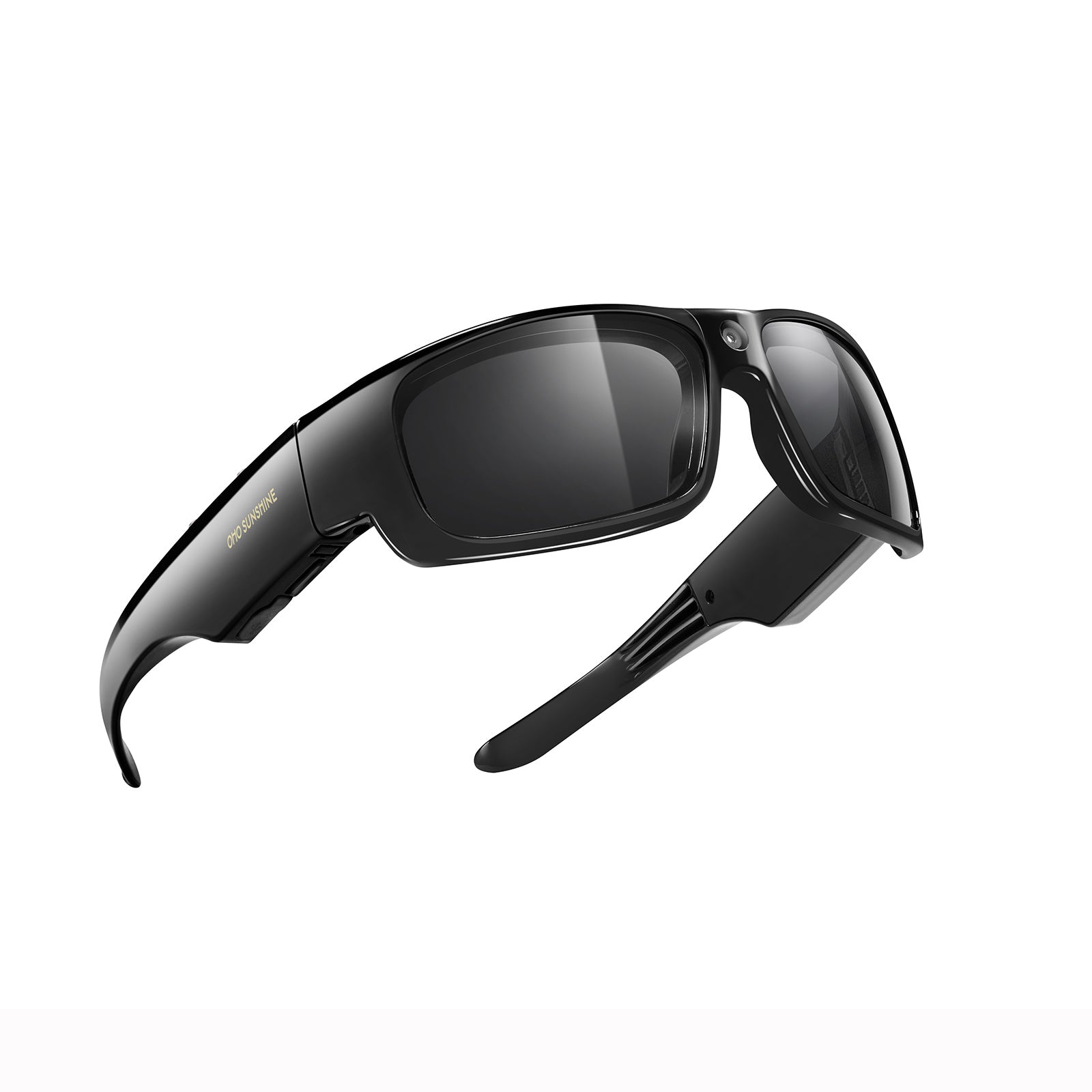


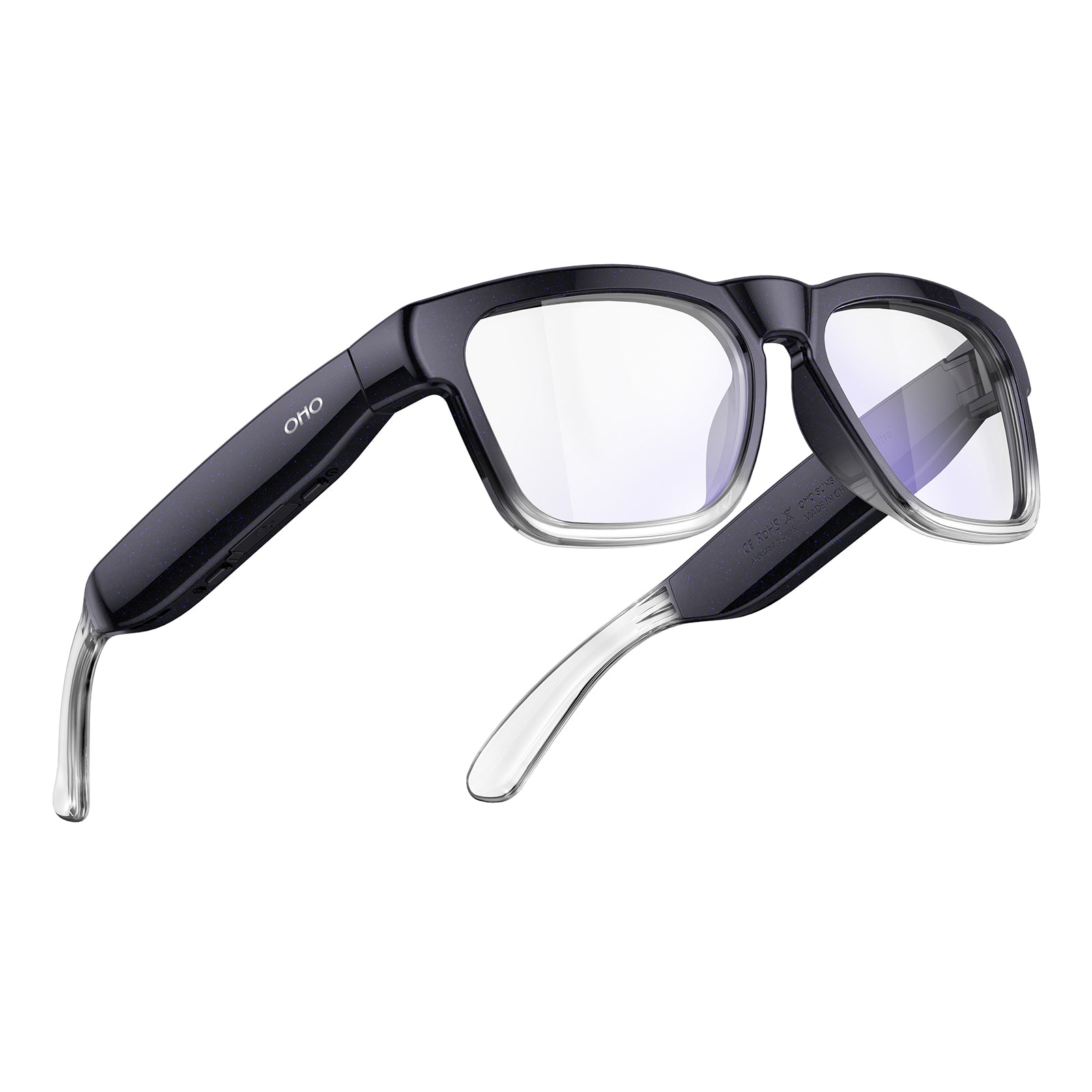









Travelling the world is always a puzzle when you can't speak the local language. Some people will always prefer the guidance of a human guide, but others like the freedom that technology gives them. It's up to you if you want a human guide or translation glasses that work quickly. Thanks to the newest technological advances, travellers may now explore a new culture with complete confidence without giving up their privacy.

Pros and Cons of a Professional Human Translator
Deciding whether to hire a language expert involves weighing occasional cultural depth against the constant practical limits of your travel budget and personal freedom. While a personal guide sounds luxurious, the reality often involves logistical compromises that can dampen the spirit of adventure.
Direct Human Support and Cultural Context
A human translator provides literal word conversion and cultural mediation. Cultural mediation is the process of explaining local customs and social etiquette to prevent misunderstandings. This nuance is helpful, but it often comes at the cost of your personal space. A guide can tell you the history of a temple or the specific meaning behind a regional dialect. They act as a constant barrier between you and the locals.
- Contextual Explanations: A local expert can explain the history behind certain traditions or religious rituals.
- Complex Problem Solving: They offer help during rare legal issues or complex medical consultations where technical jargon is required.
- Social Navigation: Humans can sense when a situation is becoming tense, though their presence alone can sometimes make locals act less naturally around you.
The Limitations of Live Assistance
Having a third party join your vacation often disrupts the social dynamic and limits your spontaneity. Constant companionship means zero privacy for you and your travel partners. Additionally, human services require a heavy financial commitment and follow a strict schedule. If you want to explore a hidden alleyway at sunrise, a human guide is a burden, whereas translator glasses are always ready and unobtrusive. Furthermore, the cost of an assistant is not limited to their salary. You must often cover their meals, transportation, and entrance fees, adding a massive hidden layer to your travel expenses.
Better Travel Options Instead of a Human Guide
The friction and high costs of personal guides have paved the way for more efficient digital alternatives. Modern technology offers a number of options to close the communication gap that don't include the exorbitant cost or loss of privacy that comes with hiring a personal assistant.
Digital tools have become speedier and more dependable over time. There are mobile apps, but dedicated hardware gives the average tourist a more professional experience. The table below shows why smart devices are typically better than old-fashioned ways.
| Feature | Human Translator | Mobile Apps | Translation Glasses |
| Privacy Level | Very Low | High | High |
| Discreetness | Very Low | Moderate | High |
| Availability | Limited Hours | Always | Always |
| Hands-Free Use | No | No | Yes |
| Cost Efficiency | Low | Moderate | High |
| Language Coverage | 2–3 Languages | 130+ Languages | 160+ Languages |
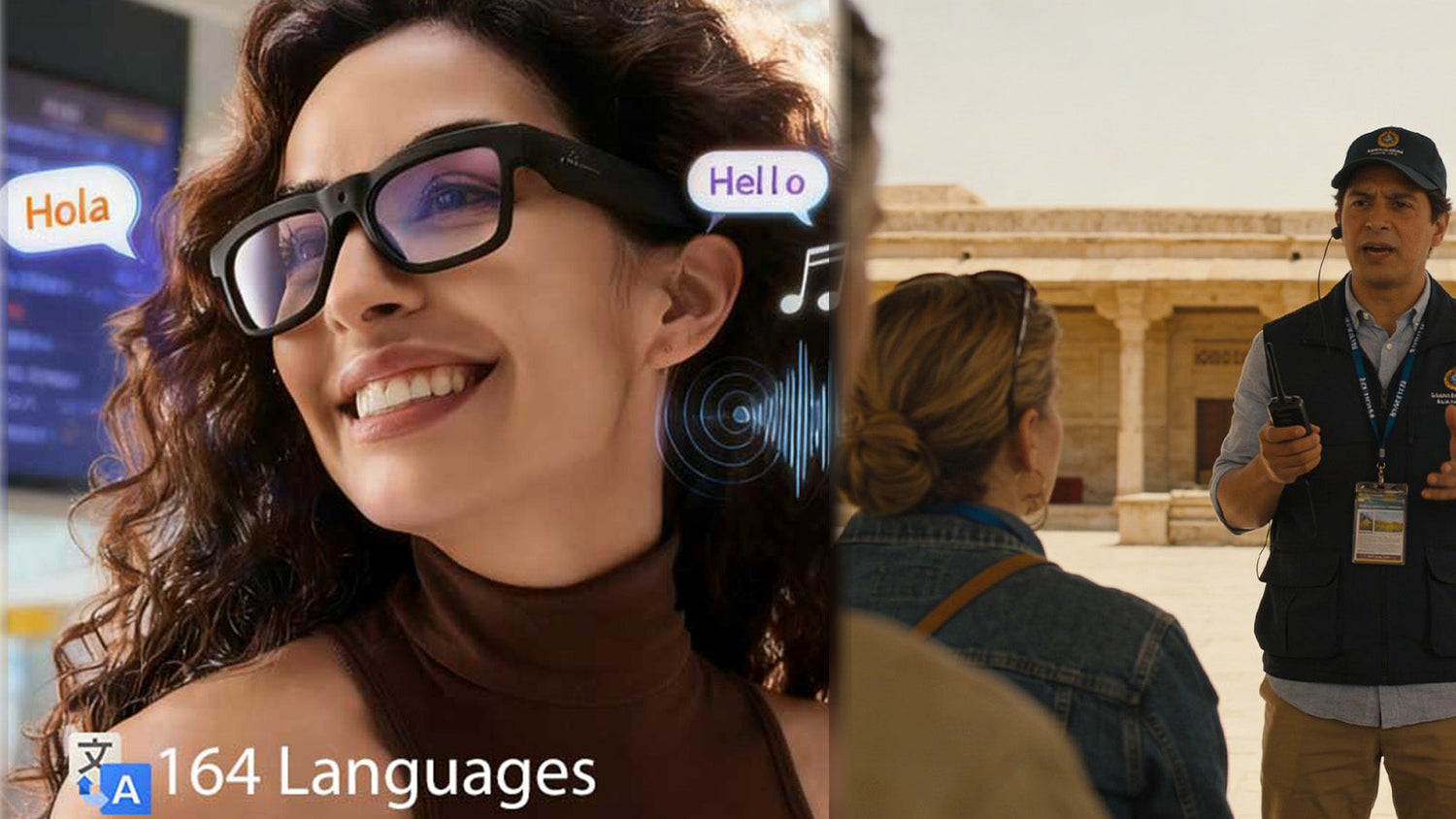
These technological options allow travellers to maintain their autonomy. By moving away from human dependency, you gain the ability to make sudden changes to your itinerary without checking with anyone else. They also offer a level of privacy that a human translator simply cannot — no third party is present during your conversations, and the glasses themselves are discreet enough that no one around you even knows you are using a translation device. On top of that, modern translation glasses support over 160 languages, far beyond what any single human guide could provide.
More Practical Features of Translating Glasses for Travelers
Beyond simple dialogue, the utility of translating glasses extends to environmental adaptation and convenience. Modern wearable devices are designed as multifunctional tools that assist with various aspects of the journey.
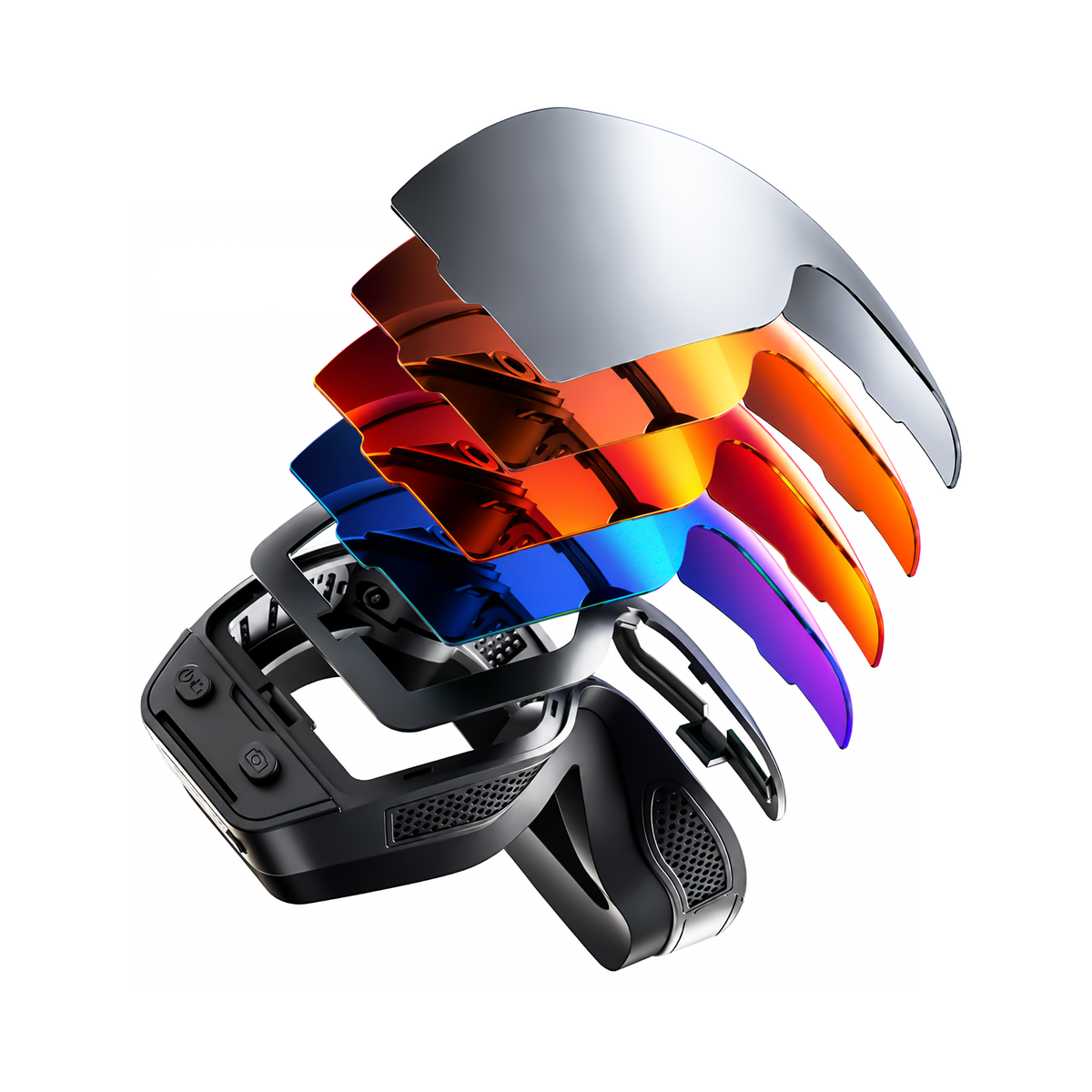
One standout feature is the inclusion of photochromic lenses. Photochromic lens technology refers to eyeglass lenses that stay clear indoors and automatically darken like sunglasses when exposed to sunlight. This is particularly useful for travellers who move between museums and sunny outdoor plazas.
- Massive Language Support: Most modern systems access over 160 languages through AI-powered software for global coverage.
- Open Ear Audio: Listen to translations while still hearing the ambient sounds of the city for safety.
- Voice Assistance: Access local information or weather updates instantly via voice commands.
- Stable Connectivity: current Bluetooth standards ensure a fast link to your smartphone for low-latency translation during conversations.
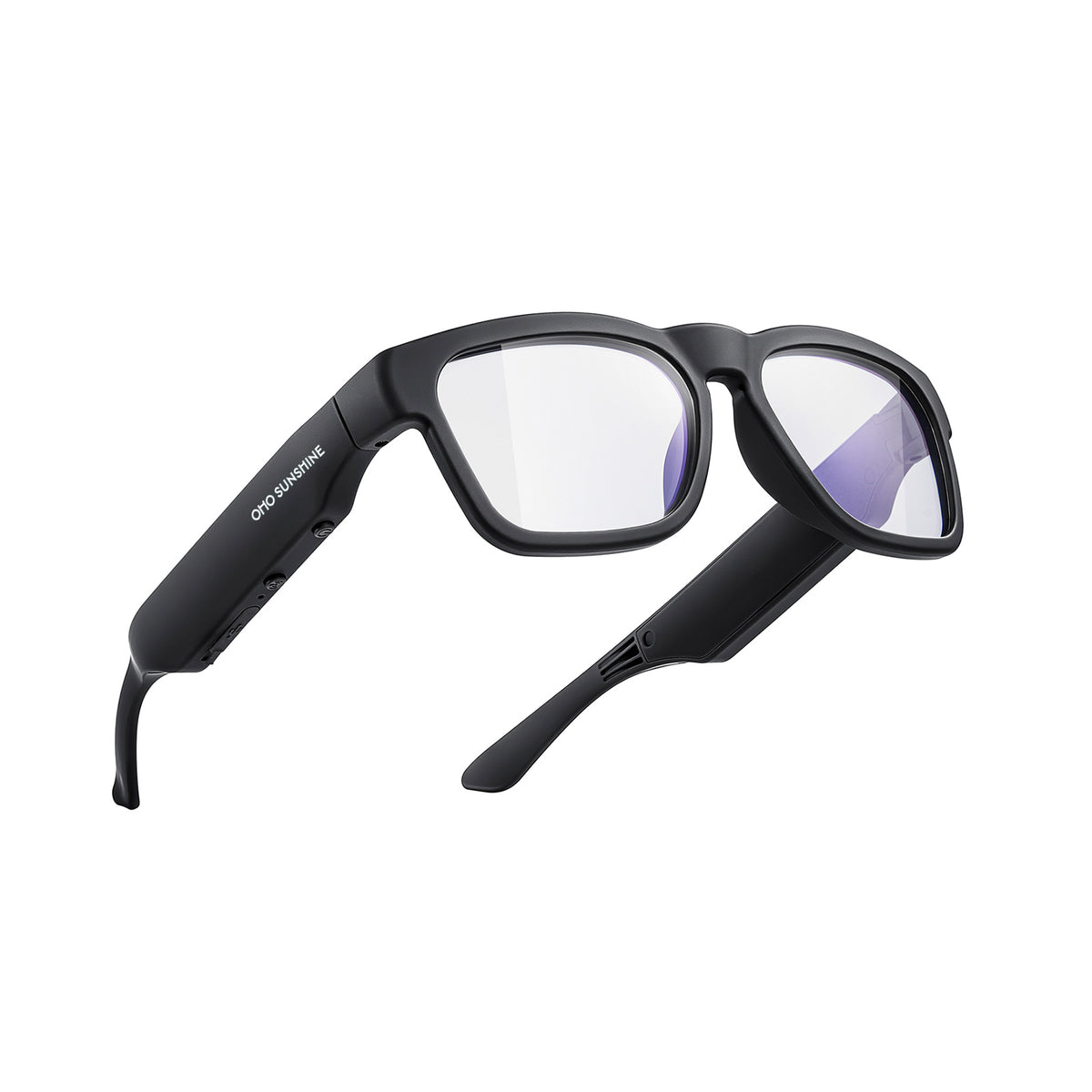
The combination of these features makes translation glasses a multifunctional powerhouse. You get a translator, a set of high-quality headphones, and protective sunglasses all in one lightweight frame.
The Evolution of AI in Modern Tourism
The transition from human assistants to tech assistants reflects a larger trend in travel. With the improvement in AI, it has become capable of answering most frequent queries regarding travel with a high degree of accuracy. A human assistant might feel exhausted at the end of the day, but a tech assistant works with consistency around the clock.
This is what makes many lone and business travellers use hardware. It is so much easier to wear a pair of light glasses, rather than lugging guidebooks or constantly having their heads fixed on a screen. Integrating the functionality of translation into a pair of everyday glasses will make the technology nothing out of the ordinary.
FAQs about translation technology for travelers
Q1. When Does a Professional Human Translator Become a Necessity?
For high-stakes situations like legal contracts, complicated business deals, or specific medical treatments, a human translator is often needed. These scenarios need a lot of technical understanding and a level of responsibility that technology can't currently offer. Modern digital tools are usually enough to fill the gap for everyday logistics and tourism.
Q2. How Do Travelers Manage Language Barriers Without a Full-Time Guide?
Most people who travel alone utilise a mix of visual cues, simple sentences in the local language, and wearable gear like translation glasses. This multi-layered method lets you do everything from reading restaurant menus to begging for aid in an emergency. Using smart gear means you can get help anytime, day or night, without having to deal with the hassle of coordinating with a local assistant.
Q3. Are Modern Translating Glasses Reliable For Real-World Travel?
Yes. High-quality translating glasses are reliable for standard communication because they utilise massive global language databases. These tools may not work well with unusual tribal dialects, but they do work well with over 160 languages that tourists speak the most. This means that they can do a lot more than a human translator, who usually only speaks two or three languages.
Q4. What Are The Primary Safety Benefits Of Using Translator Glasses?
Translator glasses let you be more aware of your environment since they let you keep your head up and your eyes on what's going on around you. When you listen to audio-based translation, you stay vigilant, unlike when you stare at a phone screen, which can make you a target for pickpockets. This hands-free operating is an important safety feature while using public transportation networks you don't know well or crossing busy streets.
Select the Right Communication Tool for Your Journey
In modern travelling, the best is freedom and peace. Guides could help you learn more about the place you visit, but translation glasses are more flexible and cost-effective if you want to have an entirely independent journey. Selecting smart tech allows you to manage every step of the way. Upgrade your travel set and enjoy travelling without difficulties.


Leave a comment
All comments are moderated before being published.
This site is protected by hCaptcha and the hCaptcha Privacy Policy and Terms of Service apply.