





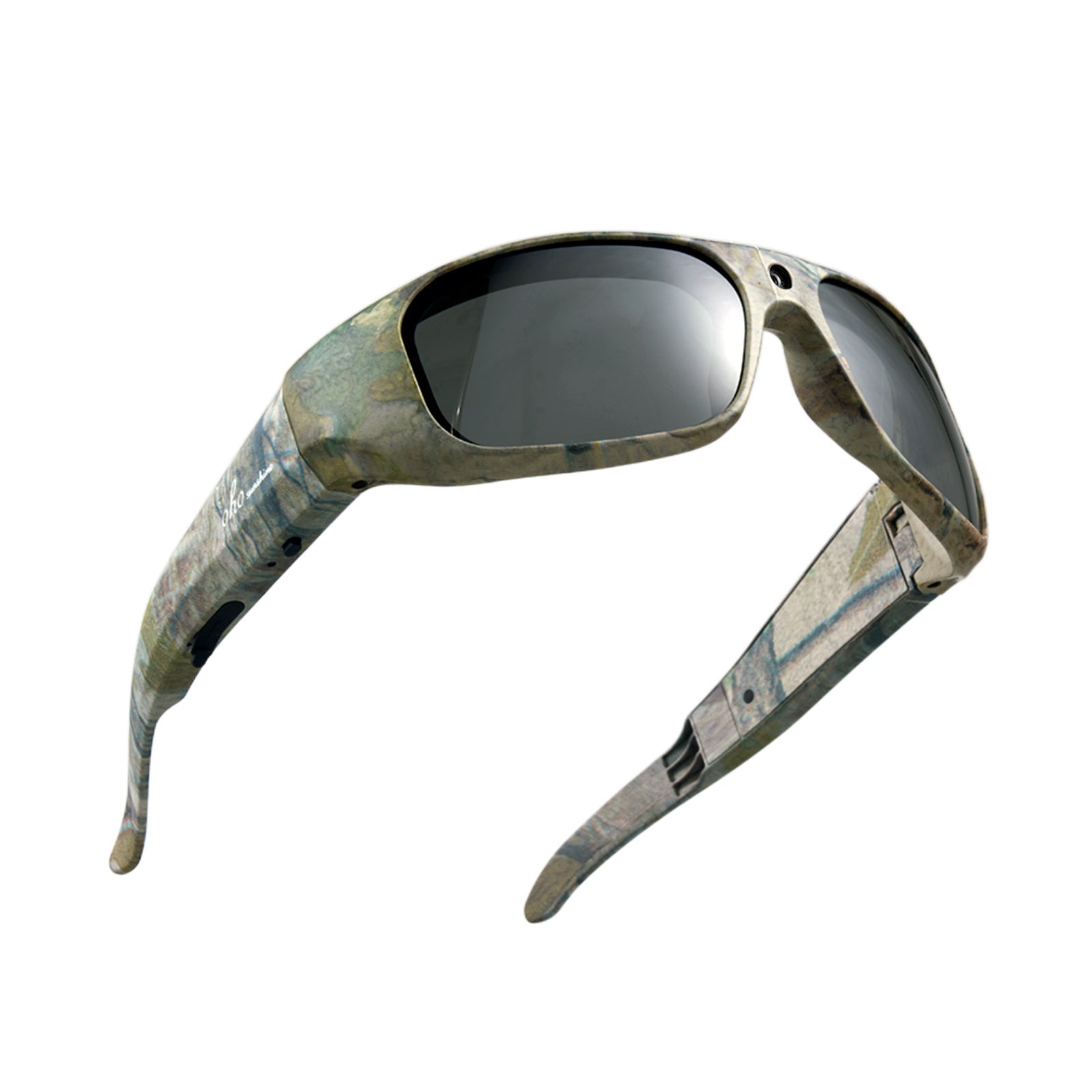


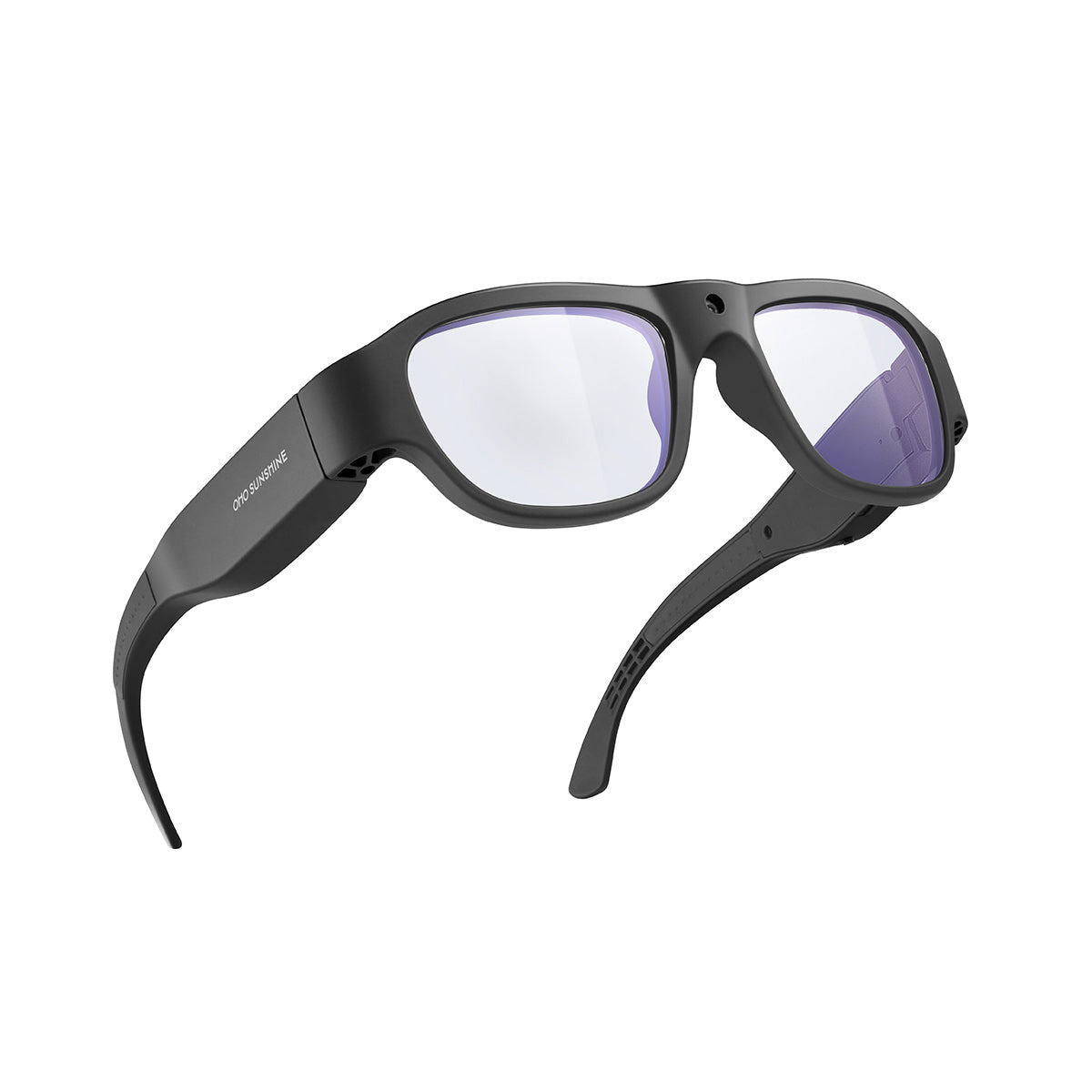

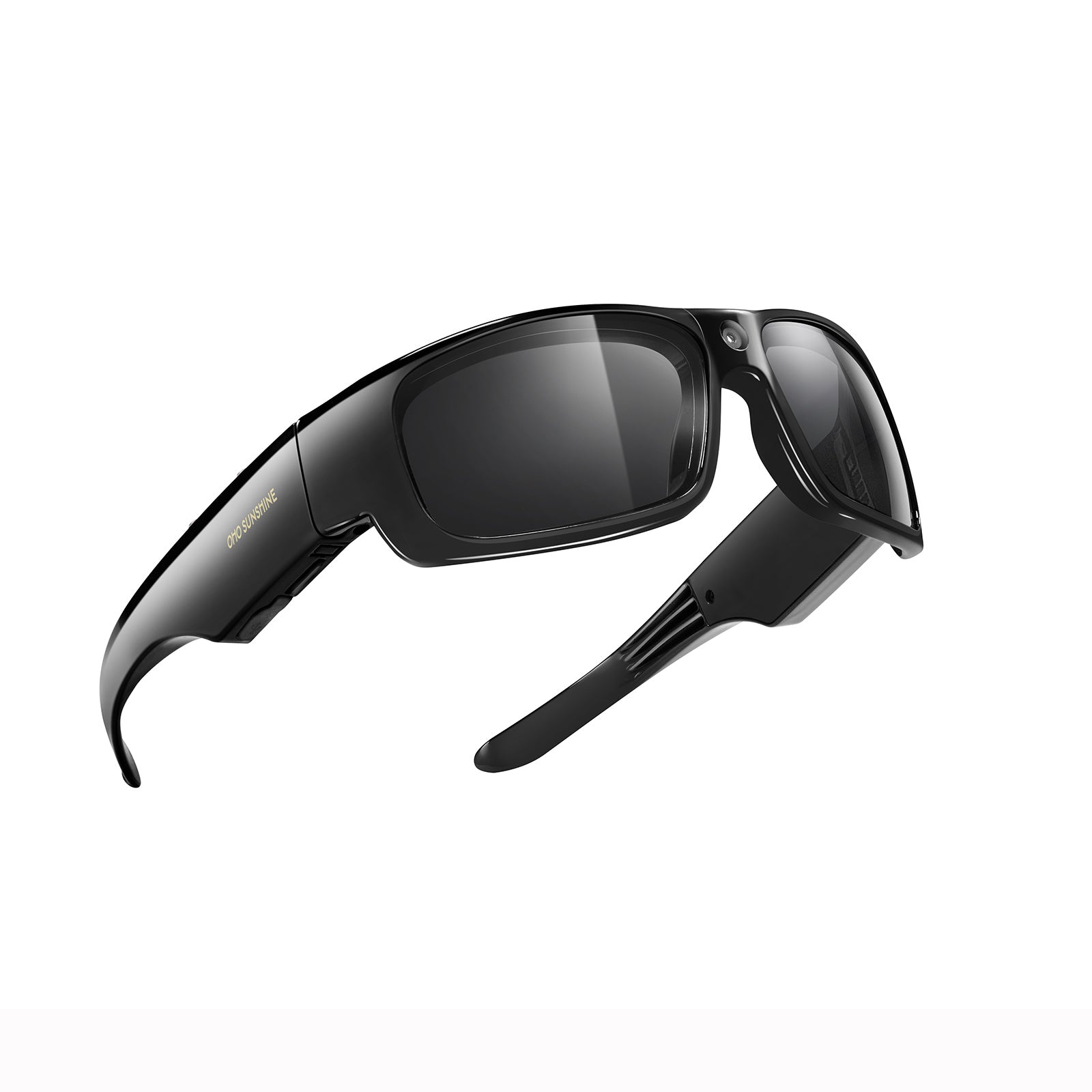


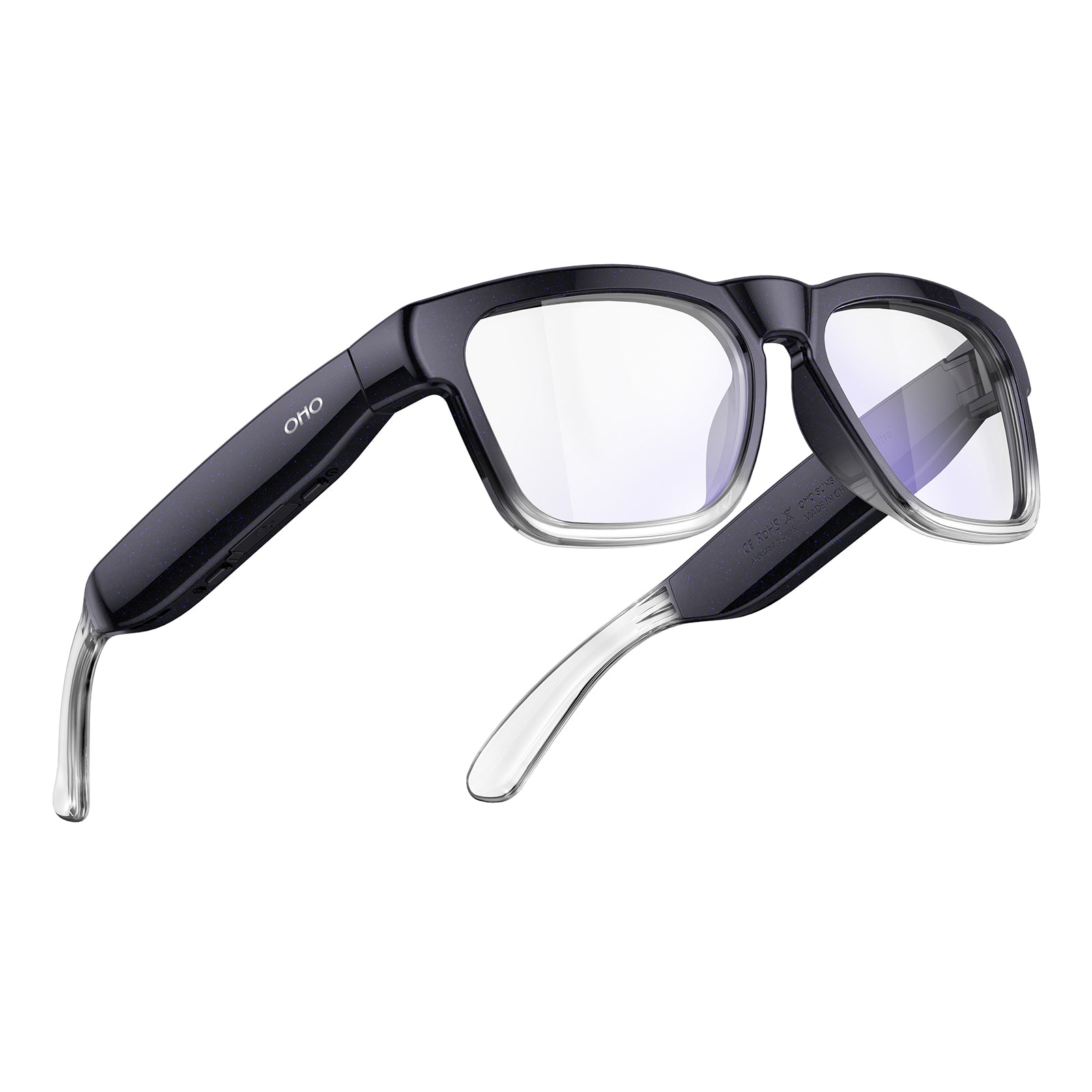


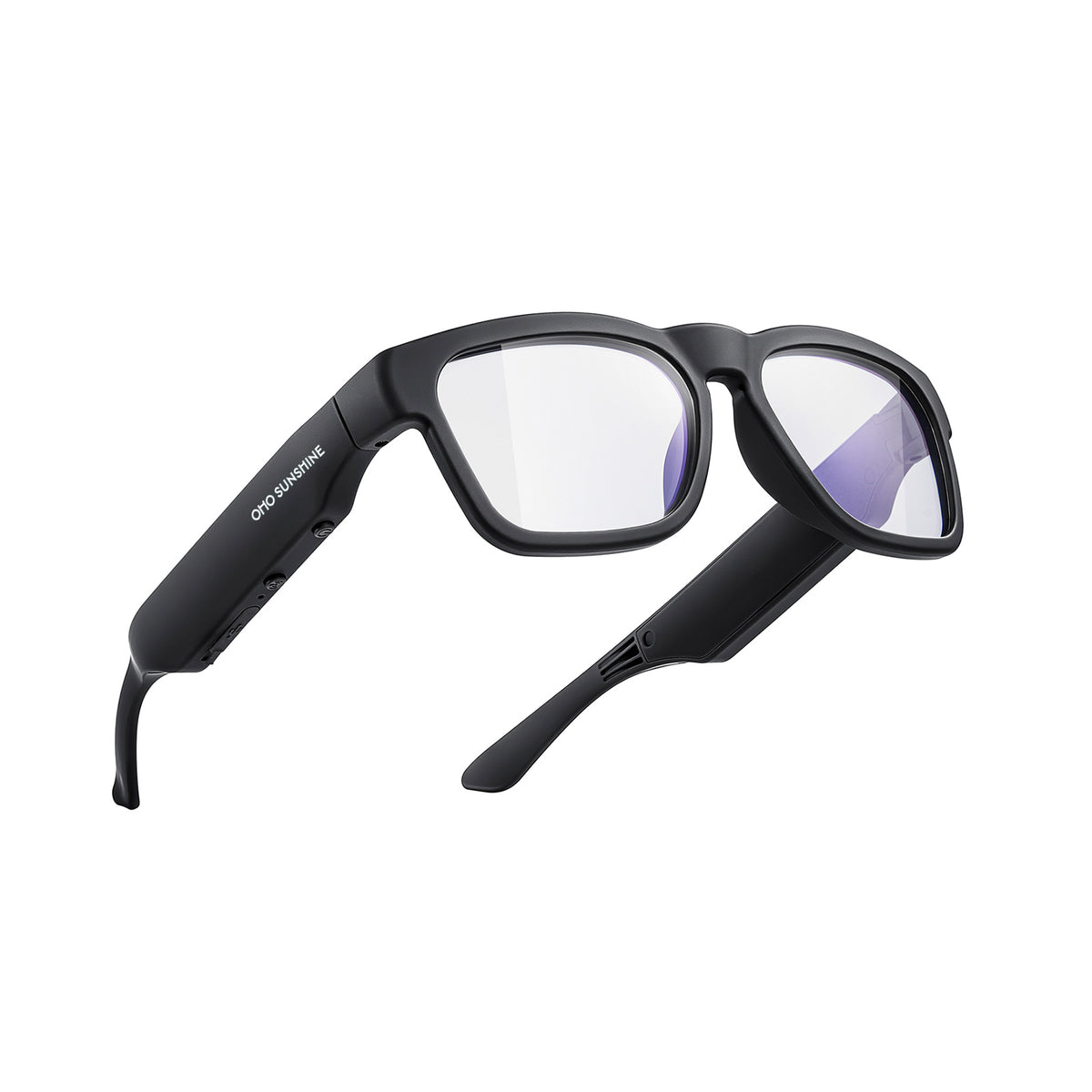





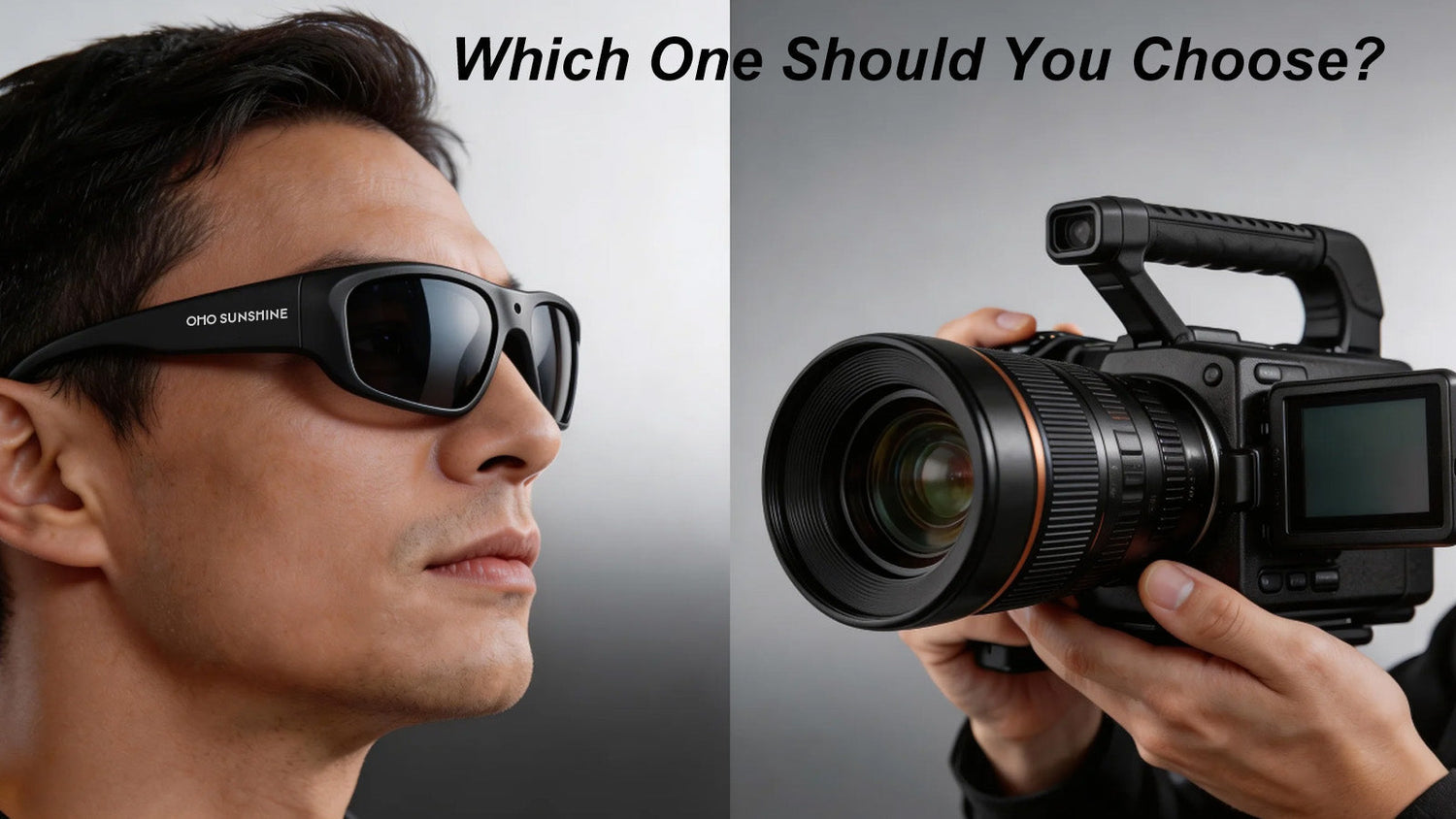
Capturing life's moments has never been easier, but picking the right tool matters. Video glasses offer hands-free recording that follows your every move, while traditional cameras deliver professional-grade footage with manual control. Video recording glasses offer ease and authenticity that cameras cannot match for the majority of people producing everyday material. Whether you want a standard setup for studio work or glasses that record video for sports, this comparison helps you choose the technology of video camera glasses that best suits your needs.
Key Differences Between Video Glasses and Video Cameras
The debate between glasses that record video and traditional cameras comes down to several fundamental factors. Below is a quick comparison to highlight how these devices stack up.
|
Feature |
Video Glasses |
Video Cameras |
|
Design |
Worn like regular eyewear; completely hands-free |
Handheld or mounted; requires manual operation |
|
Portability |
Extremely lightweight; fits in your pocket |
Bulky; larger models need dedicated bags |
|
Video Quality |
Excellent for everyday content and social media |
Higher resolution but requires technical knowledge |
|
Battery Life |
30 minutes to 1.5 hour; extendable with power bank |
2-8 hours but device is heavy to carry |
|
Field of View |
Authentic first-person perspective |
Requires positioning; third-person view |
|
Price Range |
Affordable for most budgets |
Professional quality is expensive |
|
Ease of Use |
Instant recording; no learning curve |
Steep learning curve; complex controls |
This table shows that video camera glasses excel in convenience, authenticity, and accessibility, while traditional cameras cater to specialized professional needs.
Pros and Cons of Video Recording Glasses
Glasses that record video have carved out a unique niche in the recording world. They're not perfect for everyone, but they shine in specific situations.

Advantages of Glasses That Record Video
The hands-free experience of video glasses changes everything. Glasses with video recorder technology let you capture moments while cooking, repairing something, playing sports, or interacting with people without equipment getting in the way.
Key benefits include:
- Authentic first-person perspective that viewers find incredibly immersive
- Zero setup time; just wear them and press record
- Discreet design that doesn't interrupt natural interactions
- Perfect for capturing spontaneous, genuine moments
- Incredibly portable; lighter than your phone
Video glasses are also remarkably affordable compared to professional camera setups. You get a complete recording solution without the need for additional lenses, tripods, or bulky accessories. For content creators and travelers, these devices eliminate the barrier between experiencing a moment and recording it. While standard video glasses are great for static shots, choosing a high-end option such as Primex EIS with advanced EIS (Electronic Image Stabilization) technology ensures your high-action memories remain steady and clear, offering a level of quality previously reserved for expensive action cams.
Disadvantages to Consider
While convenient, video glasses have specific trade-offs. Due to their video glasses compact design, the smaller lenses and sensors mean that low-light performance is often limited; they truly shine in bright outdoor environments or well-lit rooms rather than dark settings.
Video quality won't match top-tier professional cameras in controlled studio environments. You can't manually adjust focus or zoom in on distant subjects during recording. Battery life offers around 30 minutes to 1.5 hour of continuous recording, though connecting a portable power bank while filming easily extends this for longer sessions. Built-in storage ranges from 32GB to 512GB on most models, with easy data transfer capabilities. The eye-level perspective is actually what makes the footage feel authentic and relatable to viewers.

Pros and Cons of Traditional Video Cameras
Cameras have been the standard for decades, and their advantages reflect years of technological refinement.
Why Choose a Video Camera
Professional studios and commercial productions require the absolute highest image quality possible. Cameras deliver superior resolution, better color accuracy in controlled environments, and extensive manual controls. You can swap lenses for different effects and use professional lighting setups.
Additional advantages:
- Longer battery life for extended stationary shoots
- Optical zoom for distant subjects
- Better performance in challenging lighting when properly configured
- Full creative control for experienced cinematographers
For weddings, documentaries, films, or commercial projects with dedicated crews and budgets, cameras remain necessary tools.
Limitations of Video Cameras
The learning curve is genuinely steep and frustrating. Manual controls overwhelm people who just want great footage without becoming technical experts. You need to understand aperture, shutter speed, ISO, and white balance just to get decent results. Many people buy expensive cameras that sit unused because they're too complicated.
Portability is a major issue. Carrying camera bags, multiple lenses, batteries, and accessories becomes exhausting. You need both hands constantly occupied, which prevents you from doing anything else while filming.
Cost explodes once you factor in essential accessories. You'll need tripods, gimbals, extra batteries, memory cards, lenses, and cases. A quality setup easily costs several times more than premium video recording glasses.
When to Use Video Camera Glasses or Regular Cameras
Choosing between these technologies depends entirely on what you're filming and how you plan to use the footage.
Best Scenarios for Video Glasses
Video glasses dominate situations where hands-free operation is essential. Think extreme sports like skateboarding, mountain biking, or rock climbing where holding a camera is dangerous or impossible.
They excel at:
- POV action footage for sports like skateboarding, mountain biking, or rock climbing
- Cooking demonstrations and DIY tutorials where you need both hands free
- Walking tours, travel vlogs, and exploring new places naturally
- Documenting family events while actually participating
- Training videos showing exact hand movements from your perspective
- Everyday vlogging and social media content that feels genuine
- Situations requiring discretion where big cameras would be intrusive
- Motorcycle riding, cycling, or any activity where holding equipment is dangerous
If authenticity, convenience, and viewer immersion matter more than technical perfection, glasses with video recorder technology delivers exactly what modern audiences want. Social media platforms increasingly prefer genuine POV footage over overly polished productions.
Best Scenarios for Video Cameras
Traditional cameras suit specific professional applications with dedicated crews and controlled environments.
Choose cameras when you need:
- Maximum image quality for theatrical releases or large-scale advertising
- Artistic control for narrative filmmaking with extensive post-production
- Telephoto shots of distant subjects like wildlife
- Multi-camera studio productions with professional crews
- Formal sit-down interviews in controlled lighting
Professional weddings, corporate training videos, and commercial productions with significant budgets still benefit from camera quality. However, these represent specialized use cases rather than everyday content creation.
Find Your Ideal Video Recording Device
Video recording glasses provide the ideal mix of authenticity, convenience, and quality for the majority of content creators nowadays. Without the complexity of conventional equipment, they are perfect for social media, travel content, active lifestyles, instructional, and authentic storytelling. Conventional cameras are used for specific professional applications where convenience is subordinated to technological precision. Think about your main filming scenarios and whether you want to concentrate on technical equipment management or content creation. Video glasses provide realistic, captivating footage that depicts life as it is experienced without the inconvenience.
FAQs
Q1. Can Video Glasses Record in 4K Quality?
While 4K recording isn't available on all devices, some more sophisticated kinds of video glasses do. The majority of user-friendly solutions record in 1080p HD, which offers good quality for daily and social media footage. Models with higher resolution need more storage space and deplete batteries more quickly. If 4K is necessary for your work, carefully review the specifications before making a purchase.
Q2. Do Video Camera Glasses Record Audio as Well?
Indeed, the majority of video camera glasses come with built-in microphones that record both audio and video. Each model has a different level of audio quality; some have noise-cancelling technologies to improve sound quality in windy or noisy settings. For ambient audio and narration, the positioning of the microphone on video recording glasses usually records sound from your point of view. Don't anticipate studio-caliber sound, though, that is on par with external mics used with conventional cameras.
Q3. Are Video Camera Glasses Waterproof?
While some versions provide water resistance for mild rain or splashes, the majority of video camera glasses are not completely waterproof. Although they are more expensive, true waterproof models built for swimming or water activities do exist. A device's IP rating should always be checked before it is exposed to wetness. If you regularly film near water, protection is important because water damage typically voids warranties.
Q4. Do Video Glasses Work With Prescription Lenses?
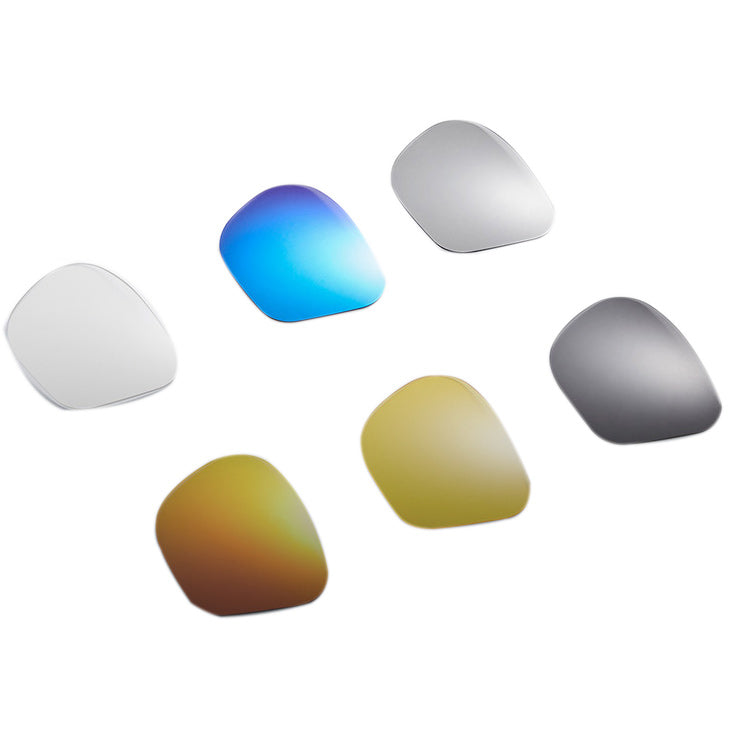
Many of the video recording glasses manufacturers also provide their buyers with prescription lenses. Clip-in or custom lenses can also be availed. Some of these devices can be worn over regular glasses, but this can sometimes look bulky. This is something that should be inquired about from the concerned manufacturers before purchasing the product.


Leave a comment
All comments are moderated before being published.
This site is protected by hCaptcha and the hCaptcha Privacy Policy and Terms of Service apply.