















Camera-equipped snowboard goggles earn a spot in your terrain-park bag only after they pass four checks: face-and-helmet fit, frame and lens impact evidence, strap retention, and a documented camera and battery closure. Resolution and field of view matter less than whether the goggles stay put through jumps and landings.
This guide walks through that screening order first, then applies it to the OHO SUNSHINE Skyshot camera ski goggles to see which parts of the check its published specifications actually cover and where you still need to verify before you buy.
How to Screen Camera Snowboard Goggles for Terrain Park Jumps
A camera does not make ordinary snowboard goggles terrain-park ready. Work through the four checks below, in order, before adding any goggles with a camera to your cart.
Set the Terrain-Park Pass/Fail Threshold
Resort cruising puts light, steady stress on a goggle frame and strap. Terrain-park jumps are different: the goggles absorb repeated landings, quick head snaps during tricks, and vibration that a casual ski day never produces. That difference is why the buying threshold for camera ski goggles used in a park needs to be higher than for goggles bought purely for visibility or style.
Treat the camera as the last feature you check, not the first. A striking video sample or a high megapixel photo count says nothing about whether the frame will hold its shape after a dozen box jumps, or whether the strap will stay tensioned once you drop in. Screen fit, frame evidence, strap retention, and electronics closure first, then decide whether the recording features are a bonus worth paying for.
Verify Frame, Lens, and Impact Evidence
Before trusting any snow goggles with camera hardware to survive a park session, find out what backs up the durability language on the product page. Sort what you find into three buckets:
- Documented: the listing names the exact frame and lens material, states which component was tested, and references a specific test method or a current, non-withdrawn standard.
- Insufficient: the listing uses a material name (like polycarbonate) or a general "impact-resistant" badge with no test method, component, or date attached.
- Unverified: no material, test, or standard is mentioned at all, only marketing language about toughness.
Historically, the archived ASTM goggle specification scope covered material, optical, fogging, and lens-strength requirements for ski and snowboard goggles, which shows the kind of detail a real durability claim should include. That specific record was withdrawn in 2024, so it works only as background on what a complete claim looks like, not as a current certification you can check a product against. A frame material name alone, without a matching test reference, belongs in the "insufficient" bucket regardless of how it is worded on a product page. Anti-fog and lens-clarity claims matter too, but mainly because fogged or distorted lenses make it harder to judge the approach and landing on a jump, not because they prove frame toughness.
Check Face, Helmet, and Strap Retention
A goggle that feels secure on the counter can still shift once a helmet is added, so always test the two together. Follow this short sequence before you commit to a purchase:
- Put on your actual park helmet, then the goggles, not the reverse order.
- Check that the goggle frame sits flush against your face with even pressure on both sides, not just the bridge of your nose.
- Look for a visible gap between the goggle frame and the helmet's brow area; a wide gap invites cold air, snow, and slippage.
- Move your head side to side and up and down to see if the strap loosens or the frame drifts.
- Confirm the strap stays tensioned through the helmet's rear clip or channel, not just resting on top of the shell.
If you are shopping online and cannot try the pairing in person, lean on published fit guidance and a flexible return window instead of guessing. Our helmet comfort test walks through how to judge peripheral vision and pressure points before you ride, which is useful groundwork for this exact check. Reject the fit for park use if the goggles shift, leave a meaningful gap, create pressure that blurs your vision, or lose strap tension during this try-on.

Verify the Camera Housing and Battery Closure
A recording feature is only useful if the housing that holds the battery and camera electronics stays closed during impact. Look for a model-specific manual or technical page that describes how the access panel or battery door latches, how it is retained during movement, and whether the manufacturer states any vibration, moisture, or temperature limits. A generic spec sheet that only lists battery life or video resolution does not answer this question.
Do not confuse a status light or a vibration alert with proof that the housing is physically sealed. An LED that confirms recording has started tells you the electronics are powered, not that the battery door will stay shut through a hard landing. If you cannot find documentation confirming how the housing closes and stays retained, do not use the camera feature for a terrain-park session. Ride with the goggles for vision only until that evidence is confirmed.
Apply the Screen to OHO SUNSHINE 4K Camera Smart Ski Goggles
The screening order above applies the same way to any specific model, including our own. Here is what the published Skyshot record actually documents, and what it leaves open.
What the Skyshot Record Documents
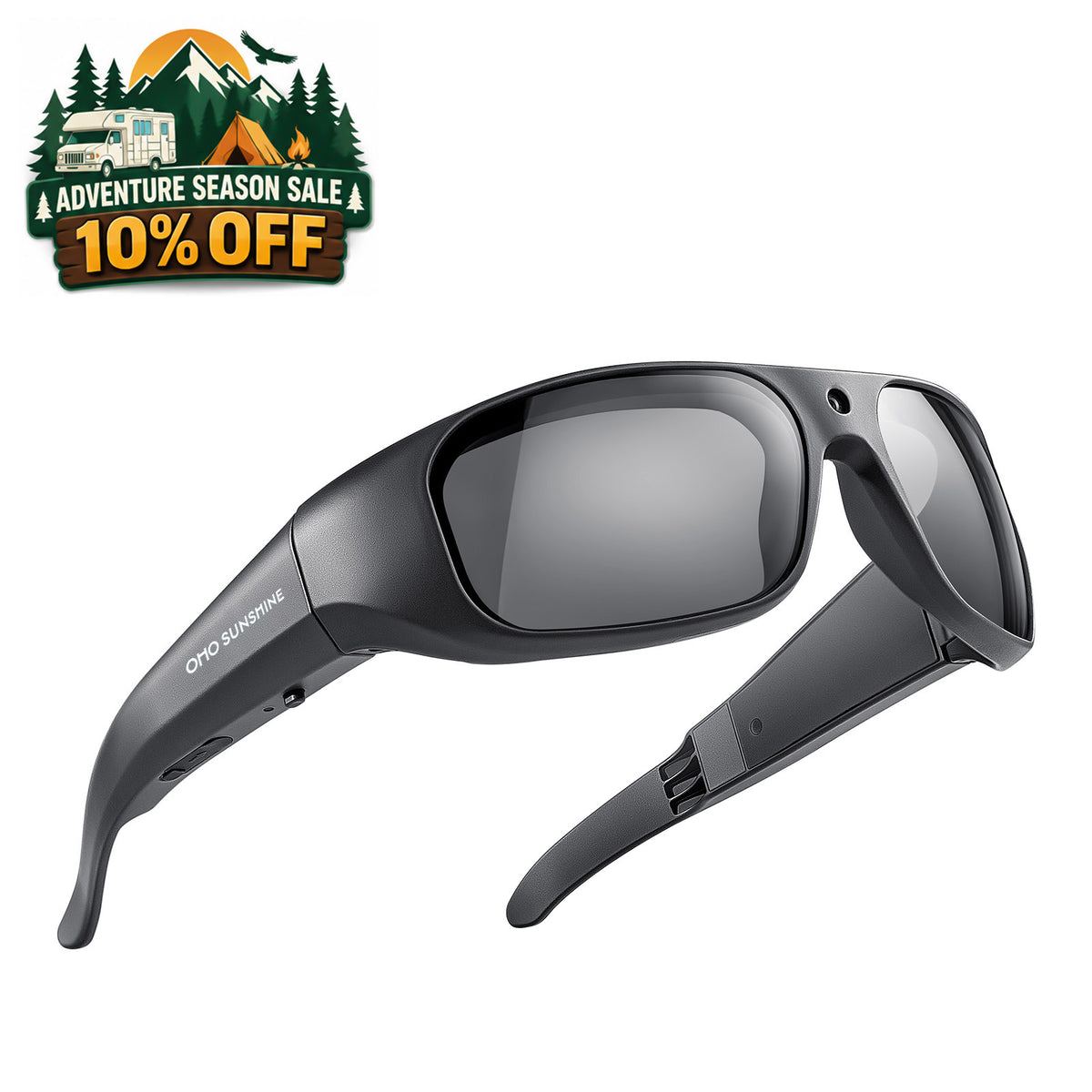
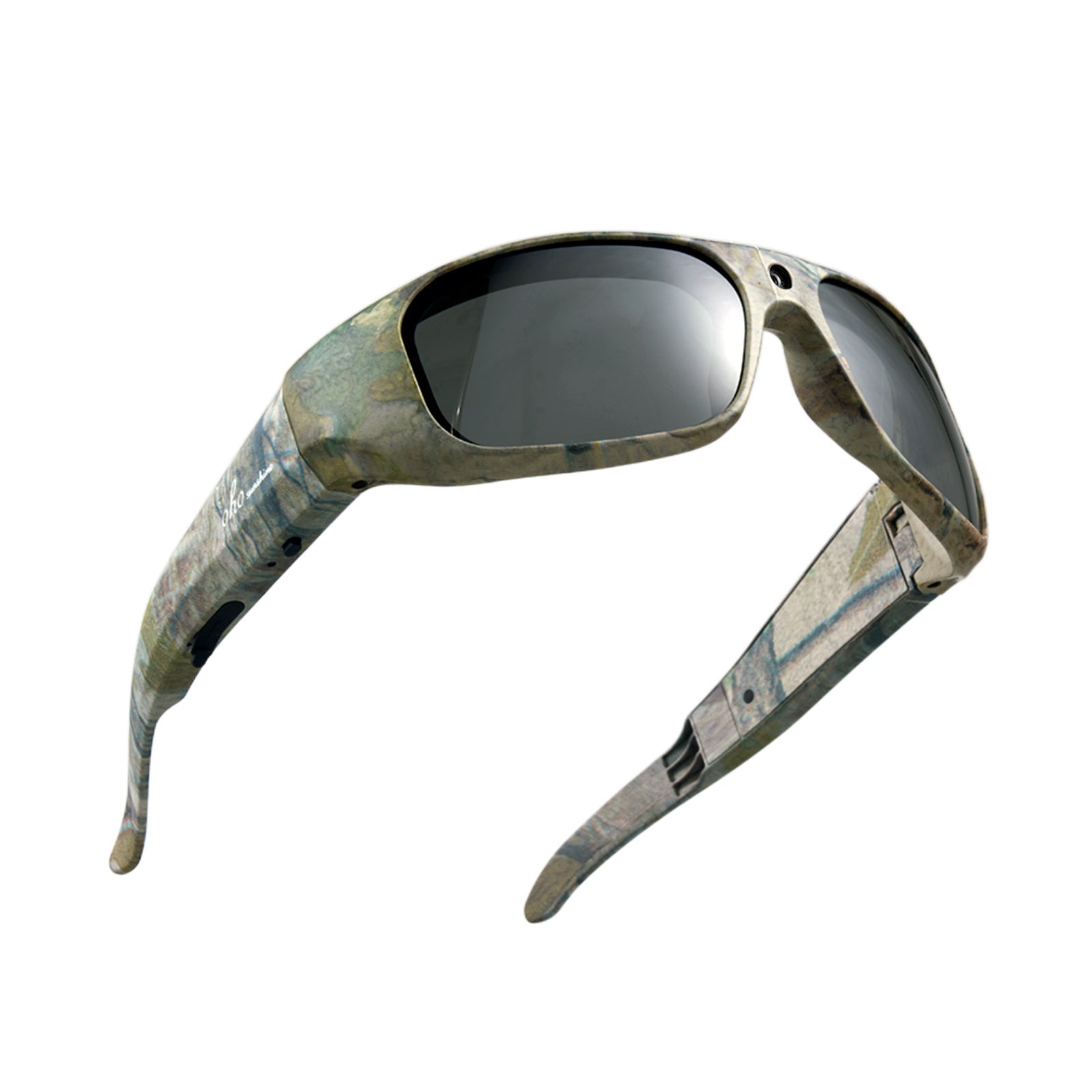
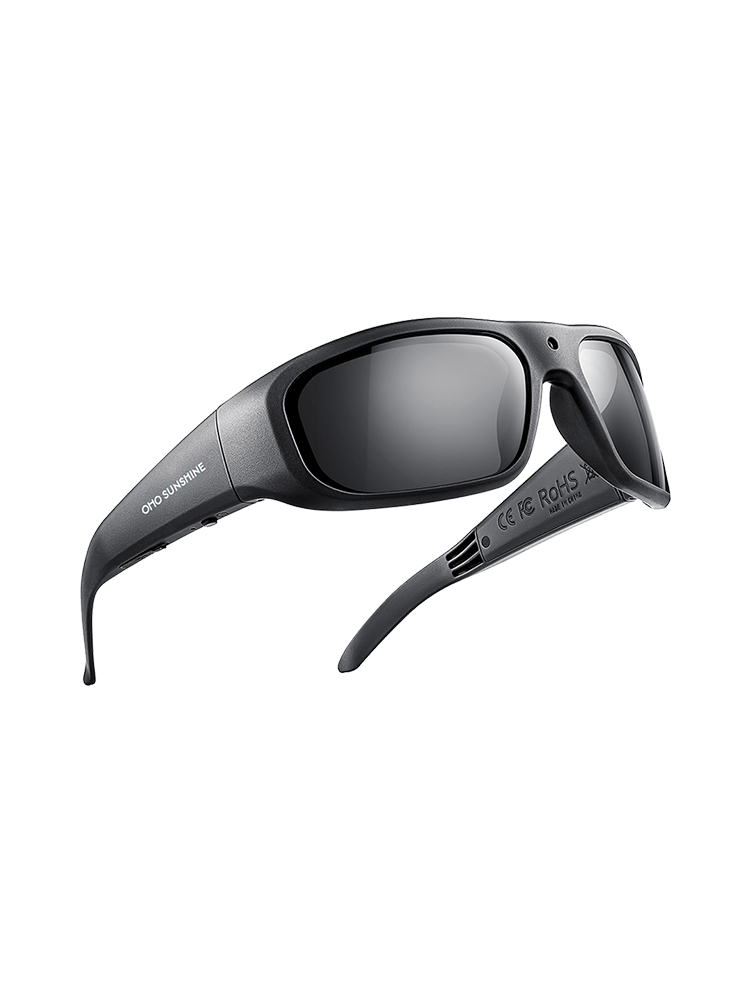
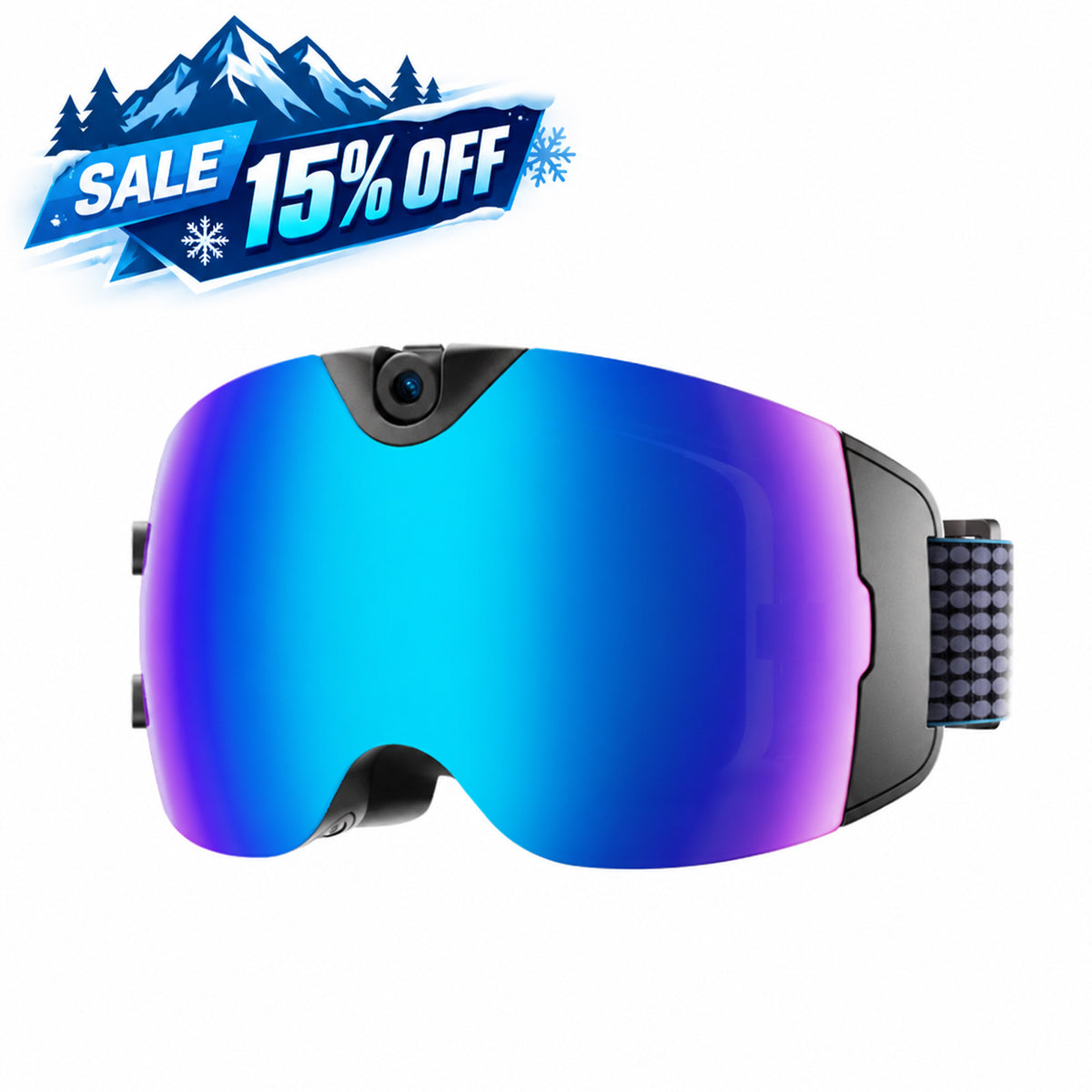
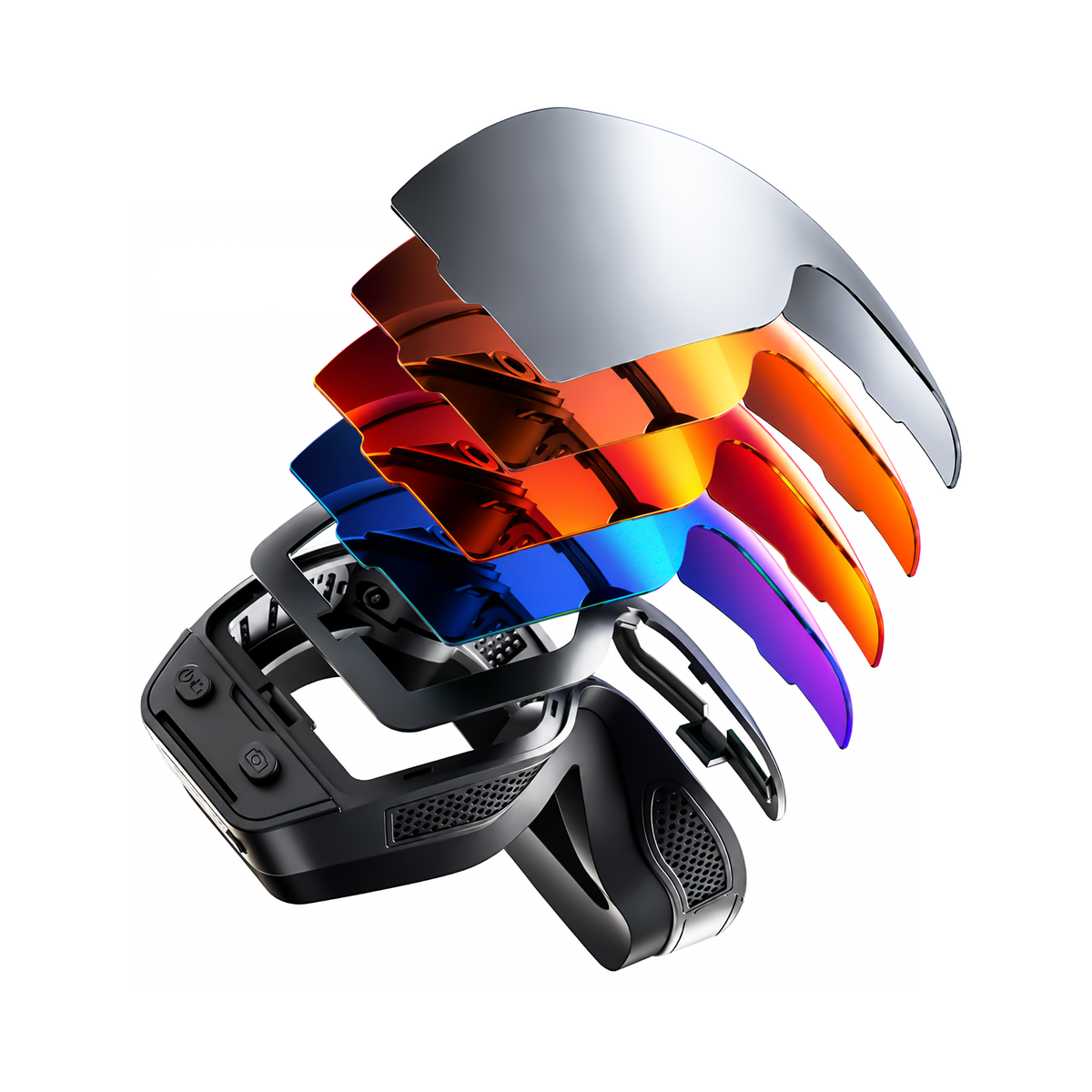
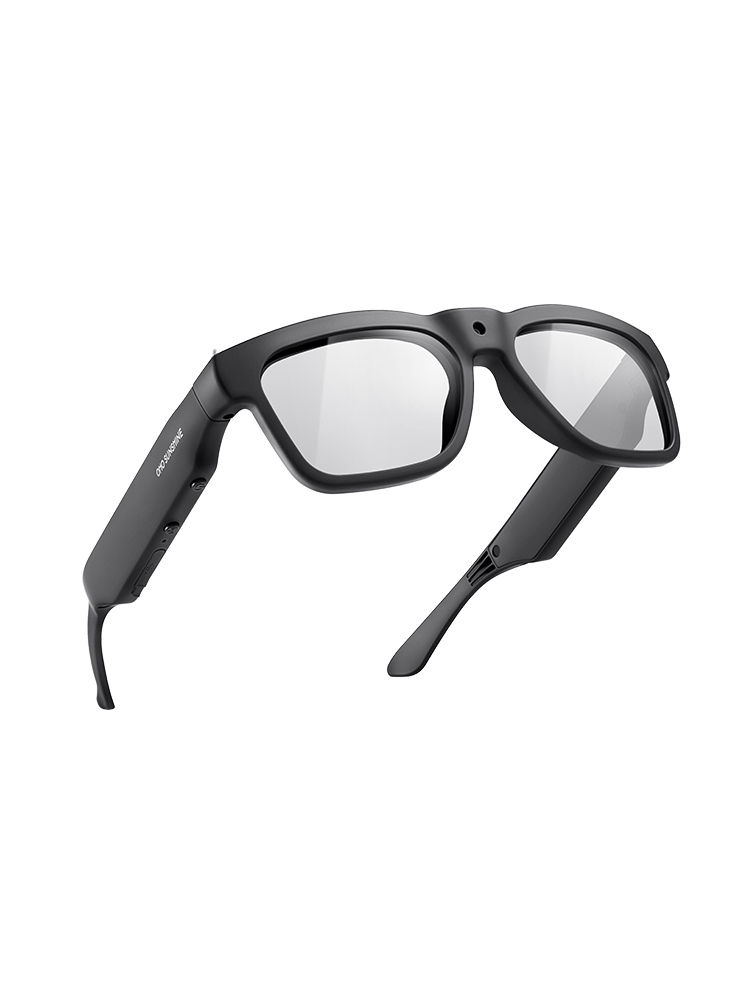
Our Skyshot goggles are listed with 4K video at 30 fps, 24-megapixel photos, and a 140-degree wide-angle camera, paired with an anti-fog, polarized TAC lens and UV400 protection. The listing also states USB-C charging, a 90-minute battery life, a TPU frame, an "impact resistance" safety feature, and a one-year warranty. Those camera and lens details support the recording and visibility side of a terrain-park purchase: a wide field of view and anti-fog lens help capture a run clearly and keep the landing visible while you ride.

Unresolved Park-Durability Details to Check
Camera specifications alone cannot confirm park readiness. Before taking these goggles into the park, resolve these practical checkpoints directly:
- Frame material distinction: the product listing confirms a TPU frame, not polycarbonate, which differs from riders seeking explicit polycarbonate frame construction.
- Strap and helmet fit: the specifications do not address strap grip under repeated movement or compatibility with your specific helmet model, requiring your own face-and-helmet try-on.
- Battery latch and housing retention: the record confirms a 90-minute battery life but leaves unstated how the battery compartment latches or whether the housing resists vibration during jump impacts.
- Jump-specific camera performance: published data does not include direct testing for repeated impact conditions in a terrain park.
A Skyshot-specific manual entry is available for charging, controls, and general care, serving as your starting verification route for operating details before riding.
Make the Conditional Buy-or-Hold Decision
Based on the supplied record, Skyshot is documentable for camera resolution, field of view, and lens features, but it is not confirmable as terrain-park ready from that record alone. If you can verify the missing strap, helmet-fit, and housing-closure evidence yourself, such as through the manual, a support inquiry, or your own try-on test, the goggles can stay under consideration for park use. If you cannot confirm those points, hold the purchase for jumps and consider a goggle with clearer documentation on frame material and electronics retention instead. You can browse the wider camera ski-goggle collection as a next step, though that page is a navigation aid, not proof that any single model passes the durability screen above.
FAQs
Does a polycarbonate frame automatically make snowboard goggles suitable for terrain park jumps?
No. Polycarbonate is one material detail, not a complete impact record. Look for evidence naming the tested component, the impact method used, and whether the lens and frame are both covered. A material label alone says nothing about the strap, camera housing, or battery closure, which need their own documentation.
How can I check camera-goggle fit when buying online?
Read the stated face-size guidance, confirm the return window, and try the goggles with your exact helmet as soon as they arrive. Keep them only if the frame sits evenly on your face, the strap tensions without slipping, there is no visible helmet gap, and no pressure point interferes with your vision.
What documentation should a camera goggle provide for its battery and electronics?
Look for a model-specific manual or technical statement describing how the battery or access panel closes, how it stays retained, and whether vibration, moisture, or temperature limits apply. If you cannot confirm the closure from that documentation, skip the camera feature for jump sessions until you can.
Can the Skyshot be confirmed as terrain-park ready from the supplied specifications?
Not from the specifications alone. They document the camera, lens, charging, battery life, and TPU frame in detail, but they do not establish the polycarbonate frame, strap retention, battery latch security, vibration resistance, helmet compatibility, or jump-specific performance that a full terrain-park screen requires.


Deixe um comentário
Este site está protegido pela Política de privacidade da hCaptcha e da hCaptcha e aplicam-se os Termos de serviço das mesmas.