










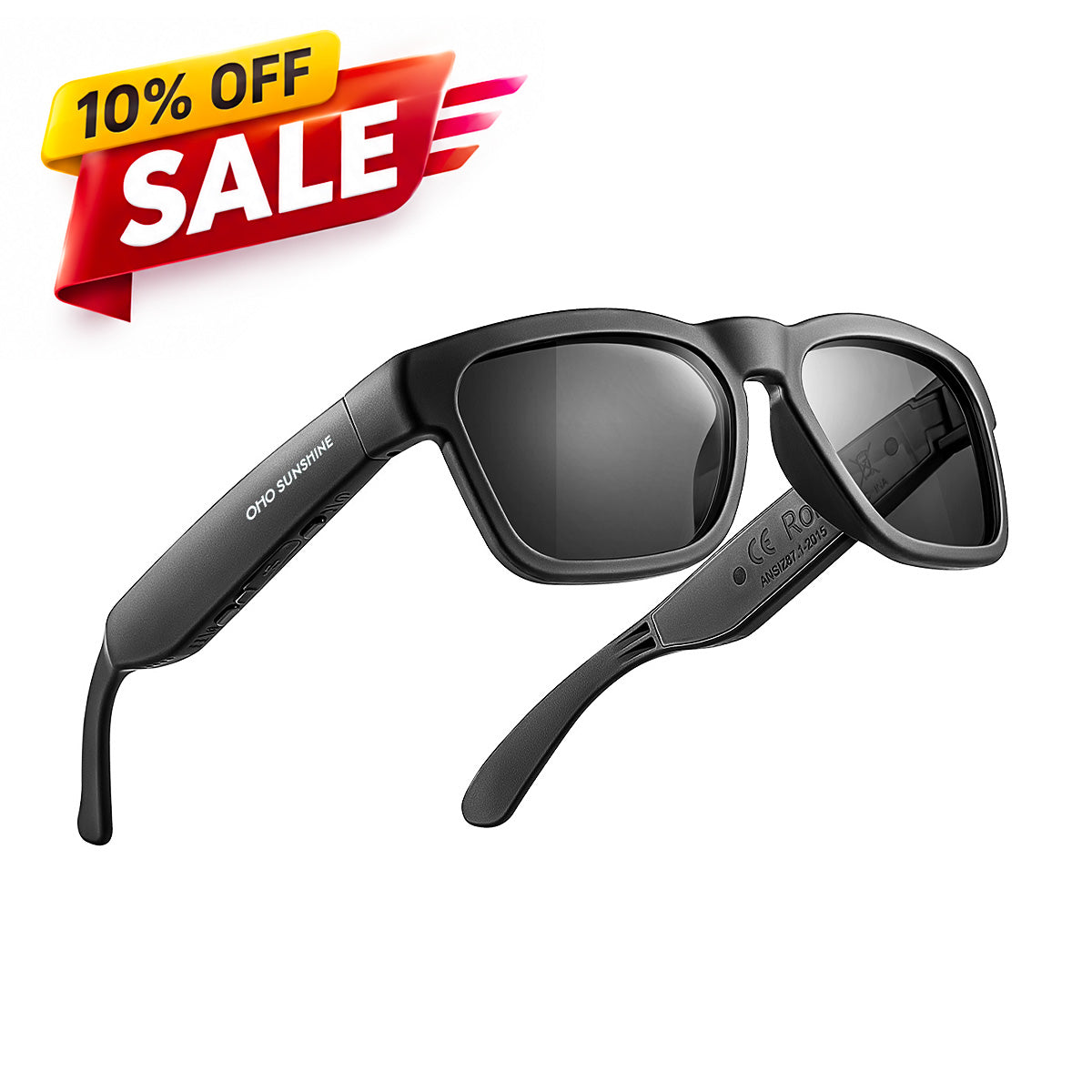




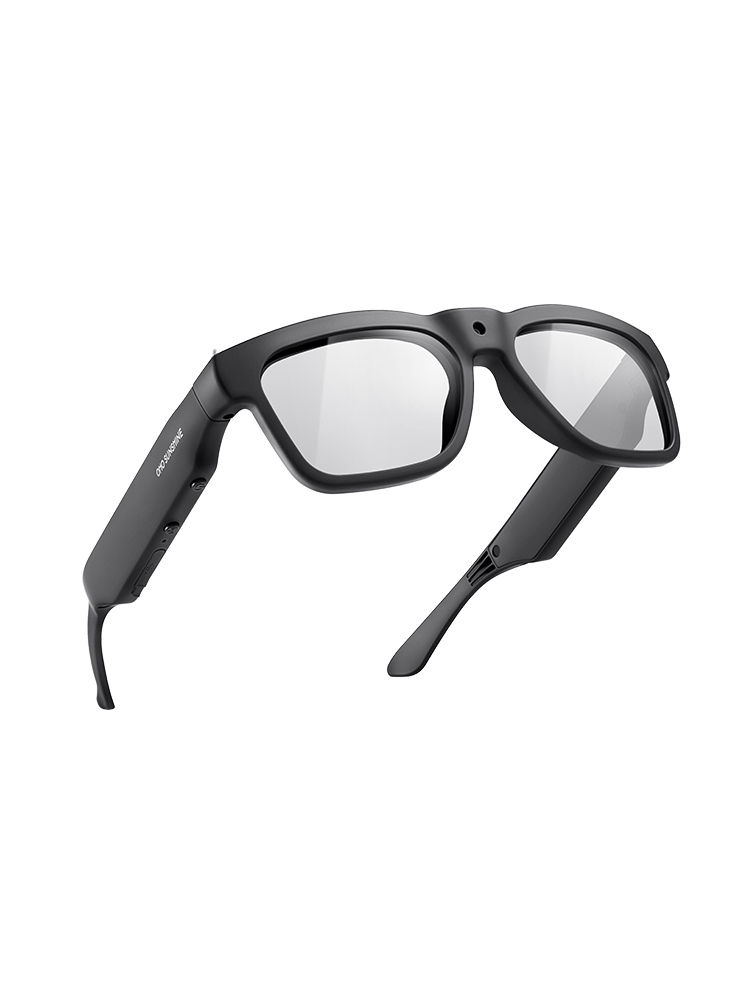

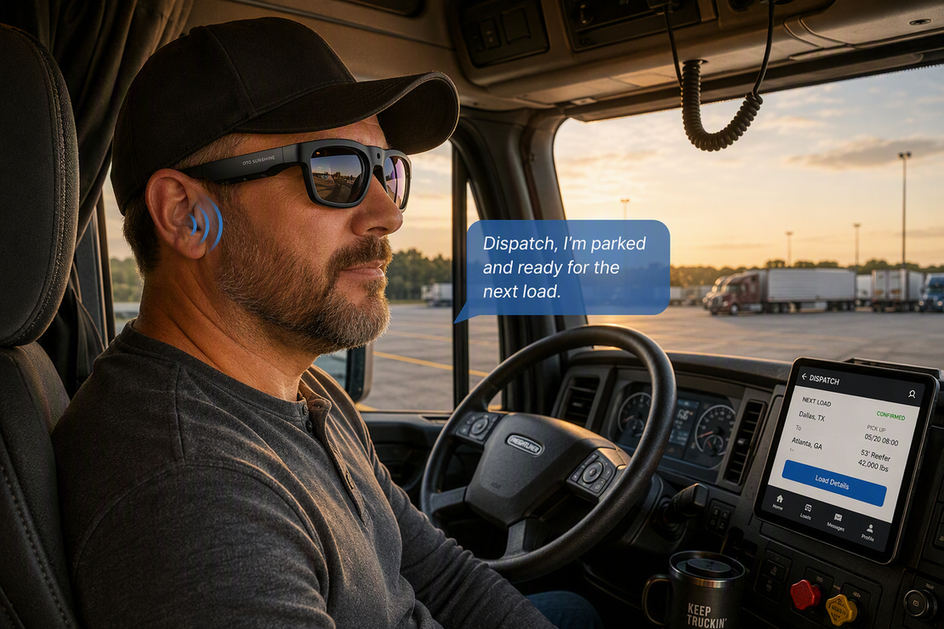
Smart audio glasses can be genuinely useful in the cab, but the Bluetooth label on the box does not settle whether a specific setup is allowed while you drive. Whether you can use sunglasses with camera and speaker features for dispatch calls depends on federal rules, your state's laws, your carrier's written policy, and how you actually operate the device. The first practical step is checking those four layers before you ever pair the glasses to your phone.
This matters most for long-haul drivers who juggle dispatch calls, changing light between loading docks and open highway, and long stretches where taking your eyes off the road even briefly carries real risk. The sections below separate the compliance question from the comfort question, then match verified product features to specific driving scenarios.
Can Truck Drivers Use Smart Glasses for Hands-Free Dispatch?
There is no blanket yes or no answer. Federal rules set a baseline for texting and hand-held phone use, but they do not specifically approve or ban every smart-glasses configuration, so state law and carrier policy still apply on top of that baseline.

What the Federal CMV Rules Establish
Federal regulation prohibits texting while driving a commercial motor vehicle and bars using a hand-held mobile phone while driving, and it also prohibits a motor carrier from allowing or requiring a driver to do either one. This comes from federal electronic device rules, which define "driving" broadly to include being temporarily stopped in traffic or at a light with the engine running. A vehicle that has been pulled safely off the highway and brought to a full stop is treated differently under that same rule. None of this settles whether a single-ear or open-ear headset is fine to wear; it only tells you that handling a phone or device while the truck is technically "driving" is off the table except in a genuine emergency-communication situation.
Single-Ear Versus Open-Ear Audio
Single-ear audio can be a reasonable fit only where your state's distracted-driving law and your carrier's device policy actually permit it, since some states restrict headsets covering both ears while others regulate single-ear use differently. Open-ear designs that leave the ear canal open are sometimes framed as safer because ambient traffic sound stays audible, but an open-ear speaker is not automatically compliant just because nothing is inserted in the ear. The right choice depends on your specific route's state law, your carrier's current written policy, and whether the glasses let you answer calls with voice commands instead of touching a screen or button while moving.
Configure Before Moving, Stop for Manual Tasks
Pair the glasses, test the microphone, and save your dispatch contact while the truck is parked, not on the shoulder with the engine idling. Once you are underway, limit yourself to the simple voice commands you already tested, such as answering a call or asking for the time. FMCSA's summary of the federal rule notes that violations can lead to civil penalties and driver disqualification, according to FMCSA device penalty summary, so if a task ever requires reading a screen, troubleshooting a pairing issue, or touching the phone itself, wait until you have moved off the highway and stopped safely. A red light or a backed-up exit ramp does not count as parked under this rule. Browsing our hands-free calling glasses collection can help you compare open-ear designs, though the listing itself is not proof that any specific model is cleared for your route or carrier.
How Should Drivers Judge Photochromic Comfort and Product Fit?
Photochromic lenses darken and clear back up at different speeds depending on the lens technology, the light hitting it, and the temperature outside, so no single number applies to every pair of glasses. The bigger catch for drivers is the windshield itself, which blocks much of the UV light that ordinary photochromic lenses need to darken.

Photochromic Reaction Speed in Changing Light
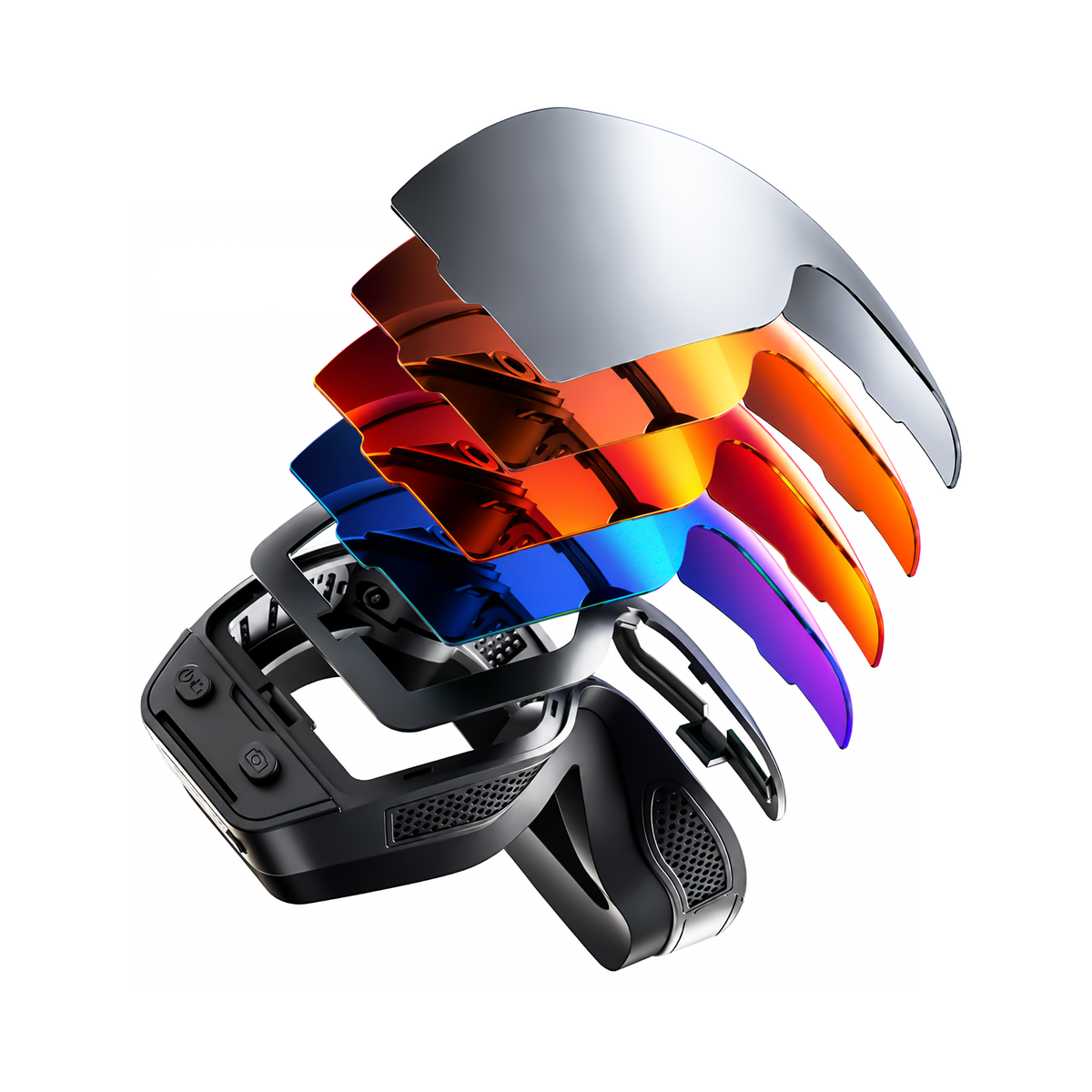
Darkening and fading back are two separate behaviors, and both vary by lens material and how much UV light reaches the lens. Standard UV-triggered photochromic lenses get little signal to darken behind a windshield, because automotive glass filters out most of that UV light, and some newer formulas respond to visible light instead to work around this limitation. Before assuming a pair will meaningfully reduce glare or eye fatigue on your route, confirm the exact activation technology, tint range, and behind-windshield behavior for that specific lens rather than relying on a general photochromic label; our photochromic driving guide walks through how that windshield limitation plays out compared with polarized lenses.
A Scenario-Based Product Shortlist
When evaluating camera and speaker sunglasses for long-haul routes, match your cab needs to verified hardware rather than general marketing promises. Once you know whether your priority is audio-first dispatch, combined audio and camera capture, or camera-only recording, check the verified features below before deciding.
| Driver Scenario | Supported Product & Verified Features | Fit Limit / Next Check |
|---|---|---|
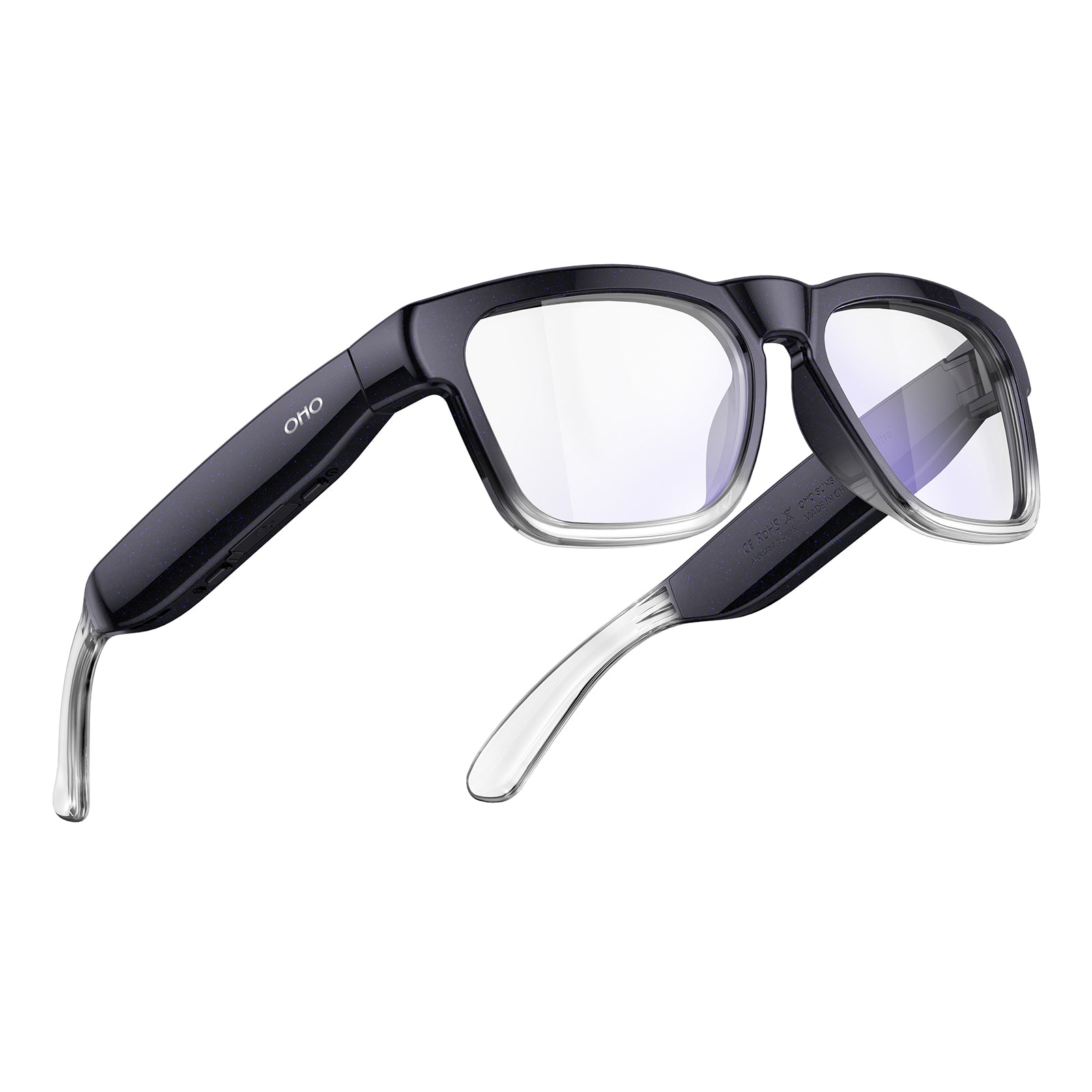
| Audio-first dispatch on changing-light routes | GlobeEar AI glasses: open-ear audio, ENC hands-free calling, voice control, photochromic blue-light-blocking lenses, UV400, up to 10 hours battery | Confirm carrier and state approval; in-cab tint performance is not verified |
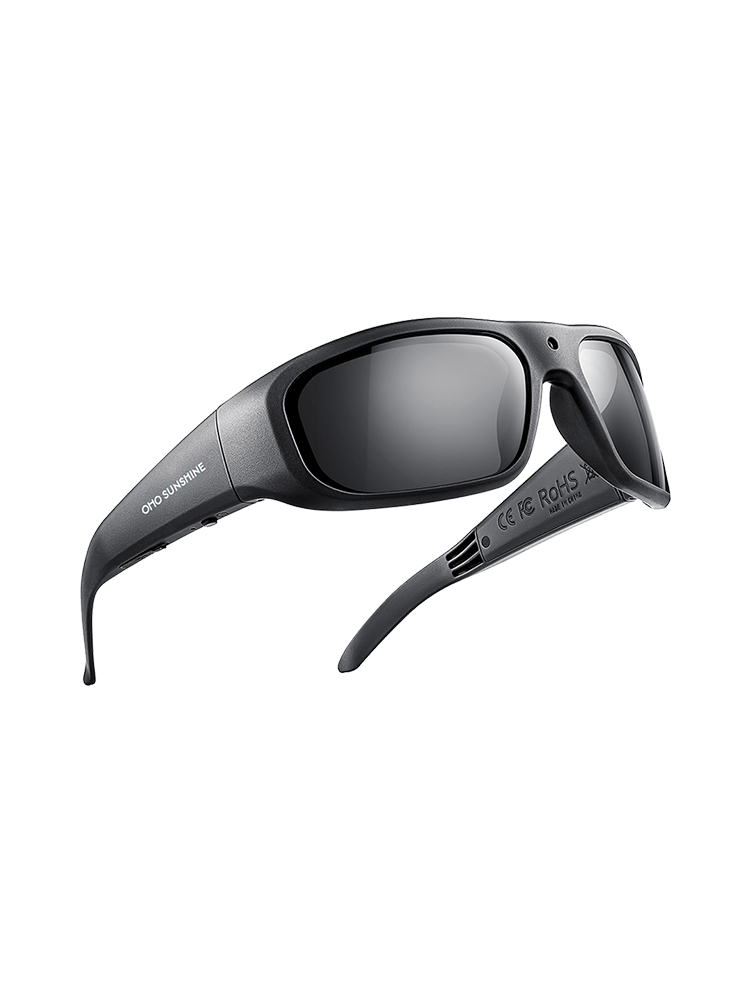
| Combined open-ear audio plus camera | Edge Pro smart glasses: open-ear audio, Bluetooth 5.3, built-in microphone, voice control, 4K/30 fps video, 24MP photos, photochromic lenses | Listed 1.5-20 hour battery range is wide; confirm actual runtime against your shift length |
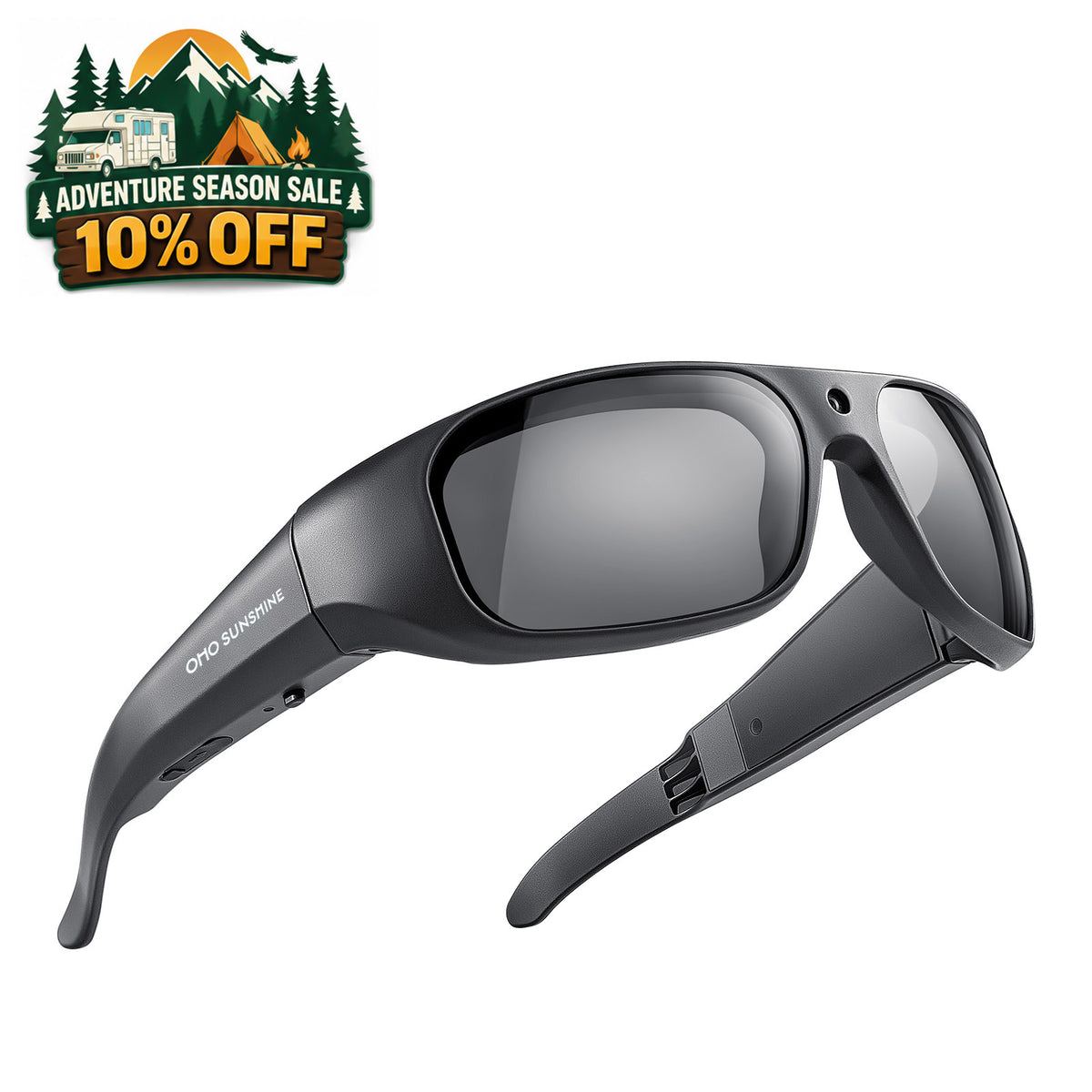
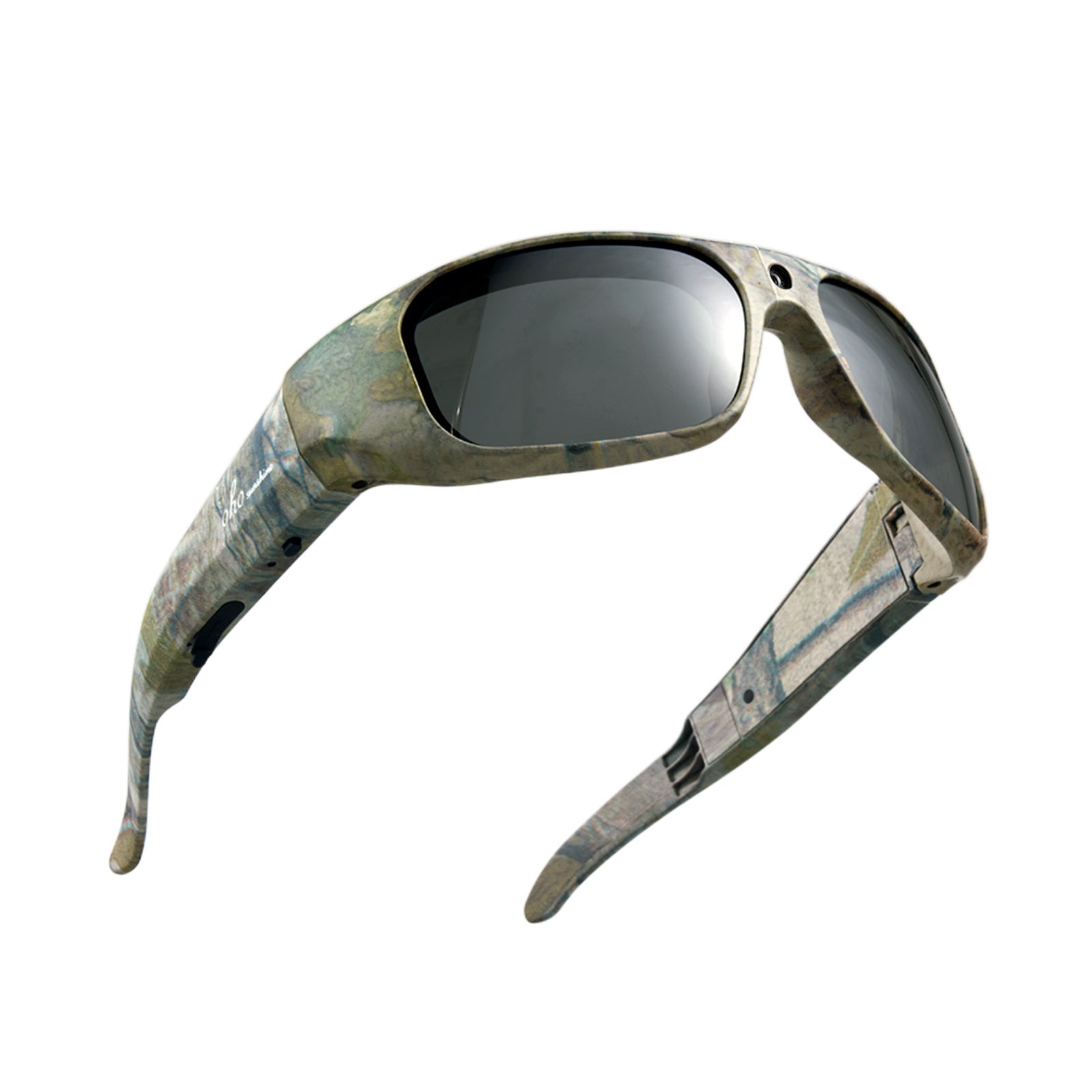
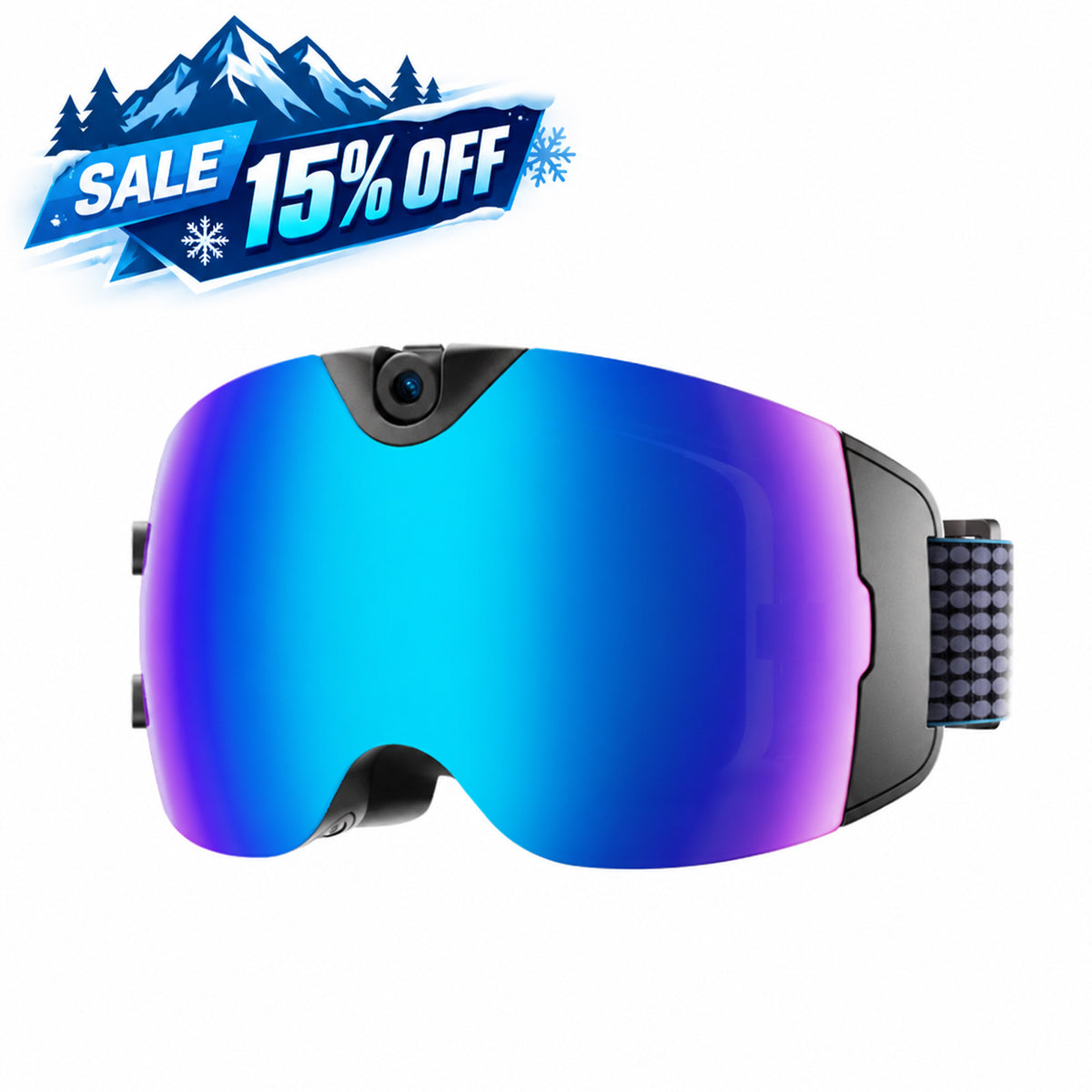
| Camera-first capture at approved, parked stops | Brave camera glasses: 4K/30 fps video, 24MP photos, button control, polarized UV400 lenses, photochromic lens option | Not a verified dispatch headset; roughly 30 minutes of battery life limits extended use |
If dispatch calls and changing light are your main concern, the GlobeEar's open-ear audio and photochromic lens pairing lines up with that scenario, though the legal and in-cab performance questions above still apply. If you also want to capture video during breaks, the Edge Pro adds a 4K camera to the same open-ear audio setup, but check the real battery life for your route before counting on all-day use. The Brave is built for camera capture rather than calling, so treat it as a recording tool for approved, parked moments rather than a hands-free dispatch solution. Select the model that fits your shift profile, confirm carrier clearance, and test all audio functions while parked before heading out.
Conclusion
Before relying on smart glasses on duty, confirm federal rules, state laws, and carrier policies, and complete all audio setup while safely parked. If your priority is open-ear dispatch in changing light, we recommend starting with our GlobeEar AI glasses for voice-assisted calling, or exploring our full hands-free calling glasses lineup to match hardware features to your cab routine. Product specs describe hardware capability, so always ensure your chosen model aligns with carrier compliance and shift demands.
FAQs
Can a Carrier Prohibit Smart Glasses Even if Federal Rules Do Not Specifically Ban Them?
Yes. Federal rules set a floor, but your carrier can still write a stricter policy covering Bluetooth audio, cameras, microphones, voice assistants, and recording. Ask your safety department for the current written policy before you rely on any headset for dispatch calls, since one carrier's rules do not automatically apply to another.
What Lens Details Should I Request Before Buying for Mixed-Light Routes?
Ask the seller for the exact darkening and fade-back time, the tint range, the activation technology, any temperature sensitivity, and how the lens performs behind a windshield specifically. The specification sheets for our selected models do not list these exact values, so treat them as questions to confirm before you buy if mixed-light comfort is your priority.
Can Camera Glasses Record Dispatch Conversations or Loading Areas?
Having a camera does not automatically give you permission to record. Check your carrier's recording policy, any applicable consent requirements in your state, and the expectations of anyone in frame, such as dock staff or other drivers, before you press record. Test recording only in a setting where you already have that approval and the truck is parked.
What Should I Check About Charging and Fit Before a Multi-Day Route?
Charge and pair the glasses while parked, test the call and voice functions, and pack the charging cable and user manual rather than assuming you will remember every step mid-route. Also check physical fit, prescription lens compatibility if you need one, and whether the model's listed battery life realistically covers a full shift before your next charging stop.



Deixe um comentário
Este site está protegido pela Política de privacidade da hCaptcha e da hCaptcha e aplicam-se os Termos de serviço das mesmas.