















Reflected glare from pavement and windshields is the clearest reason to look at polarized running sunglasses. Technical trail terrain is different: the available evidence does not show that either lens type is naturally better at helping you judge roots, rocks, or potholes.
So the smartest starting point isn't picking a lens label. It's identifying which problem your route creates most often, then testing the exact pair you own before a hard run. Mixed routes may call for a single tested pair or two route specific options.
The Short Answer: Choose for the Route, Not the Lens Label
Running sunglasses solve several separate jobs: cutting glare, keeping terrain details sharp, blocking UV rays, holding a comfortable tint, and staying put while you sweat. Treating all of that as one polarized or non-polarized decision is where runners go wrong.

Start with the route's toughest visual moment. If your run includes long open stretches of bright pavement, glare from the road surface or nearby car windshields is likely your biggest problem, and that's where polarized lenses earn a closer look. If your run instead includes roots, loose rock, or sudden pothole edges, terrain visibility matters more than glare control, and no lens label guarantees a clear view of that ground.
UV protection, tint darkness, and photochromic behavior are independent checks. A lens can be dark, non-polarized, and still labeled UV400. A lens can be polarized and still uncomfortable if the tint is too dark for shaded trail sections. Confirm each spec separately instead of assuming one feature covers the rest.
Before trusting any new pair on a demanding route, test it on an easy run first. Watch how it performs in the brightest and roughest section you can reach, then decide if it's ready for the harder day.
What Polarization Changes on Bright Roads
Polarized lenses reduce glare created by light reflecting off flat, smooth surfaces such as wet pavement, parked cars, and windshields. That's a real optical effect, but it only addresses one part of a road run.

On a bright road route with long open stretches, reflected glare off the asphalt or nearby traffic glass is often the main source of squinting and eye fatigue. Investigating a polarized lens makes sense here because the mechanism directly targets that kind of reflected light. It does not, by itself, confirm the lens blocks UV rays. UV protection depends on the lens coating and is usually stated separately as a UV400 or similar rating, so check that label on its own before assuming a polarized lens is automatically UV rated.
Polarization also does not guarantee that you'll spot a curb edge or pothole any faster. It changes how reflected glare reaches your eyes, not how sharply you perceive depth or texture. For a road run with mostly flat, predictable footing, that trade-off usually favors comfort. For a road route that includes broken pavement or debris, keep watching your footing the way you normally would, and treat glare relief as a comfort gain rather than a safety feature.
What Non-Polarized Lenses Can and Cannot Tell You on Technical Trails
Non-polarized lenses are not automatically better for reading roots, rocks, or sudden trail texture changes. Available evidence does not show that removing polarization improves depth perception, so that common trail assumption isn't something we can confirm as a rule.
What actually matters on technical terrain is whether your specific lens, tint, and frame combination lets you judge the ground clearly while moving. Polarization can occasionally flatten contrast on some reflective wet rock or shaded root beds for some wearers, while a non-polarized lens might feel more neutral in the same spot. Neither pattern is established well enough to recommend one lens type across all trail conditions. That's why an exact-lens test matters more than a general label here.
Before committing to a technical trail run, walk or jog an easy-pace loop over similar terrain, roots, small rocks, and a shaded section if you can find one. Look down naturally the way you would mid stride and see whether the ground stays easy to read.
If the lens you're testing makes roots, rocks, potholes, or sudden surface changes harder to judge during that easy test, don't use that setup for the demanding technical run. Switch lenses, change the route, or slow down until you find a combination that keeps the terrain clear.
How to Choose for Mixed Road and Trail Routes
When one route mixes glare and technical terrain, break it into segments and test the hardest one, not the whole loop. That's the fastest way to know if one pair works or if you need two.
First, note which segment creates the toughest visual problem. A sunny bridge crossing or open shoulder run creates glare; a rooty singletrack climb creates terrain-judgment demand. Second, test your current lens on that harder segment specifically, at an easy pace, before a long or race-pace effort. Third, decide based on the result: if the lens stays comfortable in glare and keeps terrain readable during the trail test, one pair can reasonably cover the whole route.
If the same lens fails either test, a route-specific two-lens approach becomes the safer default. That might mean a polarized pair for the paved sections of a commute run and a separate non-polarized pair for weekend trail loops, switched based on which conditions dominate that day's route. Two lenses aren't a downgrade. It's simply an admission that glare control and terrain visibility can pull in different directions, and testing beats guessing when light and footing shift mid-run.
How to Choose Tint When Light Changes
Tint choice should follow what keeps the ground and colors easy to read in your route's actual light, not how dark the lens looks in the store. A tint that feels comfortable in bright sun can wash out trail detail once you hit shade.
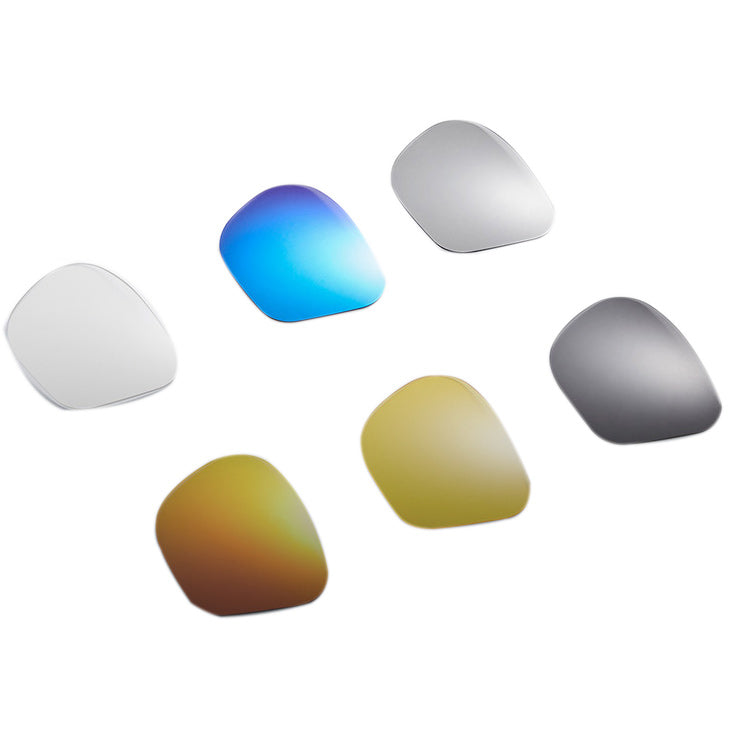
For open, sunny miles, a medium to dark tint usually stays comfortable without straining your eyes. For routes with frequent shade, tree cover, or overcast stretches, a lighter tint tends to preserve terrain and color contrast better than a very dark one. If your route shifts quickly between full sun and shade, a photochromic lens that darkens and lightens on its own can be convenient, but transition speed and behavior vary by lens, so verify how your exact pair performs in real shade before relying on it for a demanding run. Our breakdown of polarized versus photochromic lenses walks through those trade-offs in more depth if you want to compare the two approaches.
One rule matters regardless of tint: darkness is not a UV rating. A very dark lens can still lack adequate UV protection, and a lighter lens can still carry a full UV400 label. Check the printed or listed UV rating separately from how dark the lens looks, and if a tint change makes terrain harder to see during a test run, treat that as a signal to try a different lens rather than pushing through it.
How to Keep Running Sunglasses Stable When Sweat Builds Up
Frame stability is something you test, not something you can assume from a nose pad material or a water-resistance rating. A pair that feels secure dry can still slide once sweat builds up on your nose and temples.
Before a hot or humid run, put the glasses on and run through a few real movements: look sharply down as if checking your footing, turn your head side to side, and jog in place for a minute. Watch whether the frame stays in the same position on your nose or starts creeping down. Then check the lenses themselves for distortion, scratches, bubbles, or any visual waviness that makes edges look bent, since a distorted lens can be uncomfortable or misleading on technical terrain regardless of how well the frame fits.
Once you've built up a light sweat, either from the test itself or an early warm-up mile, repeat the head-movement check. A dry-store fit doesn't tell you how a frame handles an hour of sweat and impact from footstrikes. If the glasses shift, slide, or need constant readjustment once sweat is present, that's a fit problem to solve before your route, not something to manage mid-run.
How to Make the Final Choice Before a Demanding Run
Before trusting any lens setup on a demanding run, walk through five checks: glare comfort on the brightest section, terrain clarity on the roughest section, tint or transition behavior across light changes, a separate UV label check, and frame stability after sweat. Passing all five means the setup is ready; failing any one means change the lens, the fit, or the route first.
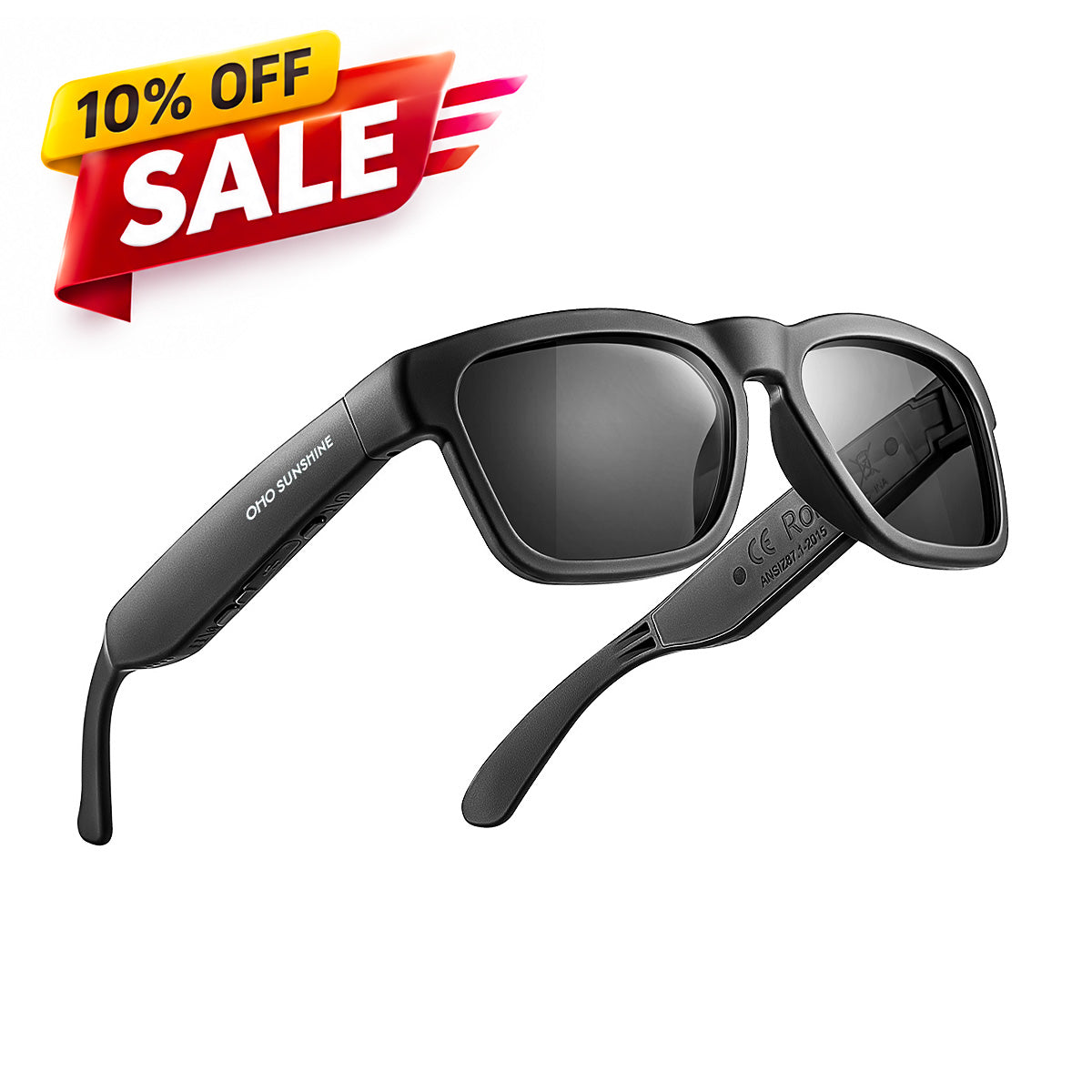
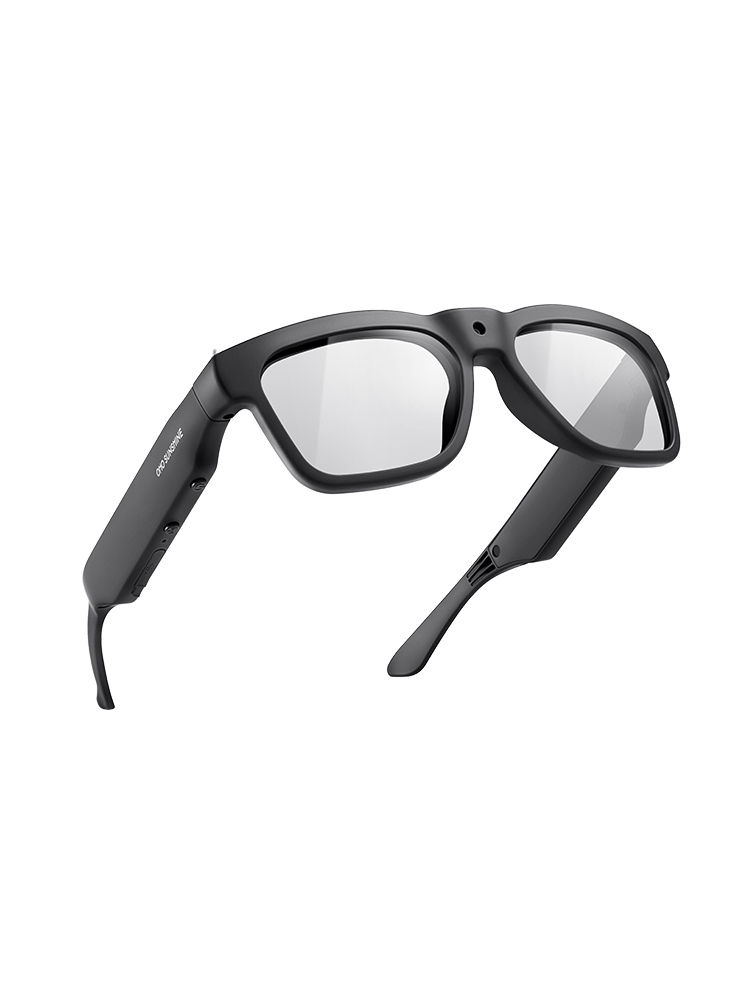
For runners specifically looking for a polarized option built around bright or wet outdoor conditions, our Vidsoul polarized option is listed with polarized lenses, UV400 protection, and a TR90 frame rated to handle sweat, rain, and splashes, with running named as one of its intended uses. That combination can fit a runner who wants a store-listed polarized pair for bright road miles or wet weather, but it doesn't establish anti-slip nose-pad performance on its own, so run the same sweat and movement test on it that you would on any other pair. If you're comparing several polarized or non-polarized styles built for running, our running glasses collection is a reasonable place to browse options side by side.
If the frame shifts, the lens distorts your vision, or terrain becomes harder to judge during your pre-run test, don't use that setup for the demanding route. Adjust the fit, pick a different lens, or scale back to an easier run until one setup clears every check.
FAQs
Can one pair of running sunglasses work for both road and trail routes?
Yes, if that exact pair passes both a glare test on your brightest road section and a terrain test on your roughest trail section. If either test fails, a route-specific two-lens approach is the more reliable choice. Test the pair at an easy pace on the hardest segment before committing it to a long or demanding run.
Do darker running lenses provide better UV protection?
No. Tint darkness and UV protection are unrelated specs. A dark lens can still lack adequate UV coverage, and a lighter lens can carry a full UV400 rating. Check the specific UV label on the product itself rather than judging protection by how dark the lenses look.
How should I test running sunglasses before a long or technical run?
Run an easy-pace test that covers head movement, downward viewing, and sweat exposure. Look down as you would checking your footing, turn your head, and let sweat build up before checking the frame position again. Also check glare comfort and terrain clarity in the brightest and roughest spots you can reach. If the setup shifts, distorts, or makes obstacles harder to judge, don't use it for the demanding run.
Can photochromic lenses replace separate bright-sun and shade lenses?
Sometimes, but only if the transition behavior actually holds up on your route. Photochromic lenses that darken and lighten automatically can be convenient for routes that swing between open sun and shade, but transition speed varies by lens and needs to be verified in real conditions. If the lens still feels too dark, too light, or slow to adjust during shade changes, a separate tested tint remains the safer choice for that route.


Deixe um comentário
Este site está protegido pela Política de privacidade da hCaptcha e da hCaptcha e aplicam-se os Termos de serviço das mesmas.