














Camera ski goggles are useful for recording a ski lesson when your question is about what the wearer sees, such as the terrain ahead or where the instructor stood during a drill. If you need to see a skier's own movement from outside, the wearer's camera can't capture it, so a side or front view is the better choice.
Either way, pick the view before you press record. Then confirm the resort's rules, the lesson provider's policy, and the group's agreement before any filming starts.
Are camera ski goggles useful for recording a ski lesson?
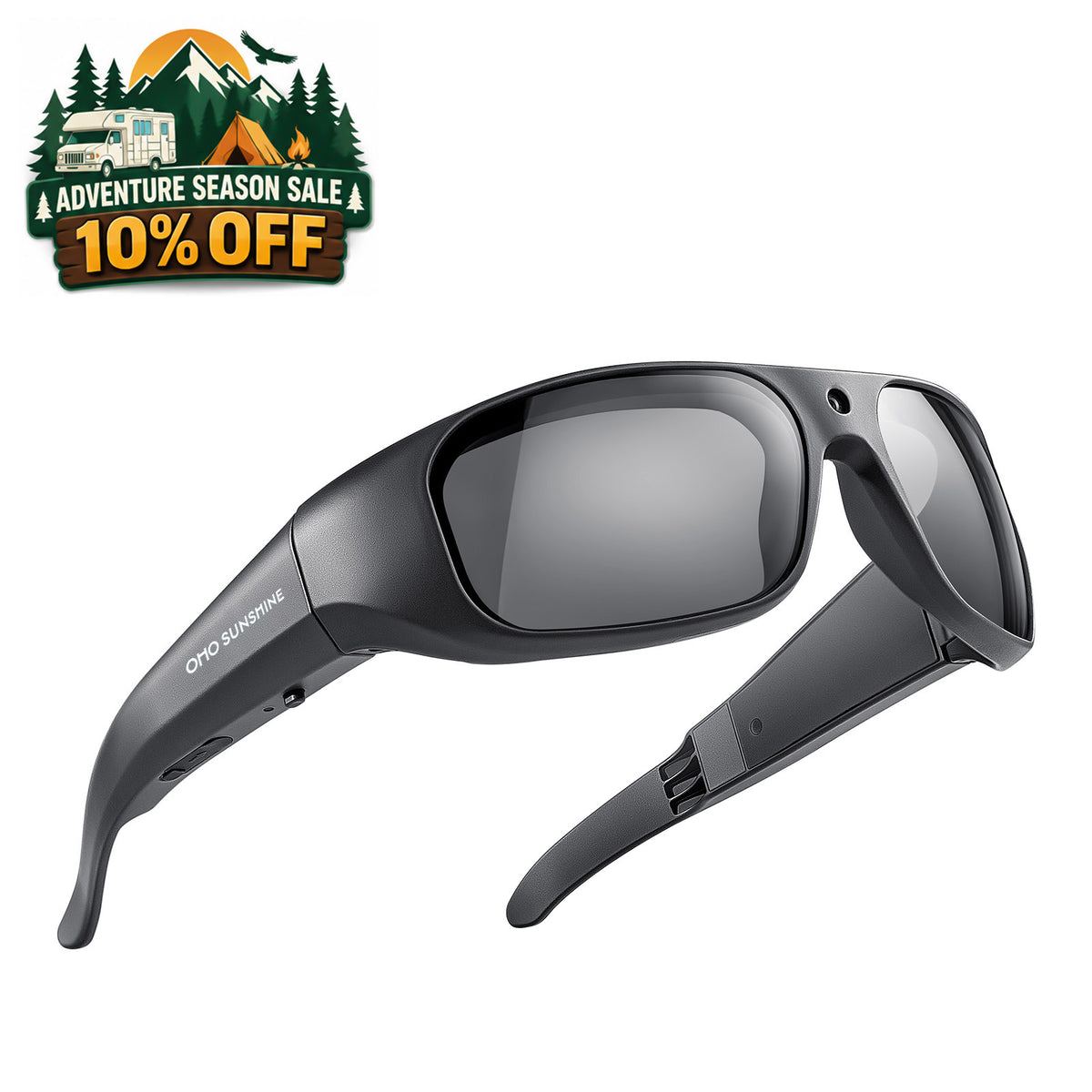
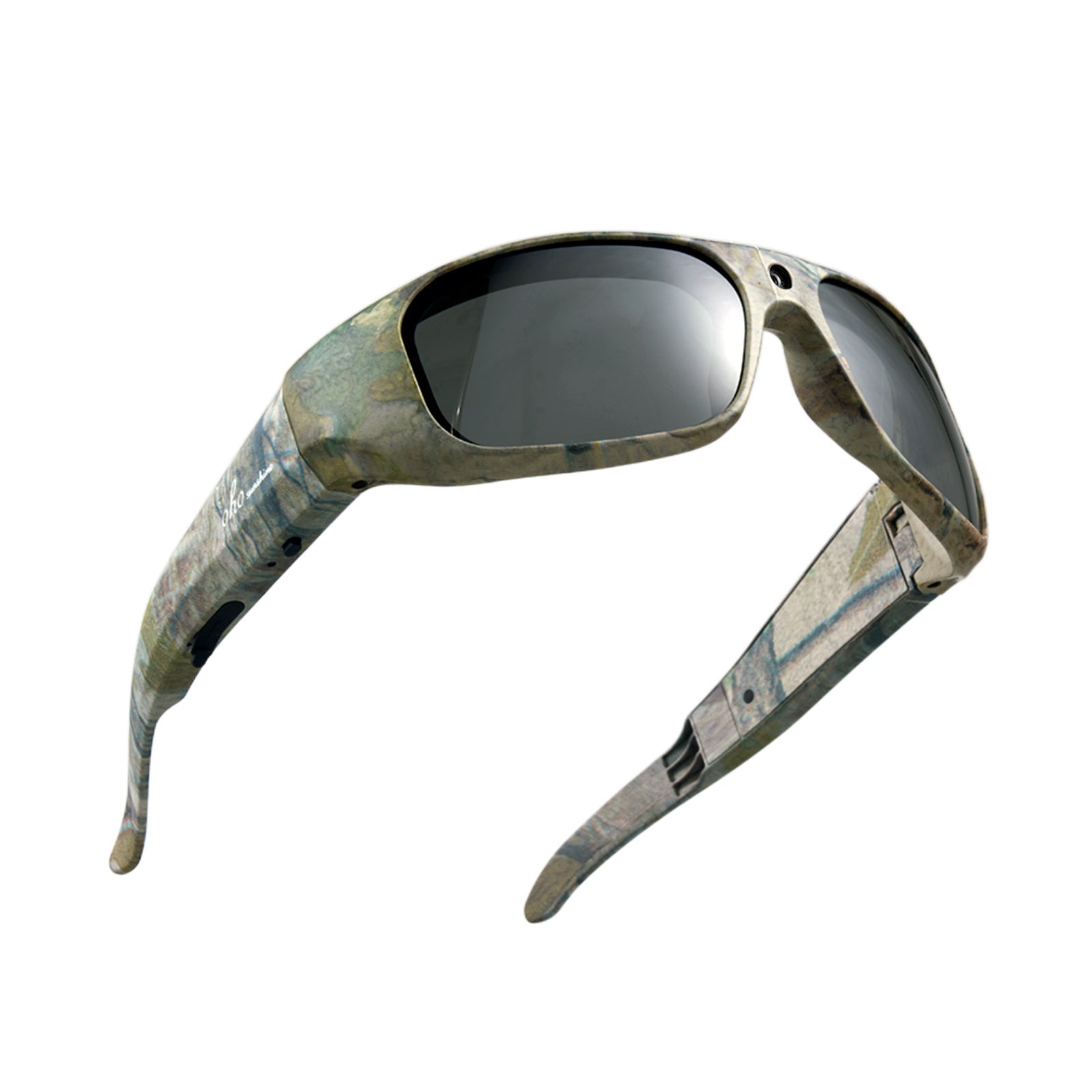
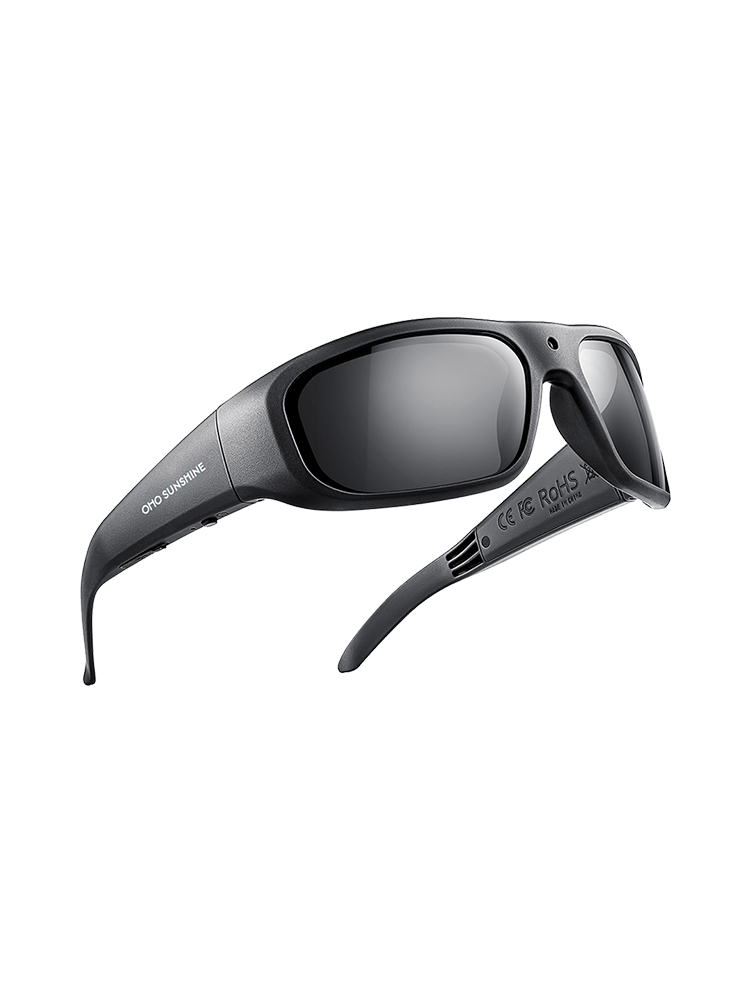
Ski goggles with camera, such as our 4K camera smart ski goggles, are a good fit when the lesson question is "what did the wearer see?" They're a poor fit when the question is "what did the skier look like?" Each viewpoint below answers a different question and misses something the others show.
Instructor POV: What does the instructor see?
An instructor-worn camera records the instructor's forward scene. That means the slope, the line they chose, and anything in front of them, including students who happen to be ahead. This view fits when the review question is what the instructor was looking at or pointing to at a certain spot. It won't show the instructor from outside, and learners appear only when they're in front of the lens, so it's not a steady outside view of a learner's body. Instructors who want eye-level footage can compare it with a phone or pole mount in our guide to instructor carve footage.
Student POV: What does the learner see?
When the student wears ski goggles with camera, the clip shows the learner's forward scene. You'll see the instructor's demo from where the student stood, the terrain they faced, and the group around them. That suits questions like "where was I looking when I lost the line?" or "what did the demo look like from my spot?" The catch is simple: the camera faces away from the wearer. It can't show the student's own stance or turns from outside, so it won't answer a question about how the learner moved.
External view: What can an outside angle show?
An outside angle is the one view that puts the skier in the frame. A ski video analysis guide notes that action cameras suit a moving perspective, but a fixed side or front view is far more informative for technical analysis. An alpine recording overview from a ski-analysis company also outlines different ski recording methods including first-person, follow-cam, and tripod footage. It notes that a tripod works well for one specific section but only records that section. So this view needs a second person or a fixed setup, and it covers a limited stretch of slope.
What should you confirm before filming a ski lesson?
Confirm three things before recording: the resort's rules, the lesson provider's rules, and the agreement of everyone who will appear on camera. Each one is a separate check, so a yes on one doesn't cover the others.
- Resort rules: Look up the current filming or camera policy for the resort where your lesson takes place. Don't assume it matches another mountain you've skied.
- Lesson provider and staff rules: Ask the ski school or your instructor whether they allow lesson filming and filming of staff. Policies can be specific. For example, Mount Pakenham's lesson terms in Canada prohibit filming staff while working without express permission.
- Participant agreement: Ask the instructor and the other people in your group whether they're okay being recorded. Mention audio too, since it can capture voices and conversation.
If any rule is unclear, or someone expected to appear says no, leave the camera off until that's sorted out. Our notes on resort filming etiquette cover when to ask, when to stop, and what to check before sharing footage.
How can a stationary test clip help you choose a view?
A short clip recorded while standing still tells you whether your chosen view frames the scene you need. It gives you a quick keep-or-change answer before the lesson starts.
- Name one review question. For example: "Can I see the instructor's demo from my spot?" or "Can I see my skis and body from the side?"
- Record a few seconds while stopped. Use the exact view you plan to use: goggles on your head, or the outside camera in its planned position.
- Replay the clip. Check whether the scene your question needs is actually in the frame. If a goggle clip shows mostly sky or snow, our goggle framing test guide covers tilt and centering fixes.
- Keep or switch. If the needed scene is visible, keep that view. If it's missing, change the view, such as moving from goggles to a side angle.

This check covers framing only. A clean still shot doesn't prove that moving footage will answer a question about movement, so treat a pass as a green light to try, not a promise.
The bottom line is conditional. Choose ski goggles with camera when your question is about the wearer's view, and choose an outside angle when you need to see the skier. Settle the permissions first, run the still clip, and then use a short-clip lesson workflow so recording doesn't take over the run.

FAQs
Do smart glasses with camera give a different view than camera goggles?
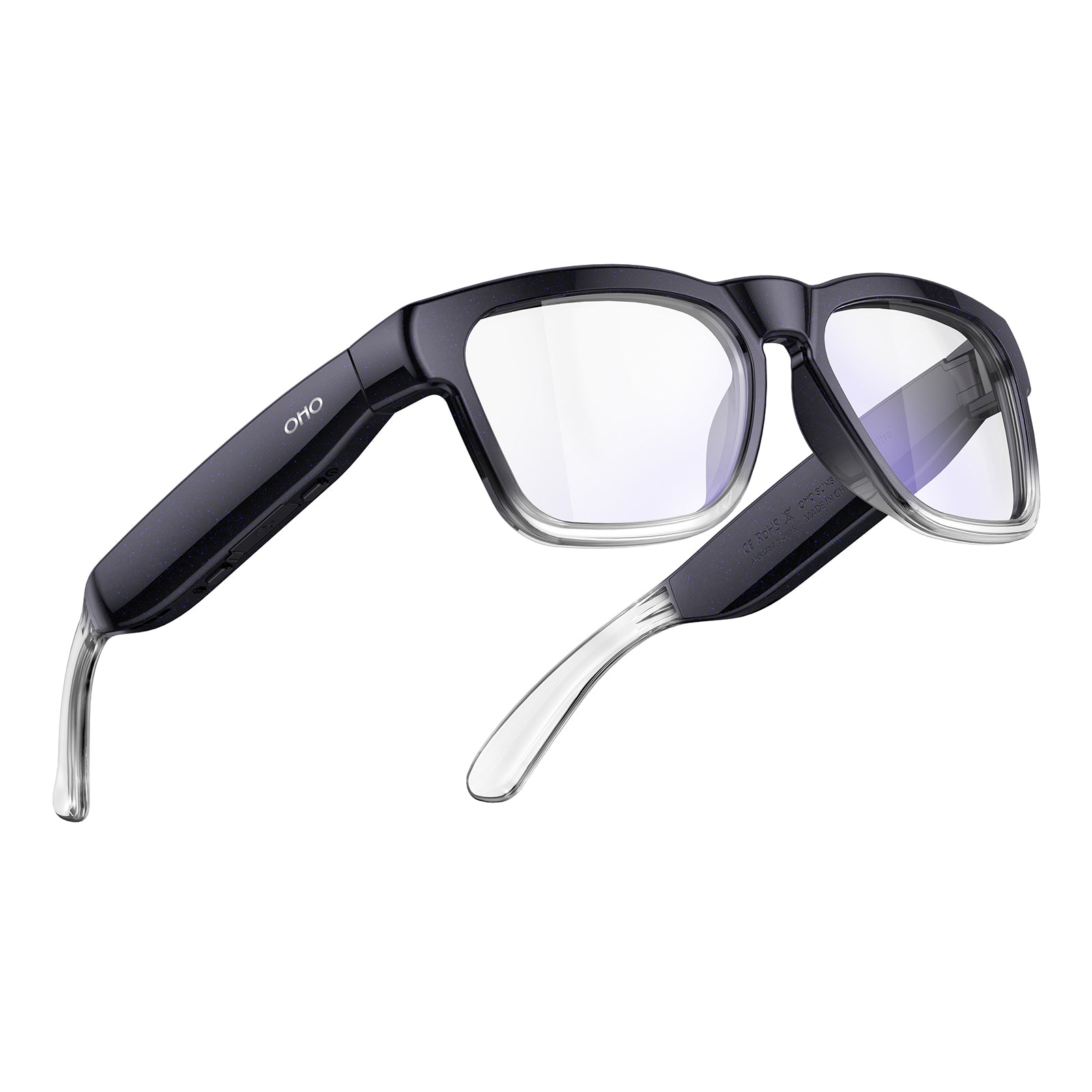
Both are worn on the head, so both record the wearer's forward scene rather than the wearer from outside. The same rule applies: they fit a "what did I see?" question, not a "how did I move?" question. If you're comparing smart glasses with camera and audio, ask about audio recording as part of your permission check.
Does the same advice apply to a snowboard lesson?
Yes, the viewpoint logic is the same. Camera snowboard goggles or snow goggles record what the rider sees, and an outside angle is needed to show the rider's stance and movement. Our smart snow goggles range fits the wearer-view side of that choice.
Can a parent film a child's group lesson from the sidelines?
A sideline camera is an outside view, so it can show the child skiing in a way goggles can't. Other children and the instructor will likely be in the frame, though. Ask the lesson provider first and check with the other families before recording.
Should I record the whole lesson or just parts of it?
Short clips tied to one question are easier to review than a full session of footage. They also let you stop recording when the instructor is talking or the group is moving, so you stay focused on the lesson itself.


Zostaw komentarz
Ta strona jest chroniona przez hCaptcha i obowiązują na niej Polityka prywatności i Warunki korzystania z usługi serwisu hCaptcha.