











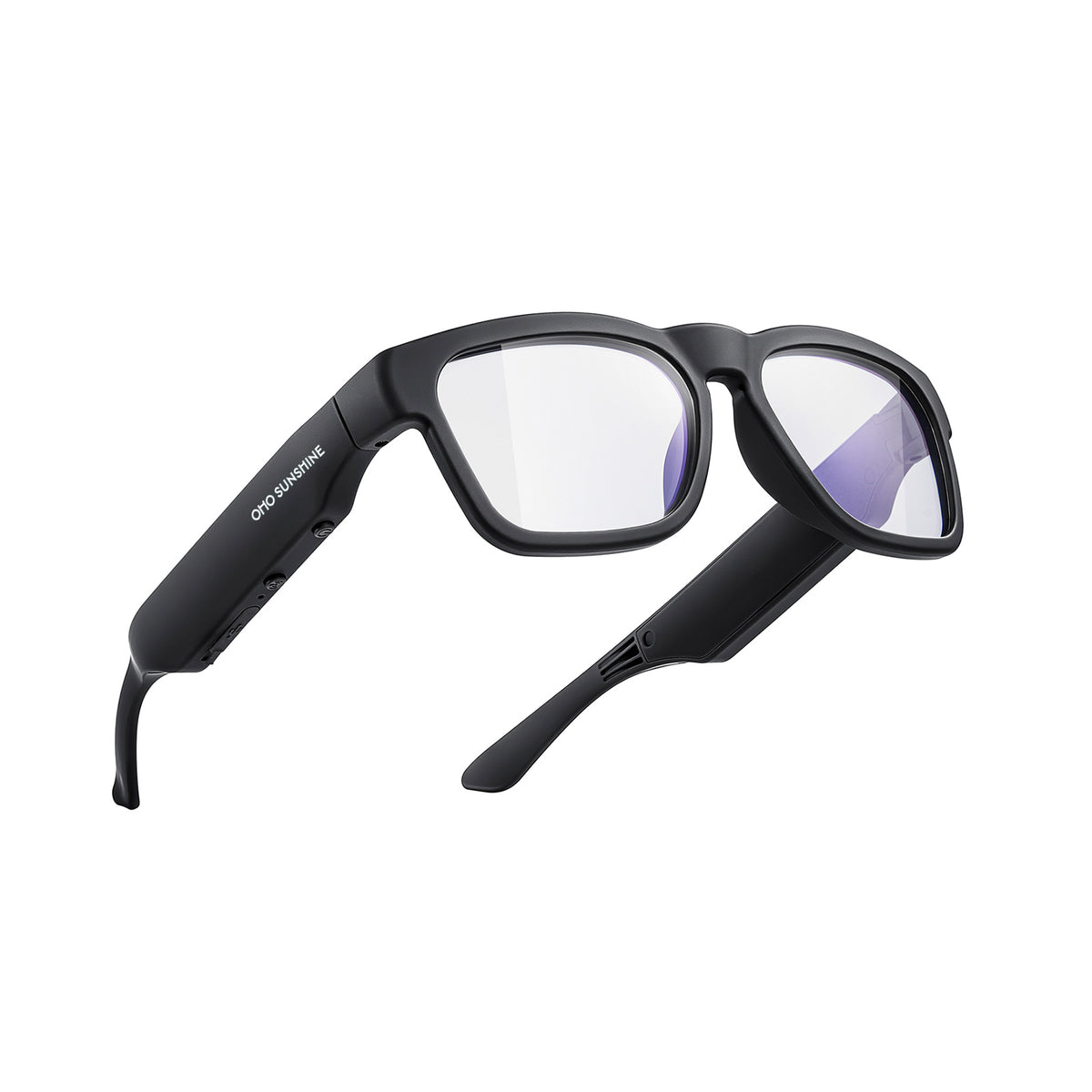



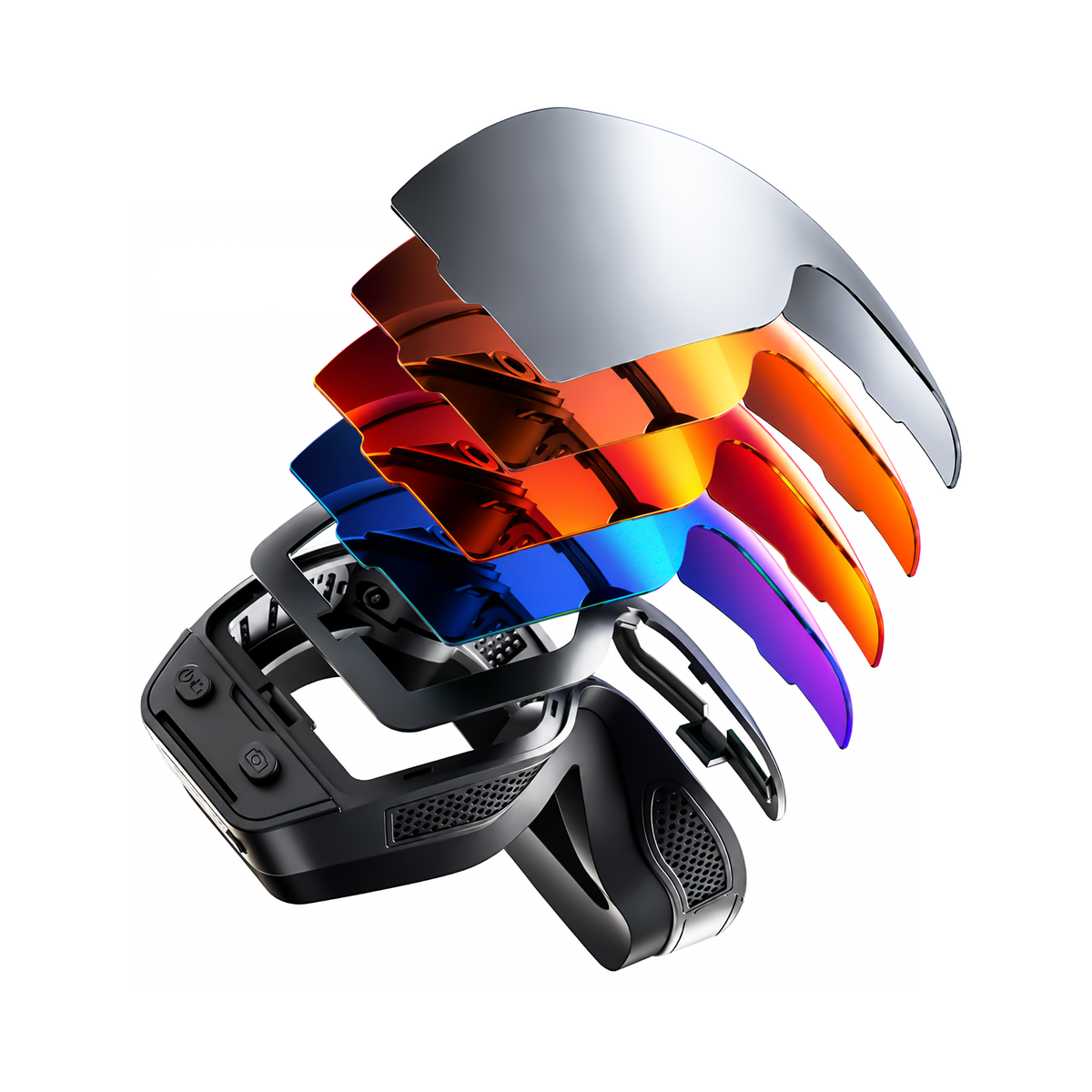



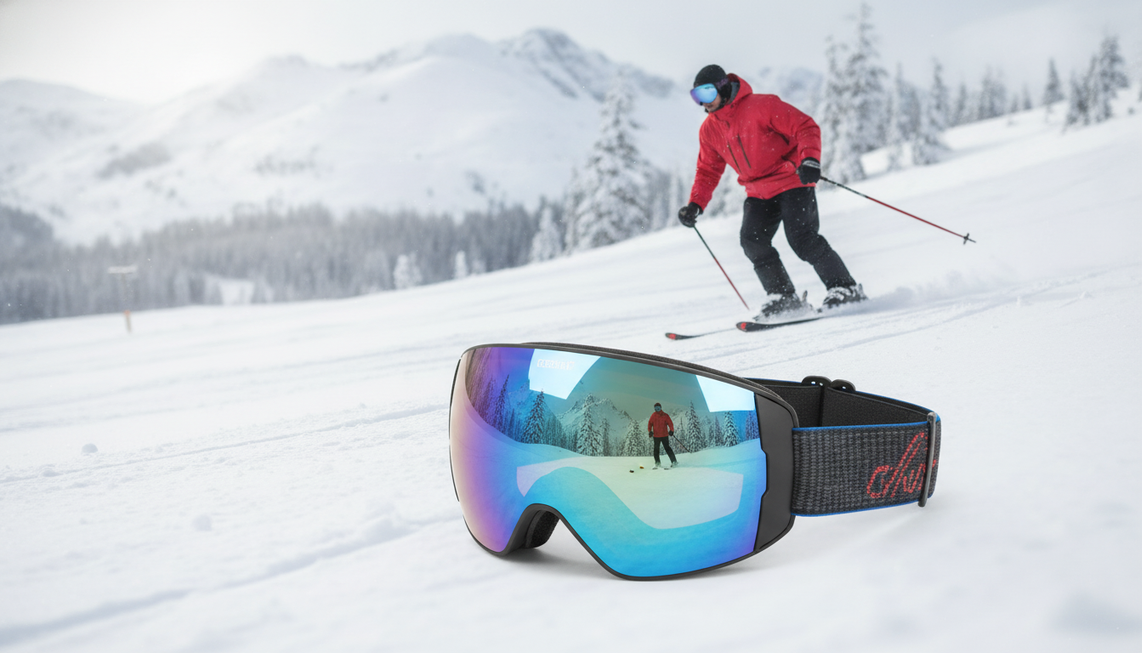
Capturing high-definition footage of your descent is a highlight of any trip to the mountains, especially when using snow goggles with camera technology. However, recording in a shared resort environment involves more than just framing the perfect shot; it requires balancing your creative goals with the privacy of fellow skiers and the specific rules of the mountain. Because recording laws and resort policies vary by location, understanding the etiquette of filming others is essential. This guide explores when to record, when to ask for consent, and how to handle your footage responsibly.
When Can You Record With Camera Goggles?
Recording your own descent with other guests appearing only incidentally in the background is usually the safest choice when using snow goggles with a camera. A common pattern among experienced creators is to use a three-way decision-making process: record when your own run is the subject, ask or reframe when another person becomes recognizable and central, and stop recording entirely when the scene is sensitive or the resort prohibits it.
The Reporters Committee recording guide explains why recording requirements can depend heavily on the state and specific circumstances. On the slopes, this translates to a mix of legal awareness and mountain etiquette.
| Scene | Practical Choice | Next Action |
|---|---|---|
| Your descent with distant, incidental guests | Record | Keep your line as the subject and review the clip later |
| A recognizable skier close to or repeatedly in frame | Ask or reframe | Widen the shot, stop following them, or ask before continuing |
| Lift line, base area, or crowded staging zone | Ask, reframe, or avoid | Point the camera toward your group or wait for more space |
| Lesson, group instruction, or child-focused scene | Stop unless permission is clear | Ask the instructor and relevant participants, or leave the scene out |
| Posted restriction or direct staff instruction | Stop | Follow the resort's direction and do not film the dispute |

The key factors are the subject of the video, how recognizable the people are, whether speech is captured, and what the resort permits. This approach helps answer whether you can record other skiers with camera goggles without treating every ski slope as either a strictly private zone or a "free-for-all" public space.
Keep Other Skiers Incidental, Not the Subject
A distant person who happens to pass through your run is very different from a skier you intentionally track, approach, or feature. As a practical rule for privacy when filming on ski slopes, use more discretion as a person becomes closer, more recognizable, or more central to your footage.
- Incidental background: Keep the focus on your skiing and the scenery. A wide-angle view that briefly includes other guests is generally less intrusive than a tight follow-shot of a stranger.
- Recognizable nearby guests: If someone is consistently in your frame, reframe toward your own line or create more distance. It is best practice to ask before recording if the person remains close for an extended period.
- Featured skiers: If you are filming someone specifically, treat them as the subject. Ask for permission when practical, and stop following them if they do not agree or cannot respond.
- Lessons and group instruction: Avoid recording unless the instructor and all participants have agreed. Instruction often includes identifiable people and private conversations, even if your camera is pointed at the snow.
- Child-focused scenes: Use a high-discretion default. It is best to leave these scenes out of your footage unless the responsible adults and program rules clearly support recording.
While the Cornell Legal Information Institute's eavesdropping explanation describes why expectations of privacy can vary in public, it is not a substitute for resort-specific rules. A close, recognizable subject always deserves a more respectful response than an incidental background appearance.

Turn Audio Off Unless You Need It
Treat audio as a separate decision from video. Camera goggles can easily capture nearby conversations or instructor tips even when the visual frame is focused on your own skis. In many jurisdictions, audio recording is governed by stricter consent laws than video.
If you do not specifically need sound for your edit, turn off the microphone in your device settings. Do not rely on wind noise or distance to mask conversations. If a usable clip contains recognizable voices or private instruction, mute the audio track before sharing it. The audio recording consent guidance offers additional background on how smart eyewear users should handle sound, but always check the local rules of the state where you are skiing.
That is why camera goggles recording etiquette often starts with "audio off" as the default. Turning off sound reduces the risk of unwanted capture, though it doesn't replace the need to respect visual privacy and resort policies.
Check the Resort's Rules Before Recording
Every mountain is private property, and ski resort camera recording rules can vary significantly. An official policy may distinguish between personal "souvenir" photography and commercial media filming. For example, Sunday River's resort policy addresses photography and filming in its own specific terms.
- Read the official policy and pass terms: Look for language regarding cameras, guest conduct, and filming in sensitive areas like lift lines or terrain parks.
- Watch for posted signs: Rules are often posted near lifts, ski school meeting areas, or base facilities.
- Ask an employee: If you are unsure, a lift attendant or guest-services representative can clarify the on-site expectations.
- Follow direct staff instructions: Resort conduct policies usually require guests to comply with staff directions. Whitefish Mountain Resort's policies provide an example of these conduct expectations. If an employee asks you to stop filming, comply immediately.
One resort's permission does not grant a universal right to film. Always verify the rules for the specific mountain you are visiting that day.
Review, Edit, and Share the Footage Carefully
Before you post your latest run to social media, review the entire clip. Editing is a powerful tool for reducing privacy exposure, but it doesn't automatically fix a lack of permission.
- Review the full clip: Look for recognizable strangers, unwanted speech, or children in the background.
- Crop or reframe: If a stranger became the unintended center of a shot, crop the video to focus back on your own line.
- Mute unnecessary audio: Remove voices and instruction that aren't essential to the video's vibe.
- Blur or remove: If you have the editing skills, obscure recognizable faces to reduce exposure.
- Keep it private: If a clip contains a clear privacy concern or violates a resort rule, the best choice is to keep it for personal use or delete it.
FAQs
Can I record a ski lesson with camera goggles?
Lessons are high-discretion zones. You should ask the instructor and other participants for permission first. Many lesson providers have specific policies against recording to protect the privacy of students and the proprietary nature of the instruction.
Do I need permission to post a video of another skier?
There is no single law that covers every situation, but seeking permission is the best practical choice if the skier is recognizable or the "star" of your shot. If they are just a tiny speck in the distance, it is generally considered incidental.
Can a ski resort prohibit camera goggles?
Yes. As private property, resorts can set their own rules regarding recording devices. Always check the ticket or pass terms and follow any instructions given by resort staff.
Why is audio more sensitive than video on ski slopes?
Audio recording often falls under "wiretapping" or "eavesdropping" statutes that require consent from one or all parties involved in a conversation. Because microphones on goggles can pick up speech you aren't even looking at, it’s safer to keep audio off.
What should I do if strangers appear in my ski video?
Evaluate if they are the subject or just part of the scenery. If they are recognizable, try to edit them out, blur their faces, or simply choose a different clip where the focus remains on your own skiing.



Leave a comment
This site is protected by hCaptcha and the hCaptcha Privacy Policy and Terms of Service apply.