















Camera-equipped snow goggles can work for cross-country skiing and Nordic touring, but only under the right conditions. Short, cold, dry sessions at a manageable pace give you the best shot at staying clear and comfortable. Sustained hard efforts, warm or humid days, and heavy face coverings raise your heat and fog risk, and no camera feature changes that.
The real decision comes down to intensity, weather, clothing heat, and how the goggles actually fit your face and helmet. Camera capability has nothing to do with how well a goggle sheds heat or moisture. Treat that as a separate question you verify before you commit to a longer outing.
Can You Use Camera Goggles for Cross-Country Skiing Without Overheating?
Camera goggles are not automatically ruled out for Nordic skiing, but the answer shifts with your effort level, the weather, and how much heat your clothing traps. Cross-country skiing is a highly aerobic activity, and it can generate far more body heat than a downhill run where you glide instead of striding.

When Camera Goggles Are More Likely to Work
A short, controlled session in cold, relatively dry air gives you the most forgiving starting point. Keep the pace manageable and avoid layering so heavily that heat has nowhere to go. Lower-intensity touring, where you can settle into a steady rhythm without repeated hard pushes, tends to be easier to manage than sustained climbs, though that is a starting hypothesis you still need to confirm on snow. Pick a route with an easy way to turn back if the goggles start working against you.
When Heat or Fog Makes Them a Poor Fit
Sustained high-output skiing, warmer or humid conditions, a heavy face covering, and frequent stop-and-start pacing all raise the heat and condensation load your goggles have to handle. As REI cross-country apparel guidance notes, cold-weather aerobic sports demand clothing that moves sweat away from the body quickly, and the same heat that soaks a base layer is what fogs a lens. If the lens keeps fogging or your face feels overheated despite adjustments, the setup has not passed the test for that outing. Do not keep skiing with impaired vision just because the goggles happen to have a camera built in.
What to Verify in the Goggle's Ventilation and Fit
Fog control depends far more on vent placement, foam, and fit than on any camera feature. Check these details on the exact goggle, helmet, and face covering you plan to wear together, not on the shelf alone.

Foam, Vents, and Airflow
Top, side, and bottom vents pull warm, moist air away from the lens, and REI ski goggle guidance explains that wider vent openings generally move more air than narrow slits. Foam should cushion your face without being so thick that it seals off that airflow path. Put the goggles on with your helmet and any face covering or neck gaiter and check whether either one is pressing down on a vent or blocking a gap the goggle relies on.
Fit, Lens Treatment, and Moisture Paths
The fit should sit snug against your face without pinching, and without leaving a gap where your helmet meets the goggle frame. An anti-fog lens is a genuinely useful feature to look for, but it does not tell you anything about foam breathability, vent layout, or how the goggle performs during sustained high-output effort. You can get useful background on what a camera feature adds to a goggle from our smart ski goggles overview, but treat that as camera context only, not ventilation evidence. Move your head and check the lens as you breathe hard; watch for sweat or breath collecting near the frame edge before it ever reaches the lens surface.
How to Manage Sweat and Fog During a Nordic Tour
Treat your goggles, face covering, and clothing as one connected heat-management system rather than separate problems. Start slightly on the cool side rather than fully bundled, since it is easier to add a layer than to shed heat once you are sweating heavily.
Adjust before sweat builds up, not after. Open a jacket vent or shed a layer as soon as you notice yourself warming, staying proactive about temperature changes rather than waiting until you are already overheated. Keep your goggle vents and the surrounding face area free of scarves, buffs, or hood fabric that can block the airflow path you already confirmed.
If fog starts forming during the session, cool down first by opening a vent, slowing your pace, or stepping into shade for a moment rather than reaching straight for the lens. REI fog prevention advice recommends increasing airflow or shedding a layer before wiping, since running too hot makes the lens more likely to fog regardless of any anti-fog coating. When you do need to clear the lens, blot gently with a clean cloth rather than rubbing the inner surface. After the tour, dry the goggles somewhere warm but not hot before storing them, since starting the next outing with residual dampness makes fogging more likely from the first few minutes.
How to Test Camera Goggles Before a Longer Outing
Run a short, local trial that reproduces your real conditions before you rely on the goggles for a longer or remote tour. Comfort in your living room tells you almost nothing about how the setup handles thirty minutes of hard skiing.
Wear the exact helmet, face covering, and clothing layers you plan to use, and ski at the pace and stop pattern you expect on the real outing. Pay attention to whether your face stays reasonably cool, whether the lens stays clear, and whether any fog clears quickly once you adjust airflow. A clean result means the setup has passed for those specific conditions. If fog returns repeatedly or your face runs hot despite adjustments, modify the fit or clothing and retest, or set the goggles aside for that use rather than pushing through. If fog impairs your vision during any trial or real outing and a brief heat and airflow adjustment does not clear it, stop or slow down, clear the goggles safely, and do not continue until your vision is fully restored.
Where the Skyshot Fits—and What We Still Need to Verify
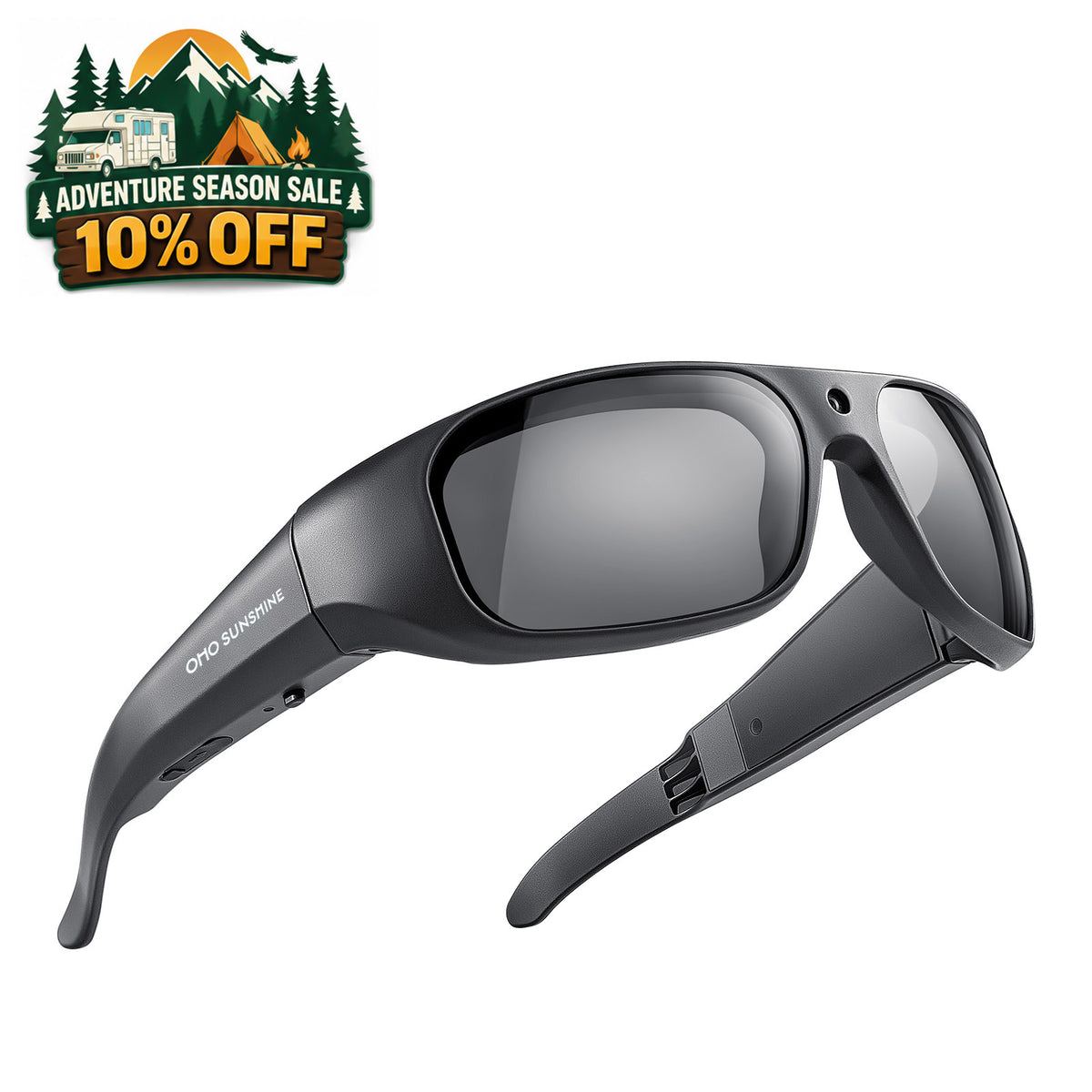
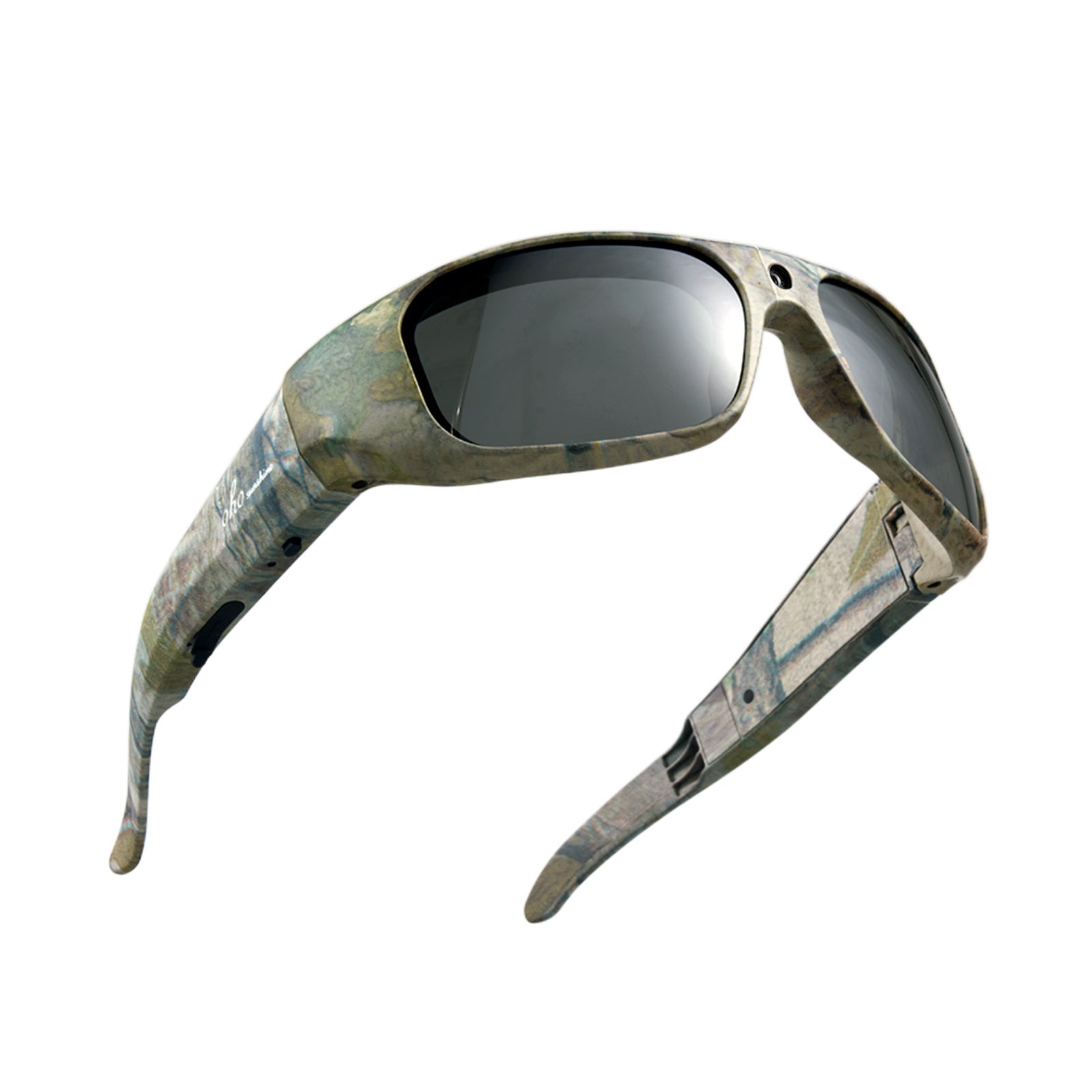
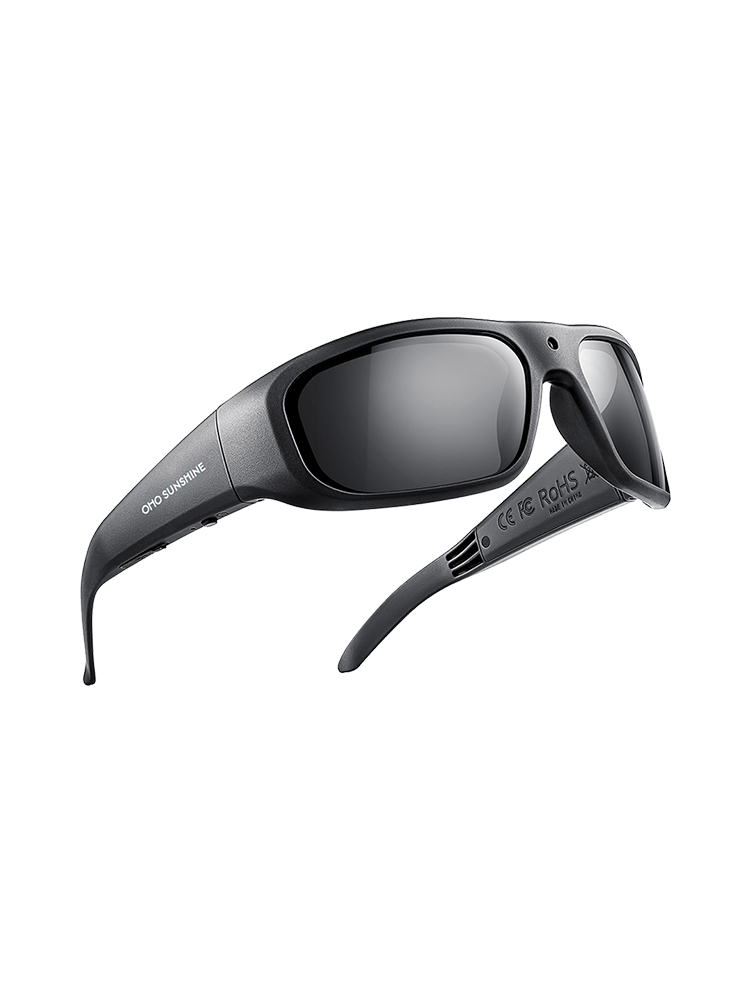
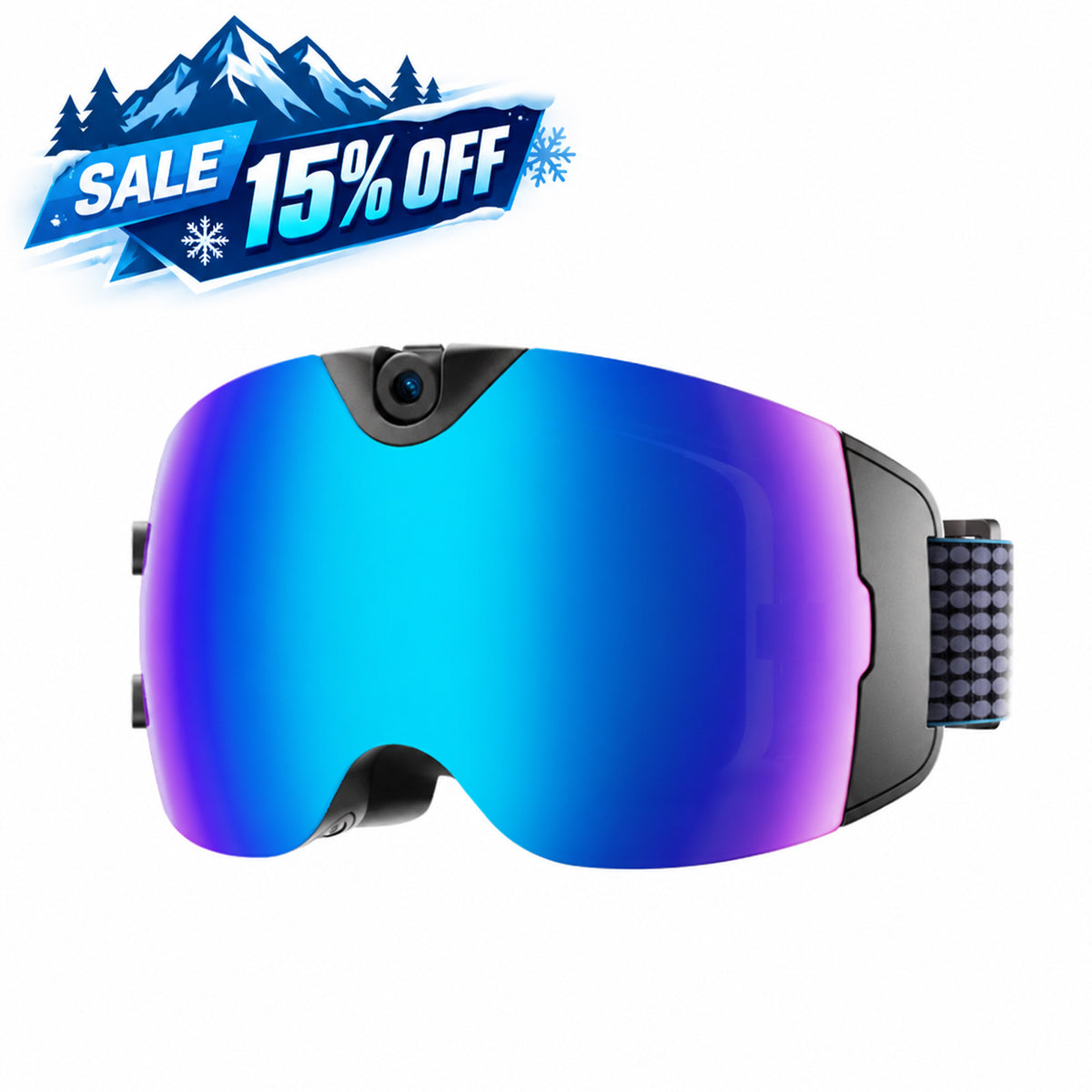
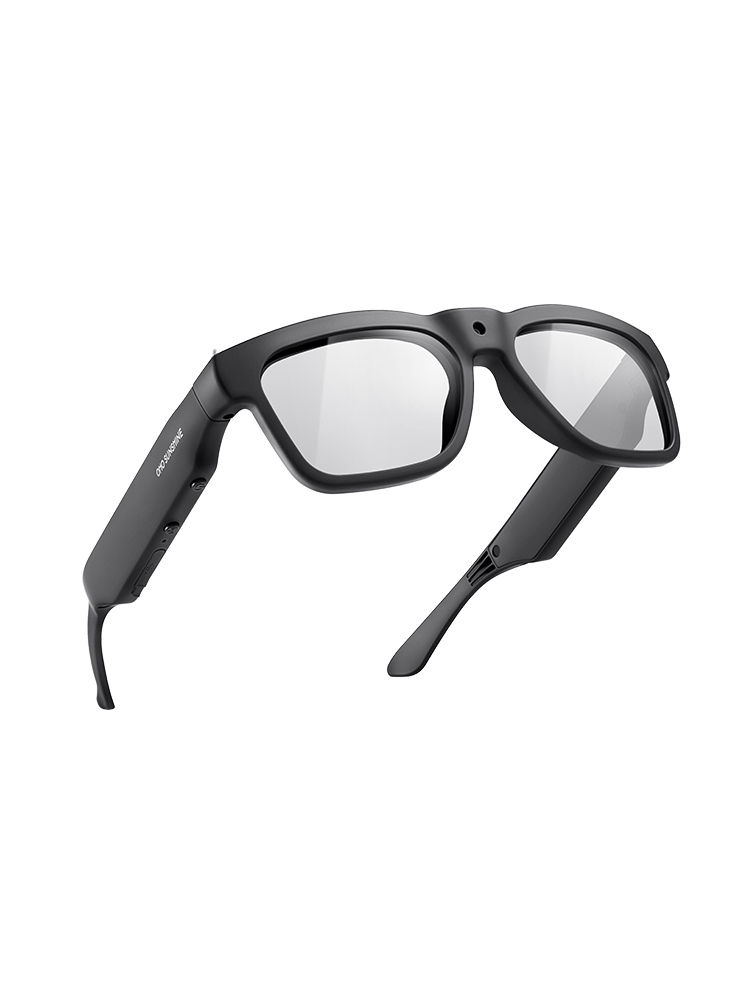
Our OHO SUNSHINE 4K Camera Smart Ski Goggles, 24M Photo, Anti-Fog - Skyshot list an anti-fog lens, a polarized UV400 lens, and a listed fit for skiing, snowboarding, and other winter outdoor sports. At 213 grams with a 90-minute battery for the camera function, they are light enough to be worth considering for a short, controlled Nordic test under the conditions described above.
What the spec sheet does not tell us is how the foam breathes, how the vents perform once you are sweating hard on a climb, or how the goggles hold up over a long, sustained tour. That means the Skyshot is a candidate to run through the trial in the previous section, not a goggle we can promise will stay cool or fog-free during high-output Nordic skiing. If the controlled test goes well for your pace and weather, you can browse our full camera snow goggles lineup to compare fit options before committing to a longer outing.
Conclusion
Camera goggles can work for Nordic skiing when fit, airflow, and lens behavior hold up through a real trial at your intended pace and weather. If heat or fog persists despite adjustments, modify the setup, shorten the effort, or choose another option rather than pushing through impaired vision. Test before you commit to a longer tour.
FAQs
Do camera ski goggles fog more than regular cross-country eyewear?
A camera does not by itself make a goggle fog more or less. Fogging comes down to vent placement, foam thickness, fit, your exertion level, and the weather, so check those details on the exact goggle rather than assuming the camera changes anything.
Can I use camera goggles on a warm or humid Nordic tour?
Treat warm or humid touring as a higher-variability condition than cold, dry skiing, since more moisture in the air makes condensation more likely on the lens. Run a short local trial at the pace and stops you expect before relying on the goggles for a longer route, and hold off on a longer tour until the lens stays clear through that test.
What should I do if the lens keeps fogging after I clear it?
Stop before your vision is impaired, reduce your heat output by slowing down or opening a vent, and check whether fabric or a helmet edge is blocking airflow. Dry the goggles fully afterward. If fog keeps returning despite those adjustments, the setup has not passed the test for that outing and needs a fit or clothing change before you try again.


Zostaw komentarz
Ta strona jest chroniona przez hCaptcha i obowiązują na niej Polityka prywatności i Warunki korzystania z usługi serwisu hCaptcha.