





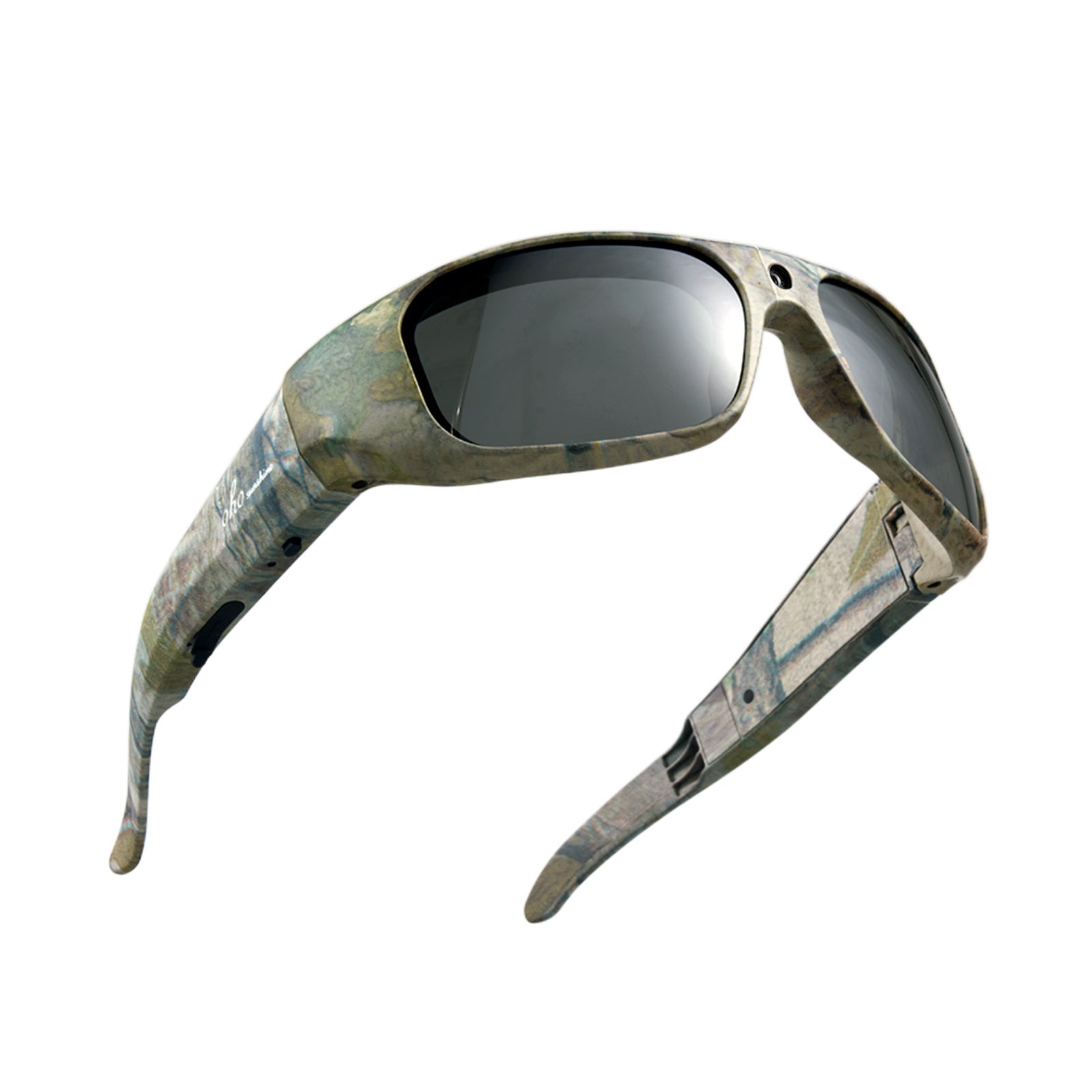


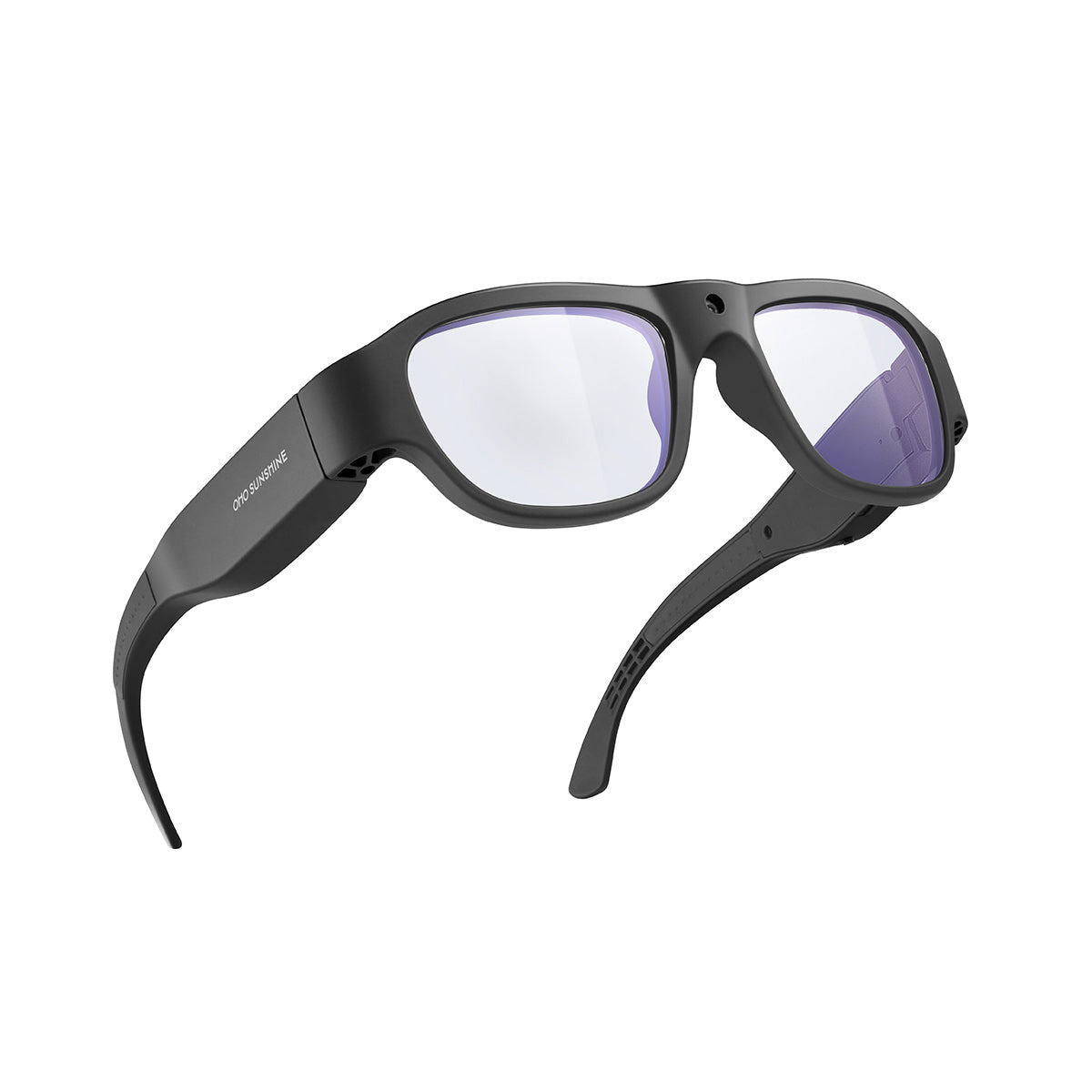
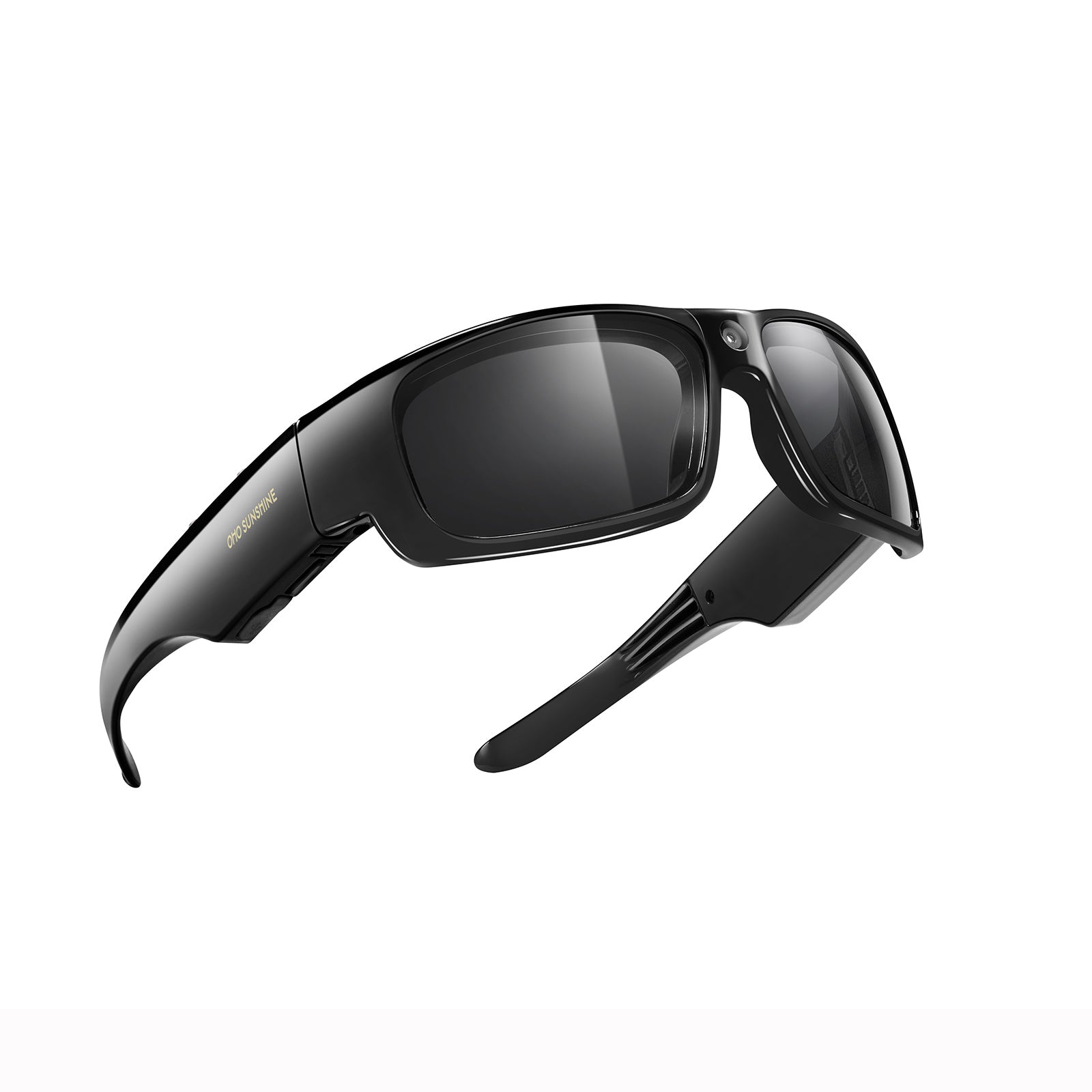


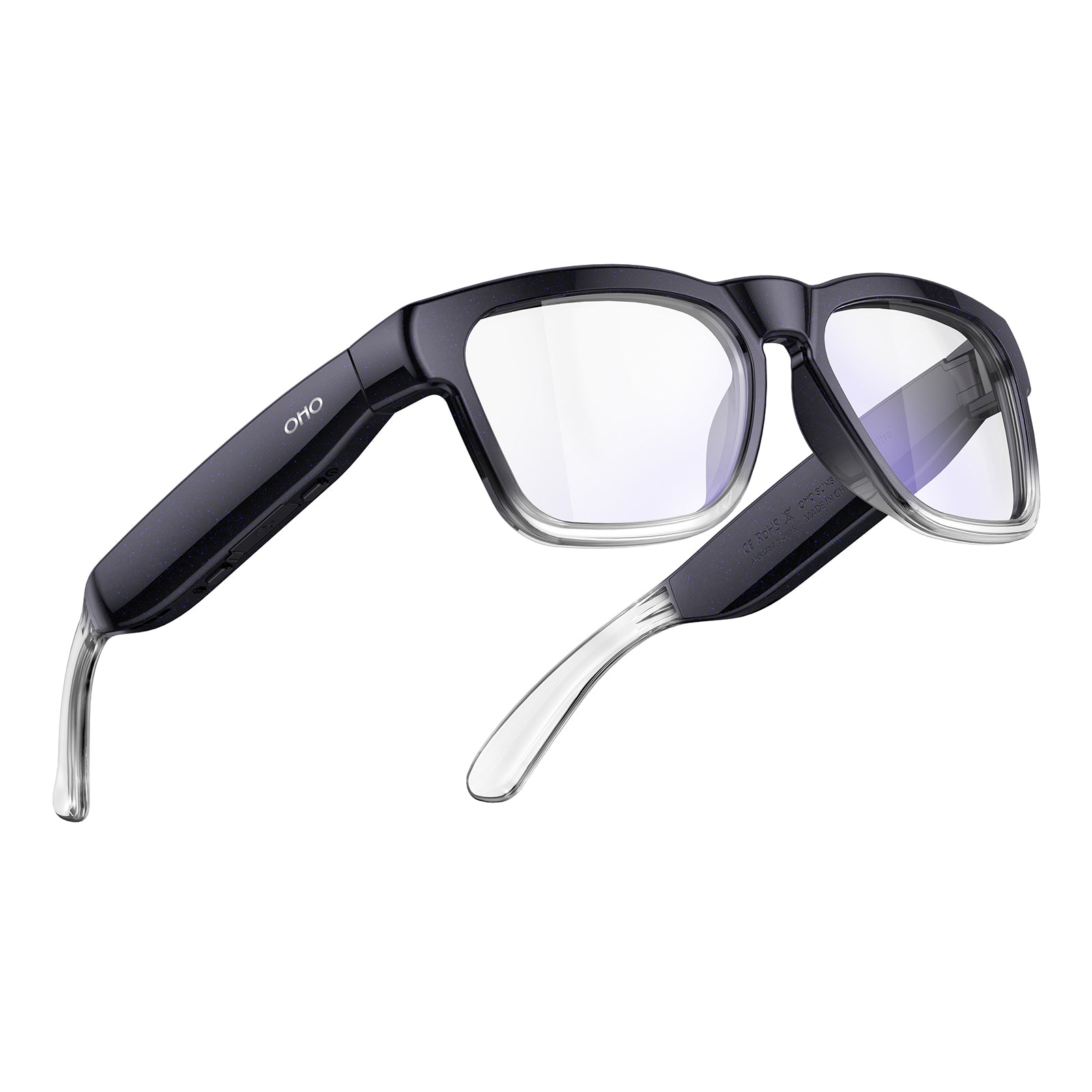


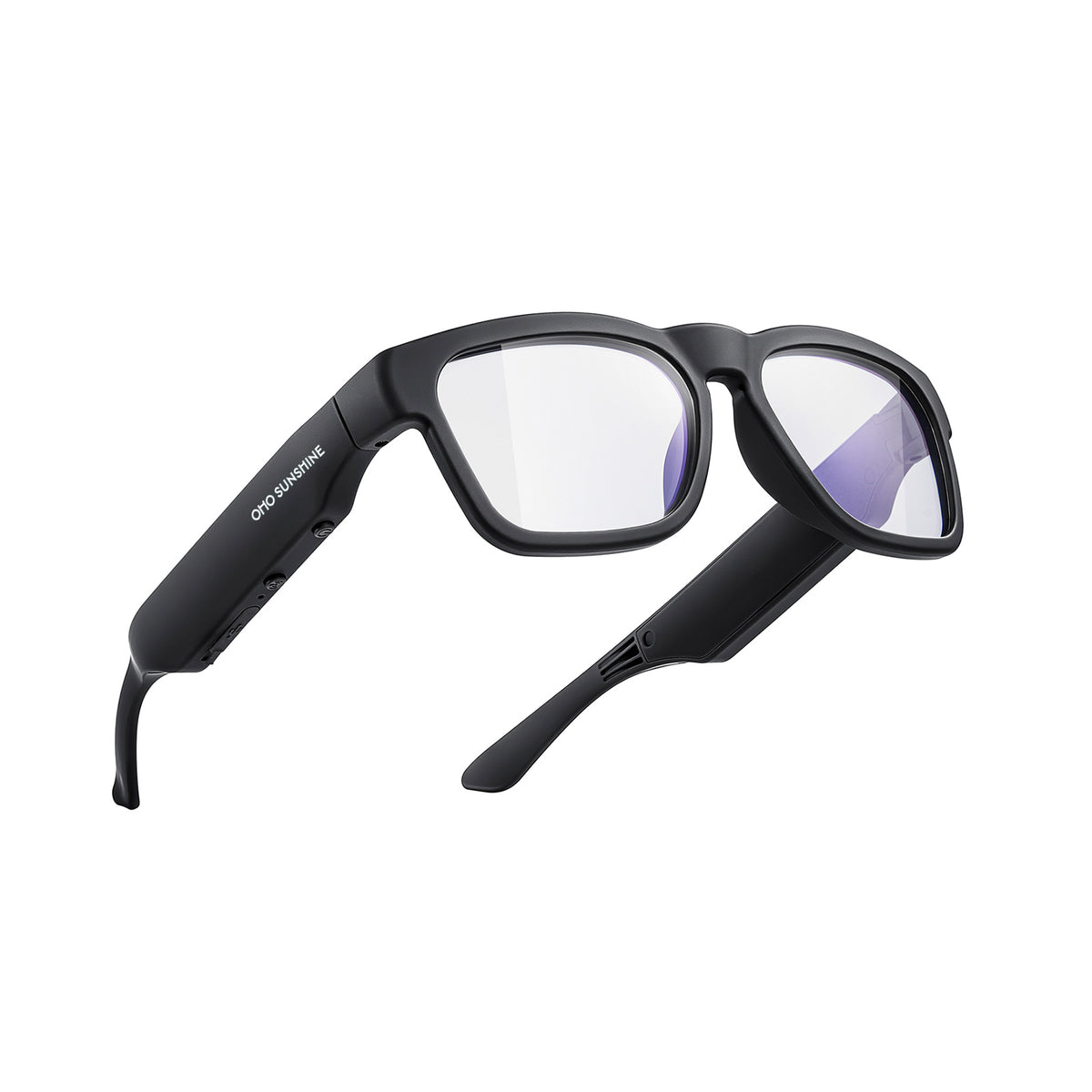



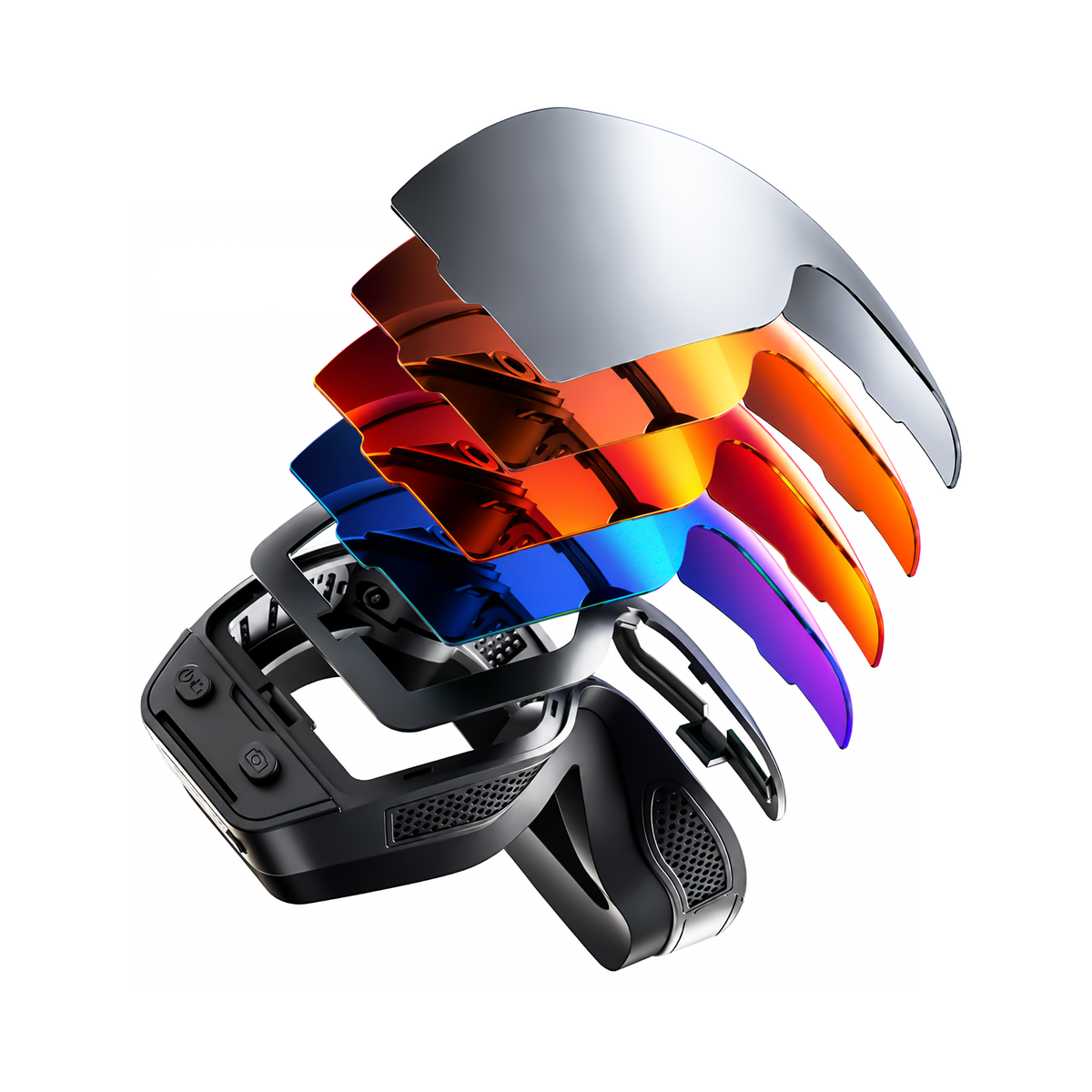



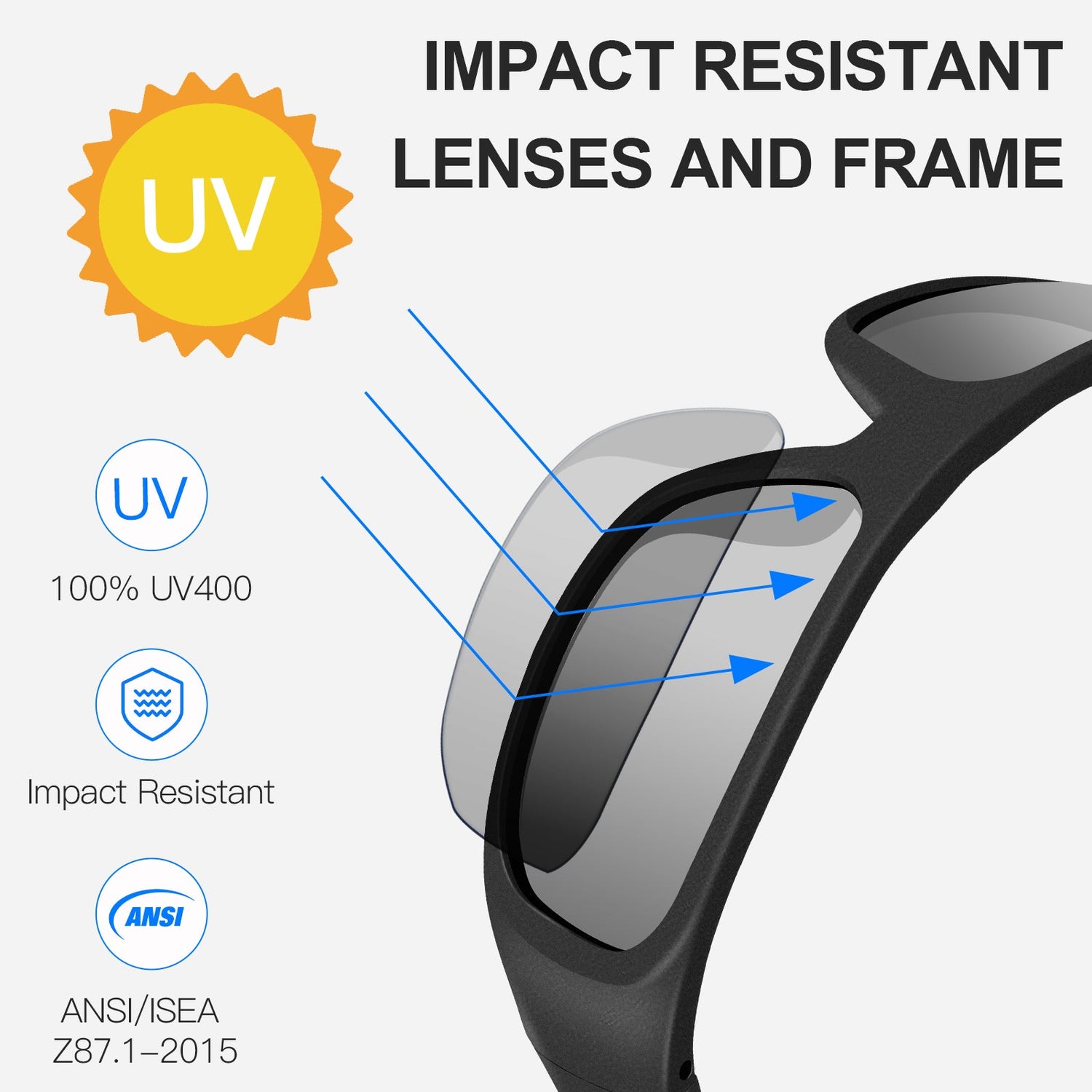
Een audio-bril met open oren kan werken als slimme fietsbril wanneer je audio wilt kunnen gebruiken voor gesprekken zonder verkeersgeluiden af te sluiten, maar het is geen veiligheidsupgrade. De echte test is of je route, snelheid en rijcomfort je nog steeds in staat stellen te horen wat er op de weg toe doet.

Waarom fietsers kiezen voor audio met open oren
Fietsers kiezen meestal om één eenvoudige reden voor audio met open oren: ze willen handsfree gesprekken voeren of naar muziek luisteren zonder niet langer in staat te zijn verkeersgeluiden en noodsignalen te horen, iets wat de richtlijnen van de NHTSA voor fietsveiligheid beschouwen als onderdeel van normaal bewustzijn in het verkeer. Dat maakt deze categorie aantrekkelijk voor woon-werkverkeer, vooral wanneer je snel toegang tot gesprekken nodig hebt maar geen volledige afsluiting van je oren wilt.
De afweging is net zo belangrijk. Audio met open oren bevordert het omgevingsbewustzijn meer dan afgesloten oordopjes, maar garandeert niet dat je in elke situatie elk geluid zult horen. Als je route rustig is en je volume laag blijft, kan de pasvorm praktisch aanvoelen. Als je woon-werkroute lawaaierig, druk of snel is, kan het gemak snel afnemen.

Voor de meeste fietsers zijn slimme fietsbrillen in de eerste plaats een keuze voor gemak, geen veiligheidsvoorziening. Als je vooral alert wilt blijven en af en toe een gesprek wilt voeren, is deze categorie het bekijken waard. Als je betrouwbare audio nodig hebt tijdens ritten in druk verkeer, moet de lat hoger liggen.
Audio-brillen voor woon-werkverkeer kunnen een handige optie zijn als je ze dagelijks onderweg gebruikt in plaats van tijdens ritten in het weekend.
Windruis verandert de luisterervaring
Wind is de belangrijkste reden waarom audio met open oren op de fiets verandert van “leuk om te hebben” in “misschien niet voldoende”. Onderzoek onder fietsers laat zien dat windruis toeneemt met de fietssnelheid, waardoor de luisterervaring op open wegen, afdalingen en snellere woon-werkritten doorgaans minder voorspelbaar is.
Waar windruis merkbaar wordt
Op rustige straten in woonwijken kunnen veel fietsers korte aanwijzingen of gesprekken nog horen op een bescheiden volume. Op open wegvakken, bij brugovergangen en op routes waarop je lichaam meer in de rijwind staat, verandert dat beeld. In zulke omstandigheden kan het suizende geluid concurreren met spraak, zelfs wanneer de audio zelf normaal werkt.
Wat audio bruikbaar houdt
Een stabiele pasvorm van het montuur is belangrijk, omdat kleine verschuivingen bij de slapen of neusbrug ervoor kunnen zorgen dat de audio minder constant aanvoelt. Een rechtere houding kan ook verminderen hoeveel wind de bril bereikt, terwijl een lagere, snellere houding doorgaans het tegenovergestelde doet. Dat neemt het probleem niet weg, maar helpt verklaren waarom dezelfde bril op de ene route goed kan aanvoelen en op een andere minder goed presteert.
Zo beoordeel je het comfort tijdens een echte fietstocht
Een korte testrit is nuttiger dan een passessie terwijl je stilzit. Controleer of de audio verstaanbaar blijft bij je normale woon-werksnelheid, of het montuur beweegt wanneer je hobbels raakt en of je wordt afgeleid doordat je de bril voortdurend opnieuw moet goedzetten. Als het antwoord tijdens een korte rit nee is, zal dat tijdens een langere rit waarschijnlijk niet verbeteren.
Open-ear versus koptelefoon is een zinvolle vergelijking als je wilt bepalen of het compromis van open-ear beter bij je past dan een opstelling die meer omgevingsgeluid buitensluit.
| Fietsomstandigheden | Gevolgen voor het luisteren | Wat het meestal betekent |
|---|---|---|
| Weinig wind, rustigere straten | Audio is gemakkelijker te volgen | Beter geschikt voor korte gesprekken en licht luisteren |
| Matige wind, gemengd verkeer | Spraak kan afwisselend wegvallen en terugkomen | Werkt alleen als je je verwachtingen bescheiden houdt |
| Veel wind, onbeschutte routes | Audio wordt moeilijker te vertrouwen | Je kunt dit beter zien als een zwakke luisteropstelling |
| Slecht wegdek in combinatie met wind | Zowel de pasvorm als het geluid worden minder stabiel | Vaak opnieuw goedzetten is een waarschuwing |
Pasvorm en stabiliteit op slecht wegdek
Slecht wegdek verandert de aankoopbeslissing, omdat comfort niet alleen gaat over hoe een montuur 30 seconden lang in een spiegel aanvoelt. Hobbels, scheuren en veelvuldig optrekken en stoppen kunnen stuiteren, verschuiven, schuren en wiebelen van de glazen aan het licht brengen die je tijdens een korte test niet merkt.
| Pasvormfactor | Waarom dit belangrijk is op de fiets | Wat je moet controleren | Signaal van een slechte pasvorm |
|---|---|---|---|
| Stevigheid van het montuur | Voorkomt dat de bril verschuift wanneer het wegdek onrustig wordt | Loop, draai je hoofd en fiets over kleine hobbels | Voortdurend opnieuw goedzetten |
| Gewichtsverdeling | Vermindert vermoeidheid tijdens langere woon-werkritten | Let erop of de voorkant zwaar aanvoelt of de pootjes trekken | Druk die na verloop van tijd toeneemt |
| Contact met de neus en slapen | Beïnvloedt het comfort wanneer zweet of trillingen toenemen | Controleer na een paar minuten of er drukpunten zijn ontstaan | Schuren of knellen |
| Stabiliteit van de glazen | Zorgt ervoor dat de bril tijdens het bewegen stabiel aanvoelt | Let op verdraaiing of wiebelen in je normale fietshouding | De glazen lijken bij elke hobbel te bewegen |
Als een bril alleen goed zit wanneer je stilzit, zie dat dan als een waarschuwing. Een slimme fietsbril moet stevig genoeg blijven zitten, zodat je je op de weg kunt concentreren en niet op het montuur.
Veiligheidscontroles voor fietsende forenzen
Voer voordat je gaat fietsen een snelle veiligheidscontrole uit:
- Kies eerst de route. Drukke kruispunten, snelle afdalingen en onbeschutte wegen vereisen meer voorzichtigheid dan een rustig pad door de buurt.
- Houd het volume laag genoeg zodat je verkeer, voetgangers en signalen nog steeds kunt horen wanneer de situatie daarom vraagt.
- Test of je een oproep kunt beantwoorden zonder je fietslijn te veranderen of je concentratie te verliezen.
- Pauzeer audio in druk verkeer, bij invoegingen en overal waar de route visueel complex wordt.
- Controleer de lokale regels voordat je elke dag op audio vertrouwt, want beperkingen op het gebruik van koptelefoons kunnen per plaats verschillen.
Dat laatste punt is belangrijk, omdat de wet niet overal hetzelfde is. Sommige lokale regels zijn strenger dan andere. De veiligste aanpak is daarom om naleving te beschouwen als afhankelijk van je route en locatie, niet als vanzelfsprekend.
Slimme fietsbrillen zijn een nuttige volgende stap als je na je beslissing dat deze categorie het overwegen waard is een uitgebreidere checklist voor het kopen wilt.
De juiste fietsuitrusting kiezen
De beste manier om te kiezen is om met je rit te beginnen en daarna de functies te vergelijken. Een rustige woon-werkrit over langzamere straten biedt meestal meer ruimte voor audio via open-ear-technologie dan een winderige route met sneller verkeer. Als je normale rit kort, stabiel en ontspannen is, kan deze productcategorie goed bij je passen. Als je route open en bloot ligt, hobbelig is of veel verkeer heeft, moet je veel selectiever zijn.
Geef eerst prioriteit aan de omstandigheden tijdens de rit
Begin met de route die je daadwerkelijk fietst, niet met de route die je zou willen hebben. De lengte van de woon-werkrit, verkeersdichtheid en kwaliteit van het wegdek beïnvloeden de waarde van een audiobril meer dan een lijst met functies. Een bril die er op papier ideaal uitziet, kan alsnog tegenvallen als je route voortdurend wind en trillingen veroorzaakt.
Stem de functies af op het gebruik
Als je vooral af en toe belt, zijn een stabiele pasvorm en gemakkelijke toegang tot audio belangrijker dan een lange specificatielijst. Als je van plan bent het grootste deel van de rit te luisteren, wordt je tolerantie voor windruis kleiner. Voor fietsers is de vraag niet: “wat kan de bril?”, maar: “wat blijft werken als ik in beweging ben?”
Toets de claims aan de rit
Wees sceptisch over vage claims over comfort of omgevingsbewustzijn, tenzij ze gekoppeld zijn aan een realistische fietssituatie. Vraag je af of de beschrijving vertelt wat er gebeurt tijdens een winderige woon-werkrit, op een hobbelig pad of op een route door drukke straten met veel stoppen en optrekken. Als dat niet zo is, beschouw de claim dan als onvolledig totdat je die kunt verifiëren.
Bepaal waarvoor je wilt betalen
Betaal voor de dingen die de rit echt verbeteren: een stabiele pasvorm, betrouwbaar bellen en een montuur dat je kunt dragen zonder erbij na te denken. Laat extra’s achterwege die je woon-werkrit niet verbeteren. Als een functie alleen nuttig klinkt op een productfoto, is het waarschijnlijk niet de functie die bepaalt of je de bril blijft gebruiken.
De fietsbrillencollectie is de meest directe plek om te kijken als je al hebt vastgesteld dat deze categorie bij je past en opties wilt vergelijken op basis van gebruik tijdens het fietsen.
Conclusie voor veilig fietsen
Audiobrillen die de oren vrijlaten kunnen goed passen bij fietsers die tijdens hun woon-werkrit gemak willen zonder hun oren volledig af te sluiten, maar wind, snelheid en hobbelig wegdek kunnen dat voordeel snel verkleinen. Gebruik zo’n bril alleen als je je bewustzijn voorop kunt blijven stellen, het volume beperkt houdt en comfortabel blijft op echte wegen, niet alleen tijdens een korte pasbeurt. Als dat klinkt als jouw woon-werkrit, bekijk dan de fietsbrillencollectie en vergelijk de pasvorm voordat je koopt. Zo niet, blijf dan zoeken naar een opstelling die beter bij jouw route past.
Veelgestelde vragen
Hoe luid is het windgeruis tijdens het fietsen met een audiobril die de oren vrijlaat?
Wind kan al snel storend worden zodra je sneller fietst of in meer onbeschutte lucht terechtkomt, en dezelfde bril kan van route tot route heel anders aanvoelen. De praktische test is eenvoudig: als je een kort gesprek of een korte aanwijzing niet duidelijk kunt volgen bij je normale woon-werksnelheid, is die route waarschijnlijk minder geschikt voor audio die de oren vrijlaat.
Kun je het verkeer nog horen terwijl je een slimme fietsbril draagt?
Meestal wel tijdens rustigere ritten, maar niet automatisch in elke situatie. De doorslaggevende factoren zijn het volume, het omgevingsgeluid van de route en hoeveel aandacht de fietser al moet verdelen tussen verkeer, bochten en signalen. Als je je omgeving moet buitensluiten om de audio te kunnen horen, is de opstelling niet langer geschikt voor fietsen.
Welke eigenschappen zijn het belangrijkst voor comfort op hobbelige wegen?
Een stabiele pasvorm is op hobbelig wegdek belangrijker dan opvallende extra’s. Zoek een model dat niet stuitert, verschuift of na enkele minuten fietsen drukpunten veroorzaakt. Als je de bril tijdens een korte testrit regelmatig moet rechtzetten, zal hij waarschijnlijk niet prettiger aanvoelen tijdens een langere woon-werkrit.
Zijn audiobrillen met open oor geschikt voor woon-werkverkeer op de fiets?
Dat kan, vooral voor fietsers op rustigere of voorspelbaardere routes die af en toe willen bellen en naar lichte audio willen luisteren. De afweging valt anders uit wanneer je woon-werkroute onbeschut is, hoge snelheden kent of veel stop-and-goverkeer heeft. In die gevallen is het veiliger om bewustzijn en comfort voorrang te geven boven het gemak van audio.
Kan een fietsbril met camera de fietsveiligheid verbeteren dankzij audio die de oren vrijlaat?
Audio alleen maakt fietsen niet veiliger en camerafuncties vervangen geen oplettendheid of betere rijgewoonten. Als je een fietsbril met camera vergelijkt met een audiobril, beoordeel dan welke bril de daadwerkelijke taak tijdens je woon-werkrit oplost. Een camera kan helpen bij het opnemen, maar neemt niet weg dat je alert moet blijven op de weg.



Laat een reactie achter
Deze site wordt beschermd door hCaptcha en het privacybeleid en de servicevoorwaarden van hCaptcha zijn van toepassing.