





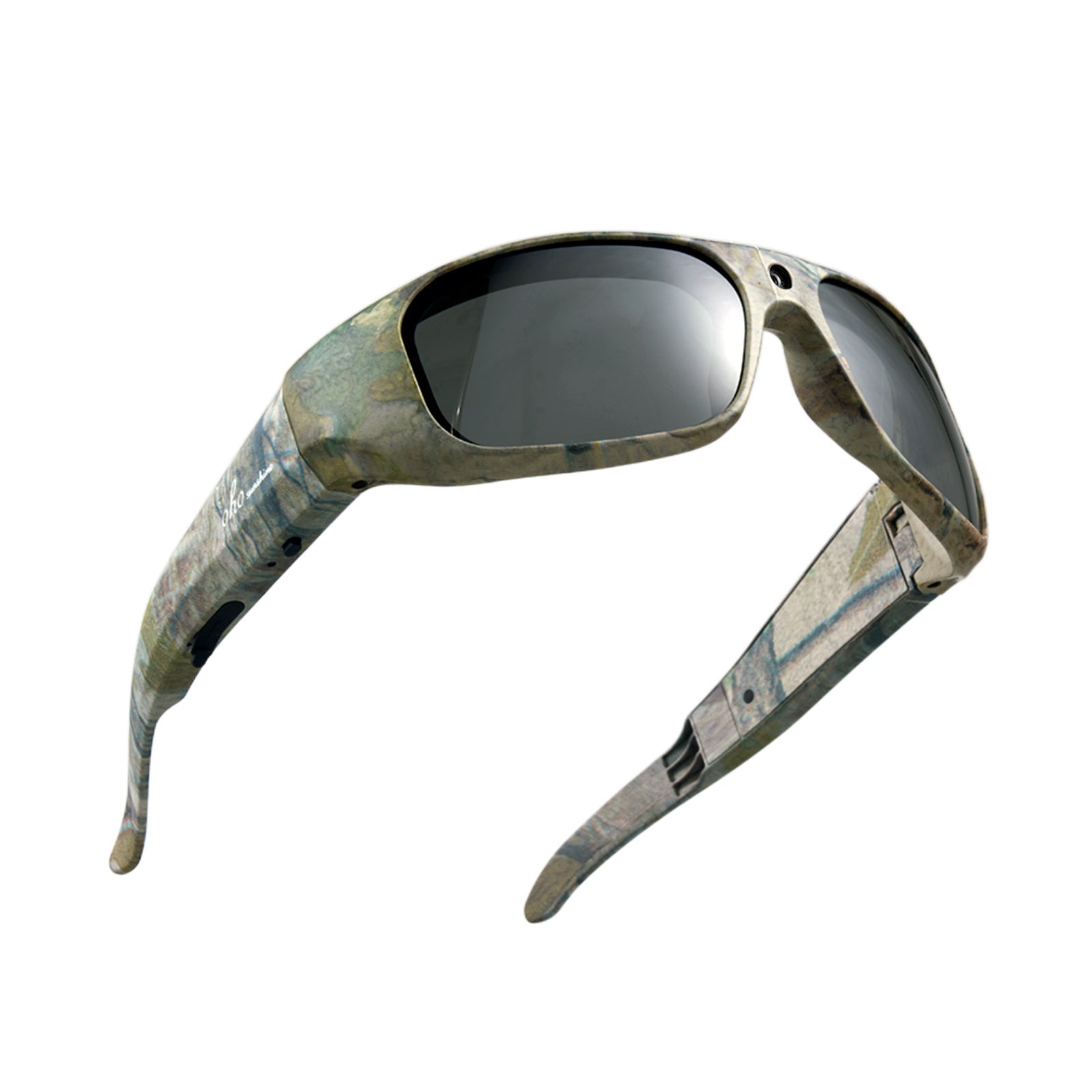


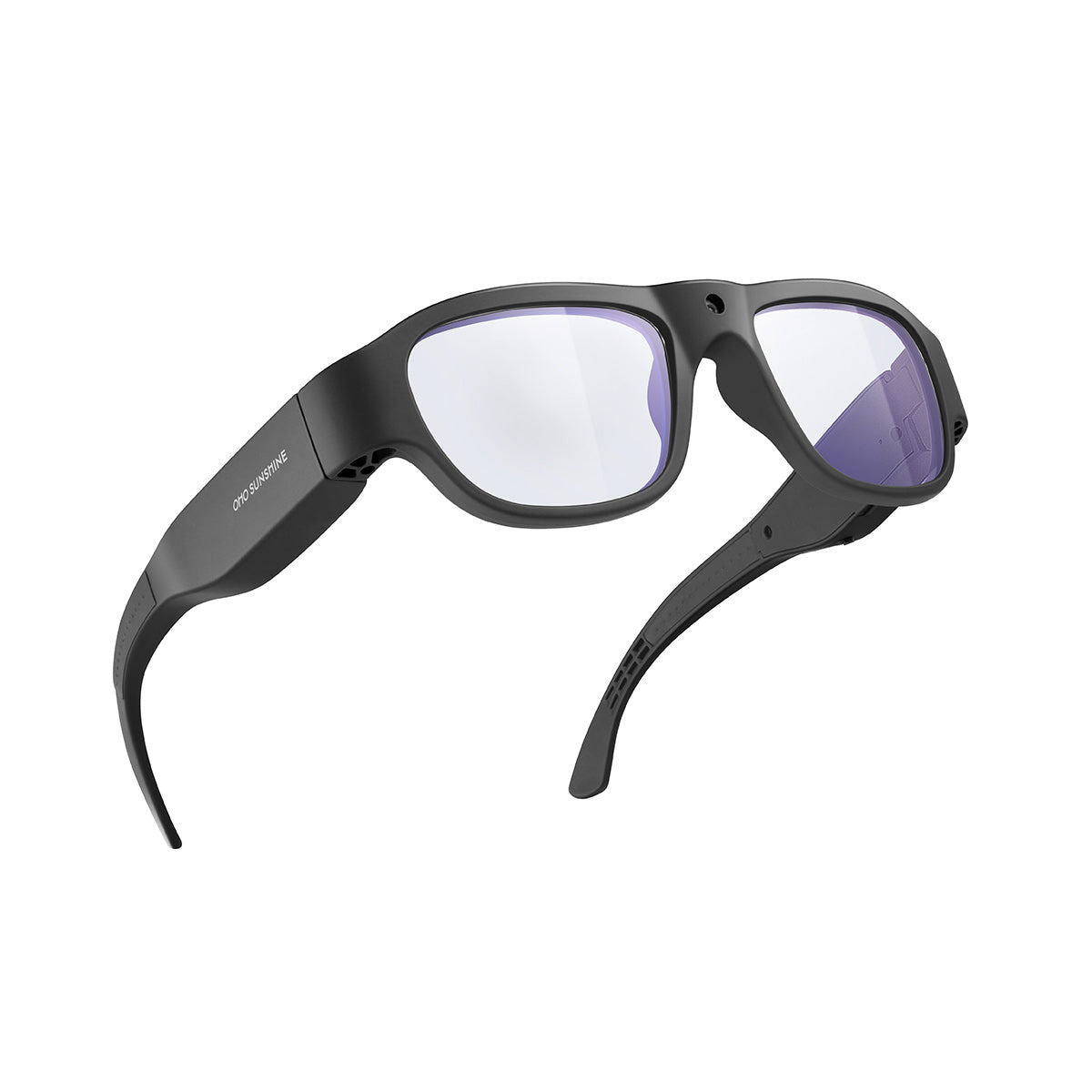
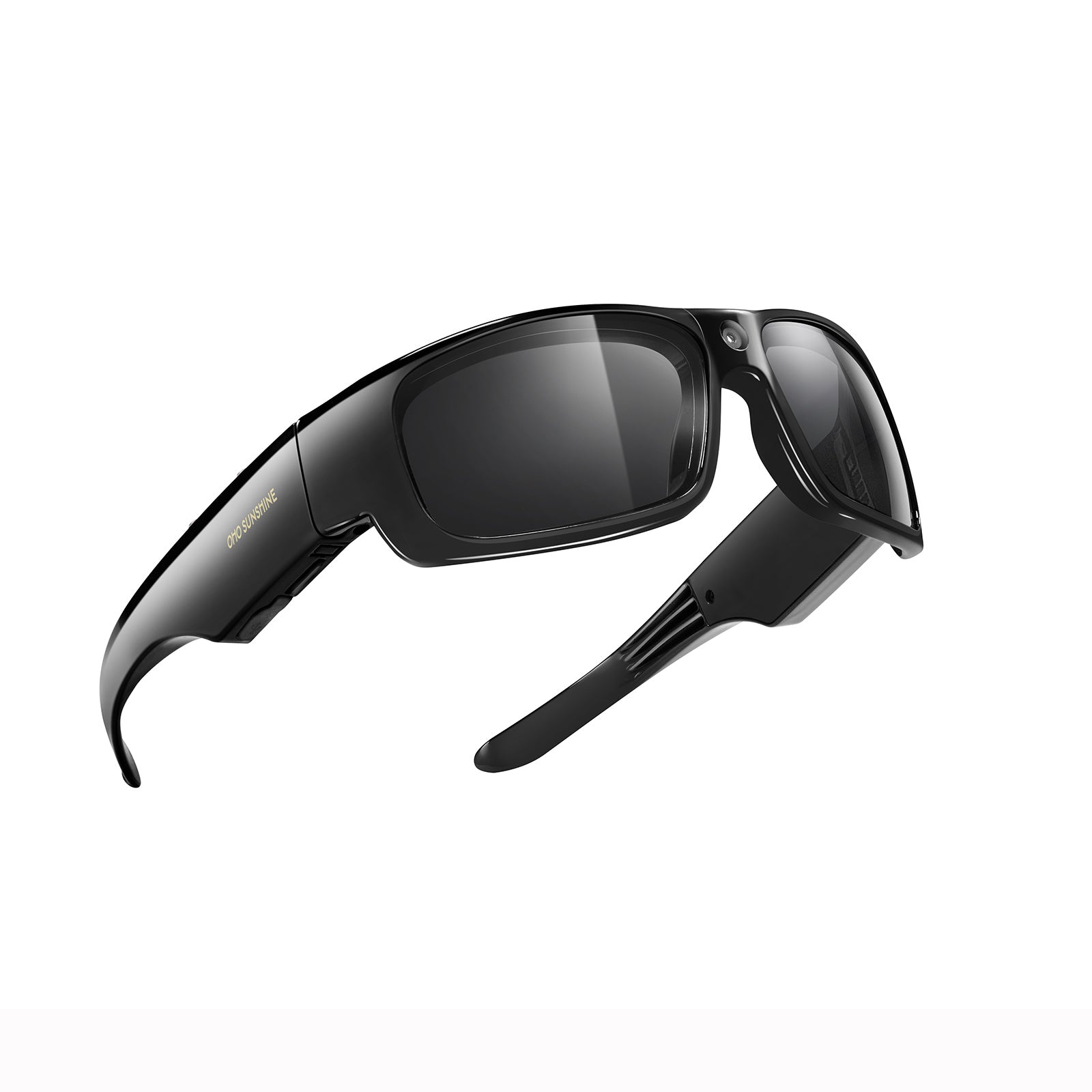


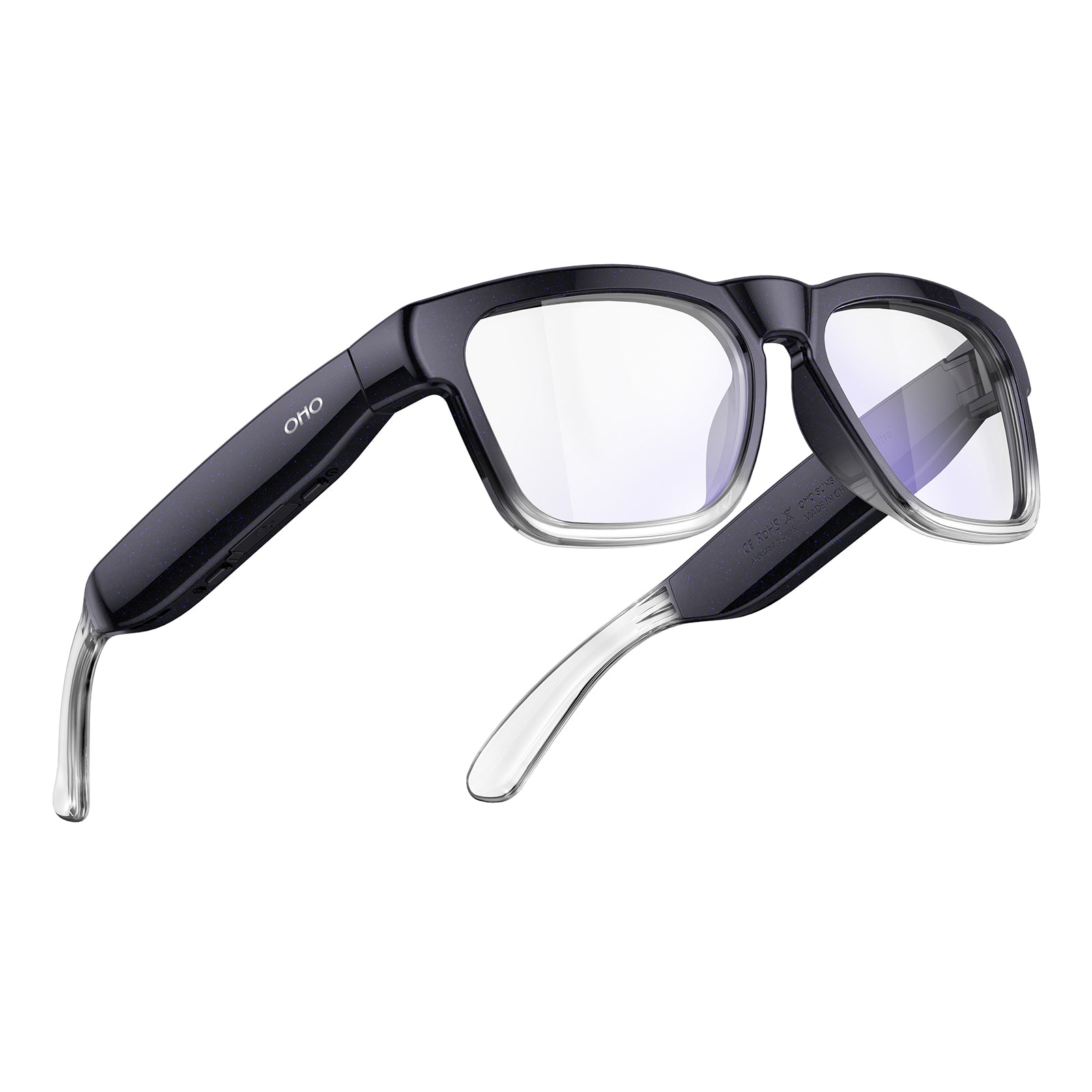


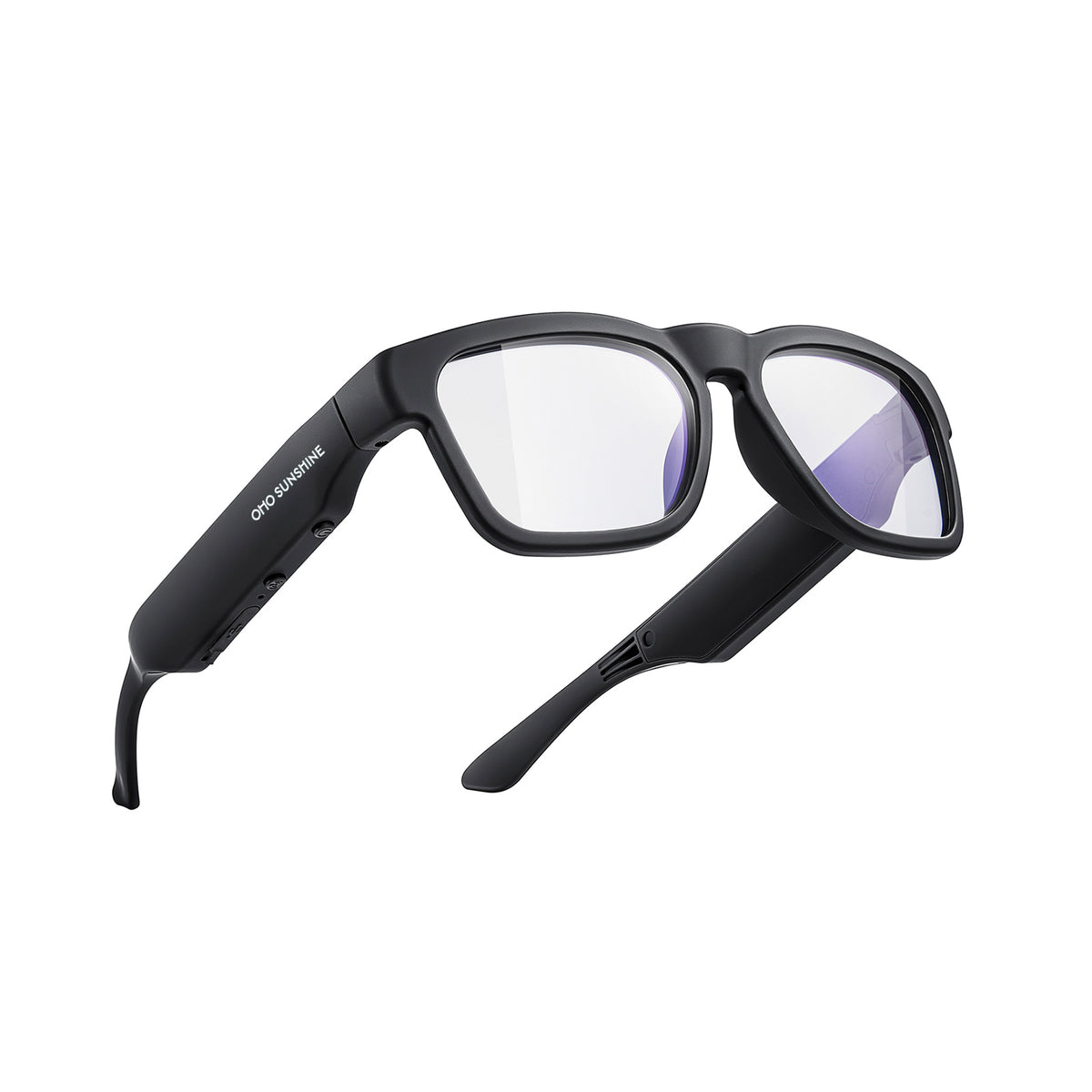



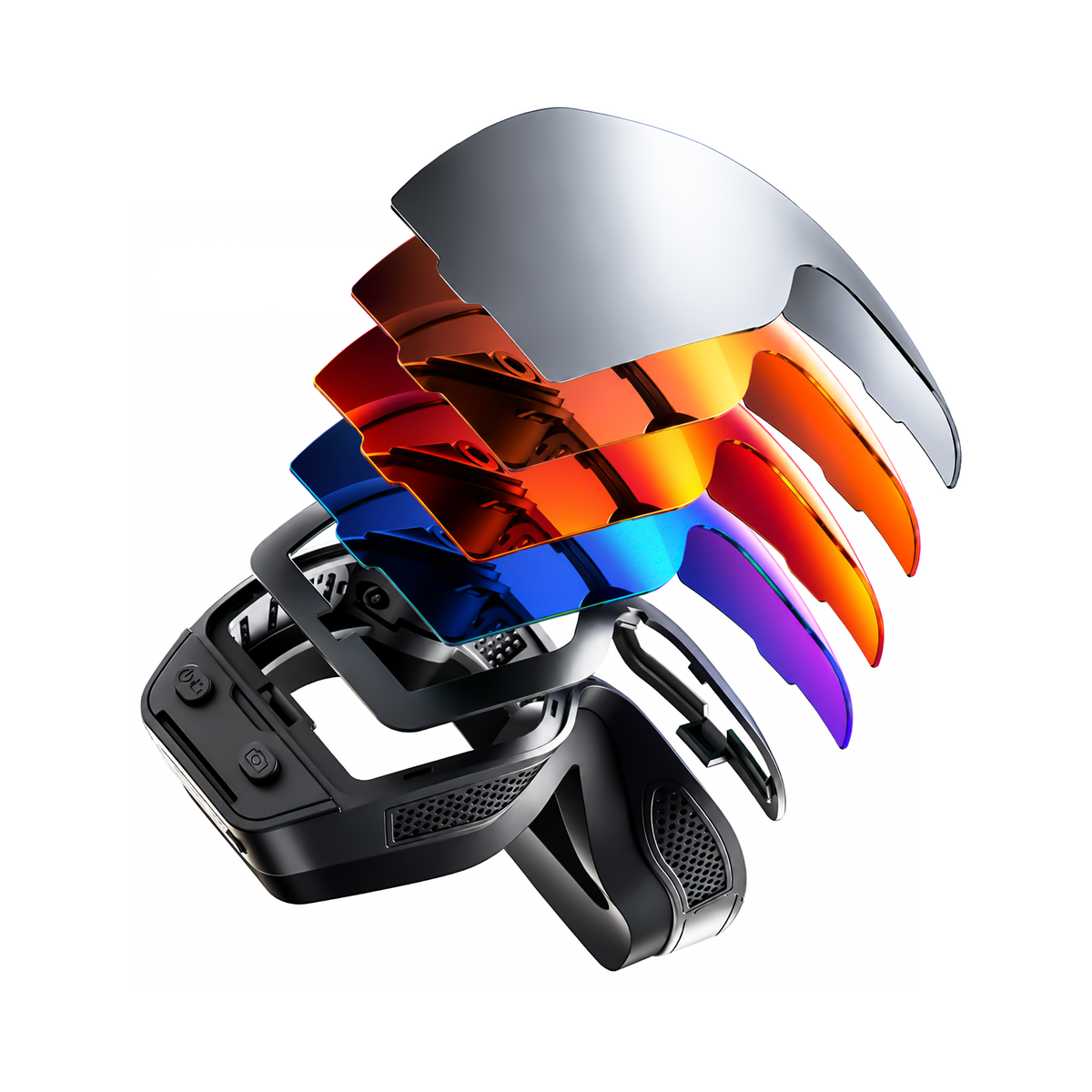



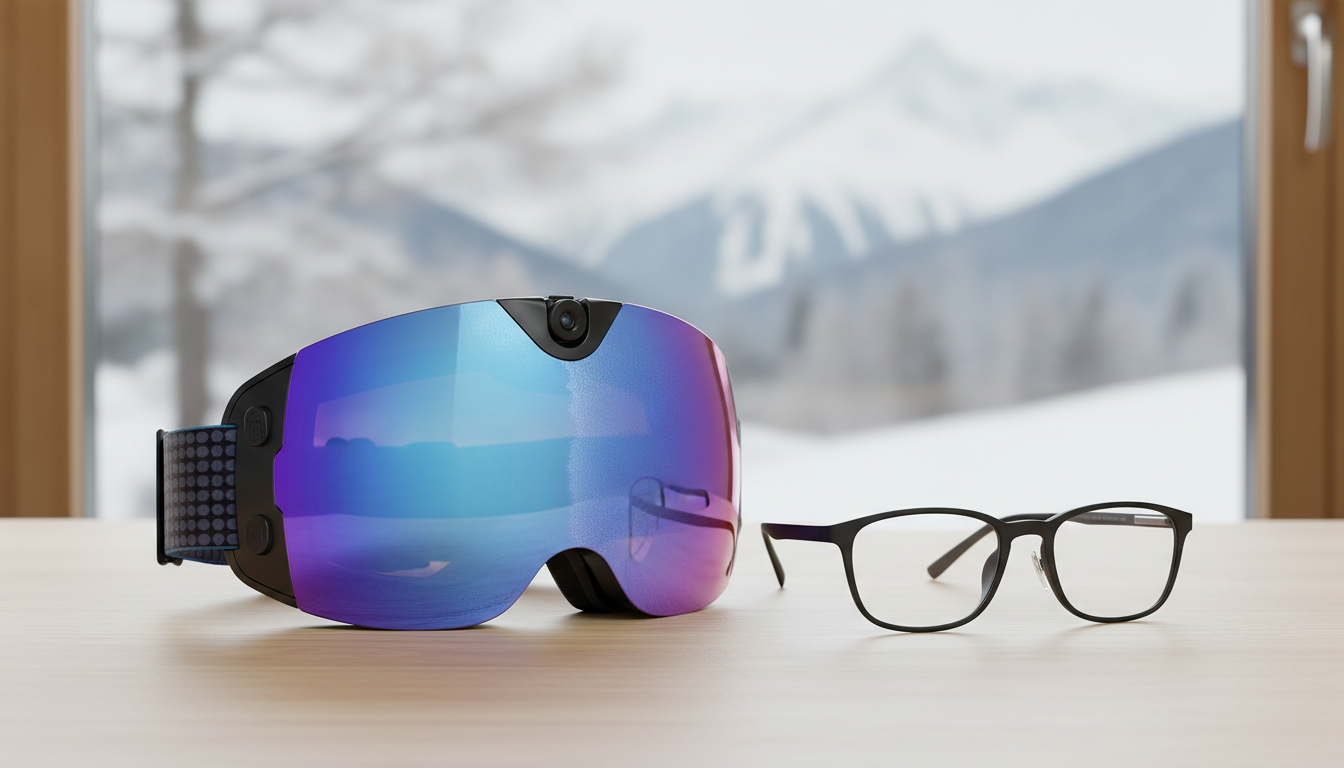
Bluetooth-camerabril kan geschikt zijn voor vis- of jachtbeelden wanneer je de scène, kijkrichting, pasvorm, bediening, batterij, weersbeperkingen en opnametoestemmingen begrijpt. Vissen kan een praktisch handsfree gebruiksscenario zijn, terwijl jagen of het observeren van wilde dieren vraagt om extra aandacht voor beweging, veranderend licht, omgevingsbewustzijn, toegang en actuele regels. Als een essentiële voorwaarde nog niet is opgehelderd, pauzeer dan in plaats van een Bluetooth- of cameramarkering als goedkeuring te beschouwen.
Kies het vis- of jachtgebruik voordat je gaat winkelen
Begin met de activiteit. Vissen kan geschikt zijn voor handsfree opnemen als je schittering, beeldkadering, pasvorm en bediening boven het water kunt testen. Bij jagen moet je beweging, bewustzijn, toestemming en toepasselijke regels nauwkeuriger controleren. Pauzeer beide plannen wanneer een essentiële product- of activiteitsvereiste nog niet is opgehelderd.
| Scenario buiten | Controles die de geschiktheid bepalen | Beslissing voordat je gaat winkelen |
|---|---|---|
| Vissen | Felle zon, spiegelend water, actief gezichtsveld, stabiele pasvorm tijdens het werpen of hanteren van uitrusting en goed bereikbare bediening | Ga door met controles van lens en workflow als handsfree beelden een echte behoefte oplossen en de scène testbaar is |
| Jagen of observeren van wilde dieren | Stabiele pasvorm tijdens het bewegen, veranderend licht, onbelemmerd bewustzijn, toegankelijke bediening, toestemming en actuele locatiegebonden regels | Ga alleen door wanneer opnemen ondergeschikt blijft aan bewustzijn en aan alle activiteitsvereisten is voldaan |
| Pauzeren | Onopgeloste beperkingen rond weer of water, batterij, opslag, bediening, lens, behoeften aan veiligheidsbrillen, privacy, toestemming, toegang of activiteitsregels | Vertrouw buiten niet op de bril en voeg hem niet aan de winkelwagen toe totdat de essentiële voorwaarde is opgelost |
Begin met de praktische taak, niet met de Bluetooth-functie. Camerabril voor vissen kan geschikt zijn voor werpen, het hanteren van de lijn of het binnenhalen van een vis wanneer je daardoor minder vaak je telefoon hoeft te gebruiken. Een onafhankelijke beoordeling beschrijft handsfree opnemen tijdens actieve vismomenten, maar dat bewijst niet dat je met een ander model de volledige scène vastlegt of dezelfde prestaties behaalt. Handsfree opnemen tijdens vismomenten waarbij je handen bezig zijn moet je testen en is geen garantie.

Controleer het zicht, de lens en de pasvorm voor jouw scène
Test de bril op je gezicht en in een representatieve positie voordat je er buiten op vertrouwt. De belangrijkste vraag is of het montuur stabiel blijft en de camera het deel van de scène vastlegt dat je wilt opnemen, zonder je normale bewustzijn te verminderen.
Test bij vissen de weerspiegeling van het water en het actieve gezichtsveld
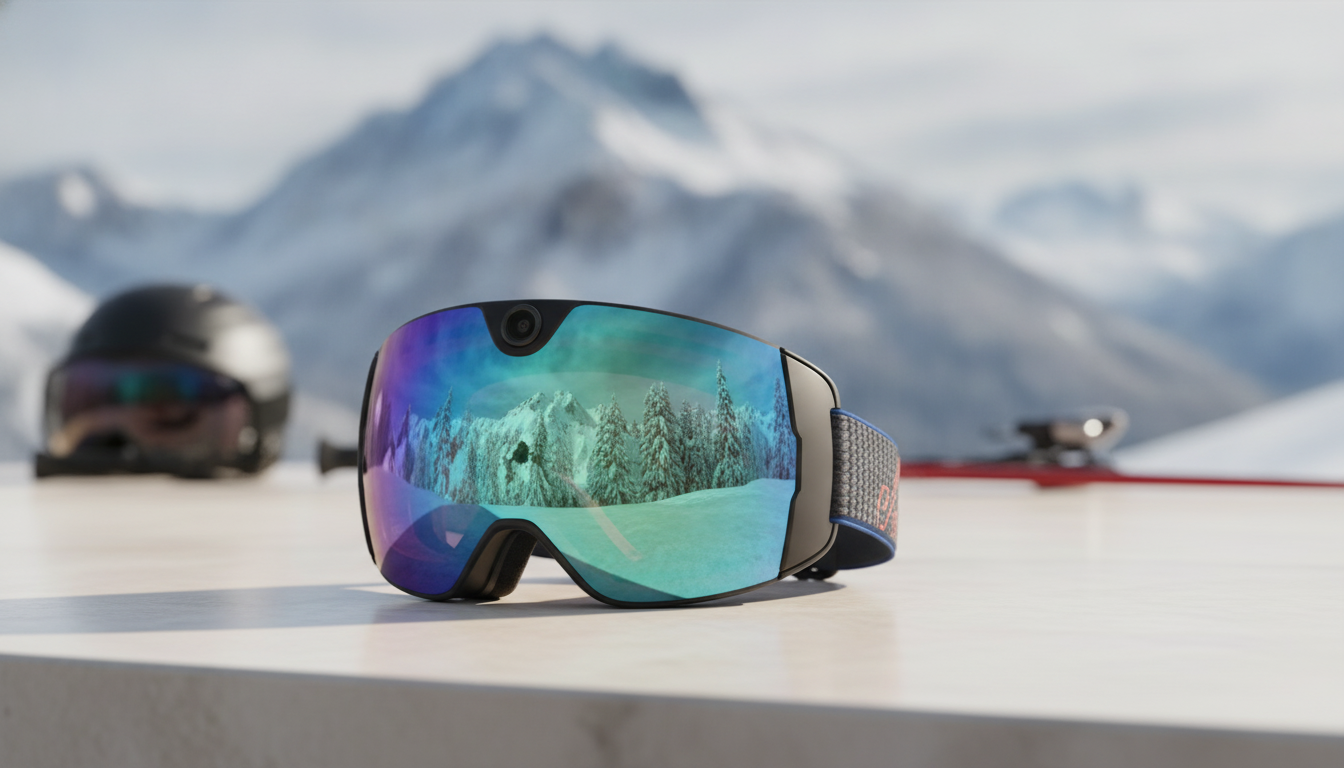
Vergelijk vanaf de geplande positie aan de oever, op de steiger of in de boot de felle lucht, het spiegelende water, schaduw en veranderend zonlicht met de gebieden die je moet zien voor het hanteren van de lijn, het werken met kunstaas, het binnenhalen van een vis en je directe omgeving. Een watergerichte beoordeling van een gepolariseerde camerabril laat de afweging zien tussen het verminderen van schittering op het wateroppervlak en het gebruik van donkere lenzen wanneer het licht afneemt. Gebruik dit als principe voor het testen van de scène: vergelijk de beelddekking met het zijaanzicht dat je nodig hebt in plaats van aan te nemen dat een lensmarkering schittering oplost.
Controleer of het montuur stabiel blijft tijdens het werpen, draaien of hanteren van uitrusting. Zorg dat je de bediening kunt bereiken zonder een ongemakkelijke hoofd- of handpositie. Een lensmarkering belooft geen volledige verwijdering van schittering, een specifiek camerabeeld of bruikbare prestaties bij afnemend licht.

Test bij jagen beweging en veranderend licht zonder je bewustzijn te verliezen
Loop, draai, hurk en kijk vóór het opnemen in het veld door het verwachte gezichtsveld. Controleer of beweging het beeld verschuift, afleiding veroorzaakt of de bediening moeilijk bereikbaar maakt. Vergelijk de opgegeven lensbeschrijving terwijl je tussen open terrein en schaduw beweegt, en leid prestaties bij weinig licht niet af uit een montuur- of lensmarkering.
Laat je normale bewustzijn en je gebruikelijke oordeel over buitenbrillen leidend zijn. Een opnamebril is niet automatisch beschermende uitrusting en mag niet als veiligheidsmiddel worden beschouwd. Als het camerabeeld, de pasvorm of de bediening de taak voor je in de weg staat, pauzeer dan.
Stel het opnemen in voordat je het water of veld bereikt
Doorloop thuis de volledige opnameworkflow vóór de reis: koppel de bril, maak een korte video en een foto, controleer de statusfeedback, test de audio, sla de bestanden op en voltooi een overdracht.
Koppel het apparaat en leer de opnamebediening
Koppel de bril thuis aan de beoogde telefoon of een ander apparaat. Maak een korte video en een foto en controleer vervolgens hoe je het opnemen start en stopt, welke statusfeedback verschijnt, waar bestanden worden opgeslagen en hoe ze naar het apparaat worden overgezet. Test audio afzonderlijk van de camera-opname en volg de actuele instructies voor de installatie en bediening van het model. Bluetooth-smartbrillen kunnen verschillende bedienings- en app-workflows hebben, dus neem niet aan dat Bluetooth-branding de compatibiliteit bewijst.
Plan batterij, opslag en weerzorg op basis van de actuele instructies
Plan stroom en opslag rond het gekozen model, de opname-instellingen en het daadwerkelijke patroon van je uitstapje. Vertrouw niet op een algemene gebruiksduur, schatting van opslaguren of claim op categorieniveau; de tests met een clip thuis, bestandsoverdracht en opladen moeten overeenkomen met de reis die je van plan bent te maken.
Controleer ook de beperkingen voor regen, spatwater, stof, zweet, hitte, kou, opladen, reinigen en opslag. Een beoordeling van waterbestendigheid en onderdompeling laat zien waarom een verklaring over waterbestendigheid niet mag worden opgevat als waterdichtheid of als bewijs dat de bril geschikt is voor onderdompeling. Als de actuele instructies een vraag over onderhoud, stroom, opslag of overdracht niet beantwoorden, vertrouw dan niet op de bril tijdens die reis.
Neem alleen op wanneer bewustzijn, toestemming en regels het toelaten
Stop met opnemen wanneer bewustzijn, toestemming, privacy of toepasselijke activiteitsvereisten onduidelijk zijn. Controleer voordat je herkenbare personen of gesprekken vastlegt de kennisgeving, toestemming en wetgeving die op de locatie en situatie van toepassing zijn. Regels voor audio kunnen verschillen, dus beschouw een algemene productverklaring niet als juridisch antwoord.
Controleer vóór het vissen of jagen actuele vergunningen, seizoenen, regels voor wilde dieren en vereisten van de staat bij de bevoegde instantie. De AFWA-wetgevingsbibliotheek is een startpunt voor actuele wetten over wilde dieren per staat. Vraag voor toegang tot privéterrein of opnamebeperkingen die specifiek voor een locatie gelden afzonderlijk toestemming aan de landeigenaar, terreinbeheerder of vastgoedbeheerder.
Bekijk vóór het opnemen hoe de app, account, opslag, overdracht en verwerking van vastgelegde media met gegevens omgaan. De privacyrichtlijnen van de FTC voor verbonden apparaten bieden algemene context om te vragen hoe gegevens worden verwerkt, maar zijn geen productspecifiek juridisch advies. Houd normaal bewustzijn en het hanteren van uitrusting belangrijker dan opnemen. Neem niet op zolang toestemming of een regel onduidelijk is.
Stem een Bluetooth-camerabril af op je controles voor buiten
Gebruik de collectie Fishing & Hunting als zoekroute voor opties die aan activiteiten zijn gekoppeld. Edge en Vidsoul zijn afzonderlijke vermeldingen binnen de bredere collectie Camera Glasses, dus hun plaatsing in de categorie bewijst niet dat een van beide modellen geschikt is voor een specifieke buitenomstandigheid.
De vermelding van de Vidsoul-gepolariseerde camerabril vermeldt 1080p-video met 30 fps, foto's van 24 MP, een ingebouwde microfoon, gepolariseerde lenzen, een TR90-montuur, USB-connectiviteit, ingebouwde opslag, bediening voor video en foto's met één knop en een vermelde batterijduur van 90 minuten. Op basis van de verstrekte feiten is Vidsoul een vergelijkingspunt voor USB-connectiviteit en geen Bluetooth-match; sluit het model uit als Bluetooth essentieel is.
Geef elke essentiële vereiste een eenvoudige status: bevestigd wanneer de vermelding en je test thuis overeenkomen, onopgelost wanneer een belangrijk detail nog openstaat, of ongeschikt wanneer het niet bij de reis past. Koop pas wanneer de vereisten die voor jouw scène, bediening, stroom en opslag, weersbeperkingen, privacy en activiteitsregels van belang zijn, bevestigd zijn. Geen van beide vermeldingen bewijst op zichzelf geschiktheid voor buitengebruik.
Veelgestelde vragen
Is een Bluetooth-camerabril geschikt voor vissen?
Dat kan, wanneer handsfree beelden een echte behoefte oplossen tijdens het werpen, het hanteren van de lijn of het binnenhalen van een vis, en wanneer montuur, lens, bediening, stroom en weersbeperkingen in de werkelijke scène goed functioneren. De bril vervangt je normale bewustzijn of toestemming om op te nemen niet.
Welke lens- en schitteringscontroles zijn belangrijk voor een camerabril bij het water?
Test het actieve gezichtsveld tegen de lucht en de weerspiegeling van het water en herhaal de controle wanneer het licht verandert. Een vermelding van polarisatie kan een nuttige lenseigenschap beschrijven, maar is geen universele belofte van schitteringsvrije beelden of geschikte prestaties wanneer het licht afneemt.
Wat moet ik testen voordat ik een camerabril gebruik tijdens het jagen?
Test lopen, draaien, hurken, veranderend licht, stabiele pasvorm en bewustzijn. Voltooi thuis de video-, foto- en overdrachtstest en pas daarna de vereisten voor toestemming en actuele regels toe voordat je opneemt.
Mag ik mensen of audio opnemen tijdens het vissen of jagen?
Alleen nadat je kennisgeving, toestemming, toepasselijke regels van de staat of locatie en toestemming voor de specifieke situatie hebt gecontroleerd. Neem niet op als de vereiste onduidelijk is. Een draagbare camerabril vervangt direct bewustzijn, veilig hanteren of activiteitsregels niet.


Laat een reactie achter
Deze site wordt beschermd door hCaptcha en het privacybeleid en de servicevoorwaarden van hCaptcha zijn van toepassing.