



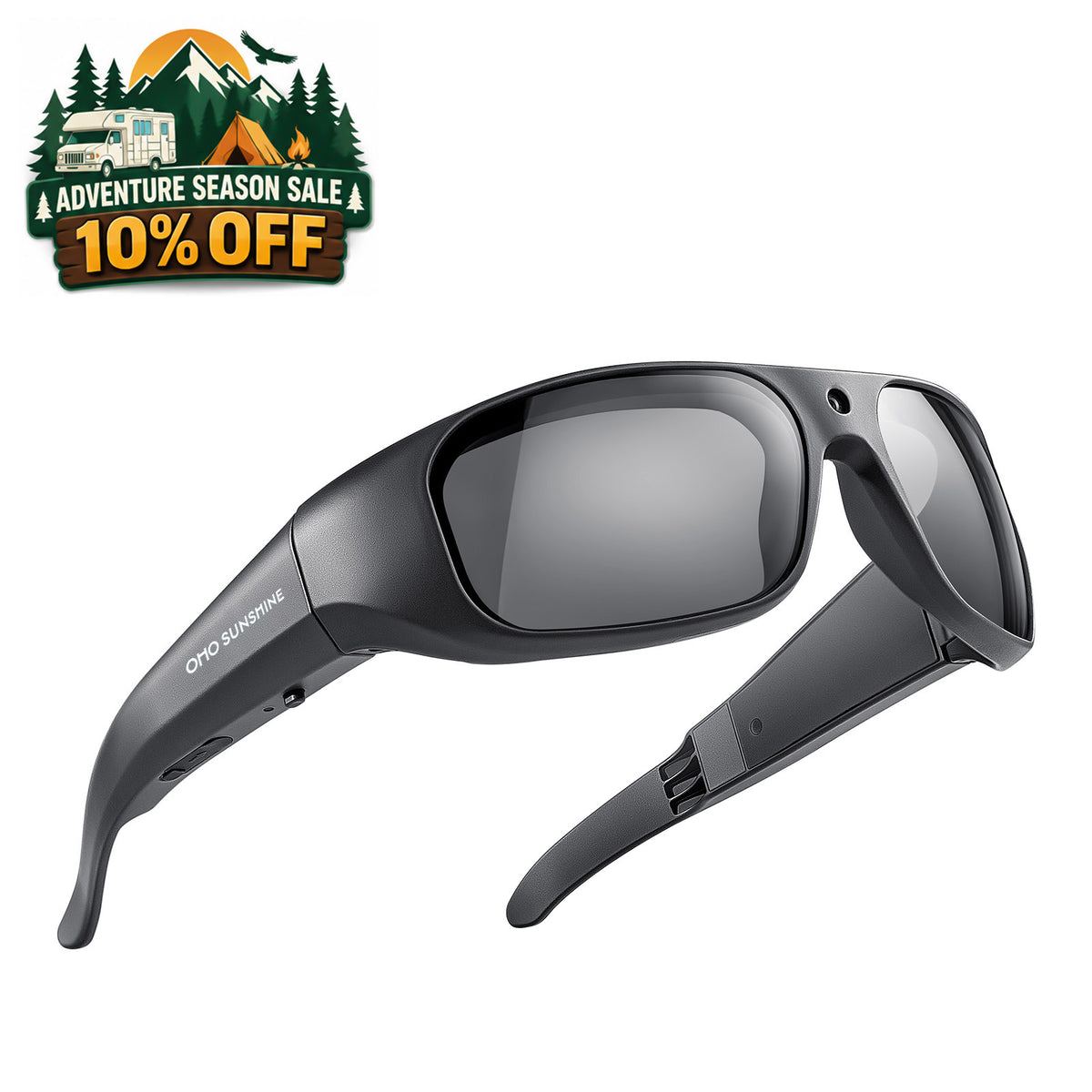


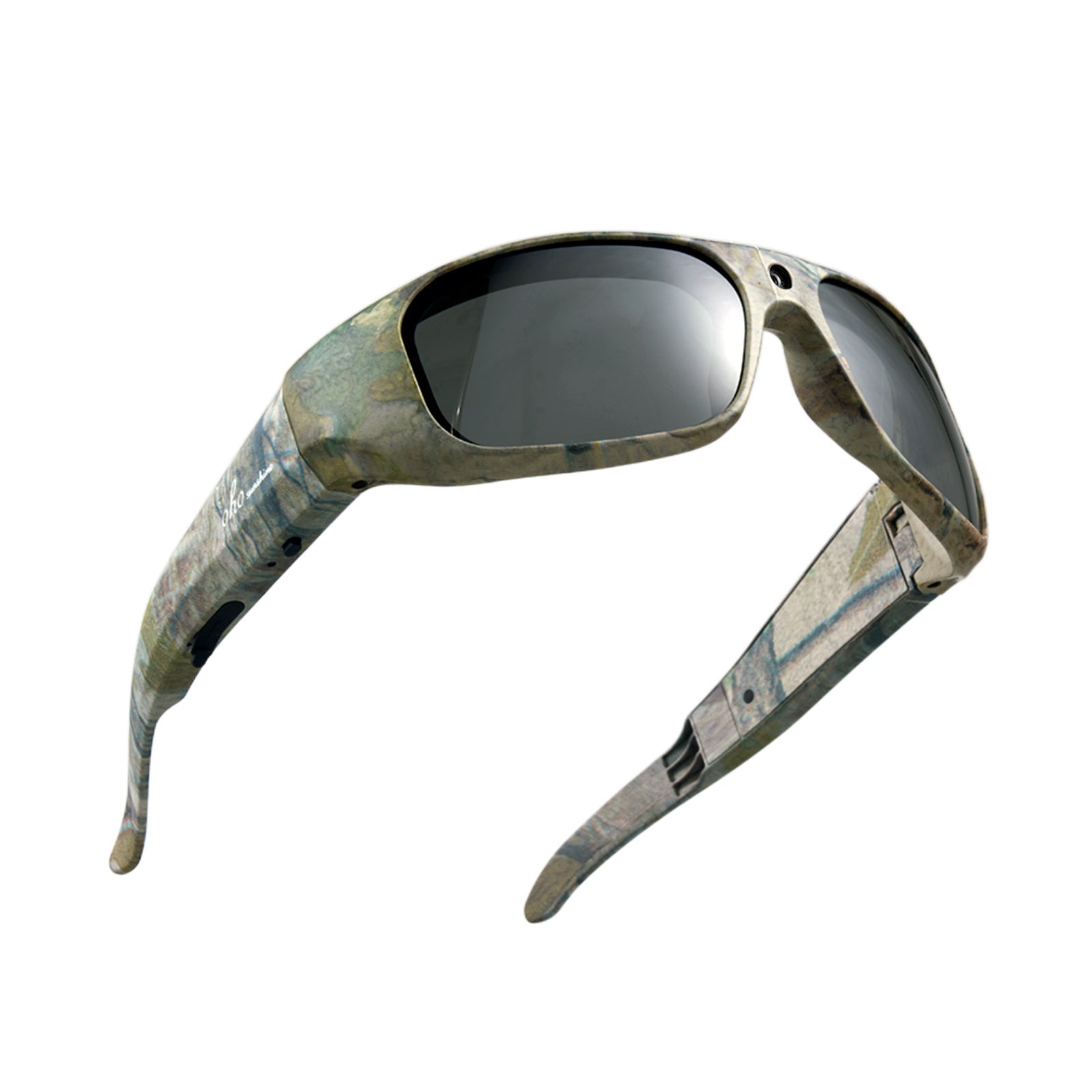


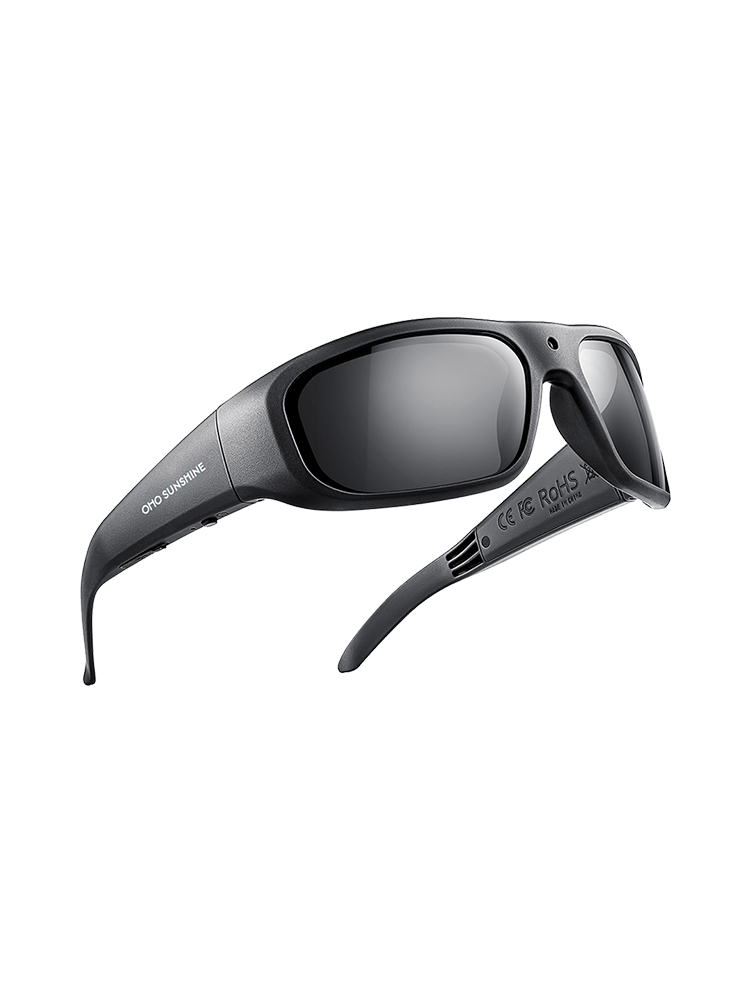


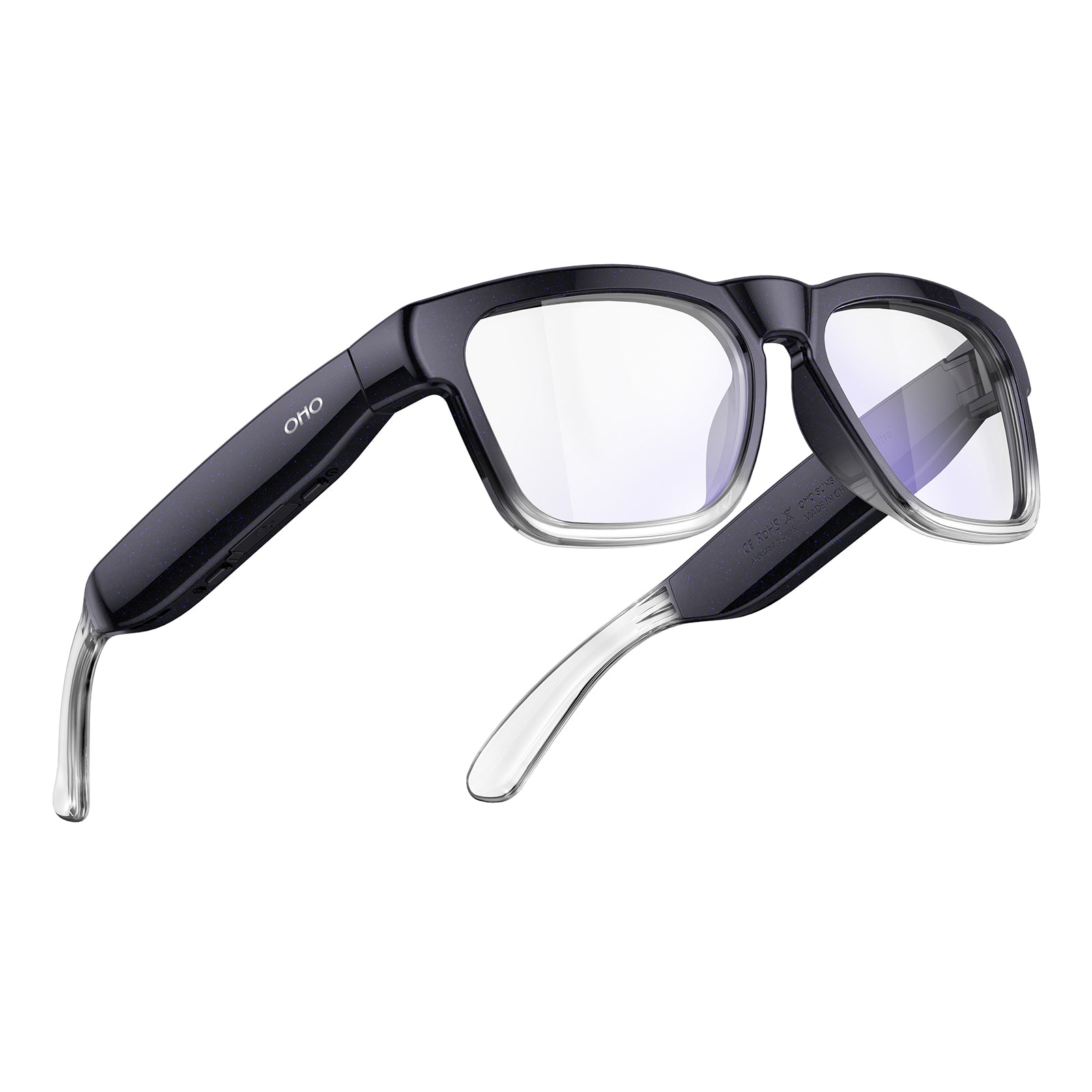





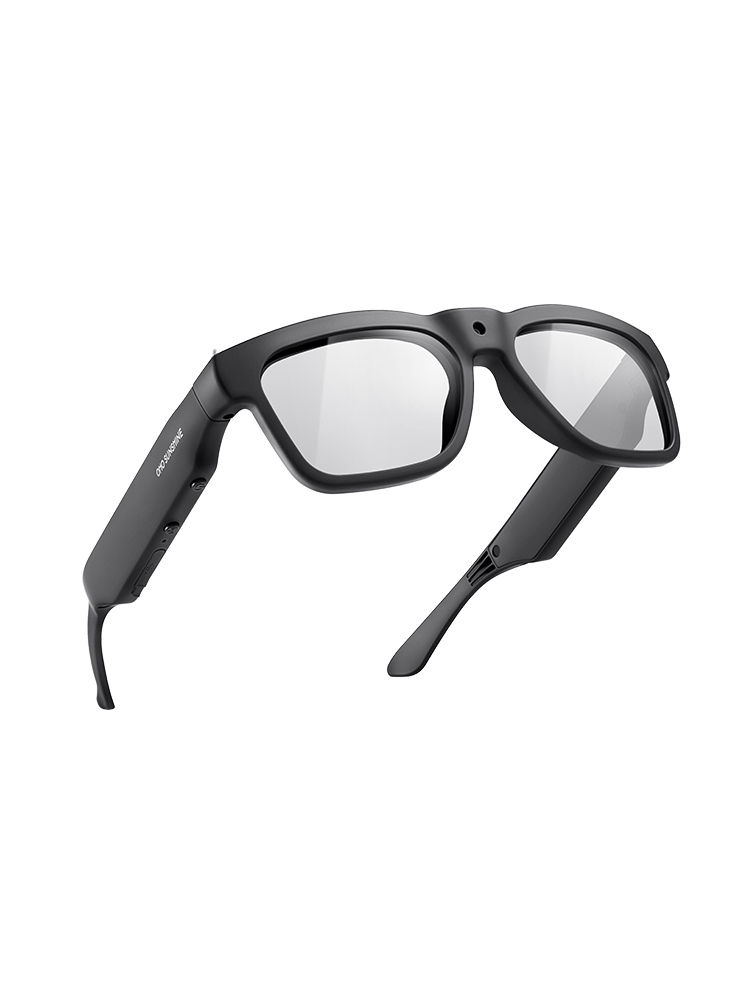


A raised camouflage gaiter can push warm, moist breath straight up into a cooler camera-glasses lens, and that temperature gap is what actually fogs the glass, not just the outdoor humidity. The fix is a short setup you run before the hunt: clean the lens the right way, fit the gaiter so it does not aim your breath at the lens, and test the whole rig in the dark before you leave the truck. If fog still shows up in the field, a separate stop-and-clear routine gets your vision back without risking the lens coating.
Key Takeaways
- Fog that starts right after you pull up the gaiter usually points to breath airflow, not a bad lens.
- Fit the camera glasses first, then adjust the gaiter's top edge so exhaled air is not aimed at the lens.
- Clean lenses only with the method your camera-glasses instructions allow; treat anti-fog products as conditional, not universal.
- If fog blocks your vision in the field, stop and clear it before you move, aim, or keep recording.
- A listed lens material, polarization, or water rating does not prove a model resists fog with a gaiter.
Prevent Breath-Driven Fogging Before the Hunt
Most breath-driven fog has a simple explanation: warm, saturated air meets a lens that is colder than your breath, and the moisture has nowhere to go but onto the glass. Get ahead of it with a short pre-hunt routine instead of guessing at fixes once you're already in the blind.
Recognize breath-driven fog
If your lenses cloud up right after you raise the gaiter, or once you start breathing harder on the walk in, that timing is a useful clue that breath airflow is the driver. Moist air only turns into visible droplets once it cools to its dew point, and dew point cooling triggers condensation directly on colder glass surfaces. Cool, still, humid air right before sunrise also mirrors conditions that form radiation fog, so a damp, chilly dawn simply gives condensation more opportunities to happen on your lens. That does not mean the lens is defective. It means the air path between your mouth and the glass needs attention first.
Set the gaiter and eyewear before sunrise
Work through this order before you leave for the stand, and repeat it any time you change gear:

- Clean the lenses using only the method listed in your camera glasses' instructions.
- Put the glasses on first and check that they sit comfortably without pinching or blocking your side vision.
- Pull the gaiter up second, and adjust its top edge so it is not funneling your breath straight upward into the lens.
- Stand still for a minute, then walk a short distance to see whether talking or heavier breathing pushes air toward the glass; readjust the gaiter if it does.
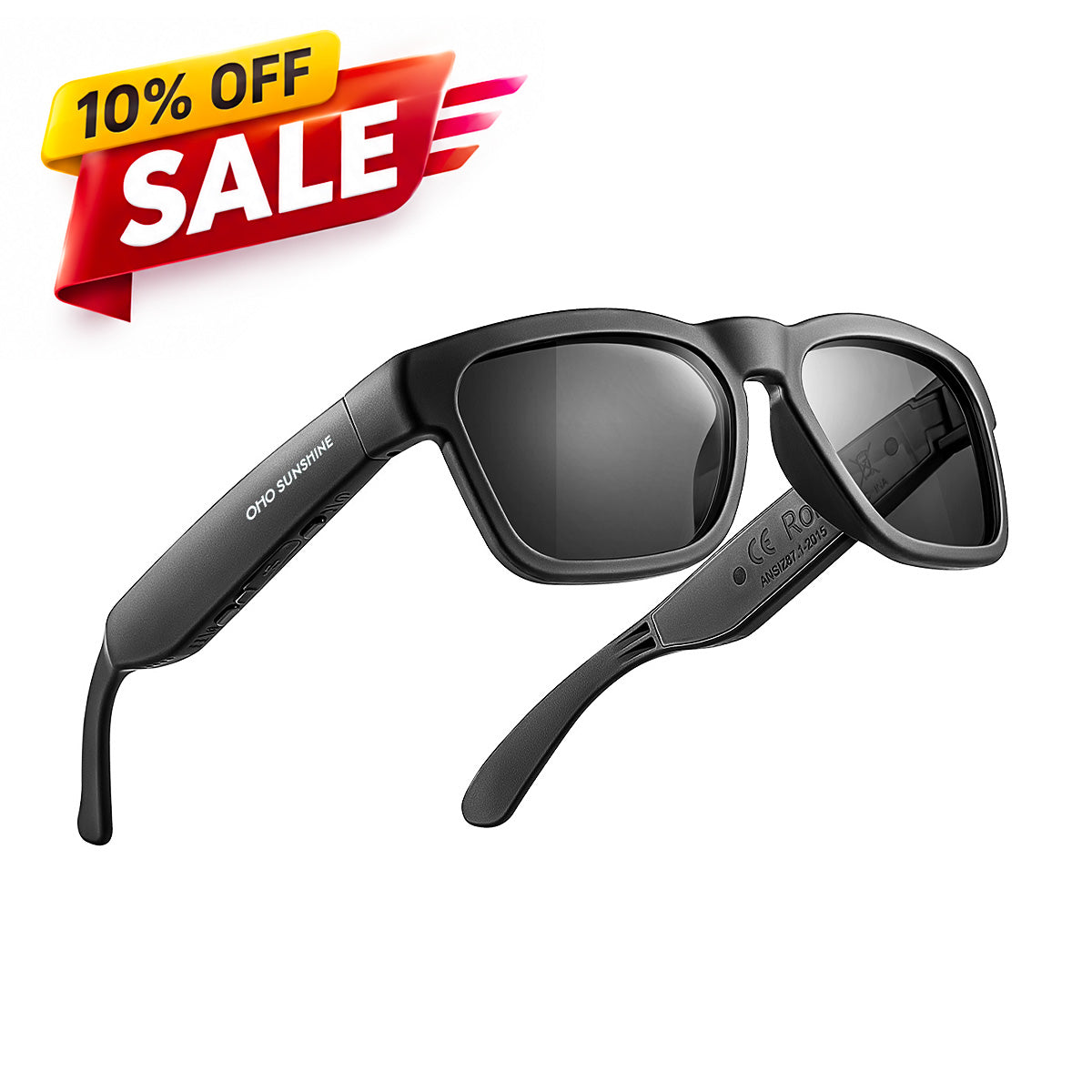
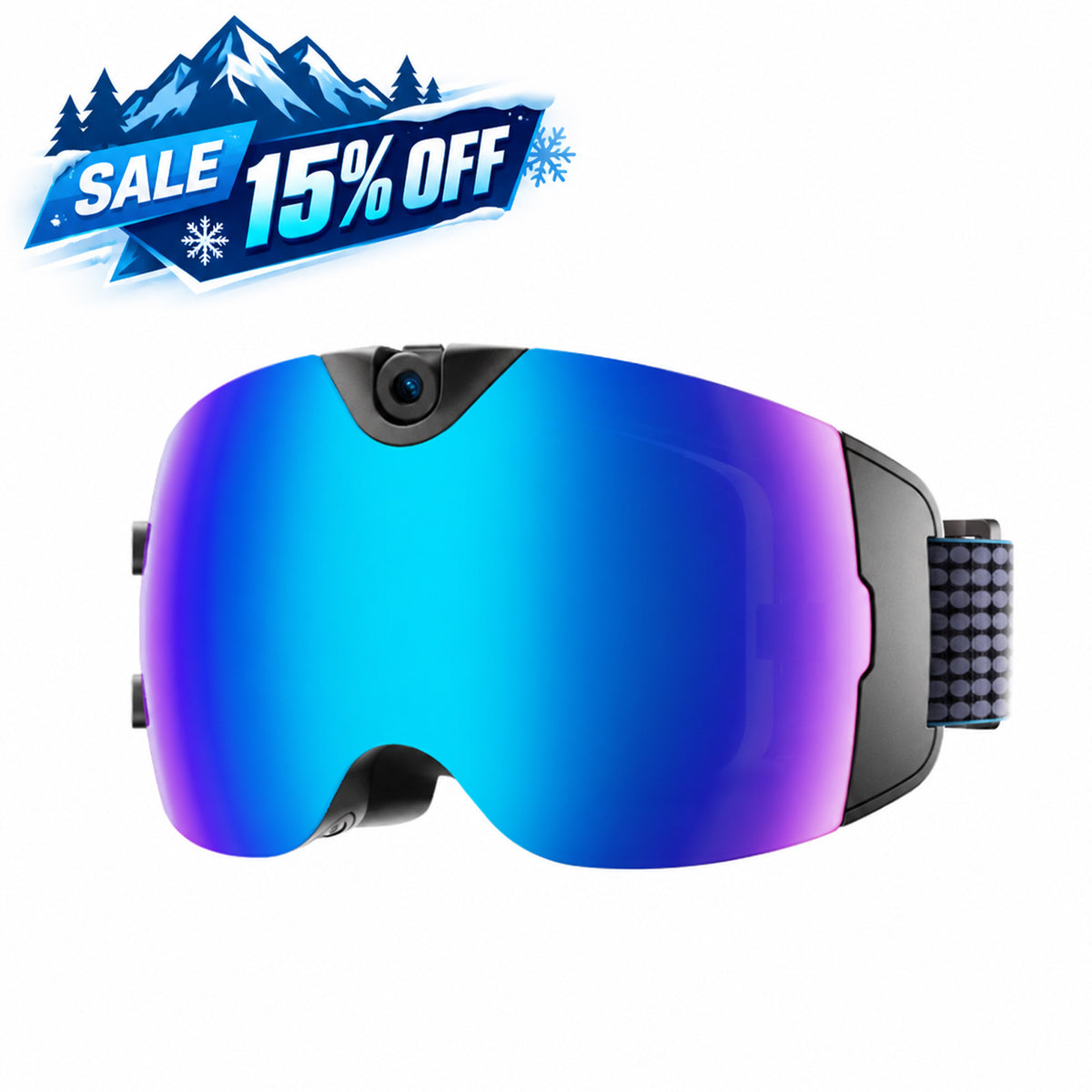
This sequence is a practical test for your face shape and gear, not a guaranteed setting that works for every gaiter or every hunter. If the glasses have a documented open channel or vent, keep it clear. Choosing eyewear that suits the actual conditions and your own vision needs, rather than a generic fit, matters more here than any single brand of lens. Shoppers comparing options built for this kind of morning can look at hunting camera glasses as a starting category, though a collection listing alone does not confirm fog resistance for any single pair.
Prepare lenses without guessing
Stick to the cleaning materials your specific camera glasses' manual approves. A microfiber cloth or an approved lens wipe removes oils and dust without scratching a coating; a shirt sleeve or the gaiter fabric itself can carry grit that scratches the lens or the camera housing. Anti-fog sprays and coatings are optional extras, not a required first step, and they only belong on the list once you have confirmed your model allows them. Never cover, tape over, or otherwise block any vent or airflow feature the manufacturer built into the frame; that feature is doing a job, and blocking it can make fogging worse instead of better.
What to Do When the Lenses Fog
Already-fogged lenses need a different response than prevention does. Stop, figure out whether the cause is airflow or a dirty lens, then clear it before you continue.
Pause, clear, and reassess
Run this short sequence the moment fog blocks a clear view:
- Stop moving, aiming, or recording until you can see clearly again; a fogged lens is a visibility problem before it is anything else.
- If the gaiter shifted or you were breathing harder, reset its position first to redirect your breath away from the lens.
- If the lens is actually wet or dirty rather than just breath-fogged, clean it only with your model's approved method and cloth.
- Confirm your vision is clear and the gaiter-and-glasses setup feels stable before you resume the hunt.
Wiping a fogged lens with whatever fabric is closest is tempting, but everyday dirt trapped in clothing can scratch the lens or the coating, so keep a dedicated lens wipe or approved cloth in your pack instead. If clearing the lens does not restore full vision, or the fog returns within a few minutes, treat that as a signal to stop and troubleshoot the setup rather than push forward.
Verify the model before relying on anti-fog claims
Before you count on any camera glasses to resist fog with a gaiter, confirm these points directly from the manufacturer's documentation rather than assuming them:
- Ventilation or airflow design that is actually documented, not just a frame that looks vented.
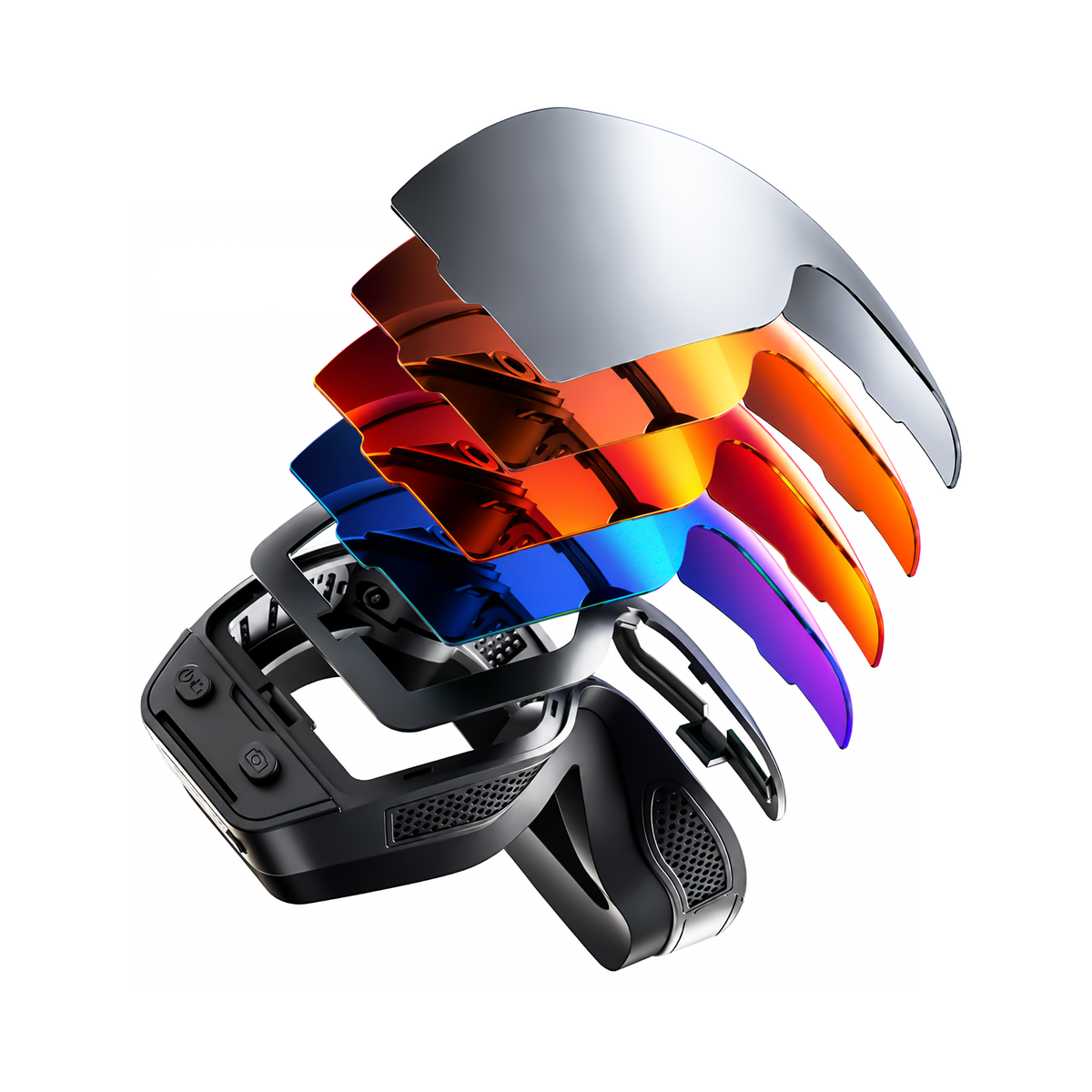
- Lens material and coating, plus any cleaning products the maker specifically restricts or approves.
- An anti-fog treatment or accessory the manufacturer states is compatible with that lens surface; a treatment that leaves a hydrophilic film can reduce visible surface condensation, but it is not automatically suited to every lens.
- Fit with the gaiter you actually plan to wear, checked in person rather than assumed from photos.
- Stated weather-use limits; a water-resistance rating tells you about rain exposure, not fog resistance.
A lens material, polarized coating, or a "built for hunting" label on a product page does not by itself prove fog resistance or gaiter compatibility, so treat those as separate questions you still need to verify. If you already track cold-weather routines for other smart eyewear, the battery, fog, and cold-weather lens care habits carry over reasonably well to a humid dawn hunt, since both situations involve a warm face and a cold lens surface.
Run the complete gaiter-and-glasses setup once before the actual hunt, in low light if possible, and confirm your camera glasses' care instructions before you leave home. If your vision is not clear at any point in the field, stop, clear the lens, and reassess before you move, aim, or record again.
FAQs
Can a face gaiter make camera-glasses lenses fog even when it is not raining?
Yes. A gaiter can redirect warm, moist exhaled air toward a cooler lens on a perfectly dry, cold morning; rain has nothing to do with it. The useful clue is timing: if fog starts right after you raise the gaiter, adjust its position and the airflow path before reaching for any spray or treatment.

Should I use an anti-fog spray or home remedy on camera glasses?
Do not assume a spray, dish soap, saliva, or another household remedy is safe for a coated or camera-integrated lens. Use an anti-fog product only when your camera-glasses instructions permit it and the product states the lens surface is compatible; otherwise rely on approved cleaning and the airflow adjustments described above.
What should I carry if my camera-glasses lenses keep fogging during a hunt?
Carry the cleaning material your manufacturer approves, such as a microfiber cloth or lens wipe, rather than relying on a shirt sleeve or gaiter fabric. If fog returns while you are walking, stop, shift the gaiter and glasses only enough to change the breath path, clear the lens with the approved method, and confirm your vision before continuing.
Do polarized or clear lenses guarantee less fogging?
No. Polarized, tinted, or clear lenses change how light reaches your eyes, but lens type alone says nothing about fog resistance. Check the manufacturer's ventilation, coating, cleaning, and anti-fog compatibility information instead of assuming a clear or polarized lens will stay clear on its own.


Laat een reactie achter
Deze site wordt beschermd door hCaptcha en het privacybeleid en de servicevoorwaarden van hCaptcha zijn van toepassing.