



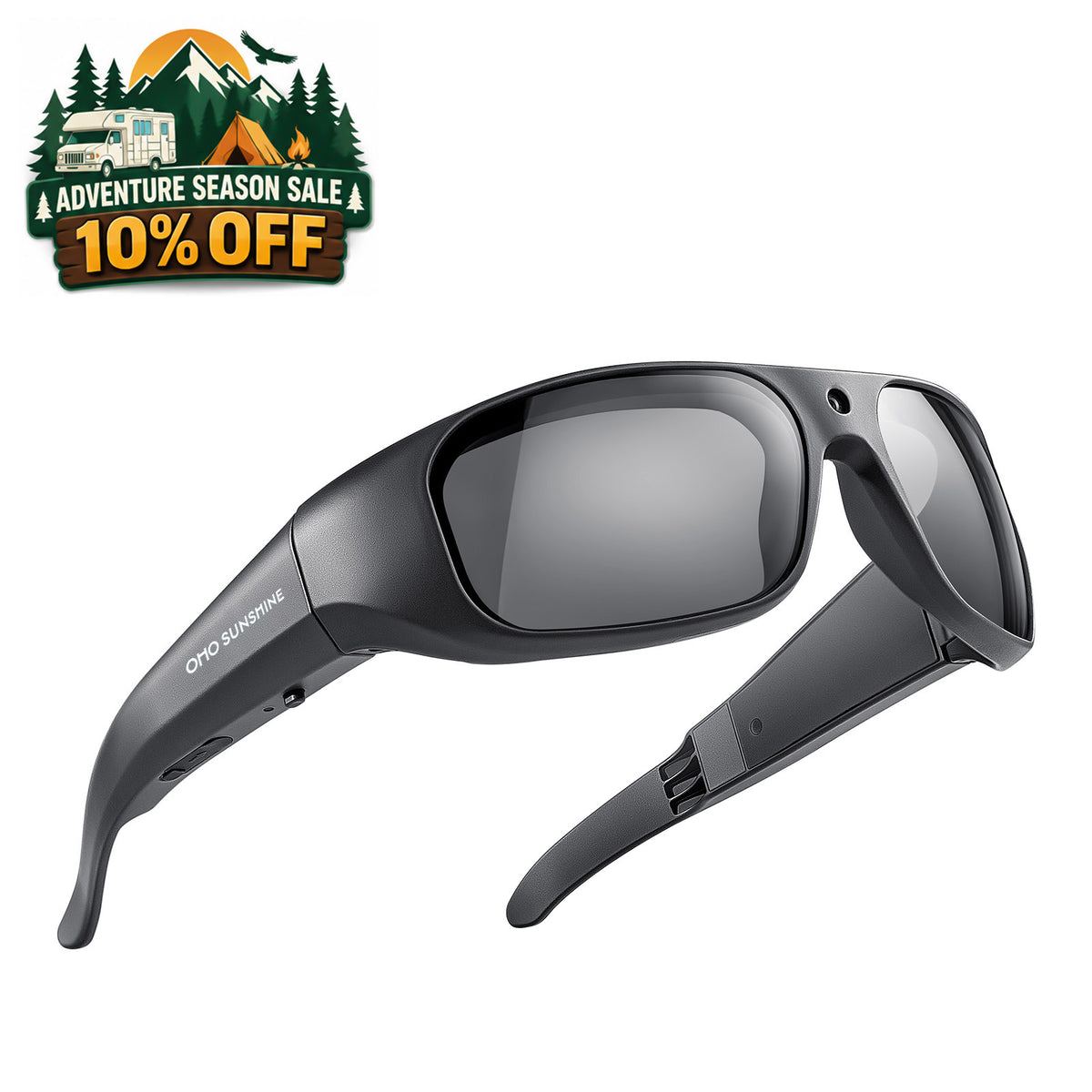


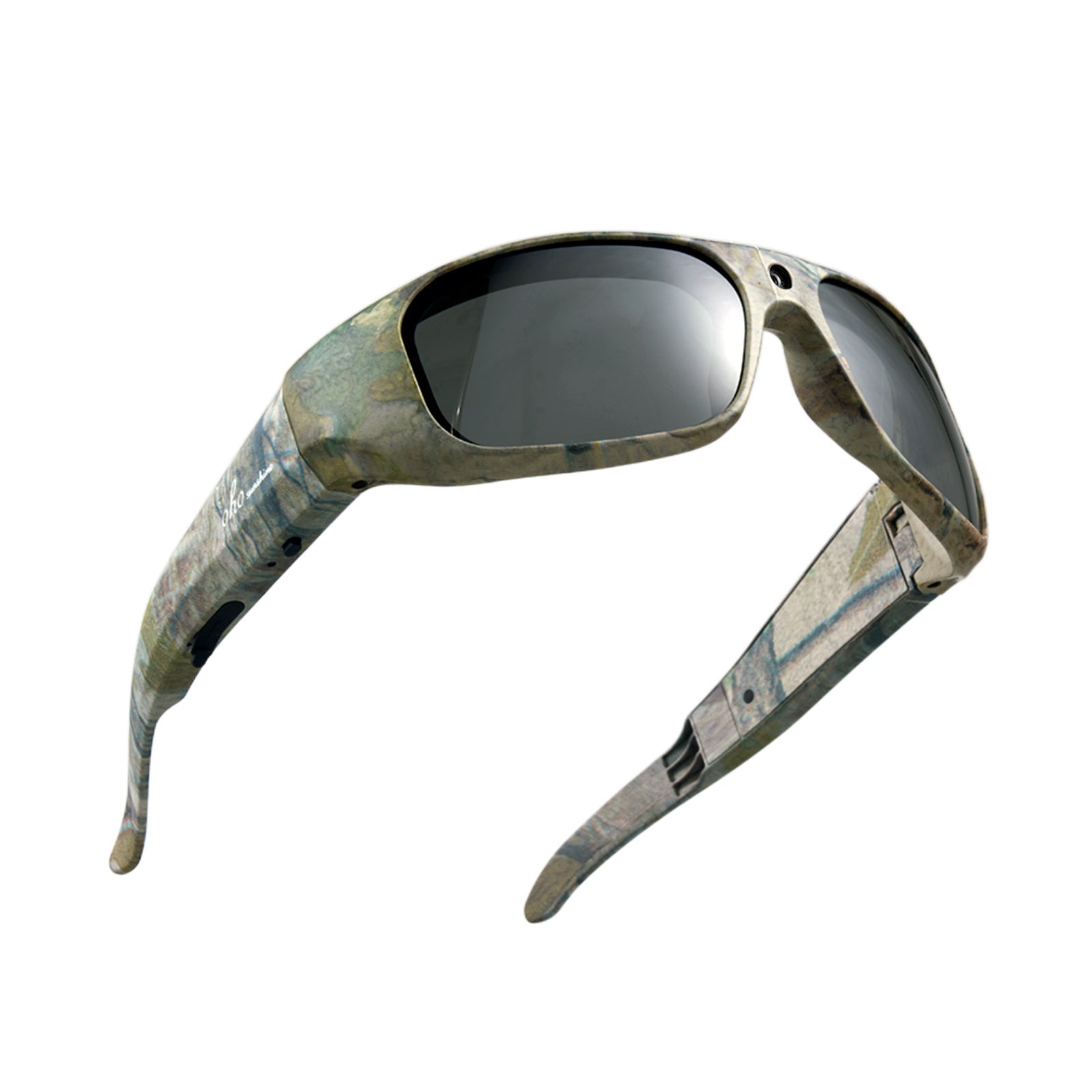


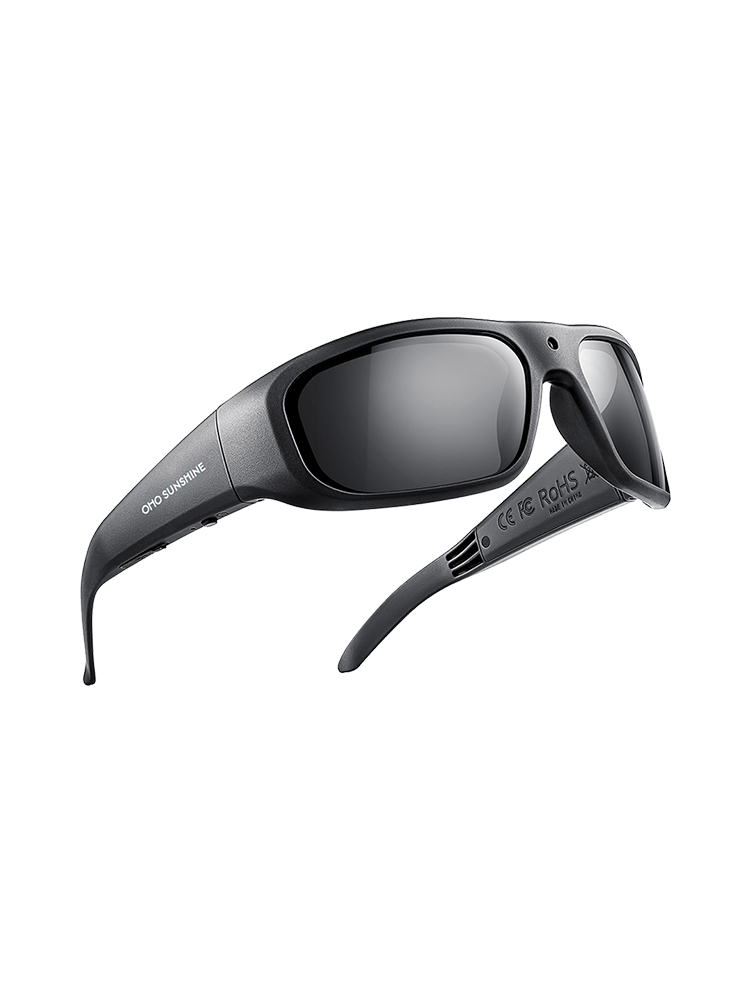


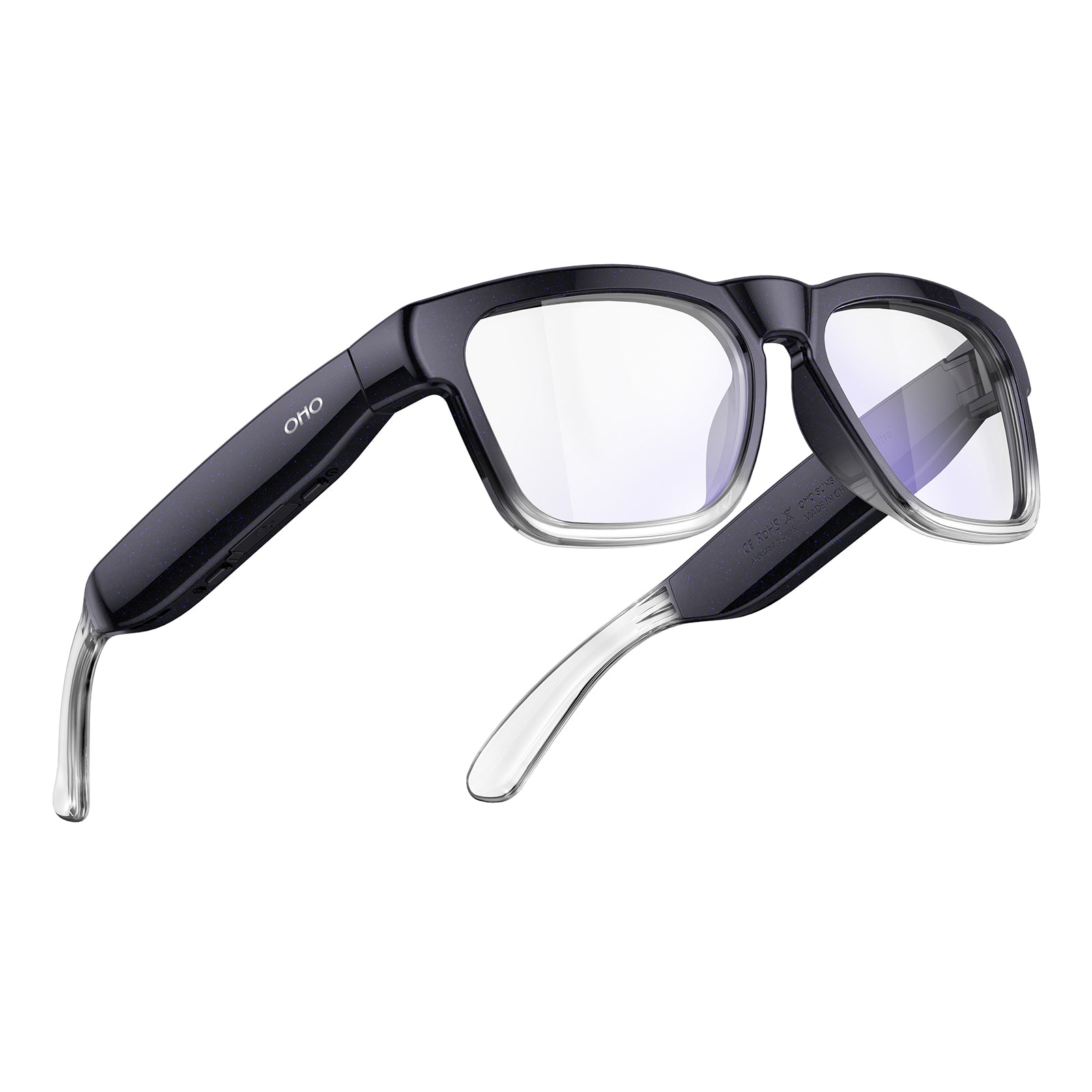

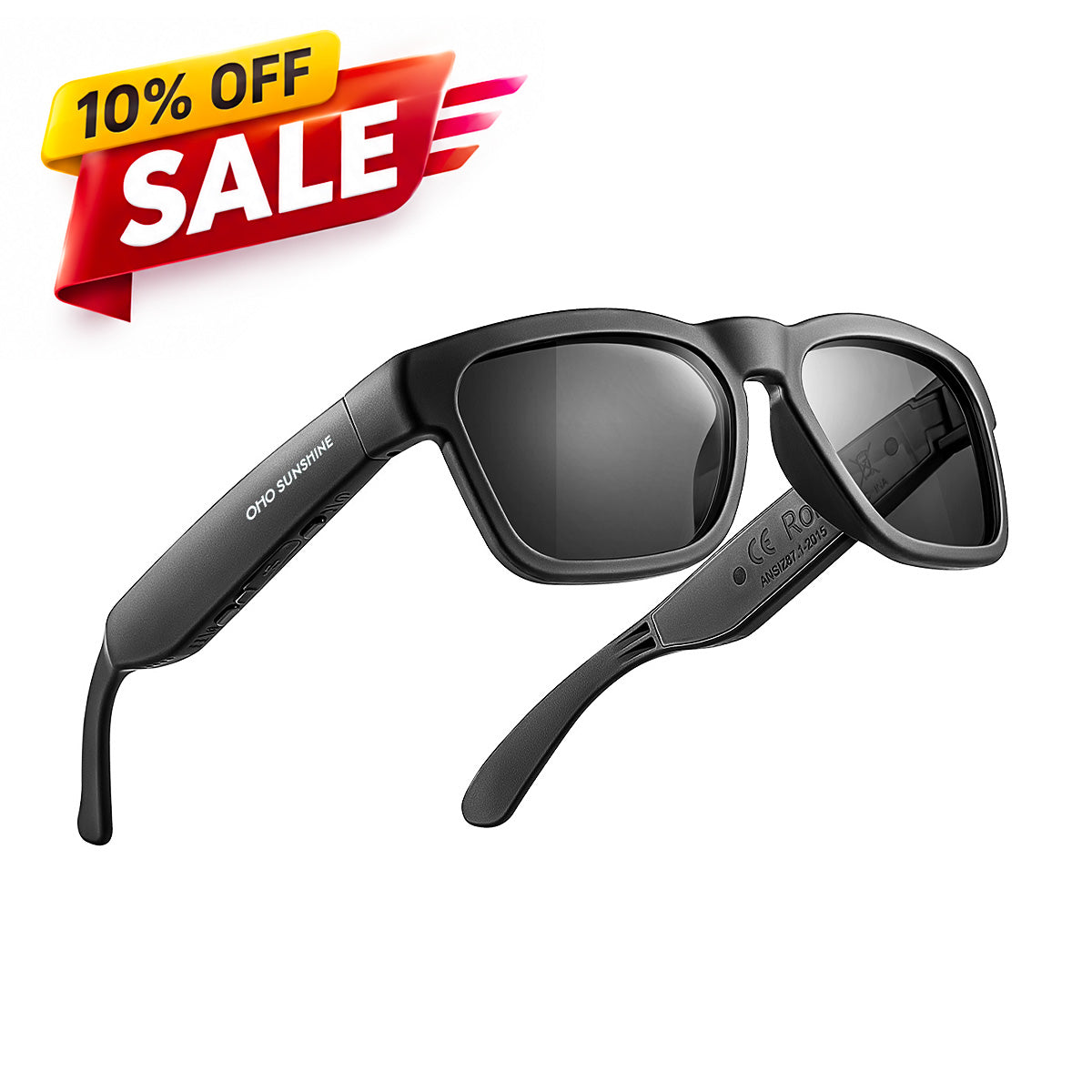



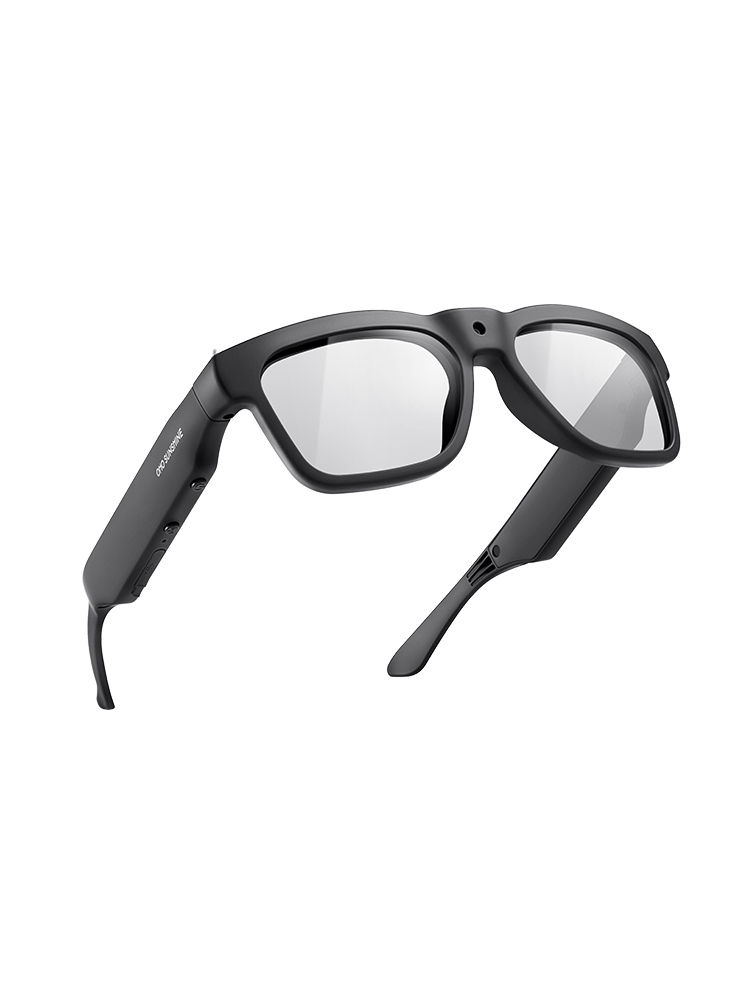


Blue light blocking safety glasses combine optical filtering with physical protection, but the two features are certified separately. A filtering coating or tinted lens does not prove impact resistance on its own. Before comparing screen comfort, check that the complete pair of glasses carries the marking and documentation required for your workshop hazard.
Once that safety check passes, you can compare clear, lightly tinted, and blue-light-filtering lenses for workshop screens under mixed artificial lighting.
Does Blue-Light Filtering Affect ANSI Impact Protection?
No lens color or filter claim establishes impact protection on its own. Blue-light filtering changes which wavelengths reach your eye. It says nothing about how the complete frame and lens perform when struck by flying particles or debris.
Workplace eye and face protection is a separate, documented requirement. Under OSHA eye and face protection requirements, employers must ensure workers use appropriate eye or face protection when exposed to hazards like flying particles, and the protective devices must meet a recognized ANSI/ISEA Z87.1 consensus standard. That standard applies to the complete eyewear, tested and marked as a unit, not to a lens tint or coating added afterward.
This means blue light blocking safety glasses can meet ANSI impact standards, but filtering alone never substitutes for documented structural testing. If the eyewear's required marking or supporting documentation is missing or unclear, do not use it around the relevant workshop hazard. Choose a pair with verifiable protection evidence instead, then move on to comparing screen comfort.
Which Workshop Screen and Lighting Conditions Change the Choice?
The lens choice matters most when fine text, warning colors, or glare could be missed. Three workshop conditions change how much clarity, tint, and color accuracy matter.

Frequent HMI reading combined with switching between a screen and physical tools favors a lens that keeps text sharp at a glance. If you lose a beat refocusing on a wrench or a part after looking at the display, that lens is working against you, not for you. Color-critical tasks are the second condition: when warning lights, status indicators, or material colors need to read correctly, any tint has to be checked in person under the actual workshop lighting, because mixed artificial light can shift how colors appear even before a lens is added.
The third condition is glare from screen reflections or uneven overhead fixtures during long stretches of monitor use. The American Academy of Ophthalmology's screen-comfort guidance points to practical fixes here, such as adjusting room lighting, increasing screen contrast, and taking regular breaks. These setup changes address glare and fatigue directly, so lens selection is only part of the fix, not the whole answer.
How Do Clear, Lightly Tinted, and Blue-Light-Filtering Lenses Compare?
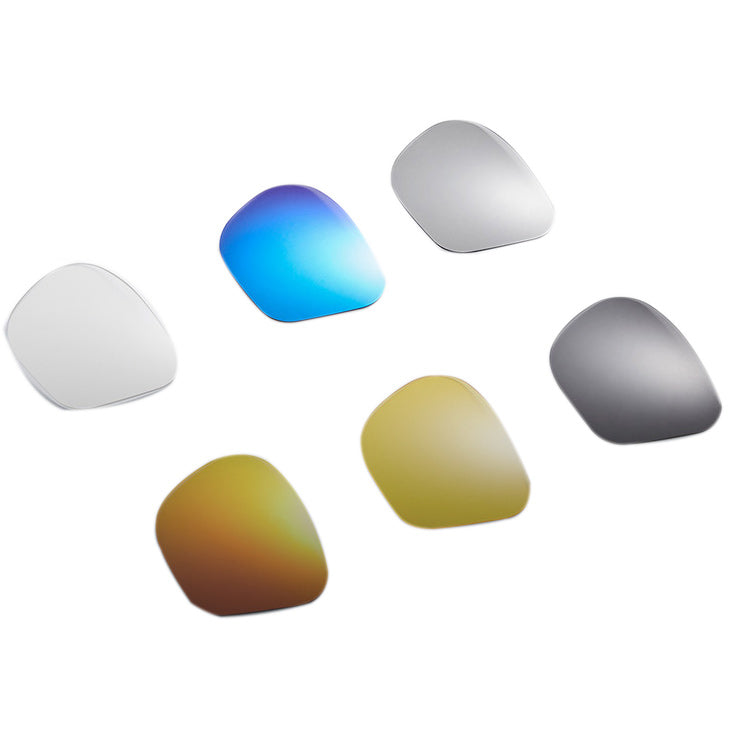
After the protection check passes, the three lens approaches differ mainly in how they should be tested, not in proven comfort advantages. Clear lenses give a neutral baseline; tinted and filtering lenses need a real-task check before you rely on them.
| Lens approach | Protection condition | Decision rule |
|---|---|---|
| Clear safety lenses | Complete eyewear must carry the required protection marking | Use as the neutral baseline for text and color checks |
| Lightly tinted safety lenses | Same marking requirement, plus shade suitability if injurious light radiation is present | Accept only after testing text, glare, and color under actual lighting |
| Blue-light-filtering safety lenses | Same marking requirement; filtering is a separate optical feature | Try only as an optional comfort preference, not a fatigue fix |
A 2023 Cochrane review of blue-light-filtering lenses examined 17 randomized controlled trials and found no clear short-term advantage in visual-fatigue scores for filtering lenses over non-filtering lenses. The review also could not determine whether filtering affects contrast sensitivity, color discrimination, or discomfort glare, so those effects remain unproven either way. That uncertainty is why the table treats blue-light filtering as optional rather than a guaranteed fix.
For a closer look at what that research does and doesn't support, our blue light evidence breakdown walks through who is most likely to notice a difference. If your task involves fine HMI text or color matching, start with clear lenses and add tint or filtering only if a real-task check shows a clear benefit. If you already prefer a light tint, keep it only when it passes the same text, glare, and color checks described above, and use the American Academy of Ophthalmology's screen-comfort guidance for setup changes if discomfort continues.
How to Choose and Check Safety Glasses for Workshop Screens
Work through the same four-step path every time you select or reuse blue light blocking safety glasses for a workshop screen task. Skipping a step is how comfort features get mistaken for safety features.
- Identify the workshop hazard and the visual task. Note whether flying particles, debris, or radiant light are present, and whether the display work needs fine text or accurate color recognition.
- Verify the complete eyewear's protection evidence. Check the marking on the frame or lens and any supporting documentation confirming it meets the applicable consensus standard for that hazard, rather than trusting a blue-light label alone.
- Test the lens under your actual display and lighting. Read fine HMI text, check that required colors and status indicators still look correct, watch for glare, and confirm you can still see nearby tools, machinery, or coworkers clearly.
- Keep or reject the lens based on that test. If text, color, glare, or hazard visibility fails the check, adjust breaks, screen distance, room lighting, or contrast first, and switch to a different lens approach if problems persist.
FAQs
Do screen breaks and lighting adjustments still matter if I wear blue-light-filtering safety glasses?
Yes. Filtering lenses do not replace basic screen-comfort habits. Viewing distance, regular breaks, room lighting, and screen contrast all still affect eye comfort regardless of lens choice. If discomfort continues after switching lenses, change one setup factor at a time, such as increasing screen contrast or adjusting overhead lighting, and reassess the task before assuming you need a stronger filter.
When should I reject a lightly tinted lens for a workshop task?
Reject a tinted lens the moment it makes required text, colors, or nearby hazards harder to see under your actual workshop lighting. A tint that dims warning indicators, distorts material colors, or increases glare during a color-critical or safety-sensitive task has failed the real-task check, regardless of how comfortable it feels. Switch to a clear lens or a different tint and retest before continuing the task.
What should I do if the eyewear lacks clear impact-rating markings or supporting documentation?
Treat this as a stop condition. A blue-light comfort claim, marketing description, or lens color is not evidence of impact protection. Contact the seller or manufacturer for the product-specific marking and documentation, and do not use the eyewear around the relevant workshop hazard until that evidence is confirmed. If it cannot be verified, select eyewear with documented protection instead.



Laat een reactie achter
Deze site wordt beschermd door hCaptcha en het privacybeleid en de servicevoorwaarden van hCaptcha zijn van toepassing.