



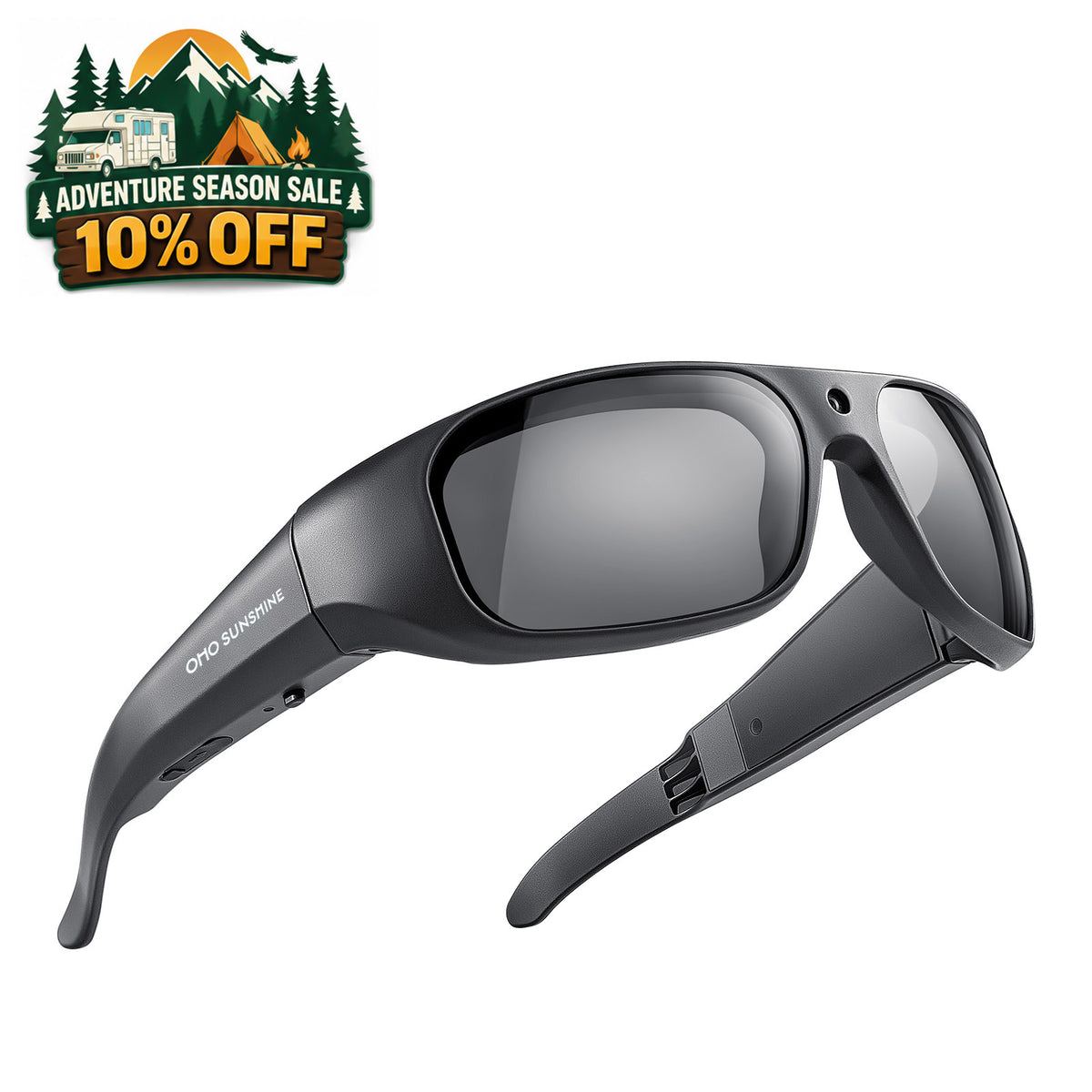


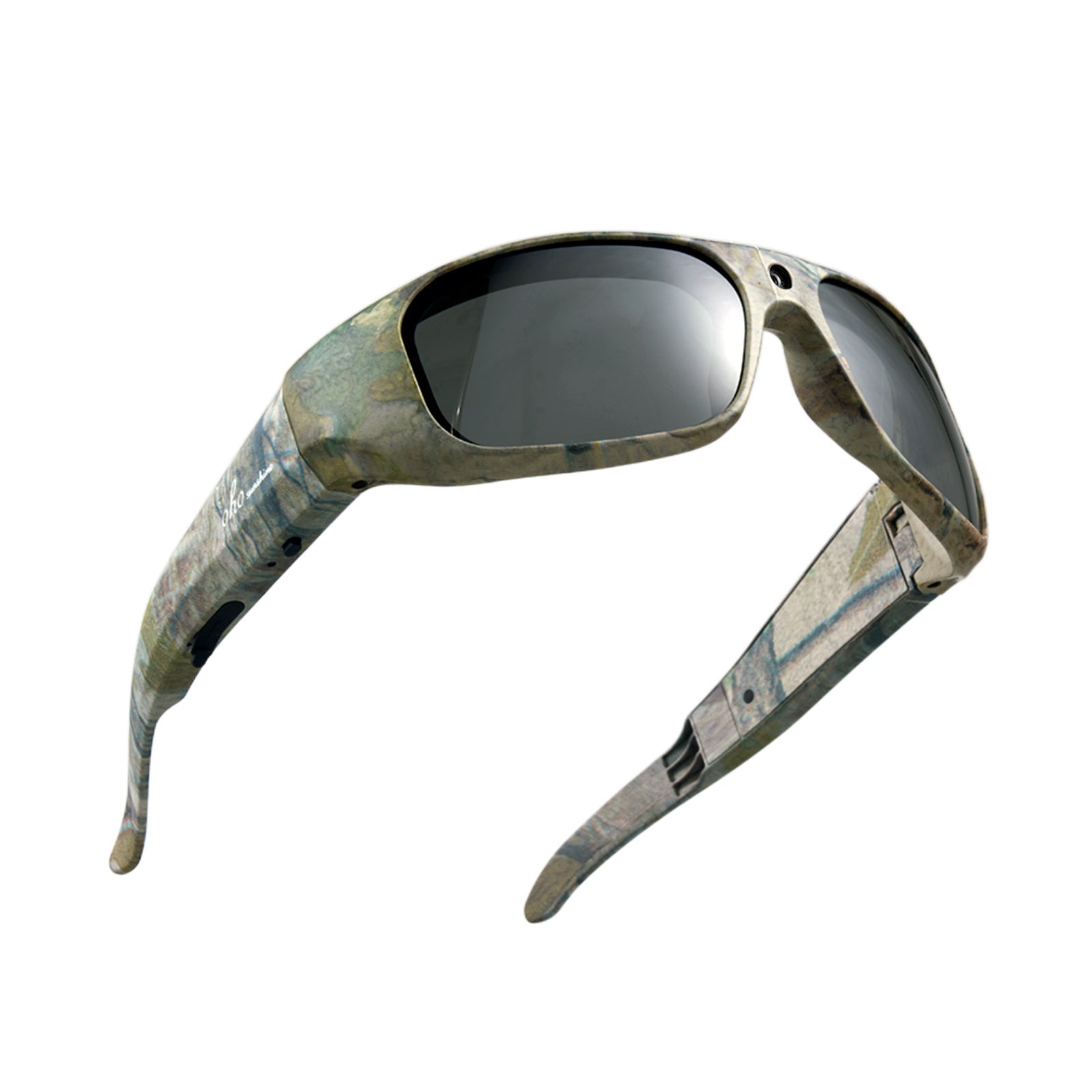


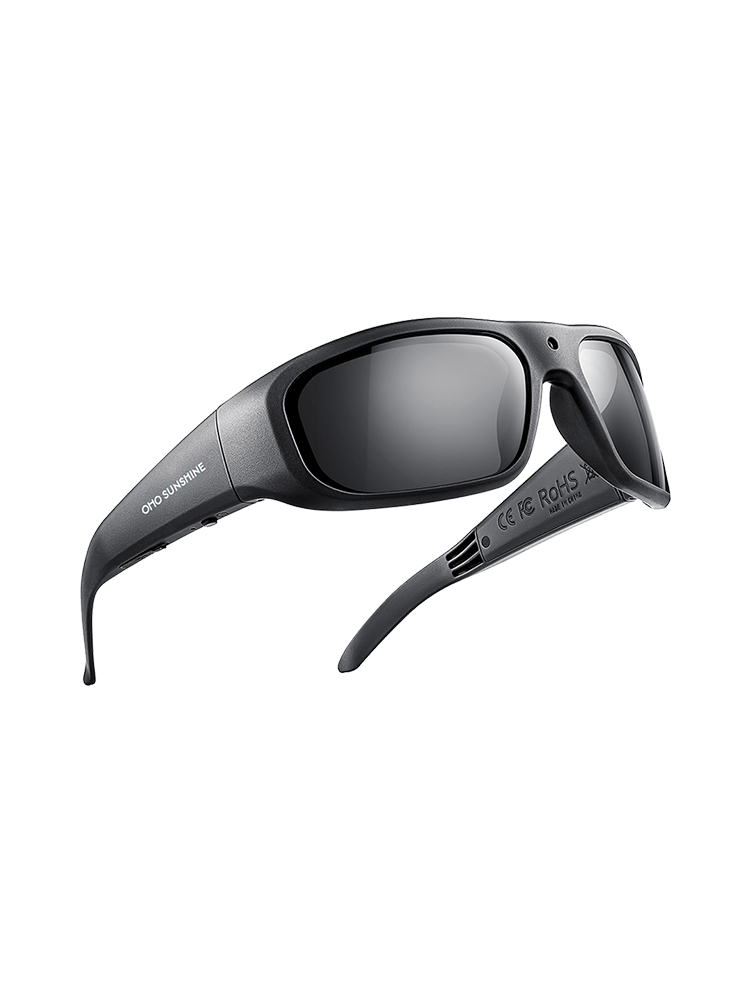


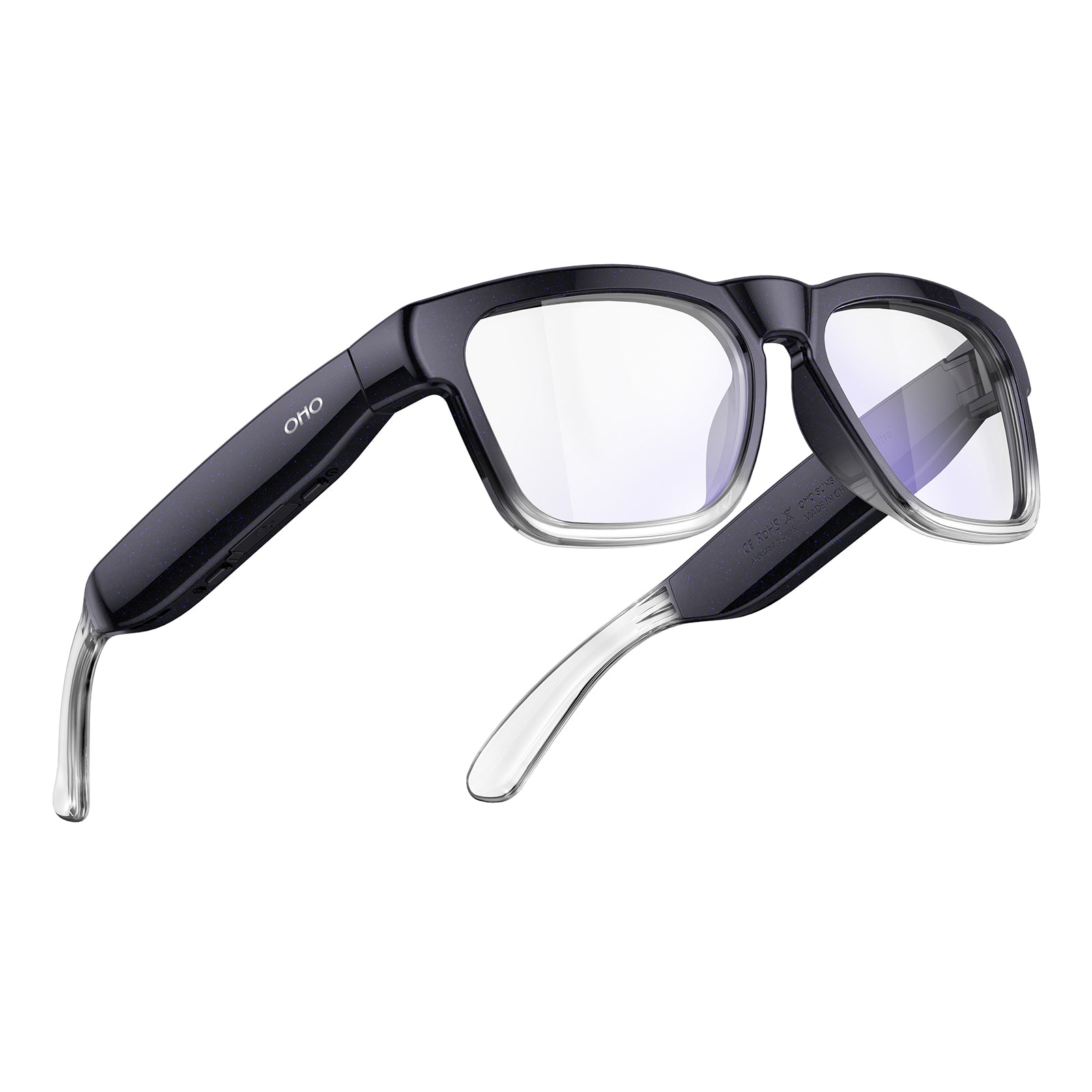




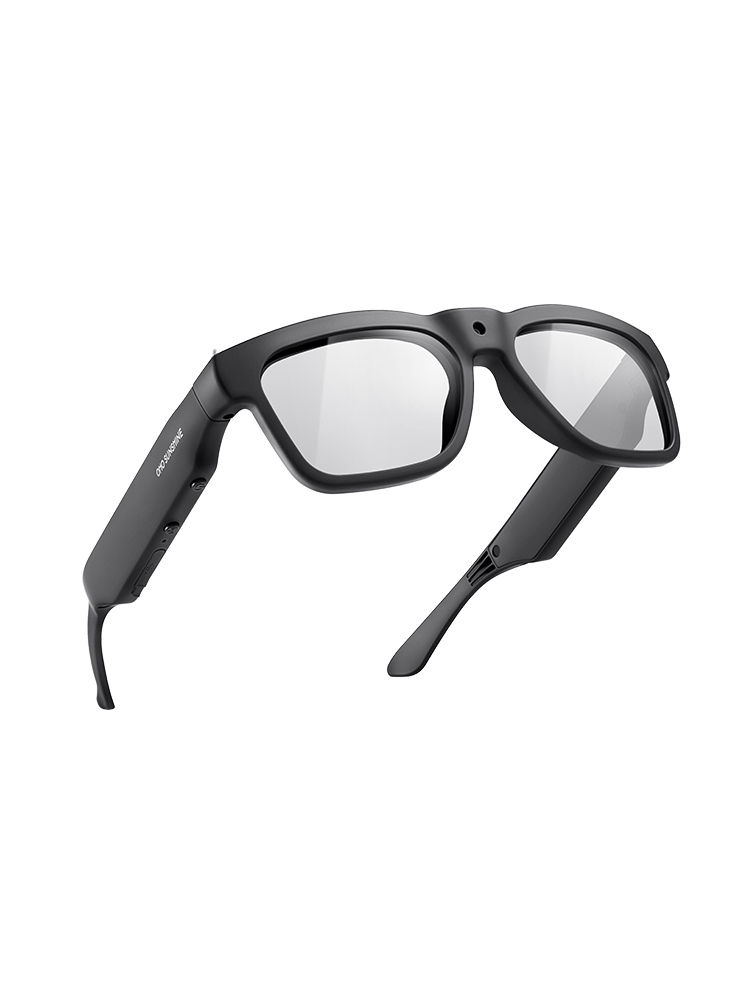


Camera glasses only earn a spot in your climbing pack once a short test clip proves the frame still shows your feet and hands during real movement. Video camera sunglasses record what sits in front of the lens, not necessarily what you see, so a quick stationary-and-movement test matters more than the resolution number on the box. Start by setting the glasses in their natural position, recording a short clip, and reviewing it for the exact footholds and handholds you need for beta.
How to Frame Camera Glasses for Visible Footwork and Handholds
The right frame is the one that keeps your target footholds and handholds visible through the head and body movement you actually make while climbing. Test that frame before trusting it on a hard attempt.

Set the Frame Around the Move You Need to Review
Decide first whether the clip needs to show close-up footwork, a hand sequence, or the wider route line. That choice changes where you aim the glasses before you ever leave the ground. Keep the frame in its natural resting position rather than tilting your head down to force the camera toward the wall, since a forced angle is uncomfortable to hold and rarely matches how you'll actually move. Record a short test clip first and check it against your goal instead of assuming your own field of view matches what the camera captured.
Use a Stationary Clip and a Low-Consequence Movement Test
Run this three-step check before any hard attempt:
- Record the wall and the intended hold area while standing still, then confirm the target footholds and handholds appear in the frame.
- Move your head and upper body the way you would during the actual sequence, at low consequence, and keep recording.
- Review the clip for the specific feet and hands you need for beta, and reject the setup if that sequence drops out of frame.
This test matters because climbing footage is genuinely hard to interpret from a first-person view. A climbing video research project on indoor climbing video found that fast head movements and partial visual fields make it difficult even for trained coders to spot holds and hand placement consistently. That's a reason to verify your own recorded frame rather than a reason to expect a fixed field-of-view number to solve it for you.
Make Fit and Controls Pass a Movement Test
A workable setup keeps the bridge and temples aligned while you look down, reach, turn, and reset your stance, without you touching the frame. Confirm that before you rely on it during a real attempt.

Check three things while standing on the ground or on an easy warm-up move. First, watch whether the lenses or frame edge intrude on the part of the wall you need to see, especially when you look straight down at your feet. Second, confirm you can start and check the recording status with a button, voice command, or indicator light before you commit to the climb, since fumbling for a control mid-route defeats the purpose of hands-free capture. Third, repeat your low-consequence movement check and watch whether the glasses stay put or start to slide.
Comfort and alignment during this check are useful signals that a setup will hold through a session, but they aren't proof that the frame will stay in place during a fall or hard impact. Treat any shifting, obstruction, or need to readjust as a failed setup, not a problem to fix once you're already climbing.
Change the Setup for Bouldering or Roped Climbing
Bouldering and roped outdoor climbing mostly differ in clip length and framing priority, not in the fit test itself. The no-adjustment rule from the previous section applies in both settings.
Bouldering: Prioritize Close-Up Attempt Review
For bouldering, keep the frame concentrated on your feet, the nearby handholds, and the specific move you're trying to dial in. Plan around short attempts and review clips between burns rather than expecting one long uninterrupted recording to cover a session. Recheck your fit and alignment after every fall or reset, since landing, brushing chalk off your hands, or repositioning at the base can shift glasses that passed your original test.
Roped Climbing: Prioritize Context and Session Planning
Roped climbing usually rewards a wider frame that captures route context and movement continuity rather than just the next hold. Before leaving the ground, check your planned recording time against the glasses' documented runtime, confirm you have enough storage for the pitch, and think through how the glasses interact with your helmet and other gear. A wider view is only useful if it doesn't come at the cost of an obstructed foothold or a setup that needs adjustment partway up the route.
What to Check Before Buying 4K Video Camera Sunglasses
Framing comes first: a high-resolution file is only useful if the foot or hand you need stays inside it, so treat field of view and camera placement as the top purchase question, not an afterthought. Everything else on this list exists to keep that frame usable without touching the glasses mid-climb.
After framing, check fit and lens obstruction the way described earlier, then weigh weight, control method, and battery life against your typical session length. Ask whether stabilization is documented for the exact model you're considering rather than assuming 4K resolution smooths out head movement on its own; resolution and stabilization are separate specifications. Confirm storage capacity and how footage transfers off the glasses, since a full card or a slow transfer process can cost you review time between attempts. Our EIS motion test walks through a repeatable way to check motion smoothing before you commit to a model, and our camera glasses collection is a reasonable starting point for comparing current 4K options side by side.
Finally, separate eyewear claims from climbing protection. An ANSI-rated or impact-rated lens statement describes the glasses as eyewear; it does not establish that the complete glasses-and-helmet setup meets a certified climbing-helmet standard, which the UIAA climbing helmet standards explain cover impact resistance and protection against falling objects and direct head impacts specifically. Check your helmet's own instructions and compatibility with any eyewear before pairing them for an outdoor route.
Which OHO SUNSHINE Glasses Fit Climbing Beta?
Among our three current models, two document a built-in 4K camera and one does not, so the choice starts with whether video capture is your actual job.
| Product | Documented capture | Listed weight / runtime | Best-supported use and limit |
|---|---|---|---|
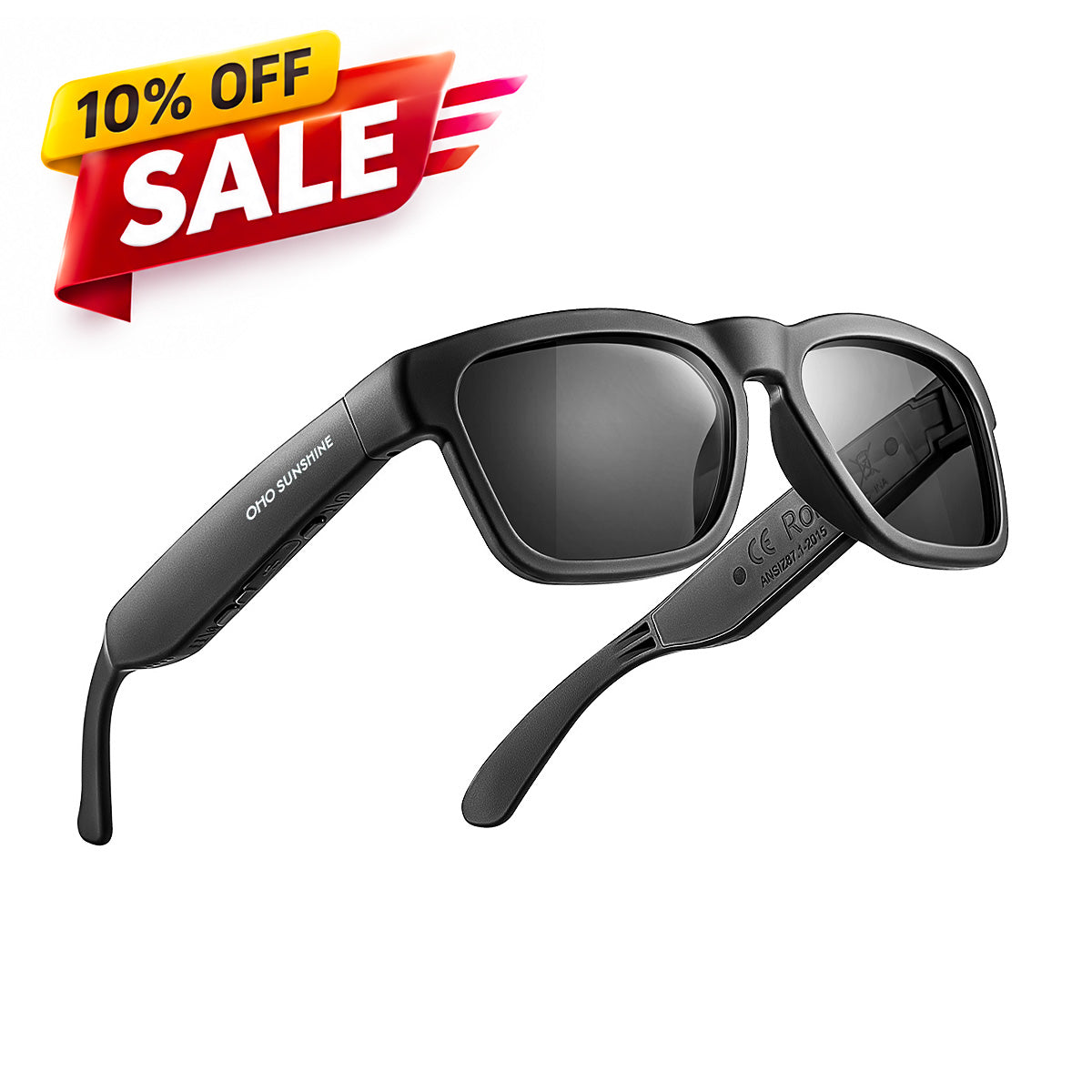
| Edge Pro | 4K/30 fps video, 24MP photos | 41.5 g, 1.5–20 hr battery-working-time range | Repeated or longer sessions; confirm runtime for your recording mode |
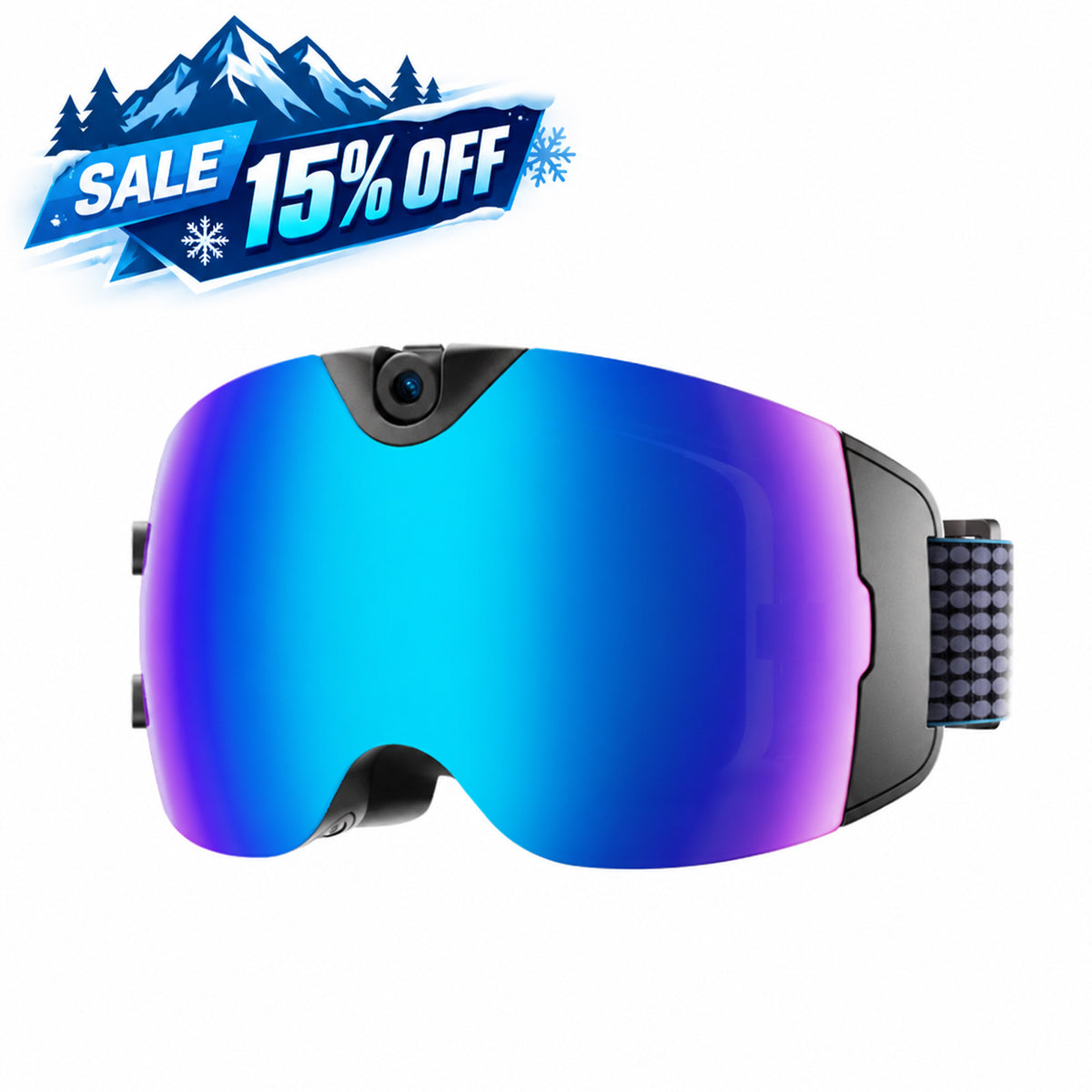
| Brave | 4K/30 fps video, 24MP photos, polarized lens option | 60 g, 30-minute battery life | Short attempts that fit inside the 30-minute window |
| GlobeEar | Not documented for video; Bluetooth audio and translation only | 39 g, 10 hr battery | Audio or translation tasks, not beta recording |
If capturing footwork and hand sequences is the goal, the Edge Pro camera glasses are the lighter of our two documented camera models and list a wider battery-working-time range, which is worth confirming against your specific recording setting before a full day out. The Brave 4K camera glasses share the same 4K/30 fps camera and add a polarized lens option, but their listed 30-minute battery life makes them a better match for short bouldering attempts than for an all-day roped route. Neither model's ANSI or impact-rated-lens listing has been established as climbing-helmet certification, so treat those as eyewear facts, not fall protection. The GlobeEar audio glasses are a fit only when Bluetooth audio or real-time translation is the actual task you're solving for, since their supplied specifications don't include a camera or video resolution.
Run a No-Adjustment Check Before the Attempt
Run this sequence while you're still on the ground, and only start climbing once every step passes.
- Charge the glasses fully and confirm you have enough storage for the clips you're planning to record.
- Clean the lenses and check that the frame sits the way it did during your earlier fit test.
- Start recording and confirm the status signal or control response before you leave the ground.
- Review the stationary and movement-test clip one more time for the feet, hands, and holds you actually need.
- Approve the setup only if nothing shifted, blocked your view, or required you to touch the glasses; otherwise, change the setup before you climb.
If the glasses shift, obstruct your view of the footholds, or need adjustment during this check, don't carry that setup into the hard attempt. If they interfere with your helmet or other protective gear in any way, resolve that compatibility with your equipment's instructions before combining the two.
Conclusion
The setup that actually helps is the one that survives a real test clip and a movement check, not the one with the highest listed resolution. Confirm the frame, fit, and runtime match your climbing scene first. From there, we're glad to help you compare our documented camera models once those checks pass.
FAQs
Can Bluetooth or translation glasses record climbing beta without a documented camera?
No. Bluetooth audio and translation features are separate from video capture. If recording beta is the actual job, choose a model whose specifications list a built-in camera and video resolution rather than assuming any smart glasses can record footage.
What if my climbing session will last longer than the glasses' listed battery life?
Compare your planned session or clip length against the model's documented runtime before you go, and plan shorter recording windows or breaks between attempts if the two don't match. Don't assume a device will record continuously beyond its listed battery life just because it worked for one short test.
Can I wear camera glasses with a climbing helmet?
An eyewear rating on the glasses doesn't confirm helmet certification or guarantee the two will fit together comfortably. Check your helmet's own instructions and try the combination in a low-consequence setting first, and skip the pairing if it interferes with either piece of gear.
Is 4K resolution enough to capture useful climbing beta?
Not on its own. Resolution describes image detail, not framing, stabilization, or whether the glasses stay aligned during movement. Review an actual test clip for the feet and hands you need before trusting a model based on its resolution alone.


Laat een reactie achter
Deze site wordt beschermd door hCaptcha en het privacybeleid en de servicevoorwaarden van hCaptcha zijn van toepassing.