
















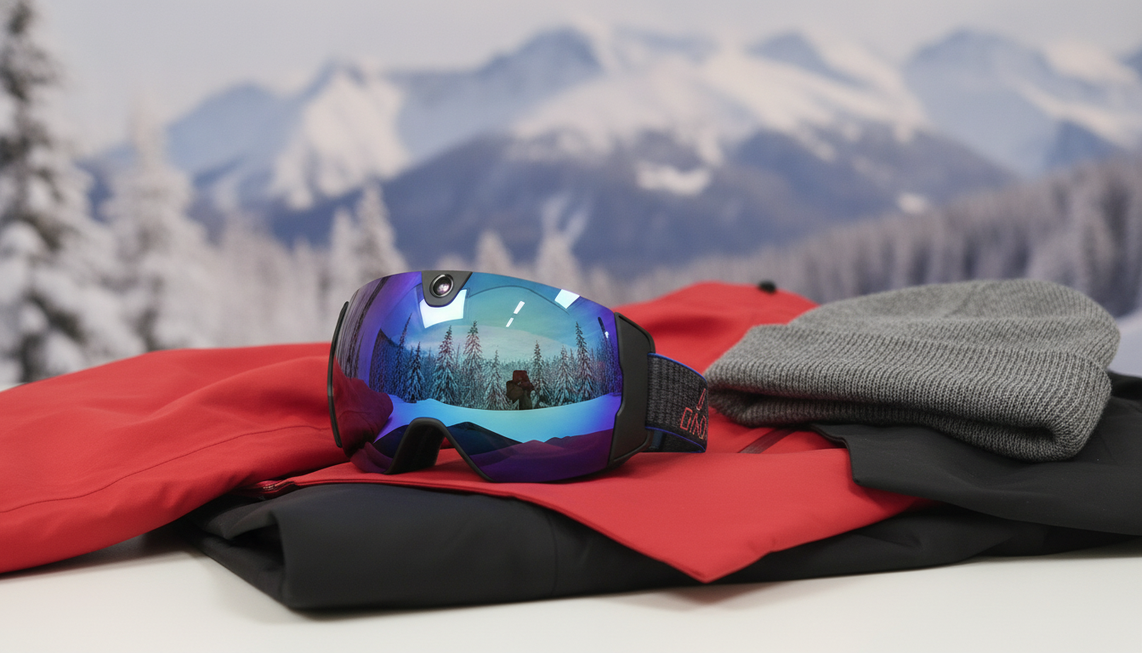
Gli occhiali da neve da donna non si adattano automaticamente solo perché l’etichetta dice “da donna” o “per visi piccoli”. Inizia indossando gli occhiali, quindi controlla che il contatto sia uniforme, che la tenuta sia confortevole, che naso e guance siano comodi, che la visuale sia libera e che gli occhiali restino stabili durante i movimenti. Aggiungi il casco che indosserai realmente solo dopo aver superato il controllo sul viso. Se la montatura lascia uno spazio, crea una pressione dolorosa, si sposta o ostacola la visuale, continua a confrontare le opzioni. Controlla i dettagli del prodotto solo quando la vestibilità personale o l’abbinamento tra occhiali e casco non sono chiari, non dopo un evidente fallimento della vestibilità.
Come dovrebbero vestire gli occhiali da neve da donna prima dell’acquisto?
Una vestibilità adeguata sul solo viso dovrebbe rimanere confortevole e lasciare la visuale libera mentre guardi intorno e ti muovi naturalmente. Usa l’etichetta per restringere la ricerca, ma lascia che il modello di contatto e la stabilità della montatura determinino se vale la pena continuare a considerare quel paio.
- Posiziona gli occhiali come previsto. Appoggia la montatura sul viso senza forzarla. Controlla se aderisce uniformemente alle zone di contatto su guance, tempie e naso.
- Controlla la tenuta e il modello di contatto. Cerca punti aperti o spazi visibili nei punti in cui la montatura dovrebbe aderire al viso. Una tenuta confortevole non dovrebbe dipendere dal premere gli occhiali con forza contro una sola zona.
- Controlla naso e guance. Il naso dovrebbe avere uno spazio sufficiente, mentre le guance non dovrebbero subire una pressione concentrata o dolorosa. Nota se la montatura stringe, supera un’area senza aderire o preme più da un lato.
- Verifica la visuale. Guarda nelle direzioni che usi sciando o facendo snowboard. La montatura non dovrebbe ostacolare la visuale utile quando guardi davanti a te, ai lati o verso il basso.
- Muoviti naturalmente. Gira la testa, guarda in alto e in basso e fai i movimenti che prevedi di compiere in montagna. Se gli occhiali si spostano, creano un nuovo punto di pressione o modificano la visuale, continua a confrontare le opzioni invece di cercare di risolvere un evidente problema di vestibilità con i dettagli della scheda prodotto.
Procedi con la verifica sul solo viso quando contatto, comfort, visuale e stabilità rimangono accettabili. Una prova sul solo viso non può stabilire il livello di protezione o la compatibilità con il casco; si tratta di decisioni separate.
Come puoi controllare gli occhiali da neve da donna su un viso più piccolo o dalla forma diversa?
L’etichetta “da donna” può aiutare a restringere la ricerca, ma non indica una montatura universalmente più piccola né garantisce una vestibilità adatta a ogni donna. Confronta il modo in cui ogni montatura aderisce a guance, tempie, naso e sopracciglia, invece di scegliere solo in base alla categoria.
Per un viso più stretto o dalla forma diversa, cerca una montatura che segua le zone di contatto del viso senza superare un punto lasciando uno spazio aperto. Uno spazio può indicare una tenuta non uniforme, mentre un ponte nasale che stringe o un punto di pressione localizzato sulla guancia può diventare più evidente dopo aver indossato gli occhiali per un po’. Tienili indosso abbastanza a lungo da notare eventuali problemi di comfort che un rapido controllo allo specchio potrebbe non rivelare, senza considerare il tempo di utilizzo come una soglia formale di superamento.
Confronta opzioni da donna, unisex e di altro tipo usando le stesse osservazioni. Un paio di occhiali da sci da donna può adattarsi meglio a un viso rispetto a un’altra opzione, mentre una montatura unisex o da uomo può aderire più uniformemente al viso di una determinata persona. Il confronto utile riguarda contatto uniforme, spazio confortevole per il naso, assenza di pressione dolorosa, visuale libera e movimenti stabili. Se una montatura presenta uno spazio o un punto di pressione e un’altra no, la vestibilità effettiva conta più dell’etichetta.
Come fai a sapere se gli occhiali da neve da donna sono compatibili con il casco?
Il superamento della prova sul solo viso non stabilisce che la configurazione completa funzioni. Indossa il casco da sci o da snowboard che intendi usare, quindi controlla se introduce spazi, pressione, interferenze con il cinturino, spostamenti o una visuale diversa.
- Completa prima il controllo sul solo viso. Inizia con una montatura che presenti già contatto, comfort, visuale e stabilità accettabili.
- Usa il casco effettivo. Indossa il casco che prevedi di usare in montagna invece di affidarti a un sostituto. Lascia che la configurazione completa si assesti come avverrebbe durante l’uso.
- Controlla l’interfaccia. Verifica la zona delle sopracciglia e i lati per individuare nuovi spazi o punti di pressione. Controlla la tenuta e il percorso del cinturino, osservando se il casco spinge la montatura fuori posizione o interferisce con il cinturino.
- Muovi la testa naturalmente. Gira la testa, guarda in alto e in basso e ripeti i movimenti usati nella prova sul solo viso. Verifica se gli occhiali si spostano o se la visuale si ostruisce o cambia quando indossi il casco.
- Valuta il risultato. Procedi solo quando gli occhiali rimangono in posizione e la configurazione completa resta confortevole e visivamente libera. Se il casco crea uno spazio, disagio, un problema con il cinturino, spostamenti o una visuale ostruita, continua a confrontare le opzioni.
| Cosa cambia dopo aver aggiunto il casco? | Decisione | Prossima azione |
|---|---|---|
| Il contatto e la visuale rimangono confortevoli; non compaiono nuovi spazi, pressioni, interferenze con il cinturino o spostamenti. | Supera la prova | Conserva questa configurazione completa per il successivo controllo della fotocamera o dei dettagli del prodotto. |
| Un dettaglio della vestibilità non è chiaro oppure il casco modifica leggermente il contatto senza un risultato personale evidente. | Verifica | Controlla i dettagli attuali del produttore e ripeti la prova con le regolazioni previste. |
| Compare uno spazio, un punto di pressione doloroso, un conflitto con il cinturino, una montatura che si sposta o una visuale ostruita. | Continua a confrontare le opzioni | Non considerare sufficiente il risultato sul solo viso; prova un’altra montatura o configurazione. |
Questa matrice ti aiuta a prendere una decisione sulla vestibilità; non certifica alcuna combinazione specifica di casco e occhiali. La configurazione completa resta il test decisivo.
Cosa dovresti verificare prima di scegliere occhiali da neve con fotocamera?
Gli occhiali da neve con fotocamera sono adatti a chi desidera una funzione di registrazione integrata nell’occhiale invece di aggiungere un supporto separato per fotocamera. Il controllo principale per l’acquisto resta comunque la normale vestibilità sul viso e con il casco; valuta le funzioni della fotocamera solo dopo aver verificato che la configurazione sia confortevole e stabile.
Per prima cosa, controlla la posizione e l’alloggiamento della fotocamera rispetto al naso, alla visuale utile e allo spazio disponibile con il casco. Muoviti naturalmente e nota se l’alloggiamento risulta ingombrante, modifica la visuale o crea dubbi sullo spazio libero. Prova i comandi come li useresti con la configurazione indossata, ma non dedurre la vestibilità personale, l’equilibrio, l’inquadratura centrata o la compatibilità con il casco dalle specifiche di registrazione.
Quando confronti i prodotti online, mantieni separati i dettagli delle funzioni dalle prove di vestibilità. Una specifica di registrazione descrive il funzionamento della fotocamera, non il modo in cui il prodotto completo aderisce al viso o lascia spazio sufficiente rispetto al casco.
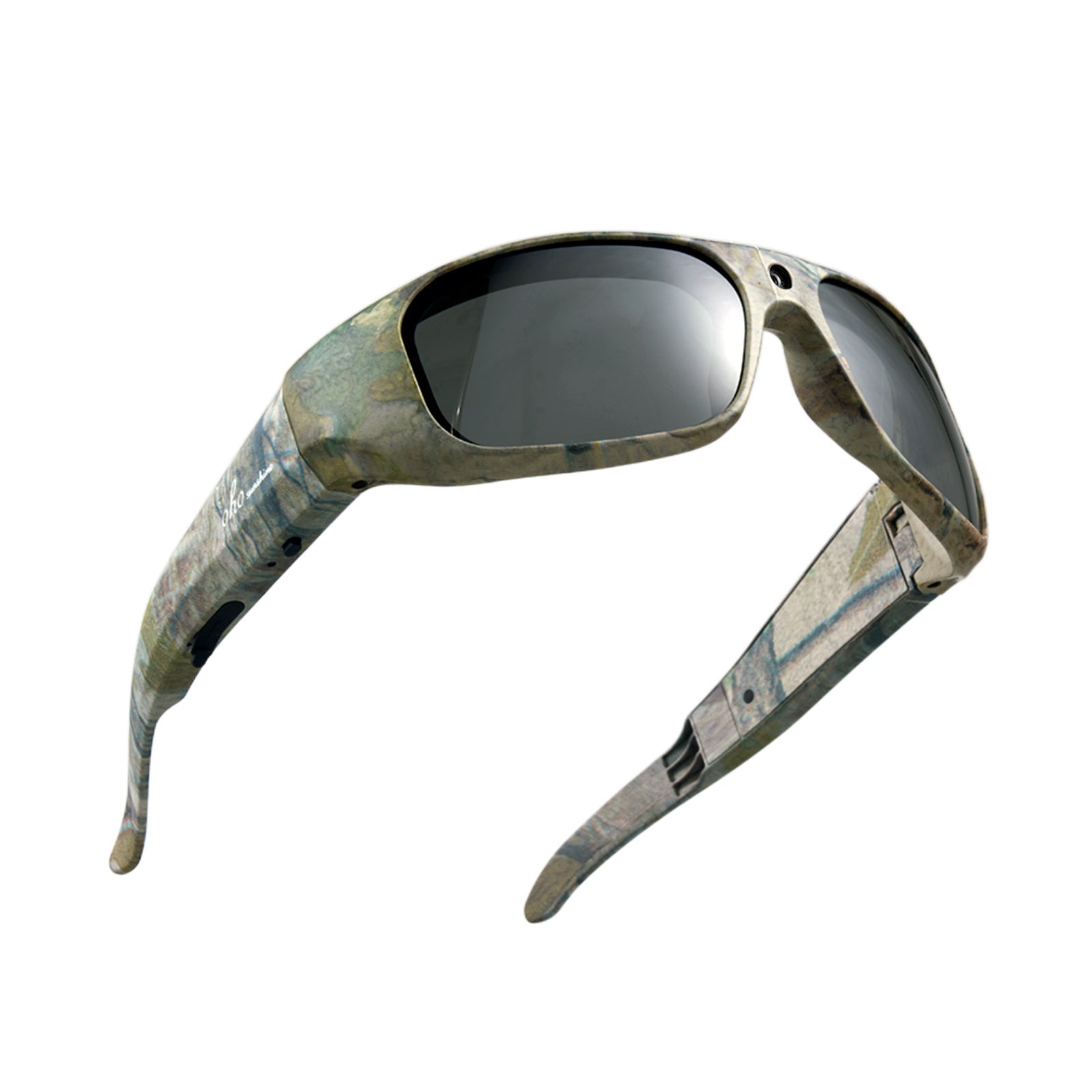
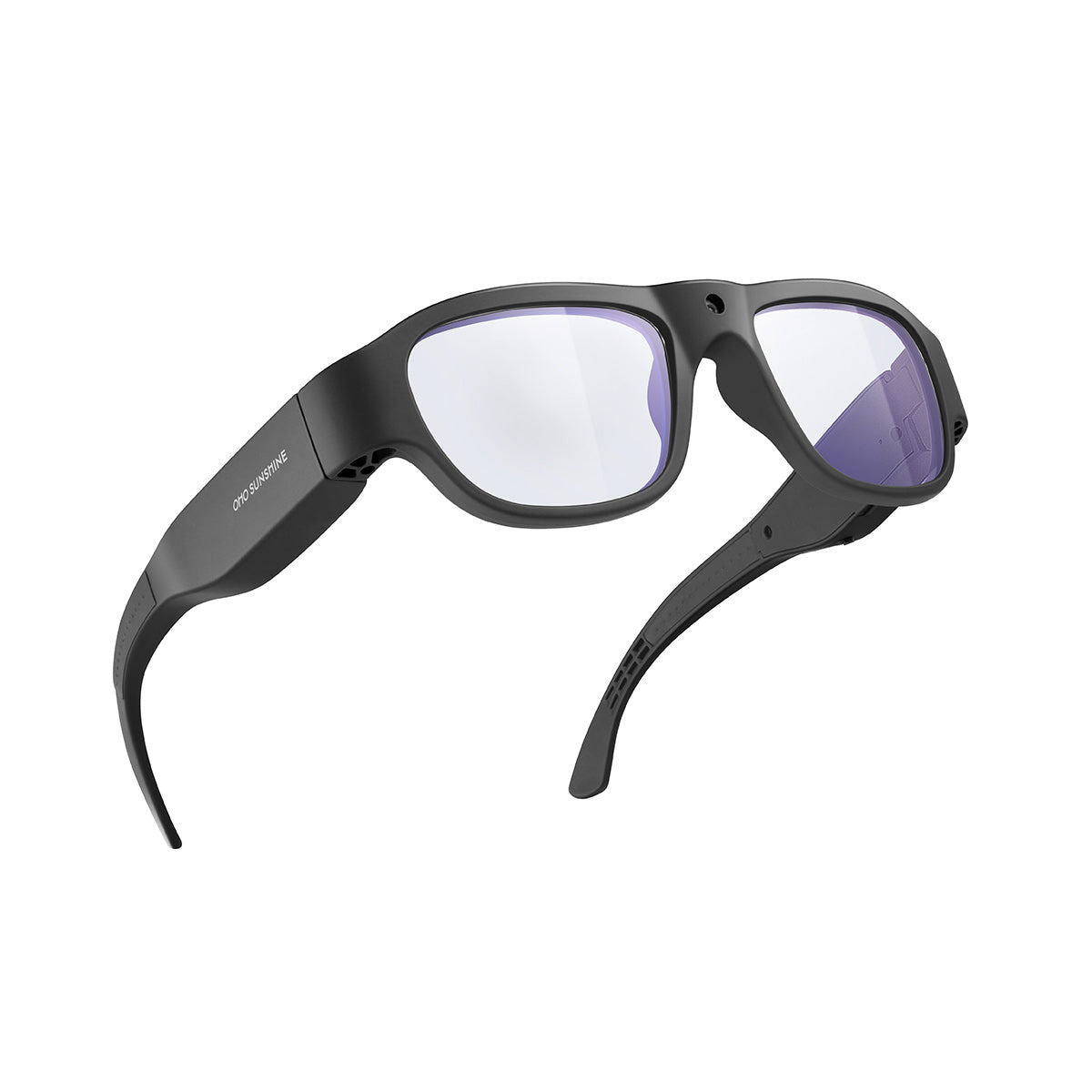
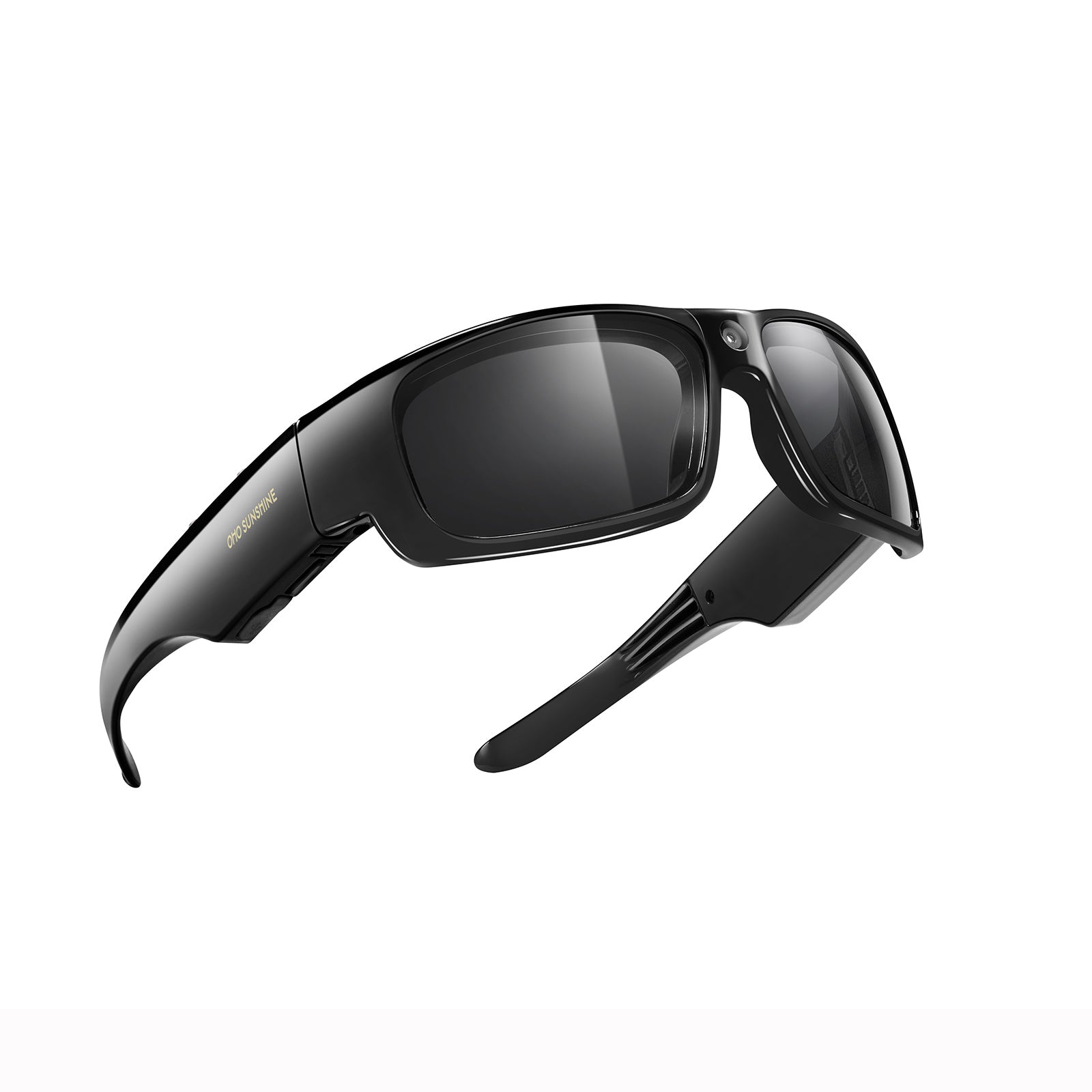
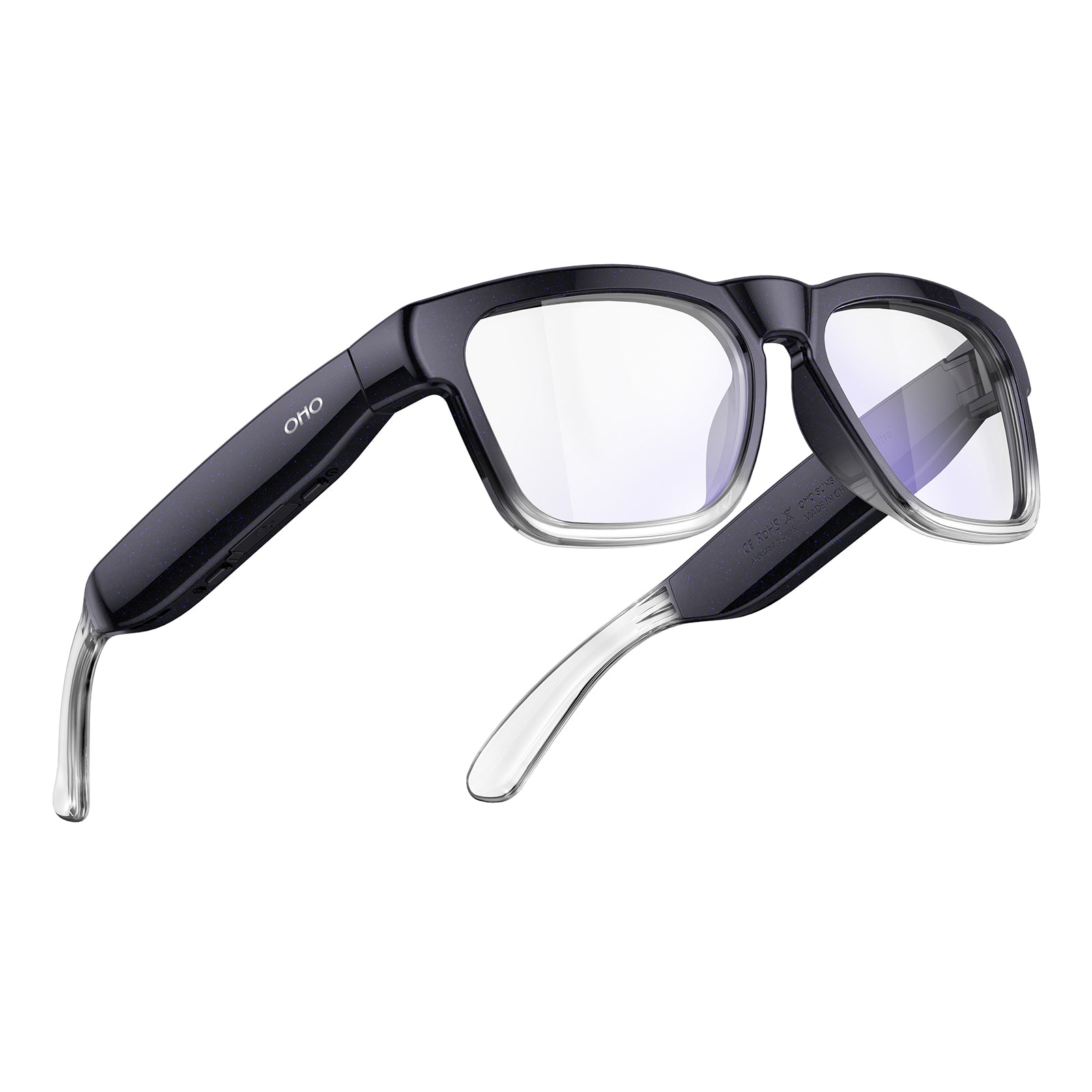
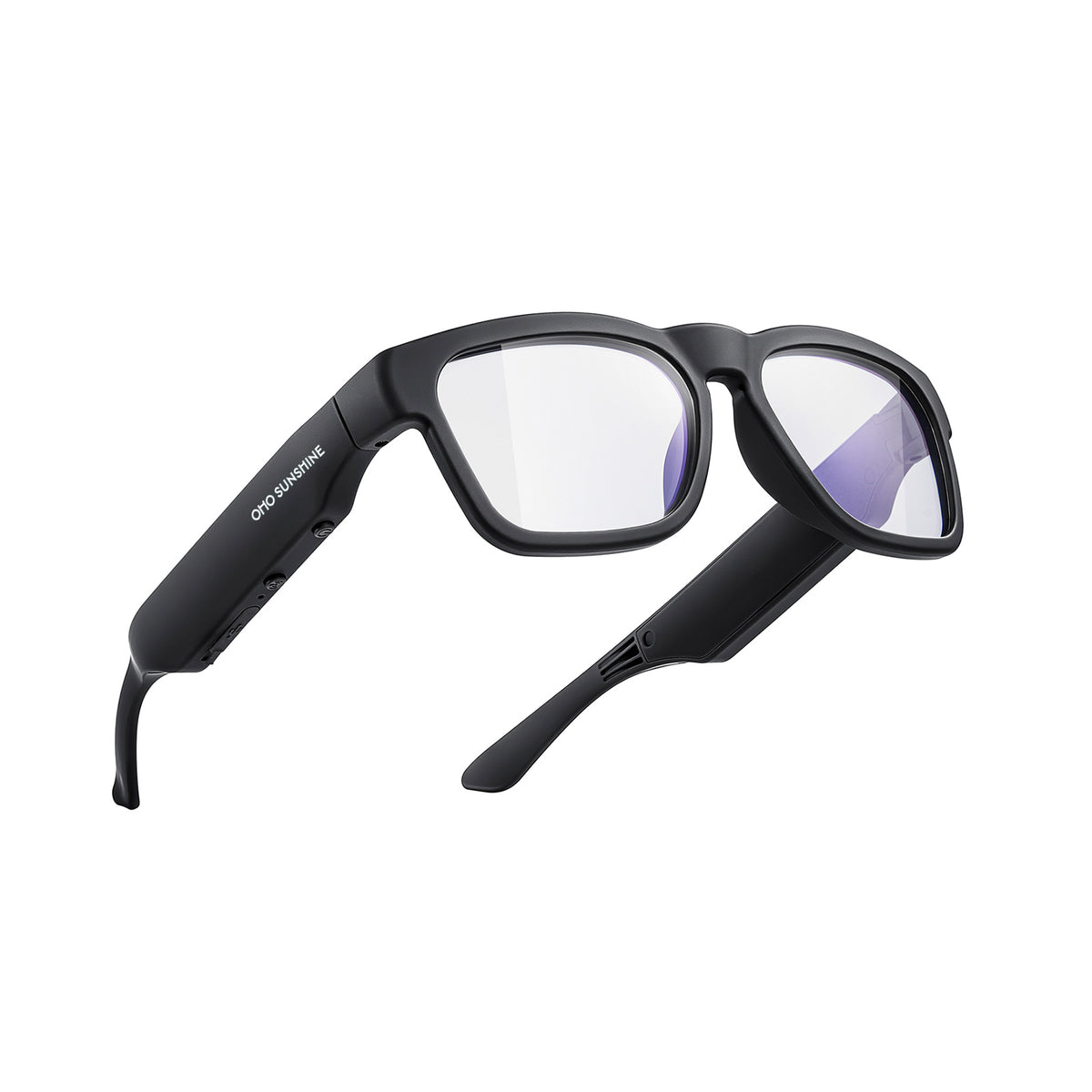
Per chi supera i normali controlli sul viso e con il casco e desidera specificamente una fotocamera integrata, gli occhiali da sci con fotocamera OHO SUNSHINE Skyshot sono un’opzione da valutare. La scheda di Skyshot indica video 4K, foto da 24M, una fotocamera grandangolare da 140°, una lente antiappannamento, Wi-Fi e l’utilizzo per sci o snowboard. Queste caratteristiche riguardano le esigenze di registrazione e connettività, ma non stabiliscono la vestibilità personale, lo spazio per l’alloggiamento, la protezione o la compatibilità con il casco.
Se stai valutando occhiali integrati rispetto a una fotocamera separata, il confronto tra configurazione con occhiali-fotocamera e fotocamera d’azione può aiutarti a inquadrare meglio questa scelta più ampia. Prima dell’acquisto, consulta la scheda attuale di Skyshot per dimensioni, posizione della fotocamera, comandi, ricarica, registrazione, cura delle lenti e compatibilità con il casco. Procedi solo quando la verifica sul viso e quella con il casco effettivo sono superate e questi dettagli specifici della fotocamera sono chiari; altrimenti, continua a confrontare le opzioni.
Domande frequenti
Come dovrebbero vestire gli occhiali da sci da donna?
Usa il risultato sul solo viso come criterio decisivo: considera un paio solo se rimane confortevole e non ostacola la visuale mentre ti muovi.
Gli occhiali da sci da donna sono più piccoli?
Non necessariamente. L’etichetta può aiutare a restringere la ricerca, ma è il modello di contatto della montatura sul viso a determinare se calza bene.
Come fai a sapere se gli occhiali da sci sono compatibili con il casco?
Indossa il casco effettivo. Se modifica la vestibilità o la visuale, continua a confrontare le opzioni invece di affidarti al solo risultato sul viso.
Cosa dovresti controllare negli occhiali da neve con fotocamera?
Dopo aver superato i normali controlli di vestibilità, assicurati che l’alloggiamento della fotocamera non interferisca con la visuale o con lo spazio disponibile rispetto al casco; le sole funzioni della fotocamera non dimostrano la vestibilità personale.


Lascia un commento
Questo sito è protetto da hCaptcha e applica le Norme sulla privacy e i Termini di servizio di hCaptcha.