














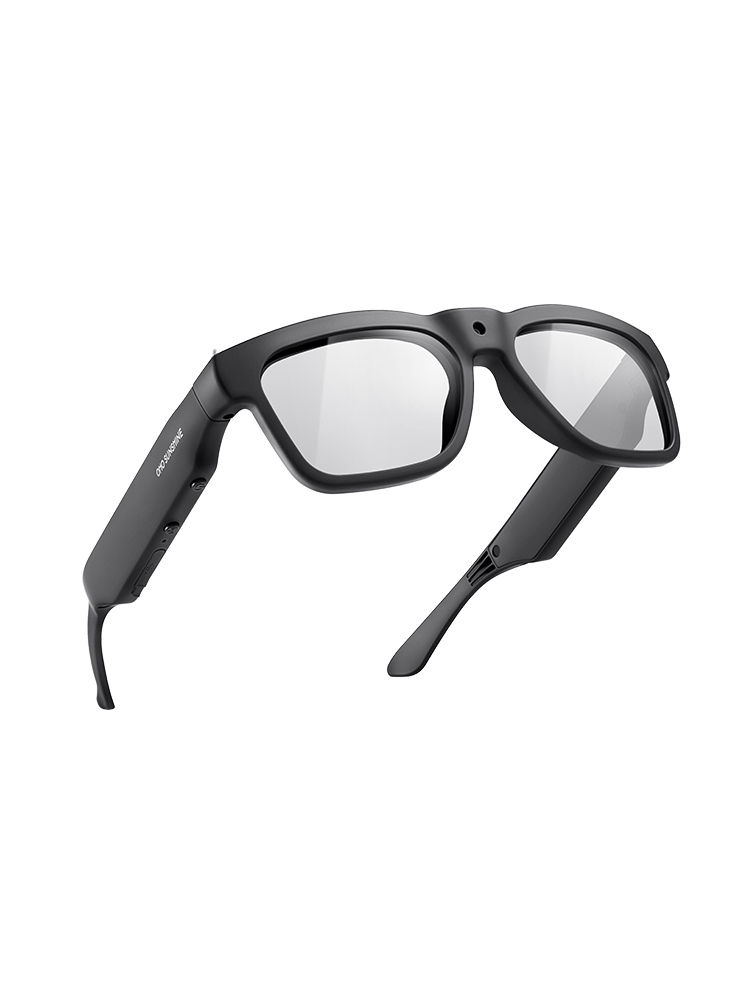


Below-freezing temperatures can cut into the usable recording time of a snow goggles camera and make startup less reliable. No manufacturer has published a verified sub-zero runtime for camera ski goggles, so treating any single advertised number as a cold-weather promise is risky.
Actual runtime depends on the exact model, the battery's condition, how cold it really is, and how you record. The rest of this guide shows how to judge a runtime claim, protect battery power on the mountain, and handle startup problems when the cold makes a snow goggles camera unreliable.
How Long Do Camera Ski Goggles Last in Sub-Zero Snow?
There's no reliable universal answer to how long snow goggles with a built-in camera last in sub-zero snow. What is supported is the general behavior of lithium-ion batteries in cold weather, plus the exact test conditions a trustworthy runtime number must state.

Why Cold Changes Usable Runtime
Cold temperatures can temporarily raise a lithium-ion battery's internal resistance and lower the voltage available to a camera's electronics. According to Apple's guidance on battery performance, impedance rises at a low state of charge and in a cold environment, and unexpected shutdowns become more likely when a battery is cold, has a low charge, or is chemically older. That is a general lithium-ion principle, not a measured figure for any specific snow goggles camera, so it doesn't establish a fixed percentage of runtime loss.
Low-temperature testing on space-qualified lithium-ion cells backs this up: cells from different manufacturers reached their discharge cutoff at very different temperatures, and a gentler discharge rate preserved more usable energy in at least one cell studied by NASA's battery research team. If a low charge level and an older battery combine with severe cold, the operating margin shrinks further, which is one reason a fully charged, newer battery tends to hold up better on a frigid day.
What a Defensible Runtime Estimate Must State
A camera-goggle runtime number is only useful when it comes with its test conditions attached. Before trusting any published figure for a cold ski day, check whether it specifies:
- The exact model and the battery's condition, including age and current health
- Ambient temperature in degrees Fahrenheit and the starting charge percentage
- Recording mode, resolution, and frame rate used during the test
- Whether recording was continuous or intermittent
- Whether the figure came from manufacturer testing, independent third-party testing, or is simply a nominal spec with no stated conditions
When a runtime claim skips these details, treat it as a nominal reference point rather than a promise for your specific ski day.
How to Preserve Battery Power Before and During a Ski Day
A little planning before you leave and a few habits on the lift line can meaningfully extend usable recording time. Split the routine into what you check indoors and what you adjust between runs.

Before Leaving the Lodge
- Charge to the level your recording plan actually needs, since cold exposure can eat into a battery that starts only partially charged
- Confirm the start/stop control, recording indicator, and available storage while your hands are still bare, before gloves make buttons harder to feel
- Keep the goggles inside a jacket or bag until just before you clip in, instead of leaving them exposed to cold air during the drive or lift line
Between Runs and When Recording Fails
- Use short, intentional clips instead of continuous recording when you don't need footage of an entire run, since shorter clips use less power per lift ride
- Check battery level and recording status at a natural stop, like the top of a lift, rather than discovering a dead battery at the end of the day
- If recording stops responding, avoid repeated blind restarts in the cold; move to a wind-sheltered spot and follow the model-specific steps in our glove-friendly slope routine before assuming the battery is empty
Cold Startup and Post-Run Handling
If a snow goggles camera won't start or stops recording in extreme cold, don't assume the battery has failed. Cold exposure and a low charge level can cause a temporary shutdown unrelated to permanent damage, so the first move is to get the goggles into a warmer, sheltered spot rather than repeating cold restarts that drain the charge that remains.
Once you're back inside, let the goggles warm up gradually before you plug them in. According to Apple's cold-weather guidance, very cold conditions can shorten battery life, cause a shutdown, or even pause charging until the device returns to a normal operating temperature. That same general pattern is common to lithium-ion electronics, though the exact operating range for any snow goggles camera is a model-specific spec, not an Apple spec. Check the housing, buttons, and charging port for moisture or melted snow, and don't seal the goggles into a case until they're fully dry.
For exact charging, storage, and operating-temperature limits, check the current manual for your specific model rather than assuming a general cold-weather pattern applies to your goggles.
When Does Skyshot Fit Cold-Weather POV Recording?
Skyshot fits skiers who want hands-free POV footage in short or intermittent clips and who accept that its cold-weather runtime hasn't been independently verified yet. It's not the right choice if your trip depends on a guaranteed number of minutes in sub-zero conditions.
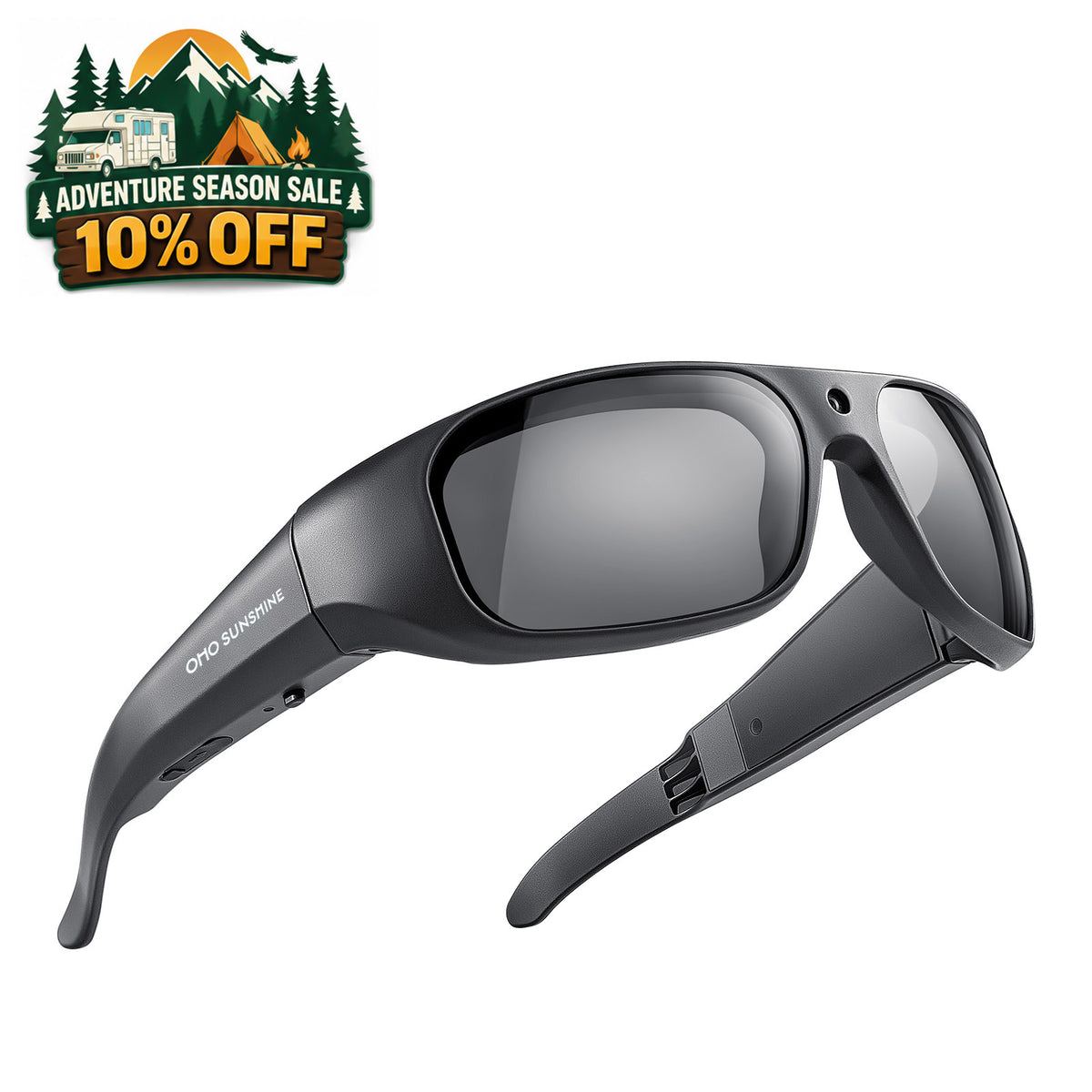
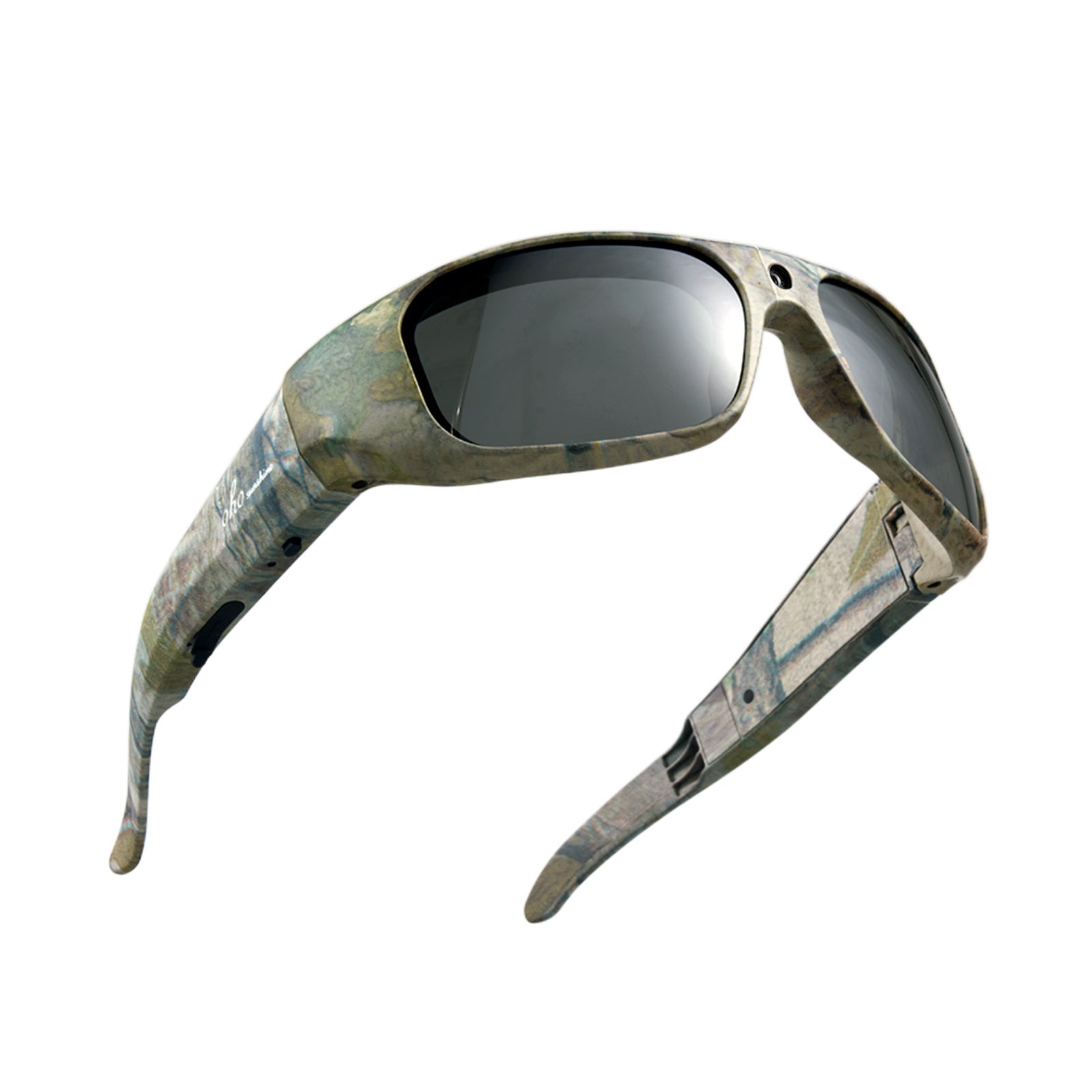
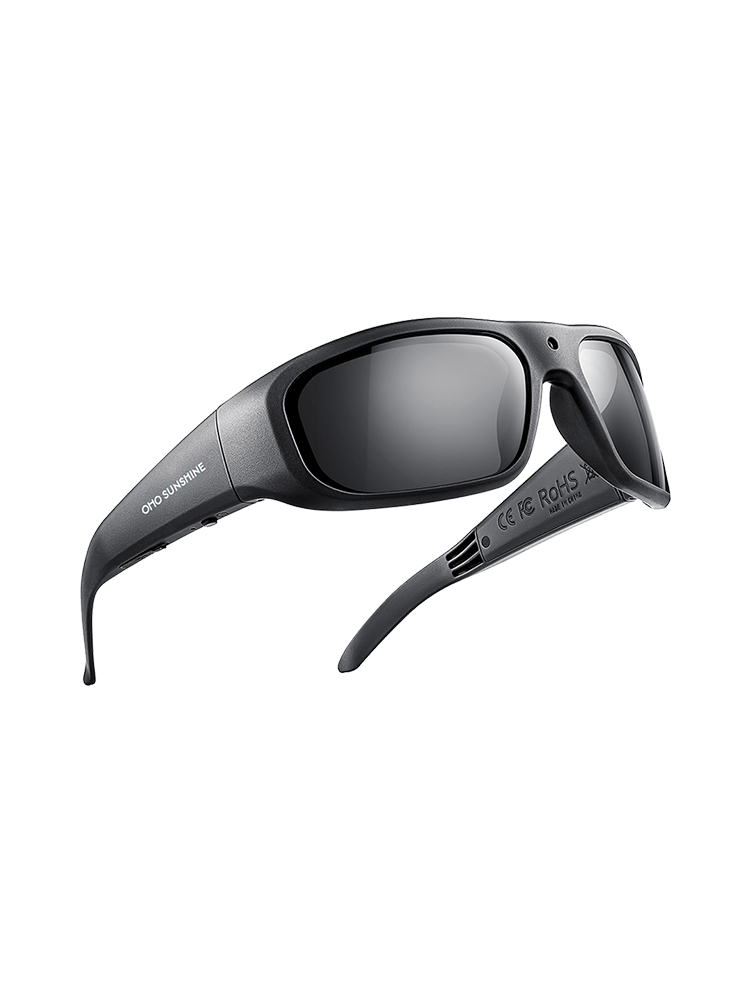
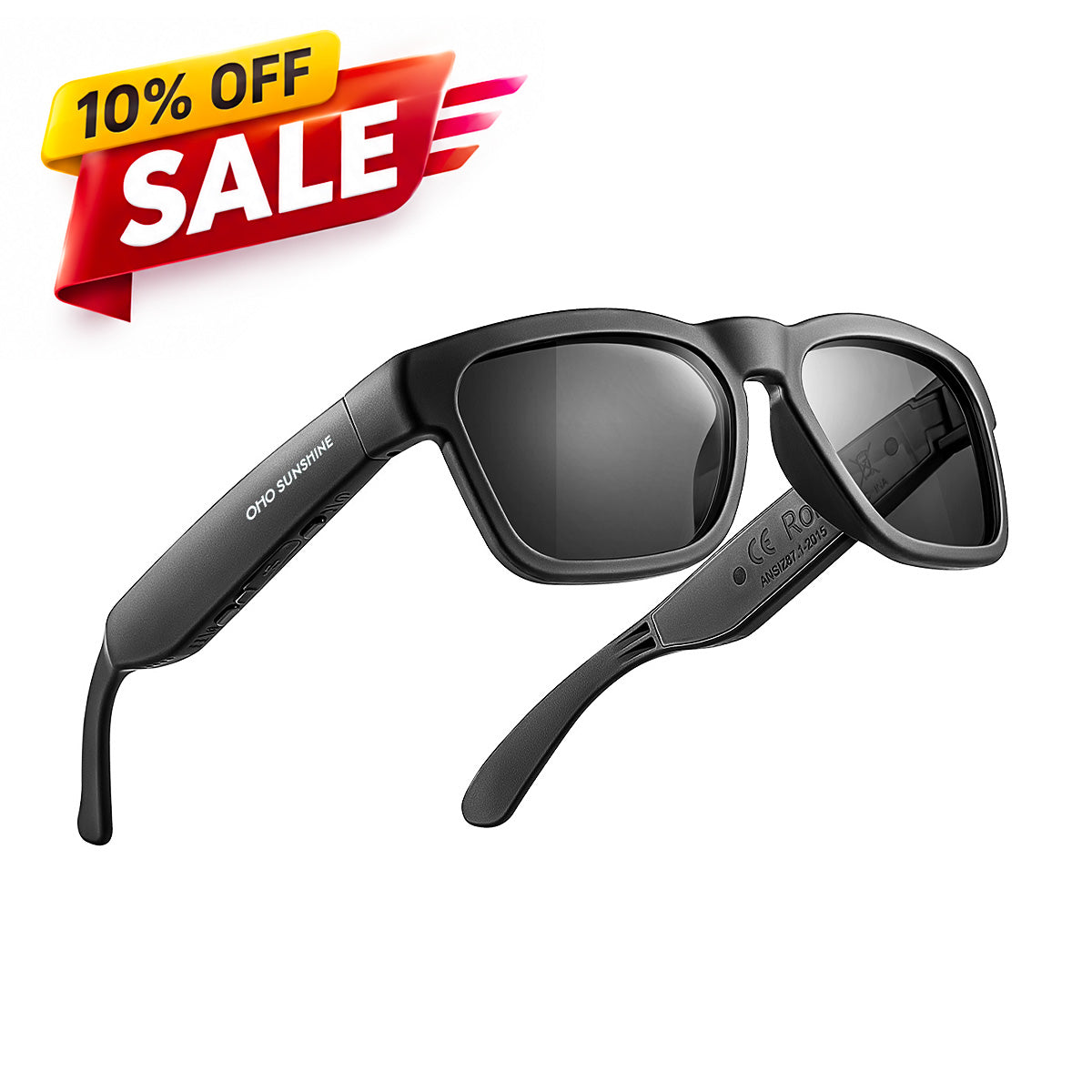
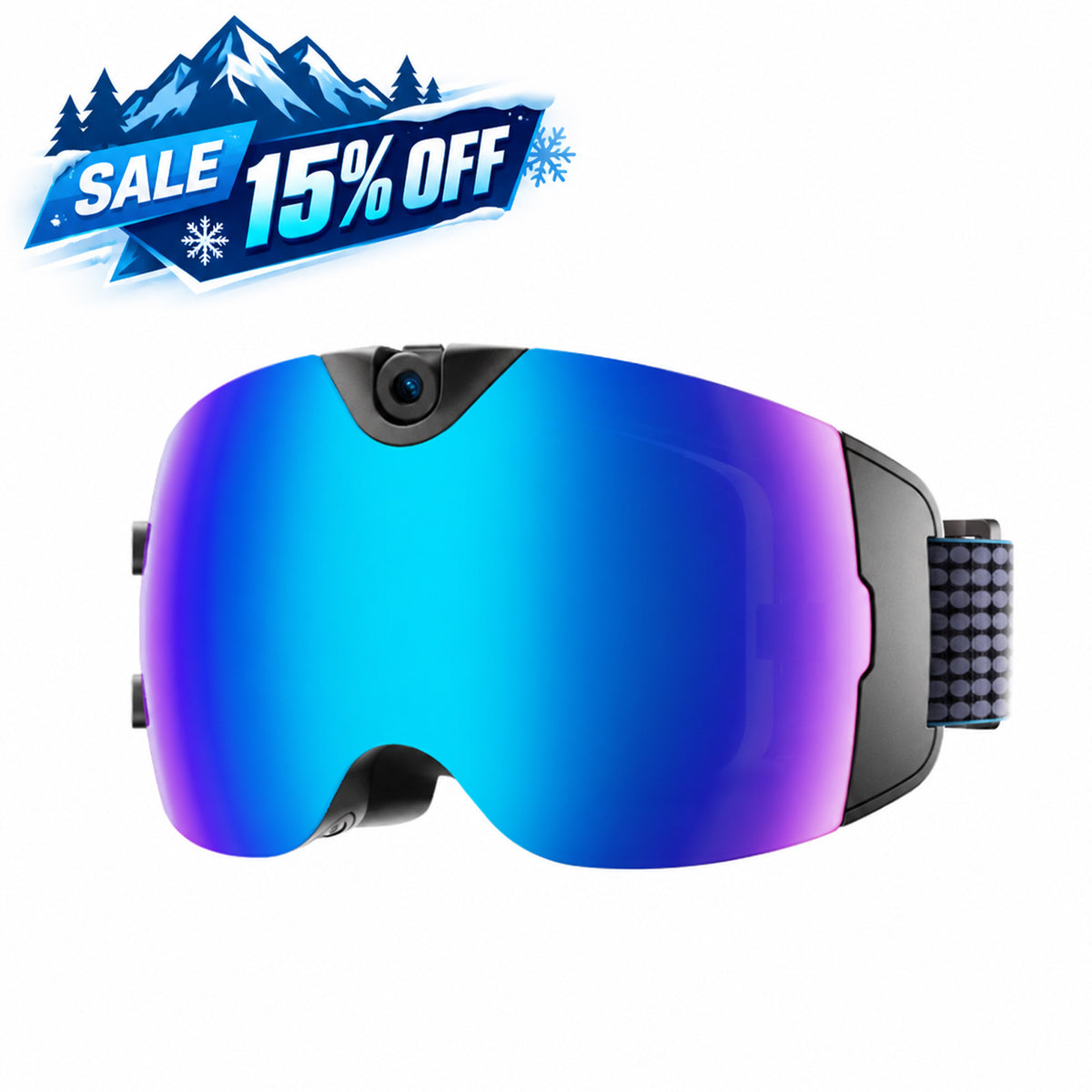
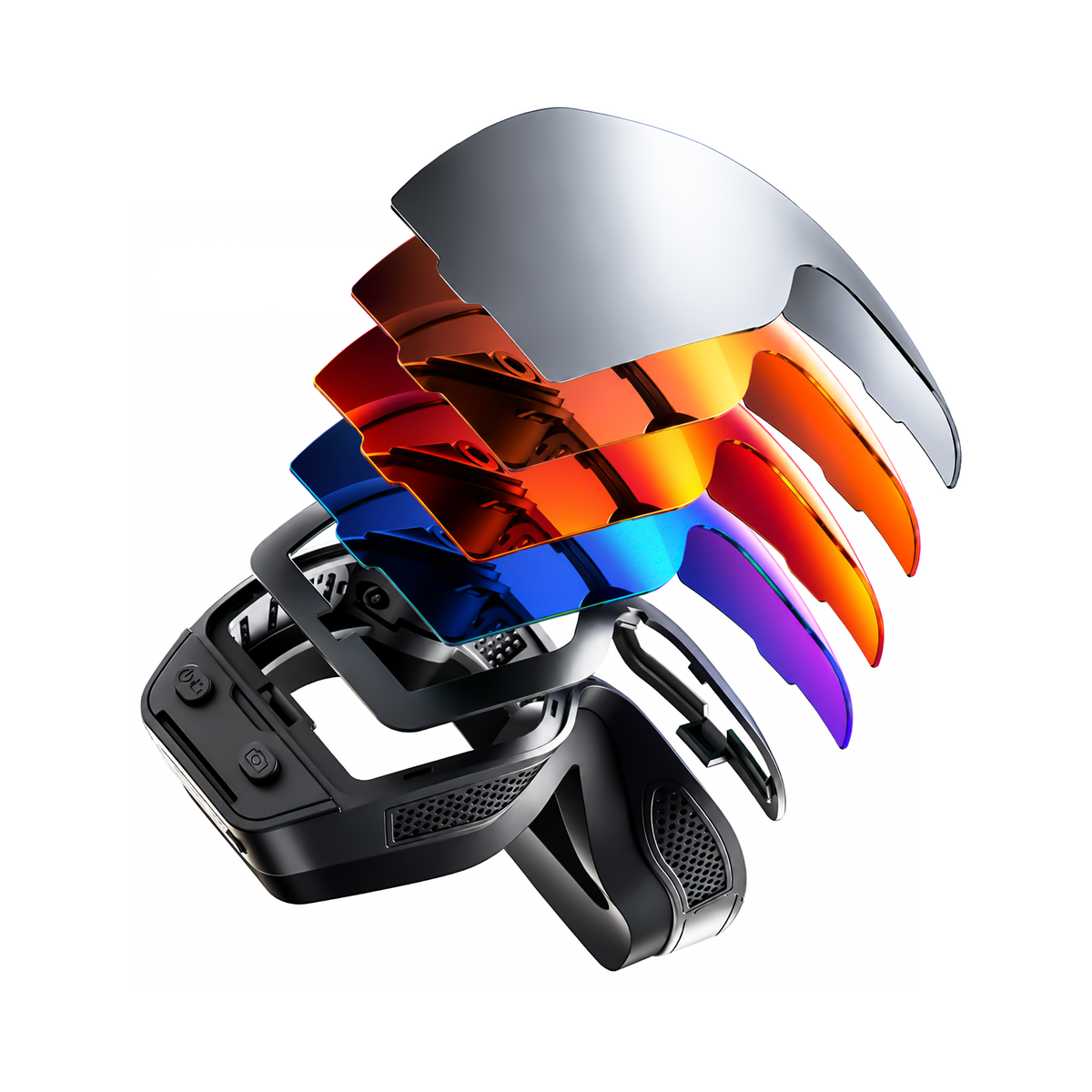
We built the OHO SUNSHINE 4K Camera Smart Ski Goggles, 24M Photo, Anti-Fog - Skyshot around 4K/30fps recording, a 140-degree wide-angle camera, an anti-fog lens, Wi-Fi transfer, and USB-C charging, which covers the practical needs of capturing POV runs and moving footage off the goggles at the end of the day. The listed 90-minute battery life is a nominal product-page specification, and like any lithium-ion figure, it wasn't published with a stated test temperature, so it isn't a sub-zero guarantee.
If you mainly want short clips of individual runs rather than hours of continuous footage, that nominal runtime and the anti-fog lens make Skyshot a reasonable option among camera ski goggles built for hands-free capture. If your trip requires certainty about cold startup or a verified sub-zero runtime, wait until that operating data is published, or plan around the cold-weather habits and battery margin covered earlier in this guide.
Conclusion: Plan for Conditions, Not a Single Runtime
Plan a cold-weather POV recording day around tested conditions, not a single advertised runtime. Charge fully, choose short clips over continuous recording when battery margin is tight, and build in a cushion for cold and repeated runs. If startup or recording gets unreliable, protect the goggles from further cold exposure and follow your model's current manual for exact operating and charging guidance before relying on the goggles for footage that matters.
FAQs
Does cold-weather battery slowdown mean the battery is damaged?
Not necessarily. A drop in available power in cold weather is often temporary and tied to how lithium-ion batteries behave at low temperatures, not permanent battery aging. Compare how the battery performs once it's back at room temperature; if runtime returns to normal, cold was the likely factor. If performance stays weak indoors too, the battery itself may be aging and losing capacity.
Can I use an external USB-C battery pack with camera ski goggles on the mountain?
A USB-C port doesn't automatically mean a power bank will work while you're recording. Some goggles only support charging when powered off, and simultaneous charge-and-record isn't guaranteed by the port alone. Check your model's current manual for confirmation before you plan a ski day around an external battery pack.
Why can an older battery fail sooner in the cold than a newer one?
Older lithium-ion batteries generally have less performance margin left, so cold temperatures can push them toward a shutdown faster than a newer battery in the same conditions. Treat an aging battery as a reason to build in extra charge and a shorter recording plan for cold days, rather than trying to calculate an exact percentage loss, since no verified figure exists for that calculation.


Commenta
Questo sito è protetto da hCaptcha e applica le Norme sulla privacy e i Termini di servizio di hCaptcha.