



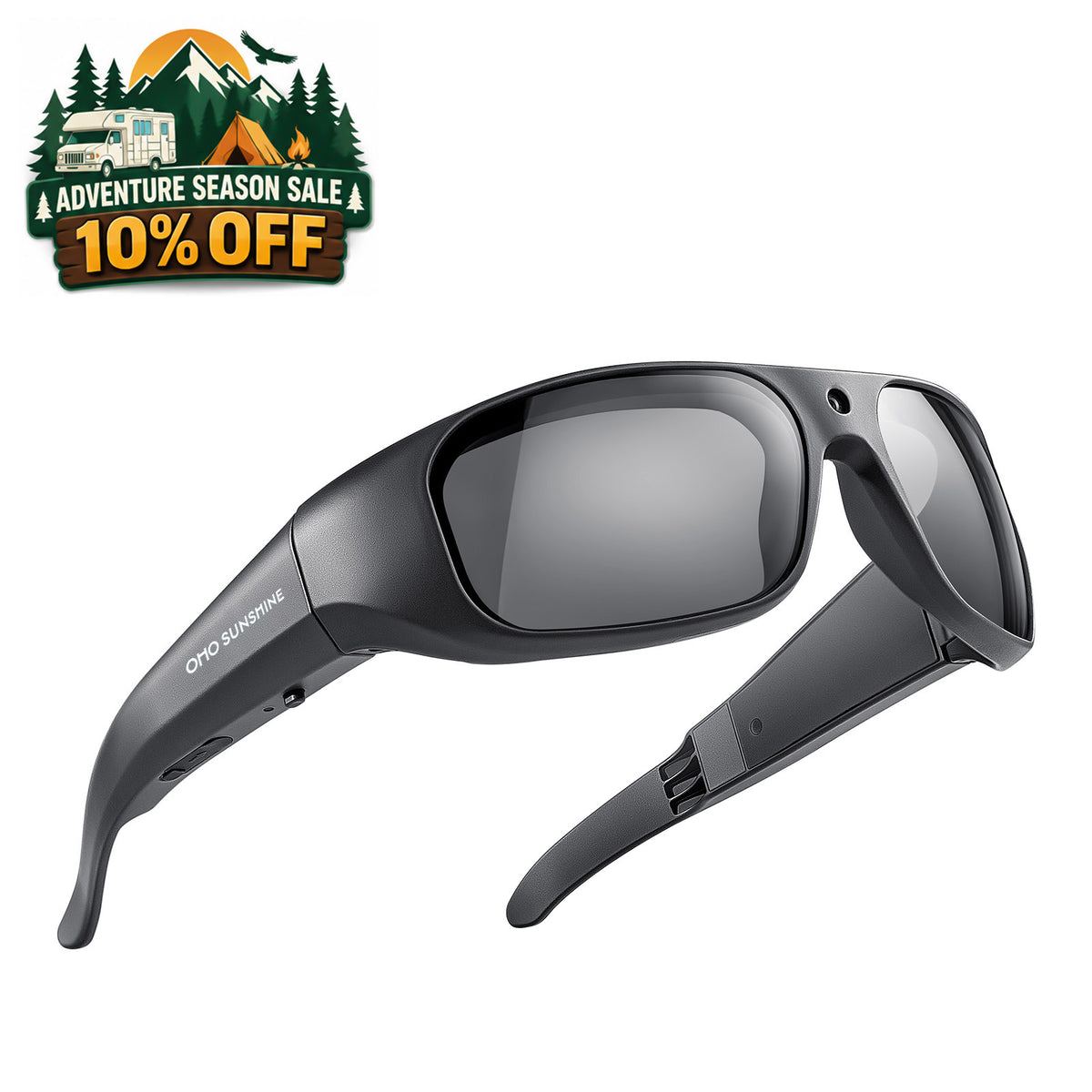


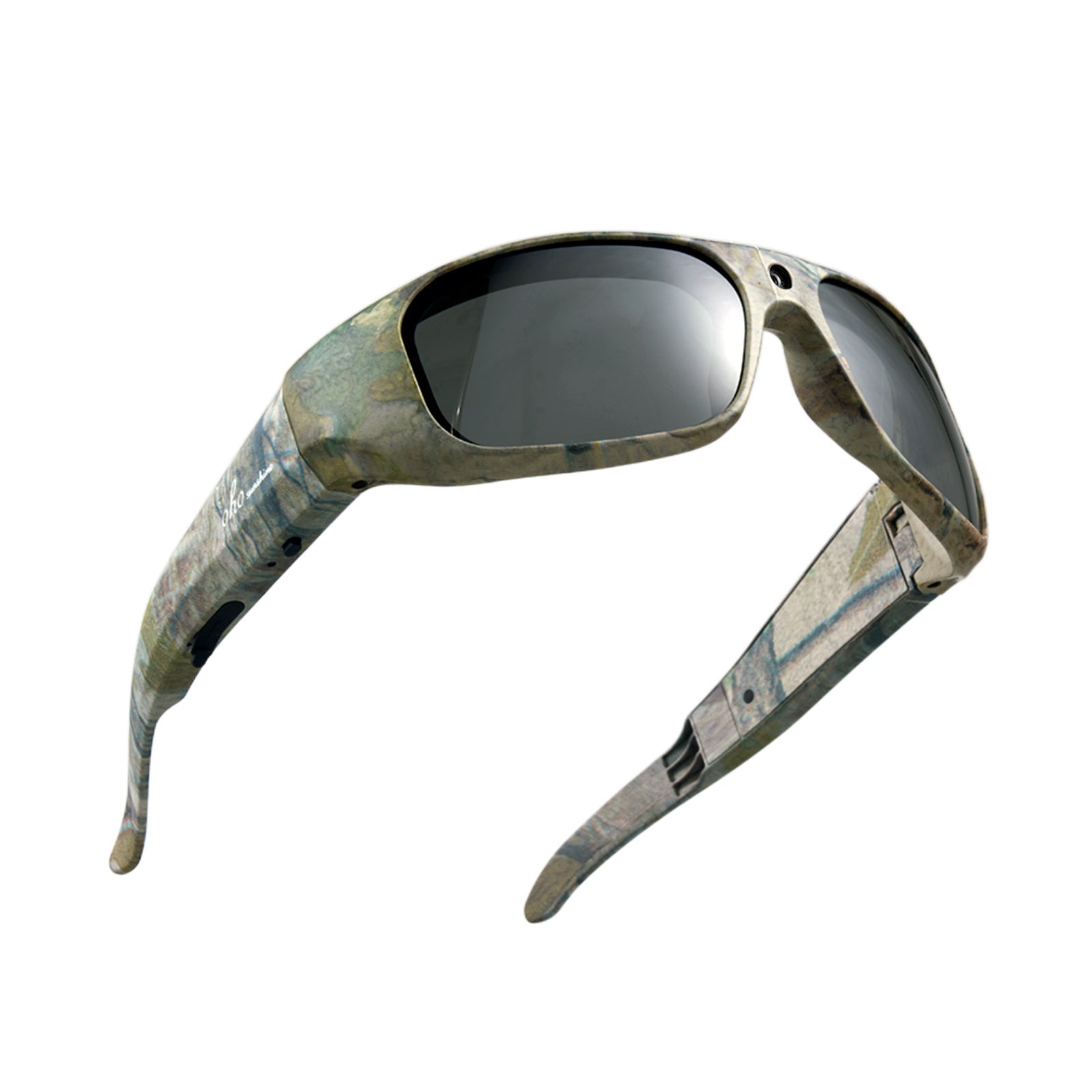


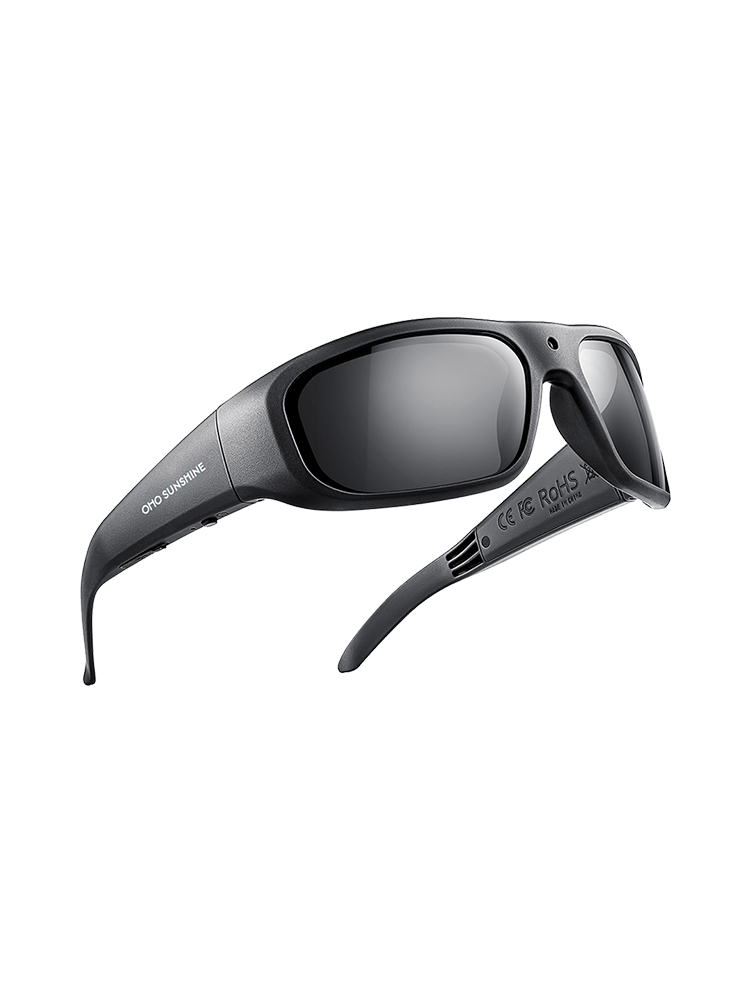


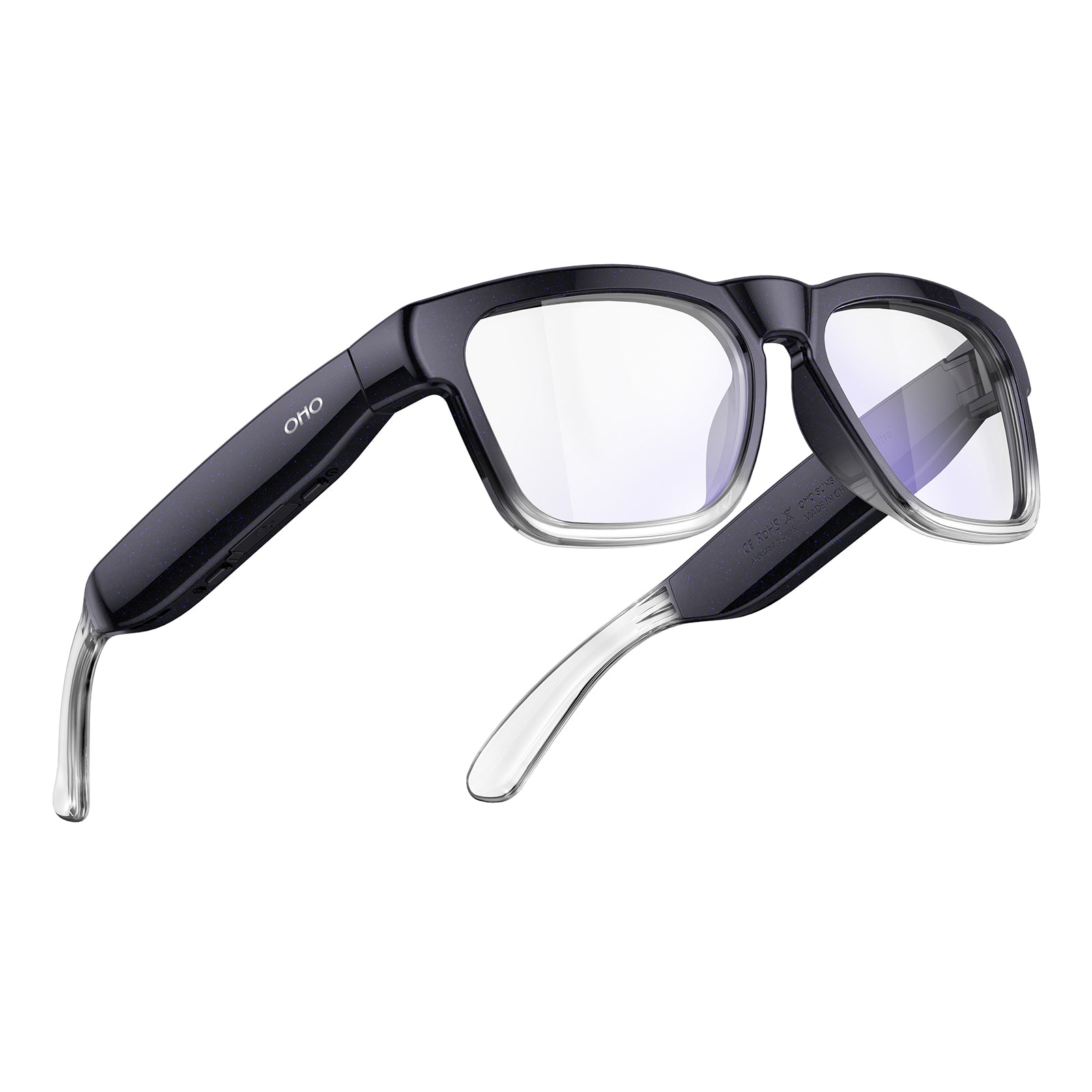



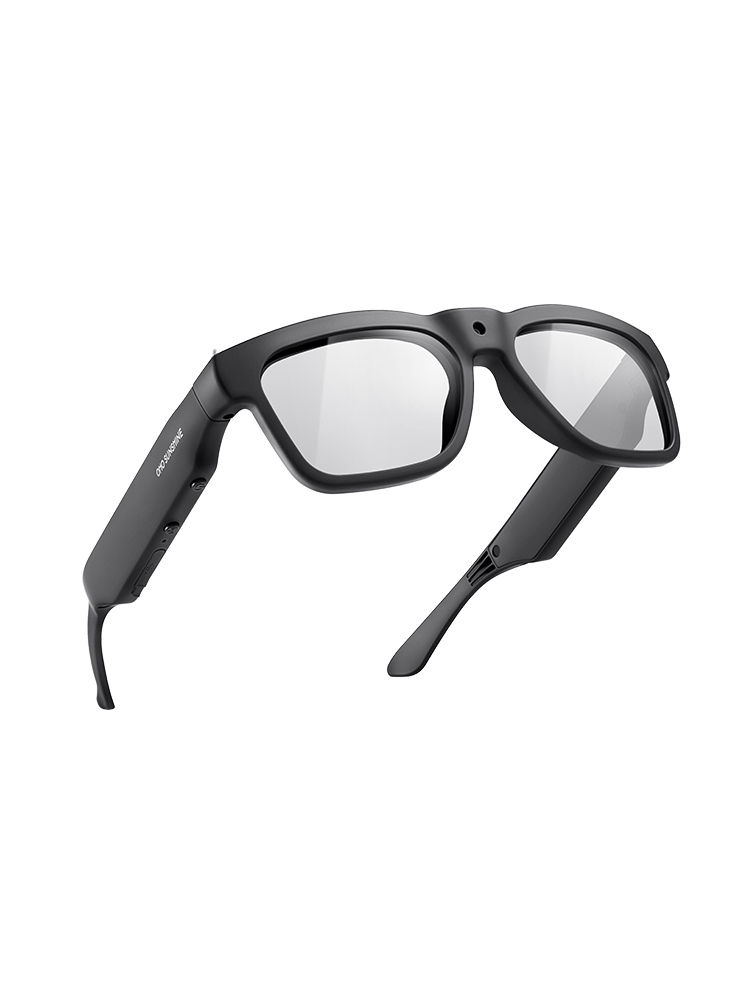


To fit smart audio glasses on a low nose bridge or a wide face, start by finding the contact point that isn't working. The bridge is the issue if the frame slides down. Width is the issue if your temples feel squeezed or the rims press your cheekbones, and the audio ports are the issue if the speakers drift away from your ears.
Each problem needs a different fix, and no single adjustment works on every model. Run the wear check below before a workday. Keep the fit only if the frame stays level, secure, and comfortable with the ports by your ears. If it fails, follow the path that matches the problem: model-approved nose support changes, help from support or an optician, or a different frame fit such as Asian fit glasses.
Check the Fit Before a Work Session
This check sorts your problem into bridge, width, or port position in a few minutes. The nose and width steps come from standard eyeglass fitting. The port step is specific to audio frames.
- Wear them normally. Put the glasses on the way you usually do, and don't push them up afterward. Then read, type, and look down at your phone for a while. Notice whether the frame creeps down your nose by itself.
- Check the nose by itself. The frame's weight should feel spread evenly across your bridge or nose pads, with nothing digging in. You should also be able to move, bend, and shake your head without the glasses slipping, per this guide to how glasses should fit. If they slide while your temples and cheeks feel fine, you have a bridge support problem. Go to the next section.
- Check width and cheek contact. Overall frame width should match your face at the temples and leave enough side room to avoid digging in or leaving marks. Next, smile naturally. The frames should clear your cheeks when you smile, and they should feel comfortable on your nose and secure on your ears. If your nose position is stable but your temples feel squeezed or the rims touch your cheeks, you have a width problem.
- Check level and port position. Look in a mirror or your phone's front camera. Both lenses should sit at the same height. Turn your head, look down at your keyboard, and stand up from your chair. Then check whether the audio ports still sit by your ear openings. If they move away as the frame shifts, the fit fails this step. Don't fix it by bending the temples. This is a visual position check, not a sound test.
- Decide. If every step passes, keep the fit and wear the glasses as they are. If one step fails, the section that matches that step tells you what to do next.

Adjust Nose Support Only as the Exact Model Allows
Change the nose support or frame only when the instructions for your exact model, or an optician who has handled the frame, confirm the change. Audio frames carry speakers and other parts inside the frame, so don't assume they bend or adjust like a standard pair of glasses.
The answer to how to adjust smart glasses for a low nose bridge depends on the model. Start with the manual for your model, then pick the branch that matches what it says:
- The instructions describe an adjustment. Use only that method and stay within any limits it gives. Then repeat steps 2 and 4 of the wear check to confirm the frame now stays level and stable with the ports by your ears.
- The instructions say nothing, or the method is unclear. Leave the frame as it is. Don't bend the bridge, heat the frame, or swap in parts the manual doesn't list. Contact product support with your model name and a short description of when the slipping happens, or ask an optician whether that frame can be adjusted safely.
When you contact us, a clear note helps us answer faster. For example: "slides down while I type, temples feel fine."
When Width Pressure Calls for a Different Fit
Nose repositioning won't fix temple or cheek pressure that remains after you place the frame neutrally and your nose feels comfortable. Stop moving the frame up or down to compensate, and treat the pressure as a separate width problem.
- Bring the right signals to a fitting. Temple pressure that digs in or leaves marks, and rims that rest on your cheeks when you smile, are both worth reporting. An eye-care professional can assess a frame that stays uncomfortable, and a professional fitting is the next step once repositioning has failed.
- Compare measurements against a pair that fits. Line up the size labels printed on a comfortable pair with the matching labels on the frame you're considering. Don't judge the fit from one number alone. Our frame measurement checks show how to read and compare those numbers before you order.
- Ask an optician about low-bridge fit options. Eyewear styles known as Asian fit glasses, also called low bridge or global fit, are designed for low nose bridges and high cheekbones. Depending on the frame, they can have a lower, wider bridge, larger and higher nose pads, and wider, slightly curved temple arms. Features vary by frame, so check each smart audio model on your own face before you rely on them.
- Rank fit ahead of features. When you compare alternatives, including our open-ear Bluetooth glasses, rule out any frame that fails the width check before you compare lenses or audio. Our guide to practical work frames compares frame fit with lens and feature choices for all-day wear.

As in the adjustment section, don't try to widen the temples yourself unless the model's instructions allow it.
FAQs
Are Asian fit glasses the same as low bridge or global fit?
Yes. These names describe the same fit idea: a frame shaped for a low nose bridge and high cheekbones. The exact features change from frame to frame. So before buying, ask about the bridge, nose pads, and temple arms on the specific pair you want.
What should I do if the audio ports drift away from my ears later in the workday?
Note what happens right before the drift. If the frame slid down your nose first, the cause is bridge support. If the frame stays level but the ports still shift when you turn your head, the problem is the frame's overall fit. In either case, don't bend the temples to push the speakers back. Take the details to support or an optician.
Do the same fit checks work for camera glasses and smart sunglasses?
Yes. The nose, width, and level checks are about how the frame sits on your face, so they apply to camera glasses, smart sunglasses, and Bluetooth smart glasses alike. Speaker placement differs by model, though, so do the port check again on every new pair. If you're choosing between camera glasses with audio and separate devices, include comfort over long sessions in the decision.
Can I use my regular eyeglasses' fit as a reference for smart glasses?
Yes, a comfortable regular pair makes a good reference for measurements and for how nose and temple contact should feel. It can't tell you where a smart frame's audio ports will sit, and it doesn't show which adjustments a smart frame allows. Use it to compare size labels, then run the wear check on the smart pair itself.


Commenta
Questo sito è protetto da hCaptcha e applica le Norme sulla privacy e i Termini di servizio di hCaptcha.