










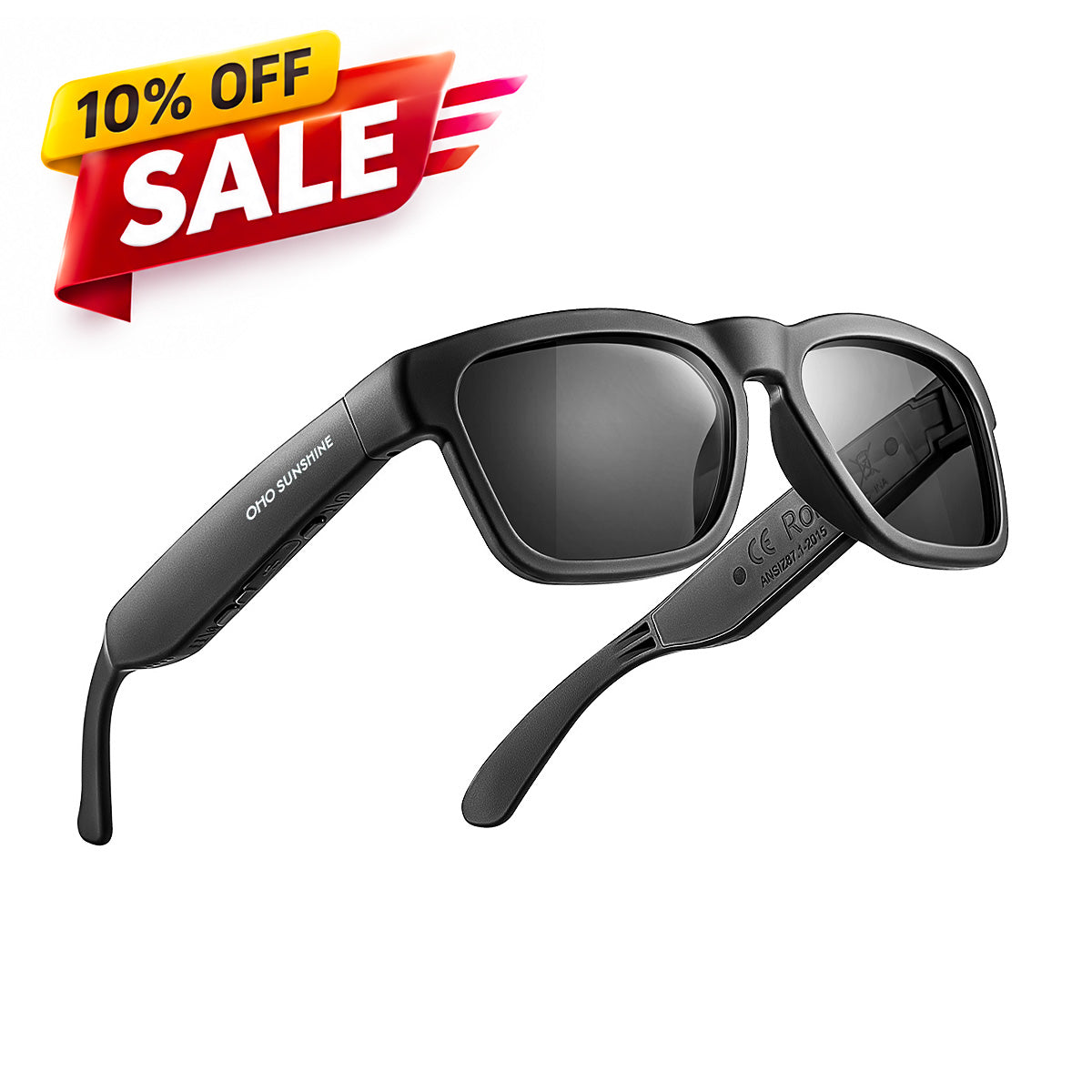


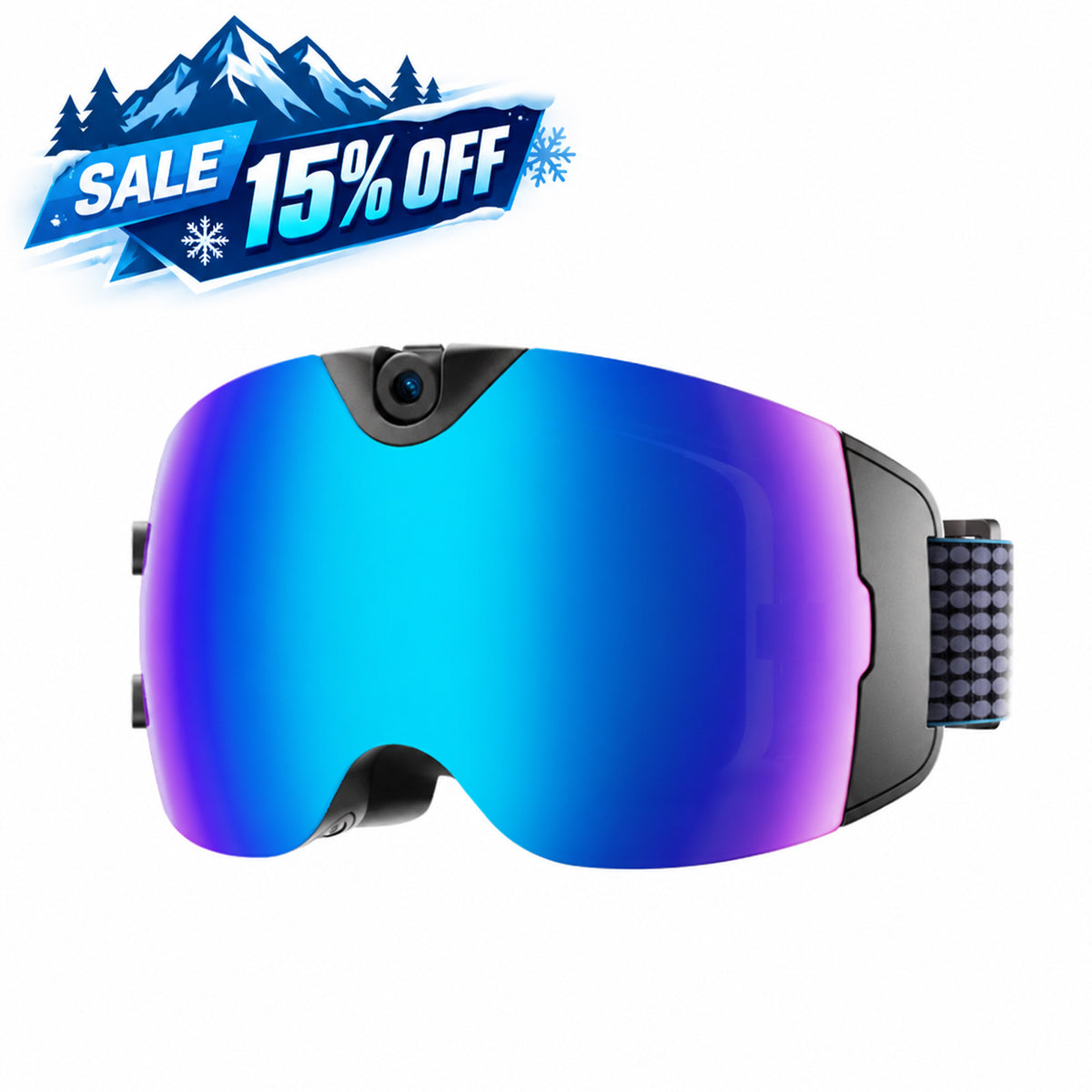

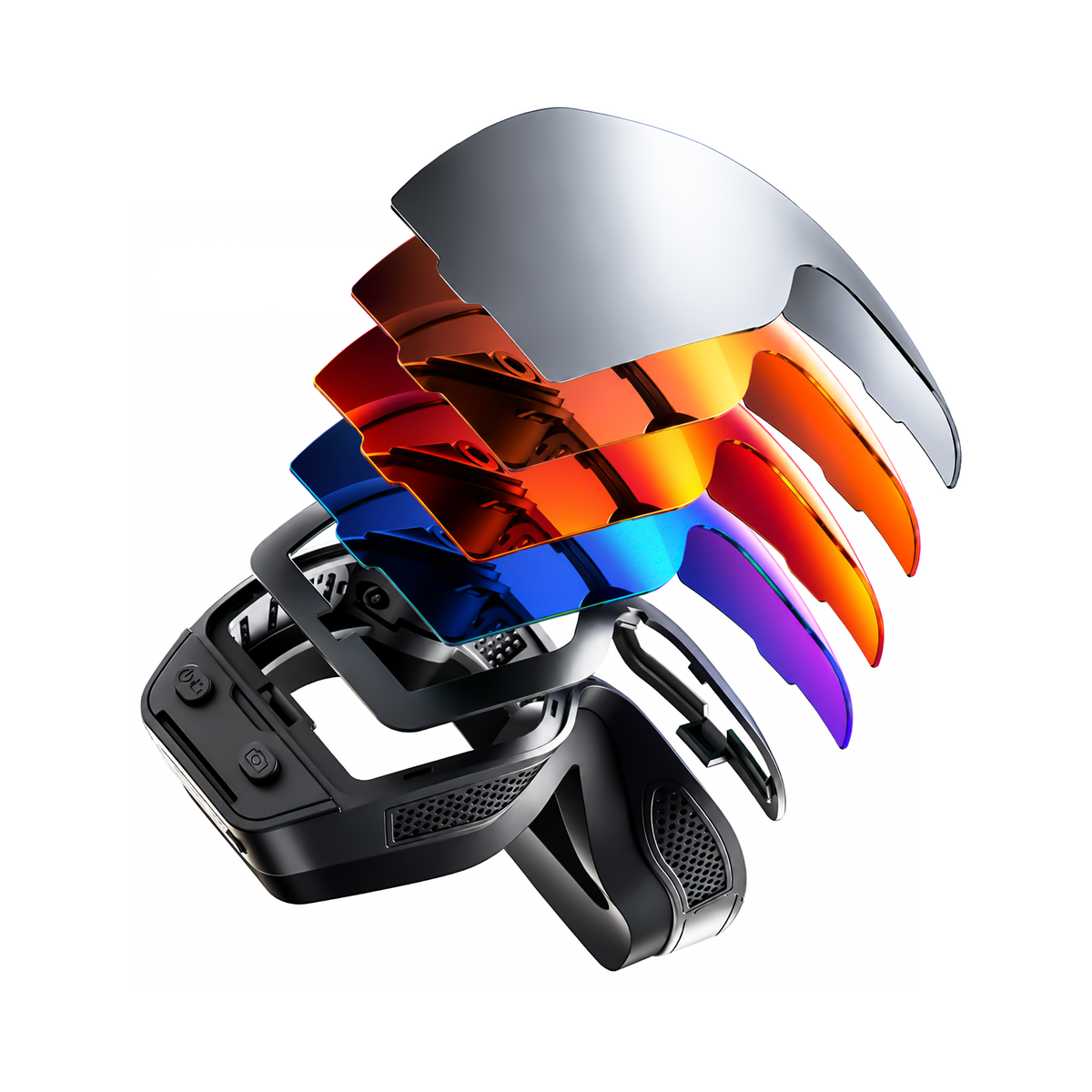

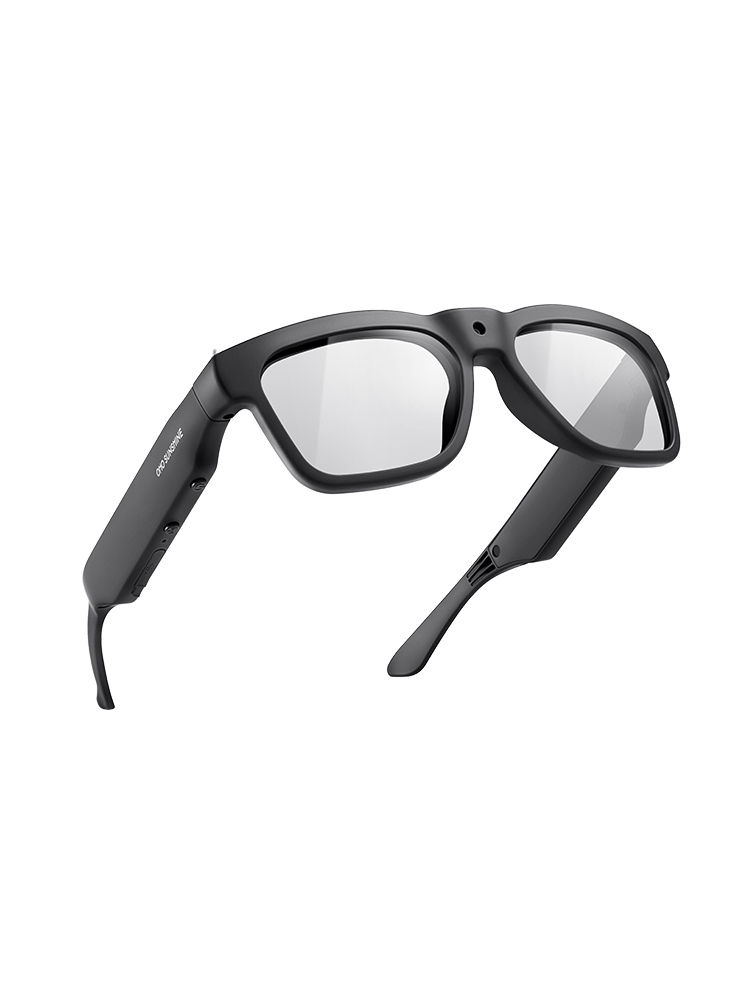


Camera-equipped snow goggles are not automatically safe for backcountry touring or snowmobiling. Whether they belong in deep powder or at highway speed depends on the exact model's verified moisture, temperature, and impact limits, not on the fact that it records video. A camera is a feature, not a weather rating.
Consider camera snow goggles only when the maker's documentation matches your ride and the fit is confirmed with your helmet. If the manual is silent on your conditions, or the limits fall short of what you plan to do, pick gear with established limits instead of guessing.
Are Camera Snow Goggles Suitable for Backcountry Touring and Snowmobiling?
The honest answer is conditional. A camera, an anti-fog coating, or a UV400 lens tells you what the goggles can capture and how clearly you can see through them, but none of those features says anything about water resistance, cold-weather tolerance, or impact protection at speed.

Deep powder touring and high-speed snowmobiling create exposure that ordinary resort skiing does not: repeated snow contact against the frame, wind-driven grit, and sustained cold that can affect batteries and seals. Treat these as separate questions from whether the goggles simply work on a groomed run.
Shopping labels like snow goggles for men or snow goggles women describe fit categories and marketing, not technical performance. A pair marketed as snow goggles for men will not seal better or resist impact more than an equivalent pair marketed to women; the deciding factors are frame size, strap design, and documented limits, not the label. If a goggle's lens is scratched, your vision is impaired, or the manufacturer never states suitability for your planned conditions, do not ride with them until that gap is resolved.
Verify the Product Before You Ride
Before any high-speed or deep-powder trip, confirm five things directly from the manufacturer's documentation rather than assuming the product listing covers them. Treat each item as a pass, verify-further, or do-not-use decision.
Moisture, Temperature, and Impact Limits
Look for explicit language about water or snow ingress and a stated operating-temperature range; a "winter sports" scenario claim on a product page is not the same as a documented ingress rating. Impact resistance claims deserve the same scrutiny: check whether the listing points to a recognized standard or test rather than a general durability statement. Workplace eyewear rules illustrate why this distinction matters. OSHA eye-protection requirements require protective eyewear to meet a named consensus standard, which is a useful reminder that a camera feature or UV claim is not itself proof of certified impact protection. Apply the same standard to recreational goggles: verify the actual documentation for the hazard you care about instead of inferring it from adjacent marketing language.
Fit, Helmet, and Operating Limits
Put the exact goggle-and-helmet combination on your head before you commit to a ride. Check strap tension, frame movement when you turn your head, gaps at the temples, vent interference, and whether your field of view stays clear. Also confirm how the manual treats charging, button controls, and the ports after moisture exposure; some models restrict charging until the unit is fully dry. If any of these checks fail or the manual is silent, treat that as a do-not-use result for this ride rather than a minor inconvenience.
Protect the Lens From Dust, Powder, and Snow Crust
The safest approach keeps loose grit, dry dust, and icy crust from ever touching the lens surface, because prevention avoids the scratches that cleaning cannot undo.
- Brush or shake off loose snow before it packs against the lens; contaminated snow dragged across the surface acts like sandpaper.
- Avoid pressing a glove, sleeve, or cloth against crusted or icy buildup; dry pressure on crust is the most common way riders scratch a lens they could have simply brushed clean.
- Store the goggles lens-up or in a padded case between runs instead of setting them face-down on a snowmobile seat, tailgate, or dirty pack.
- Keep separate handling for the lens and for the frame's camera and microphone openings, since powder splash around those openings needs a different response than surface grit on the lens.
Powder splash, dry dust, and icy crust are not the same problem, and a routine built only for one of them will leave the others unresolved.
Safest Way to Wipe a Snow Goggle Lens
Remove loose particles before any cloth touches the lens, since wiping over grit is what turns a dusty lens into a scratched one. Our general care guidance for camera eyewear outlines a general camera-glasses care guidance approach that applies to this kind of cleanup, though any coating-specific or port-specific exception on your model is controlled by that product's own manual.
- Rinse the lens under lukewarm water, or use a gentle stream to lift off loose dust, sand, or snow before touching it with fabric.
- Where the manufacturer allows it, use a small amount of mild soap and lukewarm water rather than glass cleaner, alcohol, or other harsh solvents that can strip coatings.
- Pat the lens dry with a clean microfiber cloth instead of a paper towel; paper fibers and residual grit can leave fine scratches.
- Let the inner lens air-dry fully before closing the case or storing the goggles, since trapped moisture behind the lens invites fogging and mildew on the next outing.
For the complete post-ride routine, including drying and storage timing, our guide on how to clean and dry goggles after a wet day walks through the full sequence step by step.
Inspect Sensor Ports and the Microphone After a Ride
Camera, sensor, and microphone openings need inspection, not the same rubbing motion you'd use on the lens. Look closely for visible moisture, packed snow, or lint at each opening before you do anything else.
If everything is dry and free of debris, the goggles are ready for normal storage. If you see moisture or loose debris, gently clear it using only a method the manufacturer permits for that model, such as a soft brush or a short burst of compressed air held at a distance; do not push a cloth, cotton swab, or liquid into the opening, since that risks driving contamination deeper inside. While moisture remains near a charging port, hold off on charging or heavy use and let the unit air-dry first.

A built-in microphone confirms that the goggles can capture audio, not that the audio will stay clear in high wind. If a recording sounds unusually muffled or distorted after a windy, dusty ride, treat that as a signal to check the opening again rather than assuming the hardware has failed. When moisture, debris, or unusual camera or audio behavior persists after drying, pause use and check the model's manual before your next ride.
Where Skyshot Fits—and Where the Evidence Stops
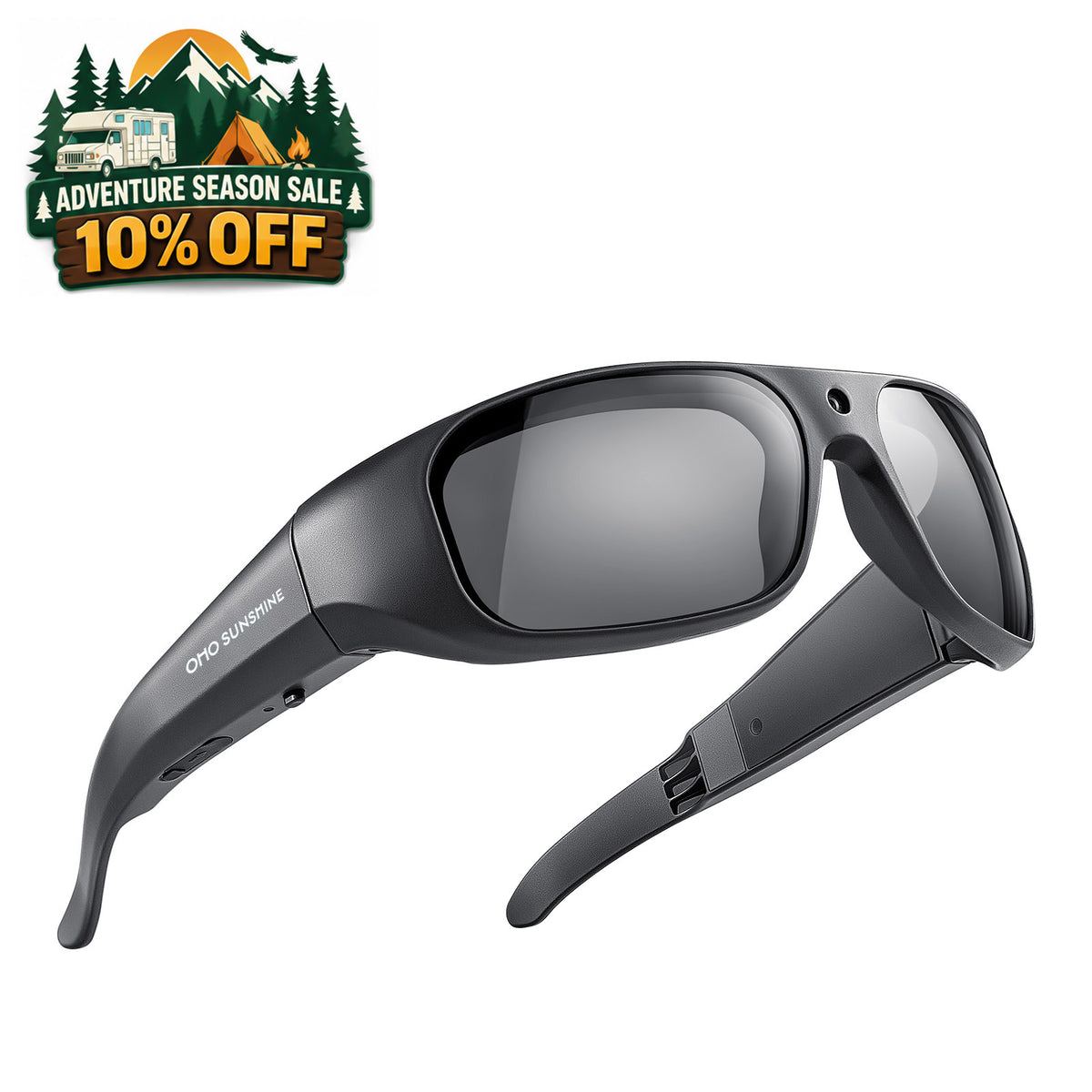
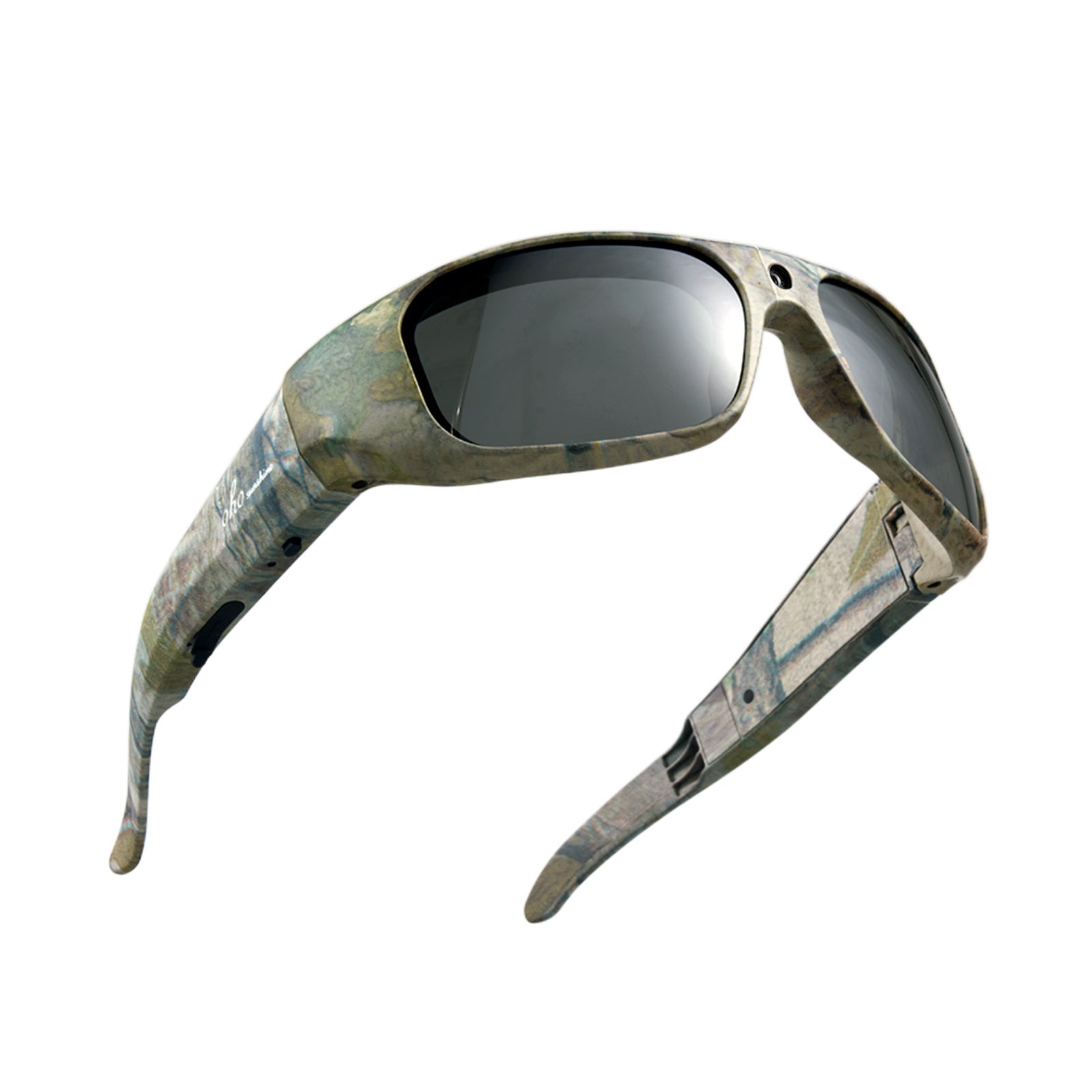
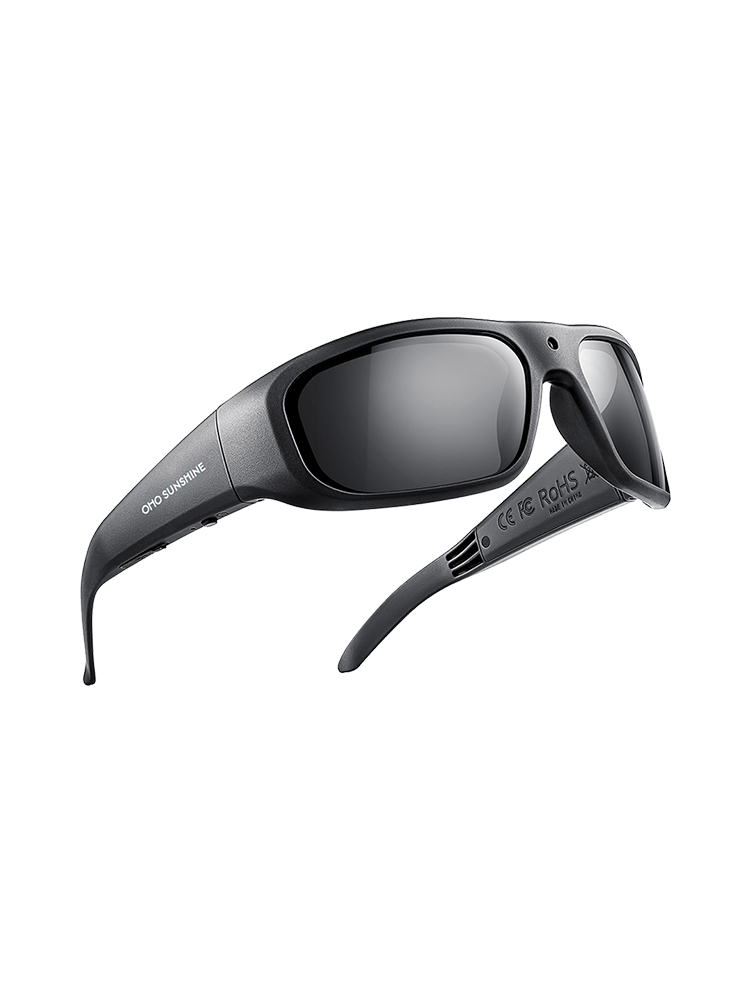
Once the moisture, fit, and operating-limit checks above are clear, a camera-equipped goggle like the OHO SUNSHINE 4K Camera Smart Ski Goggles, 24M Photo, Anti-Fog - Skyshot becomes a reasonable option for skiing, snowboarding, and general snow travel where its documented features match what you need. The listed 4K/30 fps video, 140-degree wide-angle camera, anti-fog lens, and UV400 protection support clear footage and clear vision on groomed and moderate backcountry terrain, and the built-in microphone captures ride audio alongside the video.
That feature list does not, by itself, establish a quantified waterproof rating, a specific operating-temperature range, snowmobile-specific impact protection, or guaranteed microphone clarity in high wind. Our Skyshot instruction manual is the controlling source for those model-specific limits, and the reviewed documentation does not spell out exact figures for deep-powder or high-speed conditions. Fit remains an individual check: confirm the goggles sit correctly with your own helmet and face shape before relying on them for a long tour. Riders who want to compare frame sizes or lens options before deciding can browse our camera snow goggle collection alongside this model. We stand behind the documented features of Skyshot, but we do not extend that support into a blanket claim for every deep-powder or high-speed scenario.
Conclusion
If the manual for your goggles does not state a limit for the powder depth, wind, temperature, or impact exposure you're planning, treat that silence as unresolved, not as approval. Choose a documented, verified setup, or postpone the ride until you can confirm the fit and limits that matter for your specific trip.
FAQs
Can I charge camera snow goggles immediately after a wet ride?
Wait until the goggles and the charging port meet the dryness the manual describes before plugging them in. Inspect the port for visible moisture first, let it air-dry, and only then check your model's specific charging instructions rather than assuming a wet port is safe once the ride is over.
Does an anti-fog lens mean the camera housing is sealed?
No. Anti-fog describes a lens coating or treatment that reduces condensation on the viewing surface; it says nothing about how well the camera housing or ports resist water or dust. Check the model's own weather documentation separately before assuming any level of sealing.
Will a built-in microphone record clearly in snowmobile wind?
A built-in microphone confirms the goggles can capture audio, not that the audio will stay clear at speed. Wind noise can overwhelm a small microphone regardless of camera quality, so test a short recording in conditions similar to your ride before counting on the footage for clear sound.
Do men's and women's snow-goggle labels change camera protection?
No. Labels like snow goggles for men or snow goggles women describe sizing and marketing categories, not sealing, impact resistance, or camera performance. The useful check is an exact fit test with your own helmet: strap position, frame movement, gaps at the temple, and a clear, unobstructed field of view.


Laisser un commentaire
Ce site est protégé par hCaptcha, et la Politique de confidentialité et les Conditions de service de hCaptcha s’appliquent.