















A cold draft right at the bridge of your nose almost always starts with a gap between the goggle frame and your face, not the goggle itself. When testing ski goggles for narrow nose bridge women wind leak issues, check nasal-arch contact, perimeter foam contact, eye position, and strap tension before swapping frames. Repeating the whole test with your helmet and the face covering you actually ski in will tell you much more than a bare mirror check indoors.
If contact stays even and comfortable through every stage, the pair is doing its job and you can move on to features. If a ski goggle nose gap keeps reappearing without you having to crank the strap, that is your clear signal to compare a narrower or lower-bridge frame instead of forcing the one you have.
How to Check a Narrow-Nose-Bridge Goggle Fit
Locating the gap comes before any adjustment. Work through the face contact first, then eye position, then a full retest with your gear, in that order.
Start with Nasal-Arch and Perimeter Contact
Set the goggles on your face without pulling them into place with the strap; let gravity and the frame shape do the initial seating. Then look and feel for daylight or floating foam around the whole perimeter, not just the nose.

- Check the nose pocket first for a felt draft or a visible sliver of light.
- Run a finger along the cheeks, brow, and outer frame edges to find any section where foam does not touch skin.
- Note exactly where the gap sits before you touch the strap; a nasal-arch gap and a cheek or brow gap call for different fixes later.
Our women's snow-goggle fit checklist walks through this same women's goggle fit checks process if you want a mirror-by-mirror version for a smaller or narrower face shape.
Check Eye Position and Pressure
Your eyes should sit naturally centered behind the lenses, with the frame staying put when you move your head side to side or nod. If the frame rocks or slides even slightly, that instability is often what lets wind sneak past the nose later.
Comfortable retention and forced retention are not the same result. A strap that only holds the goggles in place once you tighten it past a comfortable point is not a fix, it is a sign the frame shape does not match your face at rest. Pinching at the brow, pressure across the nose, or foam that visibly compresses unevenly are the same warning in different spots.
Repeat the Test with the Helmet and Face Covering
A goggle that passes the bare-face check still needs to pass the setup you will actually wear on the hill. Adjust the helmet first, since goggle position depends on where the helmet sits, then add the goggles and your usual face covering.
- Put the helmet on and adjust the fit and strap the way you normally ride.
- Add the goggles and check whether the helmet brim pushes the top of the frame down or forward.
- Add your neck gaiter, balaclava, or buff and check whether it lifts the goggle frame away from the nose.
- Look in a mirror and move your head through a normal riding range; approve the setup only if contact, eye alignment, and comfort all hold through that movement.
Adjust the Fit—or Choose a Different Frame
Some fixes are worth trying; others just mask a mismatch. Reseat and adjust first, then read a gap that survives careful adjustment as a frame-fit problem rather than a strap problem.
Try Only Adjustments That Preserve Contact
Reseat the frame on your face, reset where the strap sits on your head, and correct any obvious helmet-brim conflict before you decide the frame itself is wrong. Small changes here can resolve a gap that only shows up under one particular helmet angle.
- Reseat the goggles and adjust strap tension evenly on both sides instead of yanking one side tighter.
- Correct helmet positioning first if the brim is pushing the frame out of its natural seat, then repeat the full setup test.
- Stop adjusting once holding the seal requires pinching, visibly distorted foam, or pressure that would bother you after an hour of riding.
Read Persistent Gaps as a Frame-Fit Problem
If the nasal or perimeter gap is still there after careful reseating and a full helmet-and-covering retest, that is a frame-shape issue, not a strap issue. Continuing to tighten past that point only adds discomfort without closing the gap.
Narrow-fit, low-bridge, or smaller-face frame descriptions are useful shortlist clues at this stage, since they typically reflect a different nose-pocket shape or added foam near the bridge. Treat that labeling as a starting point for comparison, not proof that a specific pair will seal on your face; the only real test is the same contact-and-retest process you just ran. Prioritize whichever frame holds contact and eye alignment comfortably over one that only wins on looks or features.
Add Camera or Smart Features Only After Fit Passes
Camera and smart-goggle functions are worth comparing once you have a pair that already passes the fit test, not before. A wide field of view or built-in recording does not tell you anything about how a frame sits on a narrow bridge.

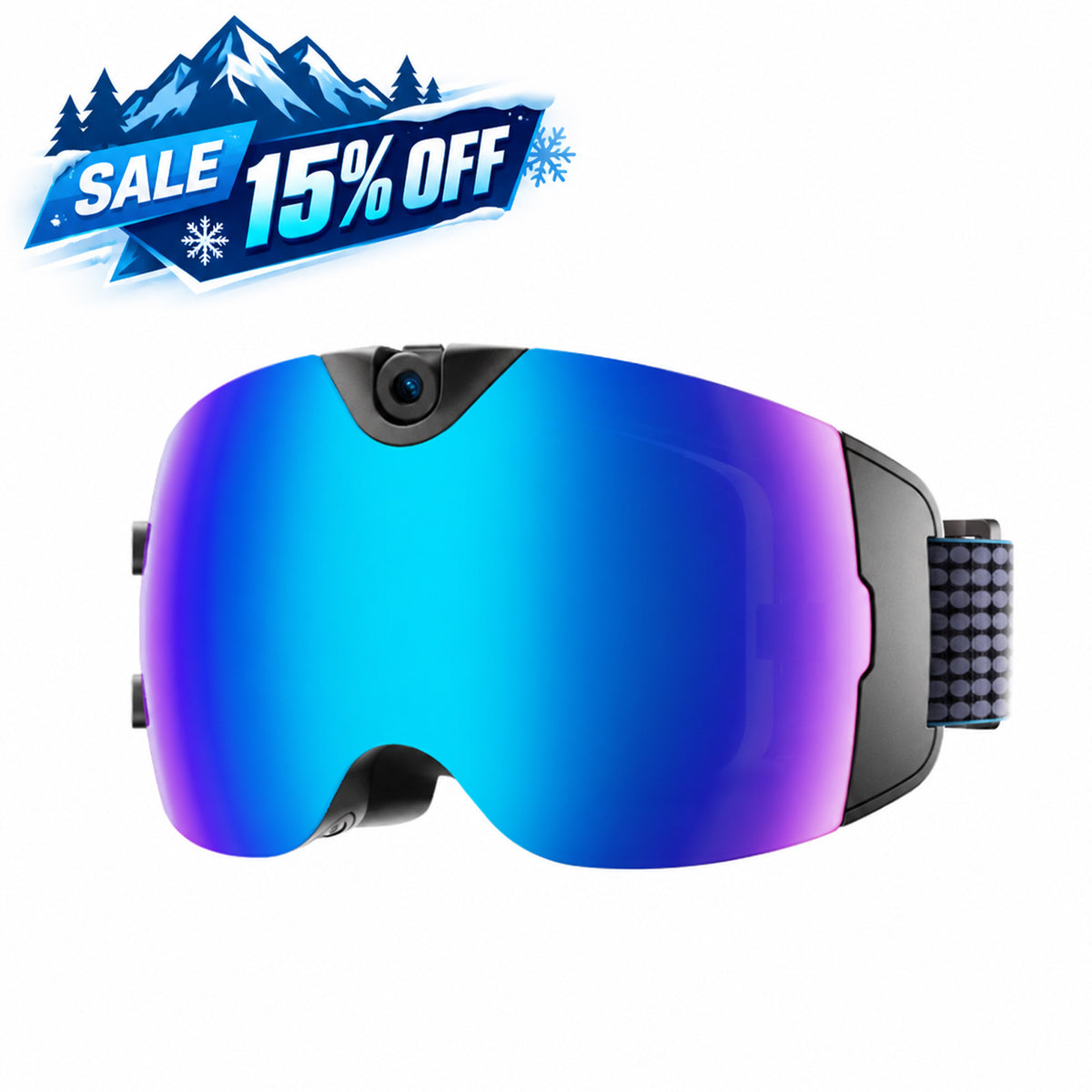
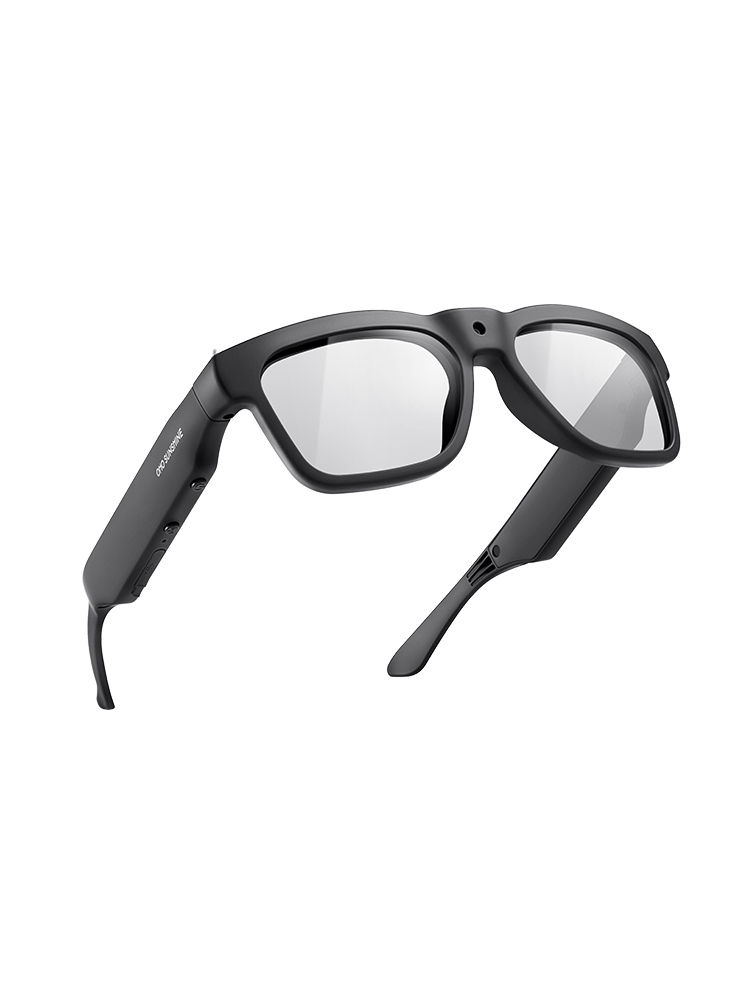
If you're comparing goggles that also record video, we built our Skyshot smart ski goggles around 4K/30fps video, a 140-degree wide-angle view, polarized and anti-fog-treated lenses, and USB-C charging, and those specs are worth weighing once a frame already fits your face and helmet. For a broader look at how camera goggles differ from clip-on action cameras, our snow goggles with a camera guide covers visibility, workflow, and care trade-offs. If you want to browse frame options built around this kind of feature set, our smart snow goggles collection is the place to compare once your fit check is settled.
FAQs
Why do ski goggles fit indoors but leave a gap after I put on my helmet?
Your helmet, its brim, and your face covering can all shift a goggle frame that looked fine on its own. Adjust the helmet first, reseat the goggles against your face, and add your usual face covering last; keep the pair only if contact and comfortable pressure hold through that full combination.
Does a low-bridge ski-goggle label guarantee a good fit?
No. A low-bridge or narrow-fit label is a useful shortlist clue because it usually points to a different nose-pocket shape or added foam near the bridge, but it does not guarantee a seal on your specific face. Confirm nasal-arch contact, eye alignment, comfortable retention, and helmet pairing yourself before trusting the label.
Should camera or smart features outweigh a small nose gap?
No. Treat fit as the first requirement and only compare camera resolution, field of view, or smart controls among pairs that already hold consistent contact and alignment through your full helmet-and-covering setup. A feature you like will not close a gap that the frame shape itself is causing.


Laisser un commentaire
Ce site est protégé par hCaptcha, et la Politique de confidentialité et les Conditions de service de hCaptcha s’appliquent.