



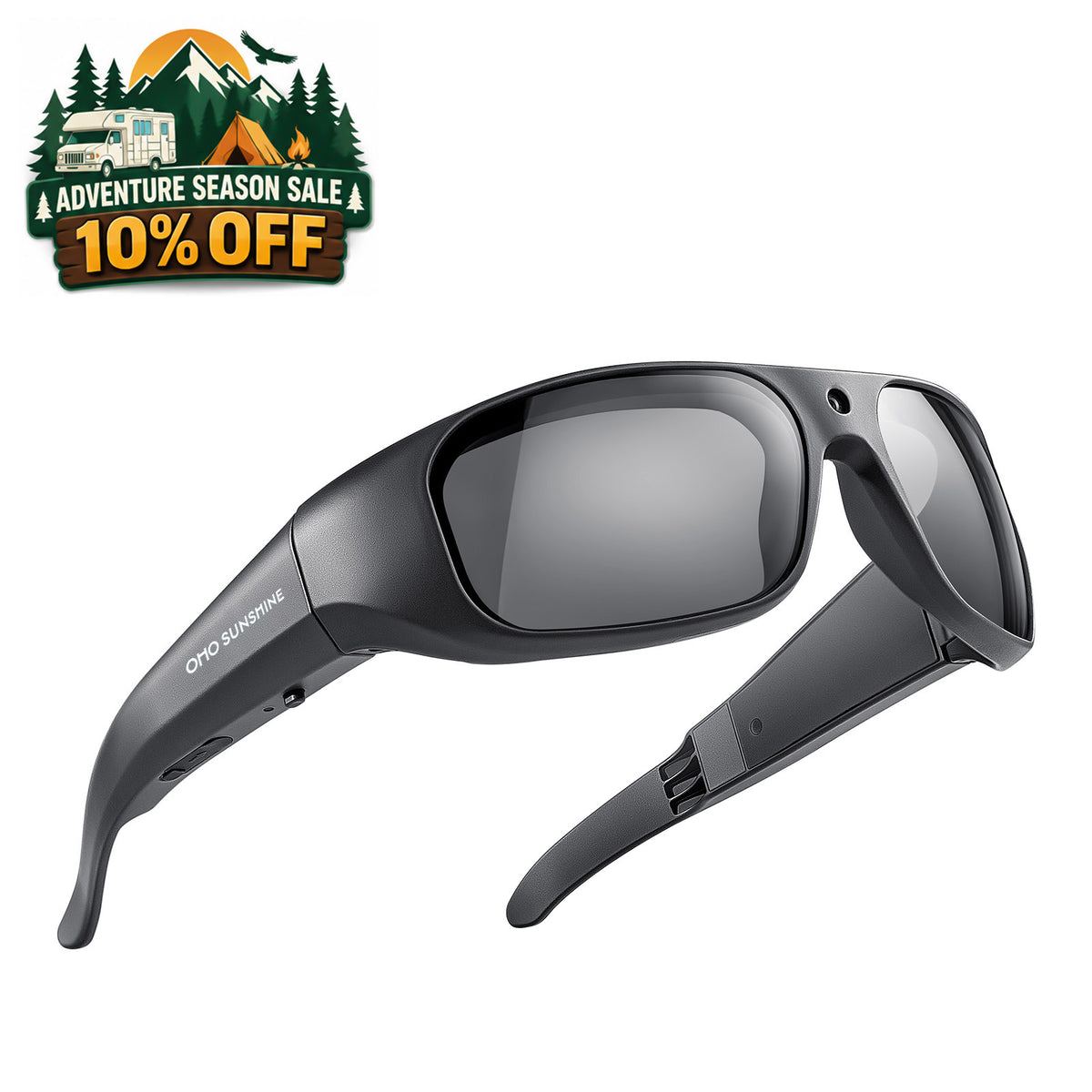


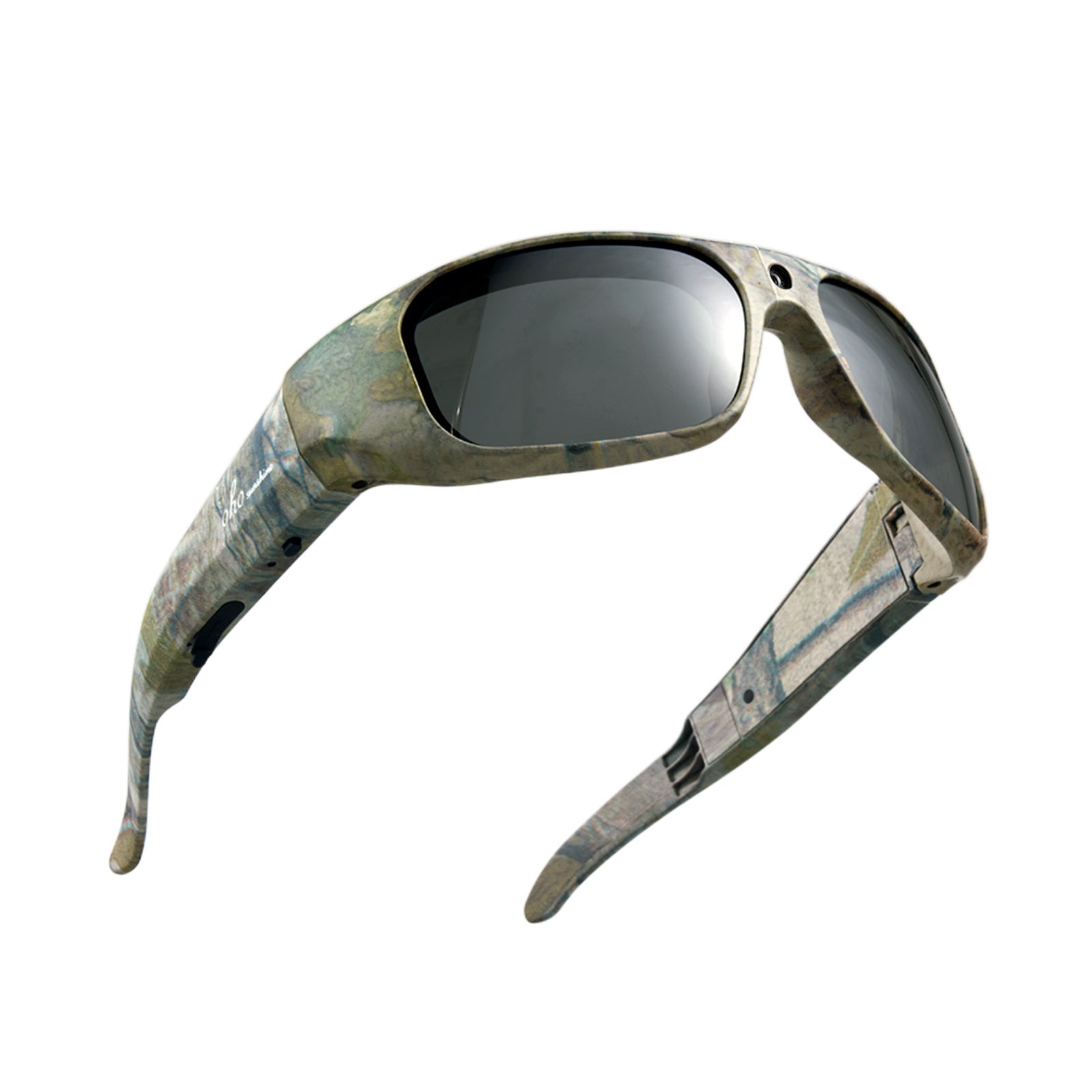


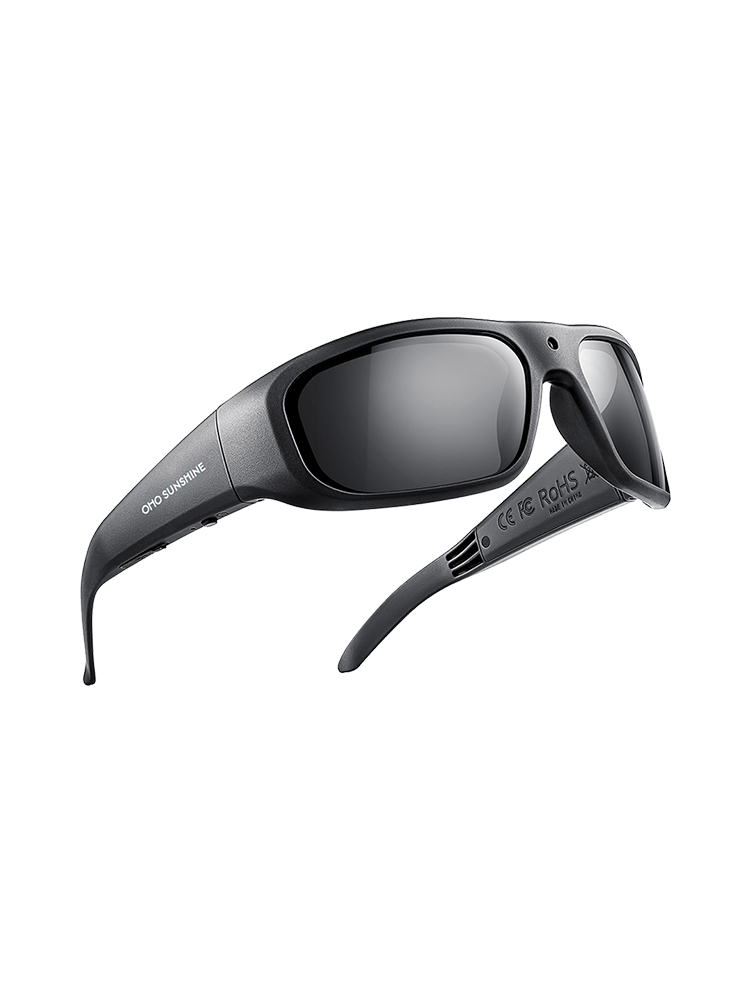


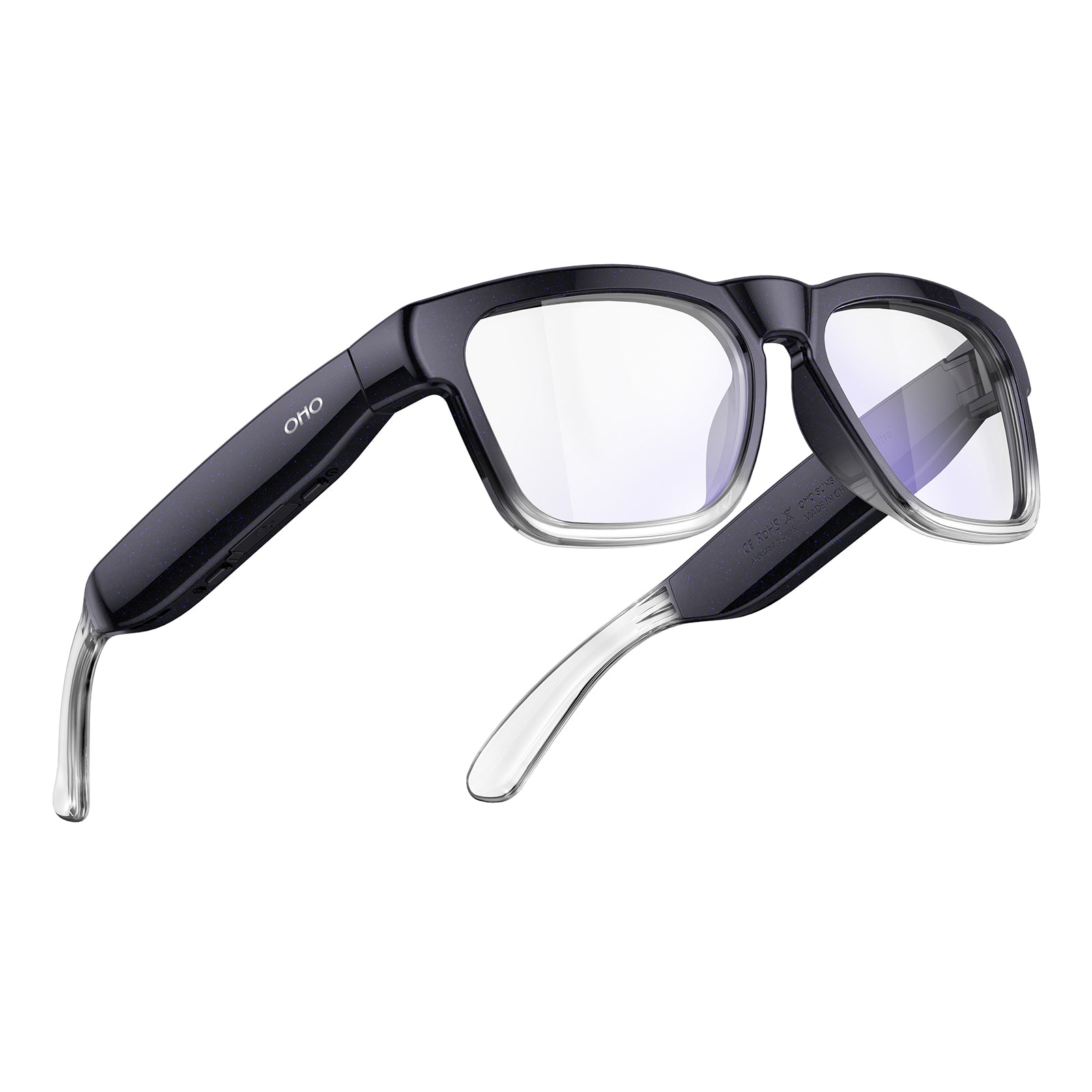






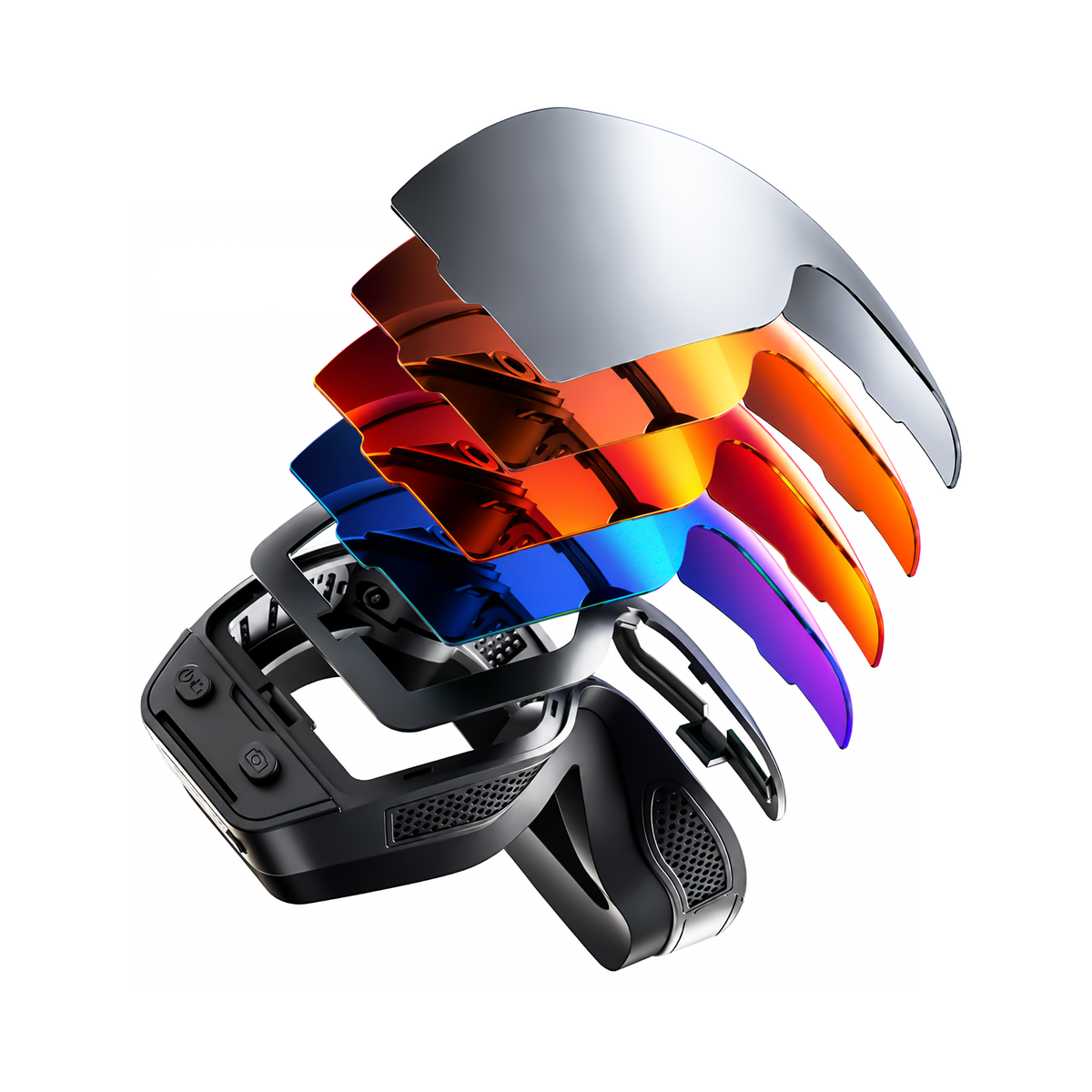
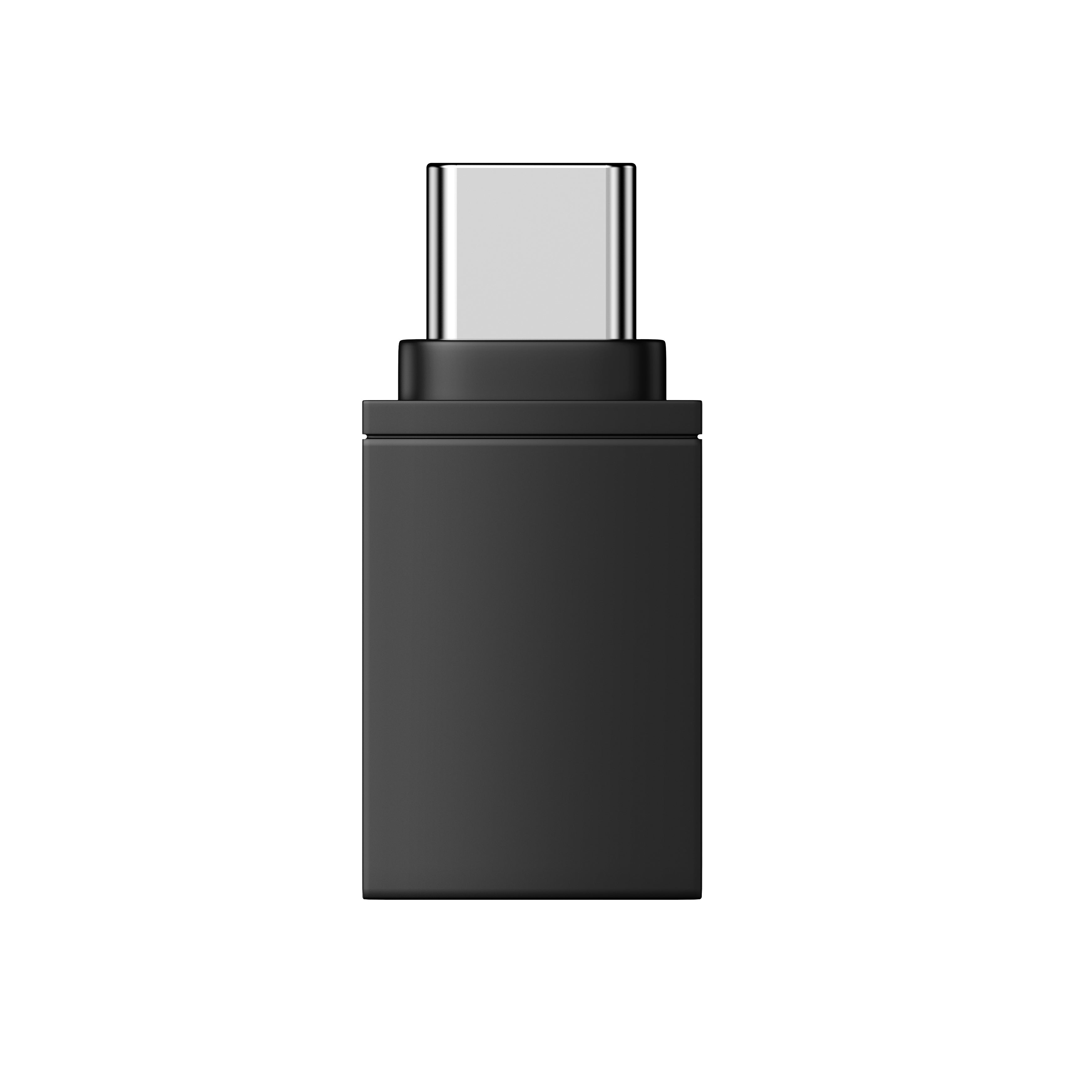

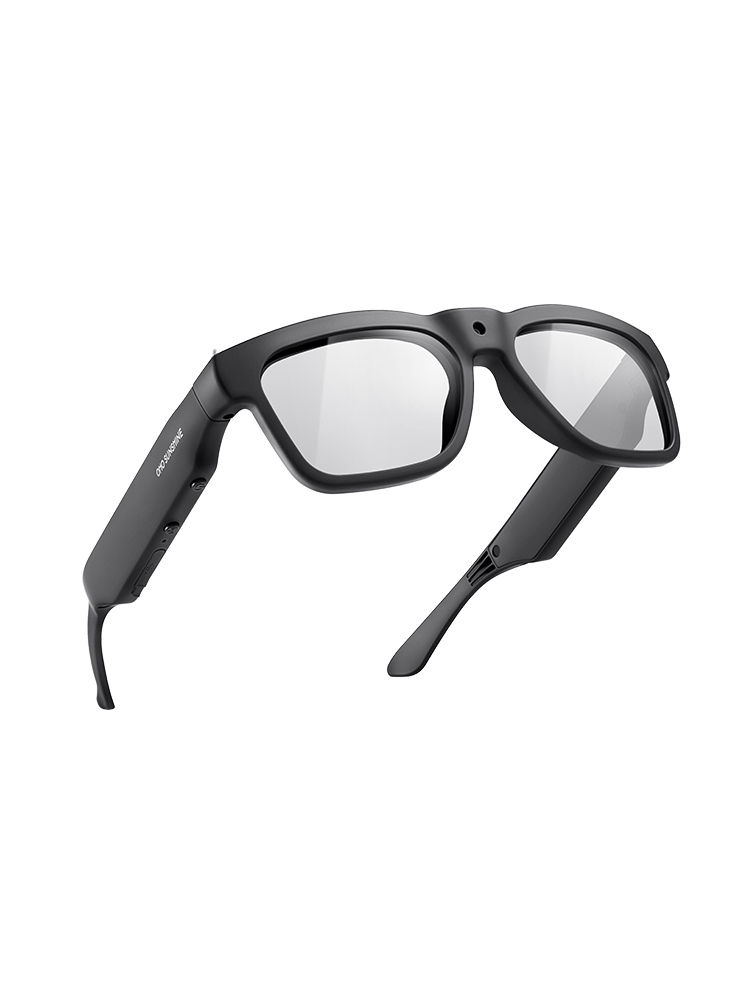


Charging 4K camera ski goggles with a power bank on an active run is a conditional yes. It only works if your exact model confirms it can charge and record at the same time, and if the cold, moisture, and cable-routing conditions are handled correctly. Ski goggles with camera models like Skyshot list USB-C charging and 4K/30 fps recording, and OhO Sunshine's 4K snow goggle camera collection lists simultaneous charging and recording as a feature. Until that capability is confirmed for your exact unit through the manual or written support, treat active-run charging as unverified and recharge during a lodge break instead.
Can You Charge 4K Camera Ski Goggles With a Power Bank on the Mountain?
The answer depends on whether your specific goggles support charging and recording at the same time, not just whether they have a charging port. Here is what is confirmed and what still needs a documented check.
The Short Answer Is Conditional
A power bank only extends your recording session if the goggles accept external power in the exact mode you need. Keeping the camera filming while charging on an active run requires confirmed simultaneous charging and recording, not just a charging port. When that behavior, the cold-temperature limit, or the connector's exposure to snow is unknown, active-run charging is a no-go.
A short lift or lodge break is the safer fallback. Stopping the recording gives you time to inspect the connection and confirm the cable is seated correctly before you plug in, which removes most of the risk that comes with charging while moving.
What the Available Skyshot Records Establish
Skyshot ski goggles with camera list 4K video at 30 fps, USB-C charging, and a 90-minute battery life in their product specifications. That confirms the charging interface and the camera's core specs, but a USB-C port by itself doesn't prove the goggles keep recording while power is flowing in.
OhO Sunshine's 4K snow goggle camera collection separately lists simultaneous charging and recording as a feature, along with an 850mAh battery. That collection-level record is a useful signal, but it describes the category rather than a confirmed, exact-model instruction for the specific goggles you're considering. Before building an active-run charging setup around Skyshot 4K camera ski goggles, treat that collection claim as a lead worth confirming, not a guarantee that arrives ready to use out of the box.
What Skyshot's Documentation Must Confirm Before You Rely on a Power Bank
Before trusting a power bank on the mountain, get specific confirmation from the manual or written support, not just the spec sheet. Two areas matter most: how charging interacts with recording, and how the goggles handle outdoor conditions.
Charging-Mode Confirmation
- Confirm that recording continues while the power bank is connected, not just that the port accepts a charging cable.
- Check whether 4K/30 fps recording changes that behavior compared with a lower resolution or a shorter clip mode.
- Ask what happens if the power bank disconnects mid-run or can't supply enough current, so you know whether the camera drops the clip.
Outdoor and Connector Limits
- Find the documented charging and operating temperature range for the goggles and their internal battery.
- Look for instructions covering snow, condensation, or a wet USB-C connector, including any port cover.
- Get the recommended cable type and power-bank output before you build your pocket setup.
If any of these points remain undocumented for your exact model, keep the setup unverified and default to lodge charging instead of guessing.
How to Route the USB Cable Into a Warm Ski-Jacket Pocket
Getting the cable and power bank into a warm pocket safely takes a few short decisions before you ride. Pair this routine with a glove-friendly controls routine so you can start or stop recording without removing a glove mid-run.

- Start with a dry, powered-off connection, and check both ends of the cable for dirt or moisture before your first plug-in of the day.
- Secure the power bank inside an interior, insulated jacket pocket rather than a loose exterior one, so it stays warmer and can't shift while you ride.
- Route the cable along an existing internal cable path inside the jacket instead of looping it outside your collar or sleeve.
- Leave enough slack near your neck and head for normal turning, but eliminate any loop that could catch on a chairlift, tree branch, strap, or clothing.
- Keep the connector sheltered inside the pocket, and avoid connecting or disconnecting it while snow is actively falling on the port.
Treat the power bank itself with the same care you'd give any lithium battery. Keep it dry, protect it from impact, and disconnect it if it becomes hot, swollen, or damaged, since guidance meant to protect lithium power banks from damage applies to any battery carried on the mountain, not just this one.
Skip this setup entirely if the cable can catch on your gear, tug on the goggles' USB-C port, or restrict how freely you can turn your head. A charging cable that limits your movement isn't worth the extra runtime.
When to Charge on the Mountain—and When to Use the Lodge
The right charging moment depends on how much control you have, not just your battery percentage. Match the charging attempt to how confirmed your setup is and how cold the equipment has been.
Active run. Only rely on external power while skiing or riding if your exact model's documentation confirms simultaneous charging and recording, along with acceptable temperature and connector limits. Without that confirmation, treat active-run charging as unverified and skip it.
Short lift or lodge break. Stopping the recording first gives you a controlled window. You can inspect the connector, confirm it's dry, and start a top-up only if the product instructions allow charging in that state. This is the more defensible middle option when you need extra runtime but haven't confirmed pass-through charging.
Full recharge. Save a complete recharge for a warm, dry lodge or indoor location, especially after your gear has been sitting in the cold. Charging a conventional lithium battery below freezing can cause lithium plating and lasting damage unless the manufacturer built in a dedicated cold-charging system, and general guidance notes that charging below freezing damages lithium batteries over repeated cycles. Warm the goggles and power bank indoors first if you don't have a documented cold-charging limit for your exact model.

Stop using the power bank right away, in any of these scenarios, if it feels unusually hot, looks swollen, is smoking, or shows visible damage. Disconnect it and don't reconnect it until you've inspected it fully.
FAQs
Does a USB-C port prove that camera ski goggles can record while charging?
No. A USB-C port only confirms that the goggles accept a charging cable. It doesn't tell you whether the camera keeps recording once power starts flowing in, or whether that behavior changes at a higher resolution like 4K/30 fps. Get that confirmation from the manual or written manufacturer support before planning an active-run charging setup.
Can I charge Skyshot during a lodge break if I stop recording?
That's a more controlled option than charging while riding. Stop recording, move to a drier spot if you can, and check the port and cable for snow or moisture before connecting. Only proceed if your goggles' documentation allows charging in that state; if it doesn't say either way, wait for a full indoor recharge instead.
What should I do if snow or moisture reaches the USB-C connector?
Disconnect the cable and stop using that port until it and the plug are completely dry. Follow whatever moisture procedure your model's manual specifies. Without a documented water-resistance rating for the connector, don't assume it's safe to charge again until you've confirmed it's dry and undamaged.


Laisser un commentaire
Ce site est protégé par hCaptcha, et la Politique de confidentialité et les Conditions de service de hCaptcha s’appliquent.