





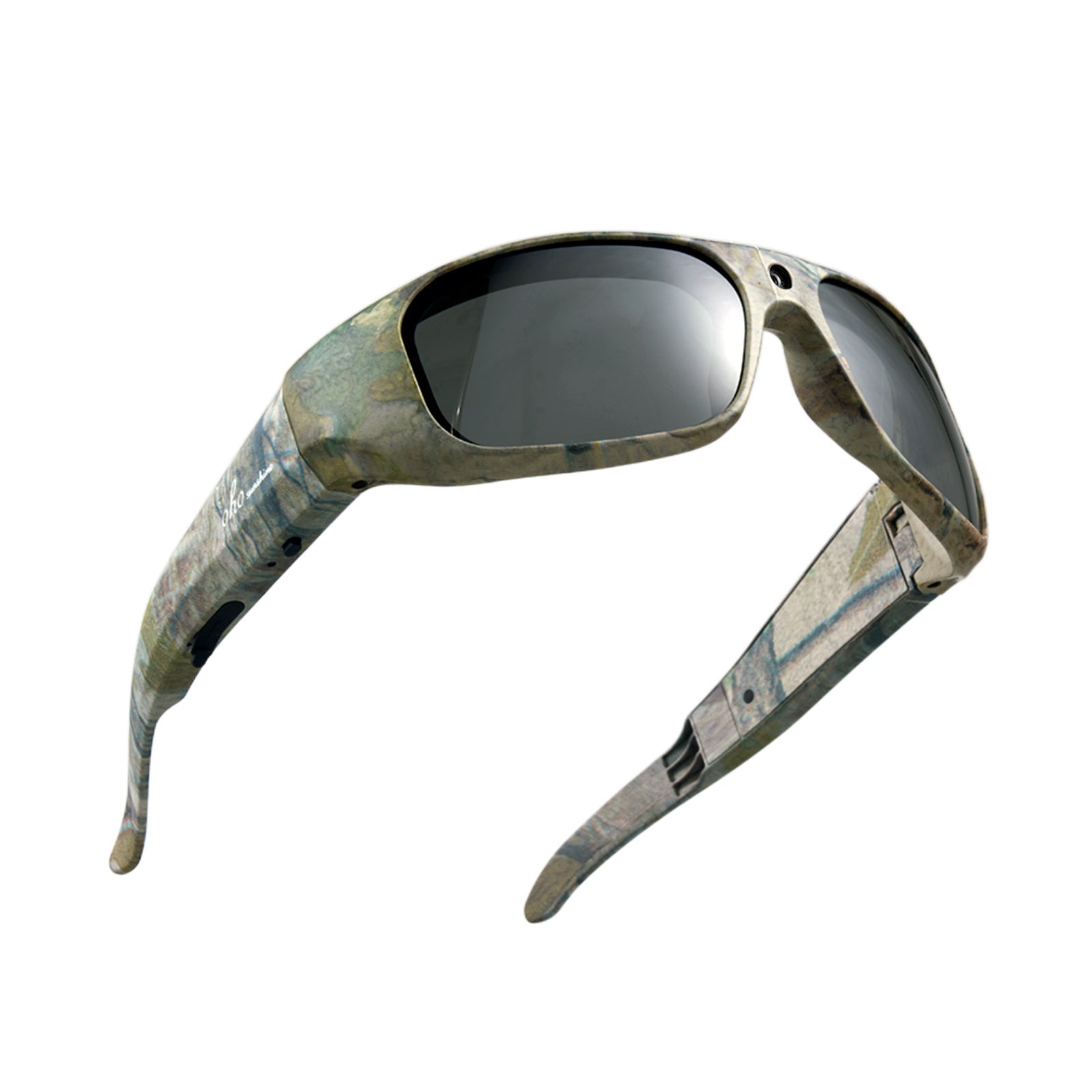


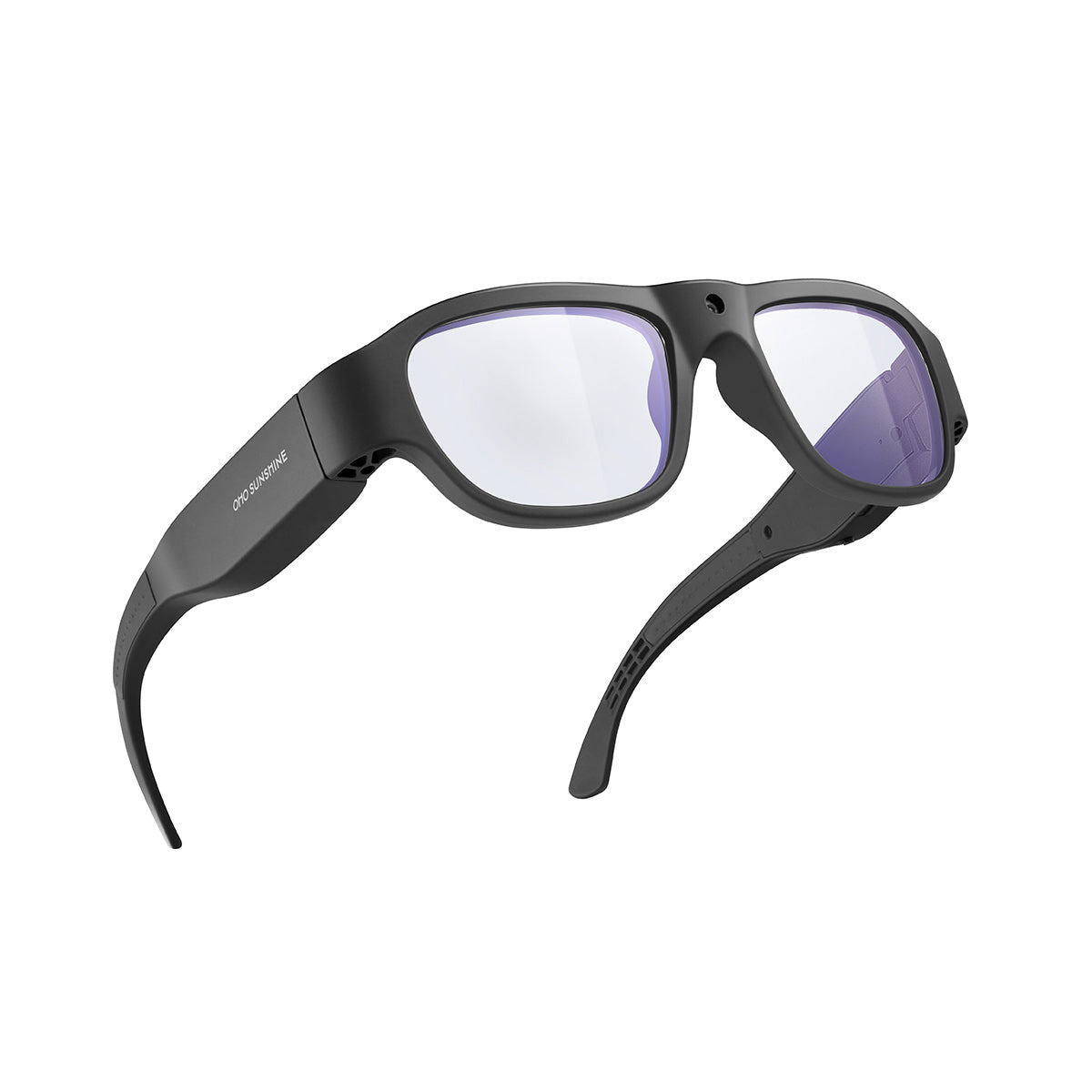
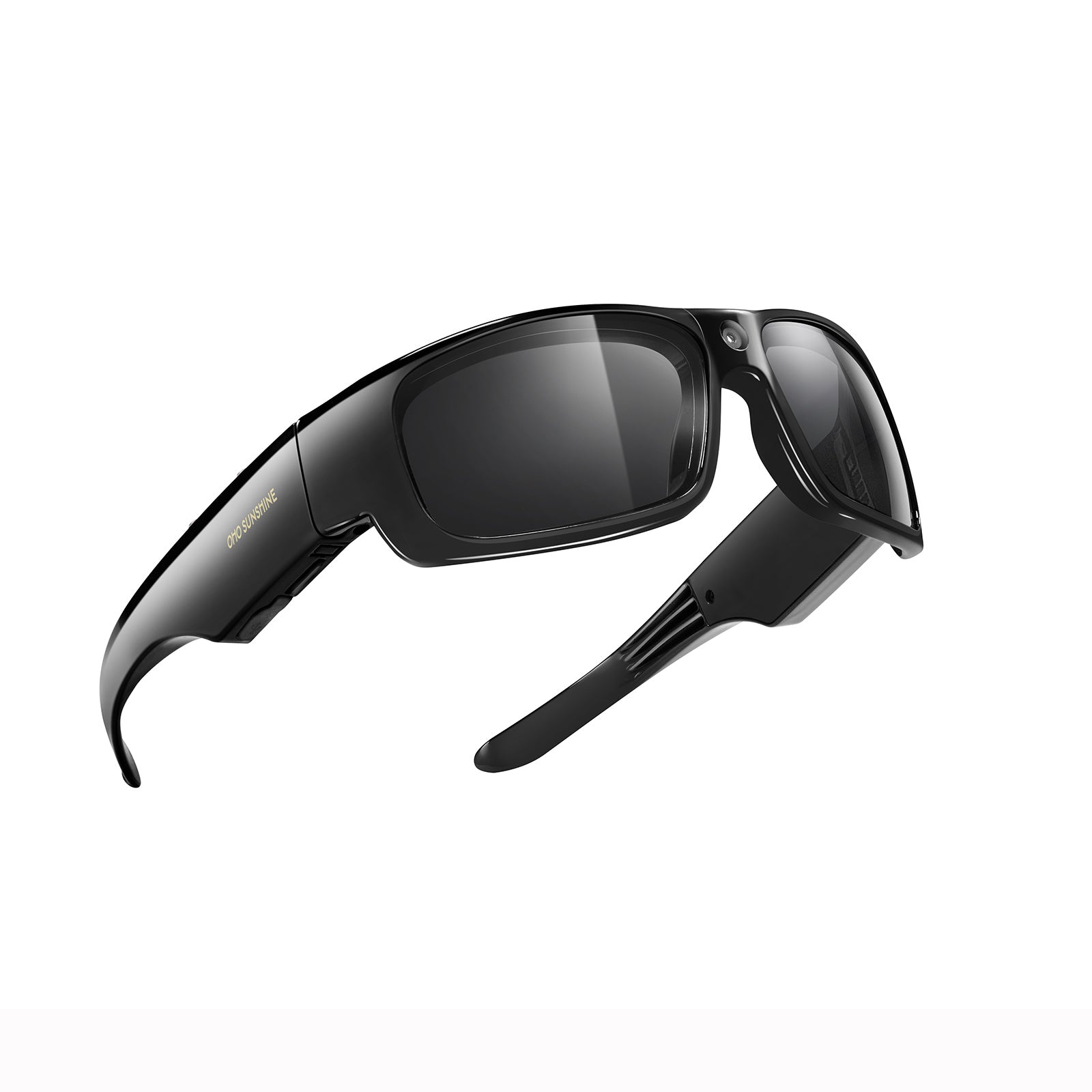


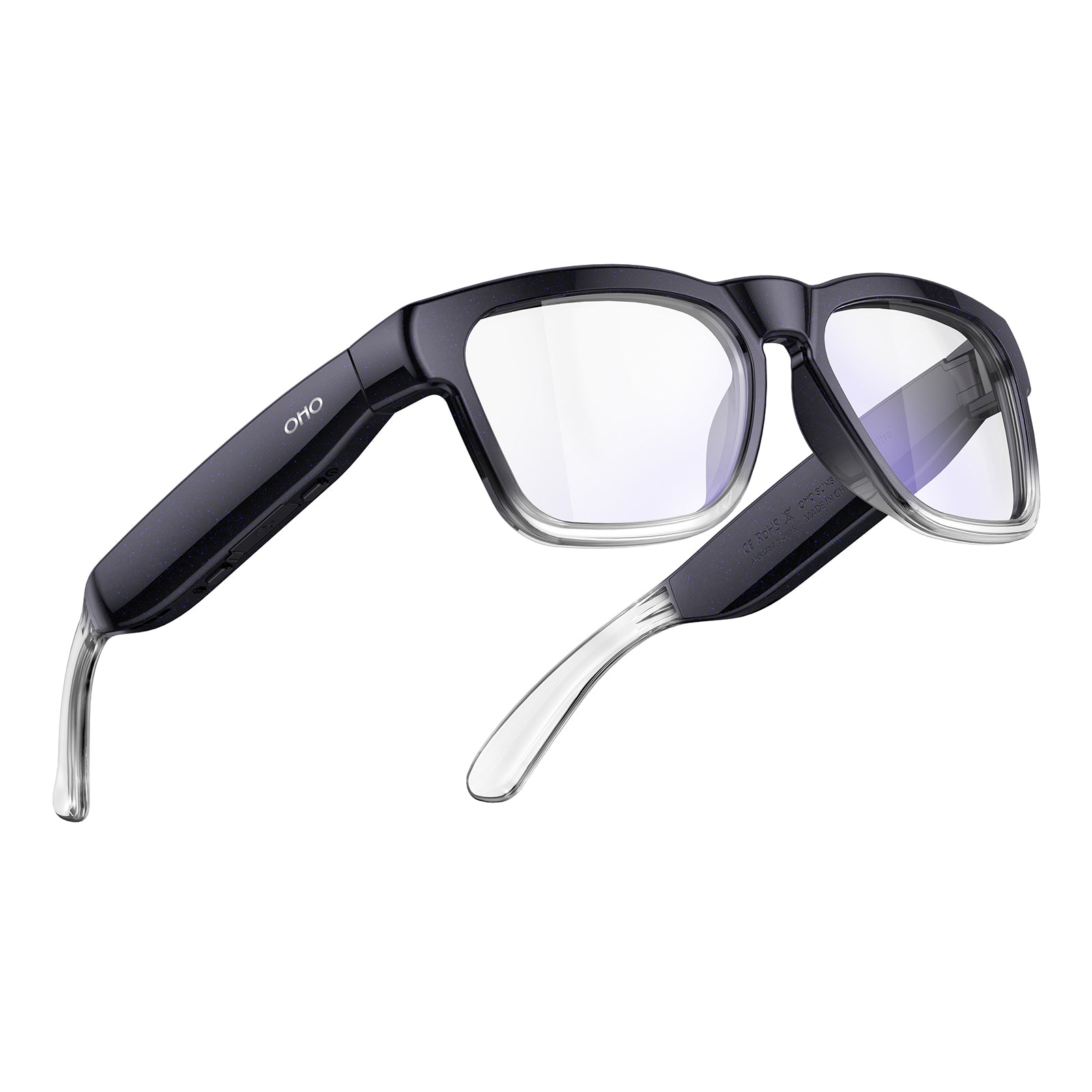


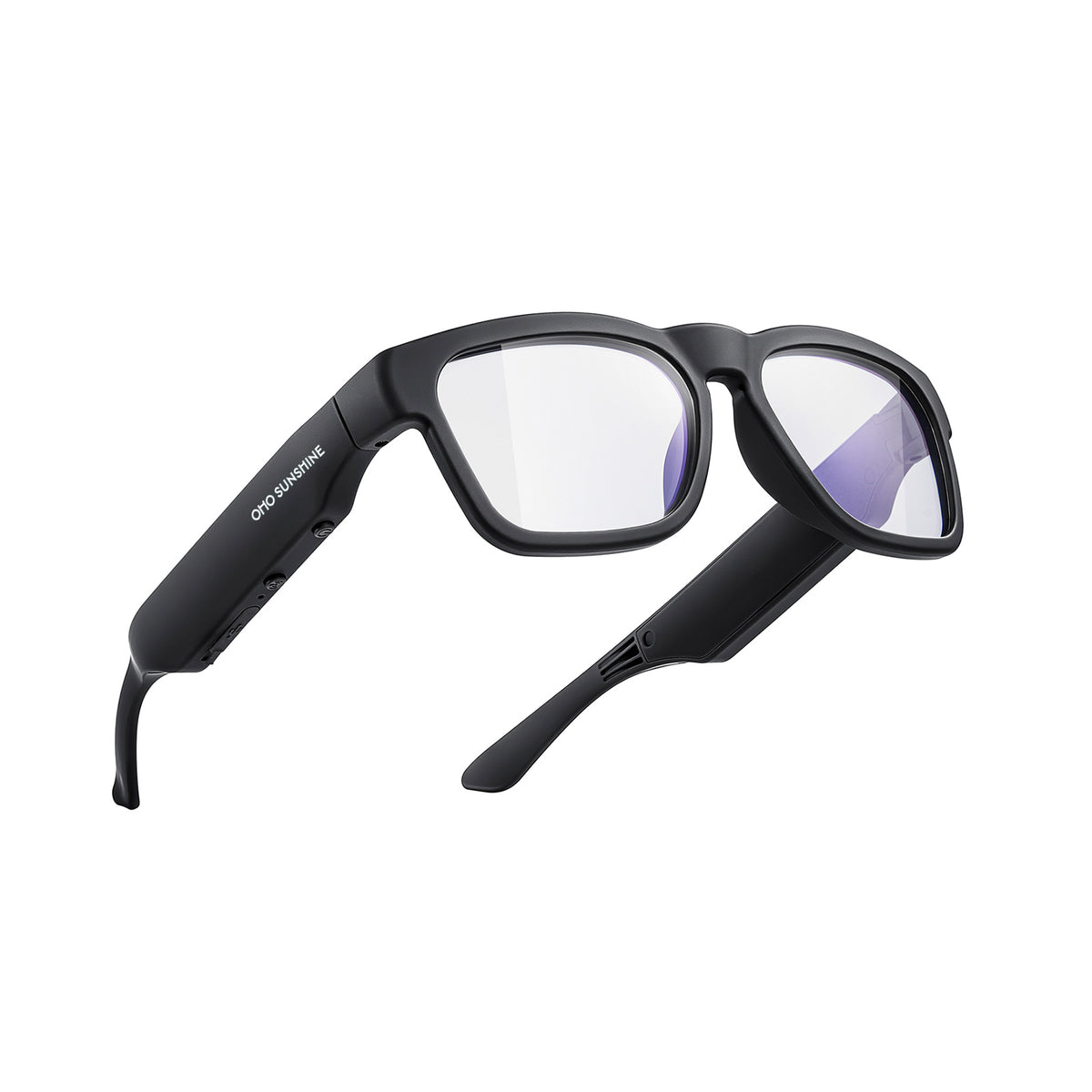


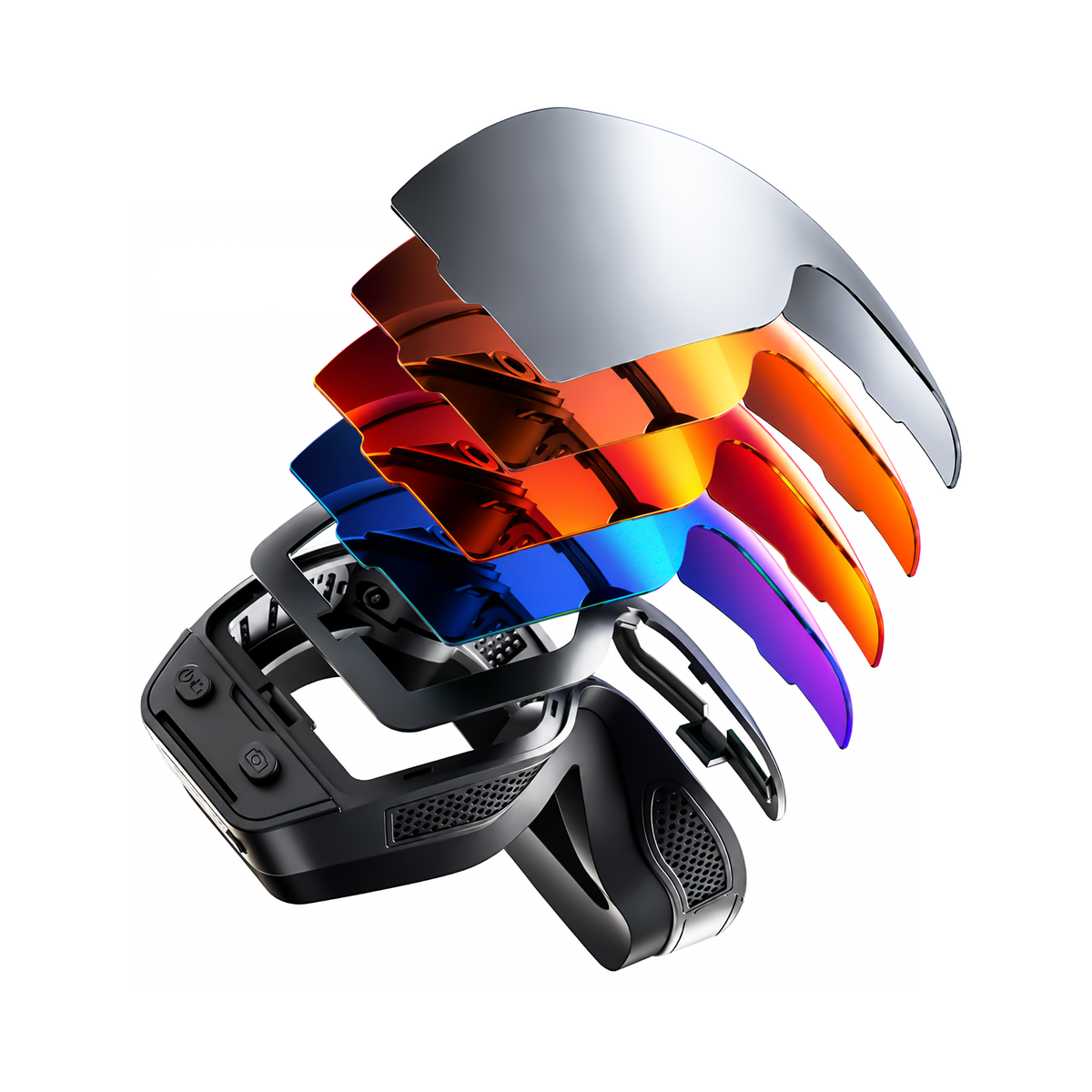



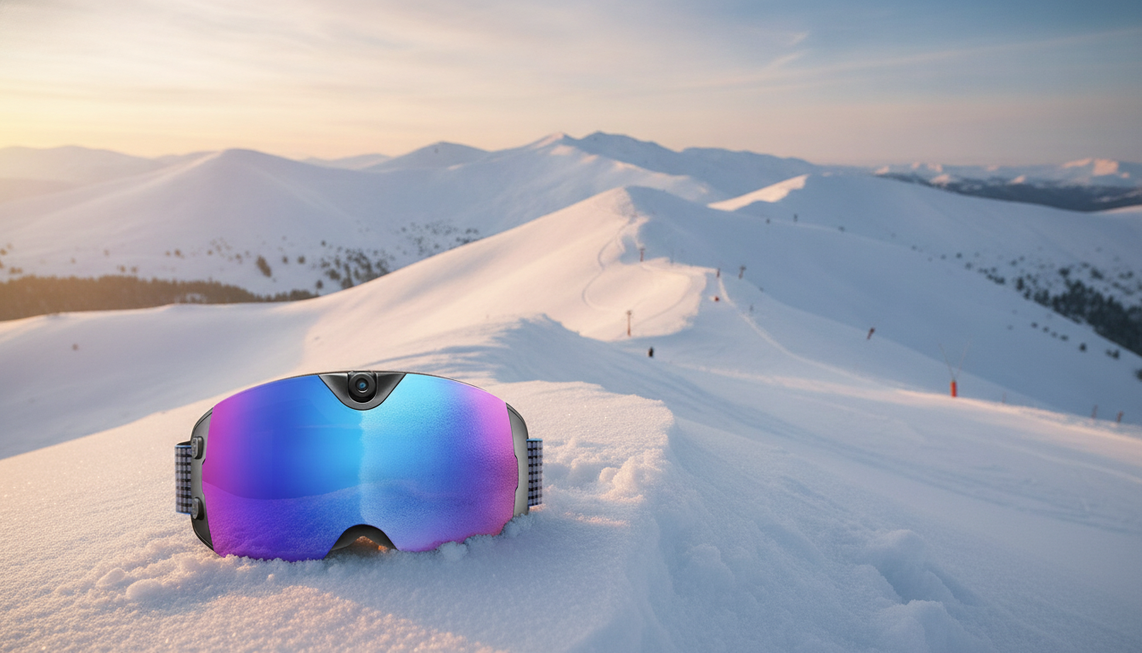
Les lunettes de ski avec caméra conviennent aux skieurs qui souhaitent une vue intégrée centrée sur les lunettes, sans avoir à décider séparément du montage sur le casque. Une caméra montée sur le casque convient aux skieurs qui privilégient un placement indépendant, une réutilisation au-delà du ski ou un cadrage plus flexible. Aucune configuration n’est universellement meilleure ; vérifiez donc les commandes, l’ajustement au casque, les recommandations pour l’hiver et le flux de travail de montage sur la configuration réelle.
Lunettes de ski avec caméra ou caméra de casque : quelle configuration correspond à votre objectif de tournage ?
Choisissez des lunettes de ski avec caméra si votre priorité est un point de vue avant constant intégré aux lunettes que vous portez déjà. Choisissez une caméra montée sur le casque si vous souhaitez un placement indépendant, une réutilisation au-delà du ski ou un cadrage plus flexible. La configuration la plus adaptée dépend de votre souhait de simplifier la prise de vue ou de conserver davantage d’options après la sortie.
La distinction entre équipement intégré et séparé est utile pour comparer ces configurations : l’équipement intégré réduit le besoin de supports externes, tandis qu’une caméra dédiée peut offrir davantage de fonctionnalités et de possibilités de réutilisation. Les anciens exemples de produits présentés dans cette comparaison entre lunettes intégrant une caméra et caméra montée sur un casque ne constituent pas des références de performances actuelles ; ne les utilisez donc pas pour prédire les résultats d’un modèle aujourd’hui.

Une caméra montée sur le casque peut être testée à différentes hauteurs ou angles et déplacée indépendamment des lunettes. Cette flexibilité implique davantage de matériel à fixer et plus de paramètres à vérifier, notamment le support, le dégagement du casque, les commandes d’enregistrement et la stratégie d’alimentation par temps froid. Si votre objectif principal est de capturer votre ligne de visée naturelle avec un minimum de changements de configuration, une option intégrée correspond mieux à vos besoins. Si vous prévoyez de repositionner, réutiliser ou recadrer les séquences, un système séparé peut être plus adapté, à condition que sa caméra et son logiciel prennent ces tâches en charge.
Le choix pratique se résume à l’arbitrage entre les contraintes de la prise de vue et la flexibilité après la sortie. Déterminez si vous préférez simplifier l’équipement autour de votre tête avant et pendant la sortie, ou conserver davantage d’options pour ajuster les séquences ensuite. Commencez par là plutôt que de comparer uniquement la résolution.
| Facteur de décision | Installation centrée sur les lunettes | Caméra fixée au casque |
|---|---|---|
| Point de vue | Liée à la position des lunettes pour une perspective constante dans l’axe du regard | Peut être positionnée indépendamment, selon la caméra et le support |
| Installation | Équipement centré sur les lunettes, avec moins de décisions distinctes concernant le montage | Vérifications distinctes de la caméra, du support et du dégagement du casque |
| Déroulement pendant la sortie | Vérifiez les commandes accessibles et l’état de l’enregistrement sur le modèle réel | Vérifiez l’accès aux boutons, la confirmation de l’état et toute dépendance à une application ou à un téléphone |
| Après la sortie | Convient à une prise de vue régulière lorsqu’un mouvement indépendant n’est pas nécessaire | Peut offrir davantage de flexibilité pour le placement ou le recadrage lorsque les fichiers et les logiciels le permettent |
Comment la position de la caméra modifie-t-elle votre point de vue et son interaction avec le casque ?
La position de la caméra détermine quelles parties de la descente dominent la séquence. Une caméra centrée sur les lunettes suit la position des lunettes du porteur, tandis qu’une caméra distincte fixée au casque peut modifier la relation entre les mouvements de la tête, le terrain, les skis, les bâtons et l’action environnante. Utilisez une courte séquence de test avec le sujet prévu avant de vous engager dans une session complète.
Ce que montre une caméra centrée sur les lunettes
Une caméra centrée sur les lunettes maintient le point de vue enregistré lié aux lunettes. Elle convient aux pratiquants qui souhaitent une vue avant constante, alignée sur leur ligne de regard habituelle, plutôt qu’une caméra fixée ailleurs sur le casque.
La relation fixe ne garantit pas la composition souhaitée. Vérifiez si la position et le champ de vision spécifiques de la caméra incluent suffisamment de terrain, de skis, de bâtons ou d’action à proximité sans montrer trop de casque ou de ciel. Un court test de positionnement de la caméra est plus utile que d’affirmer qu’un angle convient à tous les skieurs.
Ce qu’une caméra fixée au casque permet de recadrer
Une caméra fixée au casque peut être testée à différentes hauteurs, orientations ou positions de fixation avant une sortie complète. Cela peut être utile si vous souhaitez voir davantage le terrain, obtenir un autre point de vue sur vos skis ou filmer les mouvements autour de vous plutôt que seulement la ligne de visée centrée sur les lunettes.
Ne supposez pas que toutes les caméras fixées au casque permettent de recadrer après la sortie. Enregistrez une courte séquence, examinez l’équilibre entre le terrain, les mouvements, le casque et le ciel, puis ajustez la position physique ou le mode de capture si l’équipement le permet. La fixation et la conception spécifiques de la caméra déterminent l’ampleur des changements possibles.
Que devez-vous vérifier concernant les commandes, l’ajustement, le confort et les conditions météorologiques ?
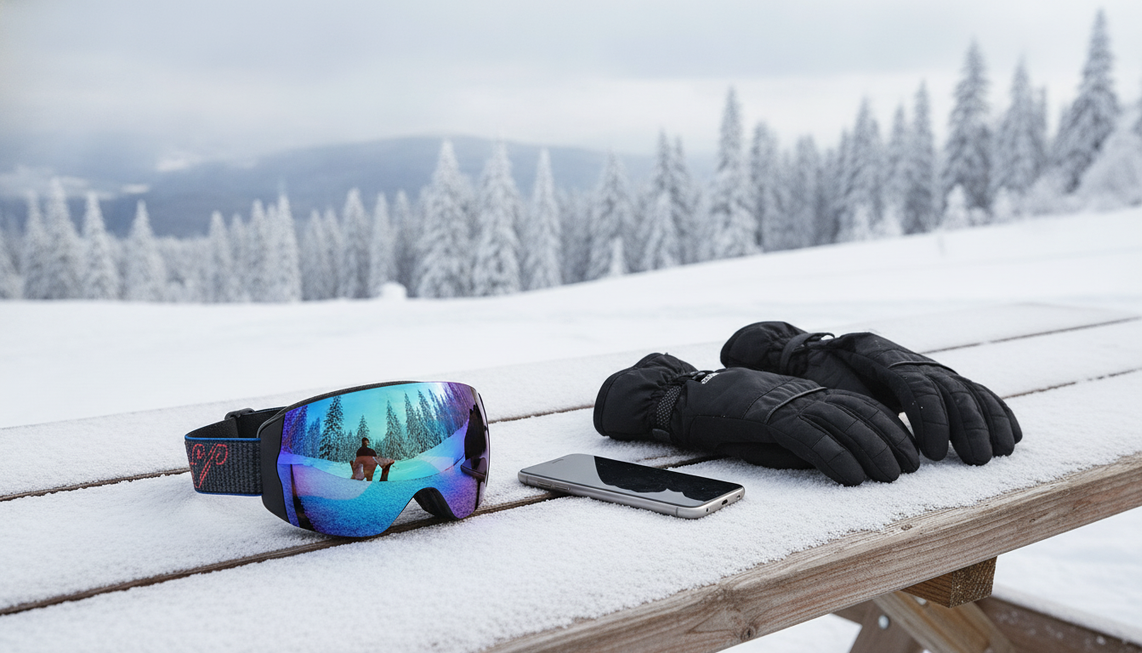
Considérez ceci comme une liste de contrôle avant l’achat et avant la sortie, et non comme une liste de caractéristiques garanties pour toute la catégorie. L’accès aux commandes, l’espace disponible avec le casque, la gestion de la buée, les consignes liées à l’humidité, la recharge et le comportement de la batterie varient selon les modèles. Testez l’ensemble avec le casque, les lunettes, les gants et les vêtements que vous prévoyez d’utiliser.
| Critère | Lunettes de ski avec caméra | Caméra fixée au casque |
|---|---|---|
| Accès aux commandes d’enregistrement | Vérifiez que les boutons, les voyants et l’état de l’enregistrement restent accessibles et compréhensibles lorsque vous portez les lunettes et les gants | Vérifiez l’accès aux boutons et aux indicateurs d’état sans supposer qu’un téléphone ou une application sera pratique dans le froid |
| Interaction entre le casque et les lunettes | Vérifiez le passage de la sangle, l’espace autour du boîtier, l’étanchéité et la position de la caméra sous le casque | Vérifiez l’espace autour de la fixation, les éléments saillants, le contact avec la sangle et la nécessité éventuelle d’ajuster l’ajustement complet du casque |
| Confort et équilibre | Portez les lunettes avec le casque assez longtemps pour repérer toute pression, tout contact ou toute distraction | Testez la caméra et la fixation ensemble, car l’encombrement supplémentaire ou un équilibre modifié peut nuire au confort |
| Flux de travail contre l’humidité et la buée | Suivez les recommandations du produit concernant les lentilles, l’humidité et la buée ; ne déduisez pas la résistance aux intempéries de la seule catégorie du produit | Suivez les instructions de la caméra et de la fixation concernant la neige, l’humidité, le stockage et l’entretien des lentilles |
| Recharge et manipulation de la batterie | Vérifiez la méthode de recharge et prévoyez le stockage entre les descentes ; ne supposez pas qu’une autonomie annoncée s’applique par temps froid | Prévoyez l’alimentation en fonction des conditions réelles et gardez les batteries de rechange ou stockées au chaud lorsque la caméra n’enregistre pas |
| Sécurité de la configuration | Vérifiez que le boîtier de la caméra et les composants des lunettes restent correctement en place avant de skier | Vérifiez que la fixation est conçue pour le casque et qu’elle reste sécurisée pendant l’activité prévue |
La confirmation de l’état de l’enregistrement mérite un test spécifique. Une comparaison pratique entre des lunettes intégrées et une caméra d’action séparée montre pourquoi l’accès au bouton, la visibilité de l’état et l’alignement du cadrage doivent être évalués sur la configuration réelle plutôt que supposés d’après sa catégorie. Effectuez ce contrôle avec vos gants.

Le volume du casque et l’autonomie par temps froid méritent également une attention particulière. Une évaluation spécifique au ski a constaté qu’une caméra fixée au casque modifiait les sensations et l’ajustement du casque, tandis que le froid réduisait son autonomie. Cela justifie de tester l’ensemble et de prévoir un rangement au chaud ; il ne s’agit pas d’une règle universelle concernant le poids ou l’autonomie. Pour l’entretien des lentilles et les habitudes de stockage, notre guide sur l’entretien des lunettes par temps froid propose des informations complémentaires, mais les instructions du produit choisi déterminent ses limites d’utilisation.
Quelle configuration vous offre le plus de flexibilité pour le montage et la réutilisation après une descente ?
Un système de caméra séparé pour casque convient davantage si vous comptez réellement repositionner la caméra, la réutiliser au-delà du ski ou utiliser un mode de capture plus large permettant de modifier le cadrage par la suite. Certains systèmes séparés permettent aux skieurs de choisir le point de vue après l’enregistrement, mais cet avantage dépend des fichiers de la caméra, de l’application, du mode de capture et du processus d’exportation. Une évaluation d’une caméra à 360 degrés montre ce flux de travail pour ce type de système ; cela ne signifie pas que toutes les caméras de casque prennent en charge les mêmes outils de montage.
Les lunettes intégrées conviennent mieux lorsque la régularité du cadrage au niveau des yeux compte davantage que la possibilité de modifier la position de la caméra par la suite. Si vous ne prévoyez pas de recadrer, de changer le cadrage ou de réutiliser la caméra en dehors des pistes, le travail supplémentaire lié à l’application et à la gestion des fichiers d’un système séparé peut demander des efforts sans résoudre votre problème principal.
Avant d’acheter, identifiez la tâche de montage que vous effectuerez réellement. Si vous vous contentez de couper des séquences et de les partager, vérifiez le format des fichiers de la caméra et le processus de transfert. Si vous prévoyez de sélectionner un nouvel angle après la descente, vérifiez que le mode de capture choisi et le logiciel prennent en charge ce processus. L’emplacement de la fixation ne prouve pas à lui seul la flexibilité du montage.
Que devez-vous vérifier avant d’acheter ou de fixer l’une ou l’autre option ?
Pour l’option avec lunettes, vérifiez la position de la caméra et la couverture de l’objectif avec votre casque, puis consultez les recommandations concernant les commandes, la recharge, l’humidité et la buée. Pour une caméra fixée au casque, vérifiez l’espace disponible pour la fixation, sa sécurité, les commandes et la routine d’alimentation hivernale avant de skier.
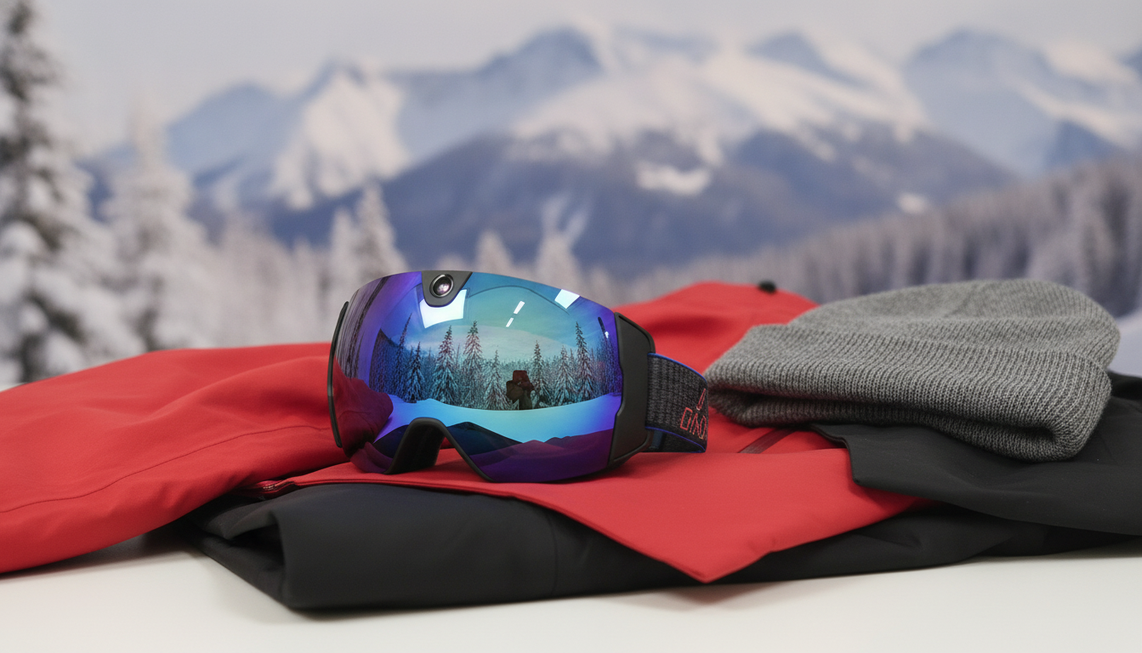
Pour les acheteurs qui comparent les masques de ski dotés de fonctions caméra, les lunettes de ski avec caméra Skyshot constituent une option à envisager lorsque les spécifications indiquées correspondent au processus prévu. La fiche produit Skyshot décrit l’enregistrement vidéo en 4K, des photos de 24 Mpx, une caméra grand angle de 140 degrés, un écran antibuée, le Wi-Fi et la recharge USB-C. Ces informations ne permettent pas d’établir les performances de la batterie par temps froid, la température de fonctionnement, la stabilisation, l’utilisation des commandes avec des gants, la compatibilité avec les casques ou l’étanchéité complète aux intempéries. Consultez le manuel d’utilisation Skyshot pour vérifier les instructions actuelles avant de vous fier à ces informations.
Comparez les instructions avec votre combinaison complète casque-lunettes, réalisez un court test et vérifiez le cadrage ainsi que la confirmation des commandes. Poursuivez uniquement si l’ajustement et le processus correspondent à votre vue subjective et à votre routine hivernale.
Questions fréquemment posées
Les lunettes avec caméra sont-elles meilleures qu’une caméra fixée au casque ?
Aucune des deux options n’est meilleure pour tous les skieurs. Les lunettes avec caméra offrent une vue intégrée à hauteur des yeux et nécessitent moins de décisions concernant les fixations externes, tandis qu’une caméra fixée au casque permet un positionnement indépendant, une réutilisation ou un recadrage lorsque son système prend ces fonctions en charge.
Quel est le meilleur angle de caméra pour skier ?
Il n’existe pas d’angle idéal universel. Choisissez le sujet que vous souhaitez montrer, comme le terrain, les skis, les bâtons ou l’action environnante, puis sélectionnez une position de caméra qui le maintient dans le cadre sans montrer trop de casque ou de ciel.
Comment enregistrer des séquences de snowboard en vue subjective ?
Commencez par choisir le sujet et la position de la caméra. Fixez ensuite l’ensemble, vérifiez les commandes d’enregistrement et la routine hivernale, puis filmez la session avec le cadrage correspondant à votre vue souhaitée.
Les lunettes de ski avec caméra fonctionnent-elles avec un casque ?
C’est possible, mais la compatibilité dépend du modèle. Comparez le boîtier du masque, le passage de la sangle et l’espace disponible avec le casque avant de skier, plutôt que de supposer que des lunettes de ski avec caméra s’adapteront à tous les casques.


Laisser un commentaire
Ce site est protégé par hCaptcha, et la Politique de confidentialité et les Conditions de service de hCaptcha s’appliquent.