





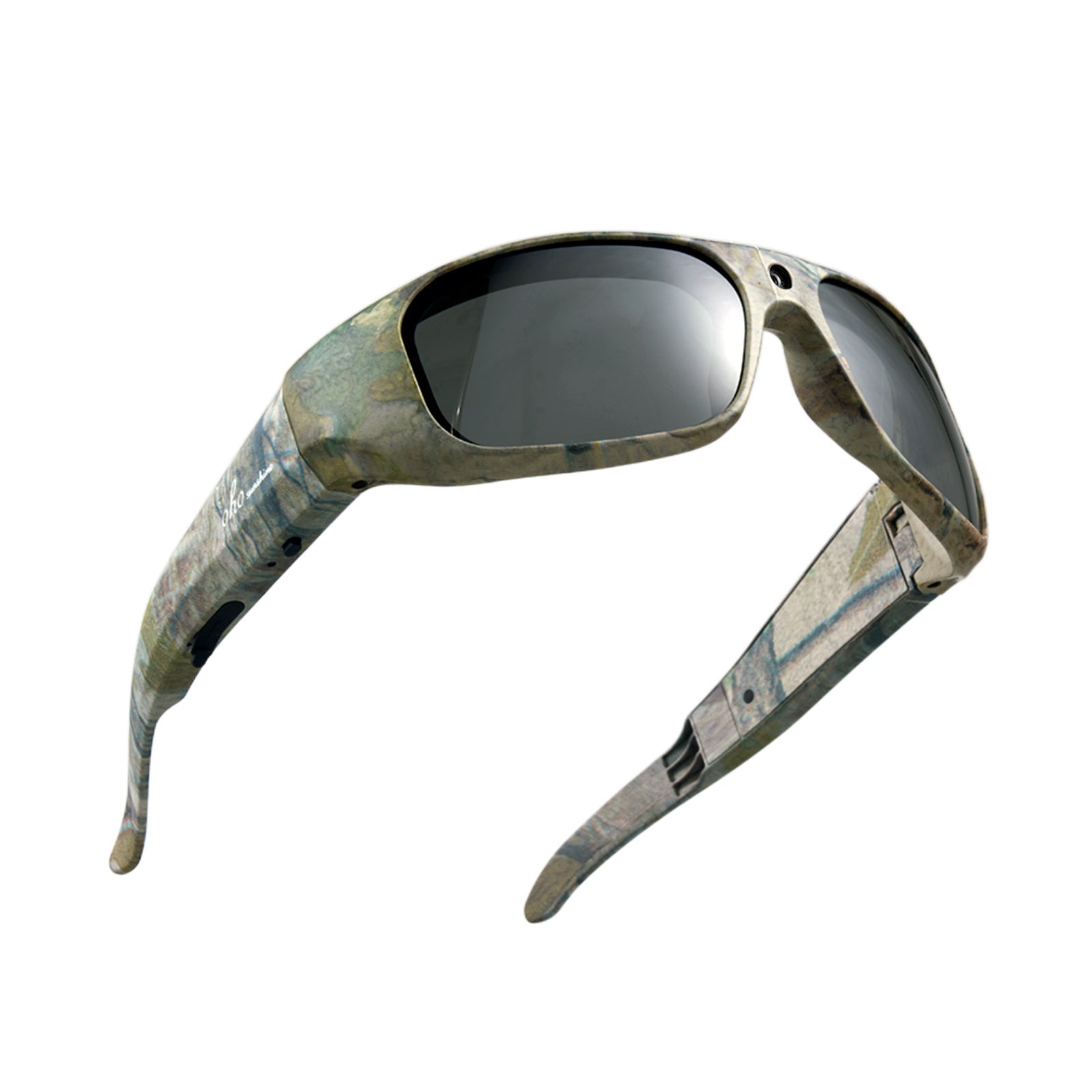


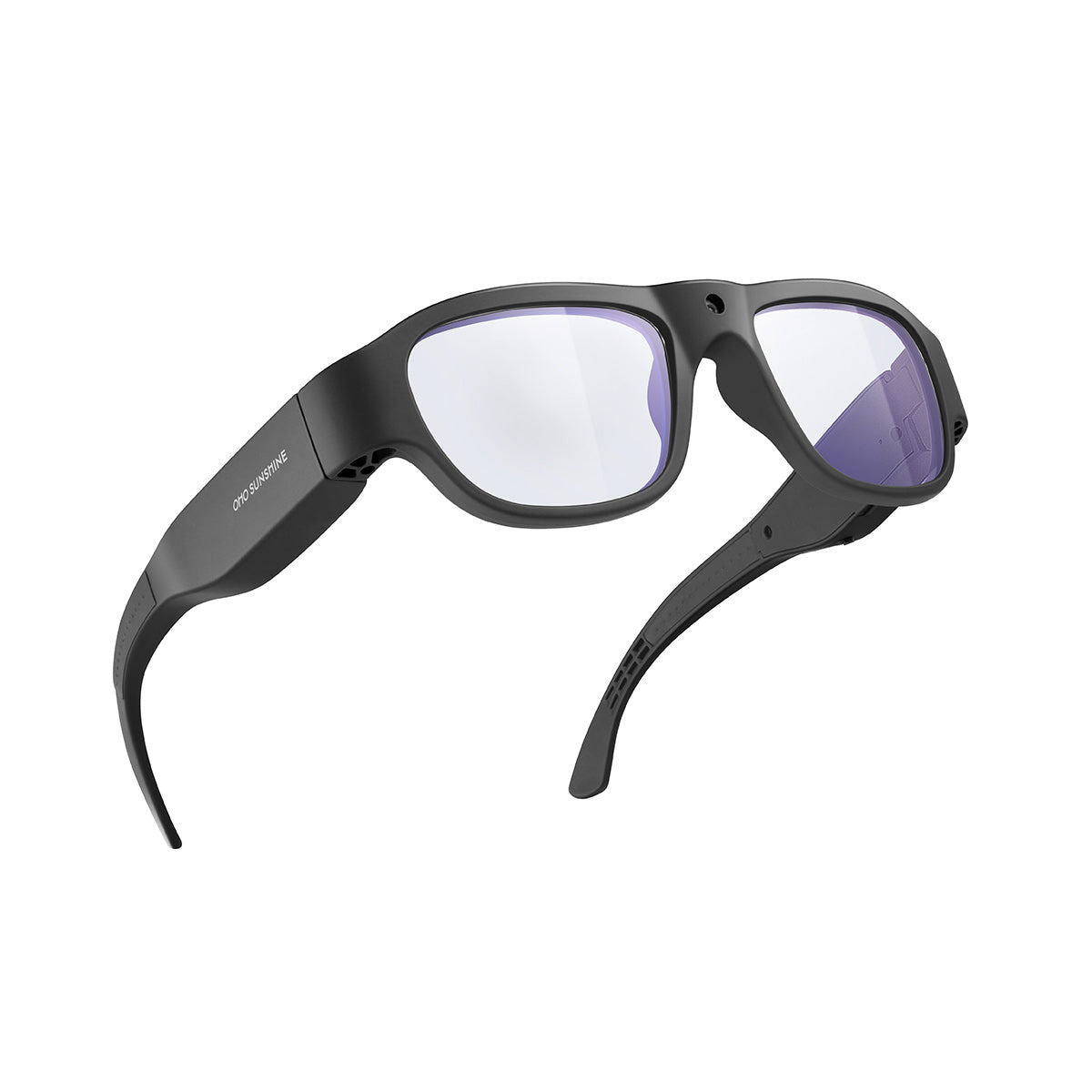
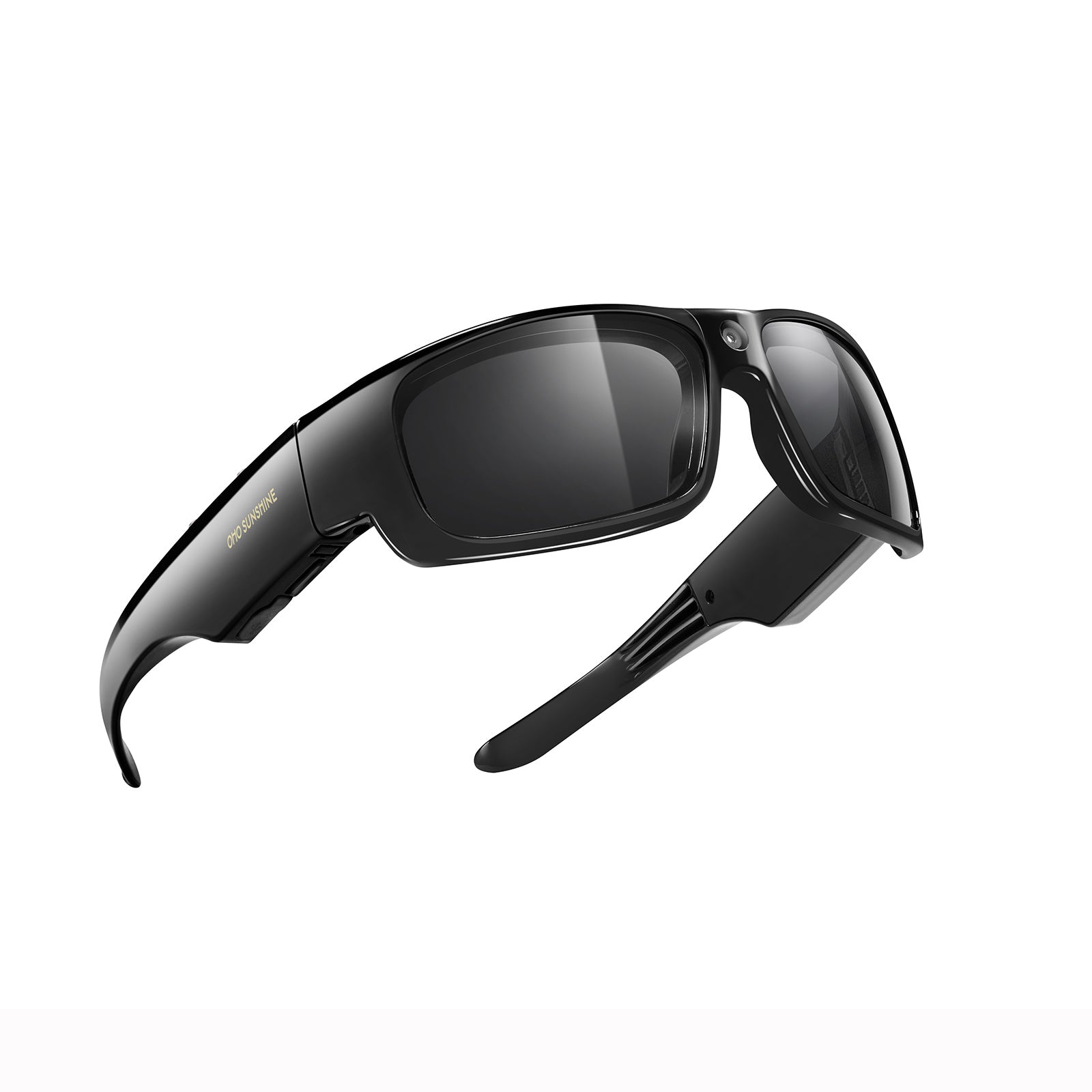


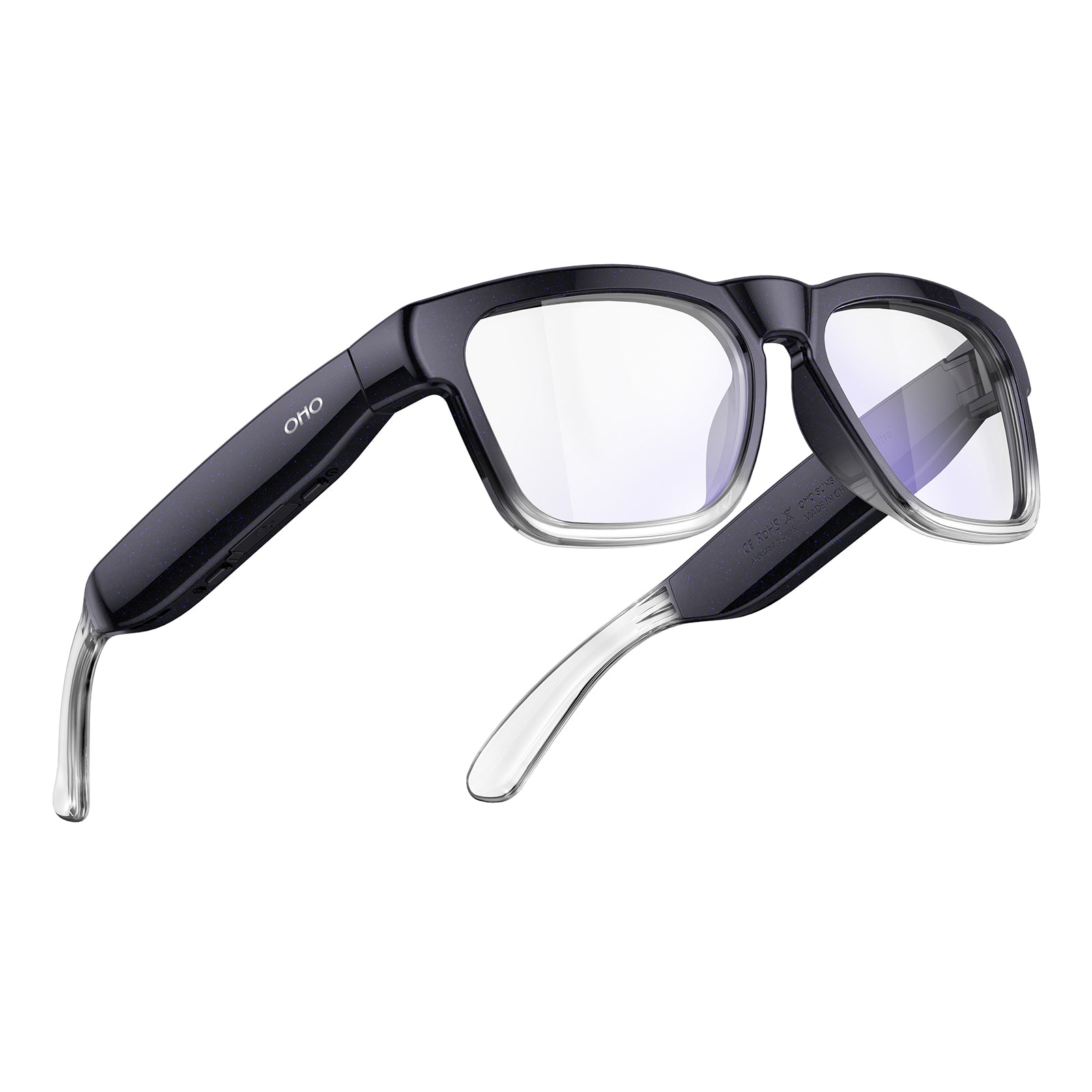


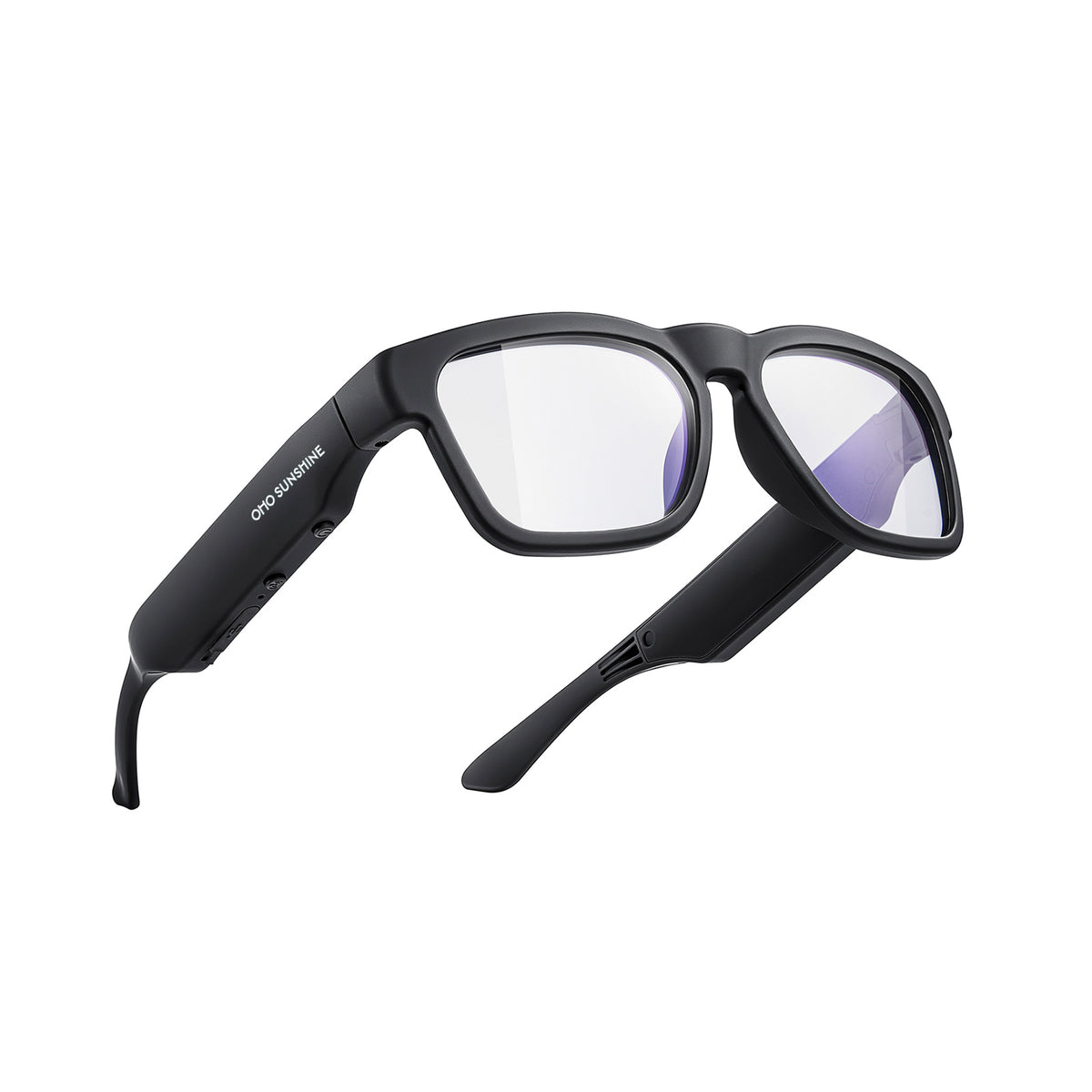


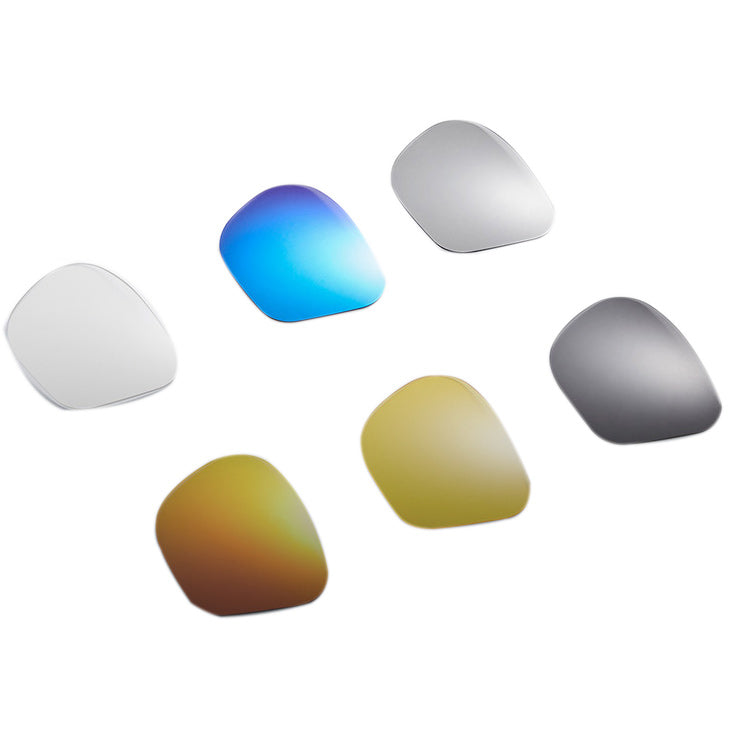
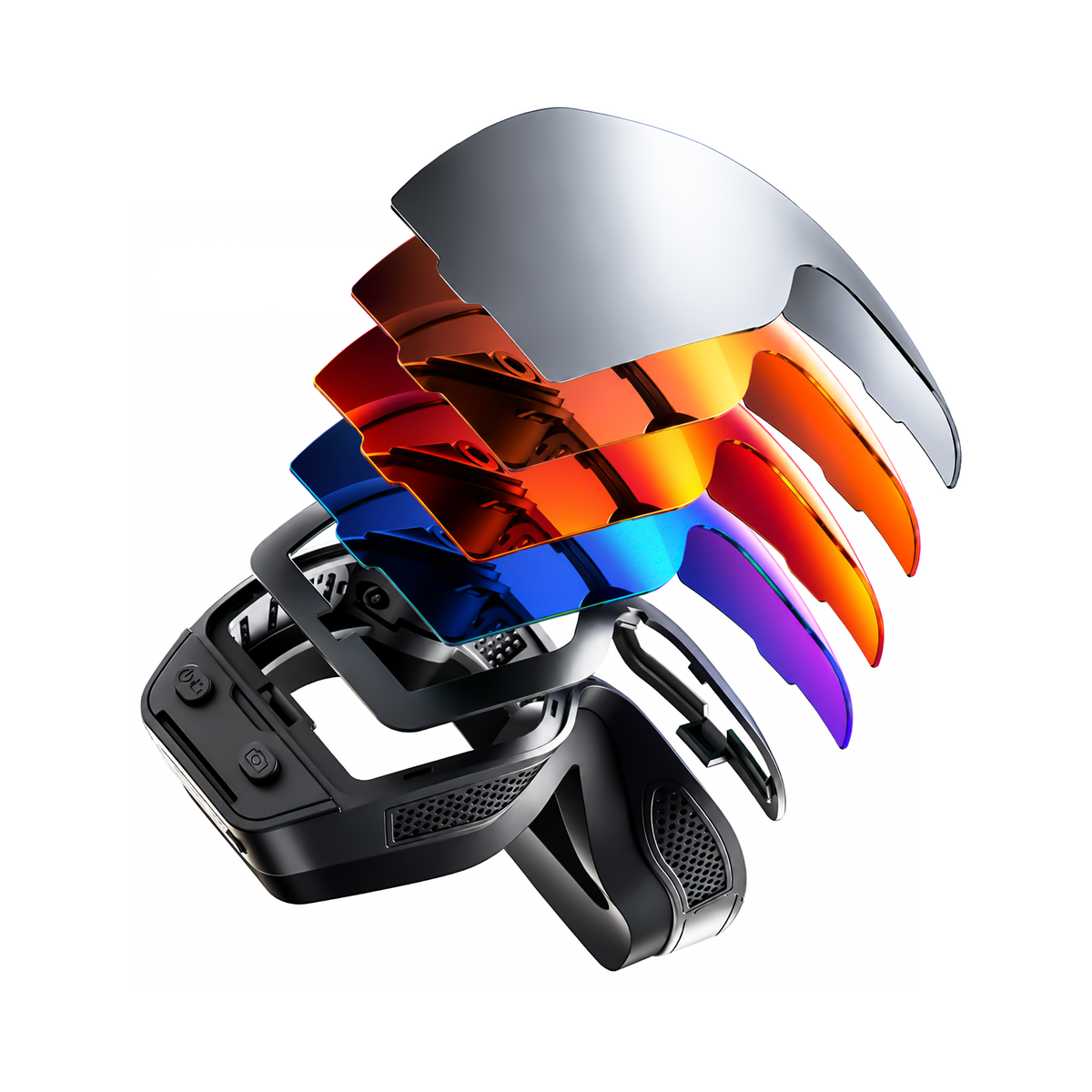



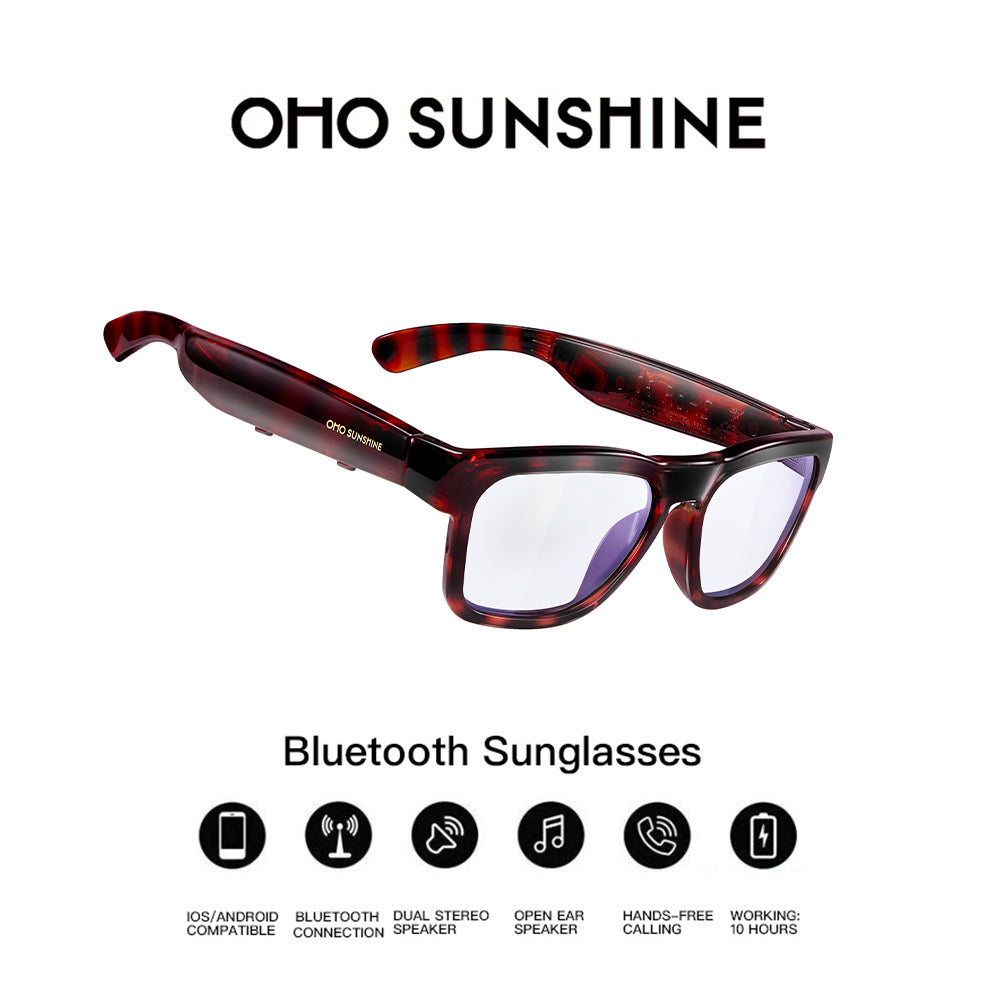
Les lunettes anti-lumière bleue sont équipées de verres conçus pour filtrer une partie de la composante bleue du spectre de la lumière visible. C’est pourquoi elles sont vendues aux personnes qui passent beaucoup de temps sur leur téléphone, leur ordinateur portable ou leur tablette, ou sous une lumière intérieure intense. Le filtre est toutefois une caractéristique de conception, et non la preuve d’un soulagement des symptômes.

À quoi sont conçues les lunettes anti-lumière bleue
Les lunettes anti-lumière bleue sont conçues pour réduire l’exposition à une partie de la composante bleue du spectre de la lumière visible. En pratique, c’est pourquoi elles sont présentées comme destinées aux personnes qui passent beaucoup de temps sur leur téléphone, leur ordinateur portable ou leur tablette, ou sous une lumière intérieure intense.
Cette description est importante, car un verre peut modifier la lumière qui atteint vos yeux sans nécessairement changer ce que vous ressentez. Les gens s’intéressent généralement à cette catégorie pour trois raisons distinctes : réduire l’inconfort oculaire pendant l’utilisation d’écrans, réduire l’exposition à la lumière le soir avant le coucher et éventuellement soulager les maux de tête. Ces objectifs ne bénéficient pas du même niveau de preuves.

Si vous souhaitez élargir vos options pour choisir des lunettes adaptées à l’utilisation d’écrans, comparez la collection de lunettes adaptées au travail à votre usage principal. Faites votre choix en fonction de votre usage, et non de la promesse figurant sur l’étiquette.
Ce que montrent réellement les preuves
Lunettes anti-lumière bleue et fatigue oculaire
Concernant la fatigue oculaire, la réponse est plutôt sceptique. L’American Academy of Ophthalmology ne recommande pas les lunettes anti-lumière bleue contre la fatigue oculaire numérique, et ses recommandations sur les appareils numériques et vos yeux désignent la diminution du clignement, la mise au point prolongée et les habitudes liées aux écrans comme des facteurs majeurs d’inconfort. Une revue Cochrane a également conclu que les verres filtrant la lumière bleue ne font probablement aucune différence sur la fatigue oculaire ou la qualité du sommeil par rapport aux verres standard. C’est la principale raison pour laquelle cette catégorie ne doit pas être considérée comme une solution fiable contre la fatigue oculaire.
À retenir en pratique : si votre inconfort apparaît après une longue session de travail, commencez généralement par vérifier les pauses, vos habitudes de clignement, la gestion des reflets et la configuration de l’écran. Si ces éléments ne sont pas adaptés, changer de verres ne résoudra probablement pas tout le problème.
Lunettes anti-lumière bleue et sommeil
Le sommeil est le cas d’utilisation le plus plausible, mais ce n’est toujours pas une garantie. La lumière bleue du soir peut inhiber la mélatonine ; réduire cette exposition la nuit repose donc sur un véritable fondement biologique. Harvard Health décrit les lunettes bloquant la lumière bleue comme une aide possible pour les personnes qui utilisent des écrans le soir, et non comme un traitement autonome. La même revue Cochrane n’a toutefois trouvé aucun bénéfice global clair sur la qualité du sommeil dans l’ensemble des essais, si bien que les preuves restent mitigées.
Cela signifie que l’affirmation la plus raisonnable concernant le sommeil est conditionnelle : si vous utilisez des écrans tard le soir et souhaitez réduire facilement l’exposition à une lumière vive, les lunettes anti-lumière bleue peuvent valoir un essai prudent. Si votre problème de sommeil est plutôt lié à votre rythme, au stress, à la caféine ou à une utilisation excessive des écrans tard le soir, les lunettes constituent davantage une aide qu’une solution principale.
Lunettes anti-lumière bleue et maux de tête
Les affirmations concernant les maux de tête doivent être abordées avec la plus grande prudence. Les maux de tête peuvent avoir de nombreuses causes, notamment la sensibilité à la lumière, des problèmes de vision, la posture, la déshydratation et le comportement devant les écrans ; il est donc facile d’attribuer à tort les symptômes à la seule lumière bleue. Les lunettes anti-lumière bleue standard ne constituent pas un traitement confirmé contre les maux de tête.
Pour les personnes dont les maux de tête sont fortement liés à la sensibilité à la lumière, des teintes spécialisées peuvent avoir plus d’importance qu’un filtre générique contre la lumière bleue, mais il s’agit d’une question différente de la promesse marketing habituelle. Si les maux de tête sont le principal problème, la meilleure question n’est pas « Les lunettes anti-lumière bleue sont-elles efficaces ? », mais plutôt « Quel type de lumière ou de déclencheur provoque réellement ces symptômes ? »
Qui est le plus susceptible de constater un bénéfice
Les lunettes anti-lumière bleue sont surtout plausibles pour un groupe restreint d’utilisateurs, et non pour toute personne qui utilise un écran. Les lecteurs auxquels elles conviennent le mieux sont généralement les suivants :
- Les personnes qui utilisent des écrans tard le soir et souhaitent réduire l’exposition à une lumière vive avant le coucher. C’est le cas d’utilisation le plus évident, car le moment de l’exposition compte davantage dans ce contexte que pendant le travail en journée.
- Les personnes qui souhaitent faire une expérience simple. Si vous voulez essayer un petit changement avant de modifier votre routine, les verres sont faciles à tester.
- Les lecteurs qui remarquent une sensation de confort subjective après de petits changements de lumière. Certaines personnes se sentent simplement mieux avec une lumière plus chaude ou plus tamisée, même lorsque les preuves ne sont pas solides.
Elles conviennent moins bien si votre principal problème est la fatigue oculaire en journée, des maux de tête récurrents ou la sensation d’avoir les yeux fatigués après plusieurs heures de mise au point. Dans ces cas, les habitudes liées aux écrans et l’aménagement du poste de travail sont généralement les premières choses à corriger.
Comment décider si elles valent la peine d’être essayées
- Commencez par le symptôme que vous souhaitez réellement modifier. Si le problème concerne le retour au calme le soir, les lunettes anti-lumière bleue sont plus plausibles. Si le problème est la fatigue oculaire pendant la journée de travail, les preuves sont faibles.
- Observez le moment où le problème survient. Une utilisation nocturne laisse davantage envisager un bénéfice potentiel ; l’inconfort en journée indique généralement qu’il faut agir sur les pauses, le rythme de clignement, les reflets ou l’ajustement.
- Comparez cet achat à des habitudes moins coûteuses. Les recommandations de l’AAO sur les habitudes liées aux écrans et la fatigue oculaire montrent clairement que la mise au point prolongée et la diminution du clignement sont des facteurs majeurs, tandis que la National Sleep Foundation recommande d’éviter les écrans 1 à 2 heures avant le coucher comme stratégie prioritaire pour le sommeil.
- Achetez-les pour leur confort, pas pour des miracles. Si la monture est inconfortable, trop lourde ou désagréable à porter, vous ne les utiliserez pas assez souvent pour qu’un éventuel bénéfice ait de l’importance.
- Déterminez si vous testez une aide ou si vous cherchez à résoudre tout le problème. Les lunettes anti-lumière bleue sont raisonnables comme petite expérience en cas d’utilisation tardive des écrans, mais pas comme solution principale contre une fatigue oculaire ou des maux de tête persistants.
Des moyens pratiques d’obtenir de meilleurs résultats avec les écrans
Réduire l’utilisation des écrans avant le coucher
Si votre objectif est le sommeil, réduire l’exposition aux écrans tard le soir compte généralement davantage que la filtration des verres. Une courte routine de transition, même si elle consiste simplement à ranger votre téléphone plus tôt, peut améliorer davantage votre sommeil que de compter sur des verres pour tout faire. C’est pourquoi les lunettes anti-lumière bleue doivent être considérées comme une aide facultative, et non comme la stratégie principale.
Maîtriser la luminosité et les reflets
Pour le confort oculaire, la luminosité de l’écran et l’éclairage de la pièce modifient souvent davantage l’expérience que la couleur des verres. Trop de reflets, un écran lumineux dans une pièce sombre ou une mauvaise position assise peuvent demander davantage d’efforts à vos yeux. Si l’installation vous semble agressive, commencez par la corriger avant de considérer la lumière bleue comme le principal problème.
Vérifier l’ajustement et le confort des verres
Une paire qui glisse, serre ou semble lourde ne s’intégrera pas durablement à votre routine. C’est important, car tout bénéfice dépend d’une utilisation régulière. Le confort, le poids de la monture et la sensation ressentie après une heure de port sont des critères d’achat pratiques, et non des détails secondaires.
Si vous envisagez une paire pour le télétravail, l’article sur les cas d’utilisation en télétravail peut vous aider à déterminer quand les lunettes pour écran sont une question de commodité et quand elles correspondent réellement à votre routine.
Conclusion
Les lunettes anti-lumière bleue valent surtout la peine d’être essayées pour une utilisation tardive des écrans, et sont moins convaincantes comme solution générale contre la fatigue oculaire en journée ou les maux de tête. Les preuves ne démontrent pas un bénéfice universel important, mais certaines personnes peuvent tout de même les apprécier comme petite modification de confort présentant peu de risques. Si vous souhaitez passer à l’action, comparez les montures en fonction de leur ajustement et de leur confort, puis testez-les uniquement dans la situation où vous attendez le plus de bénéfices. Si vous avez besoin d’une solution plus efficace pour le sommeil ou la fatigue oculaire, commencez par les habitudes.
FAQ
Les lunettes anti-lumière bleue réduisent-elles la fatigue oculaire ?
Pas de manière fiable. La fatigue oculaire est généralement due à une mise au point prolongée, à une diminution du clignement, aux reflets et à la configuration de l’écran ; un filtre seul a donc peu de chances de la résoudre. Si vous souhaitez tout de même les essayer, consacrez votre première semaine à vérifier si votre confort change dans les mêmes conditions de charge de travail, d’éclairage et de distance par rapport à l’écran.
Les lunettes anti-lumière bleue favorisent-elles le sommeil ?
Elles peuvent aider certaines personnes lorsque les écrans sont utilisés tard le soir, mais leur bénéfice est conditionnel et non garanti. Elles sont surtout pertinentes comme solution complémentaire lorsque vous essayez déjà de limiter le temps d’écran avant le coucher. Si votre emploi du temps le permet, réduire plus tôt l’utilisation des écrans reste la meilleure stratégie pour le sommeil.
Les lunettes anti-lumière bleue en valent-elles la peine ?
Elles peuvent valoir la peine d’être essayées si votre usage est précis, notamment pour les écrans le soir, et si vous les considérez comme une expérience peu coûteuse plutôt que comme un remède universel. Elles sont moins intéressantes si vous espérez qu’elles corrigent tout l’inconfort lié aux écrans. Le meilleur critère de décision consiste à déterminer si votre principal problème varie selon le moment d’utilisation, et pas seulement selon la couleur des verres.
Les lunettes anti-lumière bleue peuvent-elles soulager les maux de tête ?
Il est possible qu’une personne se sente mieux, mais les preuves ne sont pas suffisamment solides pour les considérer comme une solution confirmée contre les maux de tête. Si les maux de tête sont fréquents ou liés à la sensibilité à la lumière, l’étape suivante consiste à examiner les déclencheurs, l’éclairage et la pertinence d’une autre teinte ou d’une évaluation plus générale. Ne partez pas du principe que le filtrage de la lumière bleue est le principal levier.
Qu’est-ce qui compte davantage que le filtrage de la lumière bleue pour le confort devant un écran ?
En général, les pauses, la luminosité, les reflets, le clignement et l’ajustement comptent davantage. Cela est particulièrement vrai si l’inconfort augmente pendant de longues sessions de travail plutôt que le soir. Si vous ne changez qu’une seule chose au départ, commencez par la configuration de l’écran et vos habitudes, puis utilisez les lunettes anti-lumière bleue comme complément facultatif si elles vous semblent toujours utiles.



Laisser un commentaire
Ce site est protégé par hCaptcha, et la Politique de confidentialité et les Conditions de service de hCaptcha s’appliquent.