
















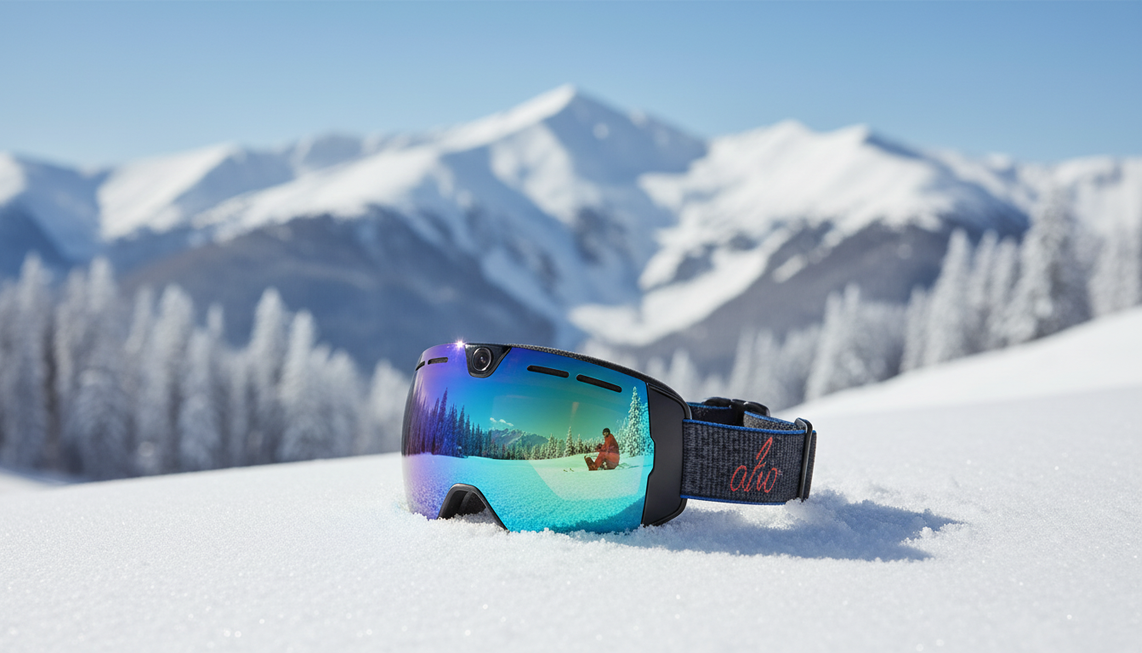
Une neige lumineuse et réfléchissante nécessite généralement un verre de masque de ski conçu pour une forte luminosité et un VLT plus faible. Les conditions nuageuses, orageuses ou de lumière plate nécessitent généralement davantage de transmission lumineuse et un verre conçu pour renforcer le contraste. Si les conditions peuvent changer au cours d’une même session, comparez un verre variable documenté avec un deuxième verre fixe au lieu de choisir uniquement en fonction de la couleur miroir. Ce guide vous aide à trouver les meilleurs masques de ski pour les prévisions auxquelles vous vous attendez.
Quelle teinte de verre convient le mieux aux meilleurs masques de ski pour vos conditions de neige ?
Les meilleurs masques de ski pour votre séjour sont ceux dont la plage de luminosité documentée correspond aux conditions dans lesquelles vous prévoyez de skier. Le miroir le plus foncé ou la teinte la plus attrayante n’est pas forcément le bon choix. Utilisez ce sélecteur avant de comparer d’autres caractéristiques :
| Luminosité attendue sur la neige | Orientation du verre et priorité visuelle | Éléments à vérifier sur la page du produit |
|---|---|---|
| Soleil intense et neige réfléchissante | Utilisation par forte luminosité, contrôle de l’éblouissement et VLT généralement plus faible | Plage indiquée pour les conditions ensoleillées, VLT et description de la teinte |
| Ciel nuageux, chutes de neige ou lumière plate | Davantage de transmission lumineuse et une utilisation axée sur le contraste, généralement avec un VLT plus élevé | Plage indiquée pour les conditions couvertes ou la faible luminosité, VLT et indications concernant le contraste |
| Soleil et nuages au cours d’une même session | Une plage variable documentée ou un deuxième verre pour des conditions distinctes | Plage d’ajustement ou fonctions des verres inclus, ainsi que la plage d’utilisation indiquée |
La règle pratique est simple : commencez par les prévisions, puis comparez le VLT avec la plage de conditions indiquée pour le produit. Un nom de couleur ou une finition miroir peut décrire l’apparence du verre, mais ne remplace pas ces spécifications.

Choisissez le contrôle de l’éblouissement pour la neige lumineuse et les journées ensoleillées
Lorsque la lumière directe du soleil se réfléchit sur la neige, privilégiez un verre indiqué pour les conditions lumineuses ou ensoleillées. Un verre à VLT plus faible transmet généralement moins de lumière visible : c’est donc la direction à privilégier lorsque la montagne est extrêmement lumineuse.
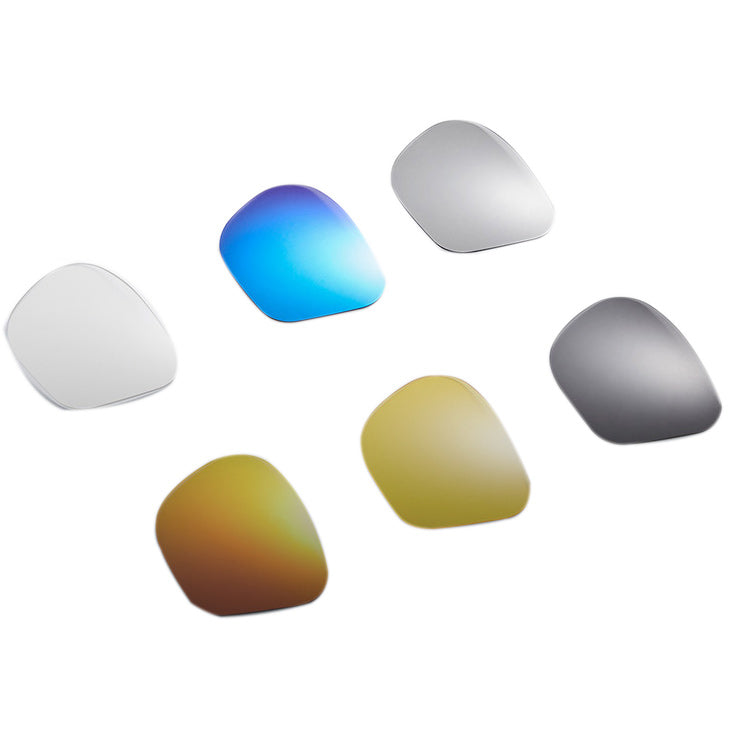
Les verres brun foncé, cuivrés ou noirs peuvent être présentés comme adaptés aux conditions ensoleillées, mais leur apparence seule ne permet pas de savoir comment ils fonctionnent. Consultez plutôt le VLT indiqué et la plage de luminosité prévue. Si votre itinéraire comprend des zones boisées ombragées, une couverture nuageuse en fin d’après-midi ou des prévisions susceptibles de changer rapidement, un verre fixe très foncé peut être un mauvais choix pour toute la journée. Dans ce cas, comparez un verre variable ou un deuxième verre avant d’ajouter un masque à votre panier.
Le contrôle de l’éblouissement ne garantit pas une visibilité parfaite du terrain. Le verre doit toujours être adapté à la luminosité réelle, et vous devez prendre des décisions prudentes lorsque la surface enneigée ou les reliefs sont difficiles à évaluer.
Choisissez le contraste pour les journées nuageuses, les chutes de neige et la lumière plate
Pour un ciel couvert, des chutes de neige actives et une lumière plate, commencez par un écran documenté pour les faibles luminosités ou l'amélioration du contraste, et offrant généralement une transmission de lumière supérieure à celle d'un écran destiné au plein soleil. Ces conditions peuvent aplanir les ombres et les reliefs ; il est donc plus important de préserver une lumière exploitable que de maximiser l'obscurité.
L'ambre, l'or et le rose sont des exemples couramment associés aux masques de ski pour les journées nuageuses et la lumière plate, mais aucune couleur de teinte n'est idéale pour tous les skieurs ni pour toutes les tempêtes. La VLT et la plage de conditions indiquées pour le produit doivent guider votre achat. Un écran d'apparence plus claire peut constituer un bon point de départ, tandis qu'un écran foncé destiné aux journées très ensoleillées peut être un mauvais choix lorsque les nuages ou les chutes de neige dominent.
Lorsque vous comparez la teinte d'un écran de masque de ski pour son contraste, considérez les mentions relatives au contraste comme un élément des spécifications, et non comme une garantie de perception de la profondeur ou de clarté du terrain. Si la surface reste difficile à distinguer, restez dans des conditions que vous pouvez évaluer confortablement plutôt que de vous attendre à ce qu'une teinte résolve à elle seule le problème.
Lisez les affirmations sur la VLT et la teinte avant d'acheter
VLT signifie transmission de la lumière visible, c'est-à-dire le pourcentage de lumière visible qui traverse l'écran et atteint vos yeux. Une VLT plus faible transmet moins de lumière et convient généralement aux conditions plus lumineuses. Une VLT plus élevée transmet davantage de lumière et convient généralement aux conditions plus sombres.
Utilisez la VLT comme point de comparaison mesurable, et non comme une prédiction complète de ce que vous verrez. Consultez-la avec la plage de conditions indiquée pour le produit et les affirmations concernant le contraste, puis recherchez une documentation distincte sur la clarté optique, la formation de buée, la filtration des UV et les propriétés liées à la résistance aux chocs. Le contexte des normes ANSI pour les masques de ski et de snowboard peut aider à expliquer pourquoi la documentation est importante, mais il n'établit pas qu'un produit détient actuellement une certification ASTM.
| Libellé de la page produit | Ce que cela vous indique | Ce que cela ne prouve pas |
|---|---|---|
| Pourcentage de VLT | La quantité de lumière visible qui traverse l'écran | Que l'écran offrira le contraste souhaité ou un confort visuel face à l'éblouissement |
| Nom de la teinte ou de la couleur | La couleur décrite de l'écran et l'orientation visuelle prévue | Que la couleur fonctionne dans toutes les conditions météorologiques |
| Affirmation concernant le contraste ou la faible luminosité | Le cas d'utilisation que le vendeur associe à l'écran | Une amélioration universelle pour toutes les surfaces enneigées ou tous les skieurs |
C'est également pourquoi la réponse à la question « quelle couleur de verre est la meilleure pour le ski ? » devrait commencer par les prévisions plutôt que par un nuancier. Faites correspondre les caractéristiques documentées à la luminosité prévue et continuez à comparer les produits lorsque la VLT ou la plage de conditions n'est pas indiquée.
Choisir entre un verre variable et un deuxième verre pour une météo changeante
Choisissez un verre photochromique documenté lorsque la commodité est importante et que sa plage d'adaptation couvre la luminosité prévue. Choisissez un deuxième verre fixe lorsque vous prévoyez des périodes distinctes de forte luminosité et de faible contraste et que vous souhaitez attribuer à chaque verre une fonction plus ciblée selon les conditions.
Les verres photochromiques peuvent réduire les changements de verres, mais des tests indépendants décrivent des compromis aux extrêmes de luminosité. Ils peuvent ne pas égaler le meilleur verre fixe pour faible luminosité pendant une tempête ni le verre fixe le plus foncé en plein soleil. La question pratique est de savoir si la plage documentée couvre les prévisions, et non si le verre est présenté comme adapté à toutes les conditions. Consultez les avantages pratiques et compromis des verres photochromiques selon la luminosité avant de choisir une option variable.
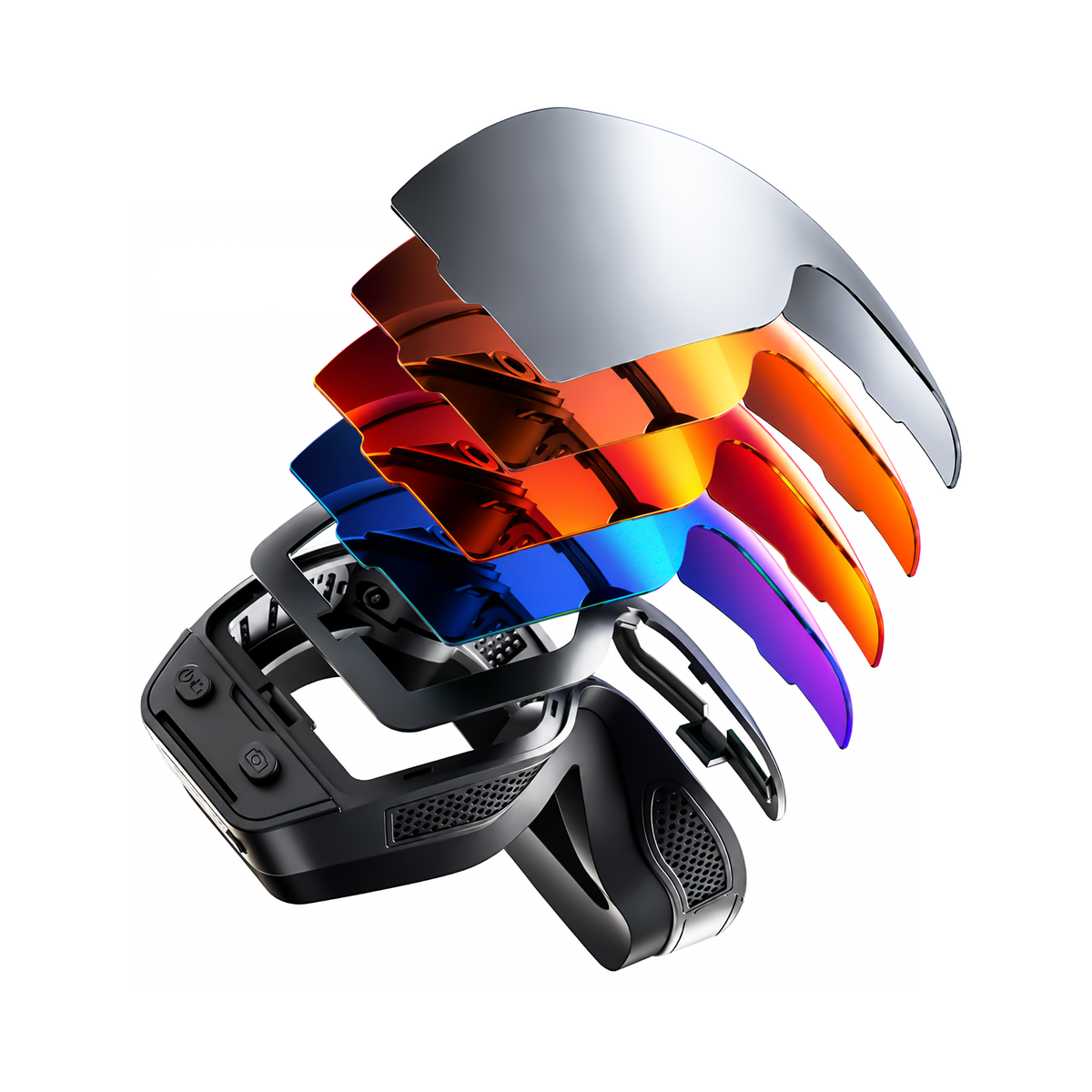
Un deuxième verre fixe peut être plus pratique lorsque vous savez que le séjour pourrait comprendre des périodes de ciel dégagé et de tempête. Les systèmes à verres interchangeables ou les ensembles peuvent réserver un verre aux conditions lumineuses et un autre à la faible luminosité, chacun ayant ainsi une fonction distincte. En contrepartie, il faut transporter et changer les verres au lieu de compter sur un seul équipement.
Avant d'ajouter l'une ou l'autre option à votre panier, observez la luminosité dominante et son évolution probable pendant votre session. Comparez ensuite ces éléments avec la VLT documentée du produit et sa plage de conditions d'utilisation. Écartez les affirmations de polyvalence toutes conditions lorsque ces détails ne sont pas fournis.
Faut-il acheter des lunettes de ski avec caméra ou privilégier le verre ?
Choisissez d'abord le verre en fonction de la luminosité prévue pour le porteur sur la neige. Une caméra vaut la peine d'être ajoutée lorsque l'enregistrement mains libres constitue un objectif indépendant, et non lorsque les caractéristiques d'enregistrement servent à prouver que le verre convient à un terrain très lumineux, nuageux ou peu contrasté.
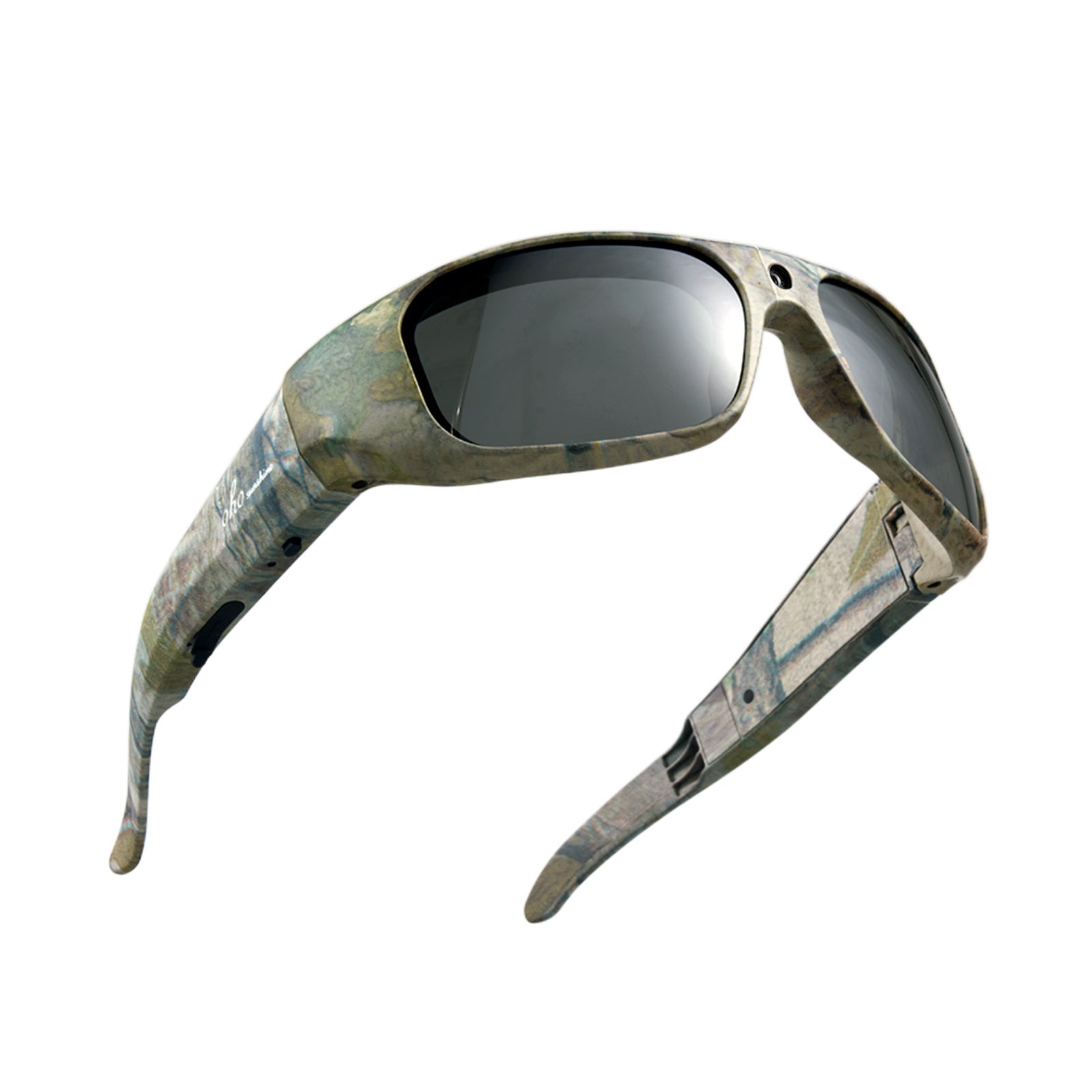
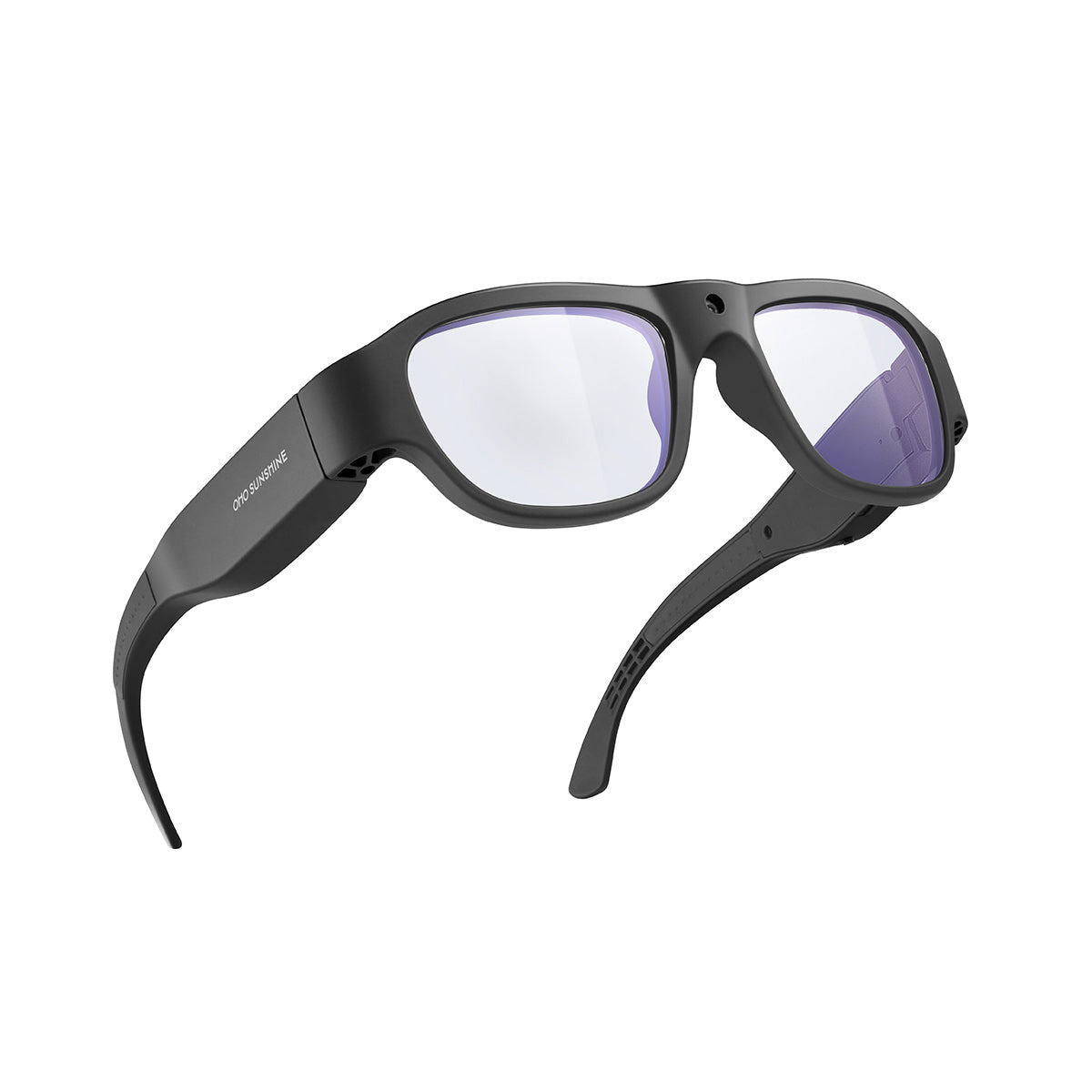
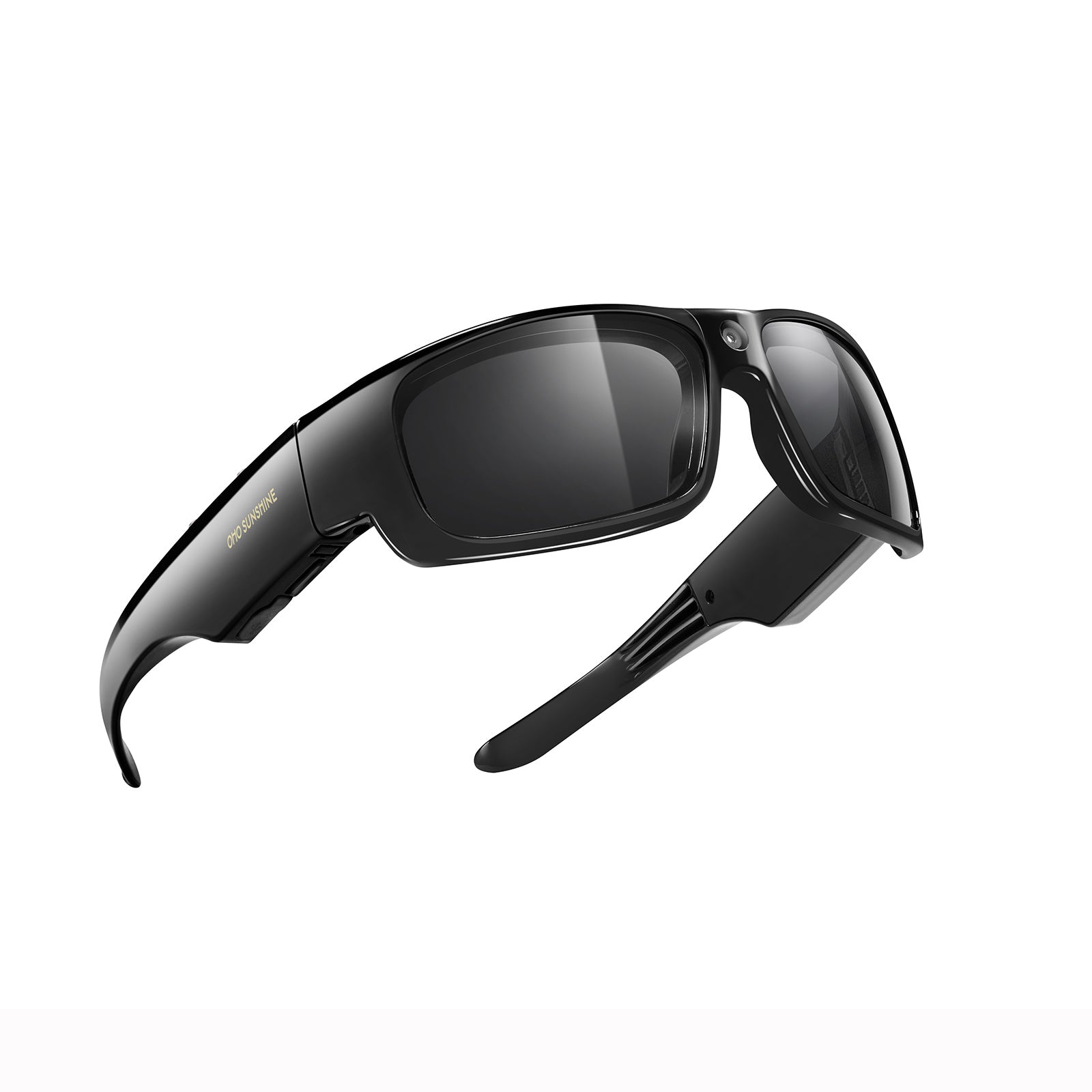
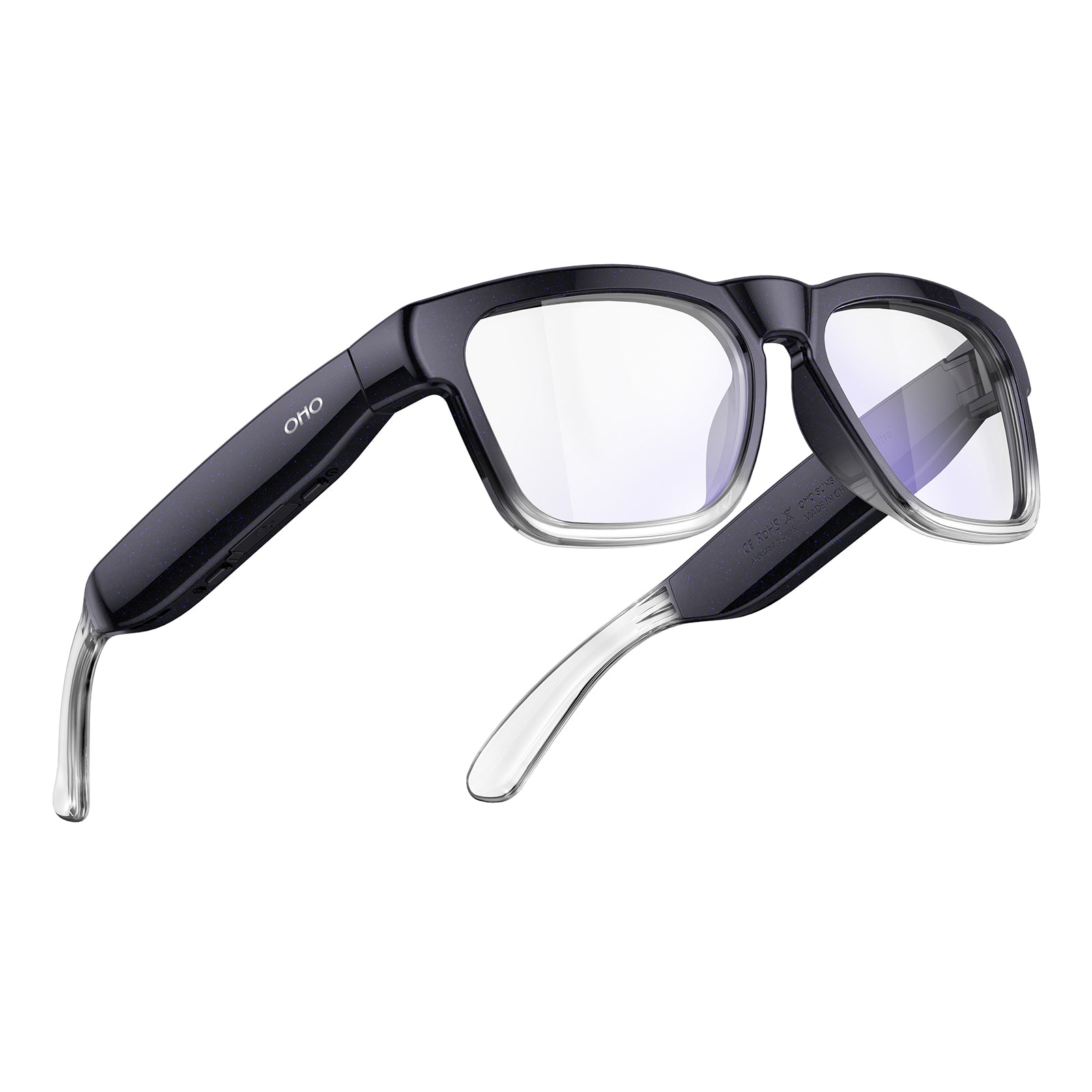
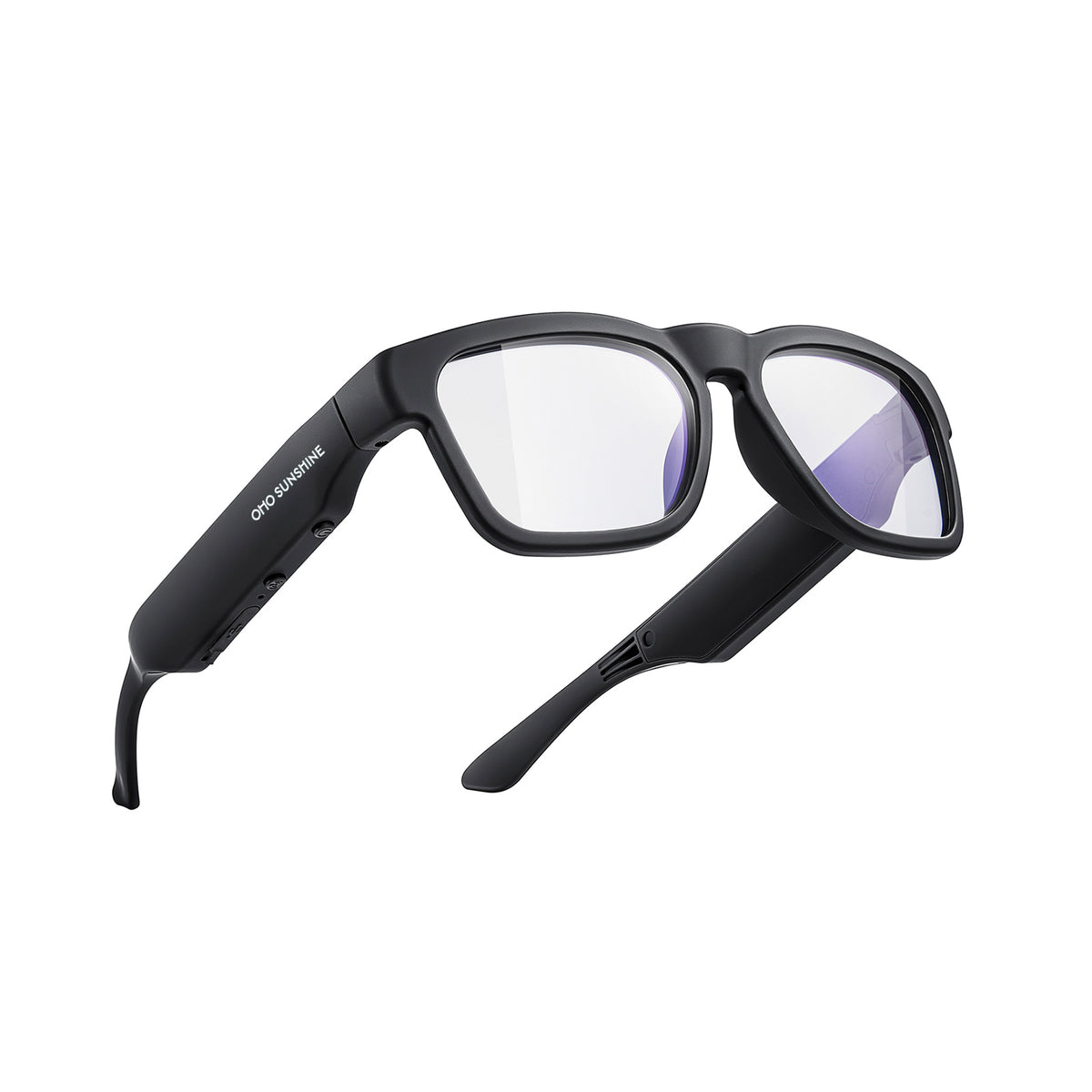
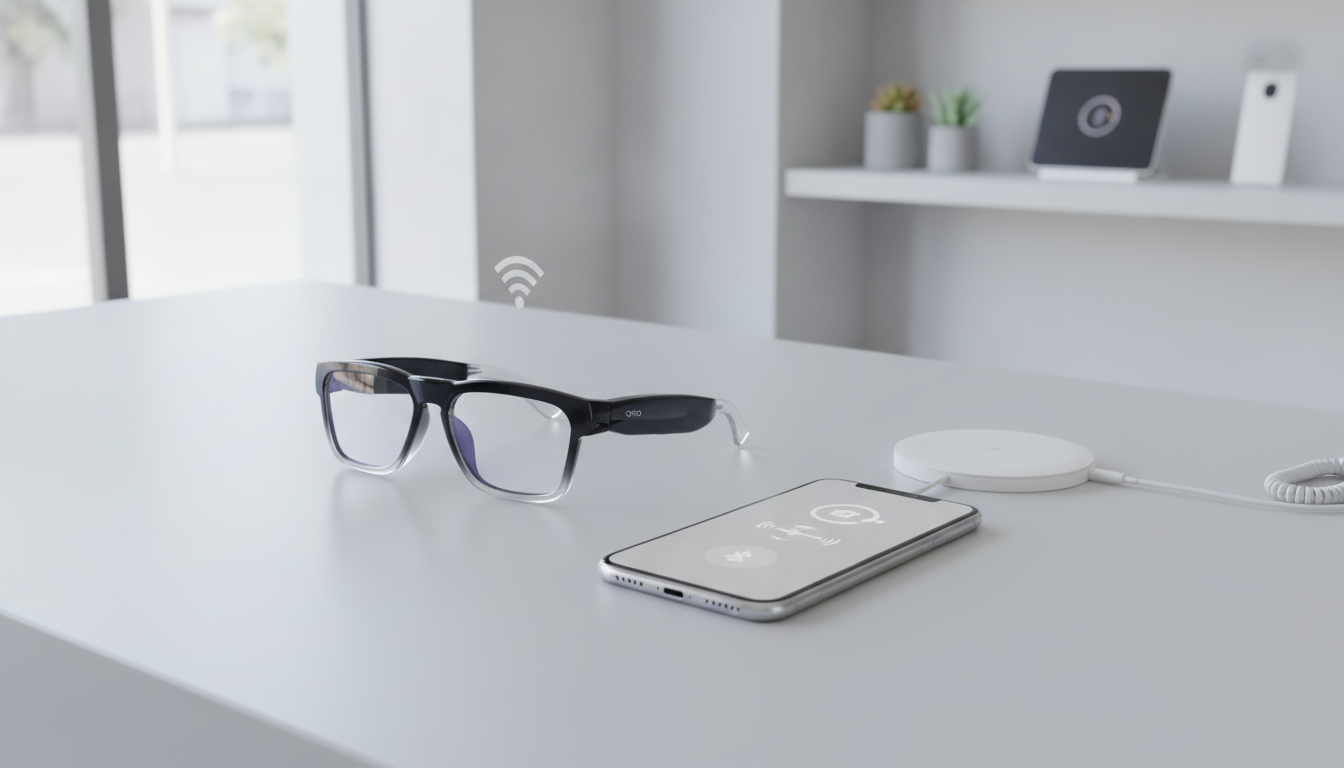
Pour les skieurs à la recherche de lunettes de neige dotées d'une caméra, les lunettes de ski intelligentes OHO SUNSHINE avec caméra 4K, Wi-Fi, photos 24 M et traitement antibuée - Skyshot constituent une option avec enregistrement vidéo à comparer. Les informations fournies sur le produit incluent une vidéo 4K à 30 images par seconde, des photos de 24 M, une caméra grand angle à 140 degrés, des verres antibuée et polarisés, ainsi que le Wi-Fi. Ces caractéristiques permettent d'enregistrer les descentes et de gérer l'appareil ; les informations fournies ne permettent pas d'établir la VLT des verres ni leur adéquation à des teintes adaptées à des conditions précises.

Cette distinction est importante pour les acheteurs de lunettes de neige pour hommes comme pour femmes, car la fonction d'enregistrement ne répond pas à la question de la visibilité. Comparez séparément la plage de luminosité indiquée pour le verre, puis envisagez Skyshot si l'enregistrement fait également partie du séjour. Si votre seul problème concerne la visibilité, concentrez votre achat sur le verre et choisissez une coupe indiquée comme adaptée aux prévisions.
La même logique s'applique lorsque vous comparez des lunettes de neige présentées pour hommes ou pour femmes. Le merchandising genré ne remplace pas les informations sur les conditions, la coupe et le verre, qui déterminent si une paire convient à votre session.
Choisissez un verre à VLT plus faible, prévu pour une forte luminosité, lors des journées ensoleillées et réfléchissantes, un verre à VLT plus élevée axé sur le contraste par temps nuageux ou en faible luminosité, et une plage variable vérifiée ou un second verre lorsque les conditions sont amenées à changer. Comparez ces éléments avant de considérer la caméra comme une raison d'achat. Vous pourrez ainsi choisir clairement les meilleures lunettes de ski selon vos prévisions, tout en traitant l'enregistrement comme une décision distincte.
FAQ
Quelle couleur de verre est la meilleure pour skier par temps ensoleillé ?
Recherchez un verre prévu pour une forte luminosité et une neige très réfléchissante, généralement avec une VLT plus faible. La couleur idéale varie selon le produit ; comparez donc la plage de conditions ensoleillées indiquée avec le risque de nuages ou d'ombre avant de choisir un verre foncé fixe.
Quel verre de lunettes de ski convient le mieux par faible luminosité et par temps nuageux ?
Commencez par un verre prévu pour une utilisation par temps couvert, pendant une tempête ou par faible luminosité, généralement avec une VLT plus élevée et une description axée sur le contraste. Si le produit est décrit uniquement pour un soleil intense, ce n'est pas le meilleur choix pour une session nuageuse ou neigeuse.
Que signifie la VLT pour les lunettes de ski ?
La VLT correspond au pourcentage de lumière visible transmise par le verre. Comparez le pourcentage indiqué avec la plage de conditions mentionnée pour le produit, puis consultez séparément les informations sur le contraste et l'optique, car la VLT ne décrit pas à elle seule tous les aspects de l'expérience visuelle.
Les lunettes de ski avec caméra changent-elles la teinte de verre dont j'ai besoin ?
Non. Les fonctionnalités de la caméra concernent l'enregistrement, tandis que la teinte et la VLT concernent la vision du porteur. Choisissez d'abord le verre adapté à la luminosité de neige prévue, puis déterminez si l'enregistrement mains libres apporte suffisamment de valeur pour votre séjour.


Laisser un commentaire
Ce site est protégé par hCaptcha, et la Politique de confidentialité et les Conditions de service de hCaptcha s’appliquent.