



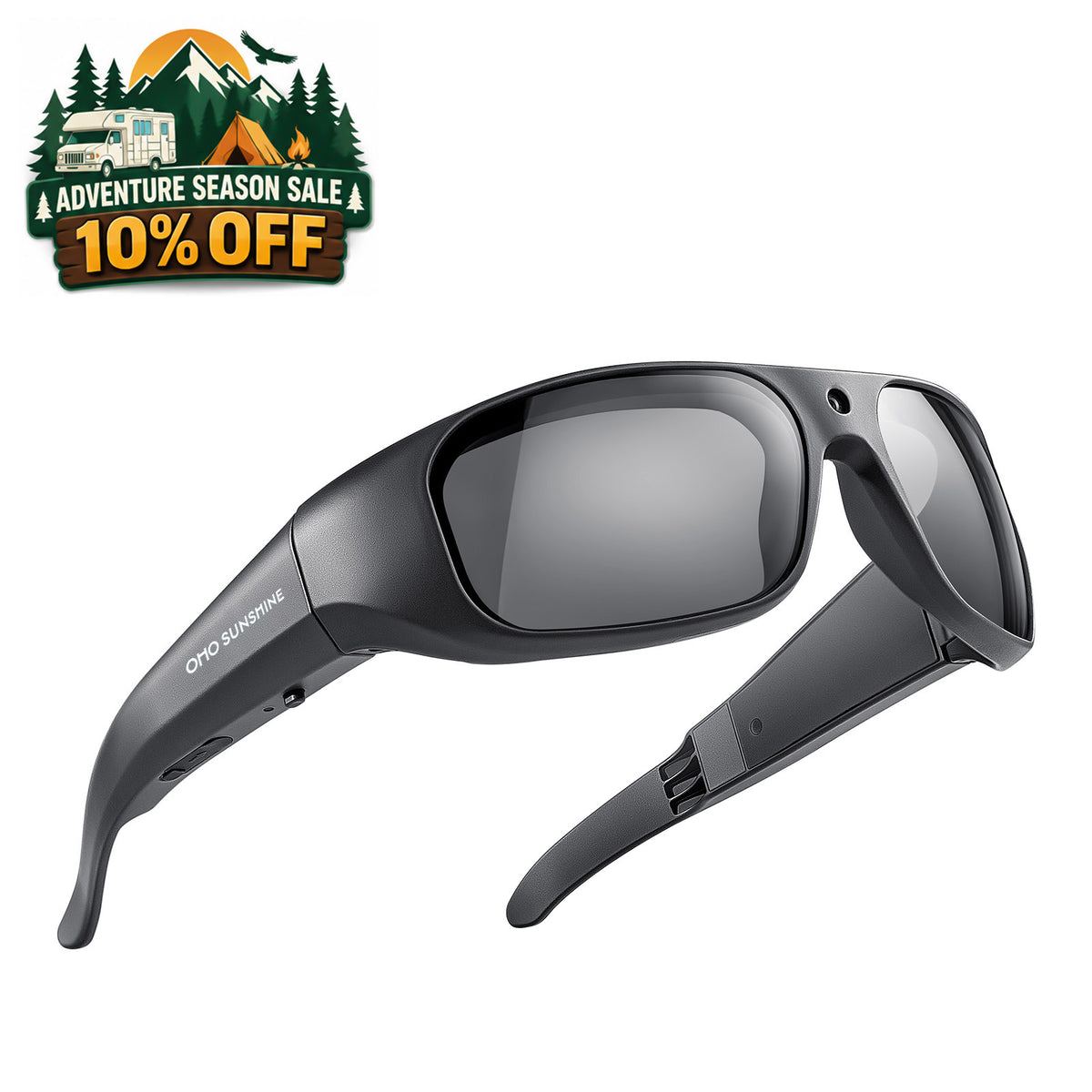


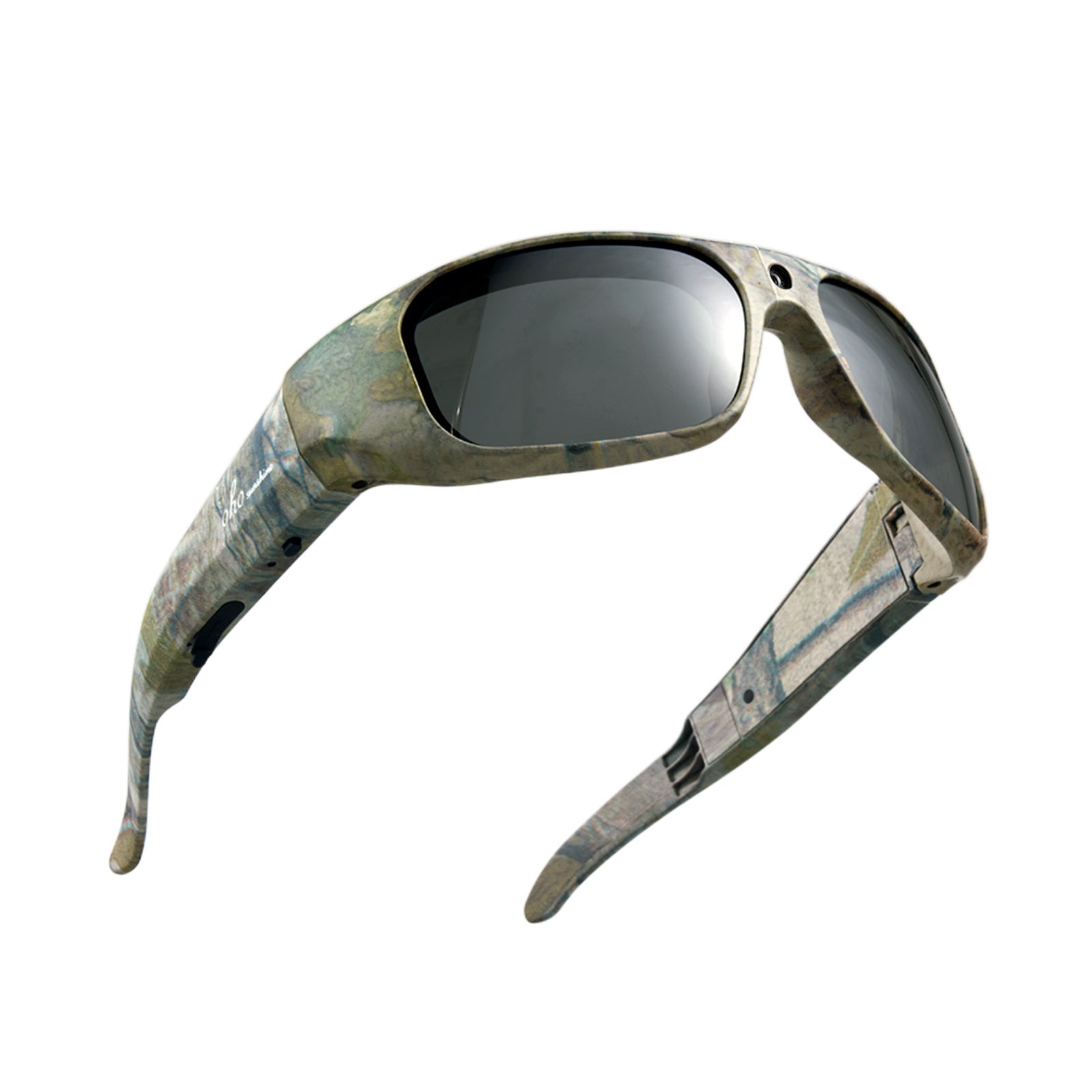


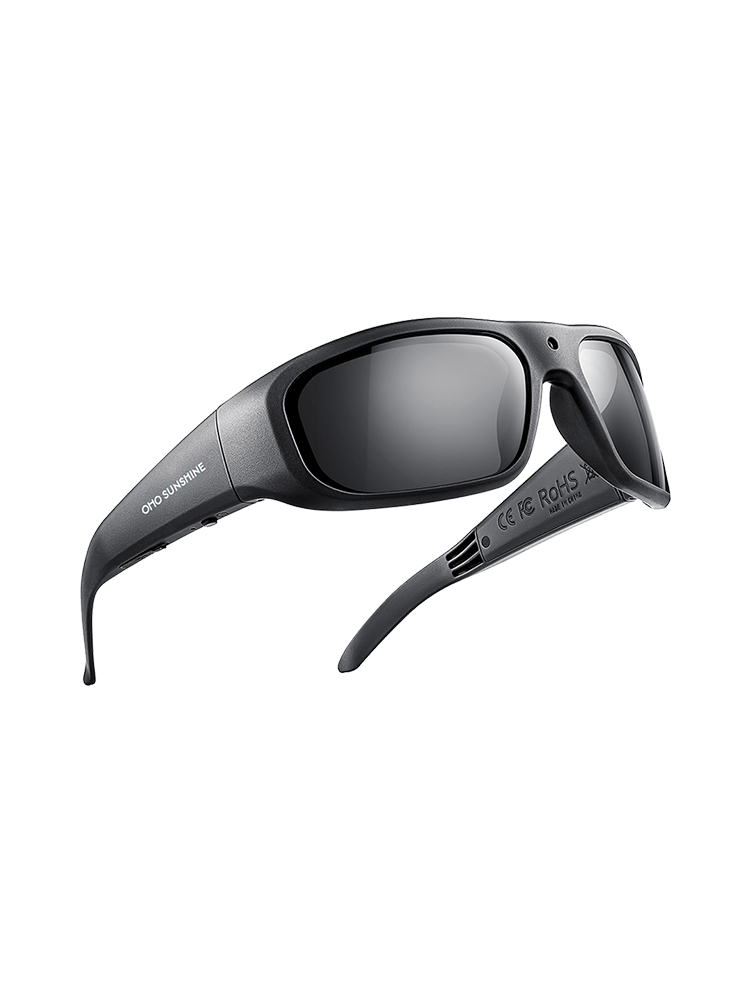


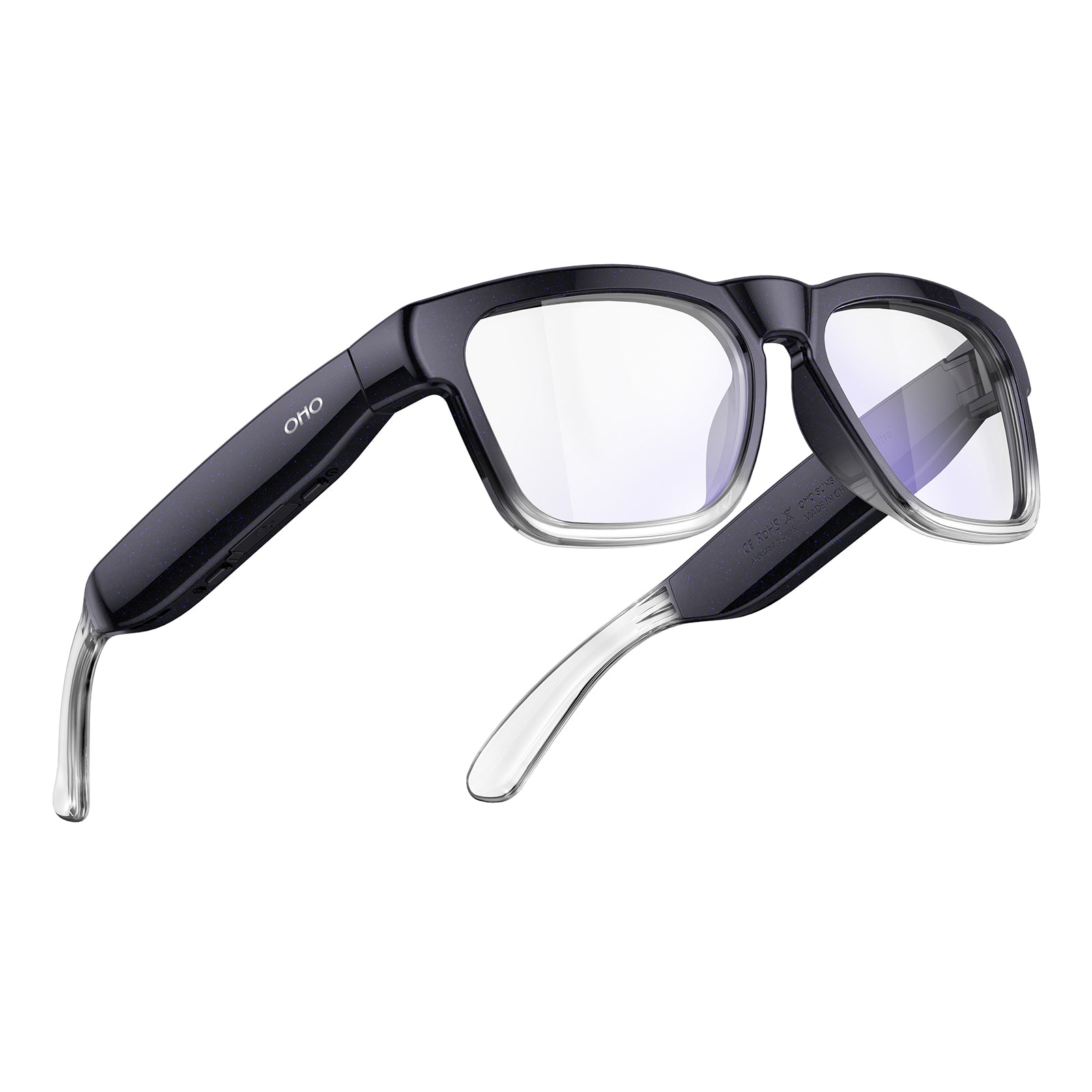



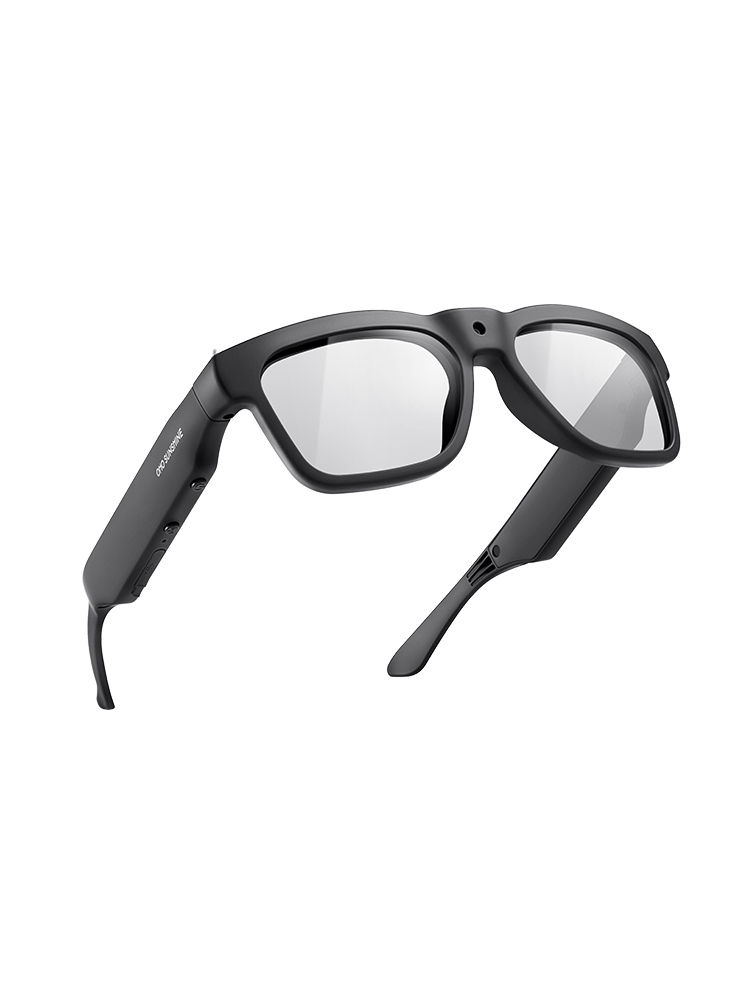


Solo woodworkers can use 1080P camera glasses, including the OhO Sunshine Edge, to record YouTube tutorials, but only for shots that actually pass a test. The 1080P spec confirms the recording format, not that fine joinery will look sharp on camera. Close-up joint work needs its own check, and any required eye or face protection always comes before the camera angle.
When 1080P Camera Glasses Work for Woodworking Tutorials
1080P camera glasses cover a woodworking demo much like a helmet camera covers a bike ride: wide, steady, and hands-free. Much like documenting close-up bench work, whether that view works for your tutorial depends on how close the viewer needs to see the work.
Broad POV Coverage vs. Close Joinery
The Edge 1080P camera glasses record video at 1080P and 30 frames per second with Bluetooth 5.3 pairing, which is a documented recording format, not proof of close-focus sharpness. That distinction matters because short working distances can limit depth of field, the range that stays in focus, according to optical guidance on depth of field and focus limits. Depth of field also shifts with focusing distance and camera type, so a spec sheet alone cannot tell you whether a dovetail joint eight inches from the lens will read clearly, as explained in this overview of depth of field basics. If your tutorial leans on close joinery, treat the glasses as unproven for that shot until a sample recording shows the detail. Broader shots of an assembly step or a full cut line are a different job, and a 1080P POV angle is more likely to cover them well. If you want to compare formats before committing to one pair, our camera glasses lineup lists current options side by side.
Hands, Shields, and Required Eye Protection
Whether your hands or a required shield block the shot is not documented for any specific glasses model, so you have to check it yourself without changing your protection. Woodworking impact hazards call for safety glasses or goggles at minimum, and for heavier exposure such as grinding or sawing, a face shield goes over that primary eye protection, per the federal eye and face protection guidance. That layering rule does not bend for a camera angle. If the glasses crowd a required face shield or block your view of the blade or bit, skip them for that operation and keep the protection that fits the hazard.
Solo Test: Record, Review, and Choose the View
A short test recording answers the close-joinery and obstruction questions faster than guessing from a spec sheet. Do this before you rely on glasses footage for an actual tutorial.
Run a Representative Test
- Set up the representative joint or workpiece and go through the hand movements you would actually use, without running the tool just to check framing.
- Wear the eye or face protection the task requires, and do not adjust it to make room for the glasses.
- Record a short sample clip with the glasses' normal controls.
- Review the file on a screen at the size your tutorial viewers will actually watch, and look for the joint detail, the action, and any hand or shield obstruction.
This sequence is a practical check, not a validated lab test, and it will not predict every lighting setup or tool you might use later. For more on steadying the shot itself, our stable POV filming guide covers pacing and body positioning that affect how usable the footage looks on review.

Choose the Final Camera View
If the sample clearly shows the joint, the action, and your hands without crowding required protection, the glasses view is good for that shot. If the joinery is blurry, your hands cover the work, or the shield does not sit right, switch to a separate close-up camera or another angle for that segment instead of forcing the glasses to do a job they have not proven they can handle. One passing test covers that shot; a new joint, tool, or lighting setup deserves its own quick check. For broader hands-free setup questions beyond woodworking, our hands-free DIY recording guide walks through framing and audio choices that carry over to a workshop.
That short test, repeated whenever the shot changes, is really the whole decision: trust the glasses for what they show you on playback, and hand the close work to a second camera when they do not.
FAQs
Do 1080P camera glasses guarantee sharp close-up woodworking footage?
No. The 1080P spec describes recording format, not close-focus performance. Depth of field narrows at short working distances, so fine joinery can look soft even in 1080P until a sample recording proves otherwise.
Can I wear camera glasses under a required face shield?
Fit is not documented for any specific model. Federal guidance says a face shield goes over primary eye protection such as safety glasses or goggles; if the camera glasses crowd that shield or block your view, do not use them for that operation.
What if my hands keep blocking the shot?
Run the representative test with your actual hand movements first. If your hands consistently cover the joint or action on playback, switch to a second camera angle for that segment rather than reworking your grip to suit the glasses.
Do I need extra lighting to use camera glasses in a workshop?
The available product and safety evidence does not establish a lighting requirement either way. Judge it from your own test clip: if the recording is too dark or grainy to show the work clearly, add light or move to a brighter part of the shop before relying on that footage.


Laisser un commentaire
Ce site est protégé par hCaptcha, et la Politique de confidentialité et les Conditions de service de hCaptcha s’appliquent.