















Lift sunscreen and sweat from ski goggle face foam by removing loose residue dry first, then adding only a barely damp, soft applicator if your goggle's care instructions allow it. Skip added cleaners and let the foam air dry completely before storage. This conservative approach works for most bonded, resilient foam, but camera-equipped and smart goggles need a model-specific check before any moisture touches them.
How to Clean Ski Goggle Face Foam With Controlled Moisture
Start with the driest method that works, then add only as much moisture as your goggle's own care instructions permit. Work through the two steps below in order so you never soak foam that a light touch would have cleaned just as well.
Gather the Supplies and Start Dry
- Use a clean, soft, lint-free cloth, cotton pad, or foam-safe brush. Avoid paper towels, which can shed fibers into the foam.
- Power down and disconnect any goggle before introducing moisture, especially models with a battery, camera, or charging port.
- Lift loose sunscreen and sweat film with dry strokes first, working away from the frame rather than pulling at the foam's edges or bonded seams.
Use Minimal Moisture on the Foam
- Dampen the applicator itself with a small amount of clean water, never the goggle directly, and only if your model's instructions permit water contact with the foam.
- Work one small area at a time, dabbing or lifting gently rather than scrubbing or brushing hard.
- Blot loosened residue away and stop immediately if the foam softens, the adhesive seam shifts, or a bonded edge starts to lift.
- Move straight to air drying once residue is loosened. Do not store or reassemble the goggle while any part of the foam is still damp.
No universally verified chemical-free recipe currently exists for every foam and adhesive combination, so treat this sequence as conservative care rather than a guarantee against staining, delamination, or odor.
Protect Electronics and Bonded Foam
Conventional goggles and electronics-equipped goggles need different limits once moisture is involved. Keep all liquid confined to the foam surface and away from anything that plugs in, powers on, or bonds the frame together.
Conventional Ski and Snowboard Goggles
Follow your specific goggle maker's foam and frame-care instructions rather than assuming every brand allows the same treatment. Keep moisture localized to the foam itself and away from the lens interface and the seam where foam meets frame. One manufacturer's approved cleaner or method does not automatically transfer to a different goggle's materials or adhesives.

Camera-Equipped and Smart Goggles
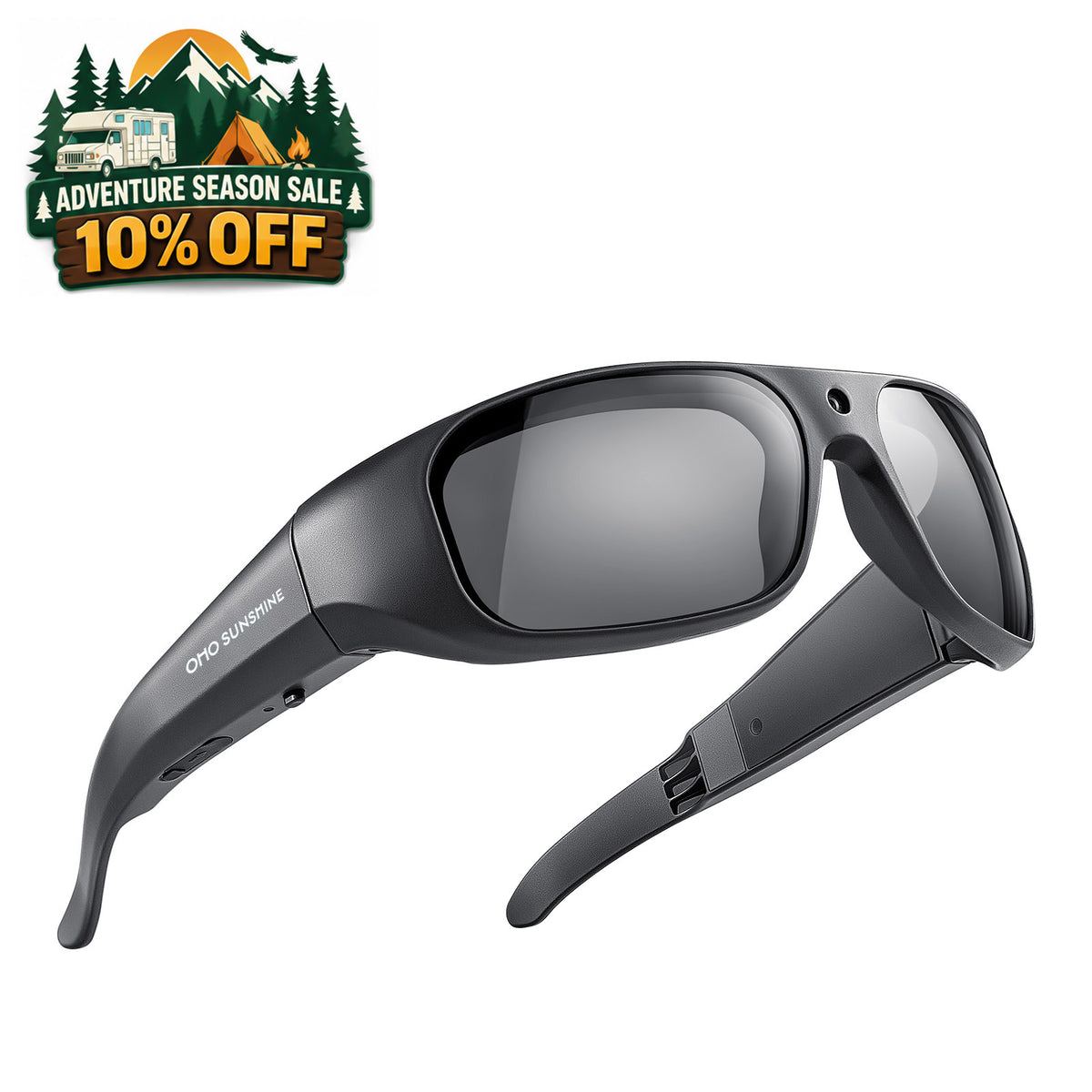
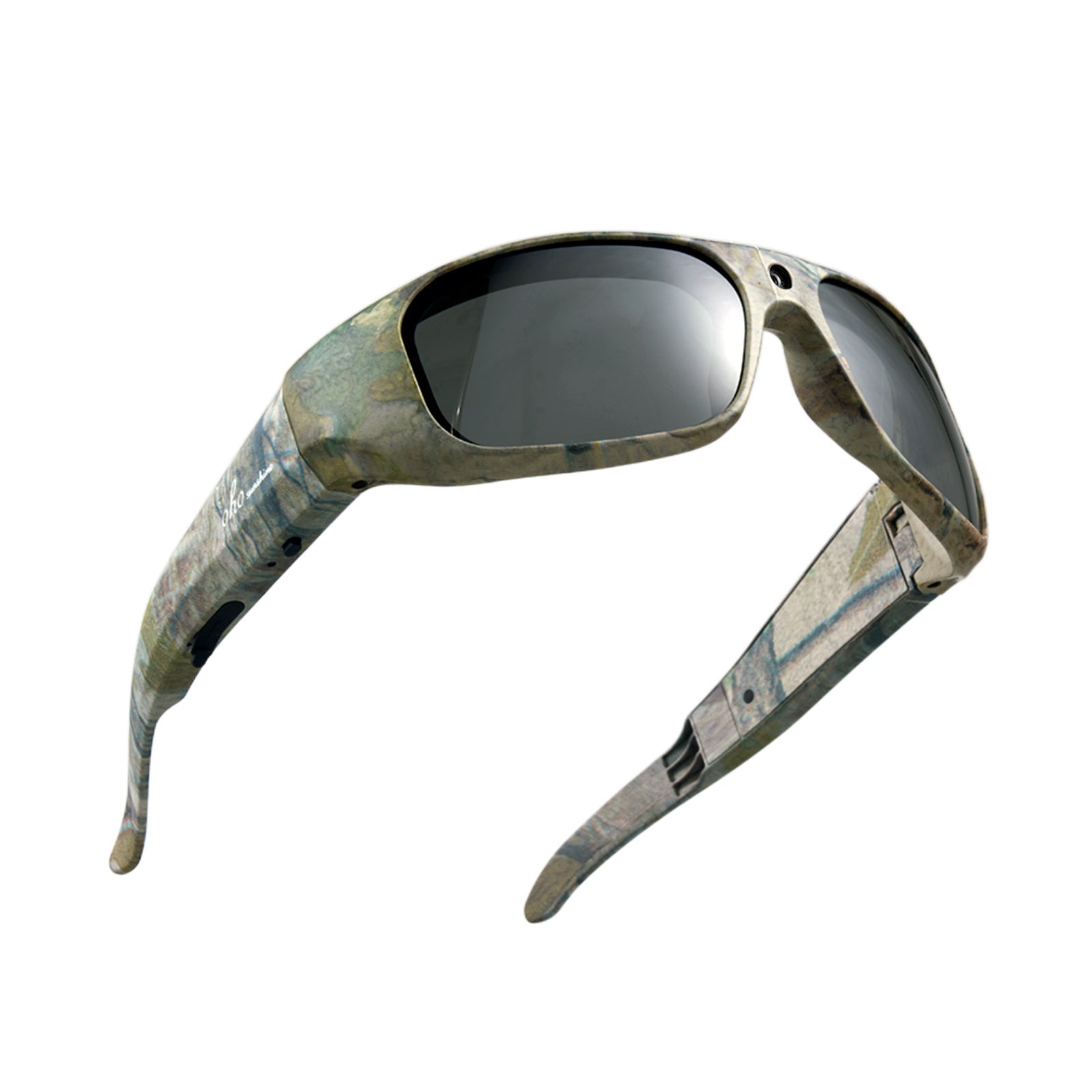
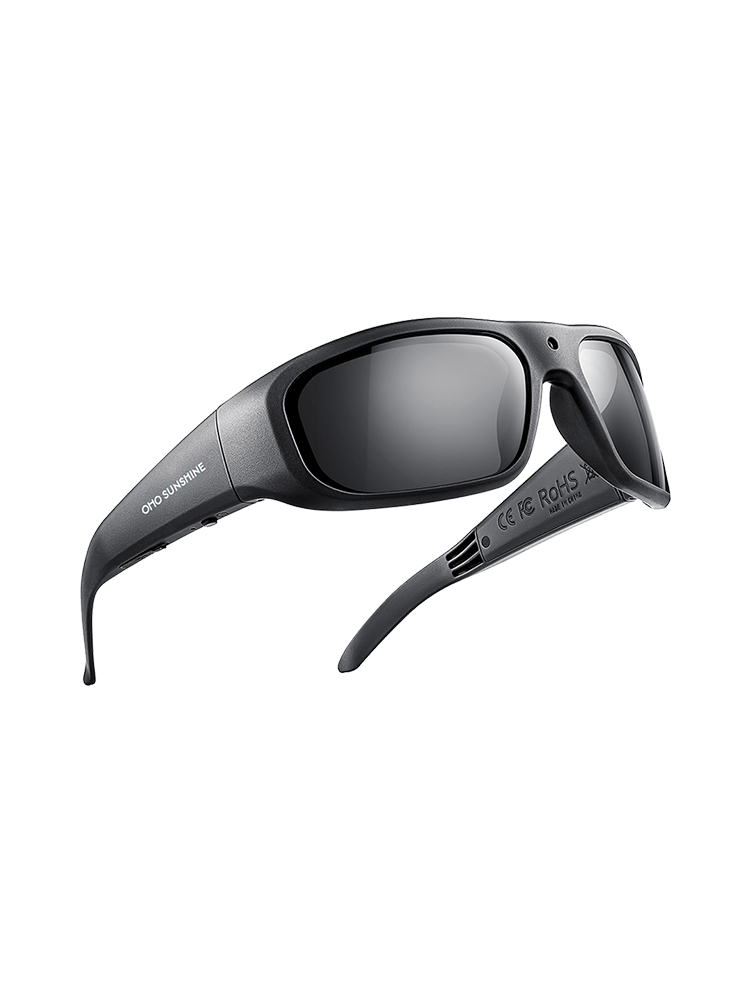
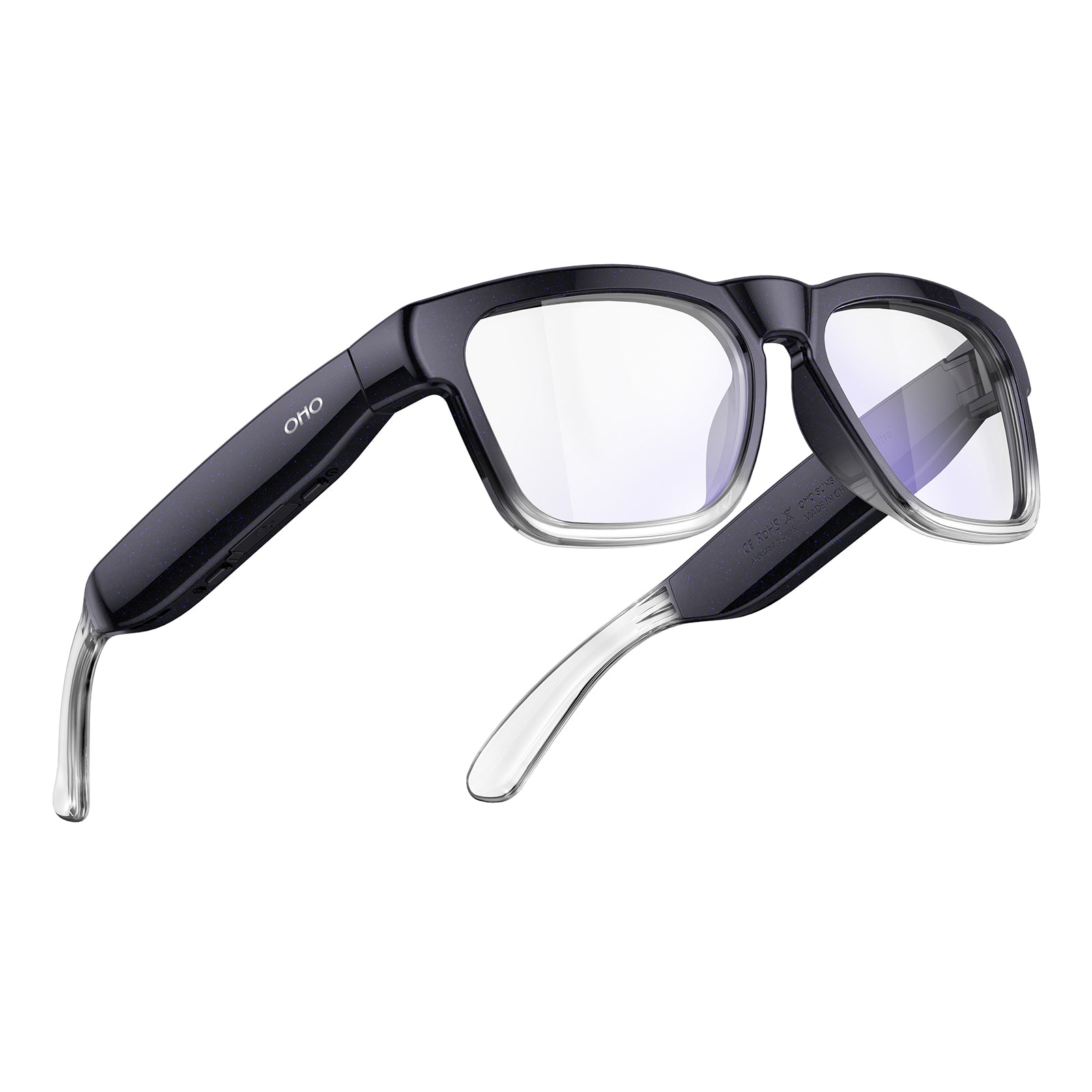
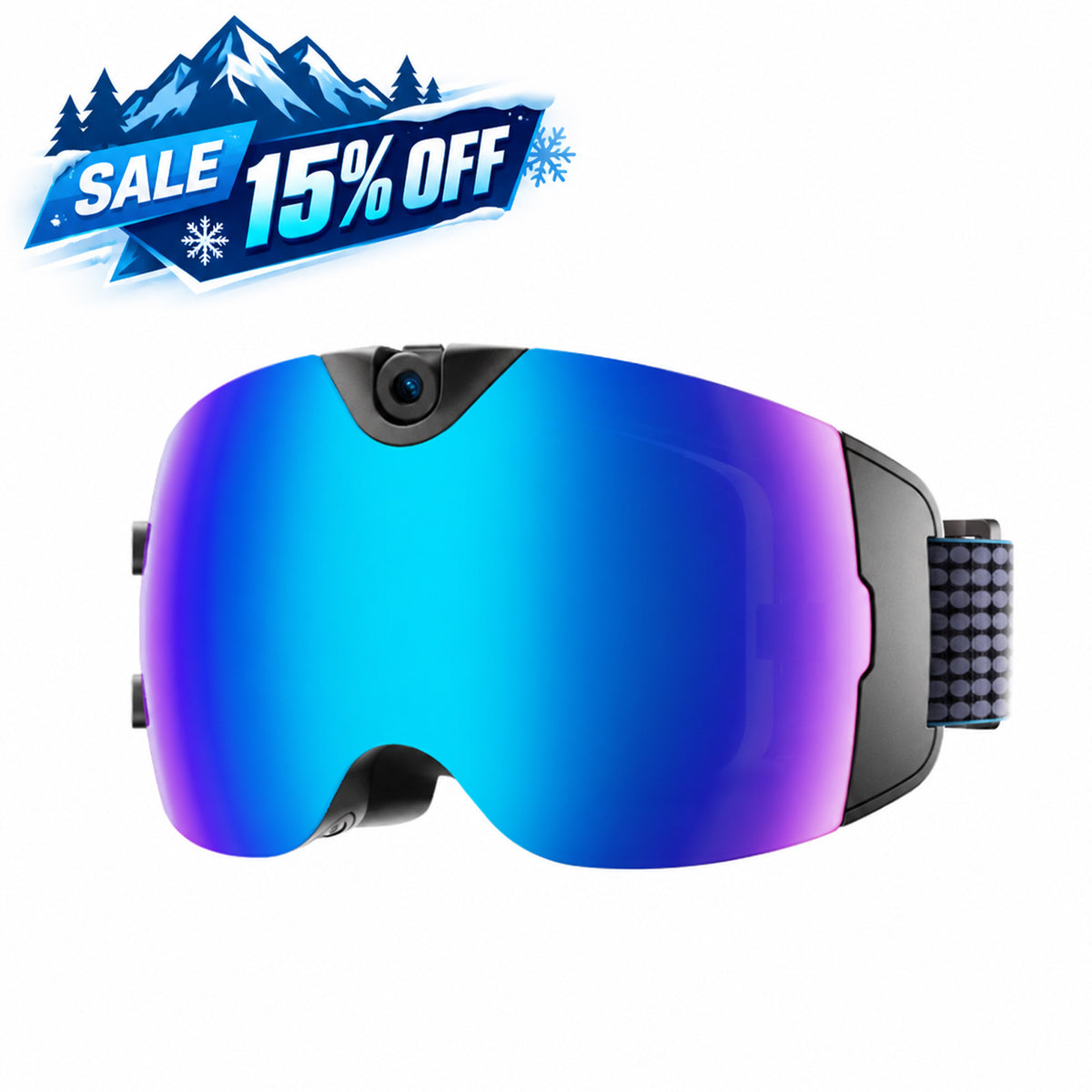
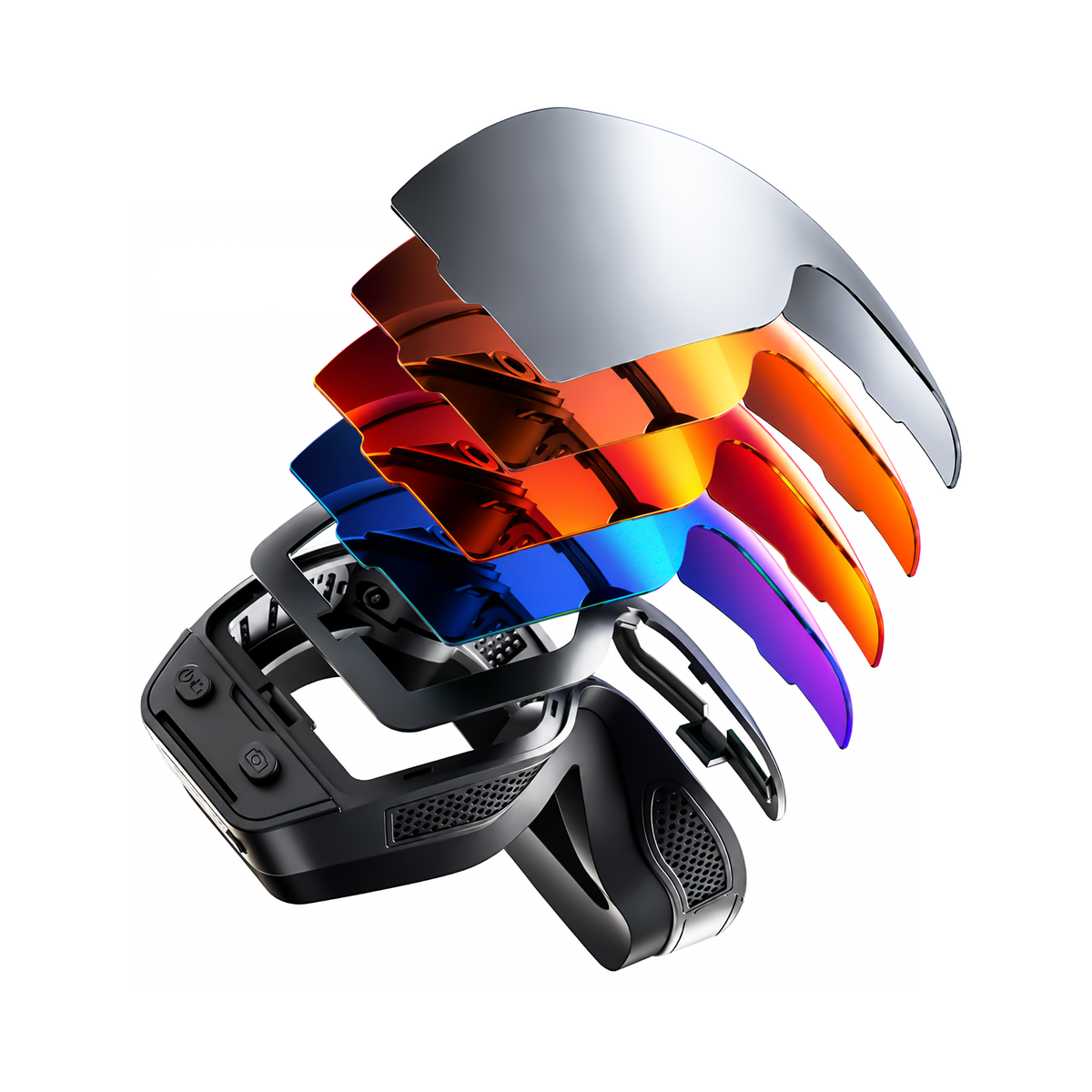
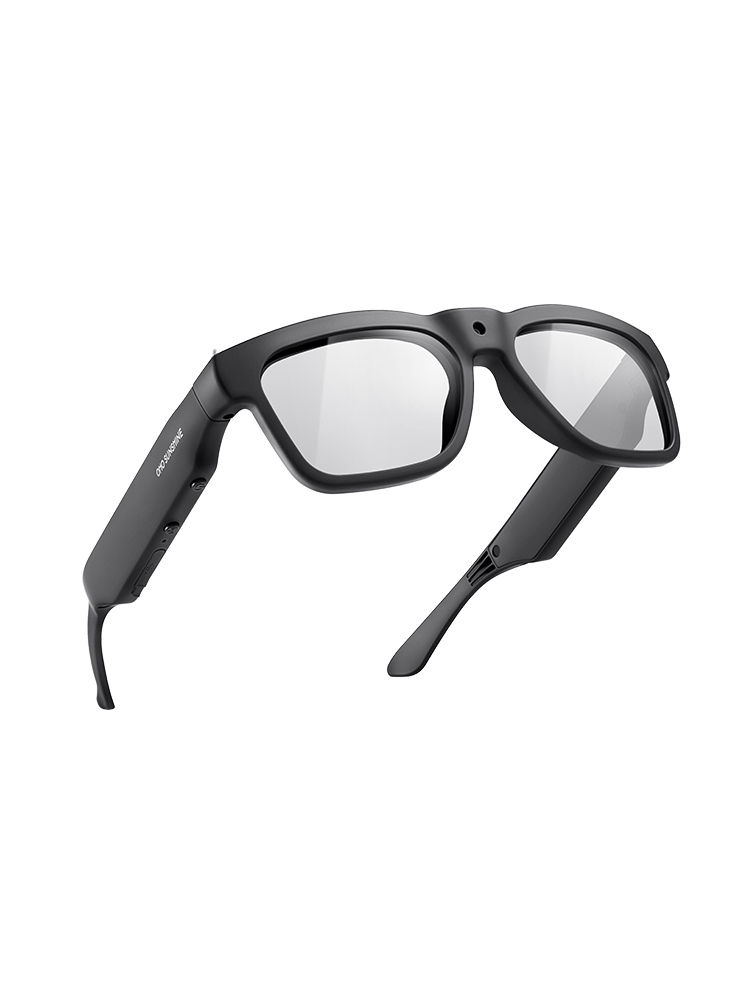
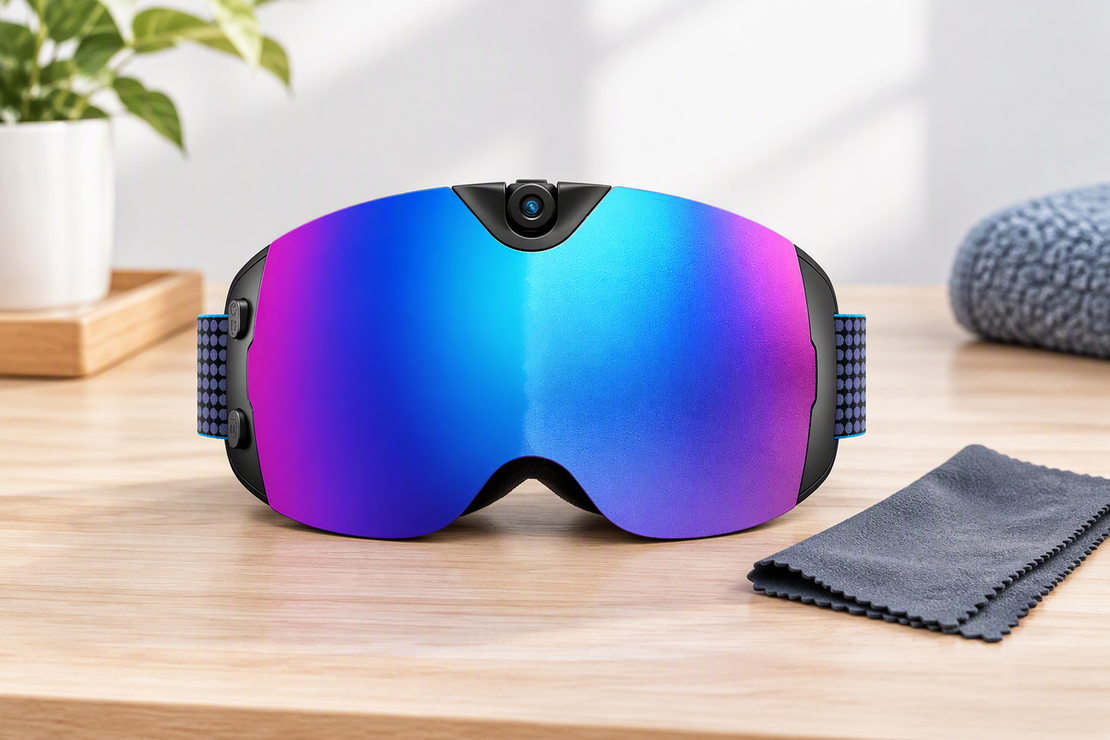
Smart ski goggles with a built-in camera, USB-C charging port, onboard controls, memory, or a microphone add components that ordinary foam-care advice does not cover. Our 4K Camera Smart Ski Goggles has this kind of hardware, and its presence tells you the electronics exist, not how much liquid the goggle can tolerate near them. Keep moisture away from the camera opening, charging port, buttons, and microphone area while you treat the foam, and check the model's documentation or support channel before applying anything more than a dry wipe if instructions aren't already at hand. For broader cold-weather upkeep on this category, our guide to smart-goggle moisture care covers battery and fog-prevention habits that pair with foam cleaning. If you're comparing models before a cleaning routine matters, our camera ski goggle options show what's currently available. Readers who sweat through gear regularly can review our tips for cleaning camera glasses to maintain the same moisture-control mindset around delicate sensors.
Dry the Foam and Inspect the Result
Let the foam air-dry completely in a dry, ventilated spot before you store or wear the goggle again. Avoid concentrated heat sources like a hair dryer or heater vent, and keep the goggle out of prolonged direct sunlight, since neither has verified drying-time guidance for every foam type. Once dry, run your fingers over the foam and check four things: whether the surface residue actually lifted, whether any odor remains, whether the foam still feels resilient rather than flattened, and whether it stays fully bonded to the frame with no lifting edges.
A faint mark that remains after one drying cycle is worth noting but isn't proof of damage on its own. If the foam passed those checks, you're done. If odor persists or the foam's structure changed, move to the decision guide below instead of cleaning again right away.
Know When to Stop Cleaning and Replace Foam
Whether to clean again or step back depends on the foam's physical condition, not how the stain looks. Use the table to match what you're seeing to the right next step.
| Condition | Cleaning status | Next action |
|---|---|---|
| Sound, bonded foam with surface residue | Cleanable | Continue with the conservative clean-and-dry method as needed |
| Persistent odor or staining, structure still sound | Limited cleanable | Try one more gentle clean-and-dry cycle, then contact the manufacturer if odor remains |
| Delamination, adhesive failure, crumbling, hardening, or lost resilience | Not cleanable | Stop wet cleaning and seek manufacturer guidance or replacement foam |
Cosmetic staining that survives a full clean-and-dry cycle is a reason to check in with support, not automatically a reason to buy new foam. Once the foam is lifting from the frame or losing its cushioning, further cleaning attempts are unlikely to help and can make the separation worse.
A conservative, moisture-limited routine keeps most sunscreen and sweat residue manageable without risking bonded seams or onboard electronics. Camera-equipped goggles simply need a model check before any liquid contact, while foam that's delaminating, crumbling, or holding onto odor after a full dry cycle is better handled through manufacturer support or replacement than another cleaning pass.

FAQs
Can I use a hair dryer or place ski goggles on a heater to dry the face foam?
Skip concentrated heat sources like hair dryers, heater vents, or direct sunlight for extended periods. Set the goggle in a dry, ventilated spot and let the foam air-dry fully before storing or wearing it again; no verified drying time applies across every model.
Does a stain that remains after cleaning mean the goggle foam is damaged?
Not by itself. A cosmetic mark that survives one clean-and-dry cycle doesn't confirm structural damage on its own. Check whether the foam still feels resilient, stays bonded to the frame, and no longer carries odor before deciding it needs replacement.
What should I do if my camera-equipped goggles have no clear cleaning instructions?
Don't apply general foam-care advice to a camera, port, or control area without confirmation. Keep moisture on the foam only, avoid the camera opening and charging port entirely, and reach out to the manufacturer's support channel for model-specific guidance before you clean further.


Dejar un comentario
Este sitio está protegido por hCaptcha y se aplican la Política de privacidad de hCaptcha y los Términos del servicio.