





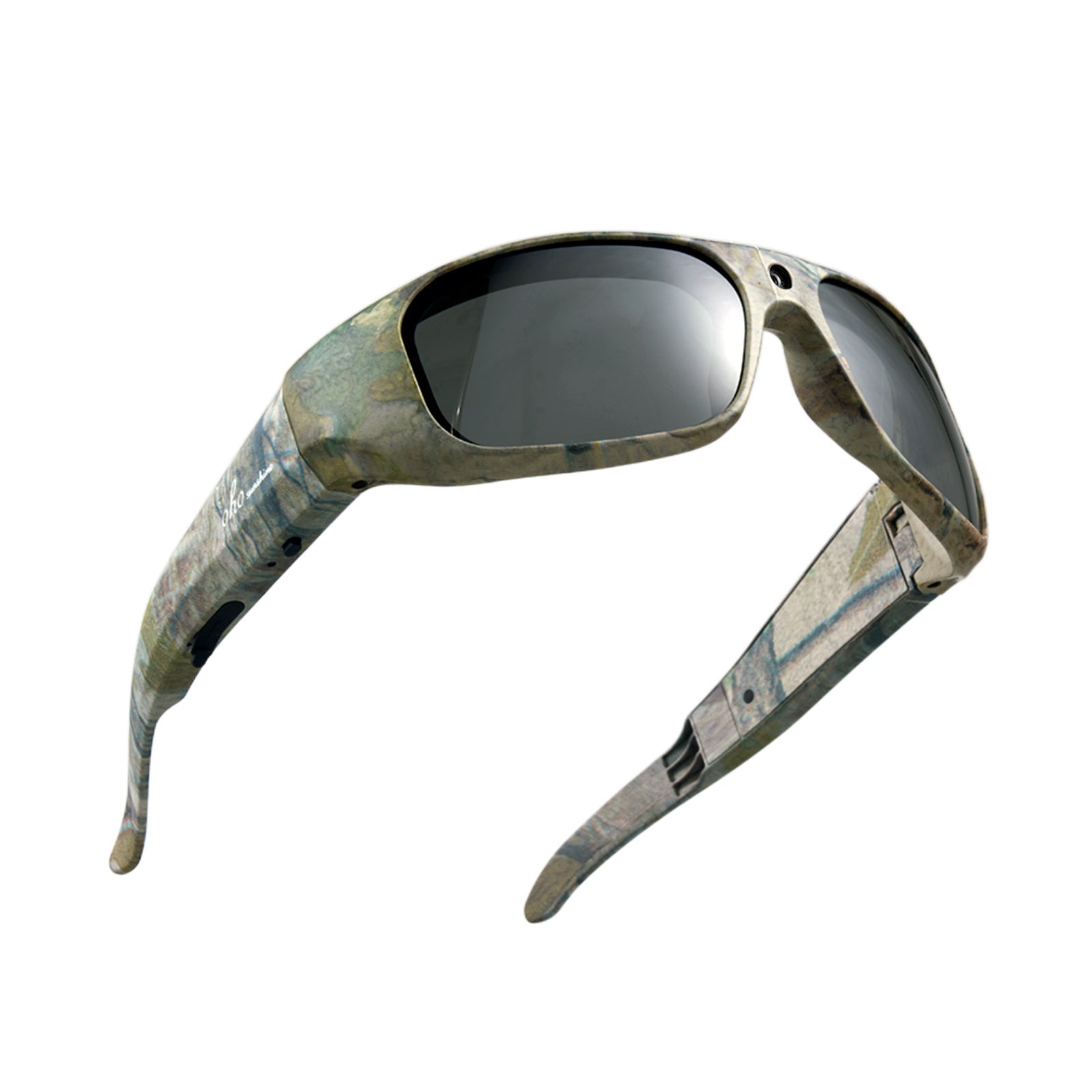


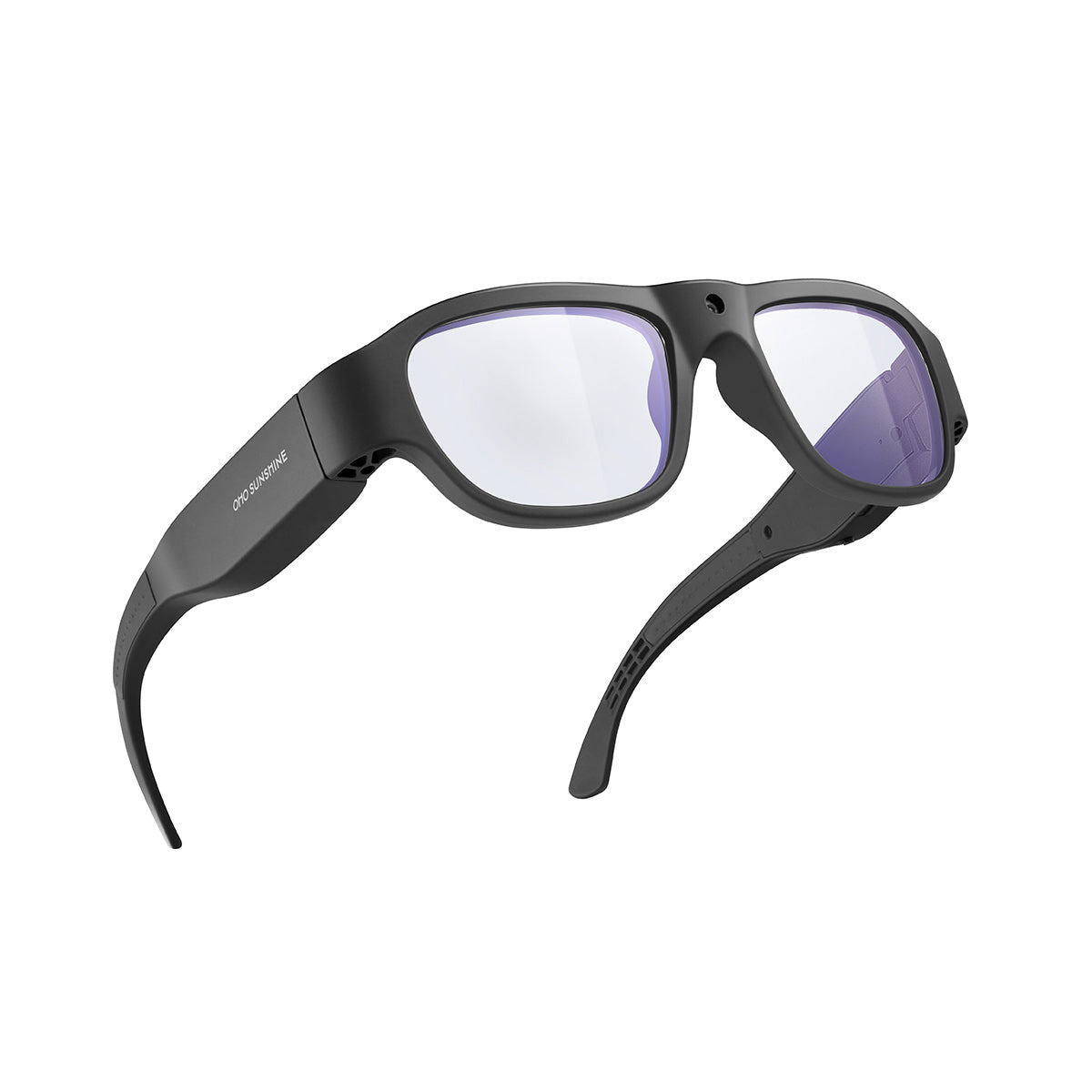
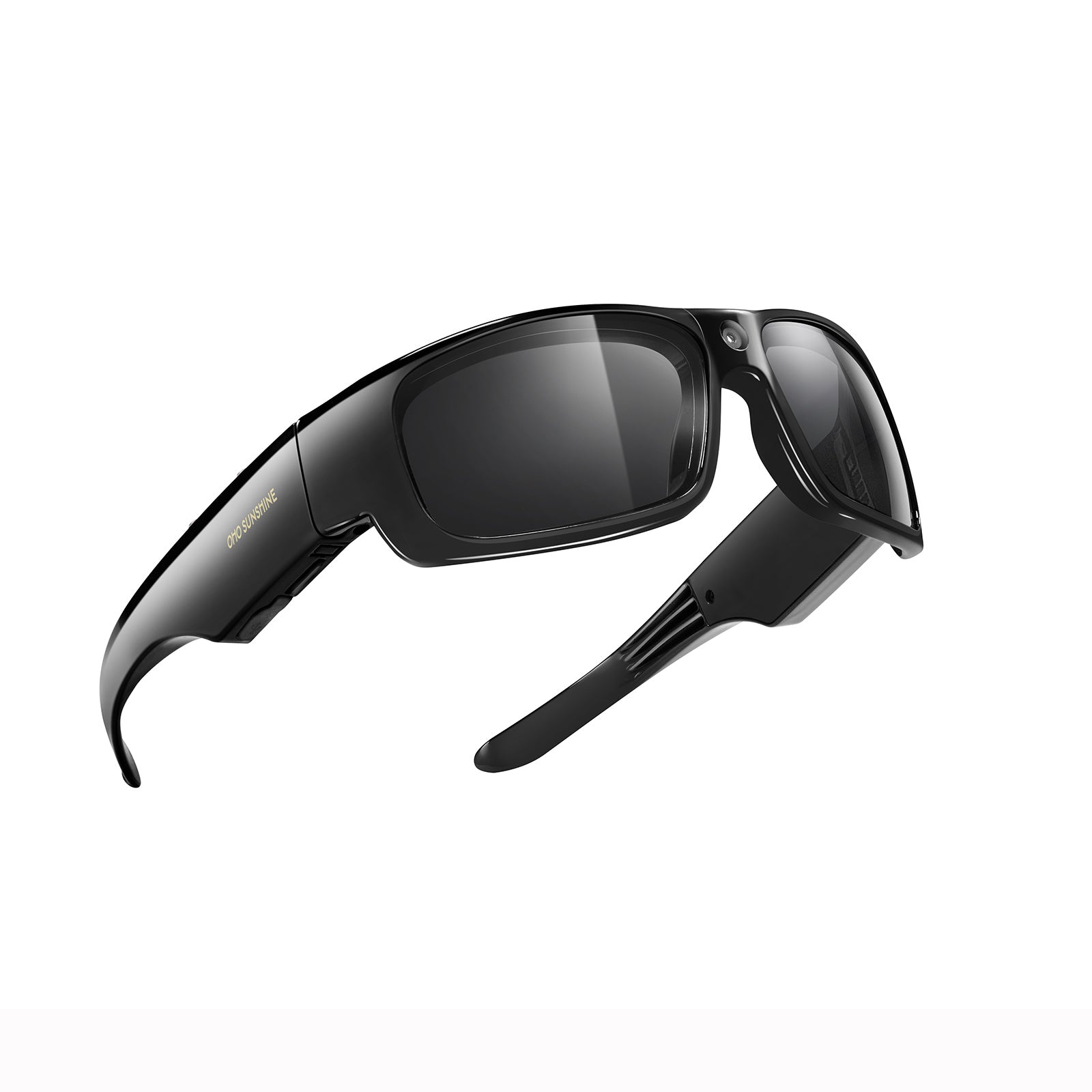


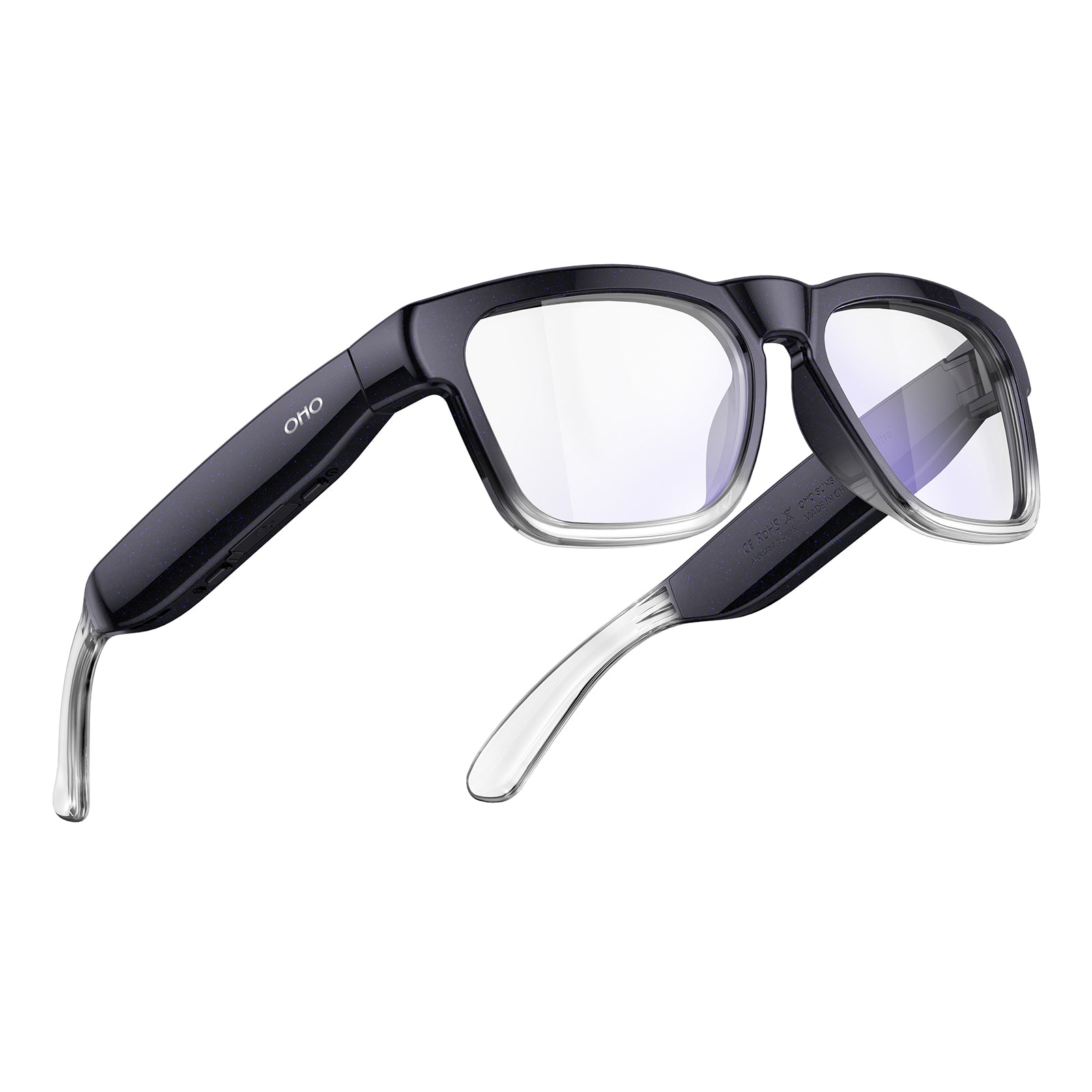







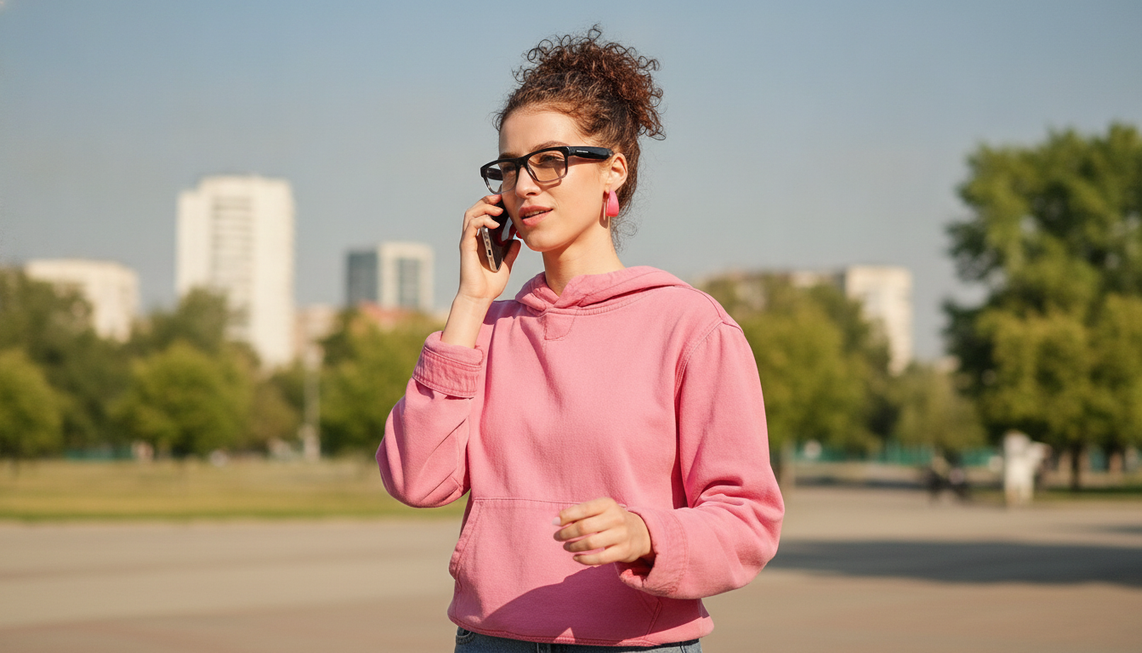
Sí, las gafas inteligentes Bluetooth pueden gestionar llamadas telefónicas cortas en lugares tranquilos o con un nivel de ruido moderado, como un parque, una acera o una visita rápida a una tienda. Se convierten en una opción condicionada cuando el viento, el tráfico, los anuncios o las conversaciones cercanas compiten con tu voz. Para llamadas privadas, muy ruidosas o esenciales para el trabajo, normalmente es mejor usar otra configuración. La forma más rápida de decidir es probar las gafas con la llamada más exigente que hagas habitualmente, no en una habitación tranquila. Utiliza primero el selector de abajo y después evalúa la captación de los micrófonos, el control del viento, la privacidad del diseño de oído abierto y la compatibilidad con el teléfono.
¿Pueden las gafas inteligentes Bluetooth gestionar llamadas telefónicas en lugares ruidosos?
Las llamadas con las gafas funcionan mejor para llamadas breves cuando necesitas estar atento a tu entorno y este presenta un nivel de ruido bajo o moderado. Con viento fuerte, mucho ruido ambiental o en situaciones en las que la privacidad es importante, considera las gafas una opción que debes probar, no tu dispositivo principal para llamadas. También puedes consultar gafas para llamadas manos libres al comparar opciones de gafas.
| Entorno habitual | Decisión para llamadas con las gafas | Motivo o limitación |
|---|---|---|
| Acera o parque tranquilos | Mejor ajuste | Las llamadas cortas son el caso de uso más claro cuando la ruta es tranquila y resulta útil estar atento al entorno con un diseño de oído abierto. |
| Ruido habitual de una tienda o del transporte público | Ajuste condicionado | Las voces cercanas, los anuncios y el movimiento pueden afectar a lo que oye la otra persona. Prueba el entorno real. |
| Ruta expuesta y ventosa | Ponlas a prueba antes de depender de ellas | El viento puede ocultar la voz en los micrófonos. Una ruta que funciona en interiores puede no funcionar al caminar al aire libre. |
| Tráfico intenso, obras o una multitud densa | Peor ajuste | El sonido ambiental y el aislamiento limitado pueden dificultar la comprensión del habla y reducir la privacidad. |
| Llamada privada o de trabajo más larga | Normalmente, elige otra configuración | La claridad constante, la comodidad y la privacidad importan más que la comodidad de las gafas para este tipo de llamada. |
Este es un selector cualitativo, no un nivel de rendimiento medido. Si tu ruta habitual queda entre dos filas, utiliza la fila más exigente como prueba de compra. Así obtendrás una respuesta realista sobre si las gafas Bluetooth para entornos ruidosos se adaptan a tu rutina.

¿Qué determina la claridad de las llamadas en las gafas de oído abierto?
La claridad de las llamadas depende de cómo los micrófonos captan tu voz, de cuánto sonido ambiental llega a ellos y de si el diseño de oído abierto se adapta a tu necesidad de estar atento al entorno o de contar con aislamiento. Bluetooth establece una conexión, pero por sí solo no demuestra que la otra persona te oirá con claridad.
Colocación y ajuste del micrófono
Busca documentación que aborde específicamente la captación de llamadas, el comportamiento del micrófono o el control del ruido. Una afirmación sobre audio Bluetooth o calidad del altavoz describe el lado de la escucha, no necesariamente el del micrófono. El ajuste de las gafas, el movimiento de la cabeza y la dirección hacia la que miras al hablar también pueden afectar a la captación, por lo que una conexión estable no sustituye una prueba real de llamada.
Cuando las llamadas son fundamentales para tu compra, prioriza una opción práctica de devolución o prueba y prueba las gafas mientras caminas, giras la cabeza y hablas a un volumen normal. Esto resulta especialmente útil al comparar gafas inteligentes con cámara y audio, ya que las funciones adicionales no garantizan un buen rendimiento en llamadas bidireccionales.

Viento en rutas a pie y durante los desplazamientos
El viento es una de las pruebas de estrés del mundo real más útiles para evaluar el ruido del viento en el micrófono de unas gafas inteligentes. Las pruebas independientes de gafas con audio abierto descubrieron que el viento fuerte puede dificultar que se oiga al usuario, así que considera ese resultado un ejemplo de variabilidad entre modelos, no una regla universal de fallo.
Prueba la ruta en la que realmente esperas llamar. Camina contra el viento, pasa por intersecciones abiertas y compara lo que oye la otra persona con una llamada desde un lugar tranquilo. Si el viento forma parte habitual de tu desplazamiento, elige una configuración solo después de comprobar que gestiona esa condición específica de forma aceptable.
Ruido de fondo en tiendas y transporte público
El tráfico, los anuncios, las colas de caja, las conversaciones y el ruido de los vehículos compiten con la voz en el micrófono. Las etiquetas de control del ruido pueden ofrecer pistas útiles, pero necesitan contexto, porque un producto puede conectarse de forma fiable mientras la voz sigue siendo difícil de entender en un entorno concurrido.
Una llamada breve en una tienda con actividad moderada puede funcionar bien con algunos modelos y para algunos usuarios. Las multitudes densas, los andenes de transporte ruidosos y las rutas cercanas a obras son más exigentes porque el sonido que compite con la voz es más intenso y menos predecible. Evalúa la experiencia de la persona que recibe la llamada, no solo si la llamada se conecta.
Percepción del entorno y privacidad de las llamadas con audio abierto
Las gafas con audio abierto te permiten estar atento a los sonidos cercanos, por lo que son adecuadas para caminar, desplazarte y hacer recados cuando es importante mantener la percepción del entorno. La contrapartida es un menor aislamiento que con los auriculares intraaurales, de modo que las voces cercanas y el ruido ambiental siguen formando parte de la experiencia de la llamada. Una reseña describe el audio abierto como una forma de conservar la percepción del entorno sin el mismo aislamiento.
Por eso, las gafas de oído abierto son una opción sensata cuando percibir el entorno sea más importante que la privacidad o el bloqueo del ruido. Para conversaciones confidenciales, oficinas compartidas o llamadas en las que cada palabra importe, compara con unos auriculares intraaurales o unos cascos. Para una prueba práctica de privacidad, compara cómo afectan el volumen, el ajuste, la distancia y el ruido a la privacidad del audio de oído abierto.
¿Cuándo es mejor usar otra configuración de audio para las llamadas?
Elige el formato según la llamada más exigente que esperes atender habitualmente. Las llamadas desde la montura priorizan la percepción del entorno y la comodidad, mientras que los auriculares intraaurales o los cascos deben tener prioridad cuando importen más el aislamiento, la privacidad o una voz inteligible de forma constante.
Elige auriculares intraaurales o unos cascos
Un auricular intraaural o unos cascos son un mejor punto de partida cuando tu rutina incluye habitualmente:
- Tráfico, obras, multitudes densas o viento fuerte, donde resulte difícil controlar el sonido de la competencia.
- Llamadas privadas, críticas para el trabajo, dirigidas a clientes o importantes por cualquier otro motivo, en las que perder palabras suponga un problema real.
- Conversaciones más largas en las que el aislamiento, unos controles estables y la comodidad prolongada importan más que llevar gafas para la función de audio.
Esta es una elección basada en las condiciones de las llamadas, no una afirmación de que todos los auriculares intraaurales o cascos superen a todos los pares de gafas. El ajuste, el comportamiento del micrófono, los controles y la conexión con el teléfono aún deben validarse. Una comparación más amplia entre gafas y auriculares puede ayudarte si estás decidiendo entre formatos.
Elige las llamadas desde la montura
Elige gafas de oído abierto cuando quieras hacer llamadas rápidas y manos libres durante caminatas, recados o desplazamientos, y tu entorno habitual sea silencioso o moderadamente ruidoso. Este formato también resulta atractivo cuando oír el tráfico, los avisos o a otras personas forma parte de tu rutina.
Haz estas comprobaciones antes de convertir las llamadas desde la montura en tu opción habitual:
- Mantén las llamadas breves y no confidenciales cuando estar atento al entorno sea más importante que el aislamiento.
- Prueba las monturas en el recorrido por el que normalmente caminas, te desplazas o haces recados.
- Ten disponible otra configuración de audio si ese recorrido suele volverse ruidoso o ventoso.
El rendimiento puede variar según el viento, el entorno, el ajuste y el comportamiento del teléfono. Si las gafas permiten realizar una llamada en tu recorrido habitual y tus llamadas son breves, pueden ser una alternativa práctica a tener que sacar el teléfono.
¿Qué debo comprobar antes de comprar gafas inteligentes Bluetooth para llamadas?
Usa tu teléfono y tu trayecto reales para la prueba final. Las cuatro comprobaciones siguientes separan una conexión básica de unas llamadas fiables y te ayudan a evaluar unas gafas inteligentes para llamadas telefónicas antes de depender de ellas.
- Lee los requisitos del teléfono y de Bluetooth. Busca los sistemas operativos compatibles, los requisitos de Bluetooth, la aplicación necesaria y si las gafas admiten audio de llamadas y entrada de micrófono. Un iPhone puede emparejar un accesorio Bluetooth compatible para hacer llamadas en el iPhone, pero las instrucciones de emparejamiento de Apple no verifican un modelo concreto de gafas ni el rendimiento de su micrófono. El funcionamiento en Android también depende del modelo.
- Revisa los permisos y los controles de llamadas. Identifica los permisos de cualquier aplicación, el acceso a los contactos o al micrófono, los controles para responder y finalizar llamadas y los ajustes de la fuente de audio. Un producto que reproduce música no dirige automáticamente las llamadas bidireccionales de la forma que esperas.
- Prueba el emparejamiento, la reconexión y el cambio de audio. Empareja las gafas con tu teléfono, haz una llamada, finalízala, aléjate brevemente del alcance y vuelve a conectarlas. Comprueba si el audio vuelve a las gafas después de una desconexión y si puedes cambiar de nuevo al teléfono. Un primer emparejamiento correcto demuestra conectividad, no inteligibilidad del habla.
- Repite una llamada breve en dos lugares. Empieza en un sitio tranquilo y luego usa las gafas en el trayecto, en la tienda o durante el tramo del desplazamiento en el que esperas llamar. Pregunta a la otra persona si tu voz sigue siendo comprensible mientras caminas, giras la cabeza y te enfrentas al viento. Si la calidad de las llamadas es el motivo principal de la compra, revisa las condiciones vigentes de devolución y garantía del vendedor antes de hacer el pedido.
Para explorar la categoría, la colección de gafas Bluetooth es un buen punto de partida. Puede ayudarte a comparar formatos de gafas, pero no demuestra que todos los modelos funcionen con cualquier teléfono ni que rindan igual en entornos ruidosos.
¿Podrían las gafas OHO SUNSHINE GlobeEar adaptarse a esta rutina de llamadas?
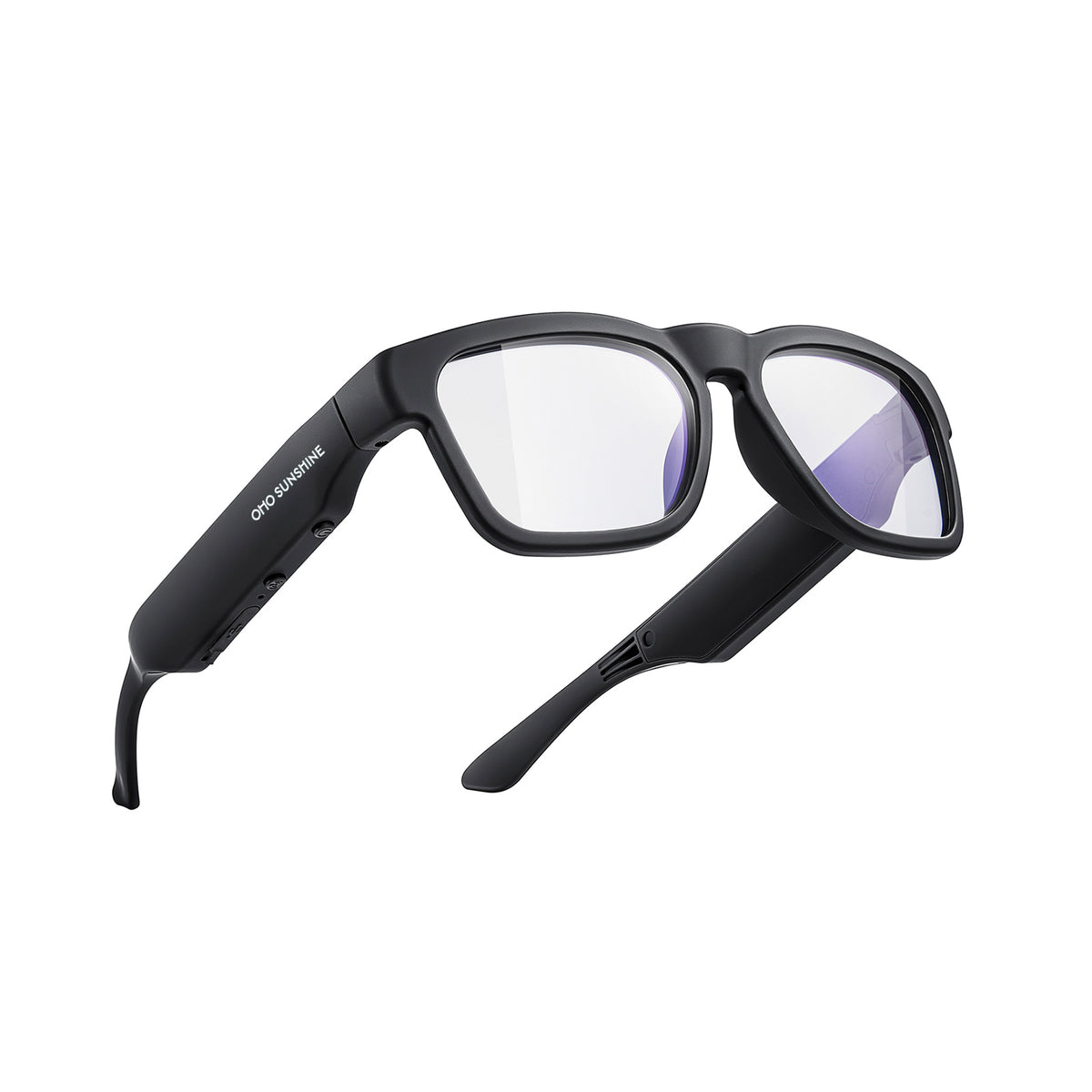
Una vez que las comprobaciones del entorno y del teléfono no presenten problemas, las gafas inteligentes de traducción con Bluetooth e IA OHO SUNSHINE GlobeEar pueden ser adecuadas para quien busca audio Bluetooth en un formato de gafas para llamadas breves, paseos, desplazamientos o recados. La ficha del producto indica audio Bluetooth, un diseño de oído abierto, llamadas manos libres con ENC, una autonomía declarada de 10 horas y una montura de 39 gramos. Estos datos del catálogo no demuestran cómo funcionan sus micrófonos con viento, mucho ruido o una configuración específica del teléfono.
Por lo tanto, GlobeEar es un producto razonable para comparar cuando la percepción del entorno y la comodidad de llevar gafas importan más que un aislamiento intenso. Antes de depender de ellas para hacer llamadas, utiliza la página del producto actual para confirmar los requisitos del sistema operativo del teléfono, el enrutamiento de llamadas, los permisos o la necesidad de una aplicación, los detalles de los micrófonos, la información sobre el control del viento o del ruido y las condiciones de compra vigentes. Esos detalles específicos del modelo siguen siendo la evidencia decisiva para tu rutina.
Para trayectos muy ruidosos, viento fuerte, conversaciones privadas o llamadas esenciales para el trabajo que requieran una inteligibilidad constante del habla, elige auriculares de botón o auriculares con diadema. Si tus llamadas habituales son breves y tanto tu teléfono como tu ruta superan las pruebas anteriores, GlobeEar es una opción de gafas relevante para evaluar, no una solución garantizada para entornos ruidosos.
La respuesta práctica es sencilla: las gafas inteligentes Bluetooth son adecuadas para llamadas breves en entornos tranquilos o moderadamente concurridos cuando la percepción del entorno y la comodidad son importantes. El viento, el ruido intenso de fondo, la privacidad y el comportamiento del teléfono determinan si encajan en tu rutina. Prueba la llamada más exigente que hagas habitualmente antes de convertir cualquier montura de oído abierto en tu dispositivo principal para llamadas.
Preguntas frecuentes
¿Pueden las gafas inteligentes Bluetooth gestionar llamadas telefónicas en exteriores?
Sí, los modelos compatibles pueden gestionar llamadas en exteriores, pero su utilidad depende del viento, el ruido ambiental, el diseño de los micrófonos, el ajuste y el comportamiento del teléfono. Un paseo por un parque puede ser un caso de uso razonable, mientras que un trayecto expuesto requiere una prueba de ruta que incluya las condiciones a las que te enfrentas habitualmente.
¿Qué nivel de ruido es excesivo para las llamadas con gafas inteligentes?
No existe un límite de ruido universal. El ruido habitual al caminar o en una tienda puede ser manejable para algunas gafas, mientras que el viento fuerte, el tráfico intenso, las obras o las multitudes densas pueden hacer que la captación del habla y la privacidad sean menos fiables. Considera el entorno habitual más exigente como la prueba decisiva.
¿Funcionan las gafas inteligentes Bluetooth sin un teléfono para hacer llamadas?
Muchas rutinas de llamadas dependen de un teléfono emparejado, pero el comportamiento exacto varía según el modelo. Confirma si las gafas requieren un teléfono, una aplicación, permisos o un sistema operativo específico; después, prueba el enrutamiento de llamadas y la reconexión en tu propio dispositivo antes de depender de ellas.
¿Son mejores los auriculares de botón que las gafas inteligentes para llamadas telefónicas con ruido?
Los auriculares de botón o los auriculares con diadema suelen ser el formato más adecuado para comparar cuando el aislamiento, la privacidad, la comodidad durante llamadas largas o la inteligibilidad constante del habla importan más que la percepción del entorno con los oídos abiertos. Las gafas inteligentes tienen más sentido cuando la comodidad de tener las manos libres y la percepción del entorno son prioritarias en una rutina de llamadas breves con ruido moderado.


Deja un comentario
Este sitio está protegido por hCaptcha y se aplican la Política de privacidad de hCaptcha y los Términos del servicio.