



















AI smart glasses marketed for real-time translation can help with selected, routine, lower-consequence conversations in a clinic or telehealth visit, but they are not a substitute for a qualified human interpreter or an approved language-access workflow. Before any patient use, a clinic must clear privacy and data-handling risks, confirm the device can escalate to a qualified interpreter for complex or high-consequence communication, and test comfort across repeated 30-minute visits against a bedside rolling tablet translator. The right choice depends on the encounter type, not on which device looks newer.
Can AI translation glasses help in clinic and telehealth interpreting?
The short answer is conditional: glasses may support an approved pilot for routine communication, but privacy, terminology, and comfort each have their own clearance gate. Work through the checks below before letting any device near a patient encounter.
Start with privacy and clinic-policy clearance
Clearance starts with mapping the full data path from the glasses to the cloud, because privacy risk lives in the whole workflow, not just the hardware. A translation feature that looks simple on the outside can still touch protected health information at several points along the way.
- Trace every hop the audio or text takes: the glasses, the paired phone, the companion app, the translation engine, the telehealth platform, and any cloud service that stores what was said.
- Ask whether transmissions could be intercepted, whether they are encrypted, whether device or app access requires authentication, and how any recordings or transcripts get created, stored, and deleted. HHS guidance on remote telehealth technology says a covered entity's risk analysis should address exactly these points, and it specifically notes that a translation app creating or receiving protected health information may require a business associate agreement with its developer.
- Get written sign-off from privacy and compliance staff, IT, interpreter services, clinical leadership, and infection-control staff before the glasses touch a real patient encounter, not after a trial run has already started.
Set the medical-accuracy and human-interpreter boundary
Routine conversational exchanges, like confirming a name or checking in a patient, are the only realistic pilot scope for AI-only translation. Nothing in current guidance validates a consumer device's medical terminology accuracy, so the boundary has to be set before the pilot, not discovered during it. ADA.gov guidance on telehealth explains that qualified interpretation must be effective, accurate, and impartial, and must include the specialized vocabulary a clinical conversation actually requires. That is a high bar, and a translation feature built for everyday conversation has not been tested against it, so any complex, consent-related, diagnostic, medication, or emergency conversation should move straight to the clinic's qualified human interpreter.
For online visits, the escalation path has to survive the platform switch, too. The federal telehealth access guidance says a telehealth platform should support a qualified telephone or video remote interpreter joining the call, and that the right communication method depends on the encounter's nature, length, complexity, and context rather than on convenience. If the glasses can sit alongside that interpreter workflow, they may add a hands-free layer for the routine parts of a visit. If they compete with it or replace it, they do not belong in that encounter.
Workflow Trade-Offs: Wearable Glasses Versus Rolling Tablets
Neither device wins outright. The right pick depends on the situation in the room and how each workflow scores against the checks above.
| Situation | Glasses may fit when | Rolling tablet or human workflow may fit when |
|---|---|---|
| Routine hands-free interaction | Wearer is comfortable and audio stays private for simple exchanges | Staff prefer not to wear a device, or need a shared screen |
| Complex or high-consequence conversation | Not recommended for AI-only use | Qualified human interpreter, in person or via approved tablet or telehealth |
| Online interpreter access | Glasses supplement, not replace, the platform's interpreter feature | Tablet or laptop keeps the interpreter visible on one shared screen |
| Shared-room visibility | Patient can't easily see translated text on the device | Tablet screen is visible to both patient and family in the room |
| Repeated 30-minute sessions | Passed the clinic's comfort, connectivity, and charging pilot | Documented cleaning and charging routine between patients |
In short, glasses lean toward hands-free routine tasks that have passed a pilot, while a rolling tablet or the human-interpreter path leans toward anything visible, shared, complex, or high-consequence.
Test comfort and operations across 30-minute visits
Comfort and uptime during back-to-back visits are pilot outcomes, not specifications, so a clinic has to observe them directly before approving daily use.
- Frame fit and pressure: watch for red marks, headaches, or fatigue after several consecutive 30-minute visits, not just one trial run.
- Audio behavior: check for leakage that a nearby patient or family member could overhear, and confirm the wearer doesn't lose attention to the patient's face and body language.
- Connectivity and power: log dropped connections, translation lag, phone or app dependence, and any charging interruption between patients.
- Cleaning and storage: have infection-control staff sign off on a wipe-down and storage routine before the glasses move to the next room.
- Pass or fail record: treat the pilot as pass or fail per criterion; a single missed check is reason enough to postpone rollout, not to average it against the others.
Where a product candidate fits and where evidence stops
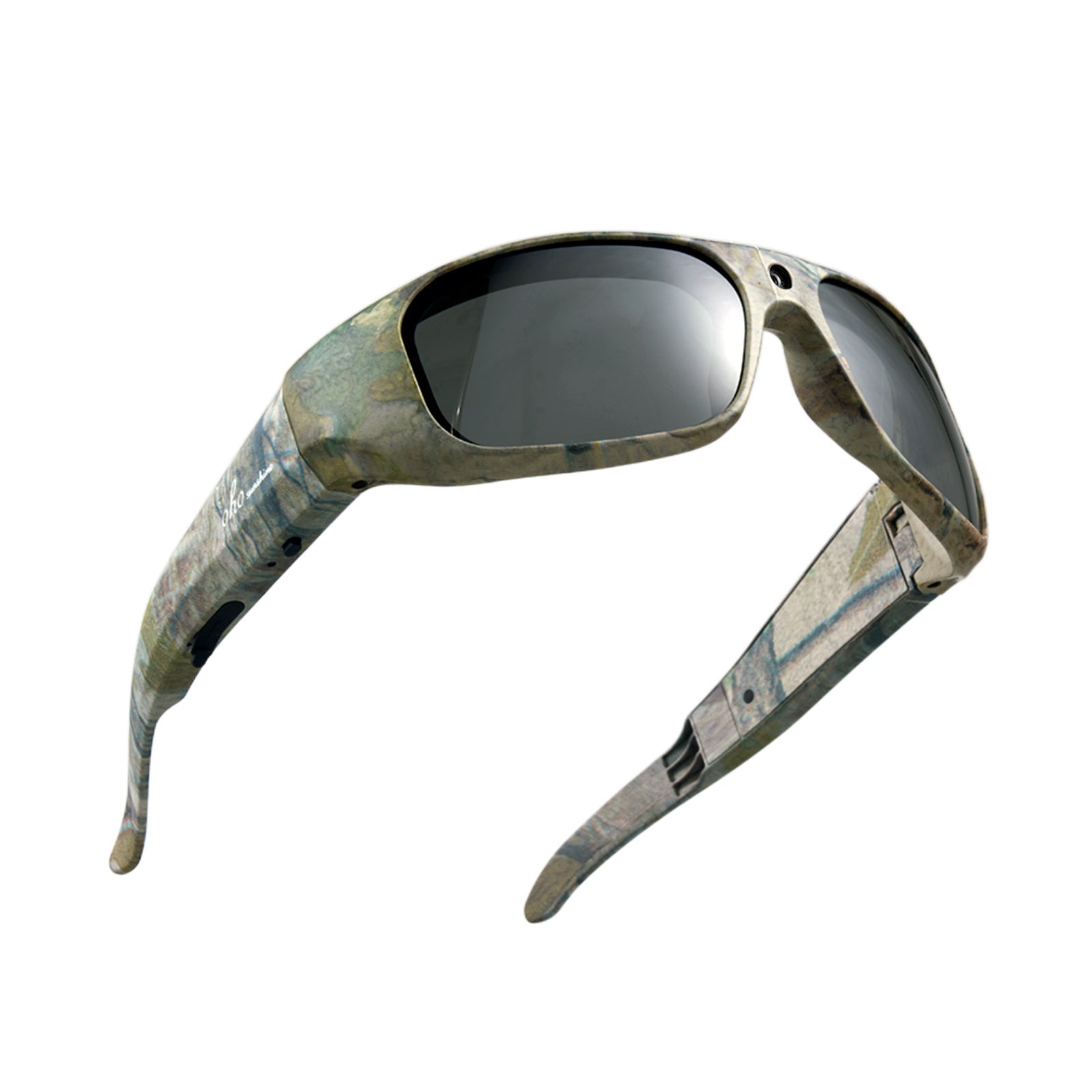
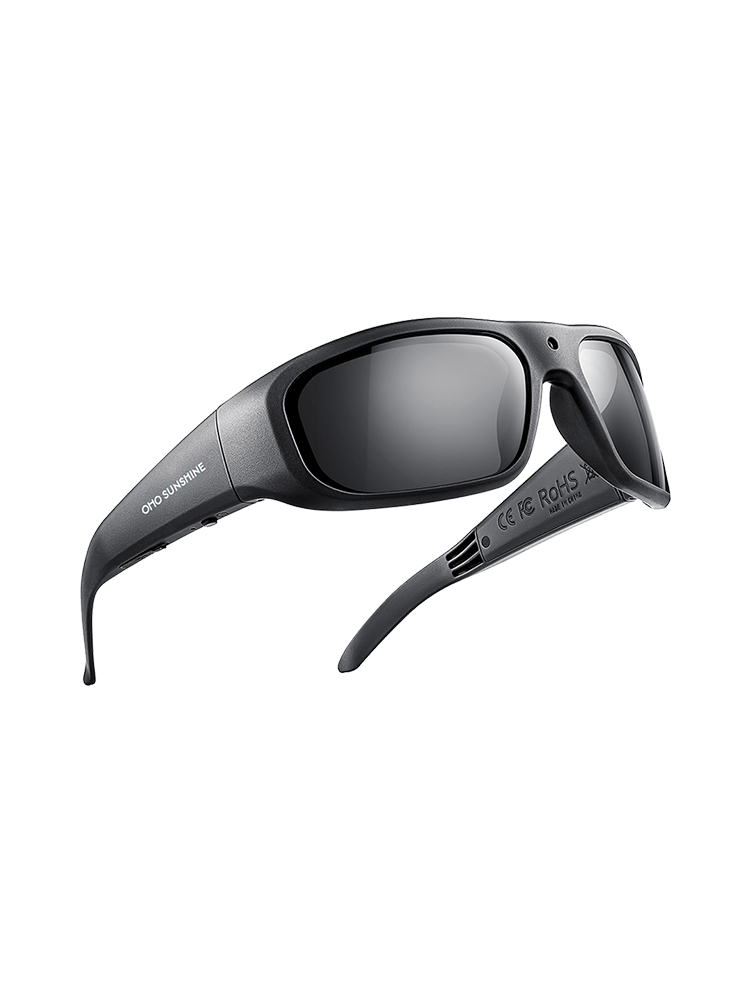
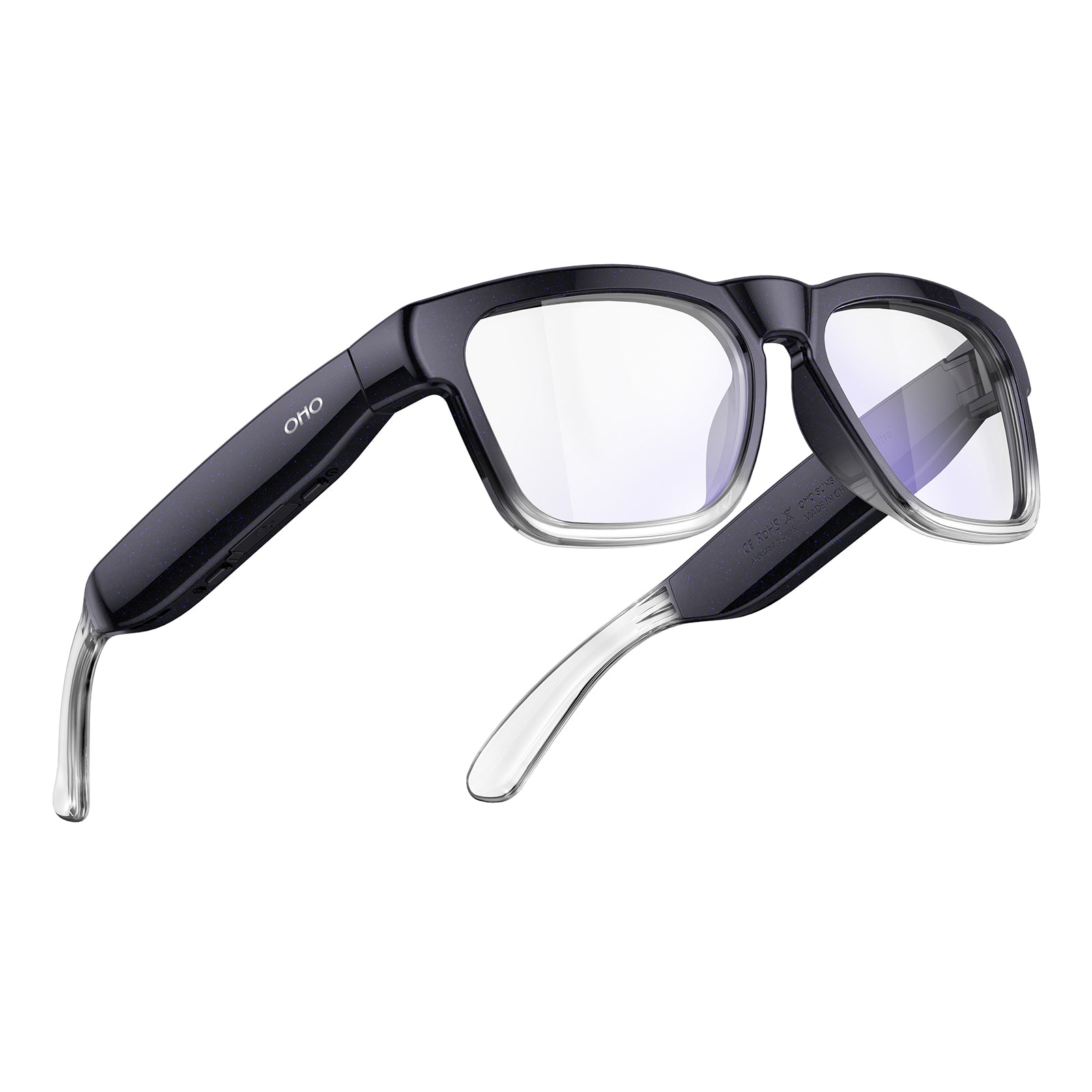
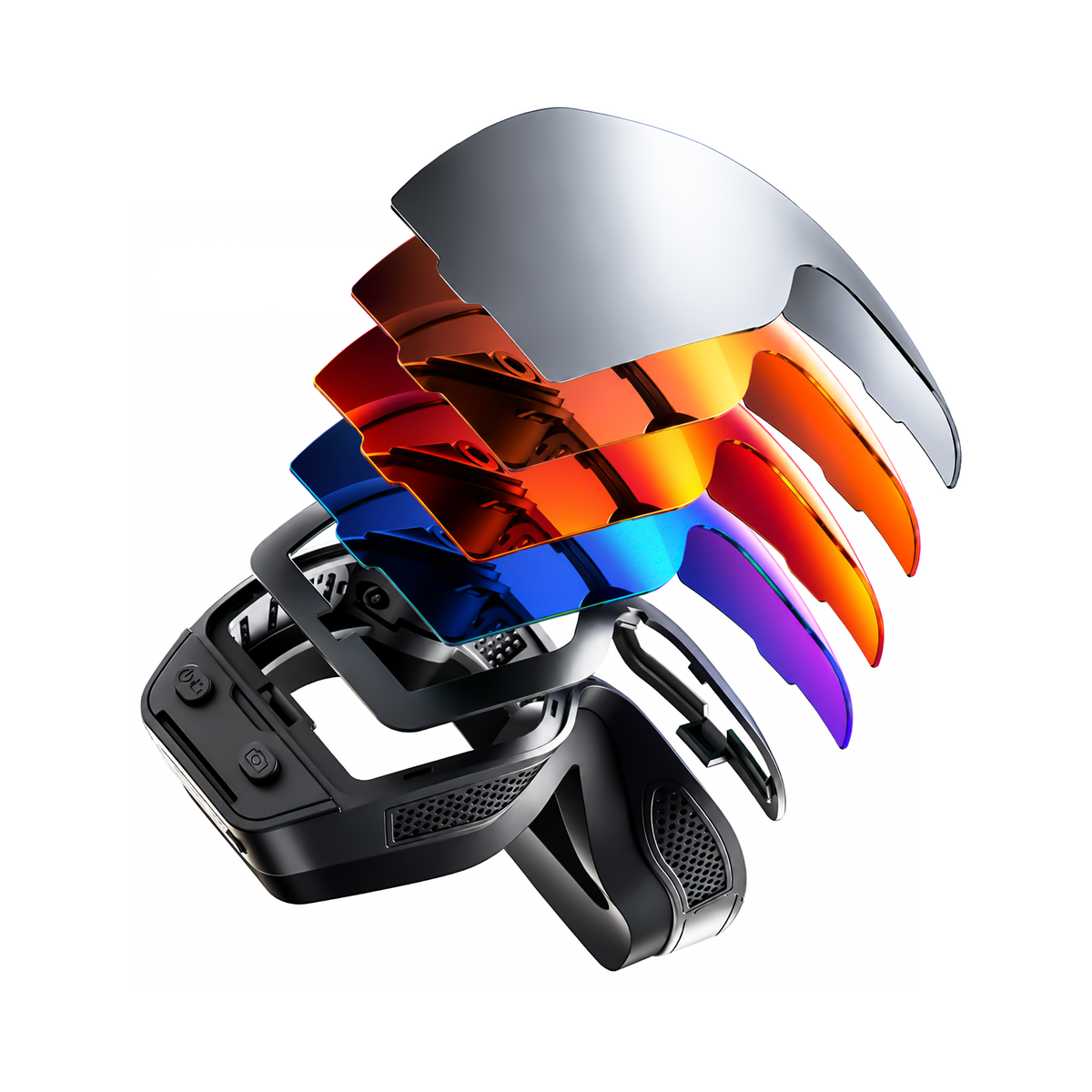
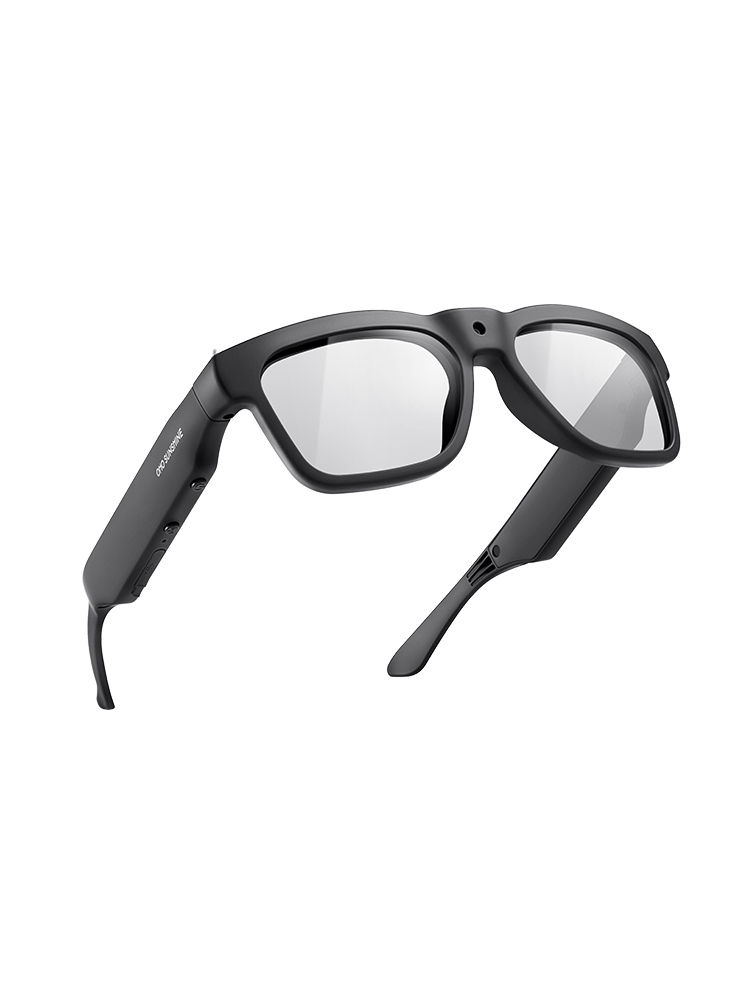
Once a clinic has cleared privacy, set the human-interpreter boundary, and run a comfort pilot, a routine-use candidate like Elingo translation glasses becomes easier to evaluate on its own merits. As Bluetooth smart glasses, the listing describes real-time translation, an open-ear speaker, voice control, a 36-gram frame, and roughly ten hours of battery working time, all reasonable variables to test in a hands-free, routine-communication pilot rather than proof that the glasses are ready for patient use.
None of those specifications establish HIPAA compliance, clinical terminology accuracy, or comfort across an actual clinic day, so treat them as pilot inputs and run the device through the same privacy, escalation, and 30-minute session checks described above before it goes near a real encounter. Clinics considering camera-equipped smart glasses for other tasks, like documenting a procedure, owe patients a separate look at recording behavior, and our camera-glasses privacy checklist walks through consent, disclosure, and stop points for that use case.
Approve AI translation glasses only for a defined, routine pilot where privacy, escalation, and comfort have each passed a documented review, and keep the qualified human-interpreter path active for every complex or high-consequence encounter. Have privacy and compliance staff, clinical leadership, interpreter services, IT, and infection-control staff sign off on the workflow, run it through several back-to-back 30-minute visits, and record a clear pass or fail before any wider rollout.
FAQs
What should an interpreter do if the glasses mistranslate a clinical term?
Pause the conversation and switch to the clinic's qualified human interpreter or approved language-access process to confirm the correct meaning. Document the incident under the clinic's error-reporting policy, and don't continue a consent, diagnosis, medication, or emergency conversation on unverified AI output until a qualified interpreter has confirmed understanding.

Can AI translation glasses be used for informed consent?
No. Informed consent should go through the clinic's qualified human-interpreter process rather than an AI-only device, because consent conversations need interpretation that is verified as accurate and complete before a patient signs anything. Confirm the patient's understanding through that qualified pathway, and only use the glasses afterward for routine, lower-stakes follow-up questions.
Do open-ear smart glasses solve patient privacy concerns?
No. Open-ear audio can still leak sound to nearby patients or family members, and the open design says nothing about how the device, app, Bluetooth connection, or cloud service handles that audio behind the scenes. A clinic still needs to test for audio leakage in the exam room and confirm authentication, encryption, and recording or retention behavior before approving the device.
Are smart glasses with a camera appropriate in an exam room?
Camera-equipped smart glasses, sometimes sold as smart camera glasses, need a separate review from audio-only translation approval, because recording indicators, patient consent, image storage, and clinic policy all change once a lens is involved. Approving a device for audio translation does not automatically clear it for visual capture, so exam-room camera use needs its own sign-off, distinct from the translation pilot described above.


Dejar un comentario
Este sitio está protegido por hCaptcha y se aplican la Política de privacidad de hCaptcha y los Términos del servicio.