
Smart glasses have quietly crossed a line. They are not prototype tech or niche gadgets anymore. In 2026, they are practical, everyday wearable devices that people use to capture moments, handle calls, translate speech on the go, and simplify daily routines. Not every pair is built for the same person, though. Here is a breakdown of who benefits most, what features matter, and how to find the right match for your lifestyle.

What Are Smart Glasses and Why Are More People Considering Them in 2026?
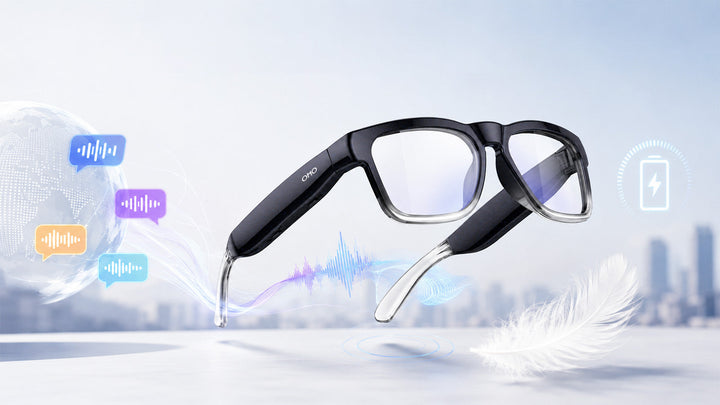
Smart glasses are wearable tech built directly into eyeglass frames. Unlike regular glasses that only help you see, smart glasses can play audio through built-in speakers, record video or photos from your point of view, connect to your smartphone via Bluetooth, or process speech through AI (artificial intelligence) for tasks like real-time translation.
Early versions were clunky and battery-heavy. Current options look much closer to ordinary sunglasses or eyewear, which is a big part of why adoption has grown. The tech has gotten lighter, more refined, and more stylish, without sacrificing functionality.
A few things are driving interest in 2026:
- Hands-free convenience is more valued than ever, especially for active lifestyles
- AI-powered features like real-time language translation have become genuinely practical
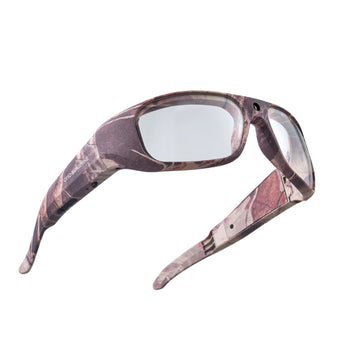
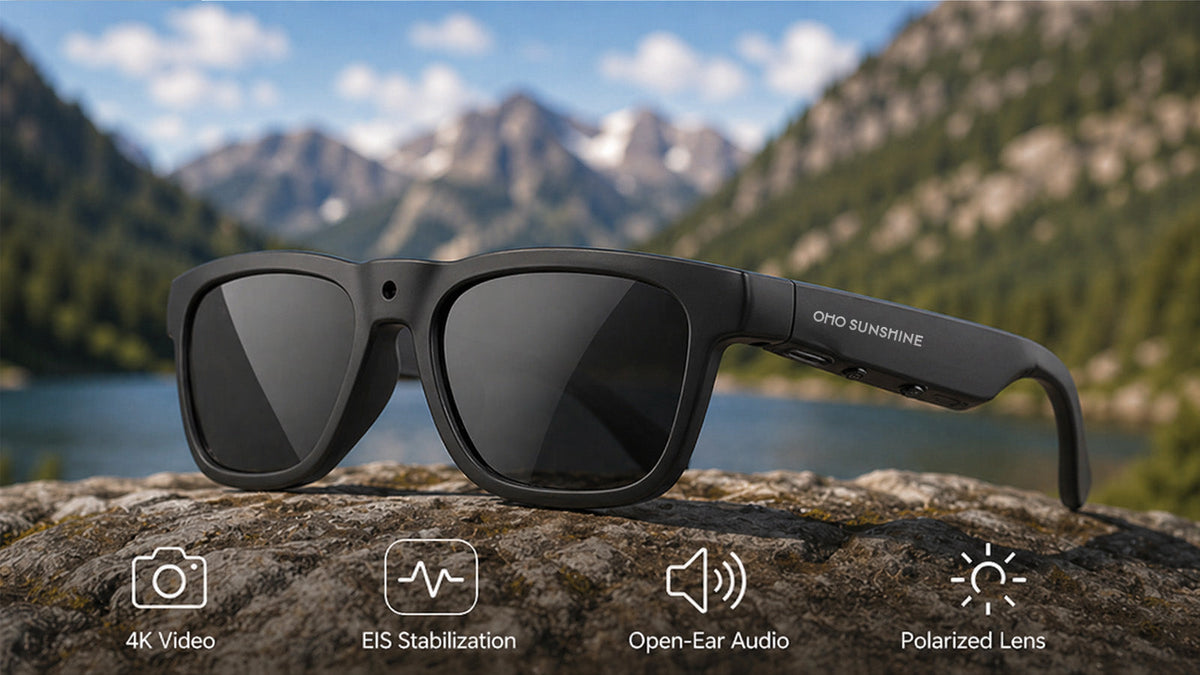
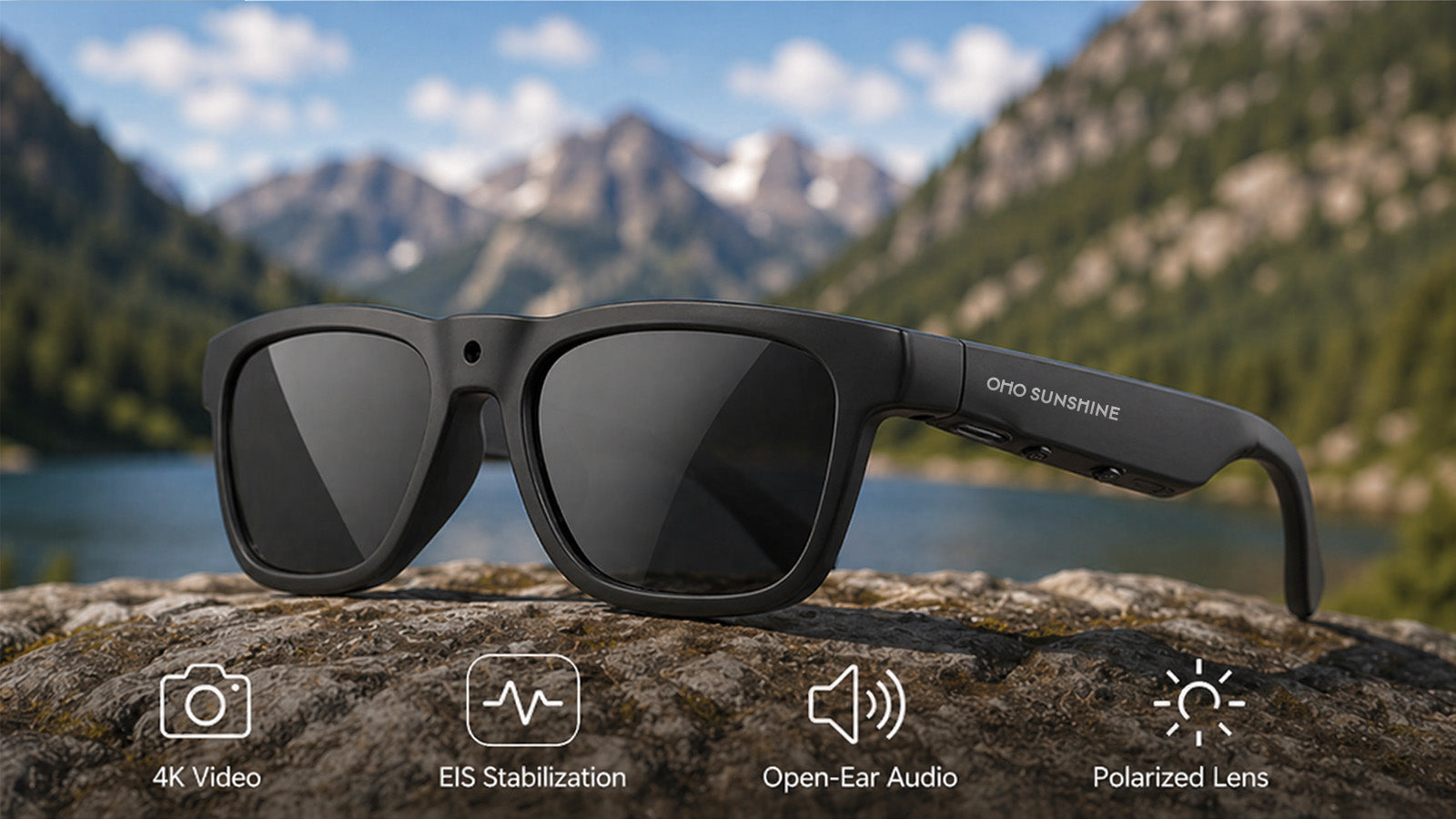
- Camera glasses capture a first-person perspective hands-free, with newer models adding EIS for smoother footage
- Bluetooth audio glasses offer a discreet, all-day alternative to wearing earbuds

Who Can Benefit Most From Smart Glasses?
Smart glasses work especially well for specific types of people. The groups below tend to get the most meaningful use out of them.
Outdoor Enthusiasts and Athletes
Hikers, cyclists, skiers, surfers, and runners share a common challenge: their hands are busy and their phone is out of reach. Camera-equipped smart glasses solve this by recording what you see without any extra setup. Press a button and keep moving.
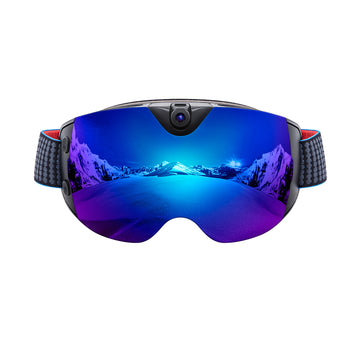
Ski and snowboard riders benefit from smart snow goggles, which combine a wide-field lens with an onboard camera. Slope footage gets captured automatically, so reviewing runs or sharing highlights after a session requires no extra effort.
Bluetooth audio glasses are also a strong fit for outdoor use. They allow music playback and phone calls while keeping ambient sound audible, which supports better situational awareness on trails, roads, or open water.
Frequent Travelers and International Commuters
AI smart glasses with real-time translation features are ideal for people who frequently switch between languages. Instead of constantly holding up a phone to translate, these glasses connect with translation apps on your device and display or play the translated language in real time. By pairing the glasses with a reliable translation app, spoken conversations flow more naturally without interrupting the interaction.
For anyone navigating foreign airports, local markets, or cross-border business meetings, this kind of hands-free assistance reduces friction and helps communication feel more fluid and confident.

Smart Glasses for Travel, Work, Daily Convenience, and Content Capture
Smart glasses cover a wider range of scenarios than most people expect. The table below gives a quick overview of which type tends to work best for different situations.
| Use Case | Best Feature Match |
| Outdoor adventures & sports | Camera glasses with polarized or photochromic lenses |
| Daily commuting / on-the-go audio | Bluetooth audio glasses |
| International travel & cross-language work | AI translation glasses |
| Content creation & POV capture | High-resolution camera glasses with EIS |
| Work meetings & productivity | AI glasses with audio and voice features |
The best match depends on how and where you plan to use them. Most categories span a range of options, so there is flexibility based on your priorities and how you live day to day.
Smart Glasses for Work and Productivity
In professional settings, smart glasses earn their place through audio and AI assistance. Bluetooth audio glasses let you handle calls without putting on headphones, which fits naturally in meetings, at a desk, or between appointments. Some AI glasses also support translation, voice commands, or smart assistant integration when working with international clients or multilingual teams.
For professionals who move between environments throughout the day, a well-chosen pair of smart glasses can streamline how they work without adding more devices to carry and manage.
Smart Glasses for Content Creators and Casual Capture
For anyone filming regularly, camera glasses deliver a true first-person perspective that handheld recording simply cannot replicate. The camera sits at eye level, so footage reflects what you actually see rather than what a phone held out in front of you sees.
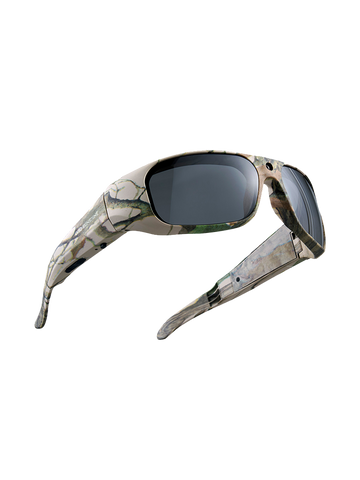
The best smart sunglasses for creators tend to combine high video resolution with practical outdoor lenses, like polarized or photochromic options that adapt to changing light. Higher-end models now include EIS (Electronic Image Stabilization), a technology that actively reduces camera shake in real time, producing noticeably smoother footage even during movement. For creators who shoot while walking, cycling, or in other active scenarios, EIS is one of the most impactful features to look for.
Which Smart Glasses Features Matter Most for Different Users?
Not all smart glasses are built the same. These are the features worth paying attention to before making a decision:
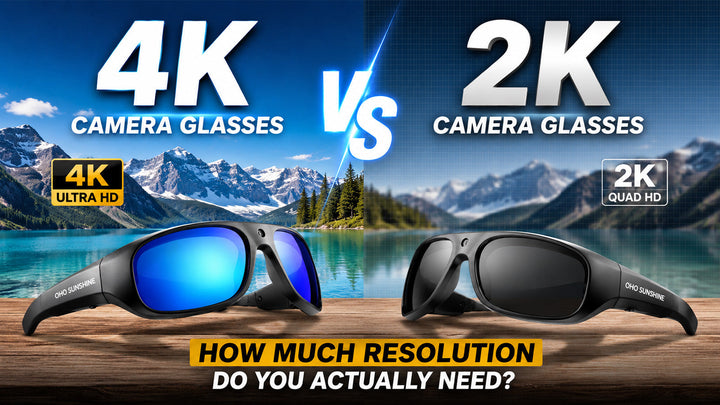
- Video and photo quality: Higher resolution means sharper, more detailed footage, especially in bright outdoor environments where smart glasses perform at their best.
- EIS: A standout feature in newer camera glasses. EIS compensates for movement during recording, so footage stays smooth even when you are active. Worth prioritizing if capturing clear video during sports or outdoor adventures matters to you.
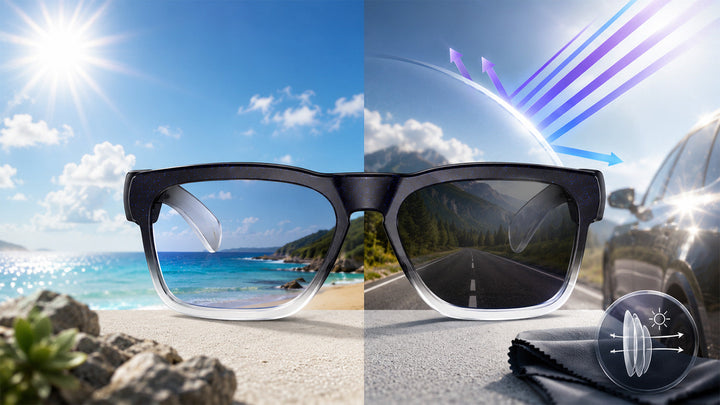
- Lens type: Polarized lenses cut glare and are ideal for outdoor use. Photochromic lenses automatically tint in sunlight and clear up indoors, offering versatility across changing environments. Clear lenses suit indoor or low-light settings.
- Audio quality: For Bluetooth glasses, speaker clarity and microphone pickup both matter. Good directional microphones make calls sound clear even in outdoor or mildly noisy settings.
- AI capabilities: The best AI glasses go beyond audio, offering translation, voice commands, or smart assistant integration. These features vary by model and are worth comparing if AI assistance is part of what you need.
- Frame material and comfort: Premium frames use materials like TR90, a flexible, lightweight nylon that holds its shape under pressure and stays comfortable for extended wear. If you plan to wear smart glasses for hours at a time, frame quality makes a real difference.
What to Think About Before You Buy Smart Glasses
Getting the most from smart glasses comes down to matching the right pair to your actual use case. A few things are worth clarifying before you choose:
- Recording environment: Camera glasses are optimized for outdoor, first-person capture. If you plan to record primarily outdoors and on the move, they are well suited to the task. For indoor recording, good ambient lighting helps complement the glasses' capabilities.
- Audio preference: Bluetooth glasses deliver clear open-ear audio and are great for calls and music throughout the day. For everyday connected listening, smart glasses offer added convenience and all-day wearability without anything sitting inside your ear.
- Privacy awareness: Most camera glasses include LED indicators that show when recording is active, making it easy for people around you to know when the camera is on. Being mindful of recording guidelines in specific venues is simply good practice.
- Tech comfort level: Most smart glasses are plug-and-play or pair simply via Bluetooth. Some models with AI features involve a companion app. If you prefer minimal setup, entry-level Bluetooth glasses are a smooth starting point.
How to Choose the Right Pair Based on Budget and Priorities
Choosing smart glasses comes down to three honest questions:
- What do you mainly want them to do? Audio, recording, translation, or a combination?
- Where will you wear them most? Outdoors on the move, at a desk, commuting, or on the slopes?
- How much do specific features matter to you? EIS for smooth video, photochromic lenses for adaptive light, or AI translation for language support?
For most people getting started, Bluetooth audio glasses are the most accessible entry point. They look like regular sunglasses, connect quickly, and handle the most common everyday need: staying connected without wearing something over your ears all day.
For anyone who wants the smoothest footage possible, models with EIS built in represent the current high point in camera glasses performance. The stabilization technology makes a meaningful visual difference, particularly during fast movement.
For frequent travelers or professionals who regularly work across languages, AI translation glasses offer a practical, time-saving advantage that tends to feel more useful the more you rely on them.
Find the Smart Glasses Built for Your Life
Smart glasses in 2026 have grown into a genuinely useful category, not just a novelty. Whether you want hands-free audio for everyday convenience, first-person video capture with EIS stabilization, or real-time AI translation for cross-language situations, there is a pair designed for exactly how you live. The right choice comes down to your lifestyle and what you want your glasses to do.
FAQs about Smart Glasses in 2026
Q1. Can Smart Glasses Replace Regular Sunglasses?
Yes, in most cases. Many smart glasses are built around quality lens systems, including polarized and photochromic options, that function just as well as traditional sunglasses. The smart features are integrated into the frame without affecting lens clarity or UV protection. For daily wearers, upgrading to a smart pair adds genuine functionality while keeping the same familiar look.
Q2. Are AI Smart Glasses Worth It for Everyday Use?
For the right person, they offer real daily value. If you travel internationally, work across languages, or want hands-free audio in a form factor that looks like regular eyewear, the best AI glasses deliver meaningful convenience. The more often you find yourself in cross-language situations, the more useful this category tends to become.
Q3. Do Smart Glasses for Men Fit Differently From Other Styles?
Not always. Some smart glasses are made in a single, unisex size rather than separate men’s or women’s fits. In these cases, the design is intended to suit a broad range of face shapes and everyday wear preferences. Comfort depends more on the frame structure and overall fit than on gender-specific styling.
Q4. What Is EIS and Why Does It Matter in Camera Glasses?
EIS stands for Electronic Image Stabilization. It is a built-in technology that detects and compensates for movement while the camera is recording, producing footage that looks noticeably smoother even during active use. For anyone recording while walking, cycling, or in other moving scenarios, EIS makes a clear visual difference. It is one of the most practical upgrades available in the best smart sunglasses for outdoor and active use in 2026.