
















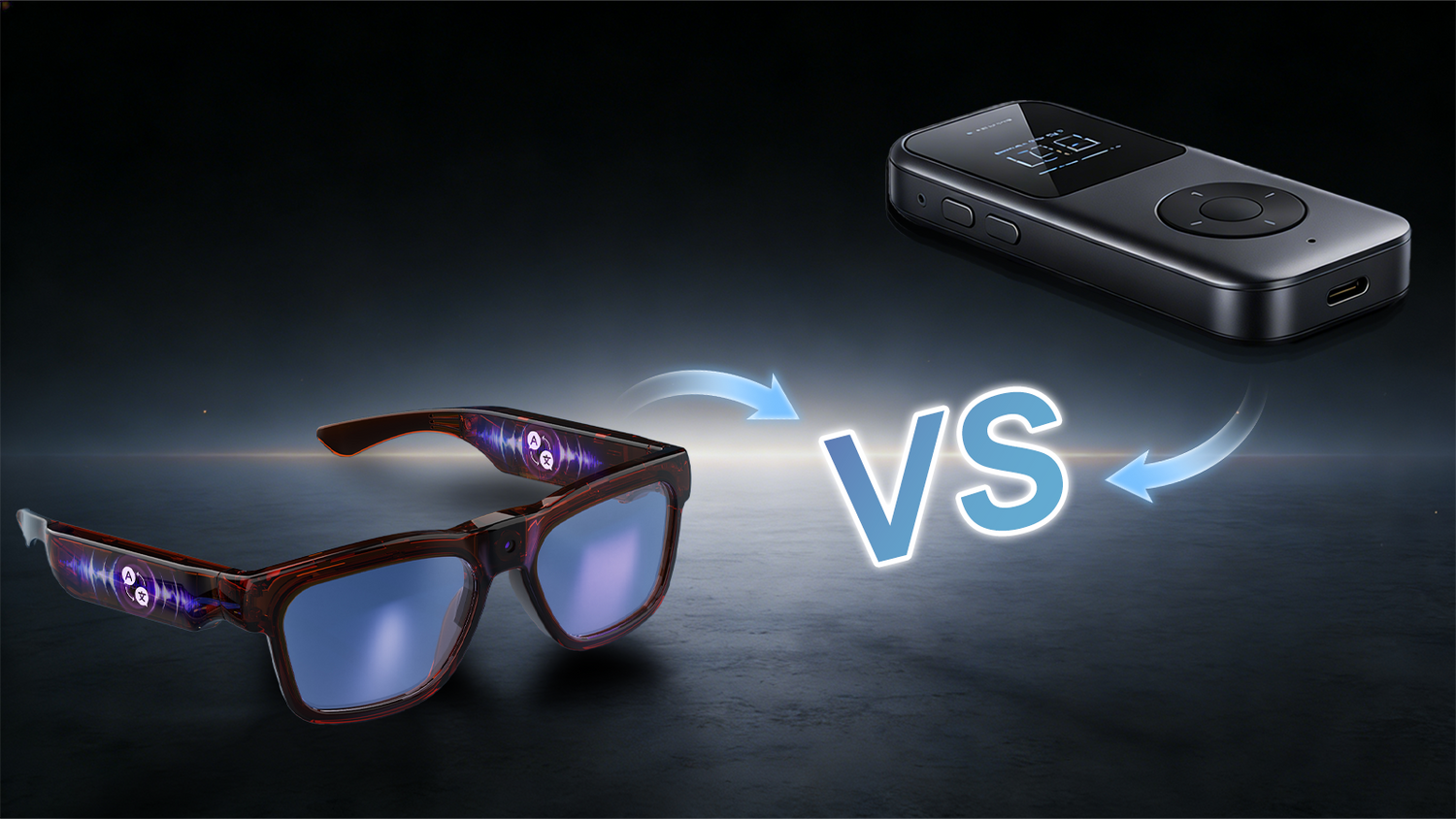
Travel abroad, and you'll quickly realize that language barriers aren't just inconvenient, but also isolating. Ordering food becomes a guessing game. Asking for directions turns into chaotic hand gestures. Traditional pocket translators promised to solve this problem, but they often create awkward pauses and kill the natural flow of conversation. Now, AI translation glasses offer a hands-free alternative that keeps your eyes on the person you're speaking with, not on a screen. The question is: does wearable technology truly outperform the classic handheld device?
What Are AI Translation Glasses and How Do They Work
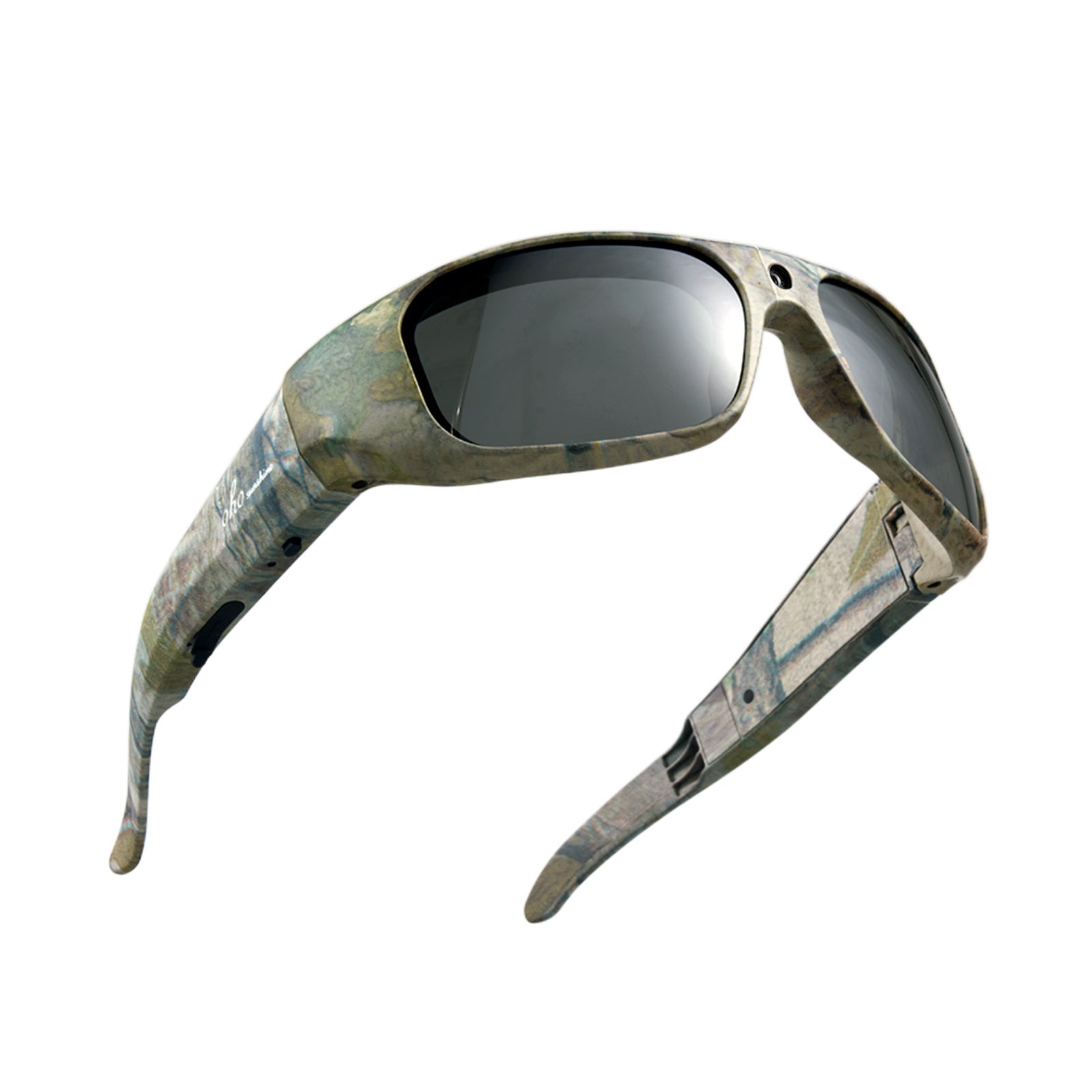
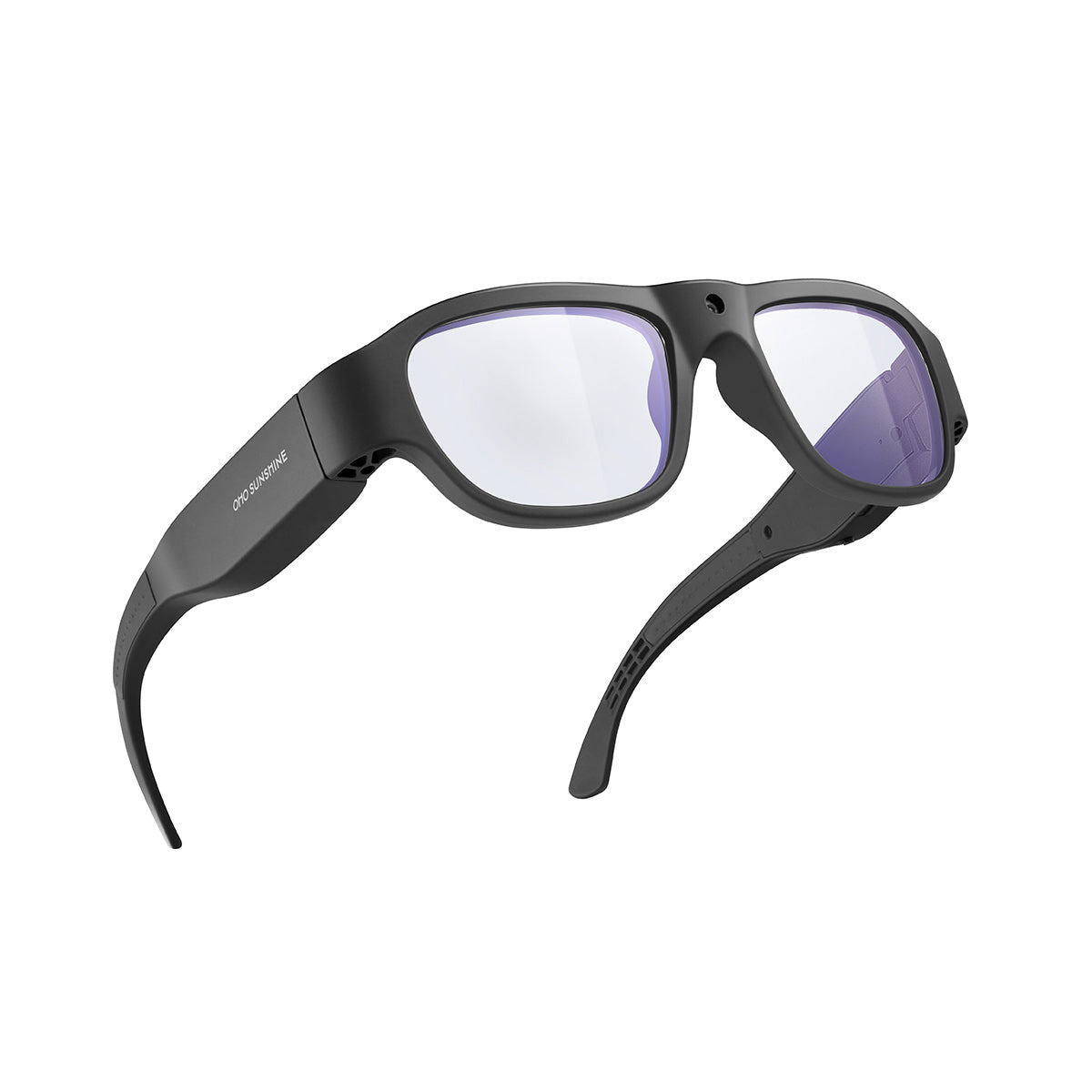
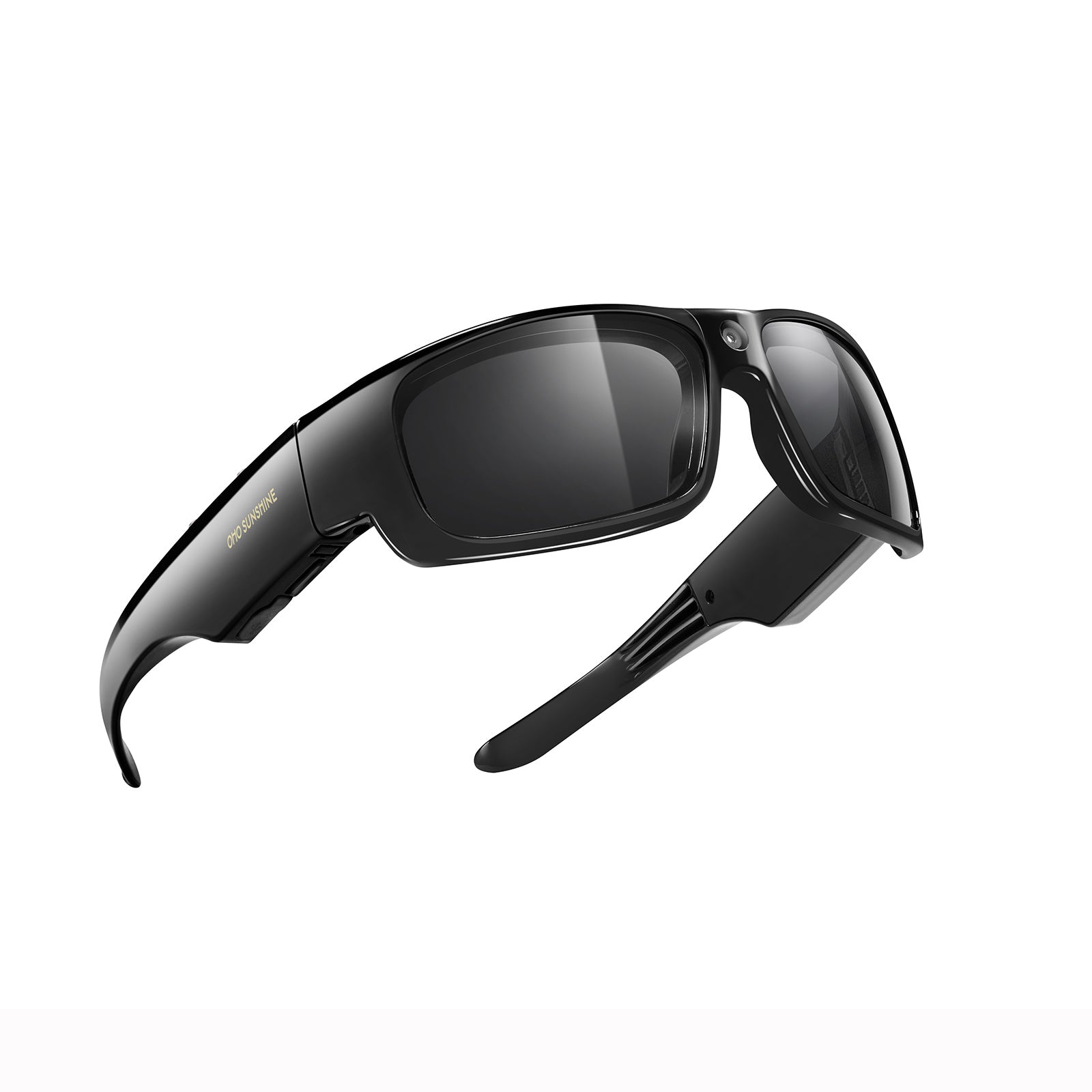
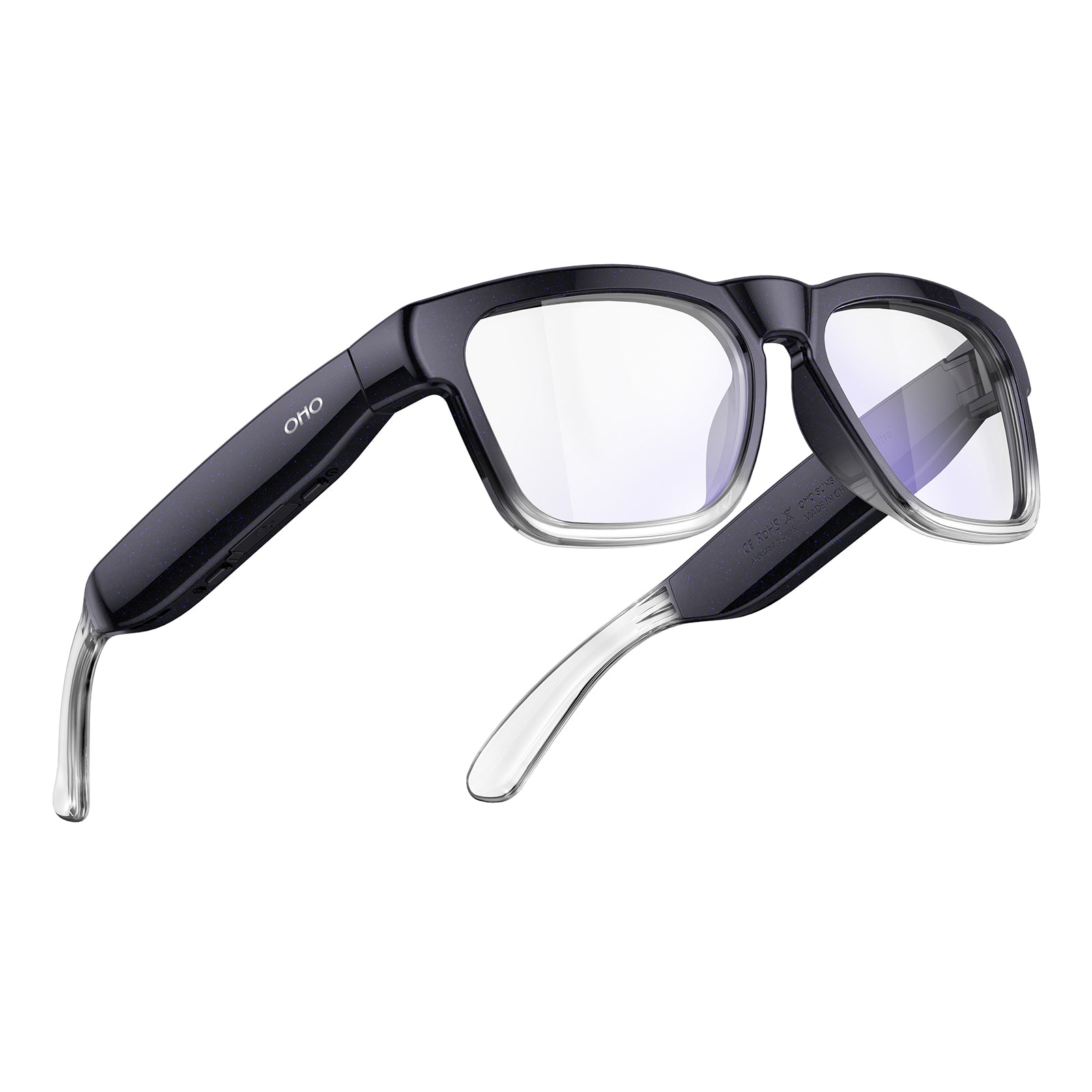
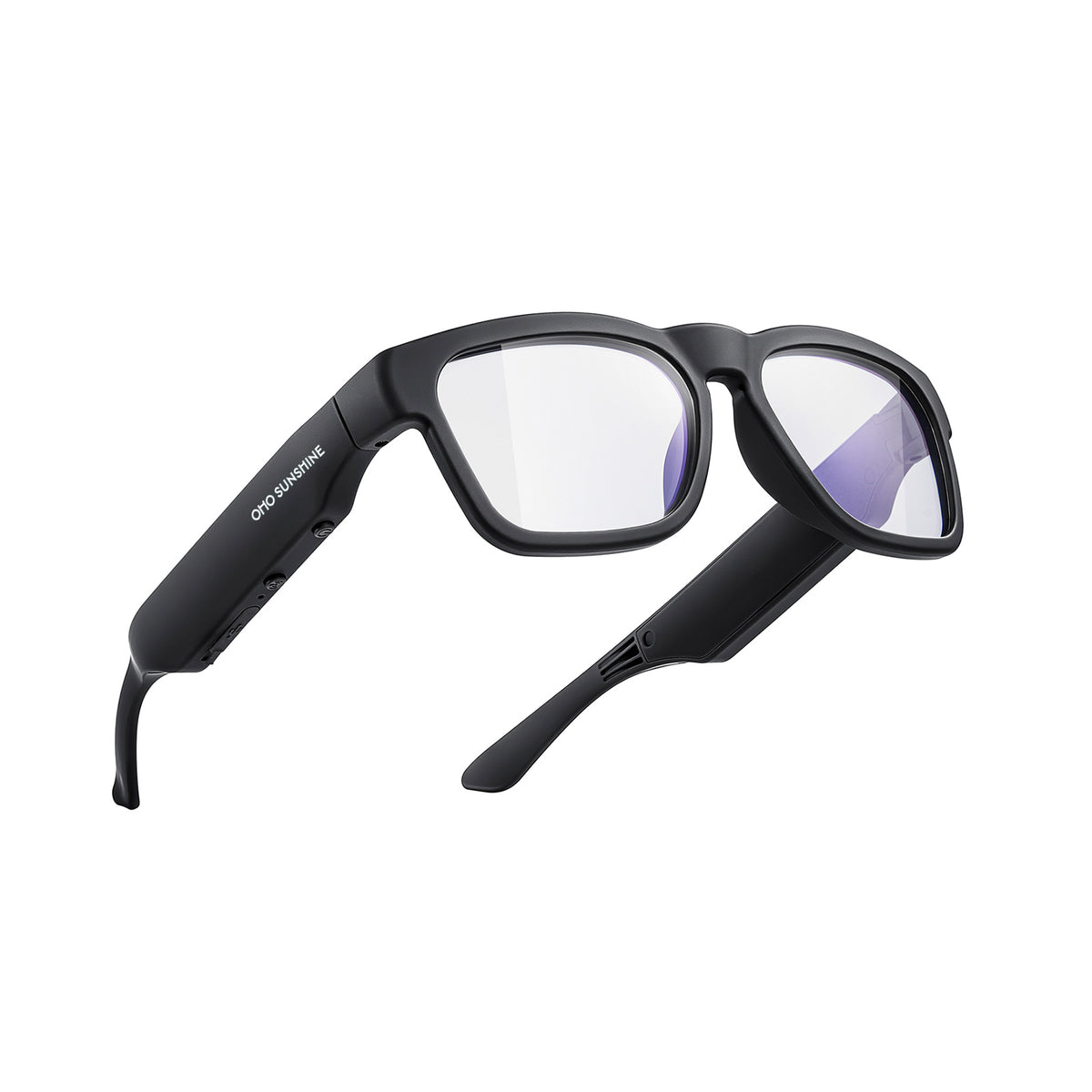
AI translation glasses are wearable devices that look like regular eyewear but contain built-in cameras, microphones, and speakers. When someone speaks to you in a foreign language, the glasses capture the audio, process it through artificial intelligence, and deliver the translation directly to your ears in real time through open-ear speakers.

How the Technology Functions
The core technology relies on three main components working together:
- Voice recognition microphones that capture spoken words clearly.
- Built-in AI processors that convert one language to another instantly.
- Open-ear speakers that deliver translations privately without blocking ambient sounds.
Smart glasses with Bluetooth can connect to your smartphone for additional features, but many models now include independent AI chips that handle translation processing directly on the device itself. The AI models continuously learn from millions of conversations, improving accuracy over time. Unlike older translation methods that worked word-by-word, these systems understand context and idioms, making conversations sound more natural.
Key Features That Set Them Apart
AI translator glasses free up your hands completely. You can shake hands, hold luggage, or gesture naturally while maintaining eye contact. The translation happens so quickly that conversations flow almost normally, with delays of just one to two seconds. Many models support offline translation for dozens of languages, eliminating the need for constant internet connectivity during travel.
Why Traditional Pocket Translators Create Communication Barriers
Pocket translators seemed revolutionary when they first appeared, but real-world use reveals significant drawbacks that disrupt genuine human connection.

Breaks Eye Contact and Trust
Every time you use a handheld translator, you must look down at a screen. This breaks eye contact, which makes conversations feel mechanical and impersonal. In many cultures, maintaining eye contact shows respect and builds trust. When you're constantly glancing at a device, you send the unintentional message that you're distracted or disinterested. The simple act of looking someone in the eyes while they speak communicates attention and respect that no screen can replace.
Requires Constant Hand Occupation
Imagine trying to navigate a busy street while holding a translator, luggage, and a map simultaneously. Pocket devices require at least one free hand at all times. This becomes especially problematic when you need to:
- Pay for purchases while translating prices
- Show identification documents to hotel staff
- Help children or elderly companions while asking for help
- Take photos while getting directions from locals
The physical limitation extends beyond mere inconvenience. When your hands are occupied with technology, you lose the ability to communicate through gestures, which often convey meaning more effectively than words alone.
Creates Physical Barriers Between People
Handheld translators force you to create a physical barrier between yourself and the person you're speaking with. You hold up the device like a wall, speak into it, wait for the translation, then turn it around to show the other person. They respond, you flip it back, and the cycle repeats. This ping-pong effect kills spontaneity and makes simple exchanges exhausting. The device becomes an obstacle rather than a bridge, reminding both parties constantly that technology mediates your interaction.
AI Translation Glasses vs Pocket Translator Performance Comparison
Comparing these two technologies reveals clear differences in practical use. The table below outlines the most important factors travelers and international professionals consider.
| Feature | AI Translation Glasses | Pocket Translator |
| AI Voice Assistant | Yes, hands-free queries | No, translation only |
| Hands-Free Operation | Yes, completely | No, requires holding |
| Eye Contact Maintained | Yes, natural conversation | No, must look at screen |
| Response Speed | 1-2 seconds | 2-4 seconds |
| Portability | Wear all day | Must carry and retrieve |
| Conversation Flow | Smooth and continuous | Interrupted and mechanical |
| Privacy Level | Audio only to wearer | Screen visible to everyone |
| Multi-Tasking Ability | Full mobility | Limited by device handling |
| Offline Capability | Many languages supported | Limited or requires downloads |
As shown above, AI translate glasses excel in scenarios requiring natural interaction and mobility.
Real-World Performance Differences
Speed matters more than most people realize. That extra second or two of delay with pocket translators compounds over the course of a conversation. A five-minute exchange can feel like ten minutes of awkward waiting. AI translation glasses minimize this lag, keeping discussions fluid.
Privacy represents another crucial distinction:
- Audio privacy: Smart glasses with Bluetooth deliver translations through discreet speakers that only you hear.
- Screen visibility: Pocket translators display your entire conversation where anyone nearby can read it.
- Sensitive discussions: Business negotiations or personal matters stay confidential with wearable devices.
The offline functionality of modern AI translator glasses changes the game for international travel:
- Store language packs directly on the device
- Communicate in remote areas without cellular service
- Avoid expensive international data roaming charges
- Maintain full translation capabilities during flights
Pocket translators typically require constant connectivity or offer very limited offline options, making them unreliable in many travel scenarios.
AI Voice Assistant Adds Practical Support
Modern AI translation glasses go beyond language conversion. Built-in voice assistants transform these devices into comprehensive companions. Simply activate the assistant with a voice command, and you can:
- Get instant information: Ask about weather, time zones, or local customs.
- Navigate confidently: Request directions or nearby points of interest.
- Solve practical problems: Convert currencies, calculate tips, or find emergency contacts.
- Stay productive: Set reminders, take voice notes, or manage your schedule.
The hands-free AI chat functionality means you never need to stop what you're doing to look up information. Whether you're navigating a foreign subway system or trying to find a specific restaurant, your AI assistant provides answers through your glasses' speakers while your eyes stay focused on your surroundings. This combination of real-time translation and intelligent assistance makes AI translation glasses far more versatile than single-purpose pocket translators.
Why Smart Glasses with Bluetooth Win for Real Conversations
Beyond technical specifications and feature comparisons, wearable translation technology fundamentally changes how humans connect across language barriers.
Preserves Natural Body Language and Expression
Communication extends far beyond words. Facial expressions, hand gestures, and body posture carry enormous meaning, especially across cultures. AI translation glasses allow you to maintain all these non-verbal cues while still understanding and being understood.
When your hands stay free, you can:
- Point to objects or directions naturally
- Use culturally appropriate gestures
- Express emphasis through movement
- Maintain open and welcoming posture
Your face remains fully visible and engaged rather than tilted down toward a screen. This openness signals respect and genuine interest in the conversation, encouraging the other person to respond with equal warmth.
Builds Authentic Human Connections
People respond differently when they feel truly heard and seen. When you wear AI translation glasses, locals and international colleagues perceive you as more present and respectful. You're not hiding behind a device. You're facing them directly, responding to their expressions, and participating fully in the moment.
This authenticity opens doors that technology alone cannot:
- Shop owners become friendlier when they see you're genuinely trying to connect rather than just completing a transaction.
- Business partners trust you more readily when eye contact remains consistent throughout negotiations.
- Simple exchanges feel warmer when taxi drivers or hotel staff experience human interaction rather than robotic communication.
- Memorable moments emerge when the focus shifts from struggling to communicate to the actual substance of your discussion.
The technology succeeds precisely because it becomes invisible. Instead of reminding everyone that a language barrier exists, AI translator glasses allow conversations to flow as naturally as possible, given the circumstances. The focus shifts from the struggle to communicate to the actual content of what you're discussing.
Make the Smart Choice for Seamless Communication
So which is better? If the value is in having a native experience of language and real human interaction, AI translator glasses are the clear winner here. They allow your hands to remain free, your eyes fixed upon the faces of the other conversational participants, and the interaction to feel natural, rather than forced and robotic. Of course, for a simple question, a pocket translator might work. However, relationship-building requires the use of wearable technology. Ready to give it a try? Explore AI translator glasses and communicate across languages without barriers.
4 FAQs about AI Translation Glass Practicalities
Q1. How Long Does the Battery Last on AI Translation Glasses During Active Use?
Given the usage intensity, the battery life may vary depending on the type of translation glasses, yet most AI translation glasses have the ability to last four to eight hours continuously during translation. However, the standby time is several days. Video recording capabilities consume batteries faster than audio translation. Charging takes one to two hours using the USB-C cable.
Q2. Can Other People Hear the Translation From My Smart Glasses With Bluetooth?
The open-ear speakers on the AI translator glasses are aimed directly at your ears and moderate volumes. People right up front might pick up a whisper, but a normal conversation is quite private. This allows you to hear well without considering everything else around you, which is important for safety reasons. For a completely private conversation, models are available that enable connection to an earbud.
Q3. Will AI Translation Glasses Work With Strong Accents or Background Noise?
AI glasses that translate are fairly good at handling accents for the major dialects of languages, but may not perform well for stronger regional dialects. Ambient background noise is a challenge that all translator versions face. Microphones that can filter such background noises are helpful. But the translator will not work well in environments that are too loud.
Q4. Are AI Translate Glasses Waterproof for Outdoor Activities and Rain?
The water-resistance capabilities provided by most AI translation glasses include resistance to light rain and sweat. The glasses should not be used when submerged or during rainy weather. If you plan to use your glasses during a rainstorm, check their IP rating, as some water-resistant glasses used during outdoor activities come with a rugged design that is more water-resistant.


Leave a comment
All comments are moderated before being published.
This site is protected by hCaptcha and the hCaptcha Privacy Policy and Terms of Service apply.