





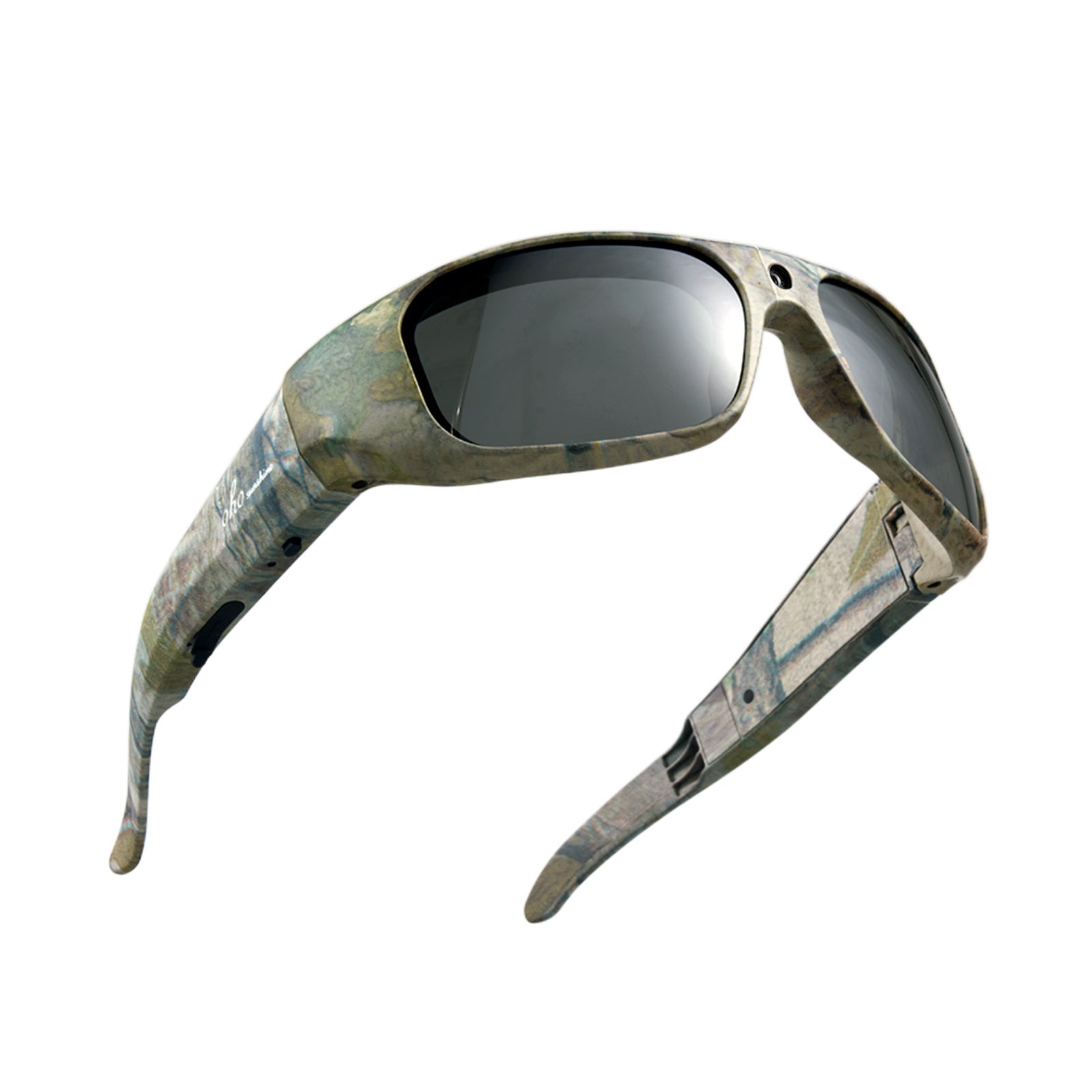


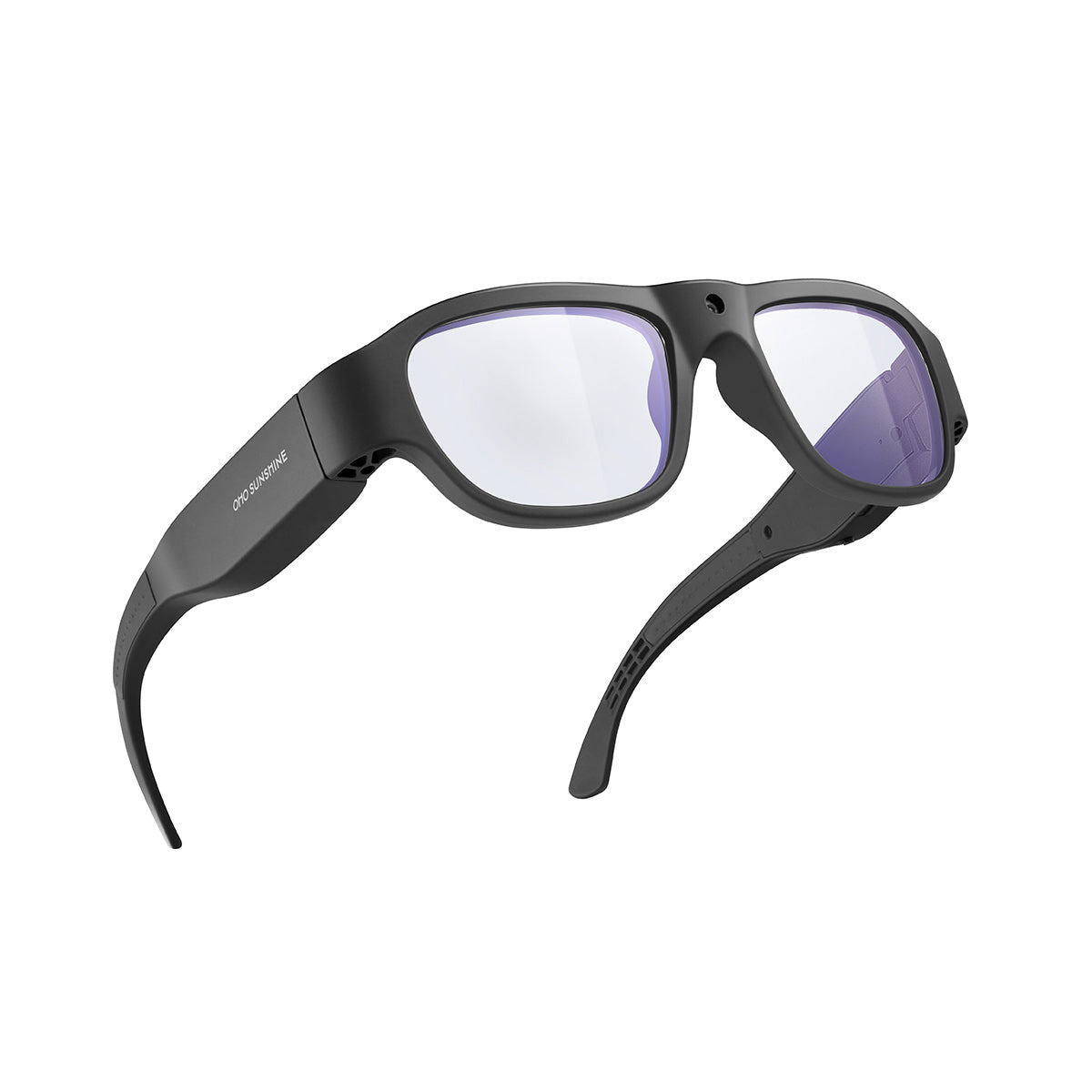
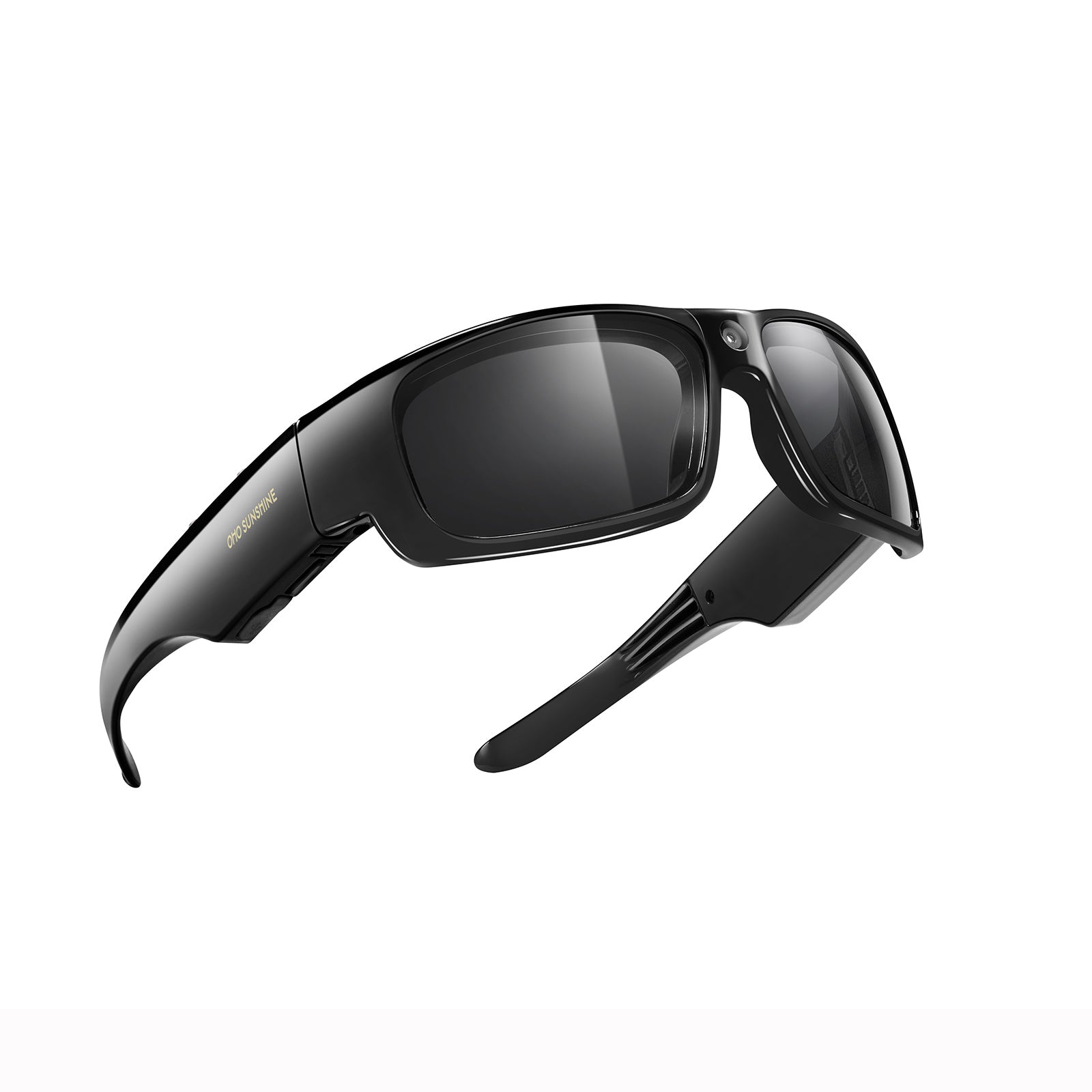


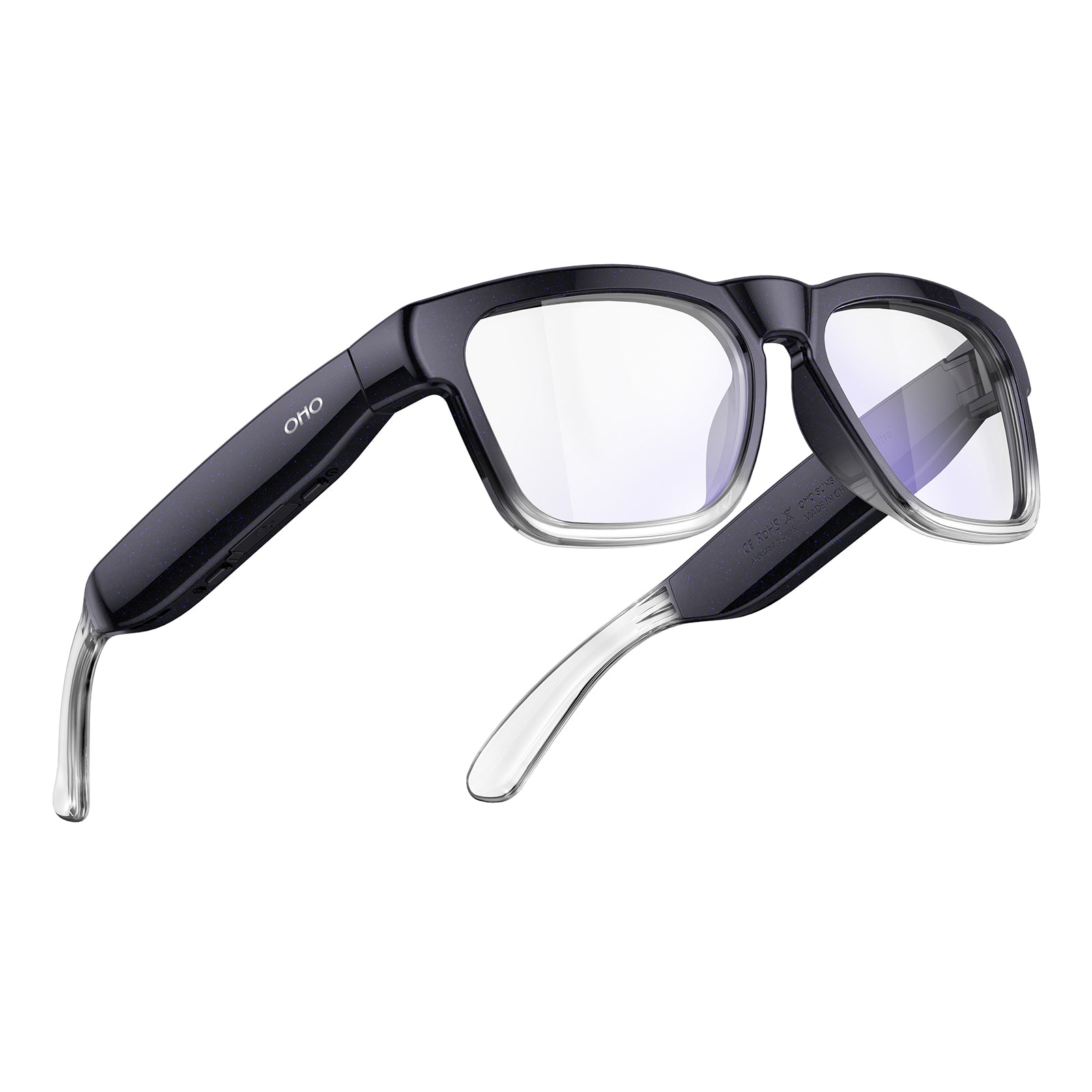


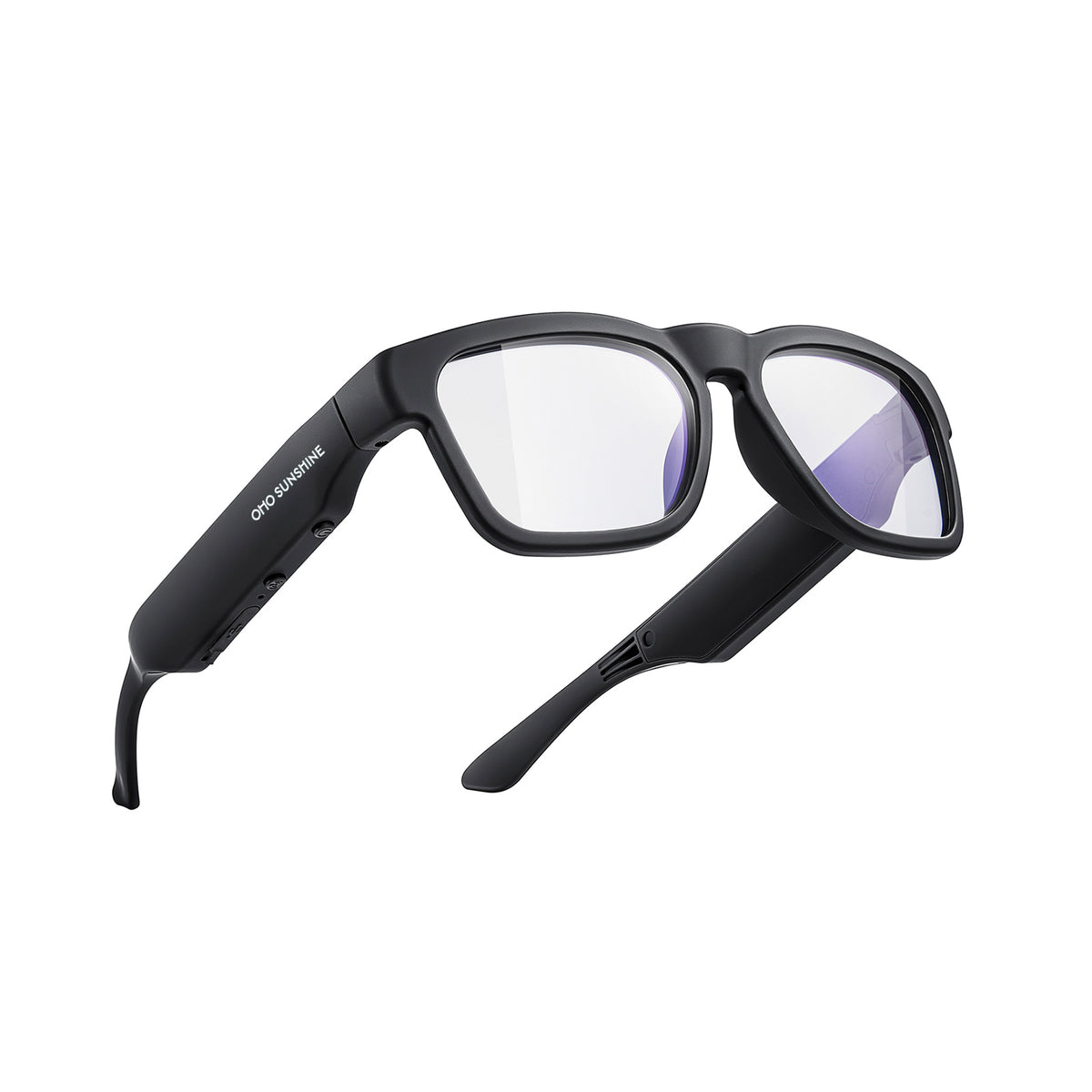





Yes, you can ride with camera or audio cycling glasses, but only on the right terms. The frame has to stay put, your view has to stay clear, and the tech can never pull your attention off traffic.
No pair suits every ride, and passing these checks does not turn smart glasses into protective eyewear. Use the checklist below to make a go/no-go call before you roll out. Check fit first, finish setup while stopped, then decide whether audio, recording, or the glasses themselves belong on today's route.
Start with fit and sightline before deciding to wear the glasses
Fit comes first because no setting can fix a frame that slides or blocks your view. If either check below fails, leave the glasses off for this ride, whatever else they can do.
Check stability in your riding position
This is a practical self-check, not a certified test. Do it on the bike, or in the same posture, with your helmet on.
- Get into your normal riding position, including the head angle you hold when looking up the road.
- Turn your head to each side as if checking behind you, then look down at your bars.
- Pass if the frame stays in place without you touching it. Fail if it slides, bounces, or needs repeated nudging. A fail means you leave it off for this ride.

Confirm an unobstructed view
Frame size matters here. Because large frames can hover peripherally, check your own view instead of assuming a pair works because it feels comfortable.
- Look forward from your riding position and note whether a frame edge, temple arm, or lens border crosses your line of sight.
- Glance left and right the way you would at an intersection or before a lane change.
- If anything blocks your view, don't wear them. A clear view only passes this check; setup and route conditions still decide the ride.
Set controls, battery, and recording while stopped
Anything you can't operate easily while standing still is something you shouldn't try to operate while moving. Finish every setting before you roll.
Rehearse the controls with your ride gloves
Buttons, touch areas, and voice commands differ from one device to the next, and gloves change how each one feels. Even on Bluetooth audio glasses, play, volume, and call controls can be harder to find with padded fingers.
- Put on the gloves you'll actually ride in.
- Try only the controls you plan to use, such as start and stop recording, play and pause, volume, or answering a call.
- Confirm each one gives the response your device's instructions describe. If you own one of our pairs, our smart glasses user manuals cover setup and troubleshooting by model.
- If a control is hard to find or its result is unclear, set that function now or skip it. Don't troubleshoot it on the road.

Check charge, storage, and recording status
Audio-only pairs mainly need a charge check. Camera and audio glasses also need storage and recording checks, since runtime depends on the exact model. Our guide to camera glasses recording time explains how battery, resolution, heat, and storage affect it.
- Confirm the battery level your device reports covers the whole ride, not just the first part.
- Check free storage and any recording-length limit listed in your device's documentation.
- Learn how your pair shows that it's recording, and confirm that signal while stopped.
- If the planned capture could exceed the stated capacity, shorten or skip it. If you can't confirm recording works, don't count on the footage.
Let wind, audio, and traffic decide whether sound stays on
Open-ear speakers leave your ears uncovered, but that design alone doesn't show you'll hear or notice traffic. Your route and your own attention decide whether sound stays on.
Federal NHTSA bicycle safety guidance advises cyclists to stay focused and alert to the road and traffic, and to avoid music or anything that takes their eyes, ears, or mind off it. That is general bike-safety advice, so apply it to the ride in front of you. State rules can apply too. In California, Vehicle Code § 27400 bars bicycle riders from wearing a headset covering, earplugs in, or earphones covering, resting on, or inserted in both ears. Other states set their own rules.
- Quieter or separated route: keep volume low and check that you still notice other riders, cars, and sounds around you. If you don't, turn audio off.
- Windy stretch: if wind noise has you raising the volume to hear, turn audio off instead. Our notes on cycling audio and wind cover when wind makes glasses harder to use on the bike.
- Busy roads and intersections: switch audio off if it competes with traffic for your attention.
- Distraction that remains: if you still find yourself adjusting, listening, or reaching for controls with audio off, leave the glasses off. Make any change only after you've stopped safely.
Set privacy and recording rules before capturing
Decide what you'll record before you leave, because a mid-ride decision means handling settings while moving. A camera on your face doesn't make every recording lawful or welcome.
Recording rules vary by state and by situation. In California, Penal Code § 632 addresses recording a confidential communication without the consent of all parties. The statute treats a conversation as confidential when the circumstances reasonably show someone wants it kept between the people talking. That is one state's rule on conversations, not a nationwide standard or a full answer on video.
- Map the conversations: think about coffee stops, chats at red lights, and group-ride talk. If your capture could include them, check the rules where you ride.
- Pause when unsure: if you can't tell whether a conversation is confidential or what consent is needed, don't record it until the rule is clear. Telling your riding partners up front and getting their agreement also settles it.
- Separate courtesy from law: asking before you film someone, and knowing when to stop, follows the same thinking as our advice on camera goggle recording etiquette, including what to check before sharing footage.
Make the go, modify, or leave-off call before rolling
By now each check has a clear answer, so the final call comes down to three outcomes. Choose one before you clip in or push off.
- Go: the frame stays put, your view is clear, planned functions are set and confirmed, and neither audio nor recording leaves an open question.
- Modify: one function causes the problem, such as audio on a busy road or recording near private conversations. Turn that function off and ride with the glasses only if fit and view still pass.
- Leave off: the frame moves, the view is blocked, or the glasses keep drawing your attention even with features off. Ride in your regular cycling glasses instead.
FAQs
Do camera or audio glasses count as protective cycling eyewear?
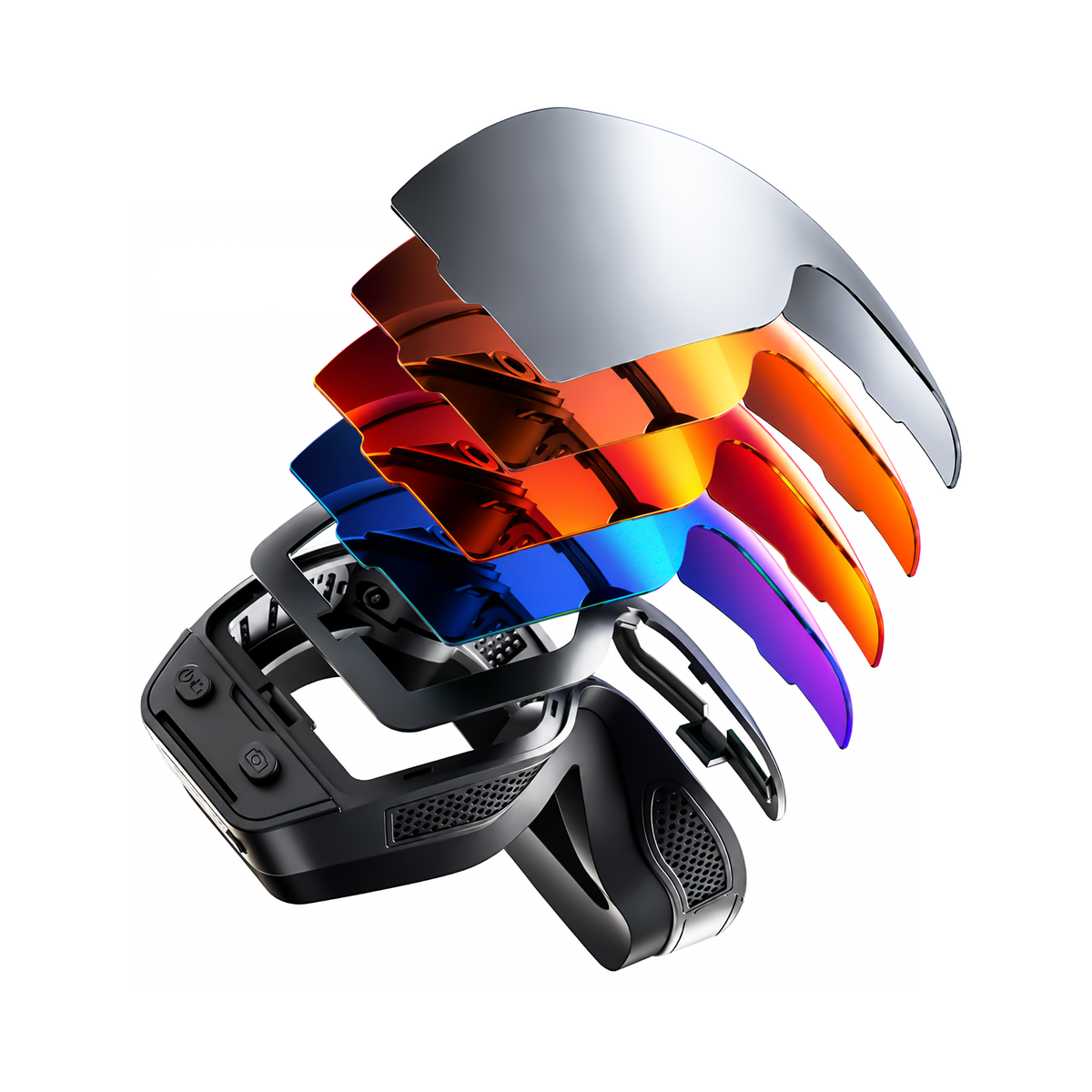
Don't assume they do. A camera, speakers, or tinted lenses don't make a frame protective. That status would have to come from the exact product's own documentation, so check that before treating any pair of smart glasses as eye protection.
Does California's two-ear rule cover open-ear glasses speakers?
California's bicycle audio-device statute is written around headsets, earplugs, and earphones involving both ears. How it treats a specific glasses speaker depends on California rules and guidance, not the product category alone. If you ride in another state, look up that state's rules instead.
What should I do if I can't tell whether my glasses are recording mid-ride?
Stop checking while moving and treat the footage as missing. Once you've pulled over somewhere safe, compare what you see with the recording signal your device's instructions describe. If it's still unclear, finish the ride without relying on the camera and sort out the settings at home.
Can I start recording partway through a ride?
Yes, as long as you stop somewhere safe first rather than starting it on the move. While you're stopped, confirm the recording signal and think about who might be in frame or within earshot. In California, a nearby conversation could fall under the state's confidential communication recording law.


Leave a comment
This site is protected by hCaptcha and the hCaptcha Privacy Policy and Terms of Service apply.