

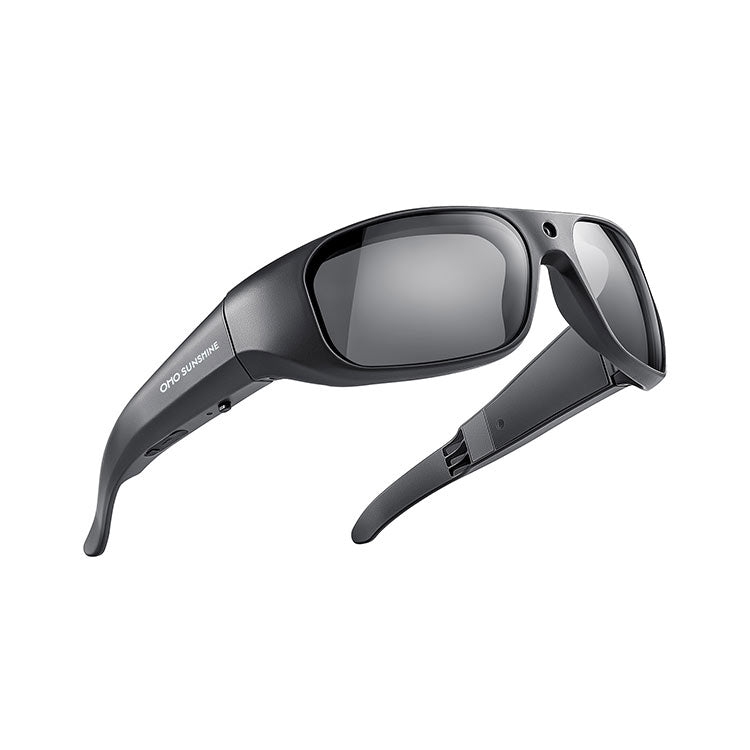




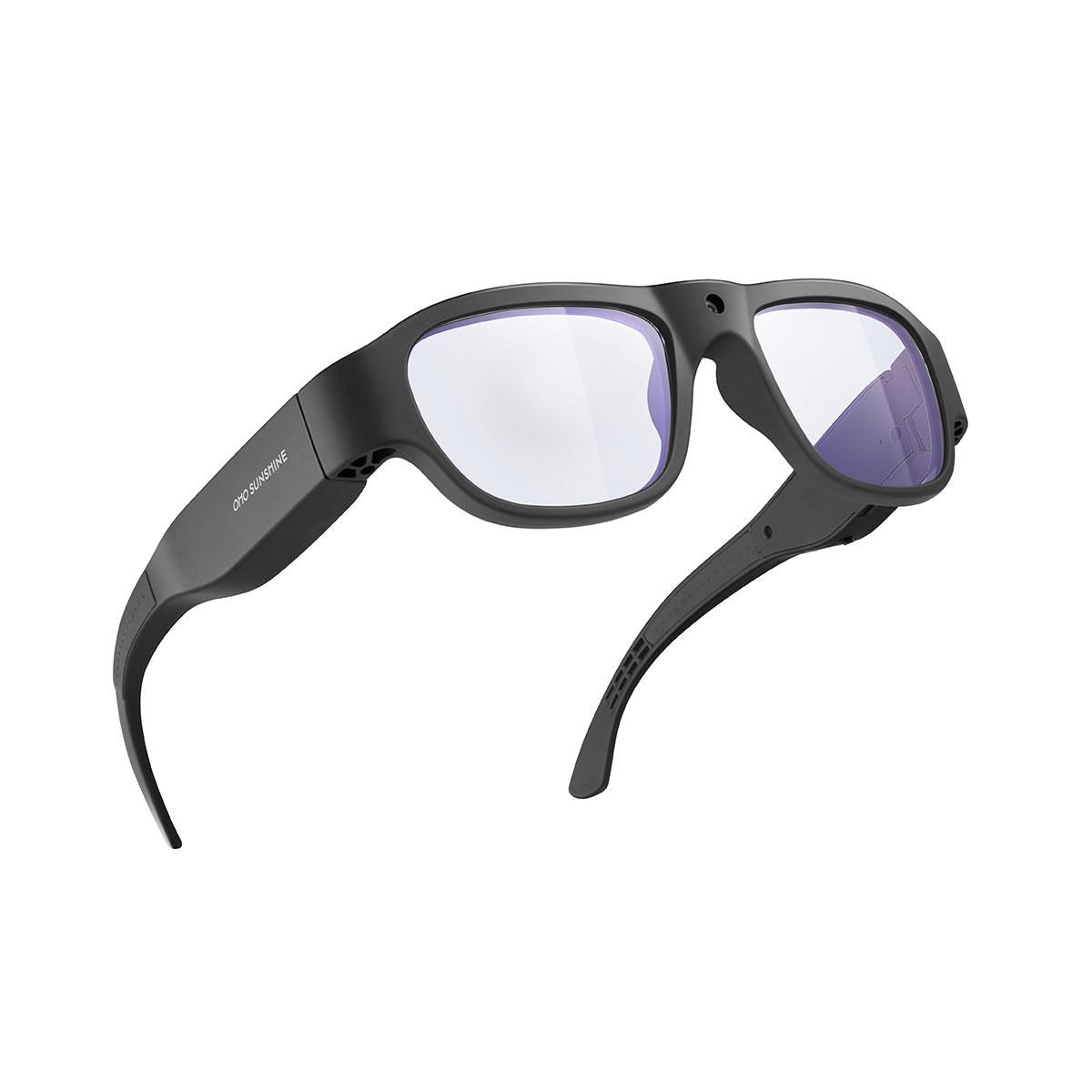

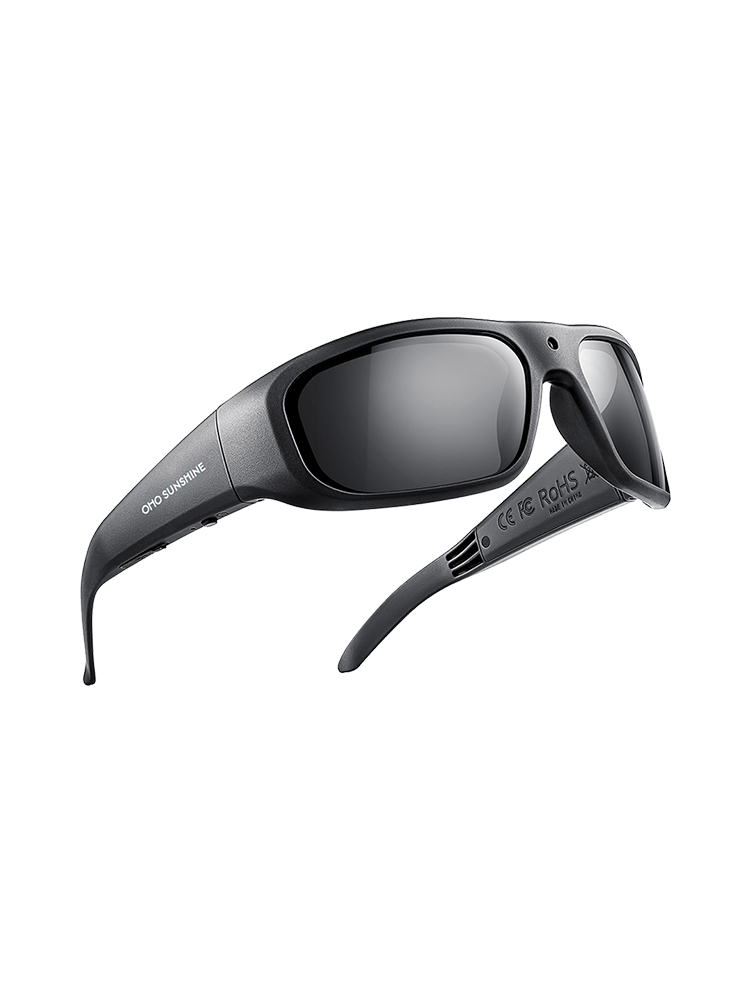

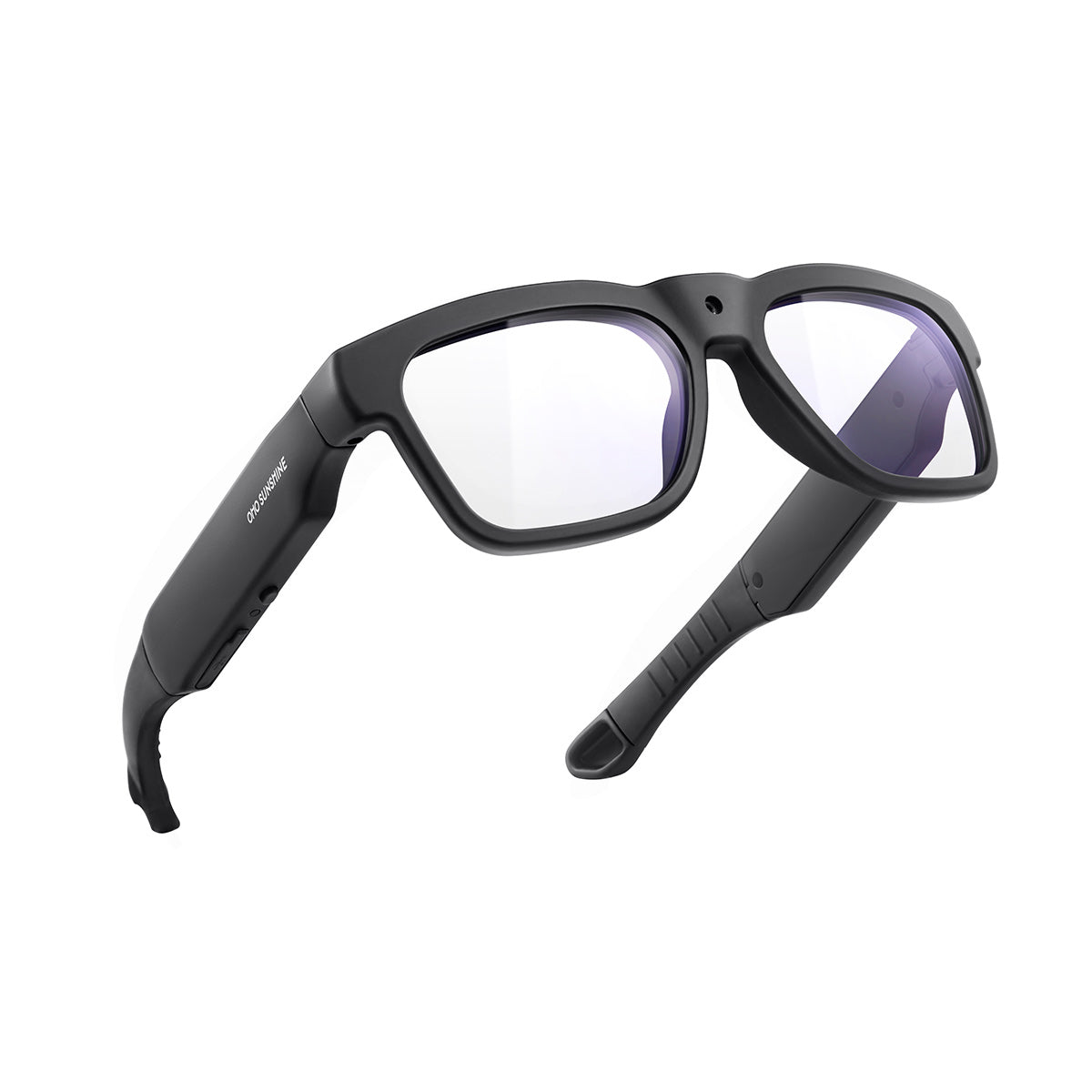


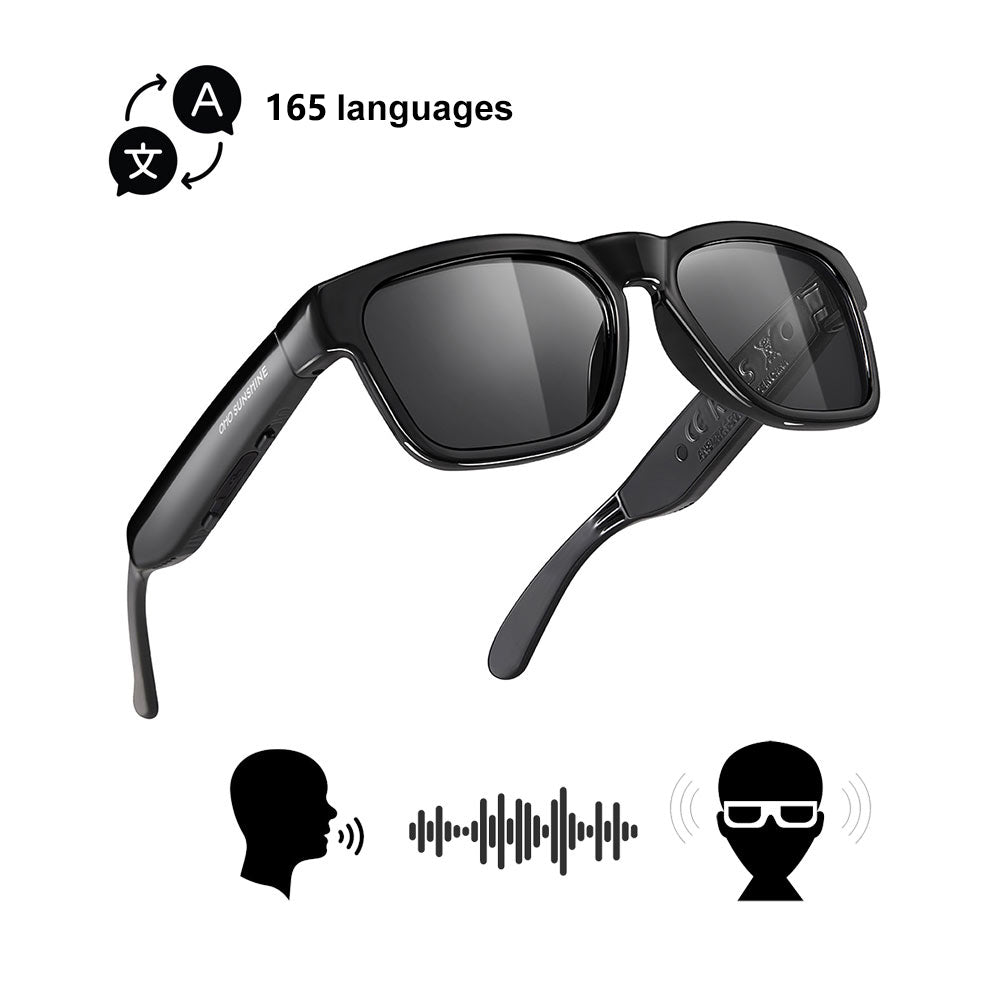


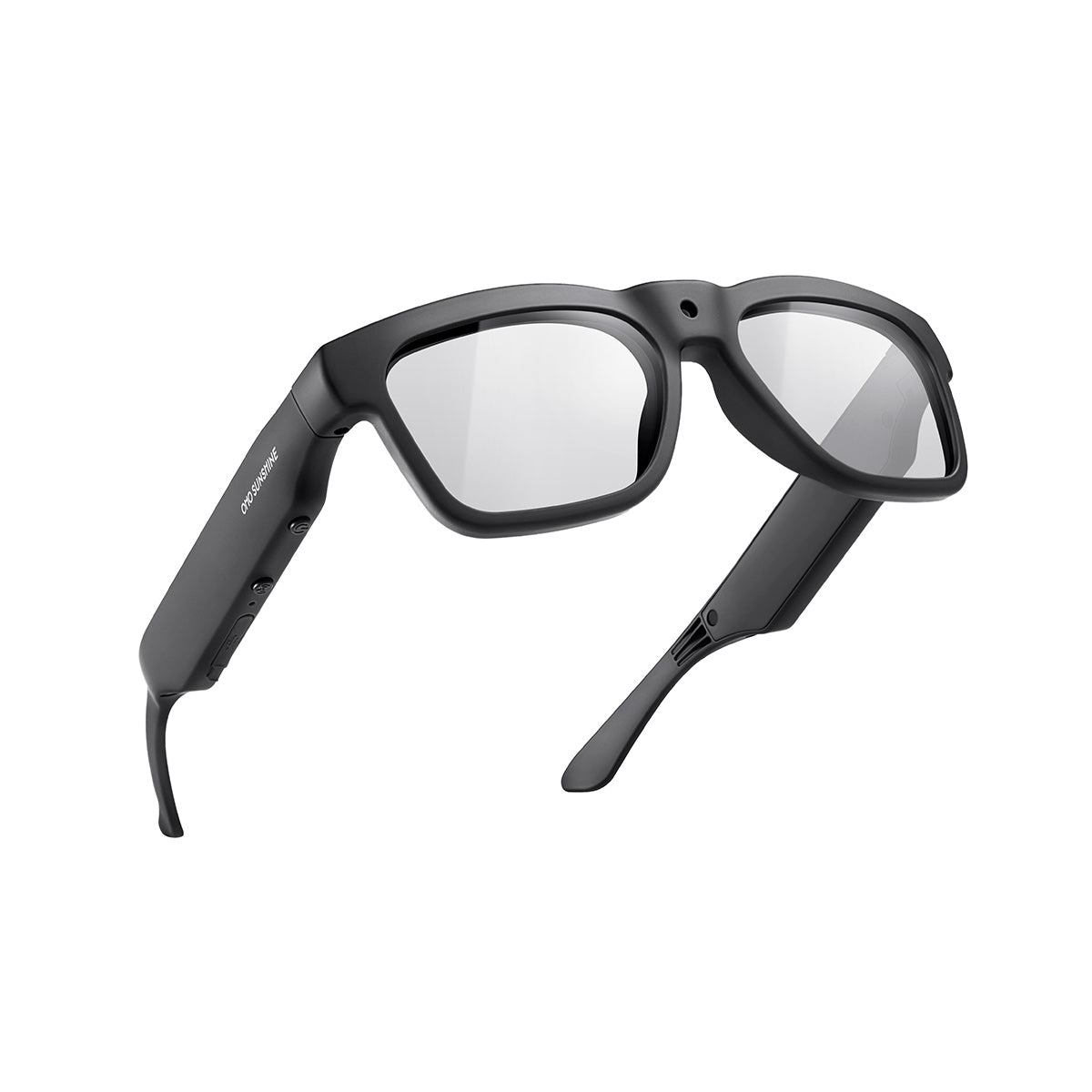
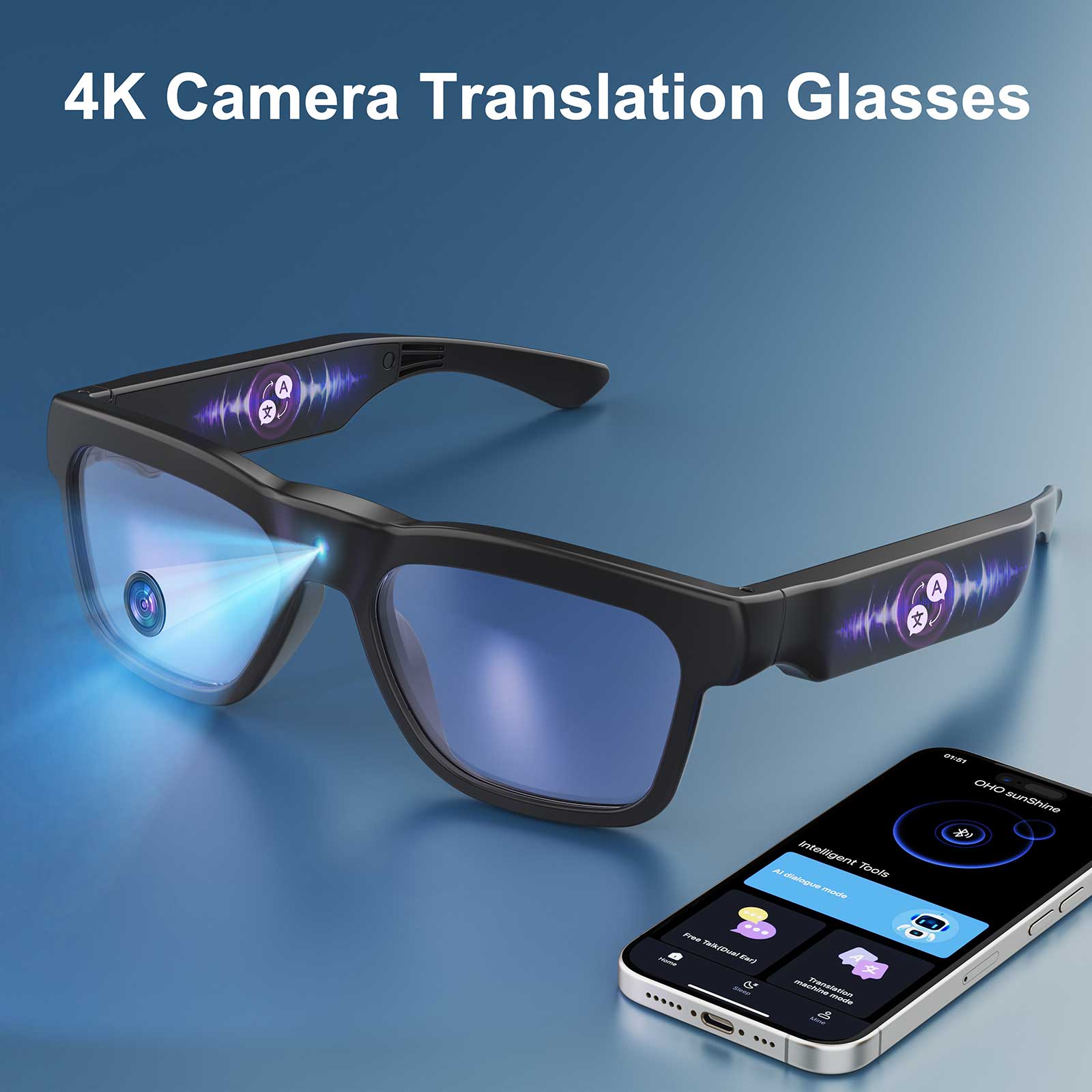
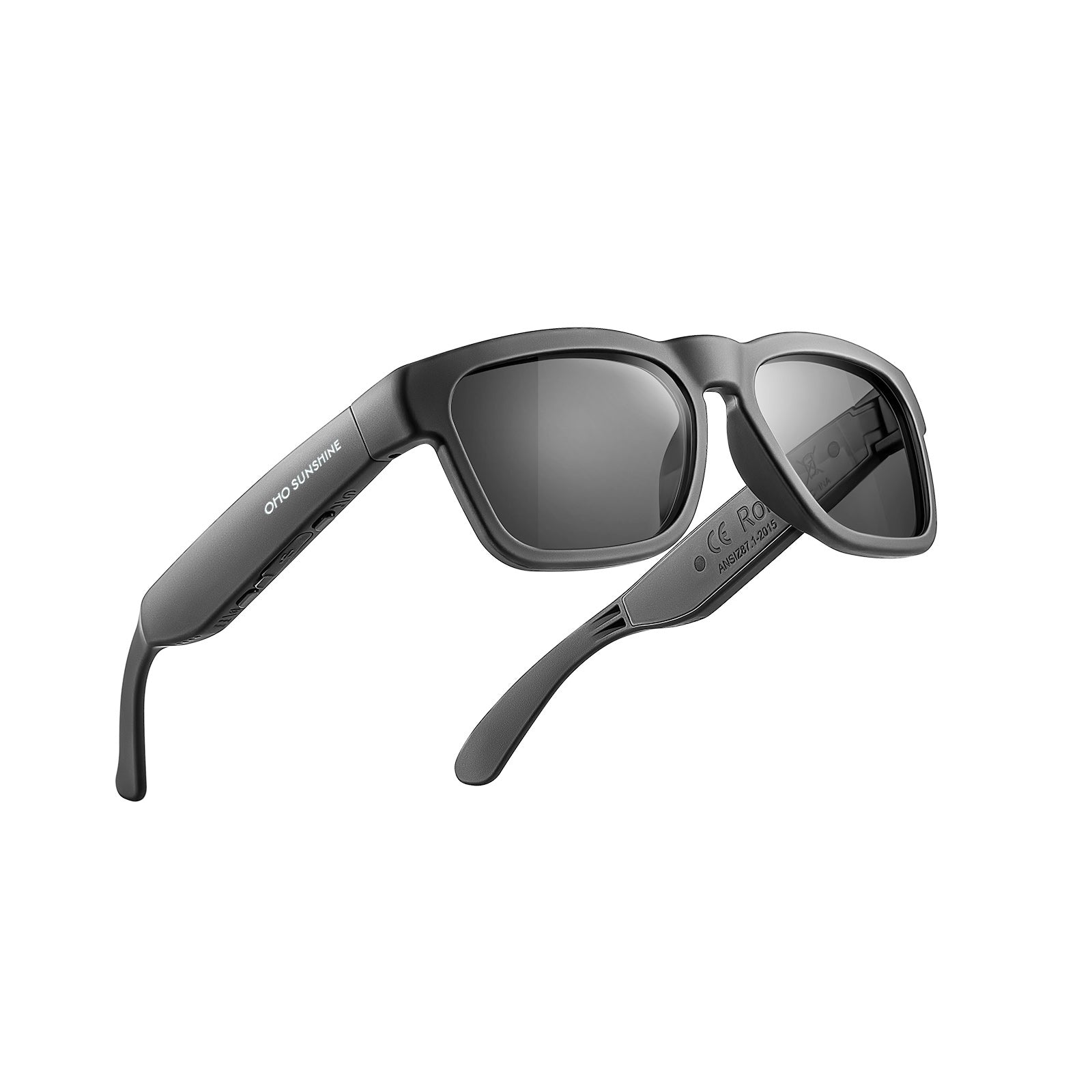



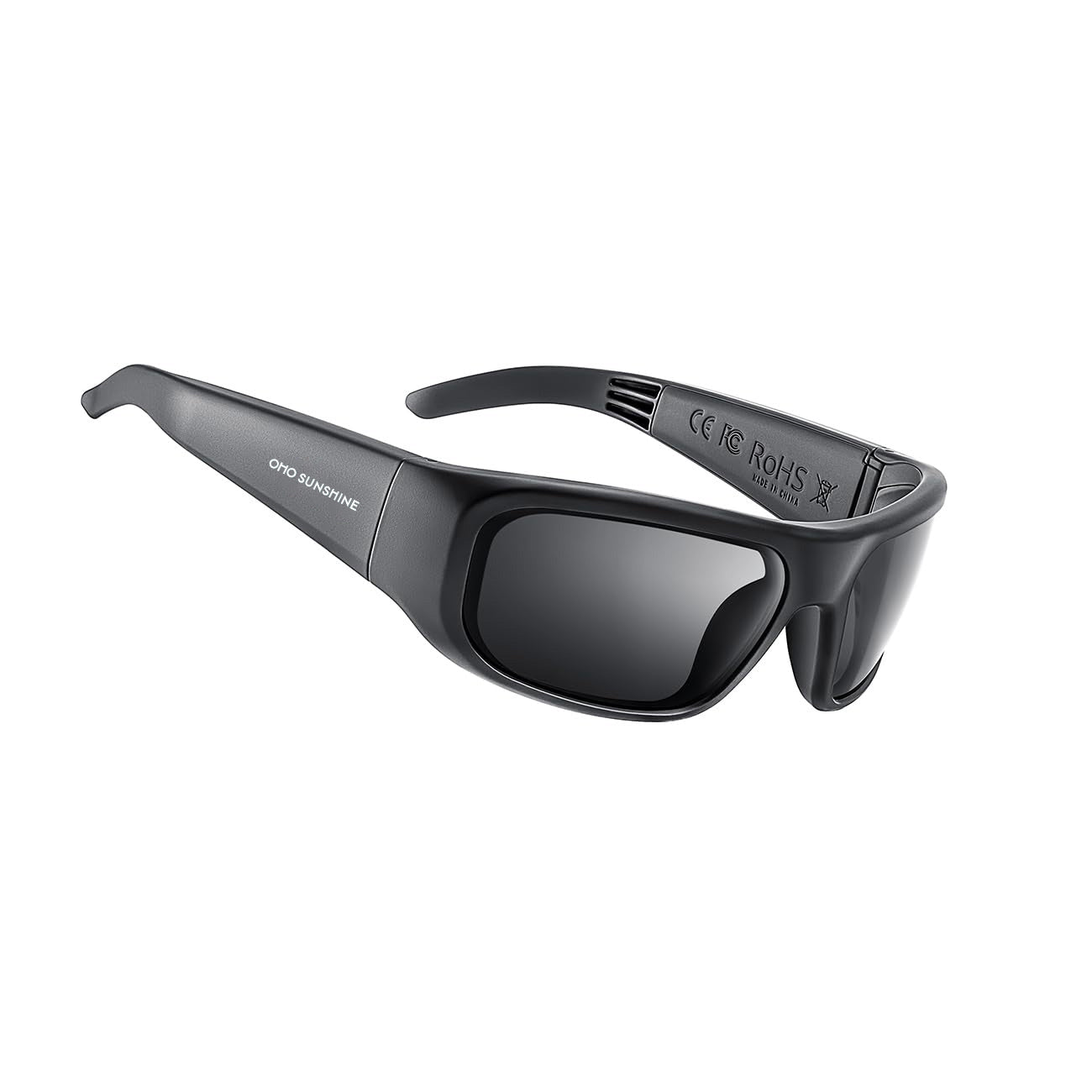
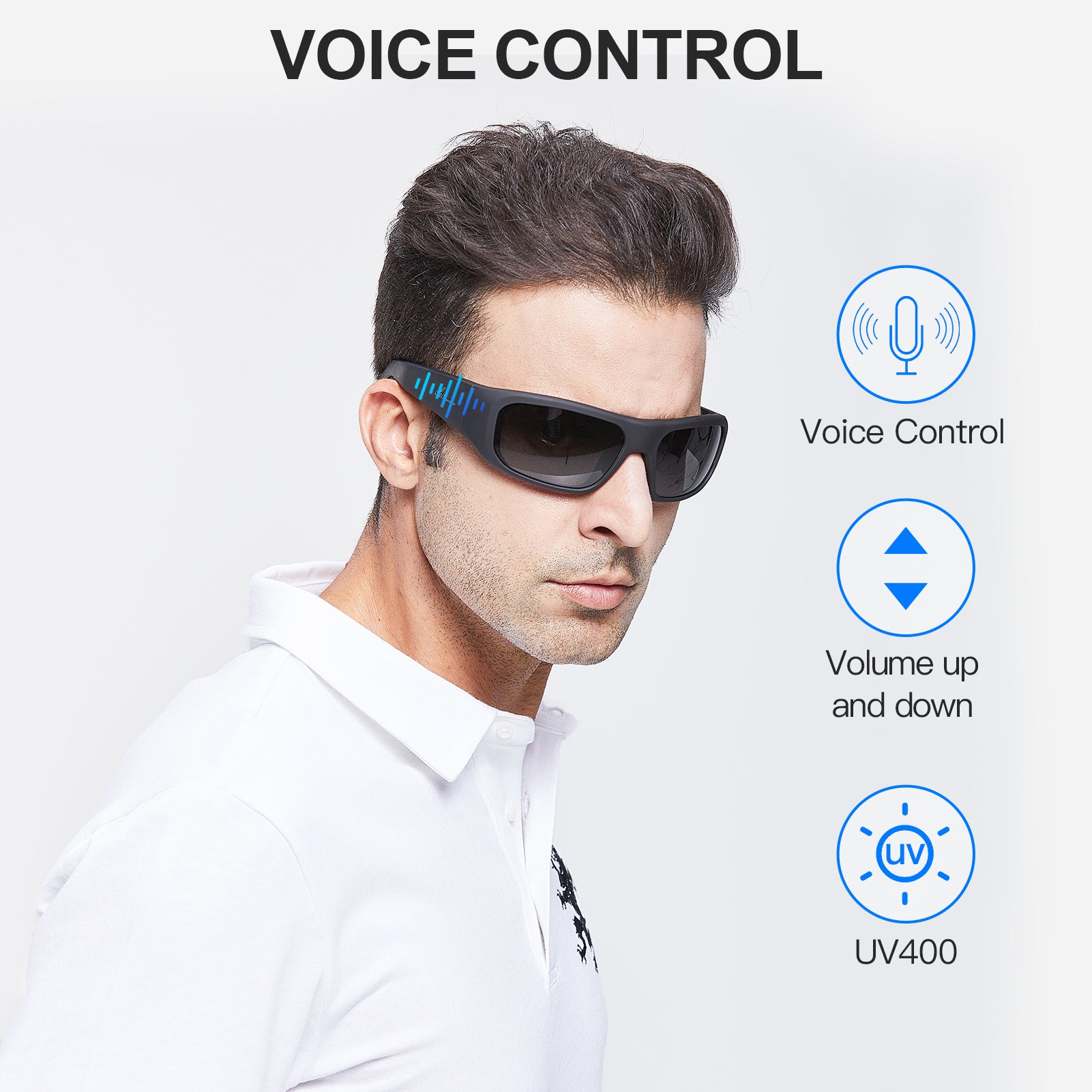




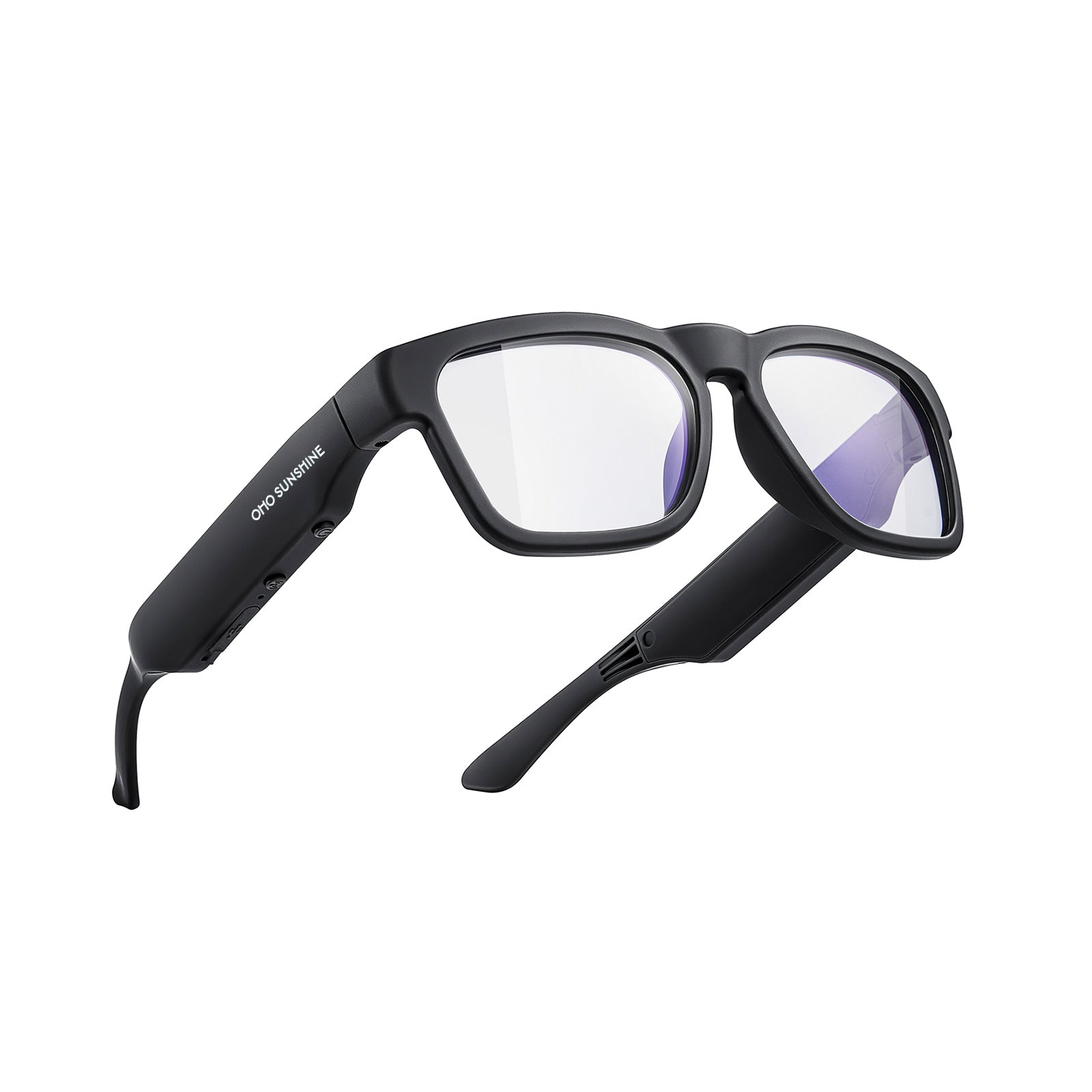


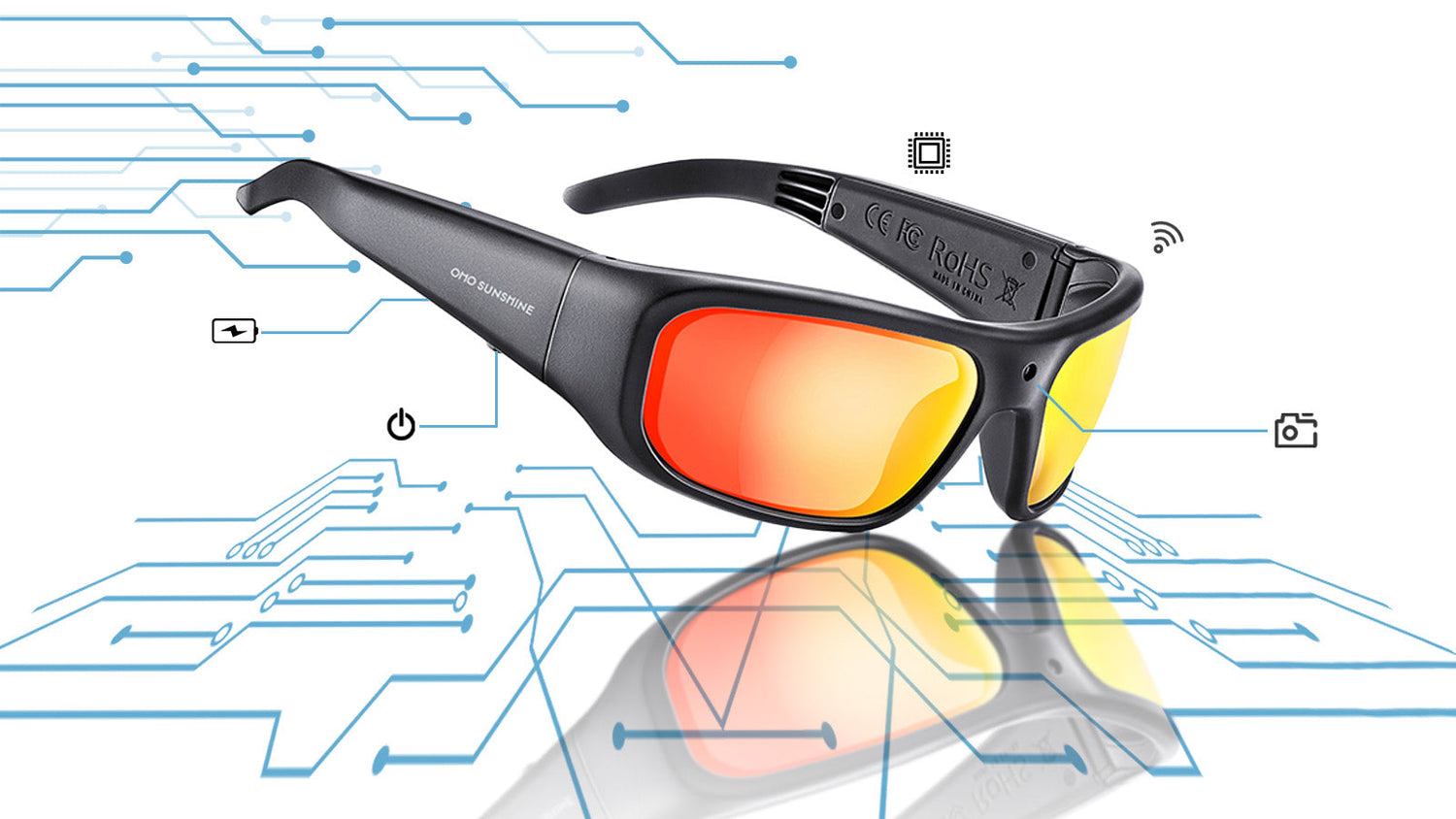
Smart glasses feature a regular look, but they contain hidden technology integrated into the design. The technology may play music for you using your temples, record your video, and translate foreign signs into your local language instantly. The invention merges optics and electronics to enhance your normal vision with technology for your daily tasks. Do you want to take photos with your hands still free, have a private listening experience, and access artificial intelligence support?
What Are Smart Glasses and Their Main Types
Smart glasses are wearable devices that resemble traditional eyewear but integrate electronic components like speakers, cameras, microprocessors, and sensors. Unlike virtual reality headsets that block your view, smart glasses let you see the real world while adding digital functionality.
Three main categories dominate the market. Bluetooth glasses focus on audio streaming without traditional earbuds. Camera glasses capture photos and videos from your point of view. AI translation glasses combine voice assistants, real-time translation, and augmented reality features. Each type serves different needs, from fitness and commuting to content creation and international travel.
How Bluetooth Smart Glasses Stream Audio
Bluetooth smart glasses deliver sound without blocking your ear canals, creating a unique listening experience that keeps you connected to your surroundings. Let's explore the technology that makes this possible.

Open-Ear Audio Technology Explained
These glasses use directional speakers positioned near your ears to transmit sound. Tiny speakers built into the temples emit focused sound beams that travel into your ear canal without physical contact or blocking your ear openings.
This technology delivers audio while leaving your ears open to hear ambient sounds. This matters for safety when walking, cycling, or working in environments where you need awareness. Bluetooth glasses maintain situational awareness while enjoying music, podcasts, or taking calls, though speakers may leak some audio to nearby people at high volumes.
Connecting Bluetooth Glasses to Your Devices
Pairing follows standard Bluetooth protocols. You activate pairing mode by holding a button on the frame, then select the glasses from your phone's Bluetooth menu. Once connected, they function like wireless headphones for calls, music, and voice assistant commands.
Modern Bluetooth versions provide stable connections with minimal audio lag, making them suitable for video calls and streaming content.
Sound Quality and Battery Life
Audio performance delivers clear sound for calls and music, though bass response is typically lighter than over-ear headphones due to the open-ear design. The trade-off is comfort and environmental awareness rather than noise isolation.
Battery life typically ranges from eight to twelve hours of continuous playback. Charging happens through USB-C ports built into the frames. Most users charge them overnight like smartphones, providing all-day power for regular use.
How Camera Glasses Record Video Hands-Free
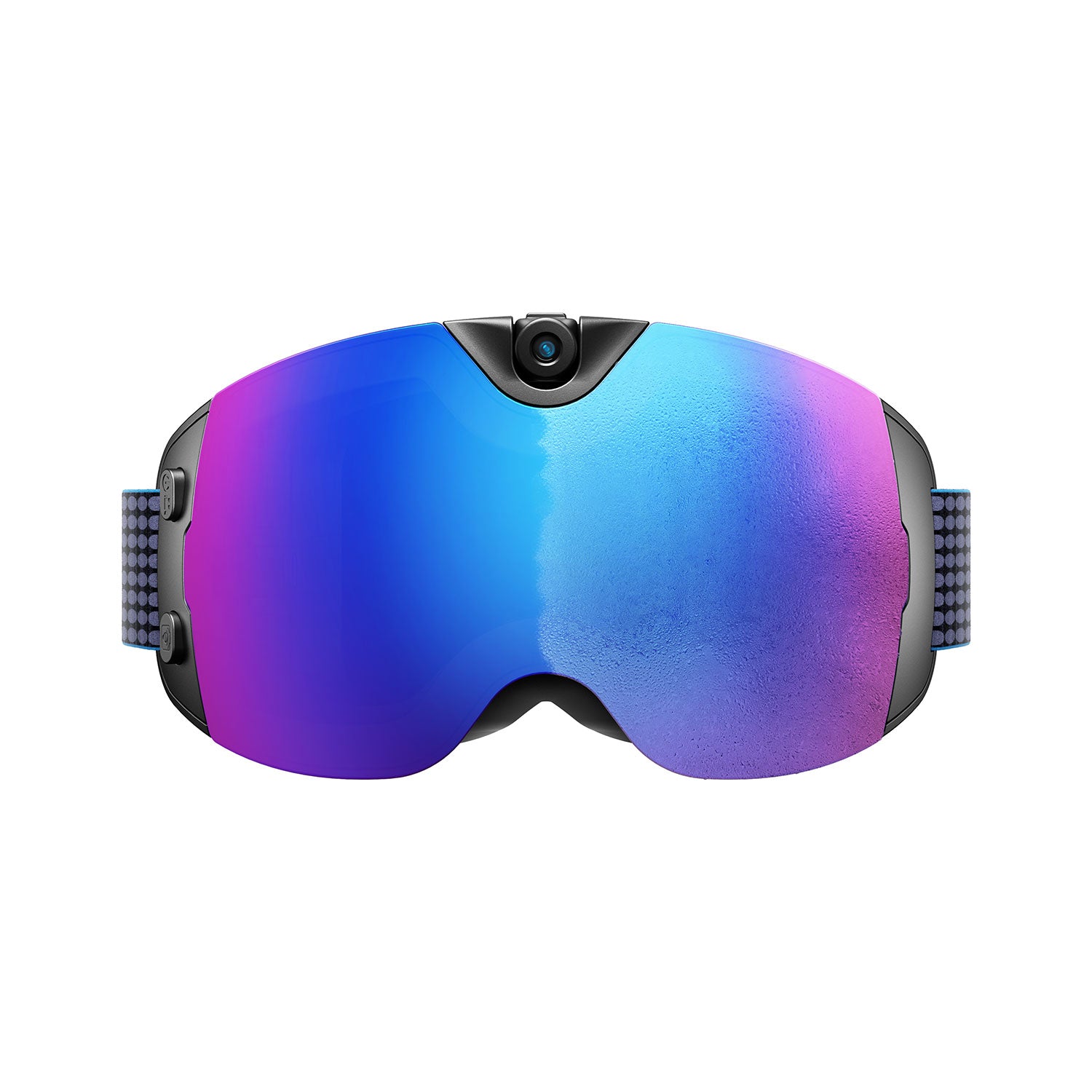
Camera glasses put a lens where your eyes naturally look, capturing exactly what you see without holding devices. This perspective creates immersive footage that traditional cameras cannot match.

Built-In Camera Specifications
The camera typically sits in the frame's corner or bridge, appearing as a small circular lens about the size of a pencil eraser. Video resolution commonly reaches 1080p or higher, adequate for social media and documentation purposes. The field of view (FOV), or how much area the camera captures, usually spans 65 to 90 degrees, slightly narrower than human vision but wide enough to record full scenes.
Modern camera glasses include photo capabilities alongside video, triggered by tapping the frame or using voice commands. Some advanced models feature image stabilisation that smooths out shaky footage when you're moving.
Recording and Storage Options
Recorded content saves to internal memory built into the frames, typically ranging from 32GB to 512GB. Storage capacity varies by model, with higher-end camera glasses offering extended recording sessions. Video quality settings affect storage duration since 4K footage uses more space than 1080p.
Most camera glasses transfer files to your computer via USB cable for reliable, high-speed transfers. Advanced models include an OTG converter, allowing direct connection to smartphones for immediate file preview and download without a computer. Select premium models feature companion apps with Wi-Fi connectivity, enabling wireless monitoring of live camera feeds and instant file transfers to your phone.
How AI Translation Glasses Translate and Assist in Real-Time
AI translation glasses represent the cutting edge of wearable technology, processing information instantly to enhance how you interact with the world. These devices act as personal assistants mounted on your face.

Real-Time Language Translation Capabilities
Translation functions capture spoken words through microphones or text through cameras, sending data to AI processors. The system identifies the language, translates it, and plays the results through built-in speakers within seconds.
Common features include:
- Audio translation for live dialogue between languages
- Photo translation that captures and translates signs, menus, and documents
- Support for over 100 languages, depending on the model
- Offline translation for essential phrases without internet
Travellers benefit most from this technology. Point your camera at foreign text or speak naturally, and AI smart glasses handle the rest. Business meetings with international partners flow smoothly when real-time translation removes language barriers.
Modern models have improved accuracy significantly, handling context and idioms better than earlier versions. Cloud-based processing delivers better results but requires data connections.
AI Assistant and Voice Control Features
AI smart glasses integrate chatbot capabilities and voice assistants for hands-free interaction. Tap the frame or use a wake word to activate the assistant, then ask questions, request translations, or take voice notes through speech.
AI chat mode lets you converse with an intelligent assistant. Voice notes functionality records your thoughts and transcribes them for later review. Processing happens through your connected smartphone or cloud servers, returning responses as audio through the speakers. This transforms AI smart glasses into portable communication hubs, combining translation, recording, and intelligent assistance in one device.
4 FAQs about Smart Glass Practicalities
Q1. Will Smart Glasses Drain My Phone Battery Faster?
Yes, but it depends on the model being used. Bluetooth audio uses very little power. Functions such as video synchronisation or translation processing will use more data transfer services, thus increasingly quicker draining the battery. Manual uploads, as opposed to automatic synchronisation can save the battery.
Q2. Can I Swim or Exercise Vigorously While Wearing Smart Glasses?
Water-resistance capabilities are quite different among the various models. Some are sweat and water-splash-proof, suitable for running or gym activities. However, very few are waterproof-rated for swimming. IP ratings are important in determining the resistance offered against dust and water. High-impact sports can cause damage even if the products are waterproof.
Q3. How Do Smart Glasses Handle Privacy in Public Spaces?
Aside from the required indicator lights for privacy, responsible use of the device is also a factor. Some establishments ban the use of recording devices in particular areas. Consent from two parties is required for recording sound in some countries. It is good practice to warn those recorded and avoid zones with restricted photography. Some organizations also supply stickers for camera lenses.
Q4. Can Smart Glasses Work Independently Without a Smartphone Connection?
Typically, most models of smart glasses need to be paired to a smartphone for complete functionality. The features that can work offline are basic, such as playing audio or taking photos. But translation tasks, synchronising data, transferring files, and updating software require an internet connection via a smartphone. Limited translations are stored offline by some models for important phrases.
Your Next Vision Enhancement Awaits
Smart glasses are revolutionizing the manner in which we use media, record memories, and gather information by bringing technology from our pockets to our faces. Audio-centric smart glasses provide audio without blocking your ears to the world around you. The use of cameras enables you to record your perspective of life, while the development of AI technology in smart glasses will enable immediate translation services as well as the use of voice assistance. Now that smart glasses are becoming lighter and smarter, they will soon become wearables in everyday life.


Leave a comment
All comments are moderated before being published.
This site is protected by hCaptcha and the hCaptcha Privacy Policy and Terms of Service apply.