















Snow goggles are useful for winter hiking and snowshoeing when open snow, wind, blowing snow, or reflected glare is the main concern. The activity changes the priorities, though: slower uphill travel and frequent stops can create more heat, moisture, and fog than a fast downhill run. Focus on the most exposed, darkest, and most demanding parts of the route, then choose the least-enclosed setup that keeps your vision comfortable and clear.
Choose goggles, lighter eyewear, or no goggles by route conditions
Choose full-coverage goggles for strong glare, wind, blowing snow, or facial exposure. Choose lighter eyewear—or no goggles—only when the route remains comfortable and clear without full enclosure. The National Park Service guidance on sunglasses or goggles for snowshoeing supports making this an exposure-based choice rather than treating goggles as mandatory for every trip; also check changing winter weather and visibility, since conditions can shift after you leave the trailhead.
| Route condition | Starting setup | Deciding check |
|---|---|---|
| Open, bright snow | Full-coverage goggles | Do they reduce glare and protect against wind or blowing snow without creating persistent heat or condensation? |
| Open wind or blowing snow | Full-coverage goggles | If lighter eyewear leaves your eyes exposed or uncomfortable, use the more protective coverage. |
| Wooded or sheltered trail | Lighter eyewear, or no goggles | Is eye comfort and clear terrain detail adequate without full enclosure? |
| Overcast or flat light | Lighter lens or lighter eyewear | Can you read shaded terrain, or does the lens make the route too dark? |
| Hard uphill travel with frequent stops | The setup with the best heat and fog behavior | Test movement and stops, not just the fit at rest. |
The choice depends on route conditions, not whether the outing is labeled hiking or snowshoeing. A sheltered forest route may favor lighter eyewear, while an exposed ridge may favor goggles. A lighter glacier-style eyewear design can reduce bulk, but independent testing of one such style also found fogging after hard effort and a stop, so do not generalize that tradeoff to every lighter option. If a setup adds heat or condensation without solving the route’s glare, wind, snow, or visibility problem, switch to lighter eyewear only if it still handles the exposure adequately.
Why winter hiking and snowshoeing change goggle priorities
Winter hiking and snowshoeing add sustained climbing, variable pacing, tree cover, and pauses to the wind and glare concerns familiar from downhill skiing. Uphill effort can create heat and moisture even at a slower speed, while a stop can reveal fogging that was not obvious while moving. A goggle exposure guide explains why reflected snow, wind, ice particles, and branches can make fuller coverage valuable; apply that principle to the actual trail rather than assuming every snowshoer needs ski-style coverage.
Downhill skiing creates strong airflow from speed, while winter hiking often follows a different pattern: climb, warm up, pause, cool down, and repeat. Field observations of hard uphill travel show why fog and heat tradeoffs during an ascent deserve a real-world test. Fuller face coverage can improve comfort in wind and blowing snow, but it also needs enough breathing clearance and airflow for the way you move.
Tree cover changes the light problem as well. It may reduce direct glare while producing darker, unevenly lit views. Open terrain can combine bright reflection, wind, and blowing snow. Face coverings, hats, hoods, and helmets can further change the seal and direct warm breath toward the lens. For a route with mixed exposure, choose for the section where poor visibility or fog would be hardest to manage, not just for the conditions at the parking area.
Choose lens darkness for glare, trees, and flat light
Use a darker, lower-VLT lens for strong brightness on open snow, and a lighter, higher-VLT lens when clouds, woods, or flat light make terrain detail harder to see. The right lens depends on light conditions; there is no universal darkness ranking. REI’s guidance on darker lenses for bright conditions supports reducing transmitted light in intense brightness, while lighter lenses suit lower-light conditions.
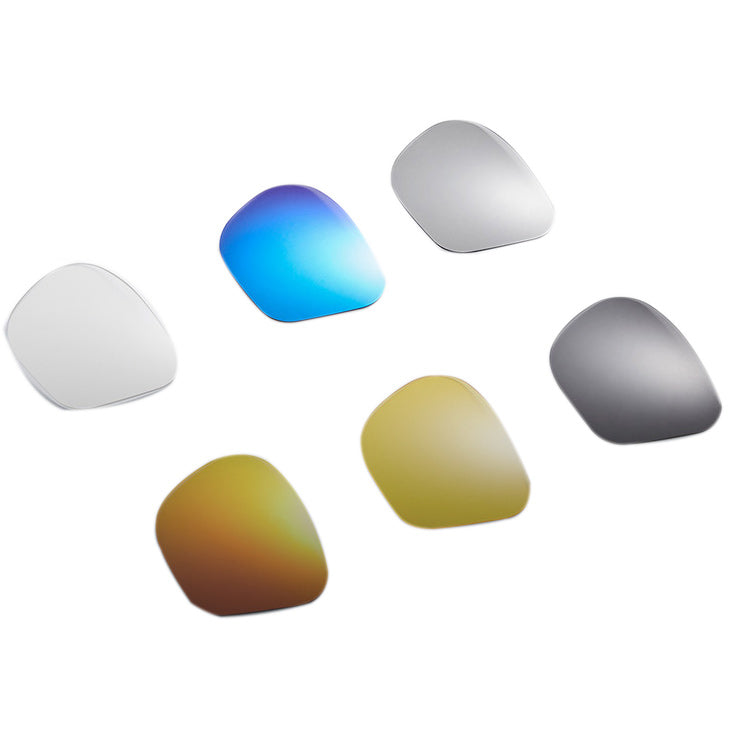
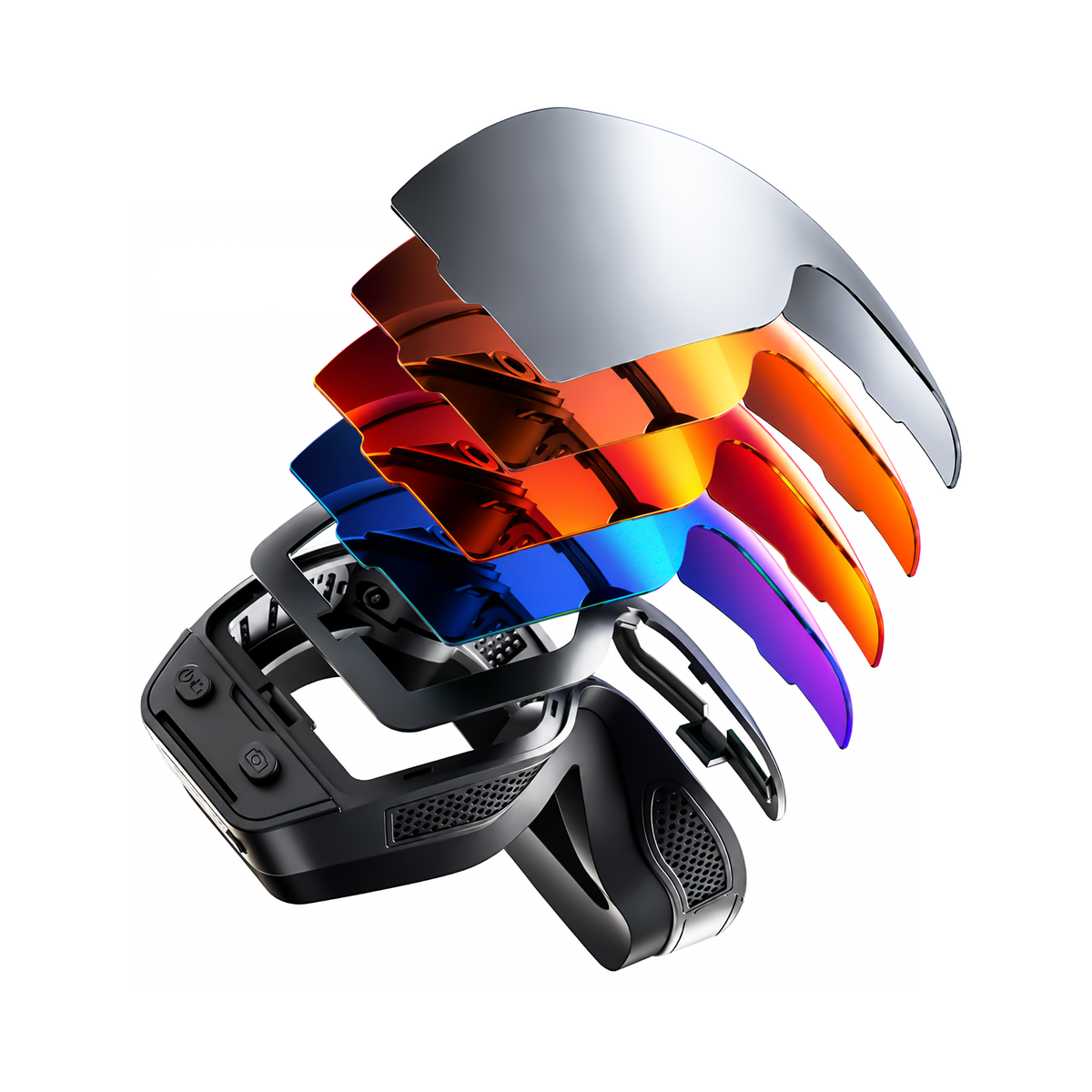
The important check is whether the lens remains usable across the full route. A very dark lens can be comfortable in an exposed clearing and too limiting under trees. Conversely, a lighter lens may preserve detail in overcast terrain but leave you wanting more glare control on open snow. Check the manufacturer’s stated light-use guidance for the specific lens, especially when a route moves between forest and open terrain. If one lens cannot reasonably cover those transitions, consider a verified interchangeable or more versatile option. Do not choose maximum darkness solely because the ground is snow-covered.
Keep goggles clear and comfortable with winter layers
Fog control depends on lens condition, ventilation, breath direction, heat buildup, and fit. Anti-fog treatment may help, but it does not guarantee a clear lens in every combination of exertion, temperature, and layering.
Prevent fogging during climbs and stops
Use this sequence before and during the climb:
- Start with a dry inner lens and clear the vents. Do not let a hat, hood, or face covering block the designed airflow.
- Keep warm breath away from the lens area. Adjust the face covering and nose position so exhaled air does not rise directly into the frame.
- Reduce heat and moisture before a planned stop. If you wait until condensation obscures vision, the adjustment comes too late for that section of the route.
- Let condensation clear with airflow, and handle the inner lens gently. Avoid rubbing moisture across the surface or treating an anti-fog label as a guarantee.
REI explains that condensation forms when warm, moist body air meets cold outside air and that vents and fit help manage it. If fog persists during ordinary exertion, change the fit, airflow, face-covering placement, or eyewear category instead of relying only on lens treatment. You can also use cold-weather fog and lens care guidance for practical maintenance tips.
Test the complete fit before leaving
Wear the exact hat, helmet, hood, and face covering planned for the outing. Check the seal, pressure points, strap position, peripheral view, nose clearance, breathing room, and vent openings while moving uphill and while stopped. Face shape and layering needs matter more than gender labels, so if you need a wider fit, use these checks rather than assuming a gendered size will match your face.
Test the setup before taking the goggles on a longer or more remote route. If a helmet or hood pushes the frame out of position, the strap slips, or the face covering directs breath into the lens, correct the combination before departure.
Are ski goggles suitable for winter hiking and snowshoeing?
Ski goggles can suit winter hiking and snowshoeing when their coverage, lens, ventilation, and fit match the route. They are not automatically the better category. Independent testing notes that ski goggles can work for snowshoeing when they fit snugly, block wind and snow, and use a lens suited to the conditions.
Choose ski goggles when wind, blowing snow, reflected glare, or cold face exposure is the dominant problem and the goggles remain comfortable during climbs and stops. Choose lighter eyewear when the route is sheltered, heat release matters more than full enclosure, and the lighter setup still controls the glare and wind you expect. Choose no goggles only when the route allows clear, comfortable vision without them.
The useful comparison is not “ski goggles versus hiking goggles” as a product-label contest. Compare coverage, usable light range, uphill fog behavior, bulk, breathing clearance, and compatibility with your actual headwear. Ski-goggle specification checks can help organize those comparisons, but do not keep ski goggles simply because they were designed for downhill use. If enclosure, heat, or fog outweighs their weather-coverage benefit, use a lighter setup when it remains adequate for the route.
When do camera-equipped snow goggles make sense?
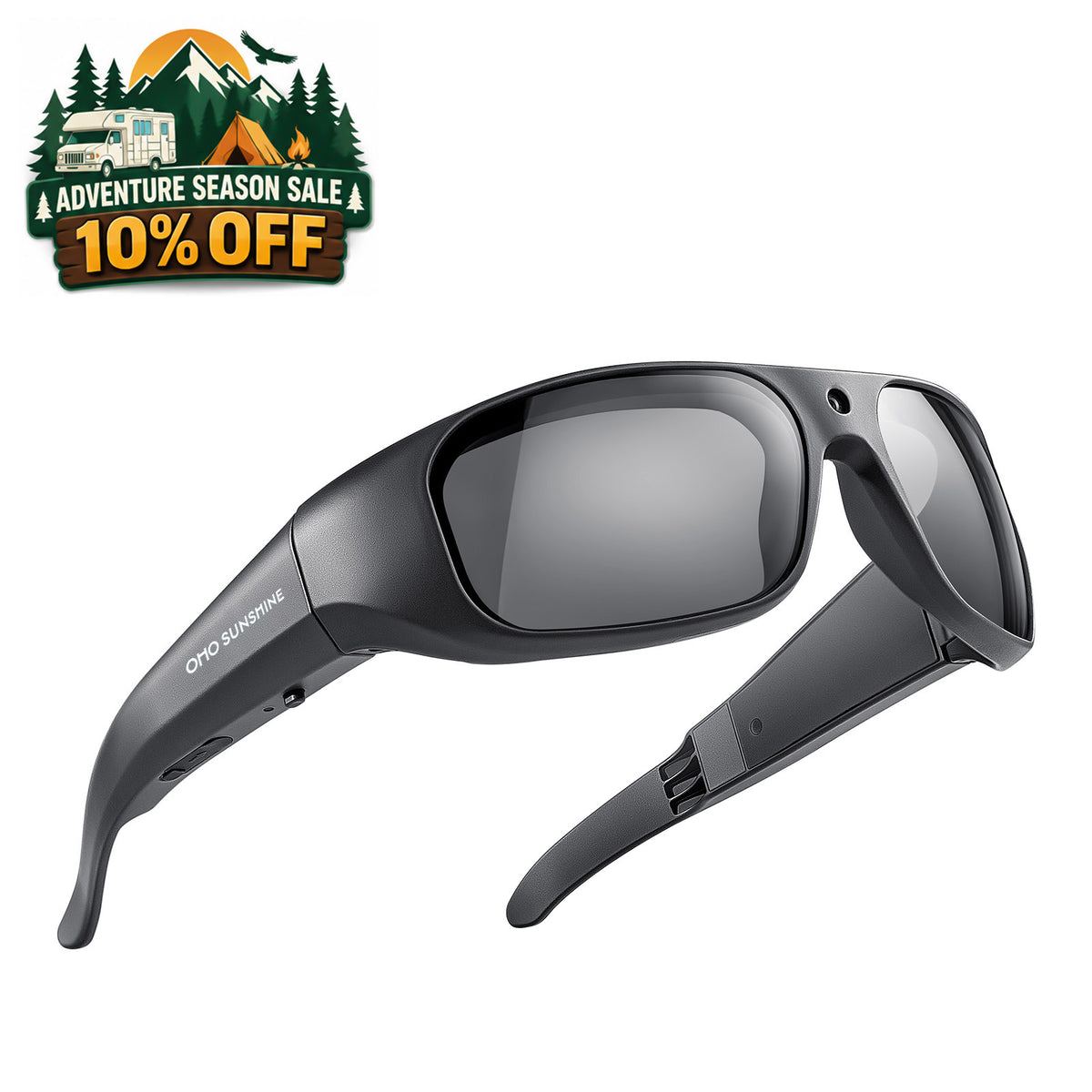
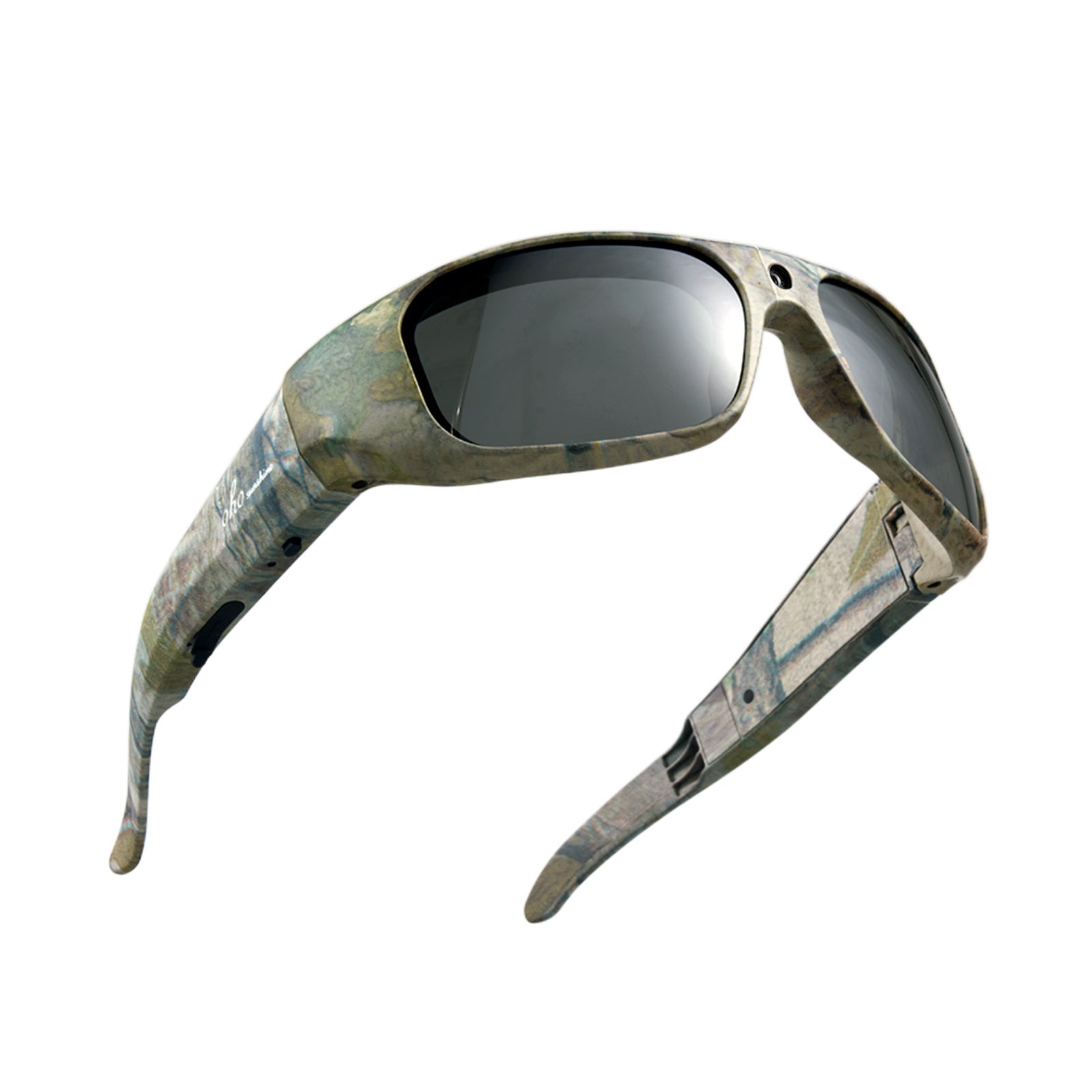
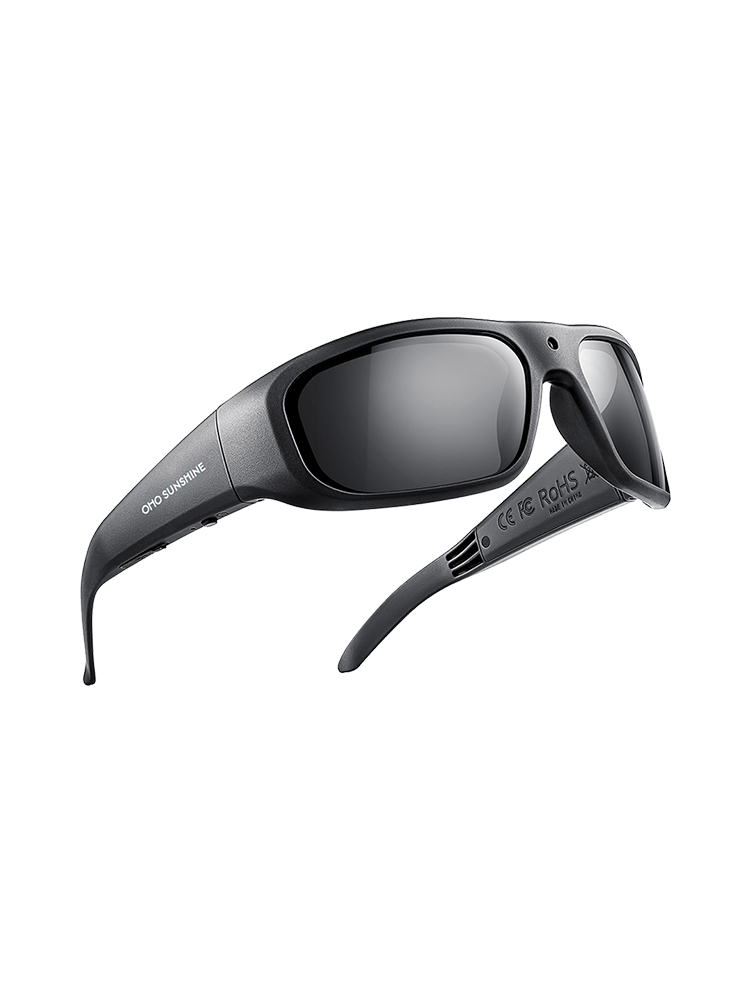
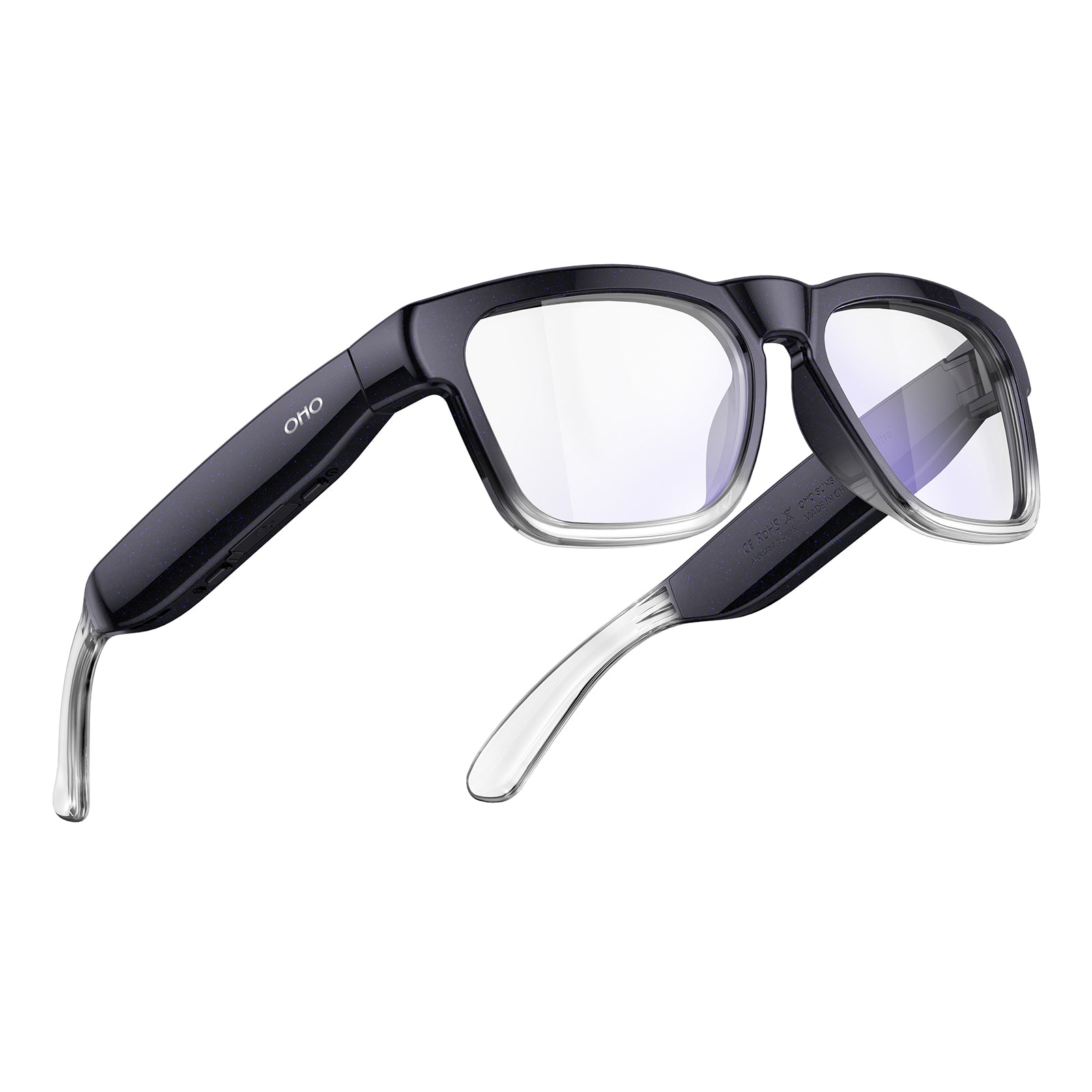
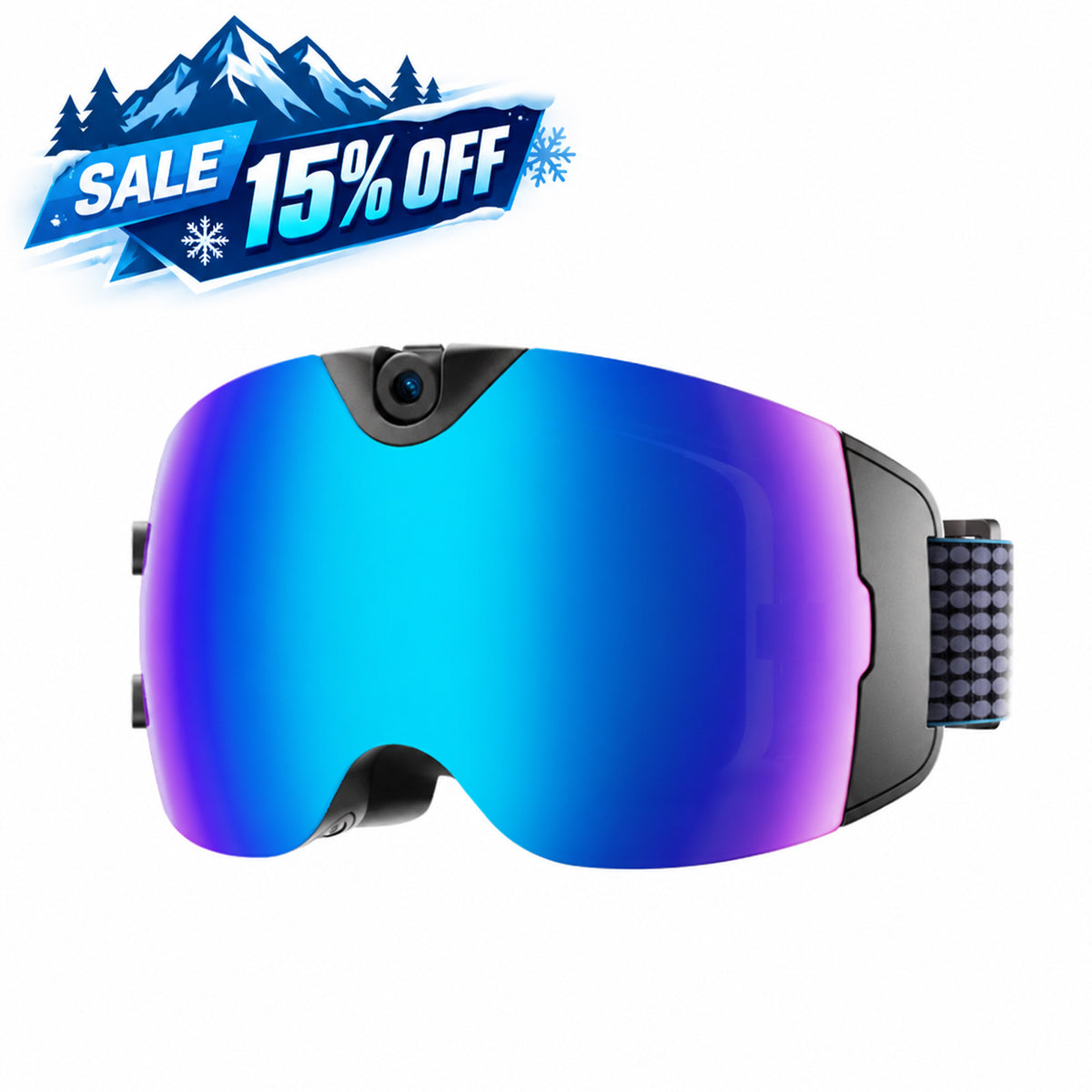
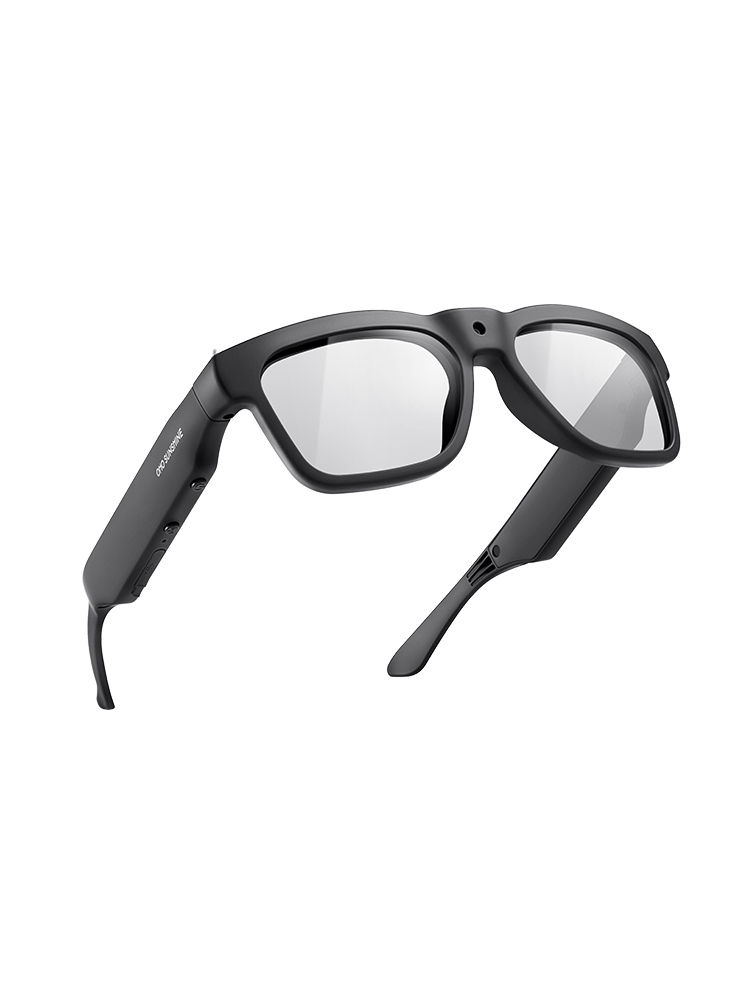
Camera-equipped snow goggles make sense when hands-free recording is a real priority and the added charging, controls, care, privacy, and attention demands do not compromise clear vision or route awareness. They solve a recording problem, not a visibility requirement. First decide whether the route calls for goggles, then decide whether recording belongs in that eyewear.
Choose camera goggles only if hands-free recording is important and the model’s lens options, light range, layer or helmet fit, glove controls, storage, charging, battery behavior in cold weather, and privacy fit the outing without compromising clear vision or route awareness.
As one manufacturer-listed example, the Skyshot camera ski goggles list 4K video at 30 frames per second, 24-megapixel photos, a 140-degree camera, Wi-Fi, USB-C charging, polarized lenses, UV400 protection, and an anti-fog lens. Those are current listing specifications, not independent proof of winter-hiking performance. If recording is not a priority, choose the route-appropriate non-camera setup; if it is, use the camera-goggle decision guide and test the controls, charging plan, and complete winter-layer fit before the outing.
FAQs
Do you need goggles for snowshoeing?
Not for every trip. Use goggles when open exposure, reflected glare, wind, blowing snow, or face coverage is the main problem. Lighter eyewear or no goggles may fit a sheltered outing when your vision and eye comfort remain adequate.
Are ski goggles good for winter hiking?
They can work when coverage, lens, ventilation, and fit suit the route. For uphill travel, test heat and fog during movement and stops, and check the goggles with your actual headwear and face covering.
How do you prevent snow goggles from fogging while hiking in snow?
Begin with a dry inner lens and clear vents, keep warm breath away from the lens area, manage heat before stops, and handle the inner lens gently. Persistent fog means changing the fit, airflow, face-covering placement, or eyewear category.
Are darker lenses better for snow glare protection while hiking?
Not always. Darker lenses can suit strong open-snow glare, while lighter lenses can preserve more usable detail in woods, overcast weather, or flat light. Choose for the full expected route and its transitions.
Keep the required safety equipment with you
Goggles are visibility and weather gear only. They do not replace a helmet, navigation tools, or activity-specific safety equipment appropriate to the route and conditions. The winter hiking guidance on carrying a map and compass or GPS supports keeping navigation equipment with you and pausing when winter visibility is impaired.
Before starting, confirm that the complete setup preserves clear vision, breathing comfort, head protection, and route awareness. If goggles impair visibility, repeatedly fog, interfere with breathing or head protection, or distract you from navigation, stop, switch to route-appropriate eyewear, and correct the setup before continuing.


Lämna en kommentar
Denna webbplats är skyddad av hCaptcha och hCaptchas integritetspolicy . Användarvillkor gäller.