



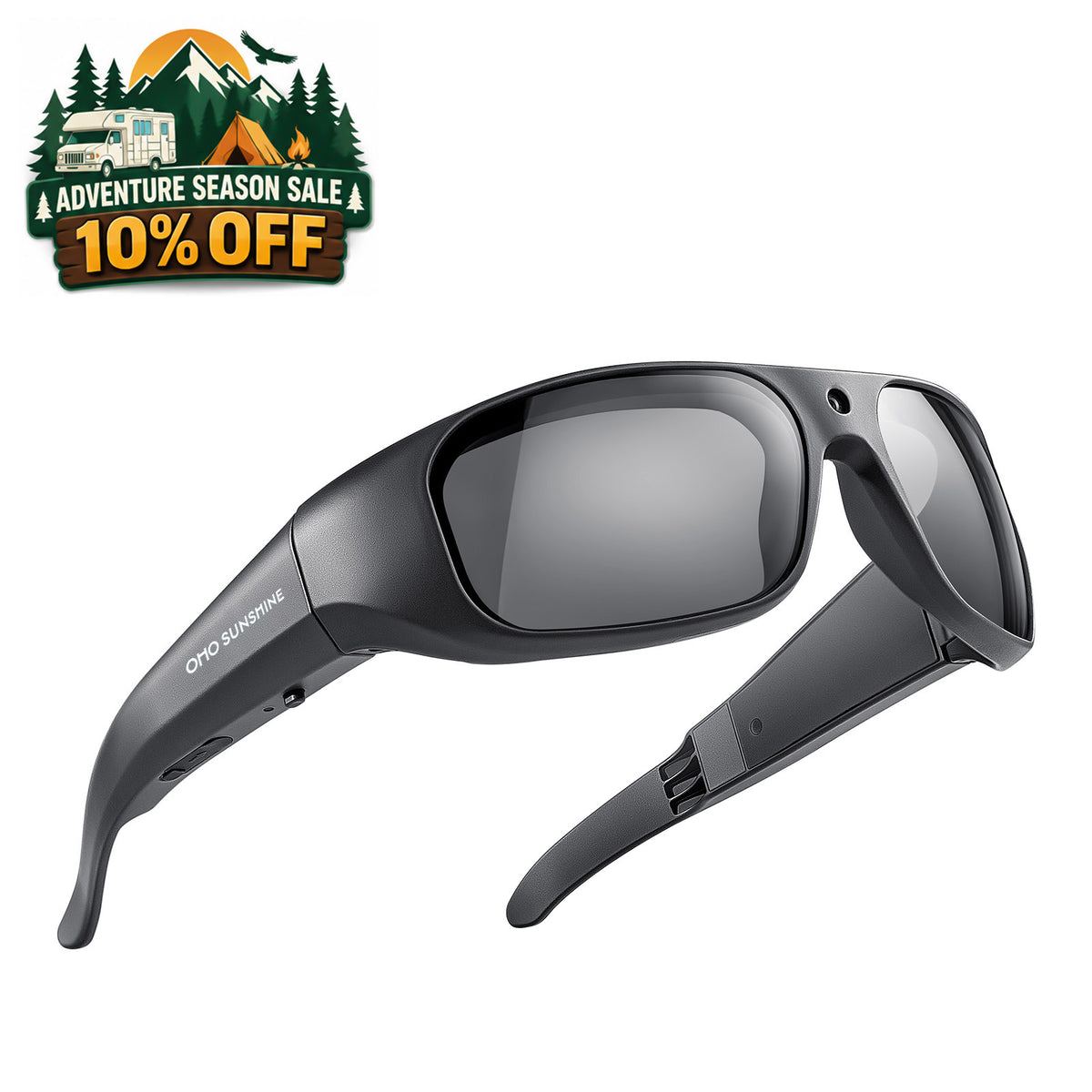


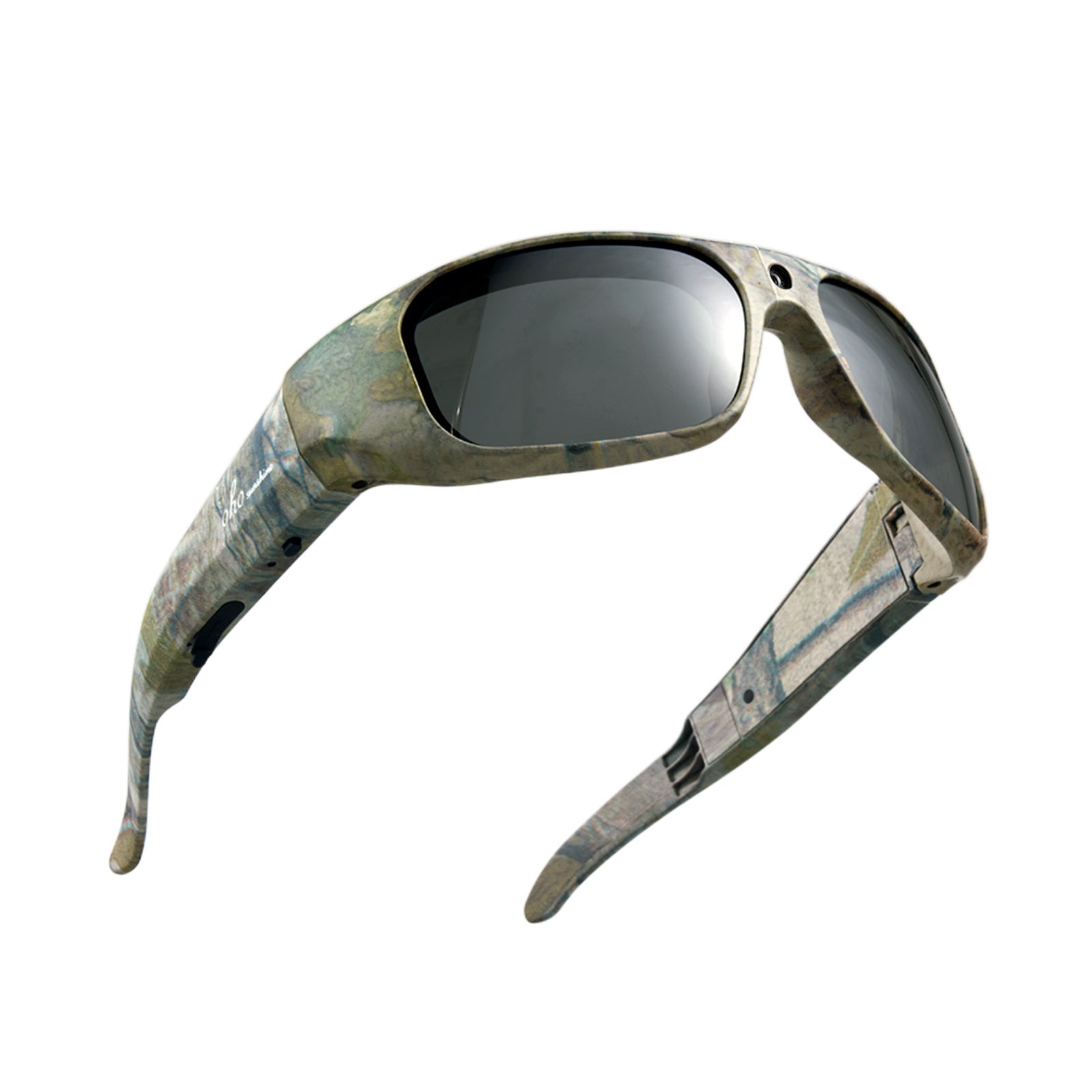


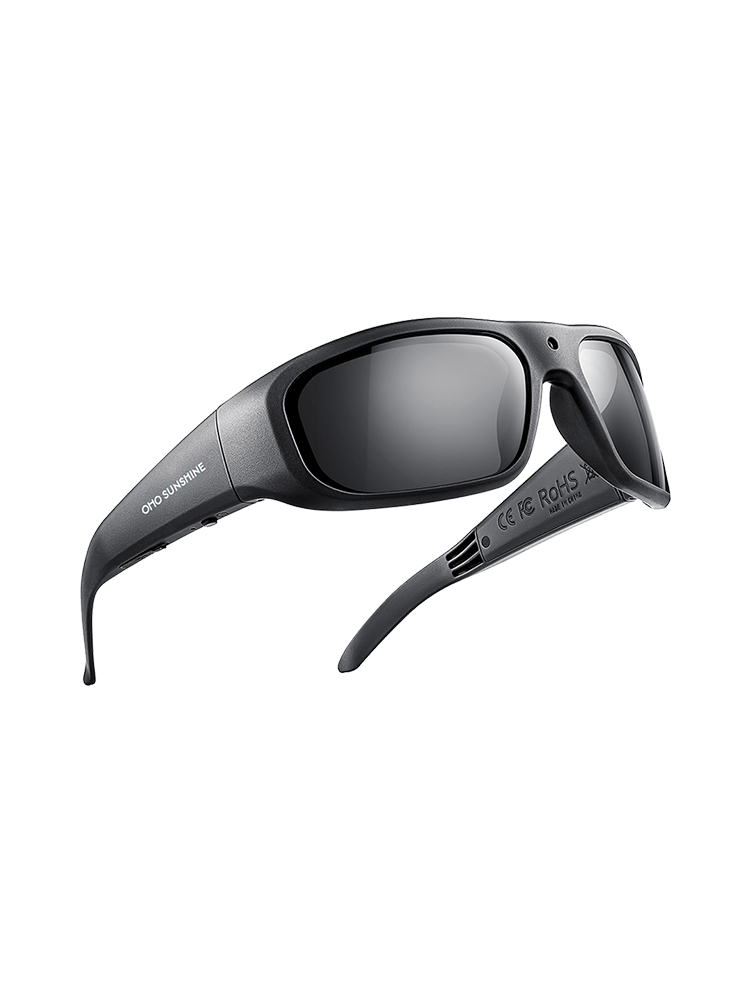


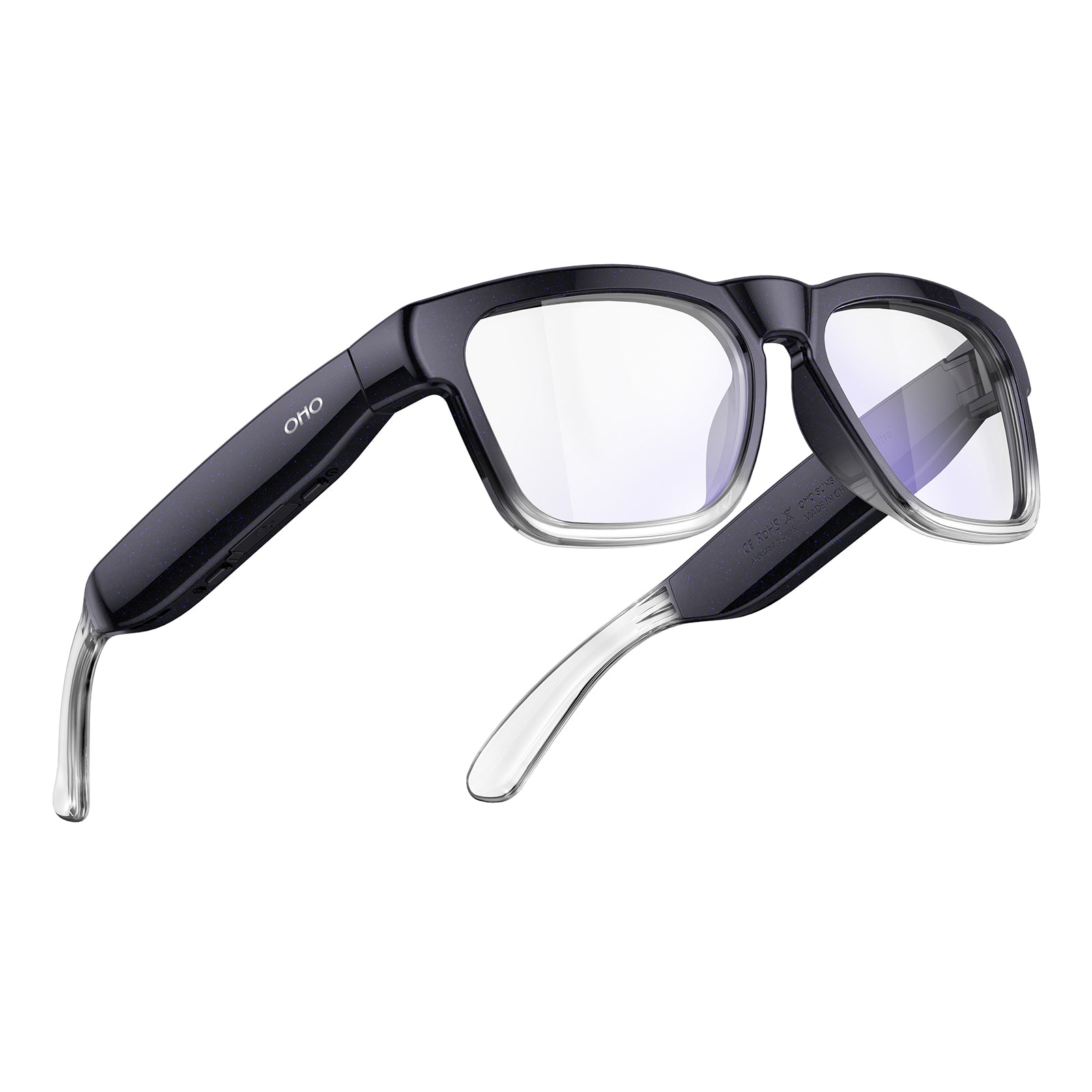





Smart glasses with a camera can be a fit for recording youth soccer, but only for a parent who wants hands-free personal memories, not guaranteed full-game footage. The real test is whether one exact model keeps recording for both 40-minute halves in bright sun without overheating or losing files. Until that test passes and the venue allows filming, treat any purchase as conditional rather than settled.
Can smart glasses record a youth soccer game well enough?
The honest answer is conditional: smart glasses with a camera can work for hands-free sideline memories if the exact model passes an 80-minute bright-sun test and the venue permits recording, but they are not a proven substitute for a dedicated camera when a parent needs full-field, zoomed, or tracked footage.
Start with the 80-minute recording test
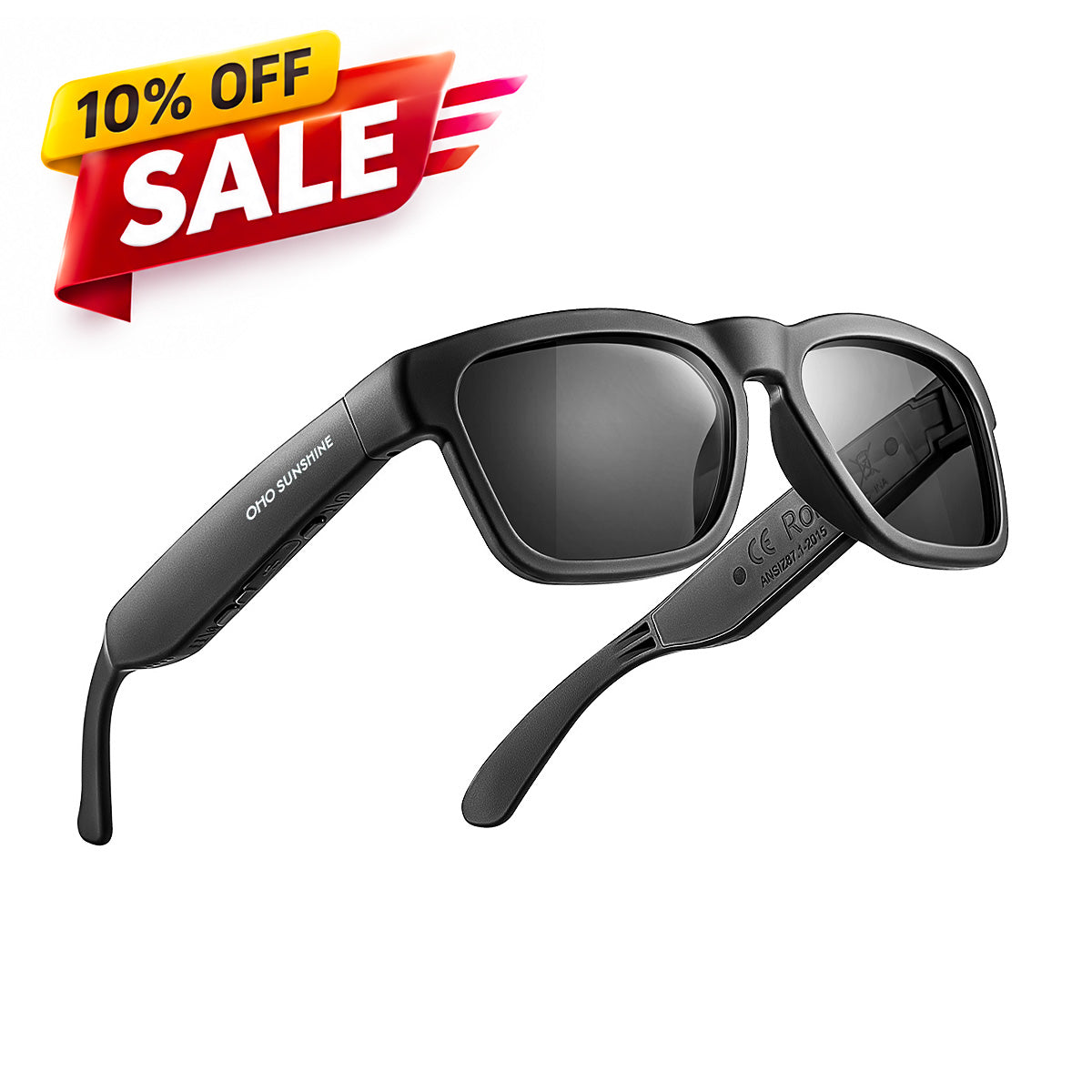
Two consecutive 40-minute halves add up to 80 minutes of continuous recording, and that number is the real benchmark, not a marketing spec. A headline battery range on a product page describes a manufacturer's typical use case, not a guarantee that the same device will run nonstop at 1080P in direct sun for the length of an entire game. The OhO Sunshine Edge listing states 1080P video at 30 fps with a 1.5 to 20-hour battery working-time range, and a separate OhO Sunshine model, the Vidsoul, lists 90 minutes of battery life. Those two figures alone show why a parent has to check the specific model being bought instead of assuming any camera glasses will behave the same way.
Before trusting any pair of glasses with a full tournament game, run this sequence:
- Confirm the exact model, resolution, and storage configuration you plan to buy.
- Record continuously for 80 minutes outdoors in comparable sunlight and temperature.
- Check whether the recording stopped early, restarted, or split into separate files.
- Confirm the footage transfers cleanly to a phone or computer before game day.
If the glasses cannot complete that sequence without interruption, they are not ready for a two-half tournament game, regardless of what the spec sheet promises.
What 1080P and a fixed sideline view can capture
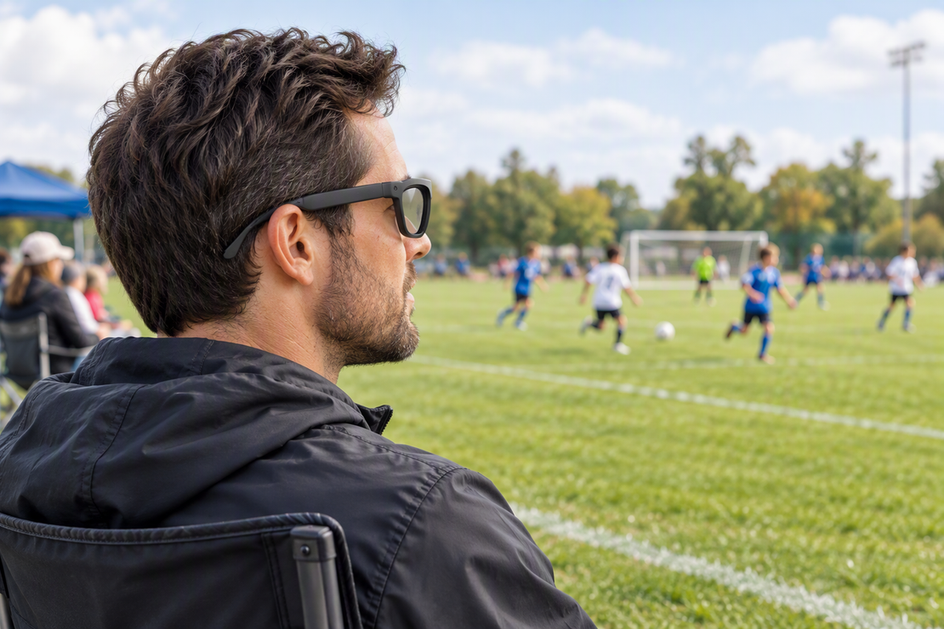
A 1080P label describes the output resolution, not what the camera can actually see. Resolution alone does not tell a parent how much of the field is in frame, how far away a player can be and still look sharp, or whether the device can zoom or follow the play automatically. Camera glasses are built around hands-free first-person recording, which fits a parent who wants a personal memory of the game from their own point of view. These glasses provide a fixed wearable perspective, so parents should not expect full-field coverage, optical zoom, or automatic player tracking from this style of eyewear.
That distinction matters for two different parents. One wants a casual keepsake of the day and is fine with footage that follows wherever their head is pointed. The other wants to study a child's technique or a coach's tactics from across the field, which usually needs a stable, zoomed, or elevated camera angle that a wearable device is not designed to provide.
Bright sun and heat are separate checks
Outdoor sunlight changes two things an indoor test cannot show: glare on the lens and how warm the device gets during a long recording session. A same-location test in comparable sun is the only reliable way to check both. Stand where you plan to record, keep the glasses running, and review the footage for washed-out highlights or blown-out sky, along with how the device feels after continuous use. For readers who want a deeper walkthrough of glare control, our bright-sun glare tips cover angle adjustments that can reduce washed-out video.
No documented operating-temperature limit was supplied for this model, so do not assume a specific number. The practical rule is simpler: stop recording or follow the manufacturer's manual if the glasses become uncomfortably hot or behave outside their normal operation. Do not push through discomfort just to finish the second half.
Privacy, venue rules, and the online product check
Federal privacy guidance and venue permission are two separate checks, and a parent needs both before recording or sharing youth-sports footage. The FTC's COPPA guidance treats a child's image or voice in a video or audio file as personal information in the context of covered online services that collect or handle that data. That rule governs how certain online services manage children's data; it does not decide whether a particular field, league, or school allows filming, or whether posting a clip online is appropriate. Confirm the venue's and team's own rules and any expected consent before recording starts, and again before sharing anything publicly.
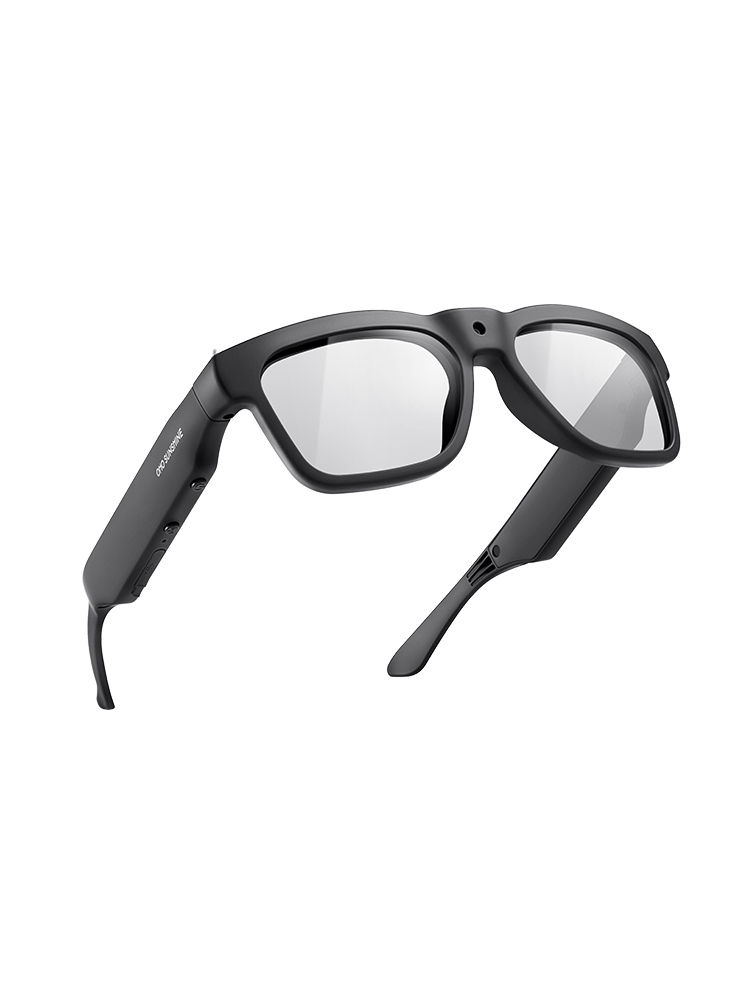
Once those neutral criteria are settled, the Edge camera glasses become a reasonable candidate to evaluate, not an automatic recommendation. The listing supports 1080P video at 30 fps, built-in storage, Bluetooth 5.3 with open-ear speakers, a one-year warranty, free shipping within one to three business days, and a 14-day return window. Those are useful facts for comparing options, but they do not confirm 80 minutes of uninterrupted bright-sun recording, a specific field of view, or a documented heat limit. Our battery and heat guide walks through how resolution, frame rate, and heat interact with runtime if you want more detail before testing a unit.
Before checkout, work through this list:
- Confirm you are buying the exact model and configuration you researched.
- Get or run the 80-minute continuous outdoor test described above.
- Note that field of view, zoom, and automatic tracking are not documented; do not assume they exist.
- Verify how footage is stored and transferred, and whether a phone needs to stay nearby.
- Check the current warranty, return window, and shipping timeline on the product page, since store policies can change.
- Confirm the venue, team, and league allow recording and any sharing you plan to do.
Conclusion
Smart glasses with a camera are a conditional fit: reasonable for hands-free personal memories once an exact-model 80-minute bright-sun test passes and the venue allows filming, but not a verified replacement for full-field or player-tracking footage. Before ordering, test or confirm the specific model's runtime and heat behavior, then check the venue's recording rules and the retailer's current warranty, return, and shipping details.

FAQs
Does COPPA automatically give parents permission to record a youth soccer game?
No. COPPA is a federal rule about how covered online services collect and handle children's personal information, including video or audio files containing a child's image or voice. It does not decide whether a specific field, school, or league allows filming at their event. Check the venue's and team's own rules and any expected consent separately from any online privacy question.
Will camera glasses automatically follow the ball or zoom in on a player?
These glasses operate as a wearer-directed, first-person camera that follows wherever your head turns, rather than offering automatic player tracking or optical zoom. Unless an individual product manual specifies dedicated sports tracking or zoom hardware, expect a fixed first-person view.
How should parents test camera glasses before a sunny tournament?
Test from the exact spot you plan to record from, in similar sunlight and heat, for the full 80 minutes you would need on game day. Review the footage for washed-out highlights, check that files saved correctly, and note how the device feels after continuous use. Stop the test if it becomes uncomfortably hot or stops behaving normally; that outcome means it is not ready for the tournament yet.
What storage and transfer details should parents check before ordering?
Confirm the exact storage capacity offered on the model you are buying and how long that typically holds footage at your intended resolution. Verify how clips move from the glasses to a phone or computer, and whether the phone needs to stay within range during recording. Do not assume another model's storage or transfer figures apply to the one you are ordering.


Deixe um comentário
Este site está protegido pela Política de privacidade da hCaptcha e da hCaptcha e aplicam-se os Termos de serviço das mesmas.