

















Audio smart glasses with Bluetooth can carry spoken walking directions from your phone, so you can keep your head up and your phone in your pocket. That only works as a dependable city-walking tool when the phone, mapping app, and Bluetooth connection are all verified and you can still hear and see what's happening around you. If the connection is shaky, the prompts are unclear, or you can't watch traffic while listening, treat the glasses as audio eyewear, not a navigation system.
The right way to think about them: supplemental route guidance for a pedestrian who still makes every crossing decision visually, not a replacement for looking both ways.
How Smart Glasses Deliver Walking Directions
Smart glasses with Bluetooth are an audio endpoint first. They only become a navigation tool once several other pieces line up correctly between your phone and your ears.
The Phone, Map, and Bluetooth Chain
In a typical phone-connected setup, your phone does the heavy lifting: it finds your location, calculates the route, and generates the spoken directions. The glasses simply receive that audio over phone GPS and voice directions once Bluetooth pairing and audio routing are set up correctly. That means a screen-free walk is not the same as a phone-free walk. Your phone is still doing the navigation work; the glasses are just where you hear the result. If the Bluetooth output isn't routed to the glasses, or the app isn't set to send voice guidance that way, you'll get silence or a fallback speaker instead of the directions you expect.

Native Navigation Is a Separate Capability
Some glasses claim standalone or "native" navigation features that don't depend on a paired phone's mapping app in the same way. That is a distinct, model- and service-specific capability, and it needs its own documentation, not an assumption based on Bluetooth, a camera, or a voice assistant. A camera for photos or a voice assistant for messages does not confirm that a pair of glasses can plan or narrate a walking route. If you can't find a clear statement of navigation support from the manufacturer, plan around phone-connected audio guidance instead, and confirm the pairing and voice-routing steps before you leave.
What Changes at Crosswalks and Noisy Intersections
Audio prompts help you stay oriented, but they never decide whether it's safe to cross. That decision stays with your eyes, ears, and judgment at the actual intersection.
At Crosswalks, Visual Checks Still Lead
Federal pedestrian guidance is direct on this point: follow signals and watch traffic, other road users, and wait for a full, clear stop before stepping off the curb. A spoken "turn right" or "continue straight" tells you where the route goes next, not whether the crosswalk is currently safe. If your attention is split between reading directions and watching a busy intersection, or visibility is limited by weather or glare, pause the navigation task. Confirm the crossing visually first, then resume walking once you've made that call yourself.
Test Prompts Before the Route Gets Busy
A working Bluetooth connection and an intelligible spoken direction are not the same thing. Confirm both before you're relying on them in traffic:
- Pair the glasses and confirm audio is routed to them, not the phone speaker.
- Play a real spoken direction at a safe, quiet spot and check the volume.
- Repeat the test in wind or street noise, without letting the glasses block your awareness of nearby sounds.
- If any instruction is partial, garbled, or missing, stop and test spoken directions over Bluetooth again before trusting the setup on a real walk.
This kind of pre-walk check matters even for calls, not just directions; we covered similar audio-clarity tradeoffs in our piece on calls in noisy places.
Phone and Battery Tradeoffs for City Walks
Bluetooth glasses can cut down how often you pull out your phone, but they don't automatically save phone battery. Your phone is usually still running location services, calculating the route, and generating audio, even with the screen dark.
Google's own guidance on phone GPS and voice directions notes that navigation draws on your phone's location, screen, and speakers, and that turning the screen off still lets you hear voice directions while trimming one source of battery use. So a screen-off walk with glasses is a real convenience: less glare, less looking down, less temptation to check notifications. It is not a battery-free walk. For a short, familiar errand, that distinction barely matters. For a longer or unfamiliar route, start with a charged phone and have a backup power plan, the same way you would for any extended use of live navigation.
Buyer Fit: What to Verify Before You Buy
Whether audio smart glasses fit your walking routine depends on the route, not the category label on the box. Use the table below to match your typical walk to what you actually need to verify first.
| Routine or condition | What to verify | Decision |
|---|---|---|
| Short, familiar trip | Bluetooth pairing works reliably | Good fit as supplemental audio |
| Unfamiliar route | Phone/map app and native navigation support, if claimed | Conditional fit; verify before relying on it |
| Noisy crossing or intersection | Spoken prompts are clear over ambient noise | Conditional fit; test first, keep visual checks in charge |
| Poor weather or reduced visibility | Audio does not replace visual traffic and signal checks | Poor fit as a standalone guide; use with extra caution |
A pass on every relevant row means the glasses can serve as a supplemental layer on top of your own attention. A fail on the navigation-support or prompt-clarity checks means you're buying audio eyewear, which is still useful for calls and music, but not a verified walking-navigation tool. Readers who pass these checks and want to compare open-ear, Bluetooth-connected styles can browse our Bluetooth glasses collection; browsing the category is a starting point, not a substitute for checking your specific model against your phone and mapping app.
Where the OHO SUNSHINE Elite Fits—and Where It Does Not
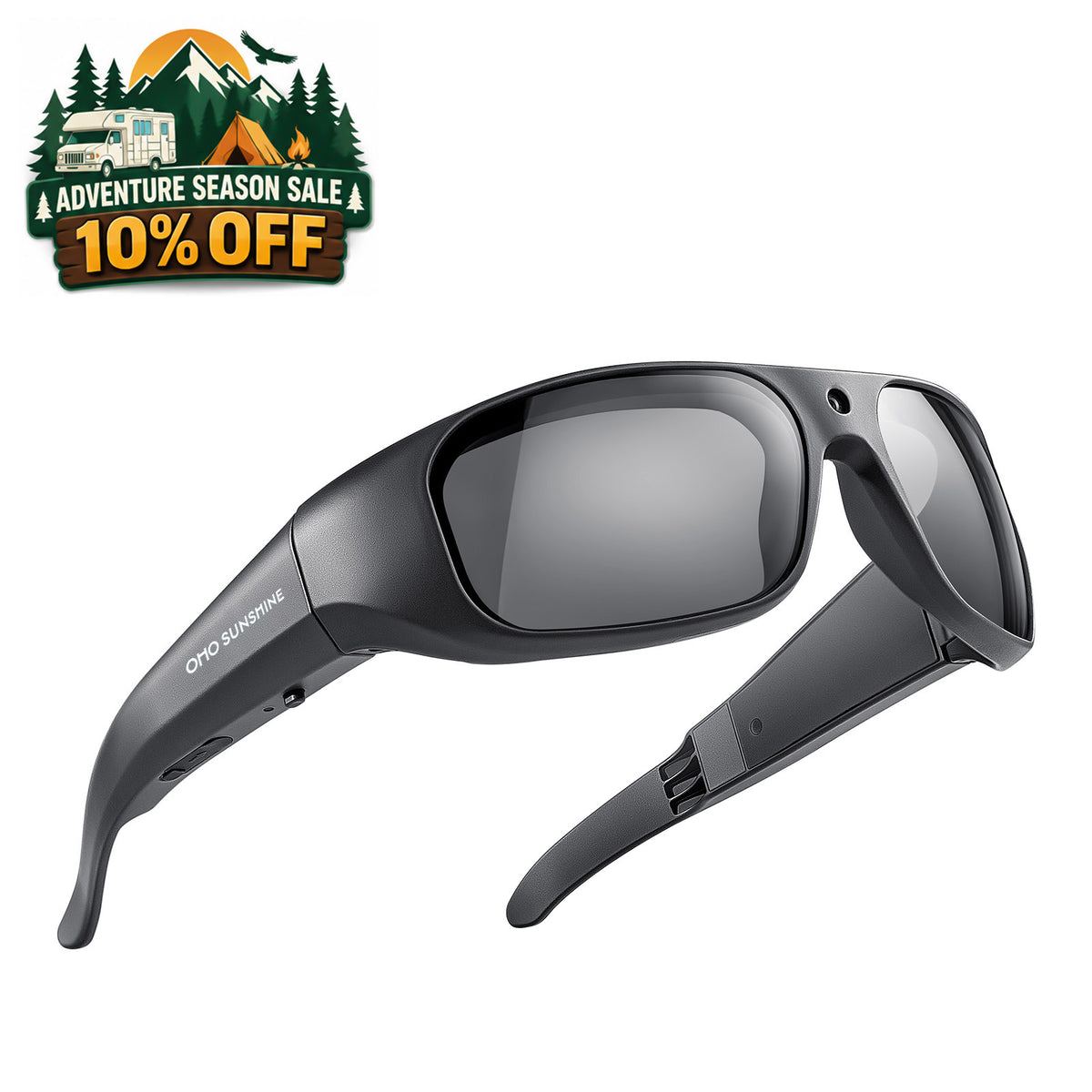
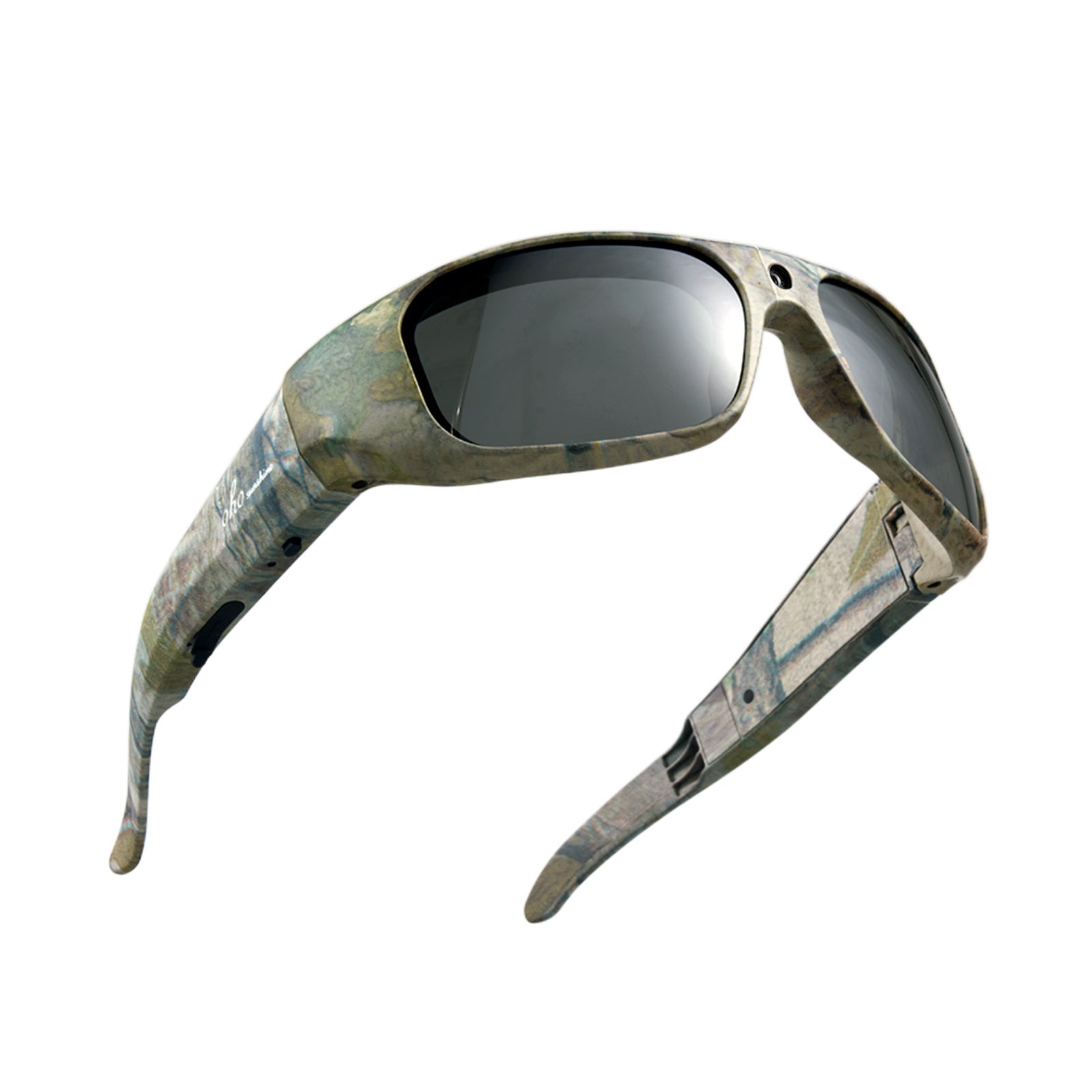
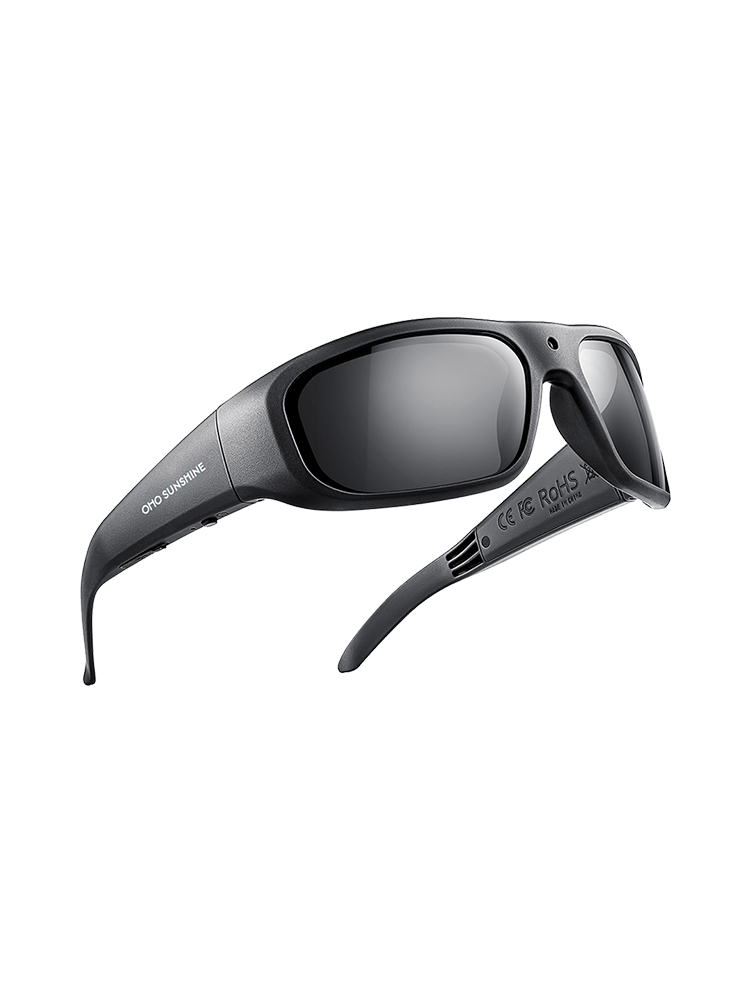
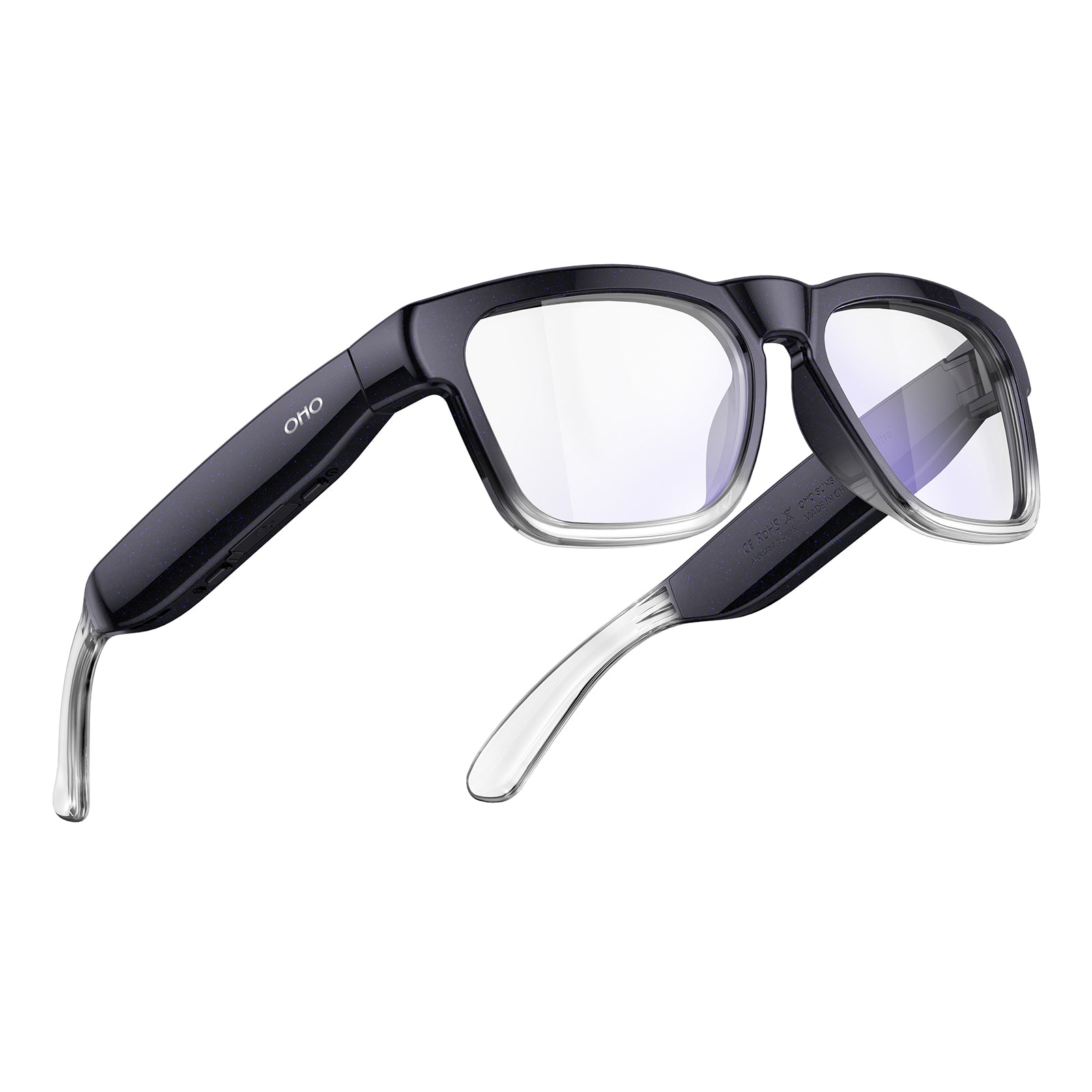
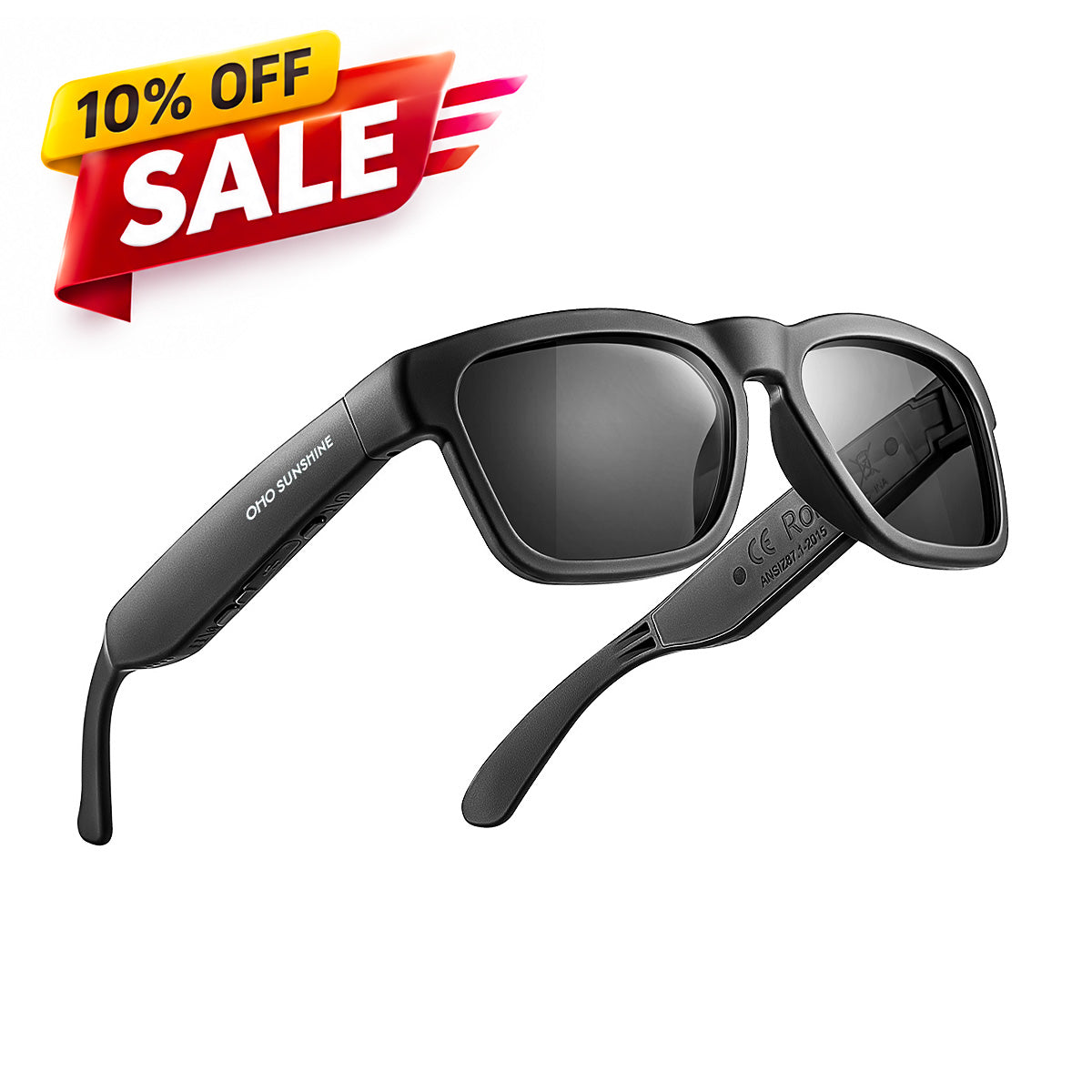
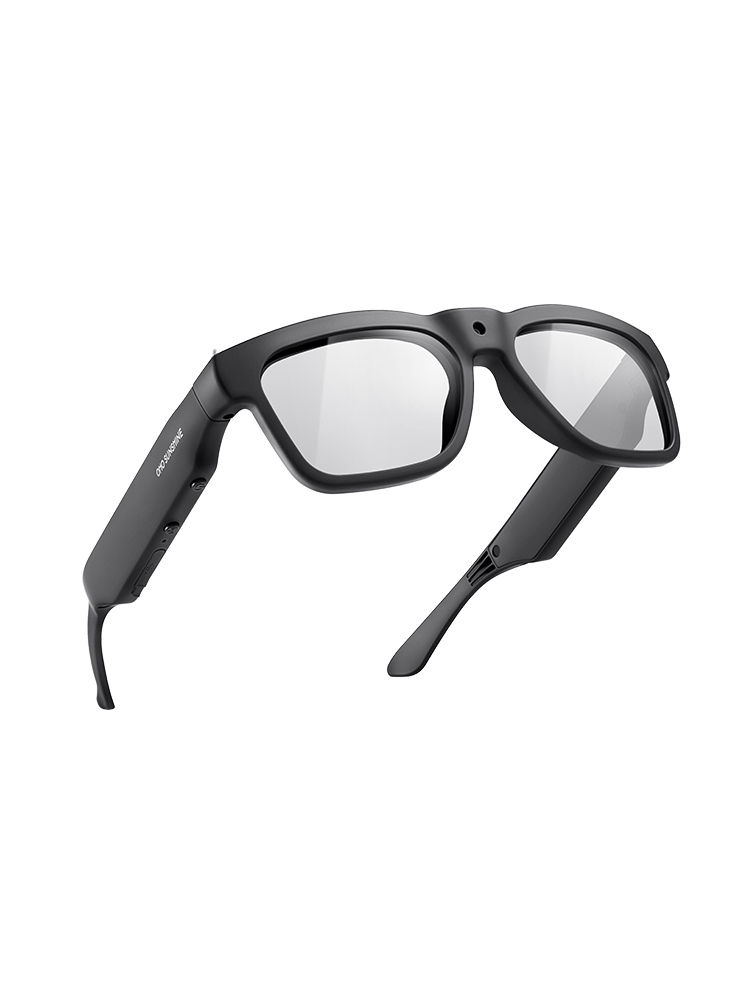
Our product record for the OHO SUNSHINE Elite lists open-ear Bluetooth audio, a built-in voice assistant, and Bluetooth 5.2 connectivity, along with a stated 10-hour working time and IPX4 water resistance, and it's positioned for daily commuting. That combination matches the audio-eyewear half of this use case: hands-free calls, music, and voice-assistant control while you move through a city.
What the record does not establish is turn-by-turn walking navigation. Bluetooth audio and a voice assistant let the glasses play sound and take voice commands; they do not, by themselves, confirm that the Elite integrates with a specific mapping app's spoken directions the way a dedicated navigation feature would. If you want to use it for commuting audio, calls, and voice control, our Elite Bluetooth glasses page has the current specs. If turn-by-turn walking guidance is the deciding feature for you, confirm that capability directly against your phone and mapping app before buying, rather than assuming it from the Bluetooth or voice-assistant listing. If your app and phone pass that test, make sure spoken prompts remain audible in city noise before relying on them on foot.
Conclusion
Audio smart glasses with Bluetooth are worth using as supplemental route guidance when your phone, mapping app, and Bluetooth connection are verified and prompts are clear in real street noise. They are not a substitute for watching signals, traffic, and the people around you at every crossing. Test your exact setup before relying on it, and treat unclear prompts as a reason to pause, not proceed.
FAQs
Can smart glasses give walking directions without a phone?
Not by default. A Bluetooth label only confirms wireless audio, not independent navigation. Some models advertise native, phone-independent navigation features, but that's a separate, documented capability you need to verify model by model. Absent that confirmation, plan on a phone-connected setup where your phone supplies the map and route.
Will using smart glasses for navigation save my phone battery?
Not automatically. Your phone can keep using location services, route calculation, and audio output for navigation even with the screen off, so voice-only guidance reduces screen glare and glances at your phone without eliminating the battery draw. Start a longer or unfamiliar walk with a charged phone, and carry a backup power option if the route will take a while.
What should I do if I miss a navigation prompt at a crosswalk?
Stop in a safe spot away from traffic and don't guess at the direction. Check the signal and the actions of drivers, cyclists, and other pedestrians around you, and replay or re-trigger the spoken instruction if you can. Only continue once you've confirmed the crossing is clear yourself; a missed or garbled prompt is never a reason to step into an intersection.


Deixe um comentário
Este site está protegido pela Política de privacidade da hCaptcha e da hCaptcha e aplicam-se os Termos de serviço das mesmas.