











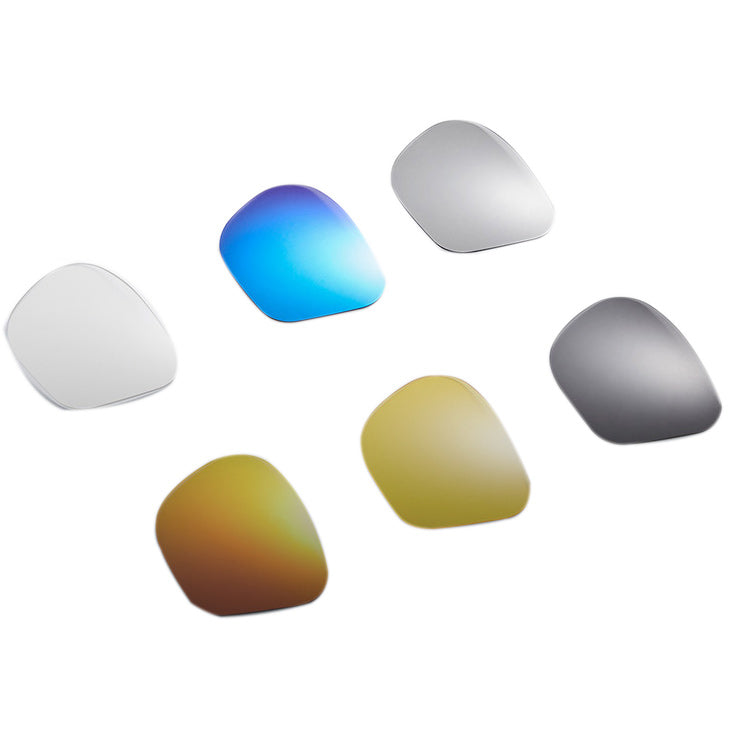
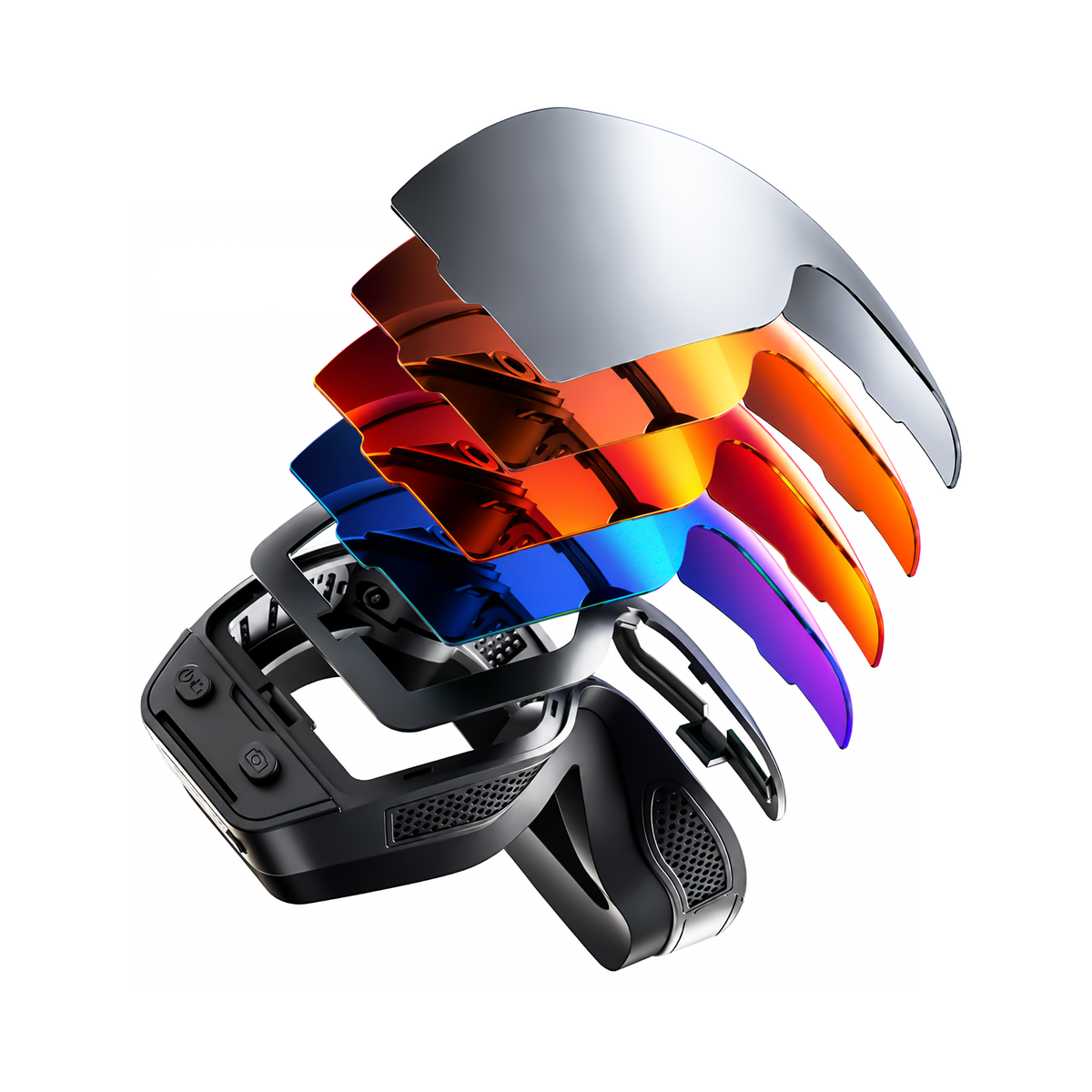



No published test we can point to strikes a ski pole against a finished goggle lens. That means nobody can honestly promise that a specific pole hit will or won't damage your ski goggles. Polycarbonate is an impact-resistant material, and its maker says it stays impact resistant in the cold, but that describes the plastic, not a guarantee that a lens can't crack, puncture, or scratch.
The practical rule is simple. If a lens looks fine, the material claim tells you what it was built to resist. If a lens shows visible damage after contact, stop treating it as intact eye protection and follow the manufacturer's guidance for that model.
Can a Ski Pole Damage Ski Goggles?
Yes, damage is possible, because no evidence shows any goggle lens is immune to a pole strike, even on premium 4K camera smart ski goggles. At the same time, nothing in the available evidence shows that a given pole contact will cause damage. The honest answer sits between those two points.
Here's why a clear yes or no isn't available. A pole strike is a specific event. The result depends on the actual lens, the frame around it, and how the contact happened. A test that could answer your question would need to name the goggle model, the lens, and the contact conditions, then report what happened. That kind of test for ski-pole contact against finished ski goggles hasn't been published in the sources available here.
What you do have is material-level information. Polycarbonate resin is described as impact resistant, including at low temperatures. That's useful background, but it's a property of the raw plastic before it becomes your lens. It can't tell you whether the pole that hit you on the lift line or in a fall left a mark.
So treat a pole strike neither as harmless nor as proof of failure. Look at the lens itself. What you can see on it after the hit matters more than any general material claim.
What Polycarbonate Impact Resistance Does—and Doesn't—Mean
Impact resistant means a material is designed to handle a hit better than a brittle material would. It does not mean puncture-proof, shatterproof, or scratch-proof. Those are separate, absolute-sounding claims, and an impact-resistance statement doesn't support any of them.
Think of it as a spectrum, not a switch. "Resistant" describes a lens that holds up to a certain kind of impact under certain test conditions. "Proof" would mean it can't fail at all, and no source here makes that claim for any goggle lens. Scratch resistance is a different property again. It's usually about the lens surface, so you can't infer it from impact performance. A lens can resist a blow and still pick up scratches from a pole tip or an icy edge.

Standards show what goggle impact testing has looked like. ASTM's withdrawn ski-goggle specification, F659-10R18, called for lens strength to be checked through basic and higher impact-resistance tests, along with requirements for materials, optical properties, lens retention, labeling, and testing procedures. It was withdrawn in 2024, so it's historical context today, not a current certification.
For current context, ISO 18527-1 ski goggle requirements apply to goggles with plano (non-prescription) lenses used for downhill skiing, snowboarding, and similar activities. The standard specifies requirements and testing for materials, performance, marking, and information the manufacturer must supply. A standard existing doesn't mean a particular pair was tested to it, and it doesn't describe a pole strike. To link a standard to your own snowboard goggles, look for the marking or documentation from the manufacturer that names it. Our guide on checking impact evidence before buying walks through what to look for.
How Does Cold Weather Change the Claim?
Cold doesn't erase polycarbonate's impact resistance, according to the resin maker, but that statement stays at the material level. Covestro's low-temperature polycarbonate statement describes its Makrolon polycarbonate as "extremely robust" and "impact resistant, even at low temperatures." That's reassuring for a material used on the mountain in freezing weather.
The limits matter just as much. Covestro's statement is about Makrolon resin, not a ski goggle lens. It doesn't name a temperature threshold, a ski-goggle test, or a pole strike. Covestro also offers a broad range of Makrolon grades for injection molding, extrusion, and blow molding. One resin statement doesn't describe every polycarbonate grade, every lens, or every goggle build.
In practice, a lens made from polycarbonate starts from a material with a cold-weather impact claim behind it. Whether your finished lens held up to a specific hit on a 10°F morning is a separate question. The material page can't answer it. The lens in front of you can, if the damage is visible.
What Should You Do After Visible Lens Damage?
If a lens is visibly cracked, chipped, gouged, or otherwise damaged, don't rely on it as intact eye protection. Stop using it for skiing or riding until you've followed the manufacturer's inspection or replacement guidance for that exact model.
That guidance is model-specific, so start with the maker's own documentation rather than a general rule. For our goggles, open the product manuals and support guides first, then use our warranty claim page if the damage needs review. Don't improvise a repair or a home stress test on a damaged lens. No approved repair method or replacement interval comes from the material evidence covered above.

Replacement is often the cleaner path. Skyshot owners can go straight to our Skyshot replacement lens pair. For other goggles, our guide on comparing replacement lens availability covers compatibility and pricing before you order.
Sometimes there's no crack, but the view changes after a hit. New double images or haze are worth checking, and our ghost glare troubleshooting guide explains how to inspect the lens safely and when a warranty review makes sense.
FAQs
Does an ASTM F659 label mean my goggles meet a current standard?
No. The ASTM F659-10R18 listing shows that edition described basic and higher impact-resistance lens tests for ski and snowboard goggles, but it was withdrawn in 2024. A reference to it tells you about past testing, not current certification.
What does ISO 18527-1:2021 tell me about my specific goggles?
It tells you what the standard covers, not how your pair performed. The ISO 18527-1 public summary says it specifies requirements and testing for materials, performance, marking, and manufacturer information for downhill skiing and snowboarding goggles with plano lenses. To know whether a pair was tested to it, check that pair's marking and manufacturer documentation.
Will an impact-resistant lens also resist scratches?
Not necessarily. Scratch resistance is a separate property, so a lens can handle an impact and still scratch. If scratch resistance matters to you, look for a separate, stated scratch claim for that lens.
Do snow goggles with camera hardware change the impact question?
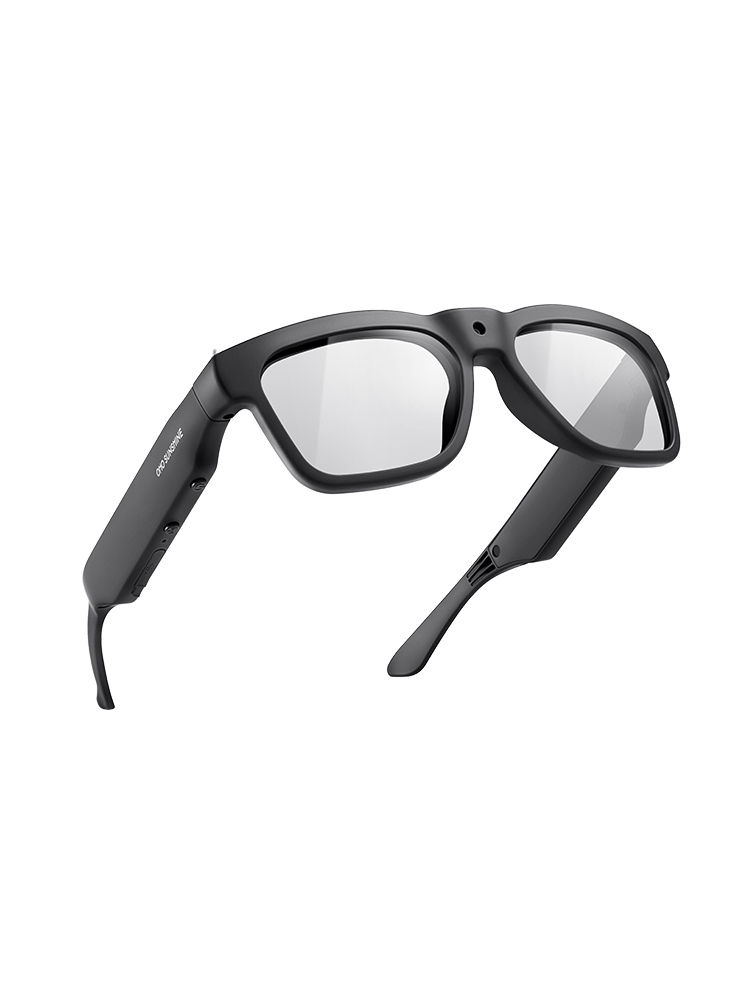
The lens question stays the same. ISO 18527-1's scope is written around goggles with plano lenses for skiing and snowboarding, not around whether they carry electronics. When you compare smart snow goggles or other goggles with camera features, look for the lens's own documented testing rather than assuming the camera or frame adds protection.


Zostaw komentarz
Ta strona jest chroniona przez hCaptcha i obowiązują na niej Polityka prywatności i Warunki korzystania z usługi serwisu hCaptcha.