














Ski goggle foam layers, whether single, double, or triple, describe how the cushion against your face is built, not how comfortable that cushion will feel. A tested triple-layer design can pair a firmer frame-side buffer with a softer skin-contact surface, but face shape, helmet fit, and the foam's actual density and firmness still decide whether ski goggles seal without chafing or cold gaps. The most reliable test is trying goggles on with your own helmet and checking contact at the cheeks, nose, brow, and temples before assuming more layers automatically means more comfort.
Key Takeaways
- Layer count (single, double, or triple) describes construction, not a guaranteed comfort or seal level.
- Density affects support and durability, while firmness affects compression feel; the two are separate specs worth checking on their own.
- In tested triple-layer designs, a denser frame-side layer, a porous middle layer, and a softer skin-contact layer can work together, but fit still varies by face and helmet.
- A helmet-on contact check at the cheeks, nose, brow, and temples is a more reliable comfort test than the printed layer count alone.
- Long, cold, or windy days raise the stakes for continuous contact and helmet compatibility, not for chasing a higher layer number.
Single-, Double-, and Triple-Layer Foam: What Ski Goggles Actually Tell You
Layer count only tells you how many foam sections are stacked against your face, not how each one feels. What actually shapes comfort is the foam's density, firmness, and lining material, plus how well the whole assembly matches your face.
Single-Layer Foam: What the Label Cannot Prove
A single-layer construction simply means the foam is built from one section instead of two or three. That fact alone does not tell you whether it will feel soft, breathable, or well-sealed, and no general comfort or sealing profile for single-layer ski goggle foam has been established in independent testing. It is not accurate to call single-layer foam inherently basic, uncomfortable, or leak-prone either. If you are considering a single-layer model, ask for the exact lining material, the contour of the frame, and, ideally, a try-on before deciding, rather than judging the goggle by layer count alone.
Double-Layer Foam: Verify the Padding and Contact
Double-layer foam is a common construction in tested ski and snowboard goggles, but the two-layer count by itself does not establish a specific comfort result. Padding material, frame shape, facial structure, and how the goggle interacts with your helmet all still shape the outcome for any individual wearer. A double-layer goggle that feels cushioned on one face can press on another, so treat the layer count as a starting description rather than a promise about density or firmness.

Triple-Layer Foam: Separate Cushioning and Lining Claims
In goggles that GearLab tested, a tested three-layer foam construction often places the densest layer against the frame as a buffer, a more porous middle layer as an intermediate connector, and a thinner, softer, brushed layer against the skin. That arrangement may improve moisture handling or skin-contact feel in the models where it was documented, but it does not guarantee a better seal or a better fit for every face. Treat this as one example of how triple-layer foam can be engineered, not a template that every triple-layer product follows.
Density, Firmness, and Lining Are Different Checks
Density is a measurement of foam mass per unit volume, and it mainly affects durability and structural support. Firmness is a separate property that describes how much the foam compresses under pressure, and according to the density and firmness distinction documented by foam industry research, firmness is independent of density. In practical terms, a "high-density" or "triple-density" label tells you about support and durability, not about softness or sealing. The lining, meaning the actual material that touches your skin, is a third and separate factor. Inspect it on its own before assuming a denser or thicker foam construction will feel gentler on your face.
How to Choose Ski Goggle Foam for Your Face and Riding Day
The most reliable way to judge ski goggle foam is a hands-on check, not the printed layer count. Run this face-and-helmet test before you decide, then match what you find to your riding day.
Run a Face-Contact Check Before Judging Comfort
Use this short sequence before forming an opinion on any goggle's foam:
- Position the goggles evenly on your face without straps pulled tight yet.
- Inspect contact at the cheeks, nose, brow, and temples for even pressure.
- Press gently to check for concentrated pressure points or obvious gaps.
- Move your head and jaw naturally to see whether the fit shifts or stays put.
- Judge the skin-contact lining and compression feel on their own, separate from the printed layer count.
Put the Helmet on Before Deciding
Repeat the same contact check with the helmet you actually plan to ride in, since the helmet interface can change how the foam presses and where gaps open up. If a goggle becomes uncomfortable, shifts noticeably, or leaves a visible gap once the helmet is on, reject that model even if the foam sounds more advanced on paper. If you wear glasses or need OTG clearance, treat that as its own product-specific check rather than something a layer count can answer.
Match the Verified Fit to the Riding Day
Once a goggle passes the face-and-helmet check, match it to how you actually ride:
- Short resort sessions: prioritize immediate comfort and a stable contact pattern over any construction label.
- Full days on the mountain: prioritize distributed pressure and skin-contact comfort, since sustained wear makes uneven pressure points more noticeable over time.
- Cold or windy conditions: prioritize continuous contact and confirmed helmet compatibility, since gaps become more obvious once wind and cold are involved, and no foam construction is proven to prevent leaks in every combination.
- Skiing versus snowboarding: apply the same face-and-helmet test for either sport, since no evidence supports a separate foam-layer winner by activity.
Verify Online Listings Before Adding Features to the Decision
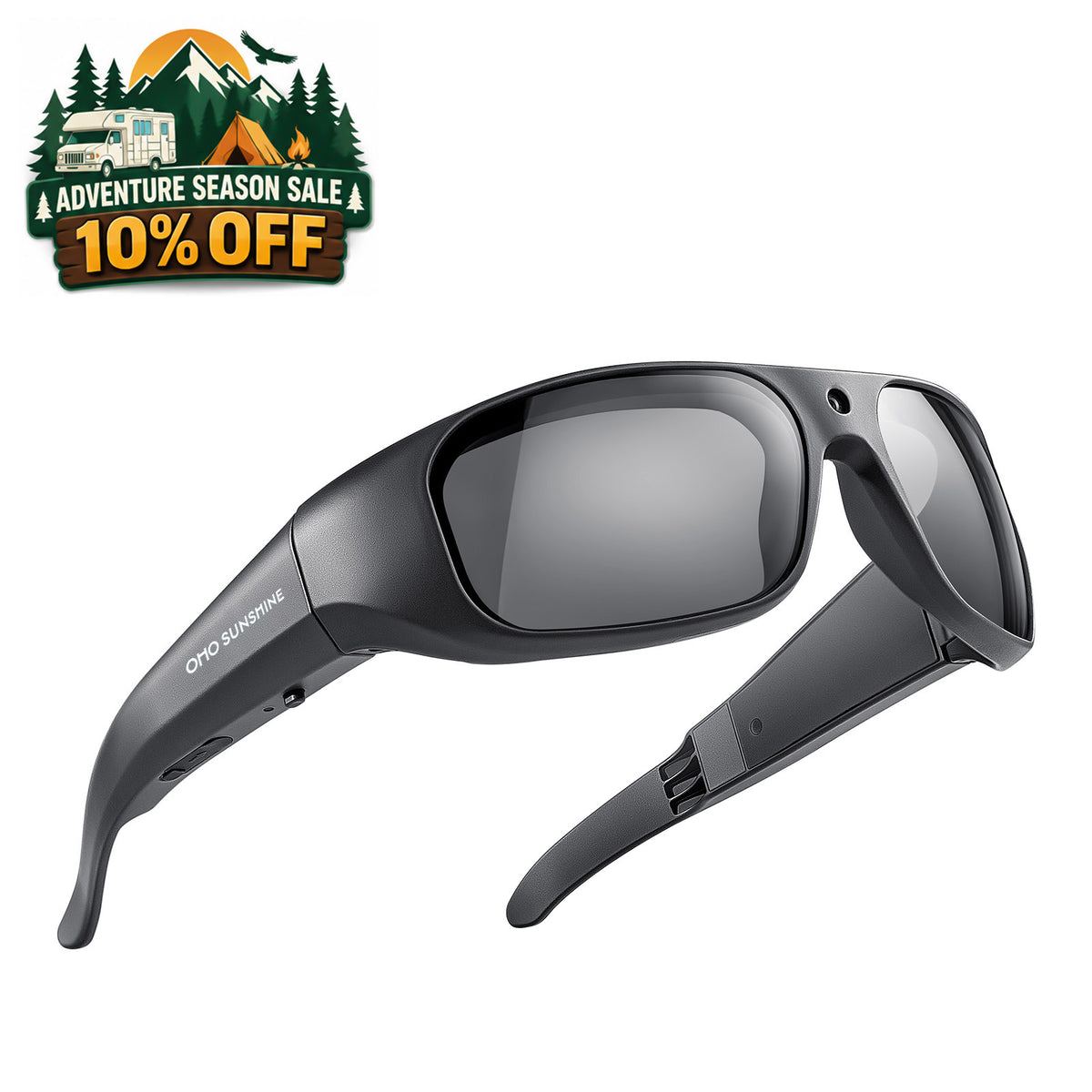
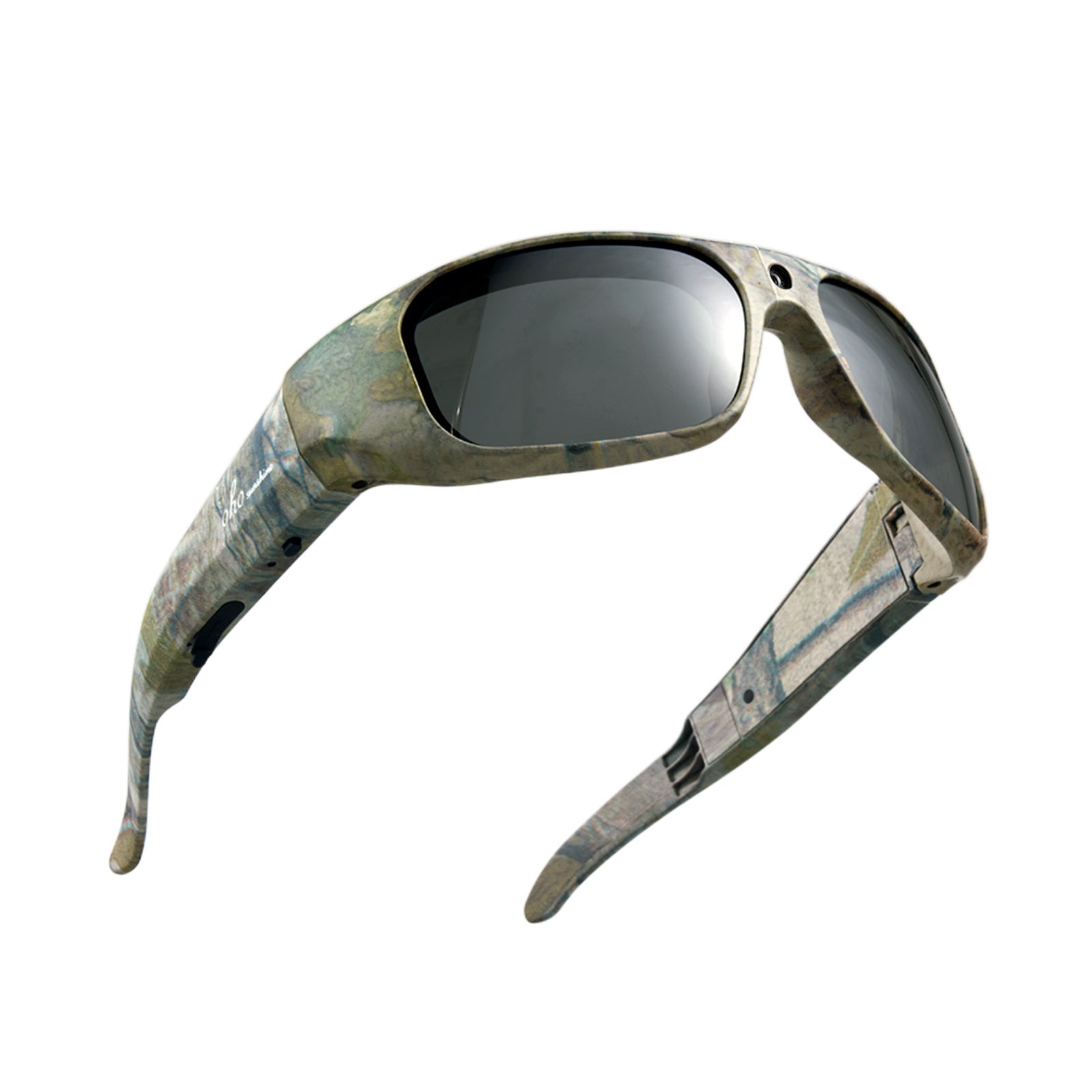
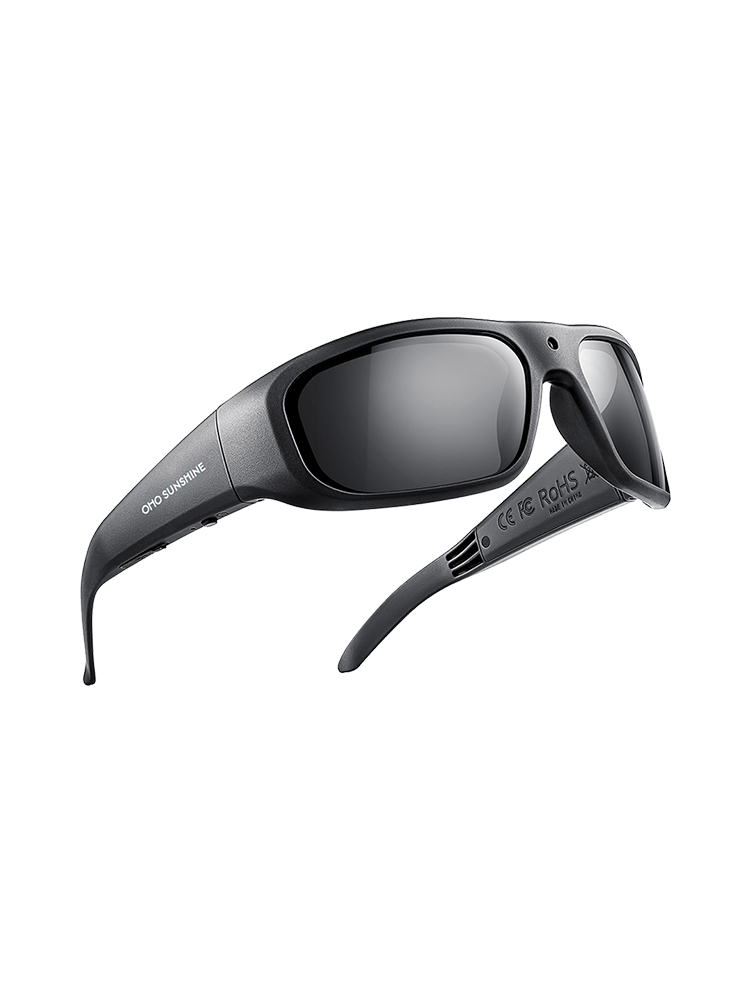
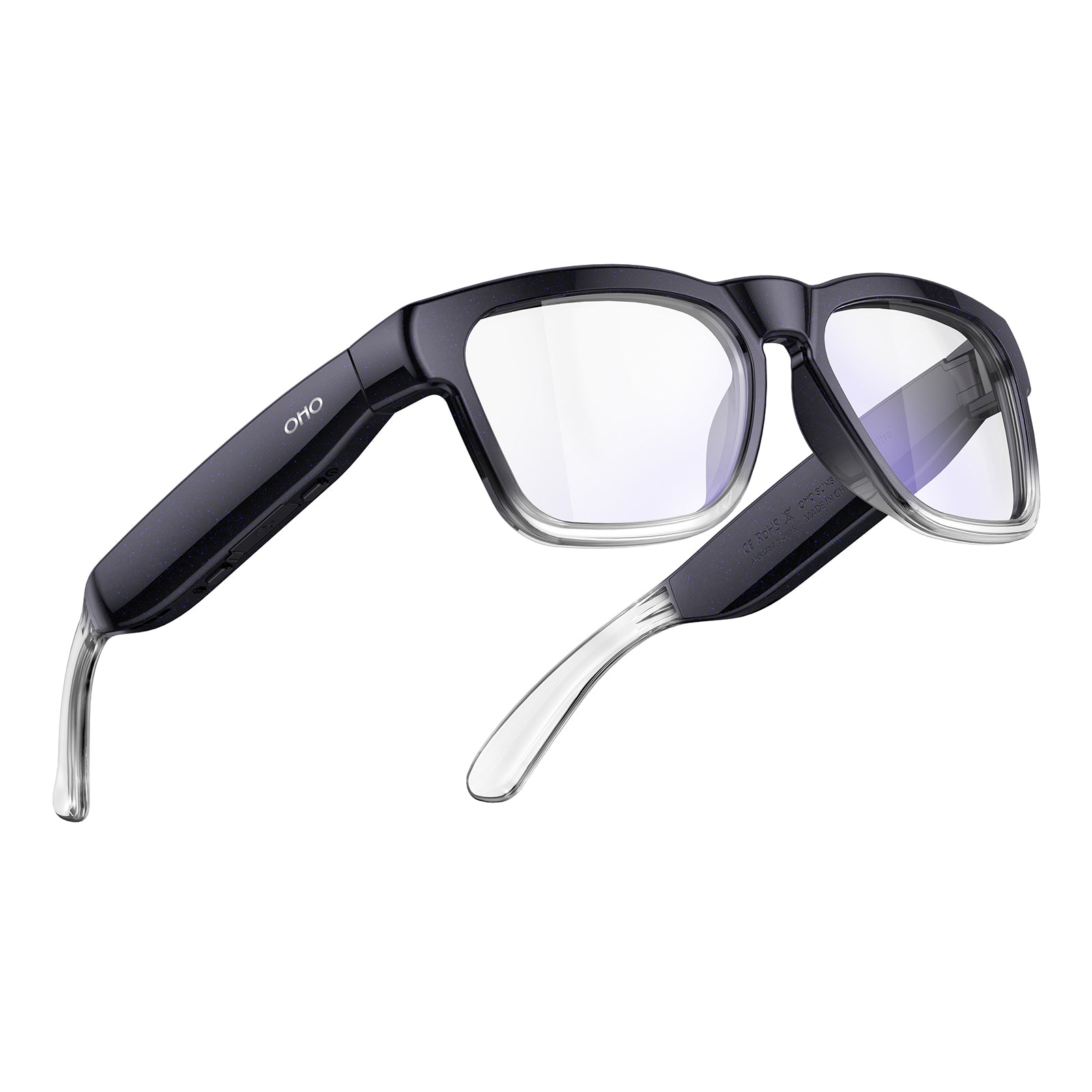
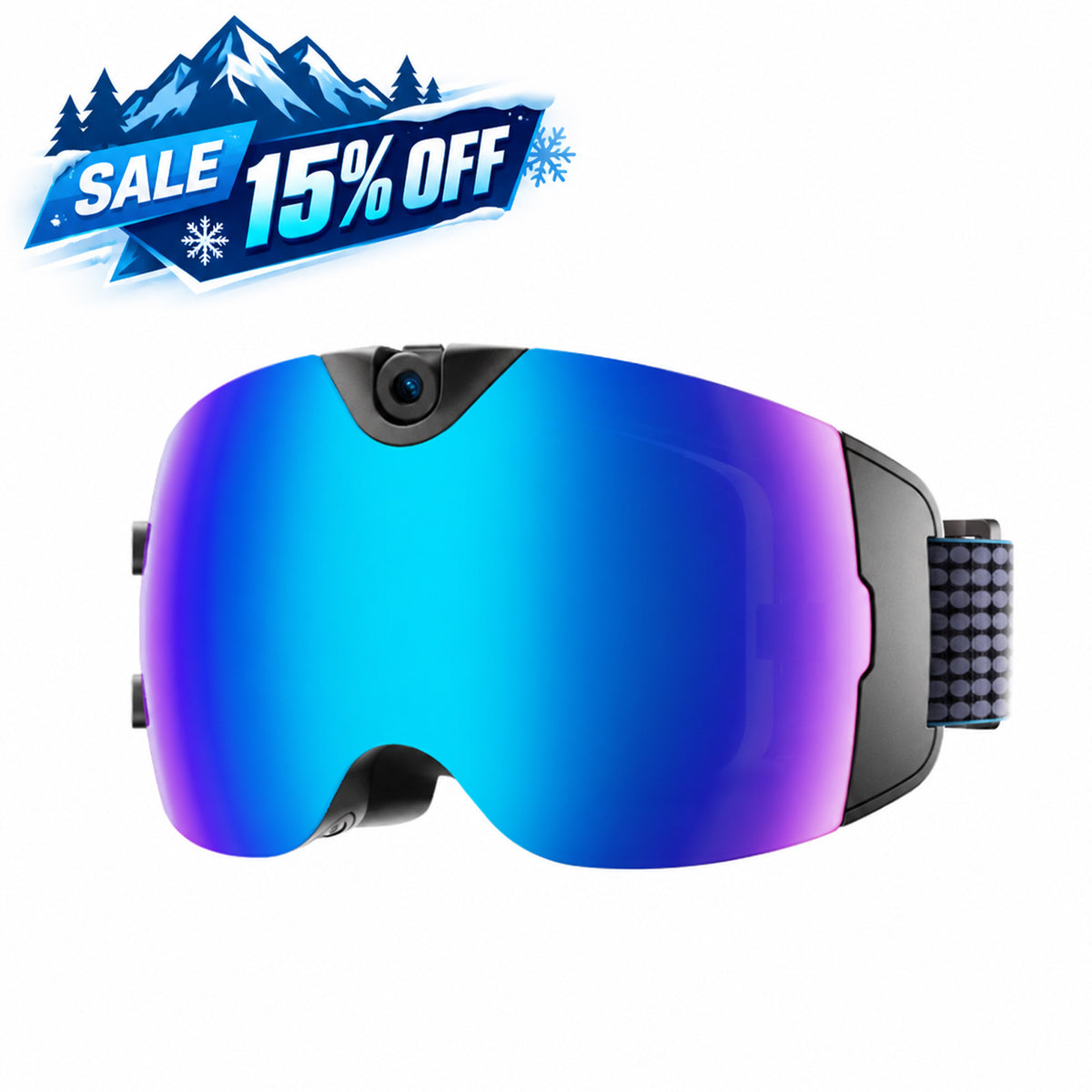
A product listing that mentions only the foam layer count is incomplete for a comfort comparison. Look for the actual lining material, construction description, goggle dimensions, and any fit guidance the retailer provides, and treat missing details as unresolved rather than assuming a triple-layer label means better comfort. This matters just as much when you're comparing snowboard goggles, smart ski goggles, or snow goggles with a built-in camera, since recording or connectivity features say nothing about how the face foam will feel. Our guide on full resort day comfort walks through a longer try-on routine if you want to stress-test a shortlisted pair before buying. If you are specifically weighing camera or smart-goggle features, confirm the face-foam fit first, then browse our smart snow goggles once you know what contact pattern actually works for you.

Choosing between single-, double-, and triple-layer ski goggle foam comes down to verified fit, not the number printed on the label. Run the face-and-helmet contact check, reject anything that presses or gaps once the helmet is on, and then weigh the remaining options against your typical session length and weather. That sequence protects you from paying for a more elaborate foam construction that still doesn't seal comfortably on your face.
FAQs
What if triple-layer goggles still press on my nose?
Persistent nose pressure after a proper try-on usually points to a contour or frame mismatch for your face, not a foam shortage. Try a different frame shape or model rather than assuming another layer of foam will fix it, and don't treat the discomfort as proof the goggle is defective.
How should I compare goggles when the listing only gives the foam layer count?
Treat a layer-count-only listing as incomplete for a comfort decision. Look for the lining material, construction description, dimensions, and helmet-fit guidance where the retailer provides it, and lean on a returnable try-on when those details aren't available rather than predicting comfort from the layer number alone.
Do skiing and snowboarding require different foam layers?
No, the available evidence does not support a separate foam-layer winner for skiing versus snowboarding. Use the same face-contact and helmet-on check for either sport, and let session length and weather guide your priorities instead of the activity label.


Zostaw komentarz
Ta strona jest chroniona przez hCaptcha i obowiązują na niej Polityka prywatności i Warunki korzystania z usługi serwisu hCaptcha.