














High-elevation ski trips change how much UV and glare your eyes handle, but no single pair of ski goggles is engineered specifically for elevations above 10,000 feet. Check the goggles' documented UV protection, glare management, ventilation, and fit separately, because a "high-altitude" label on the box does not prove any of those features on its own. That single verification habit, more than any altitude claim, decides whether your eyes stay protected and your vision stays clear on a bright resort day.
Key Takeaways
- Verify UV protection (UVA/UVB or UV400) separately from any glare-reducing tint or mirror coating.
- Check ventilation, anti-fog details, and moisture handling in the manufacturer's documentation rather than trusting an altitude claim alone.
- Confirm a snug, gap-free fit around your nose, cheeks, and helmet for wind and particle protection.
- Match lens and ventilation priorities to your day's weather and exertion level before weighing camera or smart features.
What to Verify in High-Altitude Ski Goggles
The most useful check is a documented UVA/UVB or UV400 rating, kept separate from any glare-reducing tint. Ventilation, anti-fog details, and a snug seal around your eyes matter just as much once you're actually on the snow.
UV Protection and Snow Glare Are Separate Checks
Higher elevations and snow activities can increase your ultraviolet exposure even in winter, according to the CDC's travel health guidance on sun exposure. Snow reflects a large share of UV radiation back toward your face, so exposure at a high-elevation resort can exceed what the outside temperature suggests. Because of this, look for goggles with a specific UVA/UVB or UV400 spec printed on the packaging or product page, not just a dark or mirrored lens.

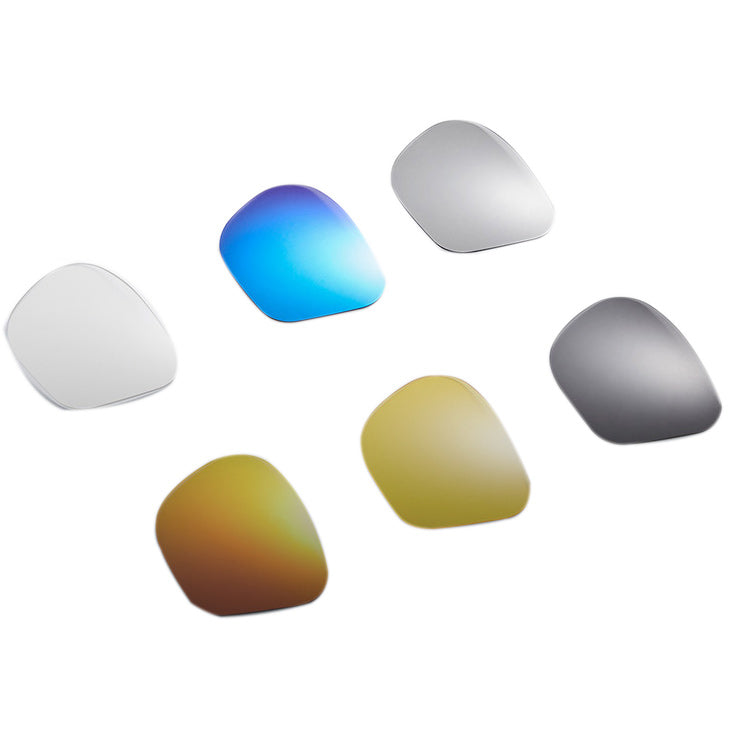
Polarized and mirrored lenses cut the glare bouncing off snow, but the same CDC guidance notes that polarized lenses reduce reflected light without adding extra UV protection on their own. A dark tint, a mirrored coating, or a wraparound shape can make the slope easier to look at, but none of them substitute for a documented UV number. Confirm that number separately from the tint or coating description before you buy.
The EPA's UV Index guidance explains that UV intensity increases with elevation, rising roughly six percent for every kilometer above sea level, and that cloud cover lowers but does not eliminate ground-level UV. Checking the forecasted UV Index for your resort, alongside the goggles' UV spec, gives you a more complete picture than the altitude number alone.
Ventilation, Anti-Fog Care, and Moisture
Ventilation and anti-fog performance are model-specific, so check the manufacturer's documentation instead of assuming a high-altitude goggle needs special pressure venting. Standard snow goggles do not require dedicated pressure-equalization vents for resort skiing above 10,000 feet, and no lens design guarantees complete fog-free vision in every temperature and exertion level.
Before buying, verify these details on the product page or in the manual:
- Vent clearance: confirm the frame's air channels stay open once paired with your helmet.
- Lens construction: check whether the listing documents a double lens or an anti-fog coating, rather than assuming any tinted lens resists fog.
- Moisture handling: look for a foam liner description that mentions managing sweat or condensation.
- Care instructions: follow the manufacturer's cleaning guidance, since wiping the inside of the lens with the wrong cloth can strip an anti-fog coating.
Wind, Debris, and Fit Around the Eyes
A snug foam seal around the frame helps block wind, cold air, and airborne particles, but no goggle design blocks every hazard completely. University of Colorado ophthalmology researchers note that wind can blur vision in cold conditions because it destabilizes the tear film on your eyes, and that the foam lining on a goggle frame creates a moisture chamber that helps limit that effect.
For fit, check that the frame rests evenly across your nose and cheeks without pinching, closes any gap where your helmet meets the goggle strap, and leaves your peripheral vision clear. A goggle that presses on your cheekbones or leaves a gap at the temple lets in wind and cold air even when the lens itself carries a solid rating.
If your vision stays blurry or your eyes hurt after skiing or snowboarding, stop the activity. The same research treats blurry vision or eye pain that persists as a signal to see a medical professional rather than a reason to try another lens.
Choose Features for Your Skiing or Snowboarding Scenario
Once you've confirmed documented UV protection, glare control, ventilation, and fit, the right feature mix depends on your day's weather and effort level. Camera and smart features only become relevant after those core checks pass.
Bright, Reflective Bluebird Days
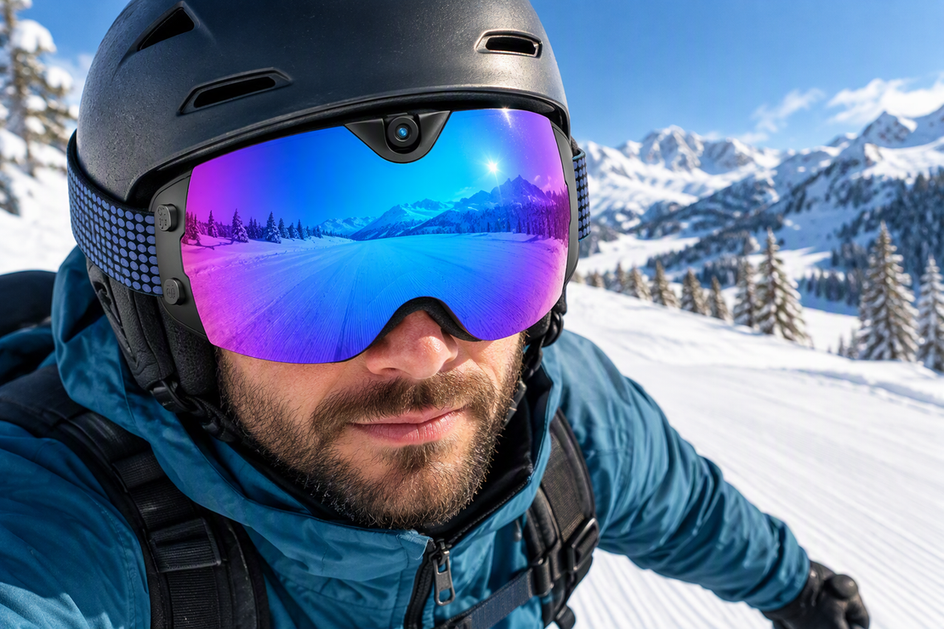
On a bright, reflective bluebird day, prioritize a goggle with a clearly documented UV rating and close-fitting coverage first. Glare management is a separate, secondary consideration: a mirrored or polarized lens cuts down the light bouncing off snow, which helps when the sun sits low and the whole slope glows white. Treat that glare reduction as comfort, not extra eye protection, since the UV check above already covers exposure. Skip any listing that leans on a dark tint or mirrored finish as its only protection claim.
Variable Weather and Flat Light
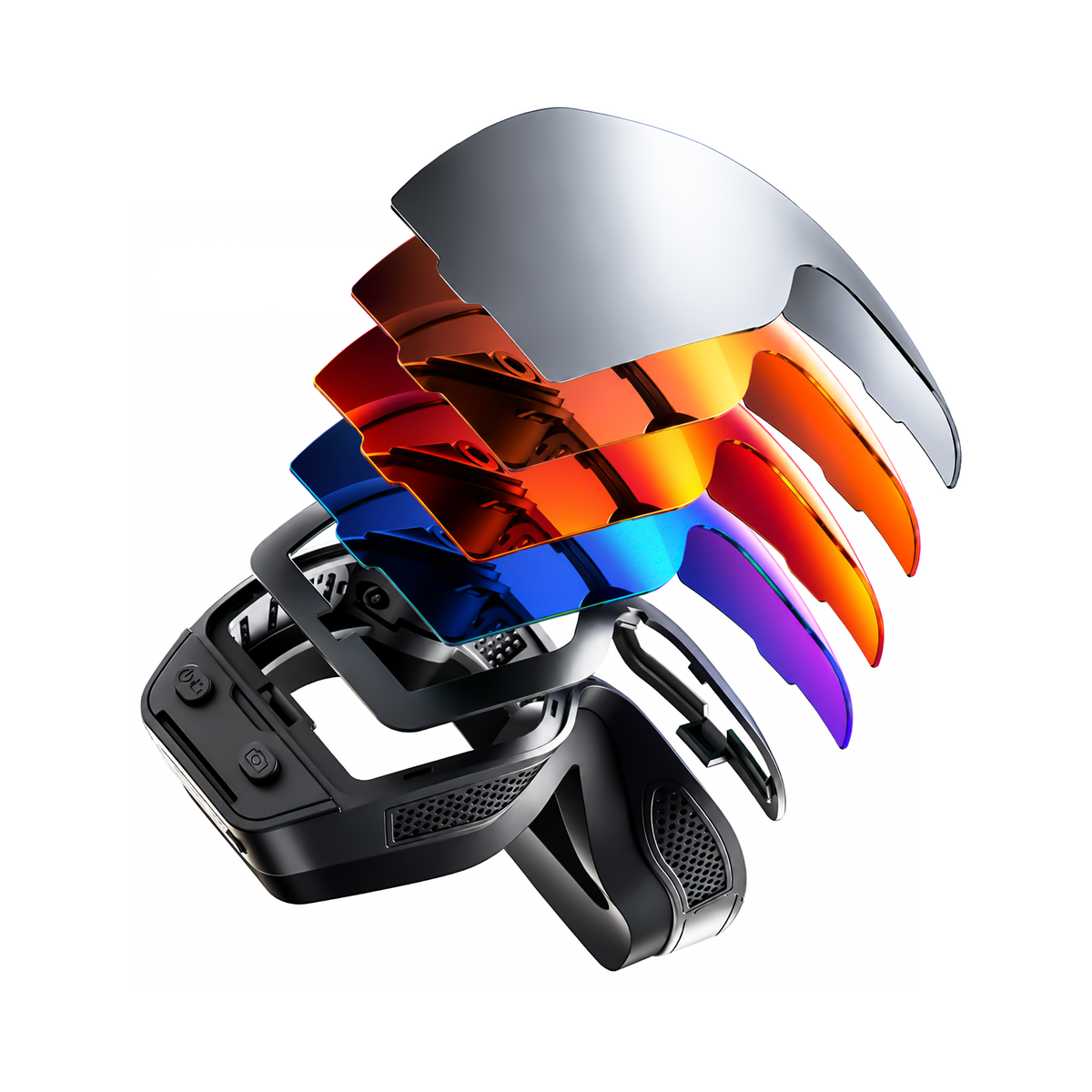
Variable weather calls for a lens built for changing light rather than one tuned only for sun. Flat light on a cloudy or stormy day washes out bumps and terrain edges, so a lens documented for bright and cloudy snow conditions can keep terrain features visible as clouds roll in. There's no single tint or VLT number proven to work for every storm, so match the lens description to the forecast you actually expect. If your trip mixes sun and snow squalls, consider a goggle with an interchangeable or photochromic lens option so you're not stuck guessing at the base.
Lift-Served Days vs. High-Exertion Transitions
Lift-served downhill skiing and backcountry-style hikes put different demands on the same goggles. For a straightforward lift-served day, a stable fit built for full resort day comfort and unobstructed visibility matters more than extra electronics, since you're not generating much body heat between runs. For hikes, skins, or other high-exertion transitions, moisture builds up faster, so pay closer attention to vent clearance and the manufacturer's anti-fog care instructions covered earlier. Neither setup is universally better: a heavier goggle with more foam coverage can feel great on a cold lift line but trap more heat on a climb. Match your choice to how much you'll sweat that day, not to a single "best" construction.
When Camera or Smart Features Are Optional
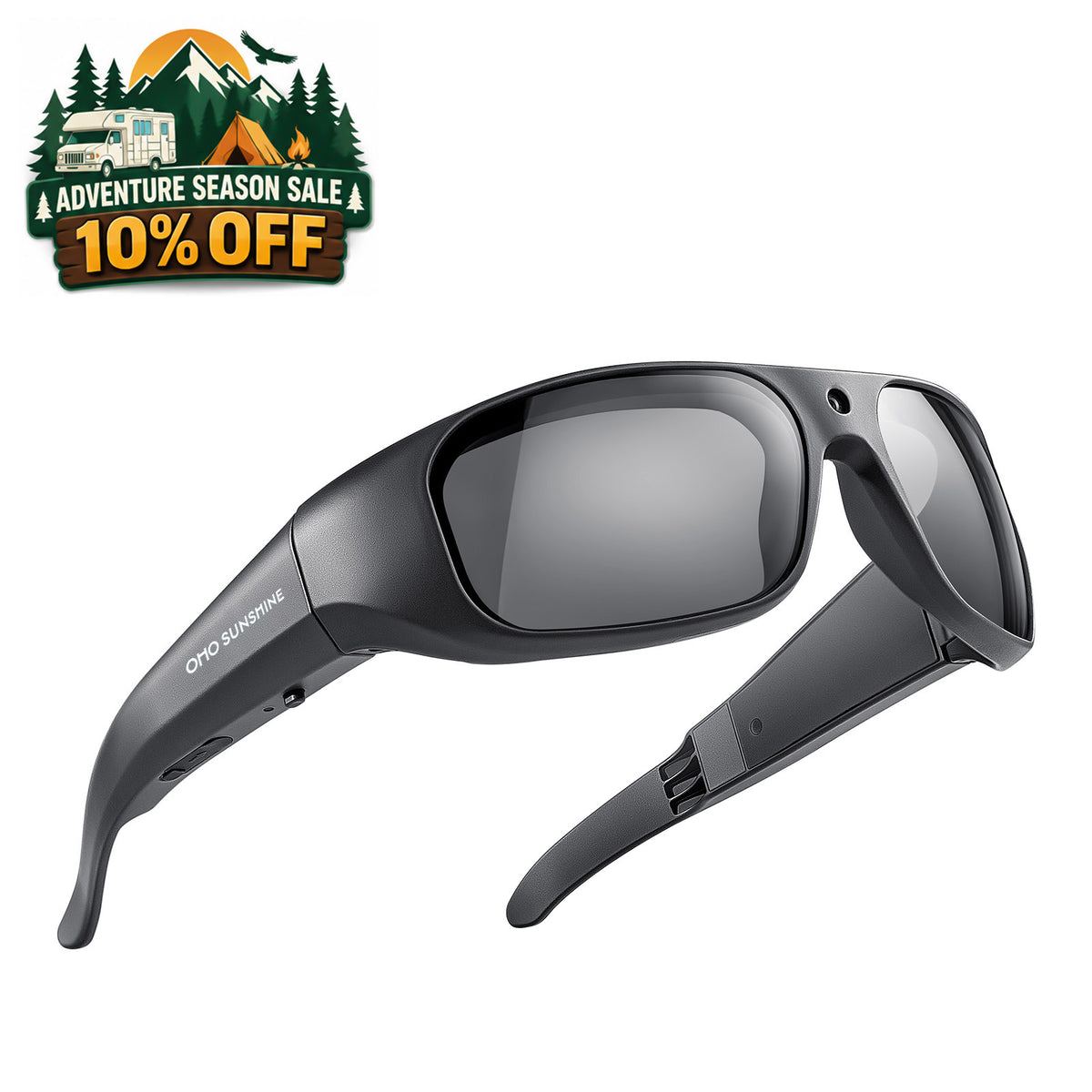
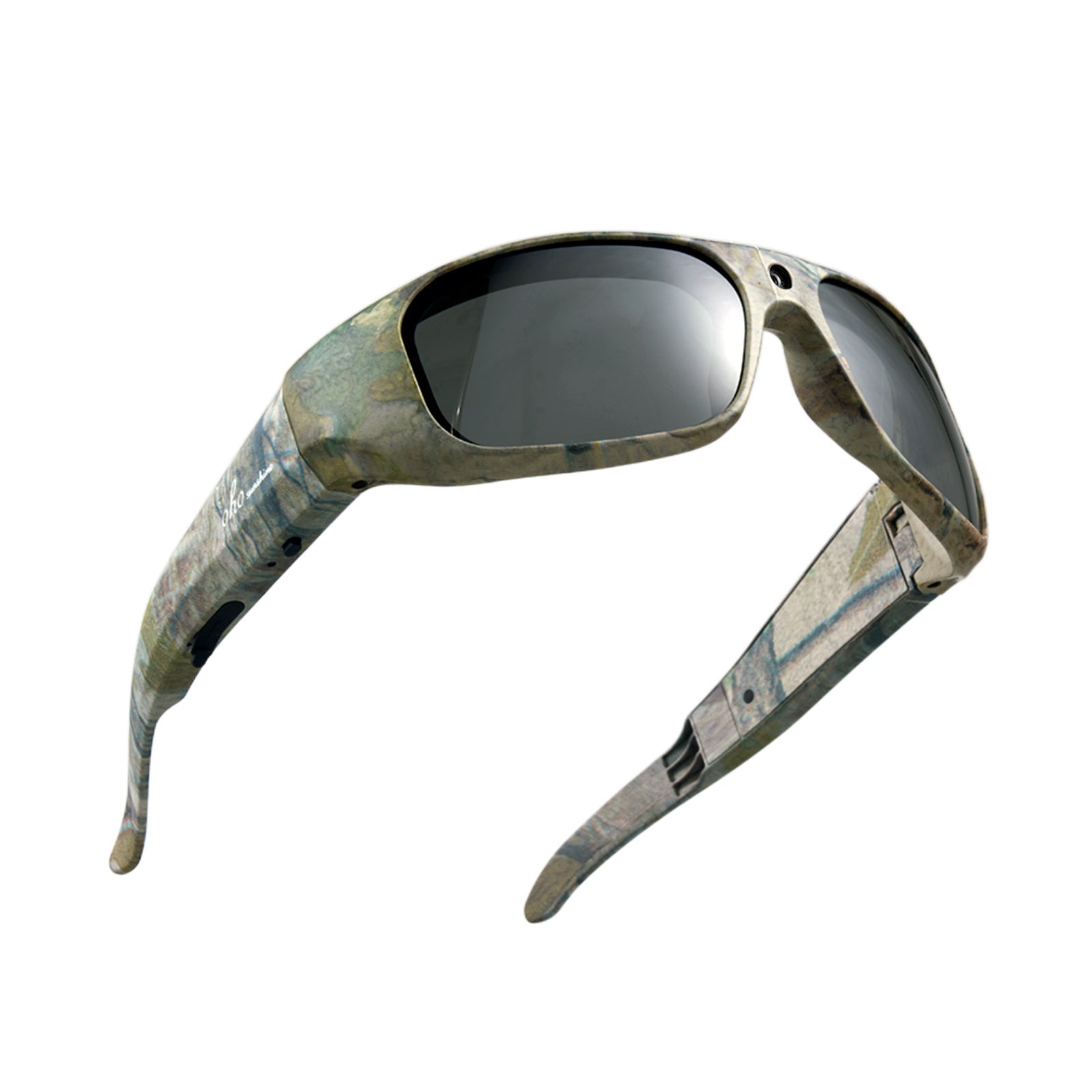
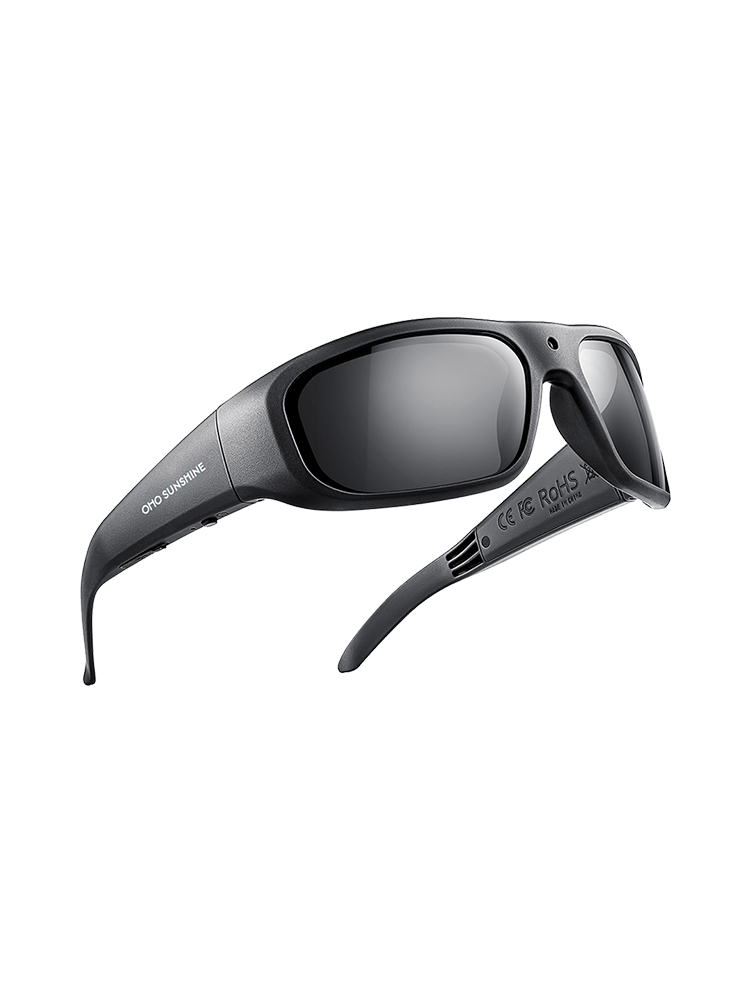
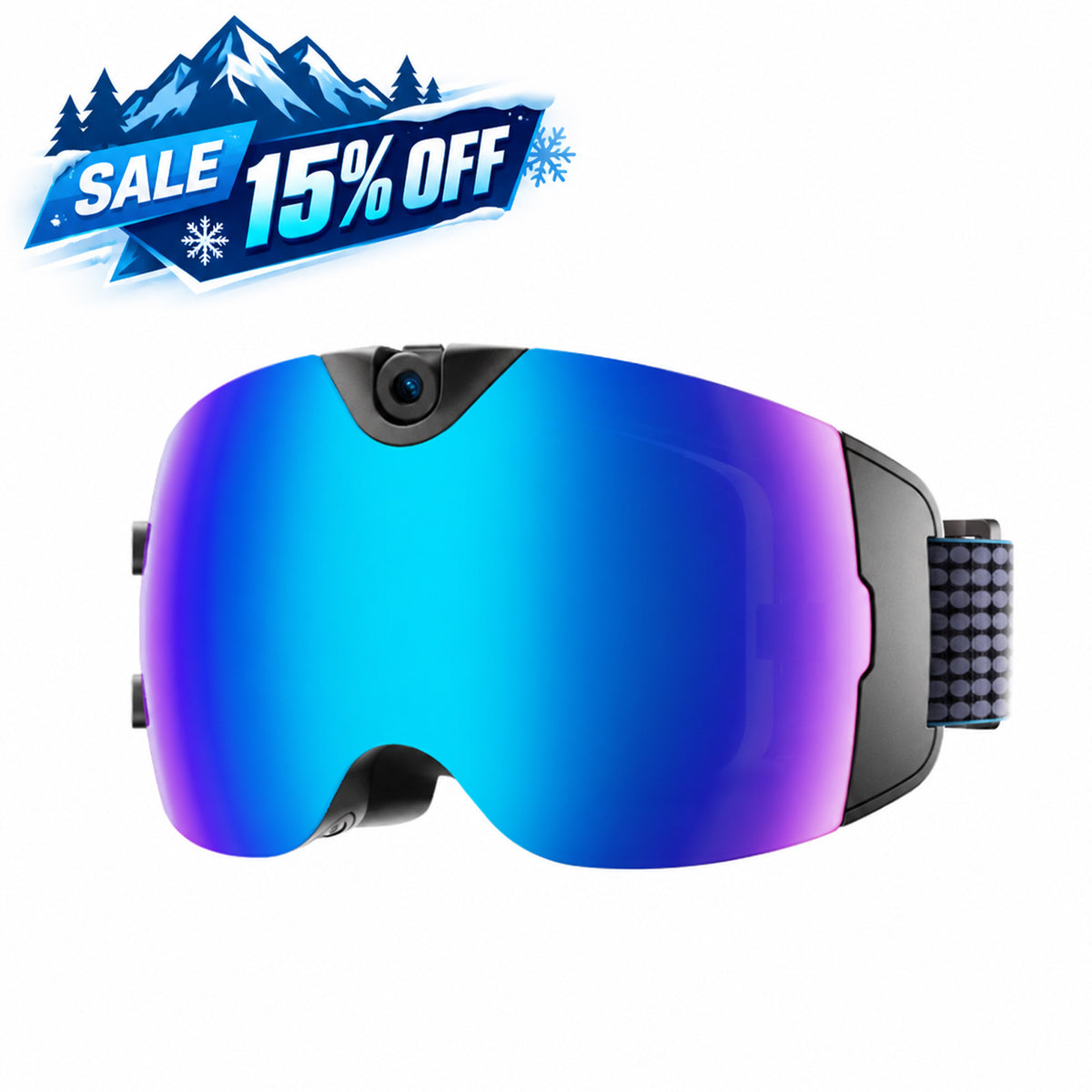
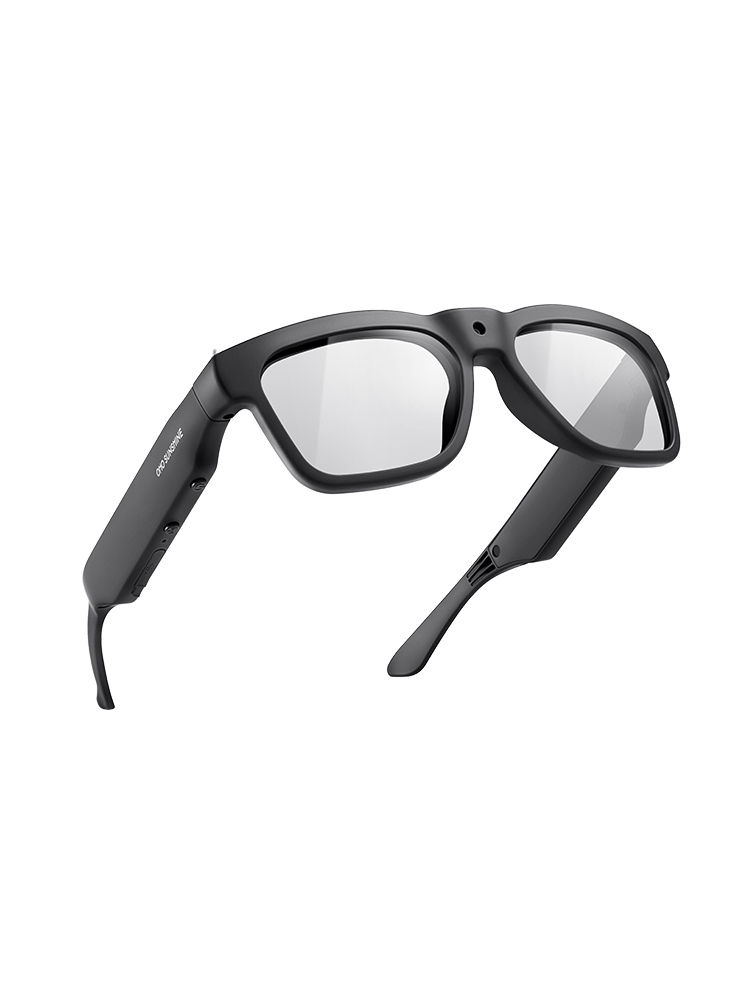
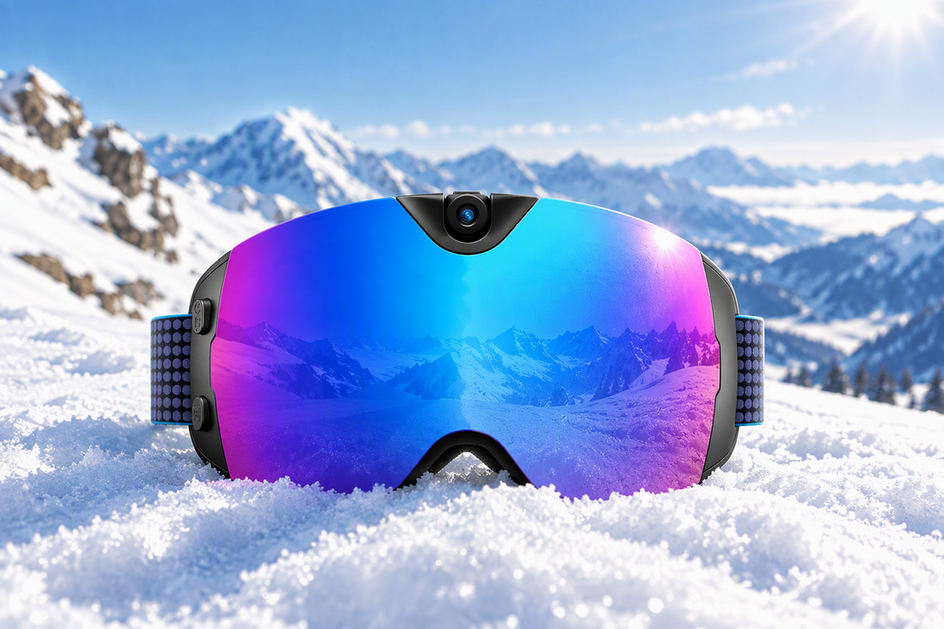
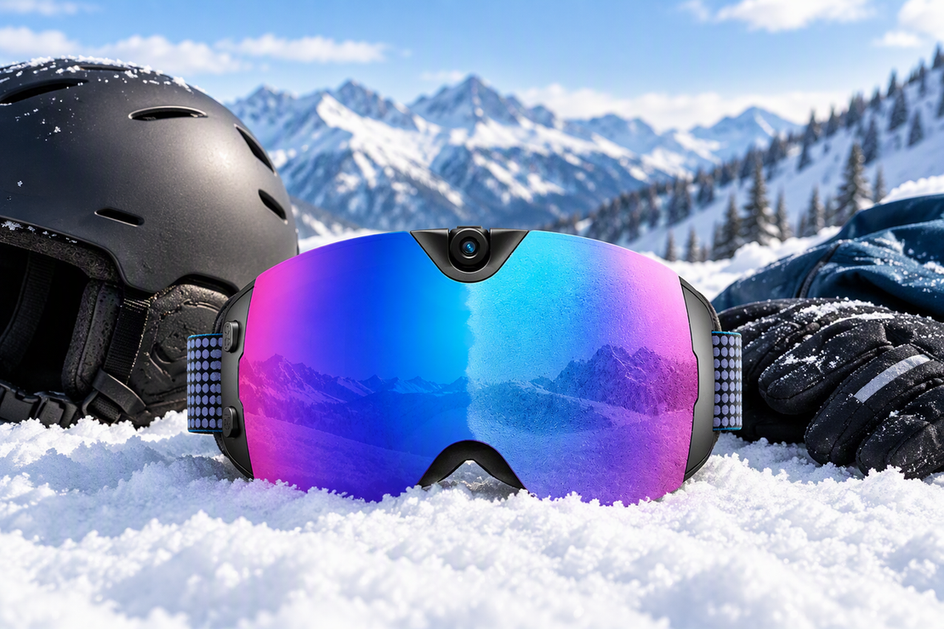
Recording and connectivity are add-ons, not substitutes for the UV, fit, and ventilation checks above. If hands-free recording is an actual priority for you, our Skyshot camera ski goggles pair a 4K/30 fps video camera and 24-megapixel photo mode with a UV400-rated, polarized, anti-fog lens, plus Wi-Fi transfer and USB-C charging for pulling footage off after your run. Those camera and connectivity specs are listed features, not proof of pressure venting, an altitude rating, or guaranteed fog-free performance at any elevation, so run through the same UV, fit, and ventilation checks from the first section before you rely on them at a high-elevation resort. If you're comparing several camera-equipped options, our camera ski goggle collection groups models with built-in recording so you can compare their documented specs side by side. Choose a camera goggle only after the core protection criteria pass, not instead of them.

However you plan to use your goggles this season, the fastest way to a sound choice is to verify UV protection, glare control, ventilation notes, and fit before comparing recording or connectivity extras. Match those documented details to your actual weather and exertion, and let camera features stay a bonus rather than the deciding factor.
FAQs
Can clouds eliminate the need for UV protection at a high-elevation resort?
No. The EPA's UV Index guidance explains that clouds reduce ground-level UV but do not eliminate it, while elevation raises modeled UV intensity by roughly six percent per kilometer. Check the forecasted UV Index for your resort and choose goggles with a documented UV rating rather than skipping protection on an overcast day.
Does a UV400 claim mean ski goggles are rated for high altitude?
No. UV400 describes documented UV filtration only, not an altitude rating, a pressure-venting design, or an anti-fog guarantee. Once you confirm UV400, still check the ventilation, fit, and manufacturer care details covered above before assuming a goggle is ready for a high-elevation trip.
What should I do if my vision stays blurry or my eyes hurt while skiing?
Stop the activity and have your eyes evaluated rather than swapping lenses or continuing to ski. Ophthalmology guidance treats persistent blurry vision or eye pain as a signal to seek medical care, not a fit issue to solve on the mountain.


コメントを書く
このサイトはhCaptchaによって保護されており、hCaptchaプライバシーポリシーおよび利用規約が適用されます。