
















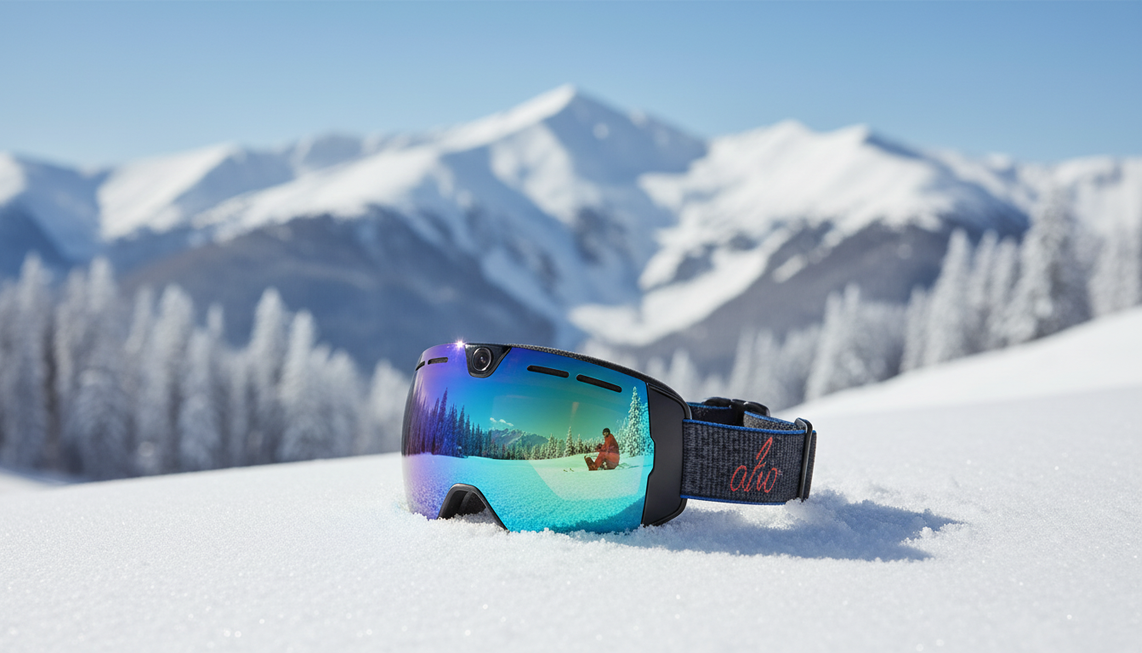
Bright, reflective snow generally calls for a ski-goggle lens designed for strong light and a lower VLT. Cloudy, stormy, or flat-light conditions usually need more light transmission and a lens designed to enhance contrast. If conditions may change during one session, compare a documented variable lens with a second fixed lens instead of choosing by mirror color alone. This guide helps you find the best ski goggles for the forecast you expect.
Which Lens Tint Fits the Best Ski Goggles for Your Snow Conditions?
The best ski goggles for your trip are the ones with a documented light range that matches the conditions you expect to ski. The darkest mirror or most appealing tint is not necessarily the right choice. Use this selector before comparing other features:
| Expected snow light | Lens direction and visual priority | What to verify on the product page |
|---|---|---|
| Bright sun and reflective snow | Bright-light use, glare control, and generally lower VLT | Stated sunny-condition range, VLT, and tint description |
| Cloudy skies, snowfall, or flat light | More light transmission and a contrast-oriented use case, generally with higher VLT | Stated overcast or low-light range, VLT, and contrast claims |
| Sun and cloud during one session | A documented variable range or a second lens for separate conditions | Adjustment range or included lens roles, plus the stated use range |
The practical rule is simple: start with the forecast, then compare VLT with the product's stated condition range. A color name or mirrored finish can describe the lens's appearance, but it does not replace those specifications.

Choose Glare Control for Bright Snow and Bluebird Days
When direct sunlight reflects off the snow, prioritize a lens documented for bright or sunny conditions. A lower-VLT lens generally transmits less visible light, making it the right direction to explore when the mountain is intensely bright.
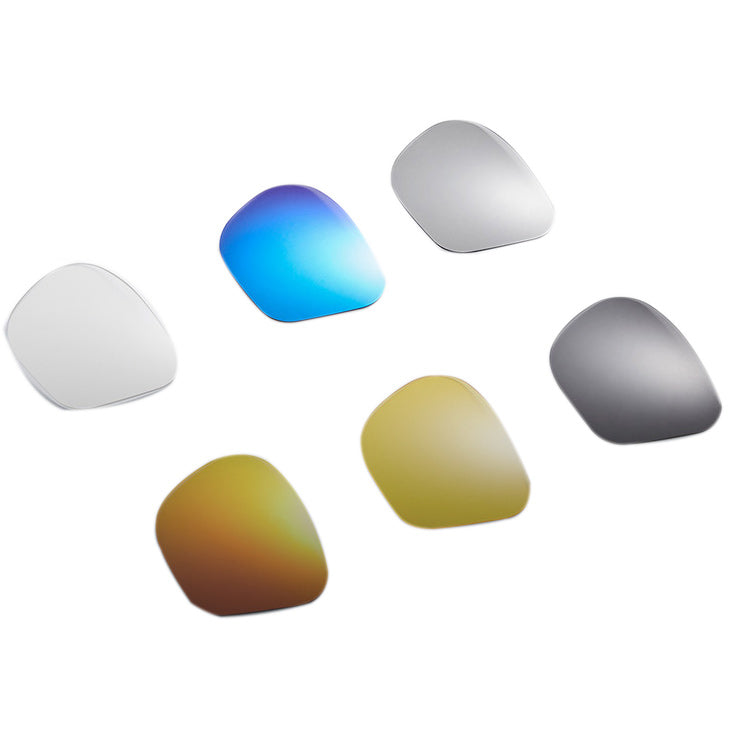
Dark brown, copper, or black lenses may be marketed for sunny conditions, but their appearance alone does not show how they perform. Read the stated VLT and intended light range instead. If your route includes shaded trees, late-afternoon cloud cover, or a forecast that may change quickly, a very dark fixed lens can be a poor all-day choice. In that case, compare a variable lens or a second lens before adding goggles to your cart.
Glare control is not a promise of perfect terrain visibility. The lens still needs to suit the actual light, and you need to make conservative decisions when the snow surface or contours are difficult to assess.
Choose Contrast for Cloudy Days, Snowfall, and Flat Light
For overcast skies, active snowfall, and flat light, start with a lens documented for low-light or contrast use and generally higher light transmission than a bright-sun lens. These conditions can flatten shadows and contours, so preserving usable light matters more than maximizing darkness.
Amber, gold, and rose are common examples associated with snow goggles for cloudy days and flat light, but no tint color is best for every skier or every storm. The product's stated VLT and condition range should guide the purchase. A lighter-looking lens may be a useful starting point, while a dark bright-day lens can be a poor match when clouds or snowfall dominate.
When comparing a ski-goggle lens tint for contrast, treat contrast language as one part of the specification, not a guarantee of depth perception or terrain clarity. If the surface remains hard to read, stay within conditions you can comfortably assess rather than expecting a tint to solve the problem by itself.
Read VLT and Tint Claims Before You Buy
VLT means visible light transmission, or the percentage of visible light that passes through the lens and reaches your eyes. Lower VLT transmits less light and generally suits brighter conditions. Higher VLT transmits more light and generally suits darker conditions.
Use VLT as a measurable comparison point, not a complete prediction of your view. Read it alongside the product's stated condition range and contrast claims, then look for separate documentation about optical clarity, fogging, UV filtering, and impact-related properties. The ANSI standards context for ski and snowboard goggles can help explain why documentation matters, but it does not establish that a product currently holds an ASTM certification.
| Product-page label | What it tells you | What it does not prove |
|---|---|---|
| VLT percentage | How much visible light passes through the lens | That the lens will provide your preferred contrast or glare comfort |
| Tint or color name | The lens's described color and intended visual direction | That the color works in every weather condition |
| Contrast or low-light claim | The use case the seller associates with the lens | A universal improvement for every snow surface or skier |
This is also why the answer to "what color lens is best for skiing" should begin with the forecast rather than a color chart. Match the documented specification to the light you expect, and keep comparing products when the VLT or condition range is missing.
Decide Between a Variable Lens and a Second Lens for Mixed Weather
Choose a documented photochromic lens when convenience matters and its adjustment range covers the light you expect. Choose a second fixed lens when you anticipate distinct bright and flat-light periods and want each lens to have a narrower, condition-specific job.
Photochromic lenses can reduce lens swapping, but independent testing describes compromises at the brightest and darkest extremes. They may not match the strongest fixed low-light lens during a storm or the darkest fixed lens in intense sun. The practical question is whether the documented range covers your forecast, not whether the lens is labeled all-weather. See the photochromic convenience and lighting tradeoffs before choosing a variable option.
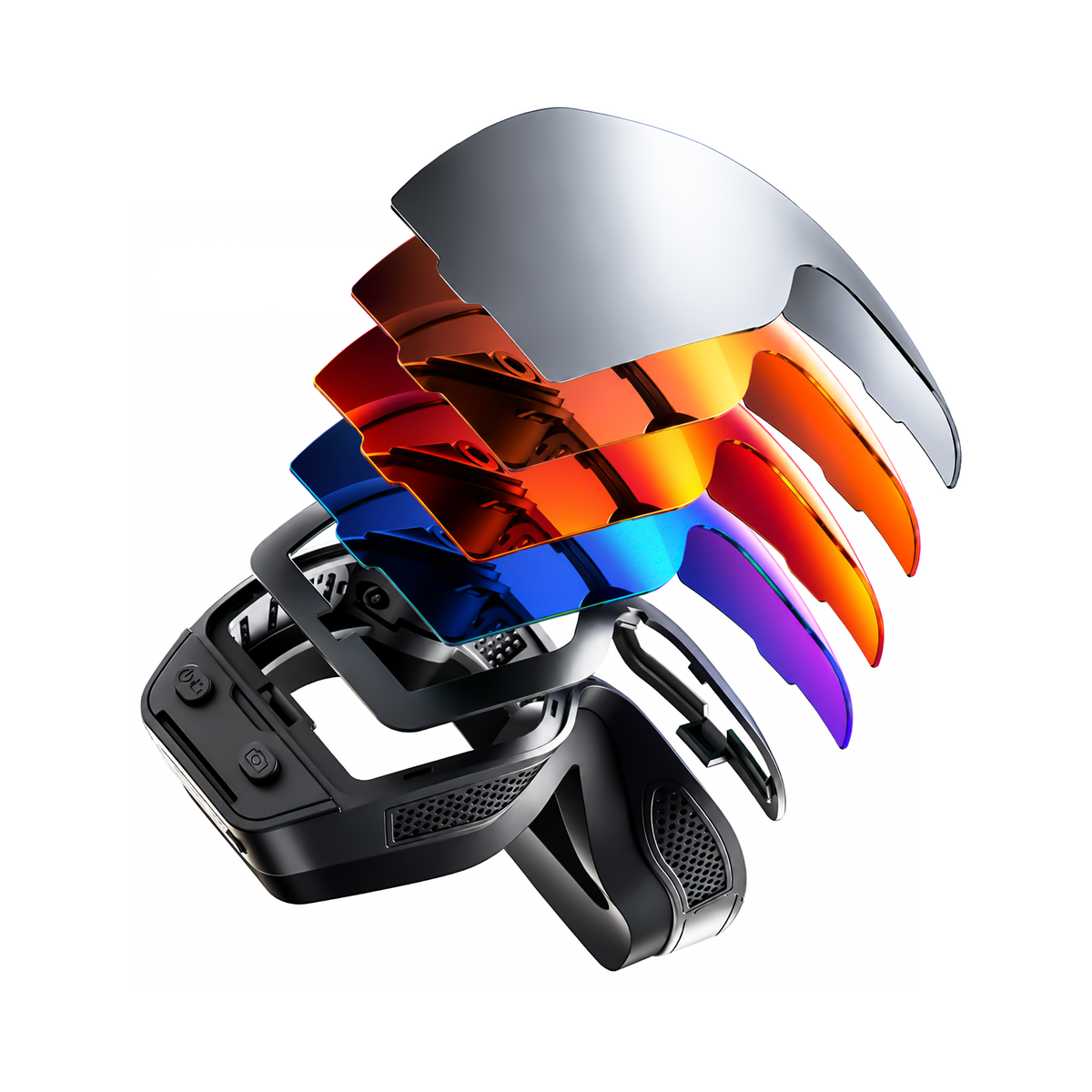
A second fixed lens can be more direct when you know the trip may include both bluebird and storm periods. Interchangeable-lens systems or bundles can assign one lens to bright conditions and another to low light, giving each a separate job. The tradeoff is carrying and changing lenses instead of relying on one piece of equipment.
Before adding either option to your cart, note the dominant light and the likely change during your session. Then compare both with the product's documented VLT and condition range. Set aside all-condition claims when those details are not supplied.
Should You Buy Camera Ski Goggles or Prioritize the Lens?
Choose the lens for the wearer's expected snow light first. A camera is worth adding when hands-free recording is an independent goal, not when recording specifications are being used as proof that the lens suits bright, cloudy, or flat-light terrain.
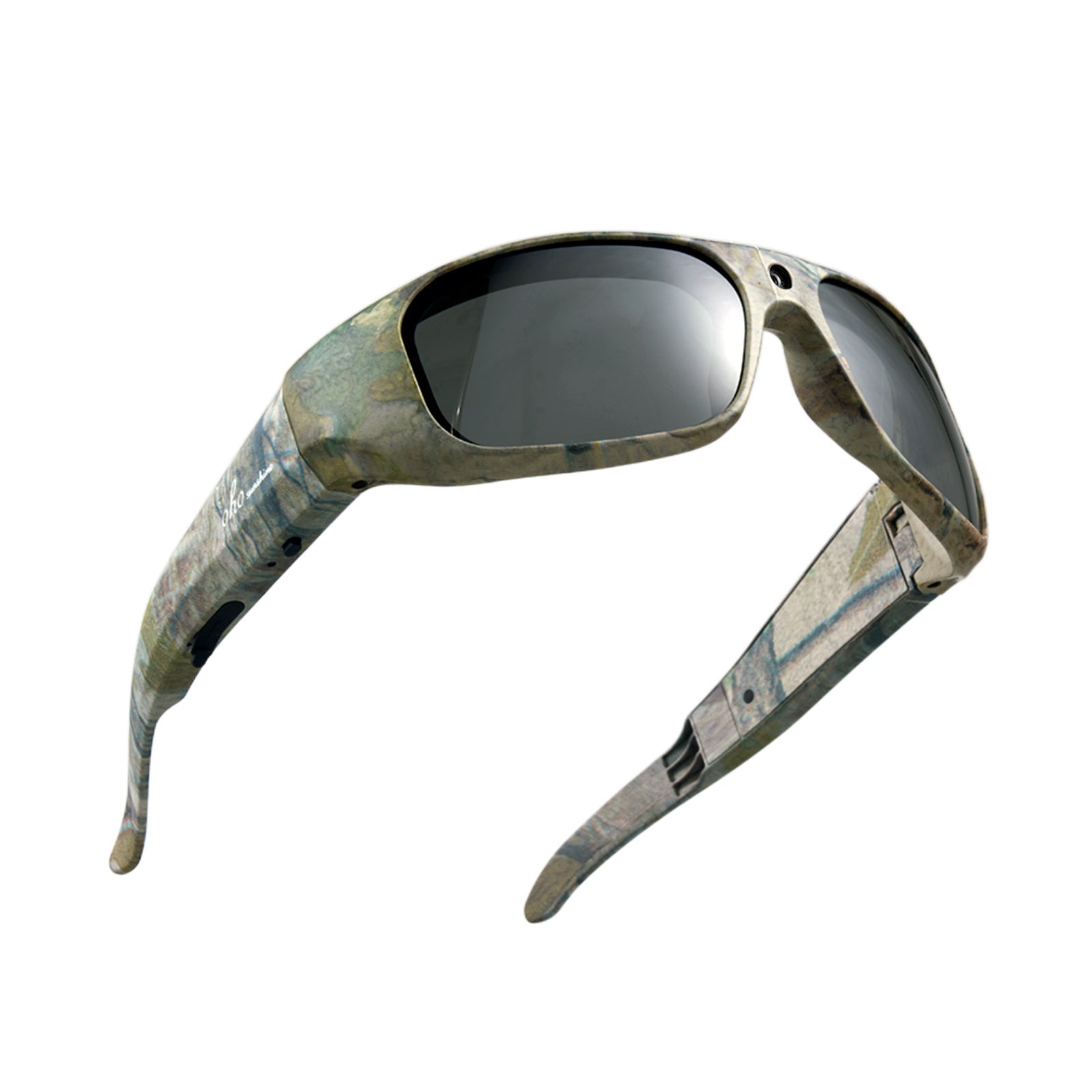
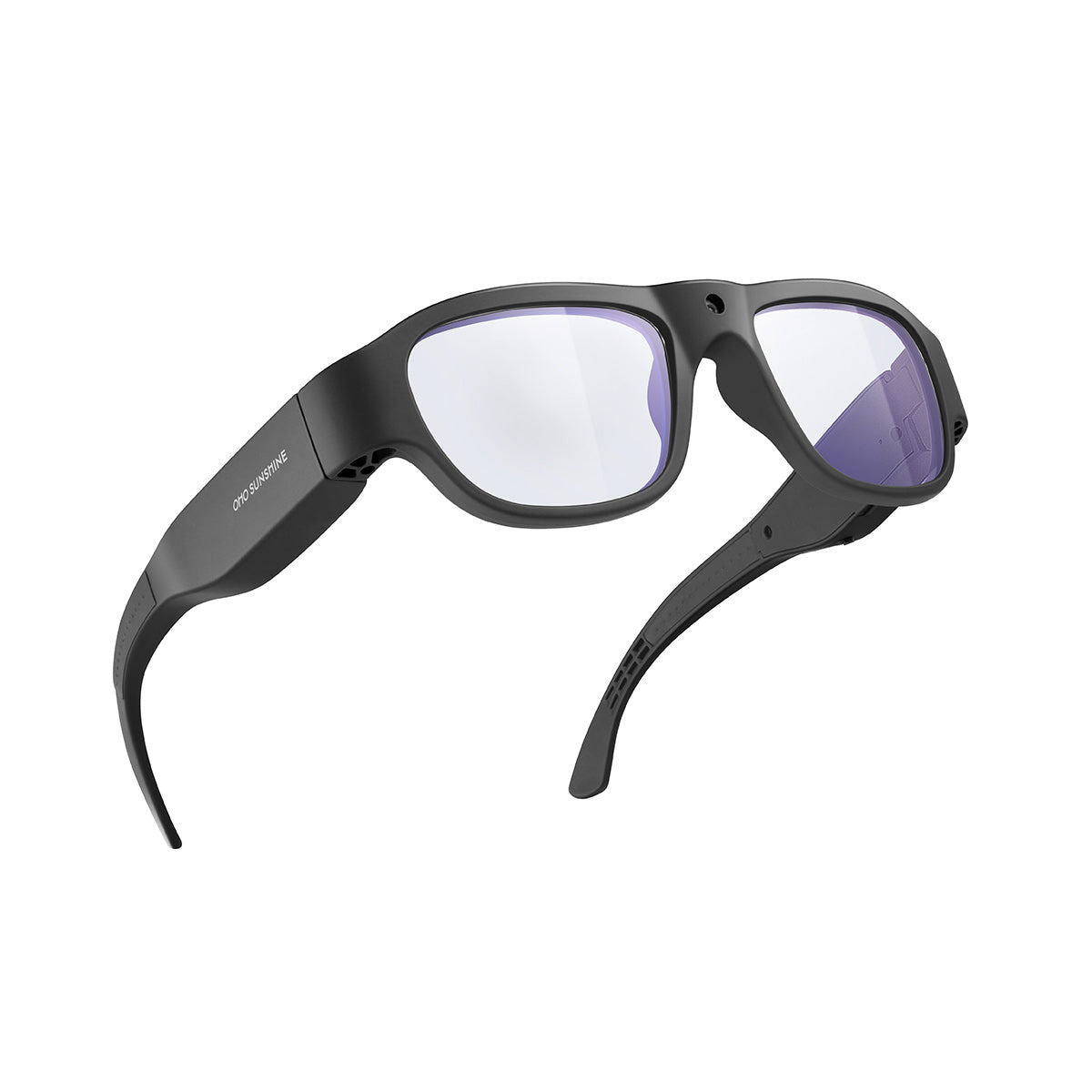
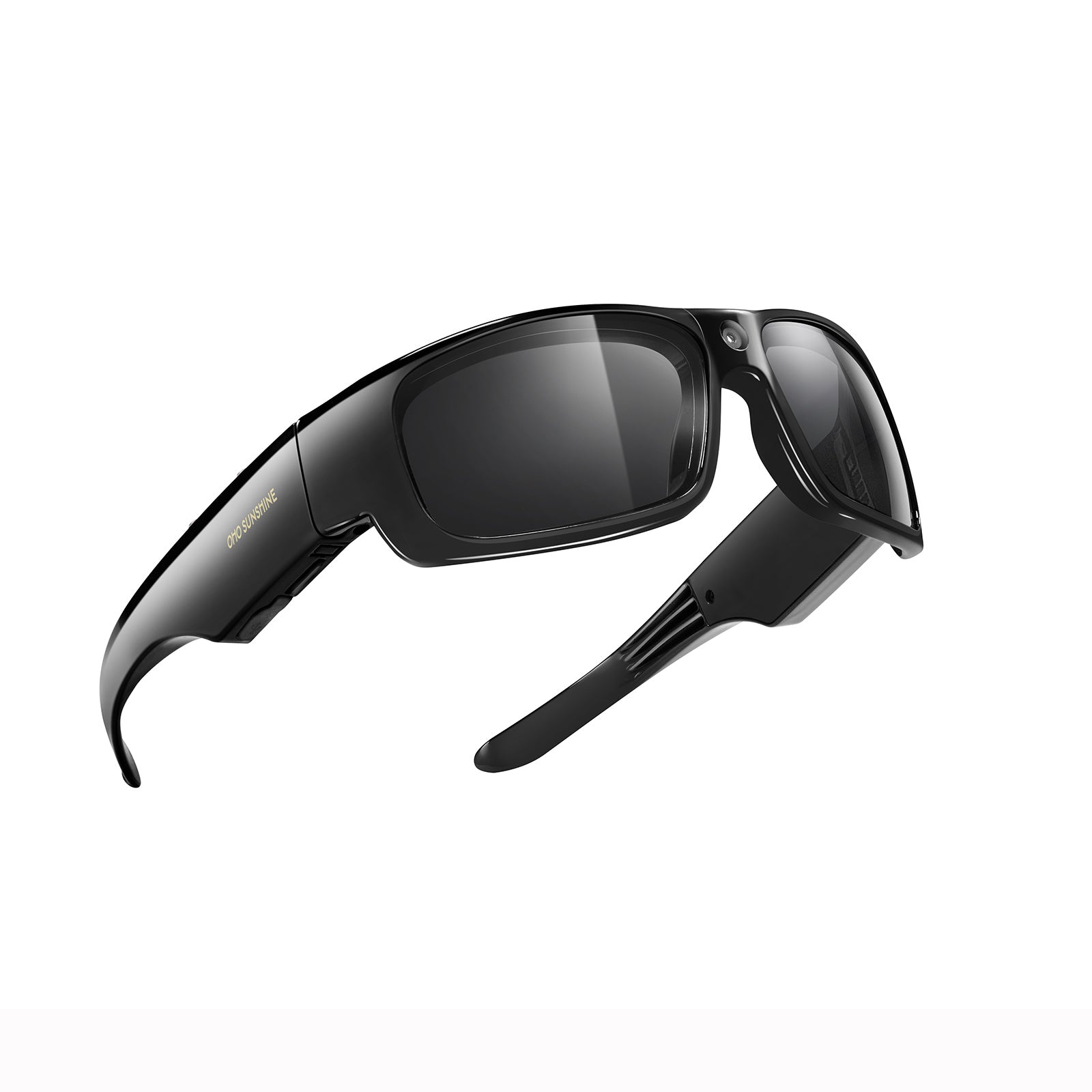
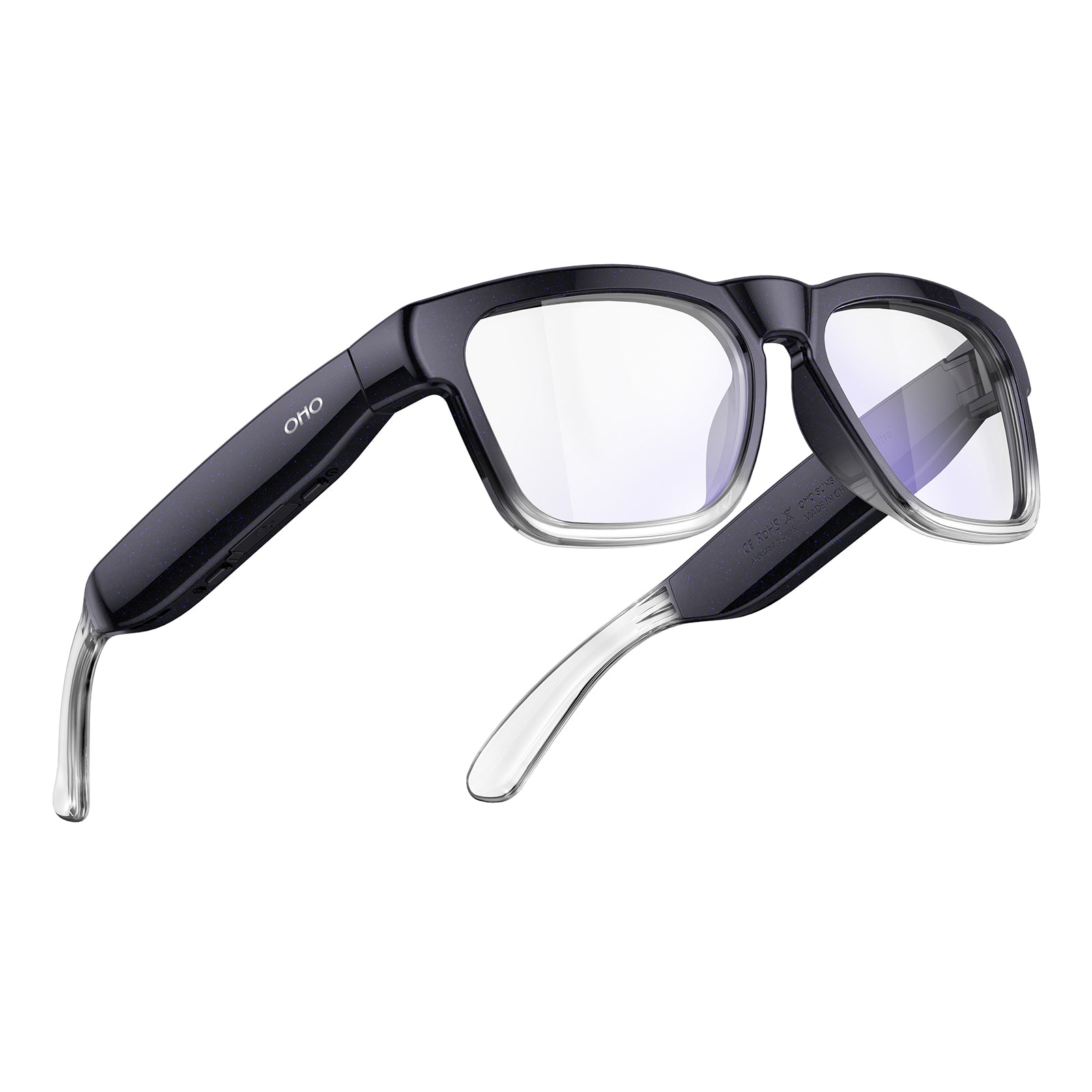
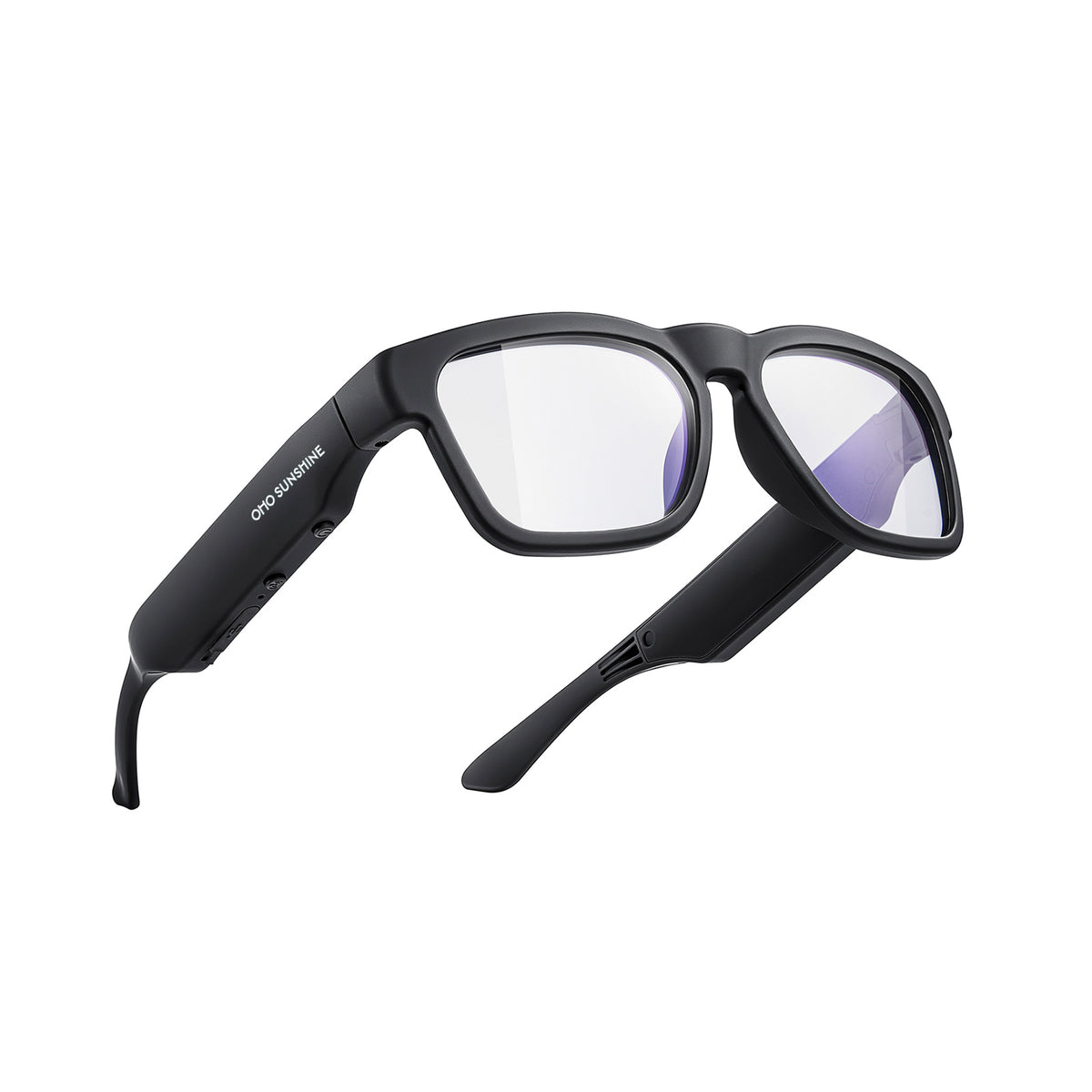
For shoppers seeking snow goggles with camera features, the OHO SUNSHINE 4K Camera Smart Ski Goggles with WiFi, 24M Photo, Anti-Fog - Skyshot are a camera-recording option to compare. The supplied product facts include 4K video at 30 fps, 24M photos, a 140-degree wide-angle camera, anti-fog and polarized lenses, and Wi-Fi. Those features address capturing runs and managing the device; the supplied facts do not establish the lens VLT or condition-specific tint suitability.

That distinction matters for both men's and women's snow-goggle shoppers because the recording feature does not answer the visibility question. Compare the lens's documented light range independently, then consider Skyshot when recording is also part of the trip. If visibility is the only problem you are solving, keep the purchase lens-focused and choose a documented fit for the forecast.
The same logic applies when comparing snow goggles marketed for men or women. Gendered merchandising does not replace the condition, fit, and lens documentation that determine whether a pair suits your session.
Choose a documented lower-VLT bright-light lens for reflective bluebird days, a higher-VLT contrast-oriented lens for cloudy or flat light, and a verified variable range or second lens when conditions will shift. Compare those details before treating camera capability as a reason to buy. That gives you a clear path to the best ski goggles for your forecast while keeping recording as a separate feature decision.
FAQs
What Lens Color Is Best for Skiing on Sunny Days?
Look for a lens documented for strong light and bright snow, generally with lower VLT. The right color varies by product, so compare the stated sunny-condition range with the chance of cloud or shade before choosing a fixed dark lens.
What Ski Goggle Lens Is Best for Flat Light and Cloudy Weather?
Start with a lens documented for overcast, storm, or low-light use, generally with higher VLT and a contrast-oriented description. If the product is only described for bright sun, it is not the best starting point for a cloudy or snowy session.
What Does VLT Mean for Ski Goggles?
VLT is the percentage of visible light transmitted through the lens. Compare the listed percentage with the product's stated condition range, then read the contrast and optical documentation separately because VLT alone does not describe every part of the viewing experience.
Do Camera Ski Goggles Change the Lens Tint I Need?
No. Camera features address recording, while tint and VLT address the wearer's view. Choose the lens for the expected snow light first, then decide whether hands-free recording adds enough value for your trip.


Leave a comment
This site is protected by hCaptcha and the hCaptcha Privacy Policy and Terms of Service apply.